
All over prints
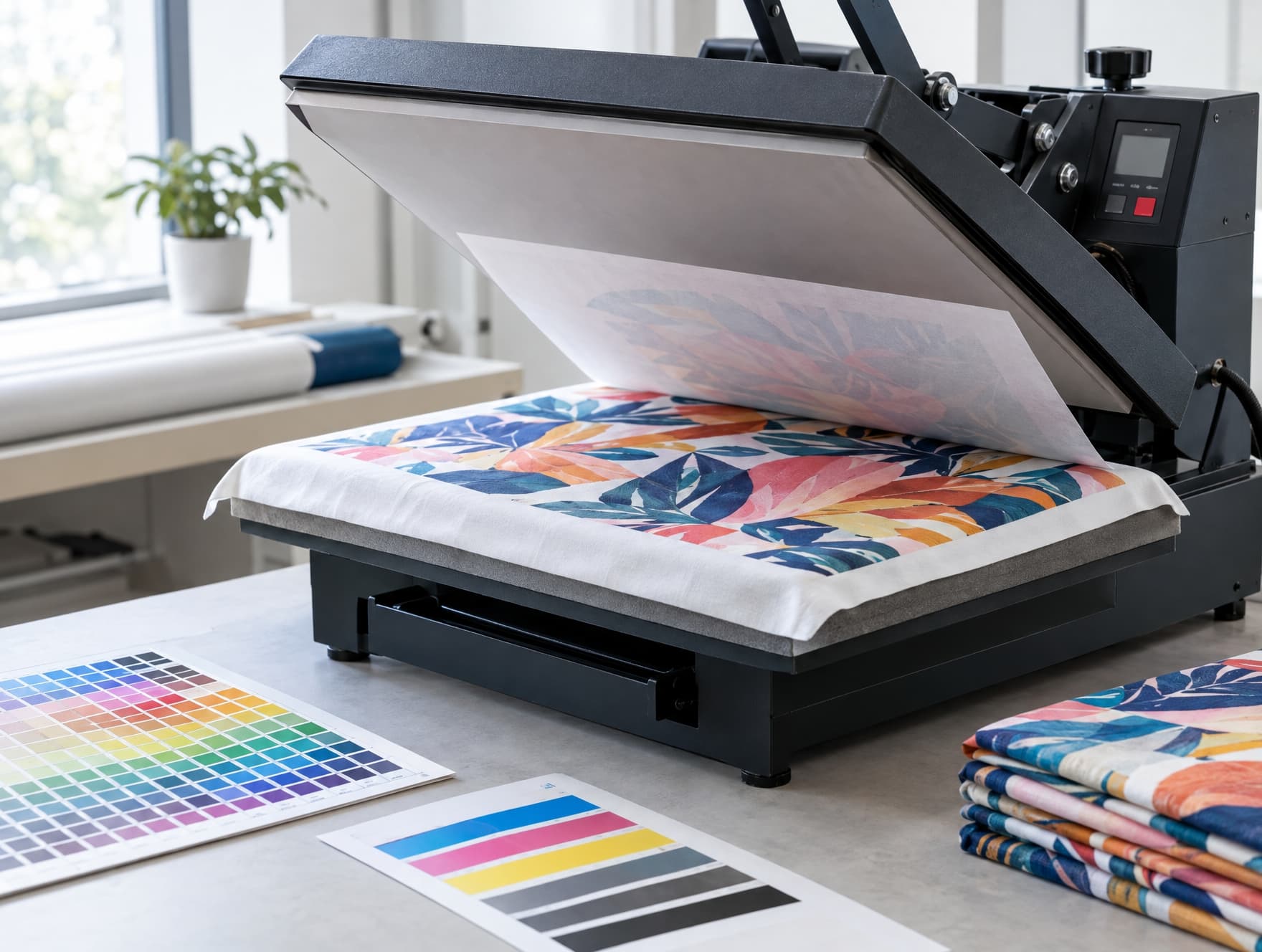
Supplier example- Method
- Sublimation on polyester
- Trade-off
- Sublimation only dyes polyester and needs a white or very light base.
- Approve before bulk
- Press a sample.
Loading page content
Product family
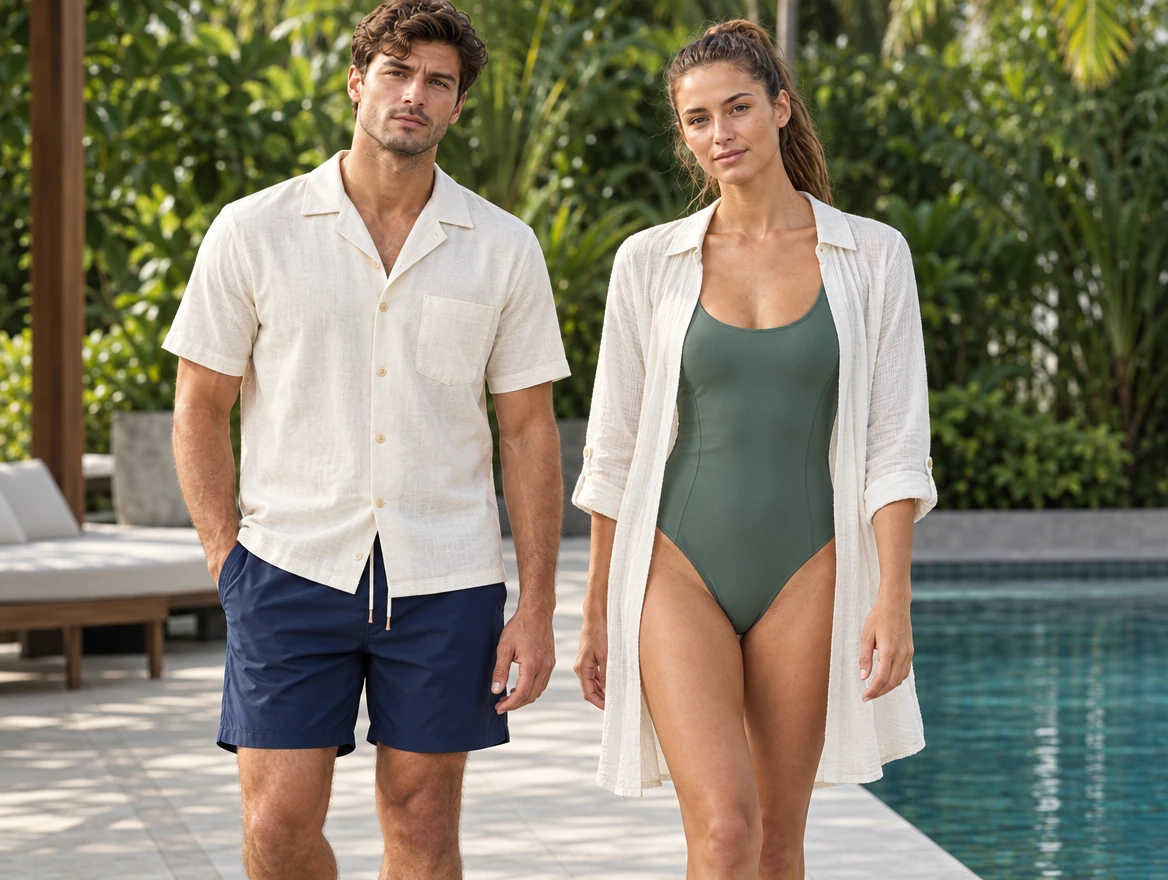
Swimwear and warm weather apparel where fabric chemistry and colour fastness are tested by real conditions.
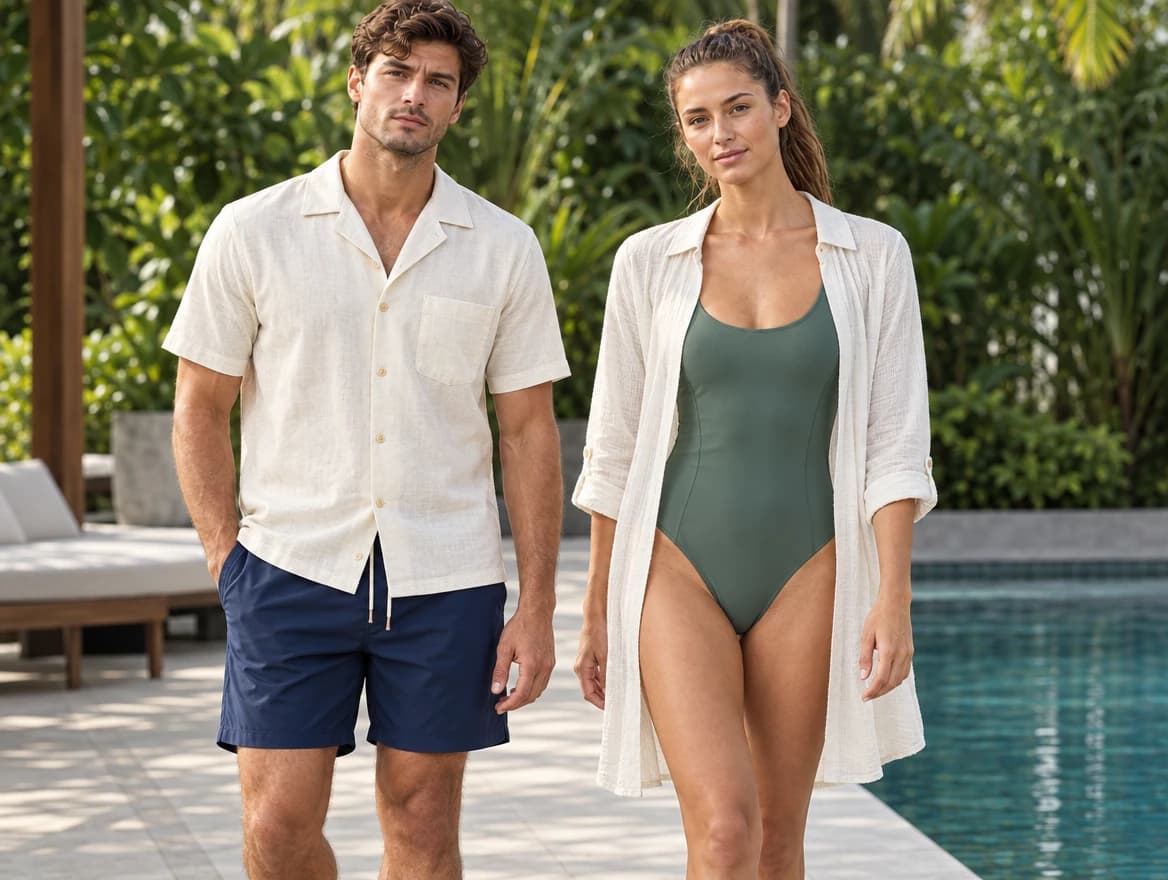
Swimwear faces conditions no other apparel category meets: chlorine, salt water, ultraviolet light and repeated stretching while wet. Fabric and elastane choices that work perfectly in gym apparel can degrade quickly in a pool.
Colour fastness is the visible consequence. A swim short that fades after one season damages a brand more than a construction fault would, because the customer sees it on every wear.
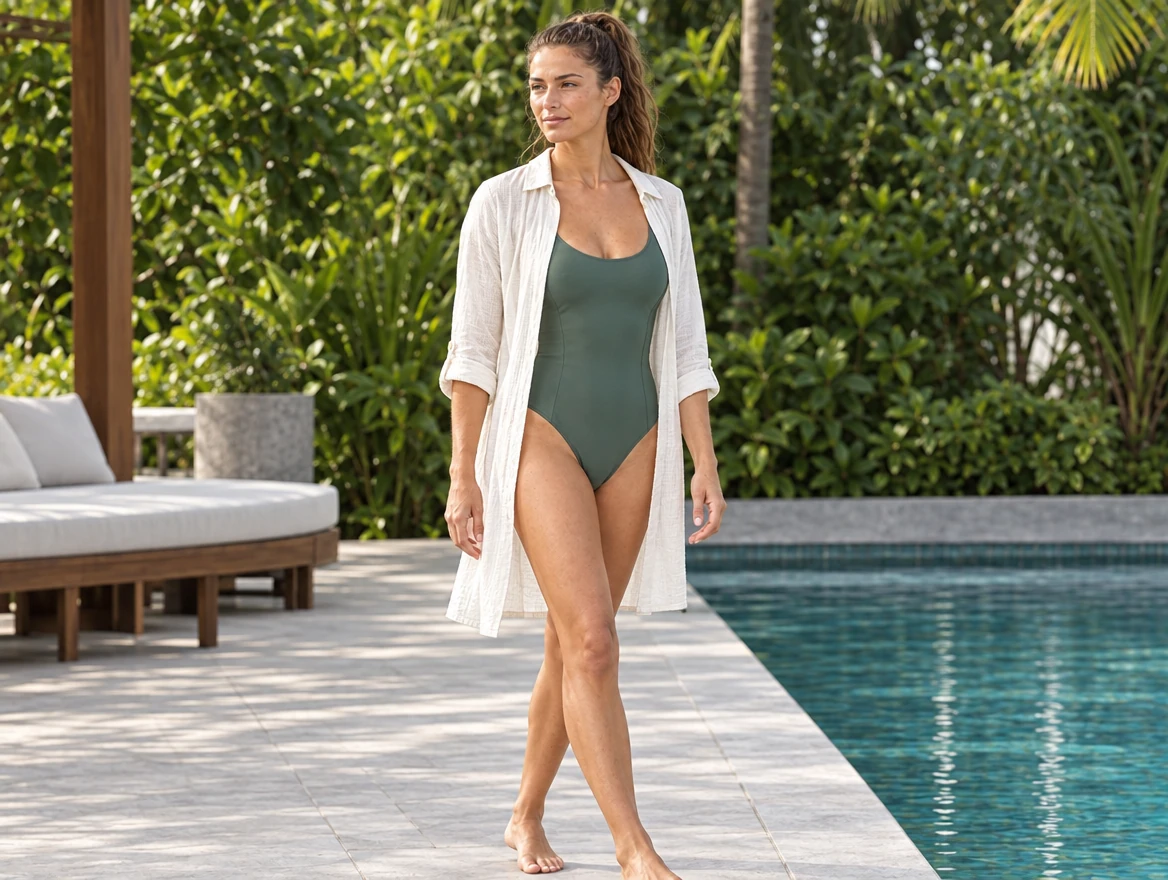
Resort apparel sits alongside swim as a coordinated offer, usually in lightweight woven fabrics with prints developed to match the swim range.
Product types
Representative products we manufacture in this category. Anything not listed can still be assessed on technical review.
Woven swim shorts with mesh liner, elastic waist and drawcord.
Longer length shorts with flat waistband and fly closure.
Knitted swim fabric constructions with lining and elastic finishing.
Close fitting tops in swim knit, often with sun protective fabric.
Lightweight woven shirts, frequently printed to coordinate with swim.
Loose woven or knitted layers for over swimwear.
Specification
Weight ranges are typical for this category. The finished weight of your fabric is confirmed on the approved sample rather than guaranteed to a figure.
Ranges are typical. The exact specification is confirmed on your approved sample before production.
Component-level guidance for swim and resort. Any ranges are indicative sourcing references, not guaranteed order specifications. Different components can need different fabrics, weights and units; the selected materials, construction and finished measurements are confirmed on the approved sample.
| Component | Weight, unit or setting | Construction choices | Check on the sample |
|---|---|---|---|
| Swim knitIndustry guidance | 180 to 240 gsm typical range; recovery depends on fibre as well as weight. | Bonded or flatlock seams. | Wet opacity. |
| Swim short wovenIndustry guidance | 120 to 175 gsm typical range. | Elastic waist with drawcord. | Seam strength wet. |
| Mesh linerIndustry guidance | 80 to 120 gsm typical range. | Mesh or brief liners. | Liner comfort. |
Decoration
Decoration is matched to the fabric and the artwork rather than applied by default. Each method links to its own page with limits stated.
Which method suits each placement on swim and resort, its trade-offs and what to approve before bulk. Compatibility is checked against the actual fabric, stretch, coating and heat tolerance; approval on one component does not establish suitability on another.
Materials
Composition, weight guidance and decoration compatibility for each fabric are on its own page.
What each part of swim and resort is usually made from, why, where it falls short and what to check. This is industry guidance, not a TextileWays specification: the fabric and components for your order are confirmed on technical review.
Ordering
Neither figure is published as a universal number, because neither one is true across every specification.
MOQ depends on material availability, colour count, construction, decoration and packaging. Custom prints on swim fabric usually set the practical minimum, since print development is per design rather than per piece.
Colour fastness to chlorine and seawater is confirmed during sampling where the product will be used in those conditions, rather than assumed from the fabric specification.
Detailed product guidance
Materials, manufacturing routes and buying considerationsSwimwear has to survive chlorine, salt water, sun and stretch. That puts fabric and seam choice ahead of print and style.
We develop swim shorts, board shorts, swimsuits and bikinis with linings, drawcords and stretch recovery checked on the sample.
Rash guards and resort shirts use stretch or lightweight woven fabrics, with sublimation or screen print for graphics where the fabric allows.
Chlorine, salt water and sunscreen can fade or break down fabric and print, so we confirm colour fastness and fabric behaviour in sampling.
Polyester based swim fabrics typically hold colour and shape longer in chlorinated water than some nylon and elastane blends. We confirm the choice against your use case.
Sublimation bonds the dye into polyester, so the graphic does not crack. We check that the print survives washing and water exposure.
Your print, labels and packaging go on the finished product. A developed swim short or rash guard can shorten development.
Your own pattern or ours, with labels, trims and packaging to your specification.
A developed block can be branded with your print and labels (ODM, often called white label).
Swimwear is made after technical review, since lining, elastics and print method change the production route.
Fit is approved on a sample worn and stretched the way a customer will, before bulk is released.
Minimums depend on fabric, print method and construction, and are confirmed on review.
Swimwear has more hidden construction than it appears to. Lining, elastics and seam finishing decide comfort, fit and how long the garment lasts.
Swim fabrics stretch and recover, and linings add opacity and comfort. The right combination depends on whether the product is for the pool, the beach or the surf.
Elastics and drawcords have to hold in water and after repeated wear, and seams are finished so they do not irritate the skin.
Fit is approved on a sample that is stretched and checked wet where possible, since swimwear behaves differently once it is wet.
Prints define a swimwear collection, and the print method has to suit the fabric.
Sublimation gives vivid all over prints on polyester without cracking, and suits swim shorts and rash guards. Print alignment across seams is approved on the sample.
Resort shirts, cover ups and matching sets extend a swim collection into a resort range, with fabrics and prints coordinated across pieces.
Questions
Answers relevant to this product family. The full list covers ordering, sampling, materials, decoration, compliance and logistics.
We build labelling into the specification and apply exactly what you approve, including fibre content, care symbols, country of origin and identification details. Responsibility for confirming what your market and your product category legally require stays with you as the brand owner. We flag anything that looks inconsistent before production.
Sampling normally runs in stages: a proto sample to confirm construction, a fit sample against your measurement chart, and a pre production sample that fixes fabric, colour, decoration, labelling and packaging. Each stage needs written approval before the next one starts. Sample charges and courier costs are quoted before work begins.
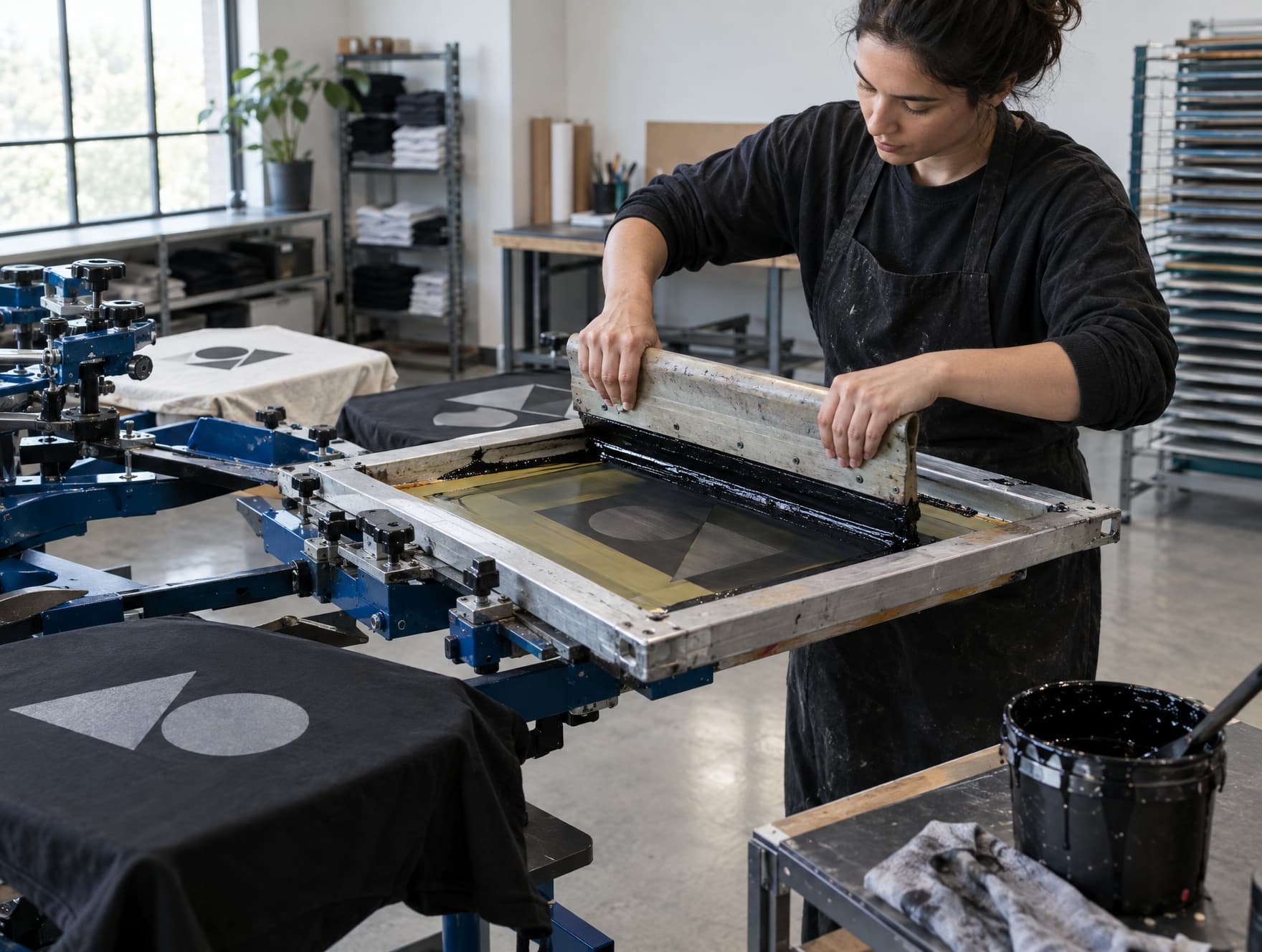
It depends on the fabric, the artwork and the quantity. Screen printing suits solid colour artwork at volume. DTG and DTF suit detailed or low volume artwork. Sublimation works on polyester rich fabrics. Embroidery suits logos and durable branding. We confirm the method against your artwork and fabric during technical review rather than applying one method to everything.
Share your product details, target quantity and delivery requirements. We will confirm feasibility, materials and construction before quoting.
Contact our team