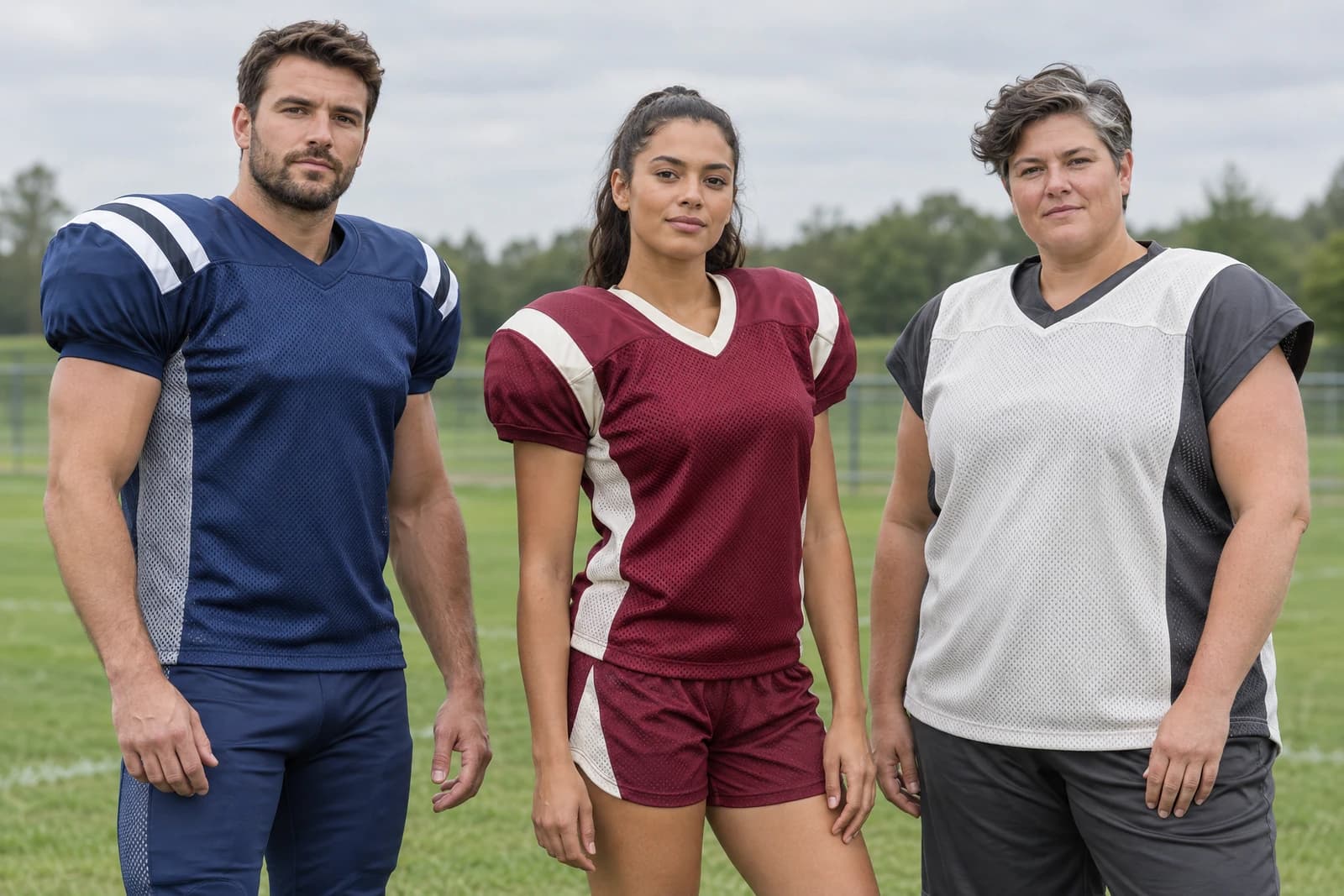
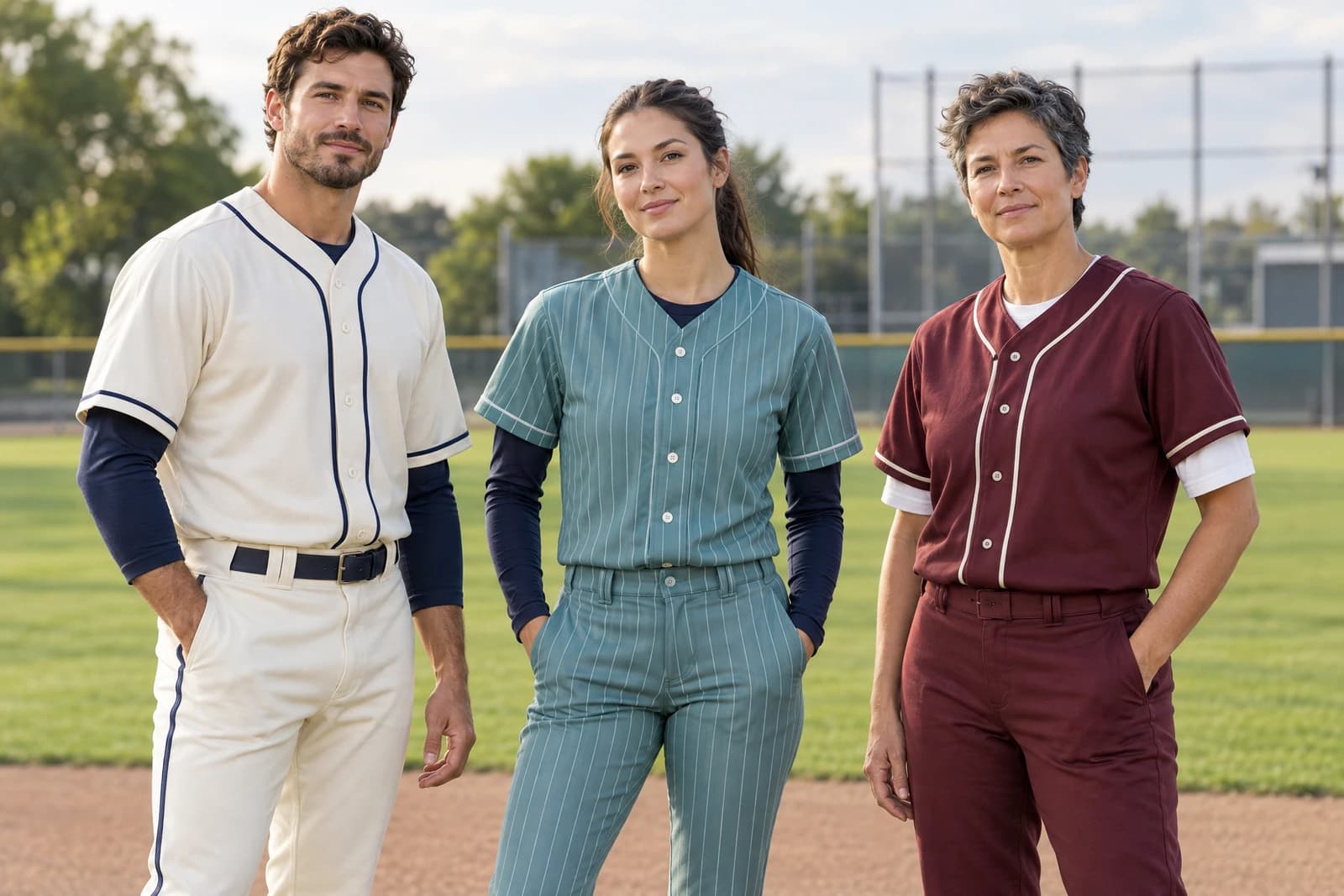
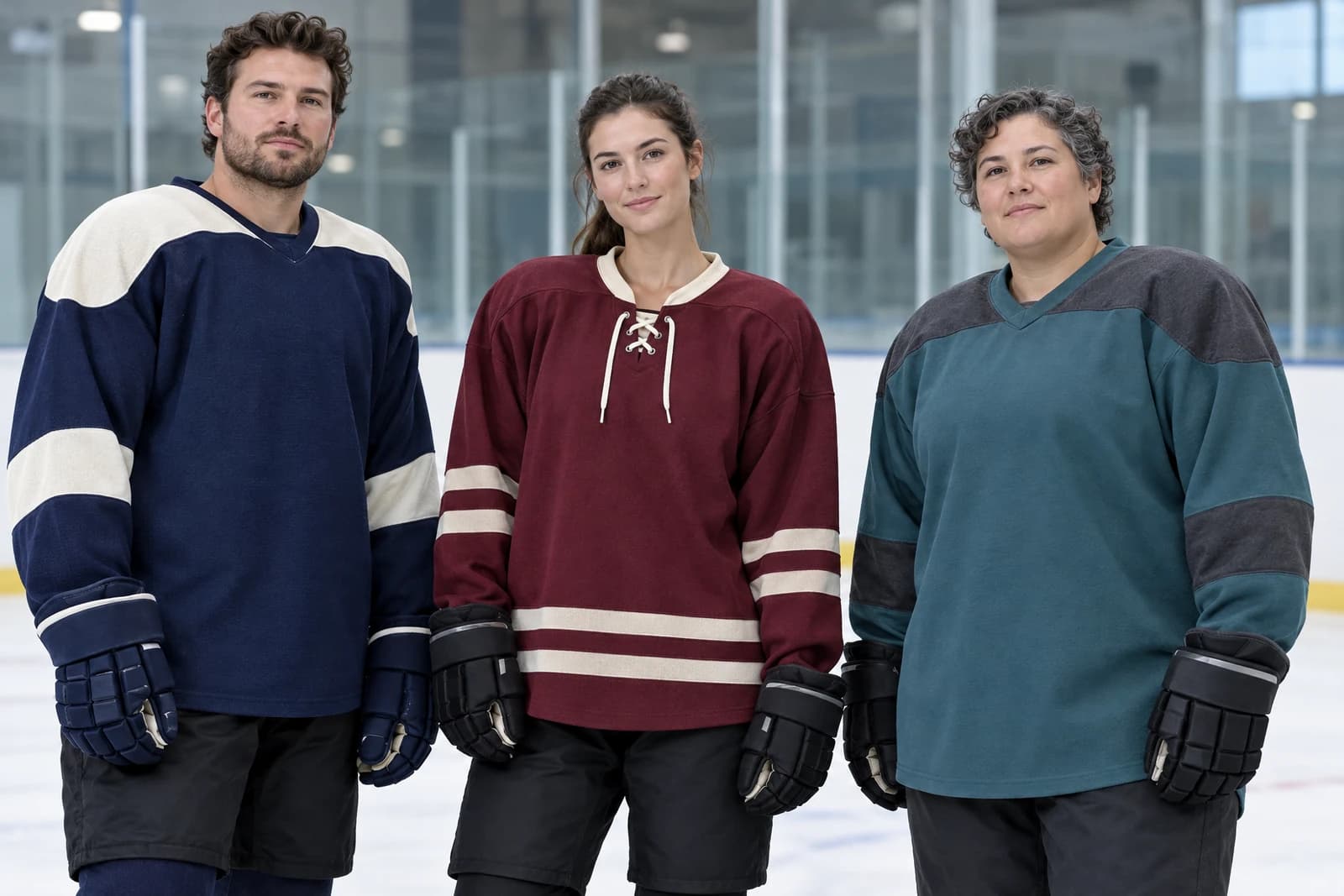
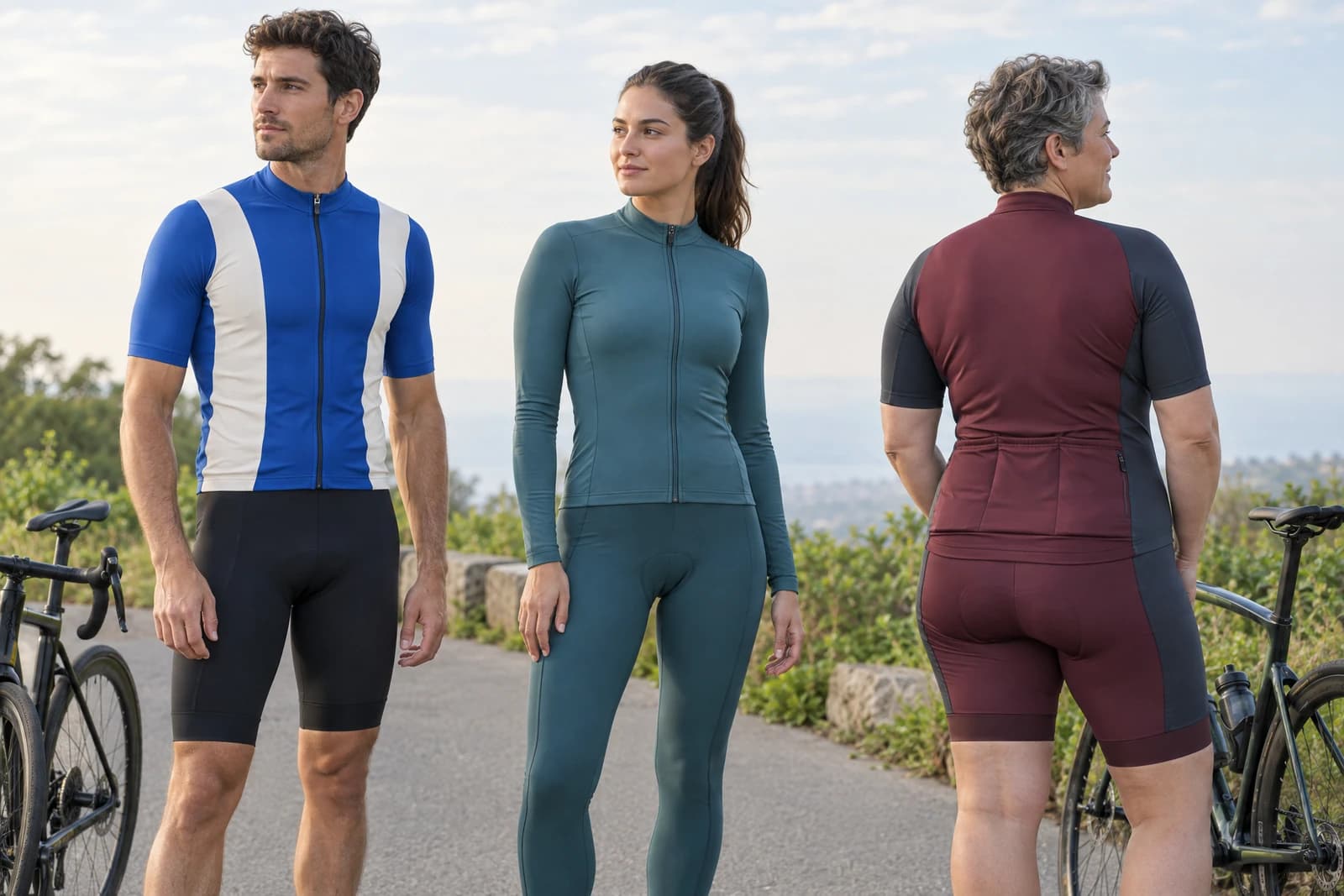
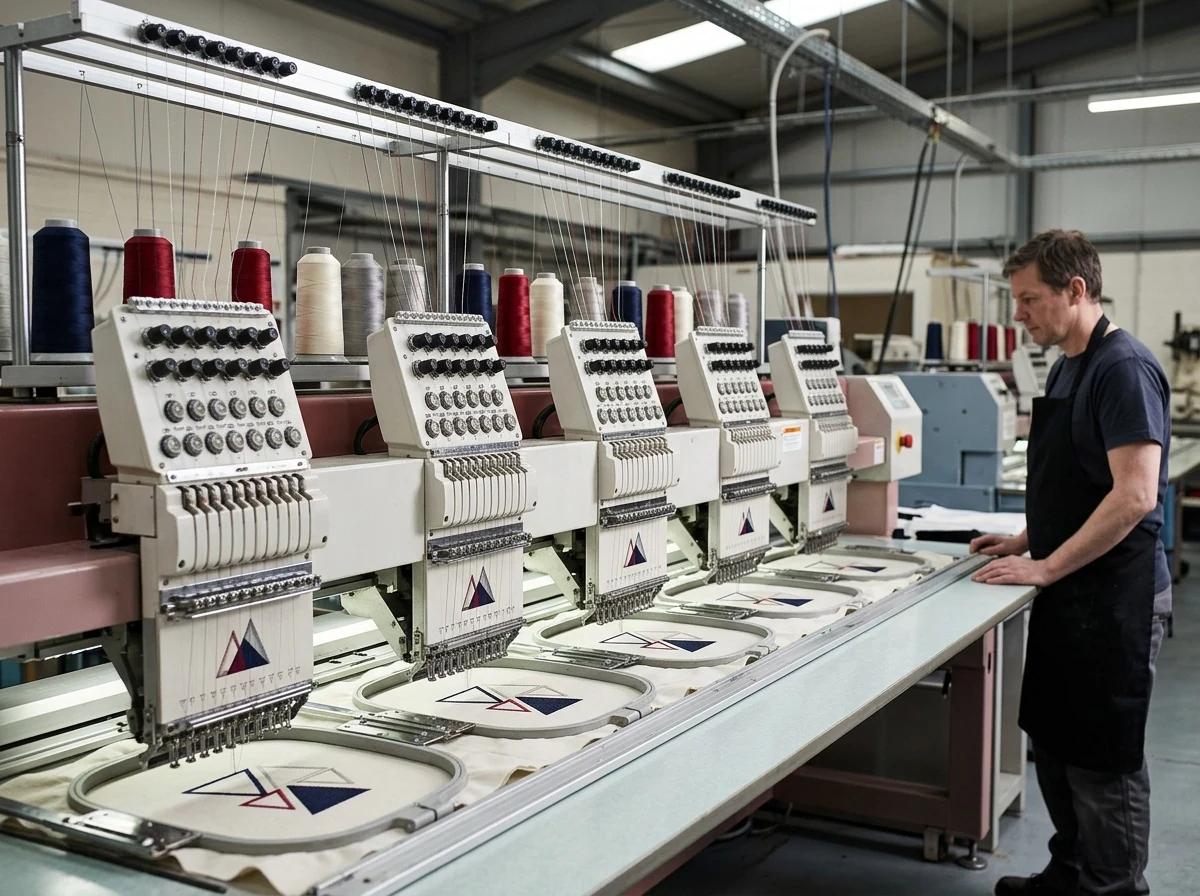
Team wear
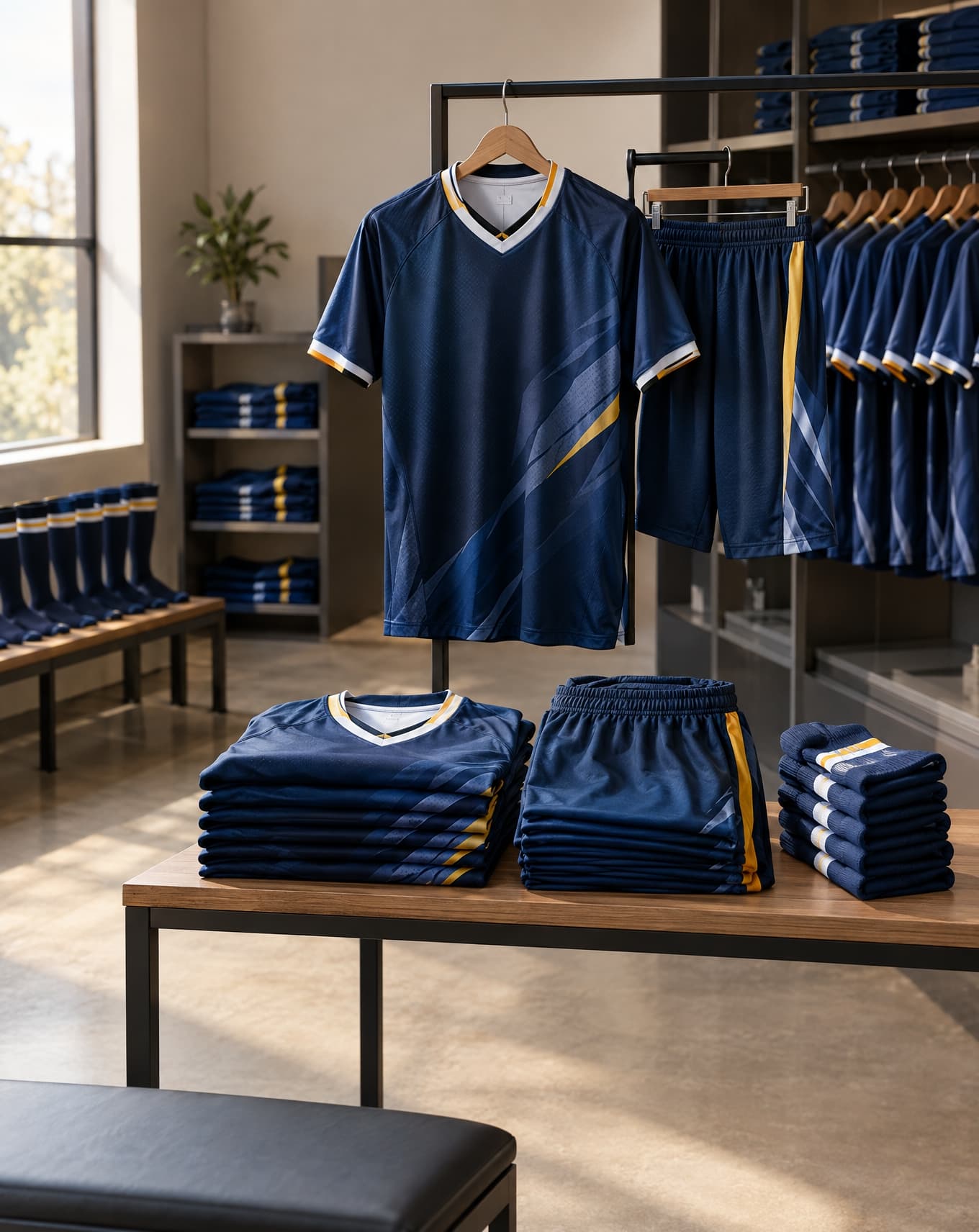
Supplier example- Method
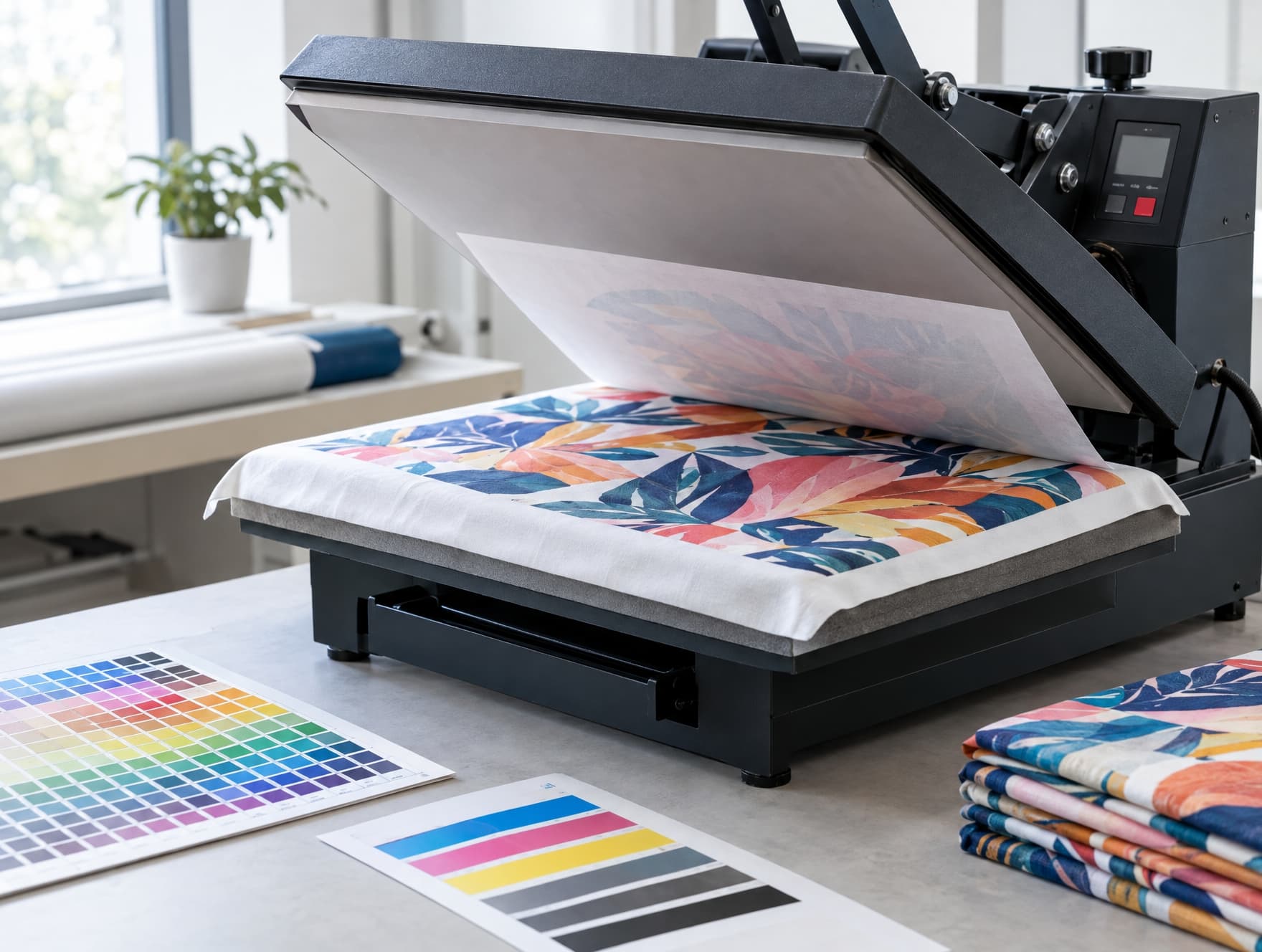
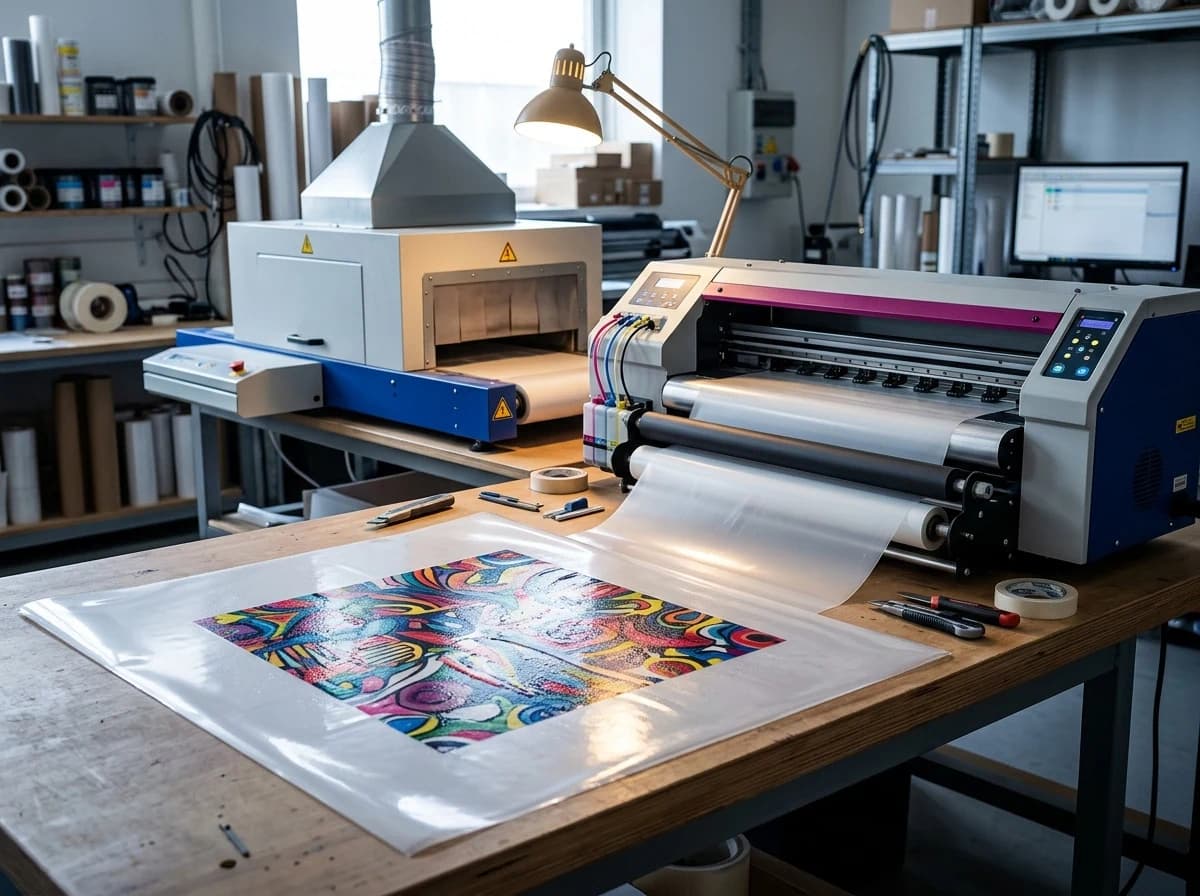
- Sublimation on polyester
- Trade-off
- All over sublimation only dyes polyester and needs a white or very light base.
- Approve before bulk
- Press a sample and compare colour across the squad.
Loading page content
Product family
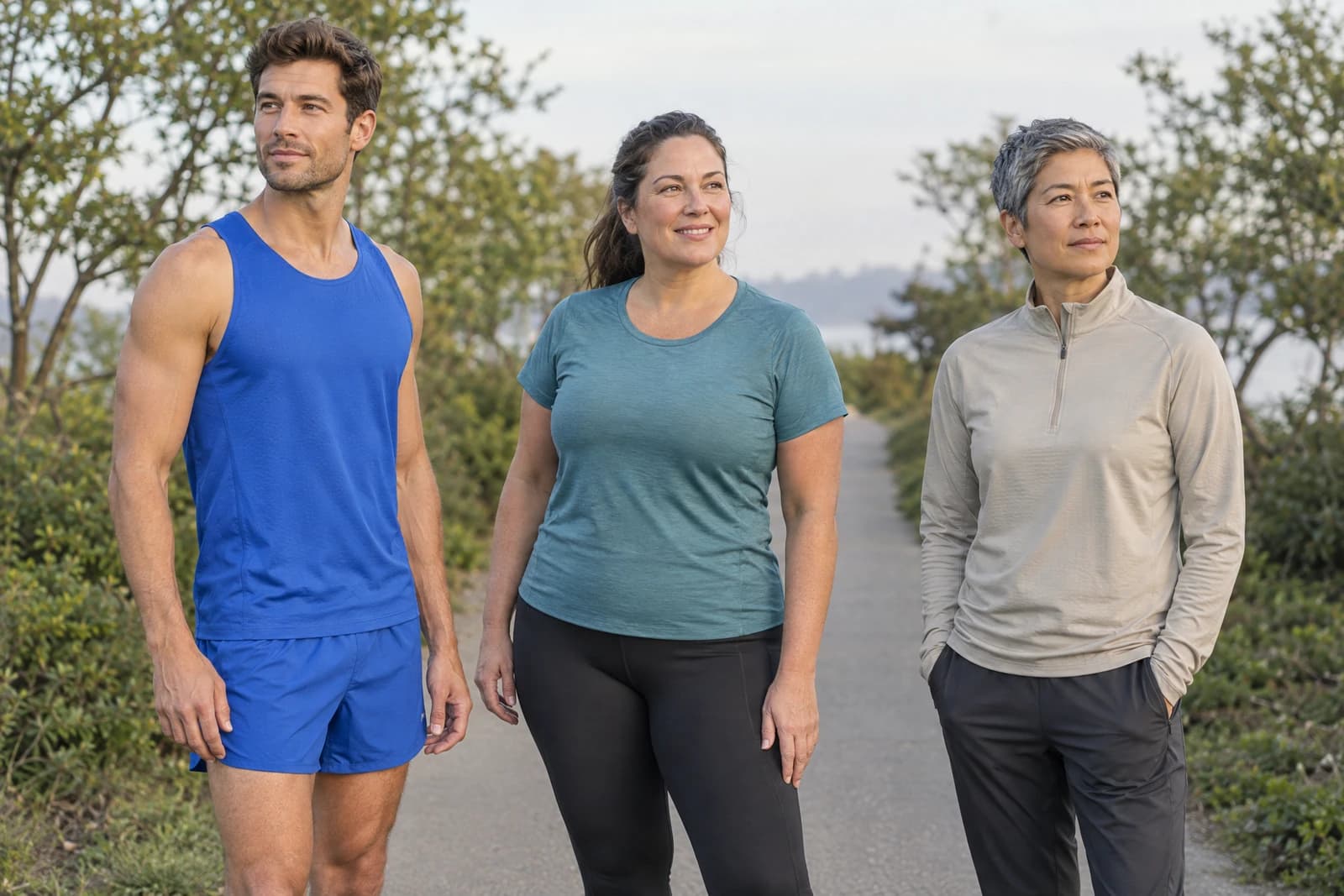
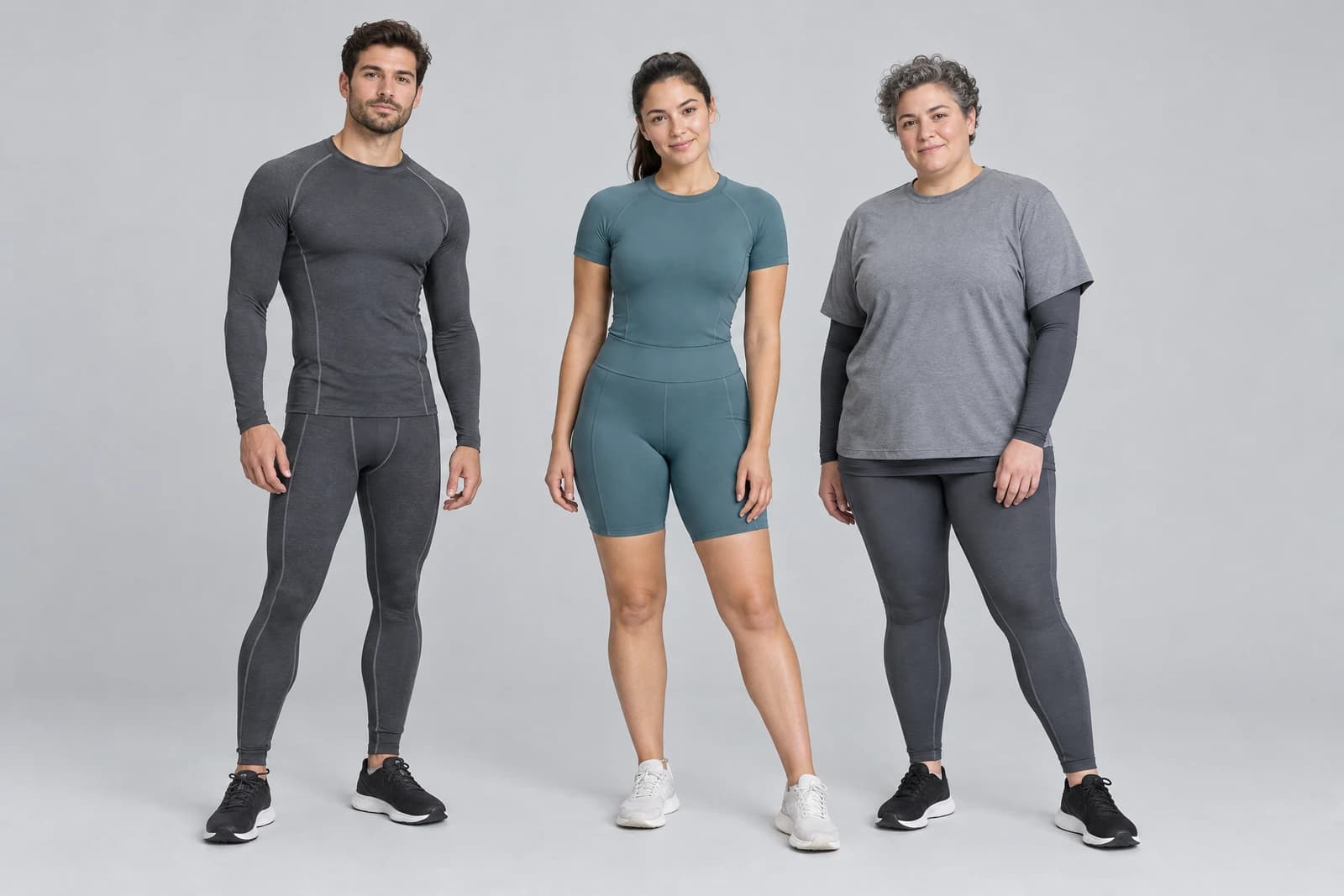
Sportswear and team kit where fabric behaviour, stretch recovery and print durability decide the product, with sublimated graphics and per-piece personalisation.
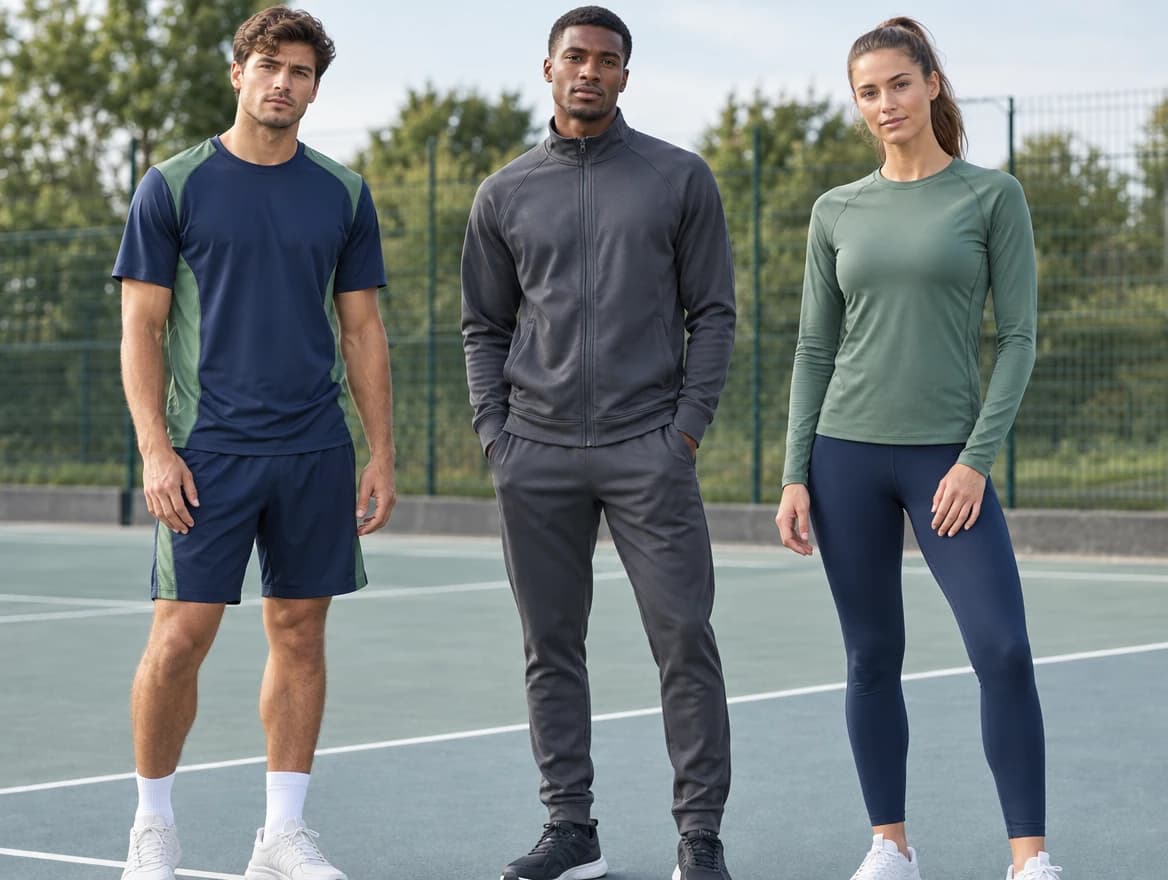
As an activewear manufacturer based in Pakistan, TextileWays treats performance apparel as a fabric and construction problem before it is a design one. Sportswear is judged in use rather than on a hanger: a training top has to move with the wearer, manage moisture, survive frequent laundering and keep its graphics intact.
The category divides cleanly by decoration route. Sublimated product is printed before assembly, which allows full coverage graphics and per piece personalisation. Cut and sew product from dyed fabric is decorated afterwards, which suits simpler branding at higher volume.
Team programmes add a specific operational requirement: names, numbers and sizes that differ on every piece. That is a data handling exercise as much as a manufacturing one, and it is where most teamwear orders go wrong.
Product types
Representative products we manufacture in this category. Anything not listed can still be assessed on technical review.
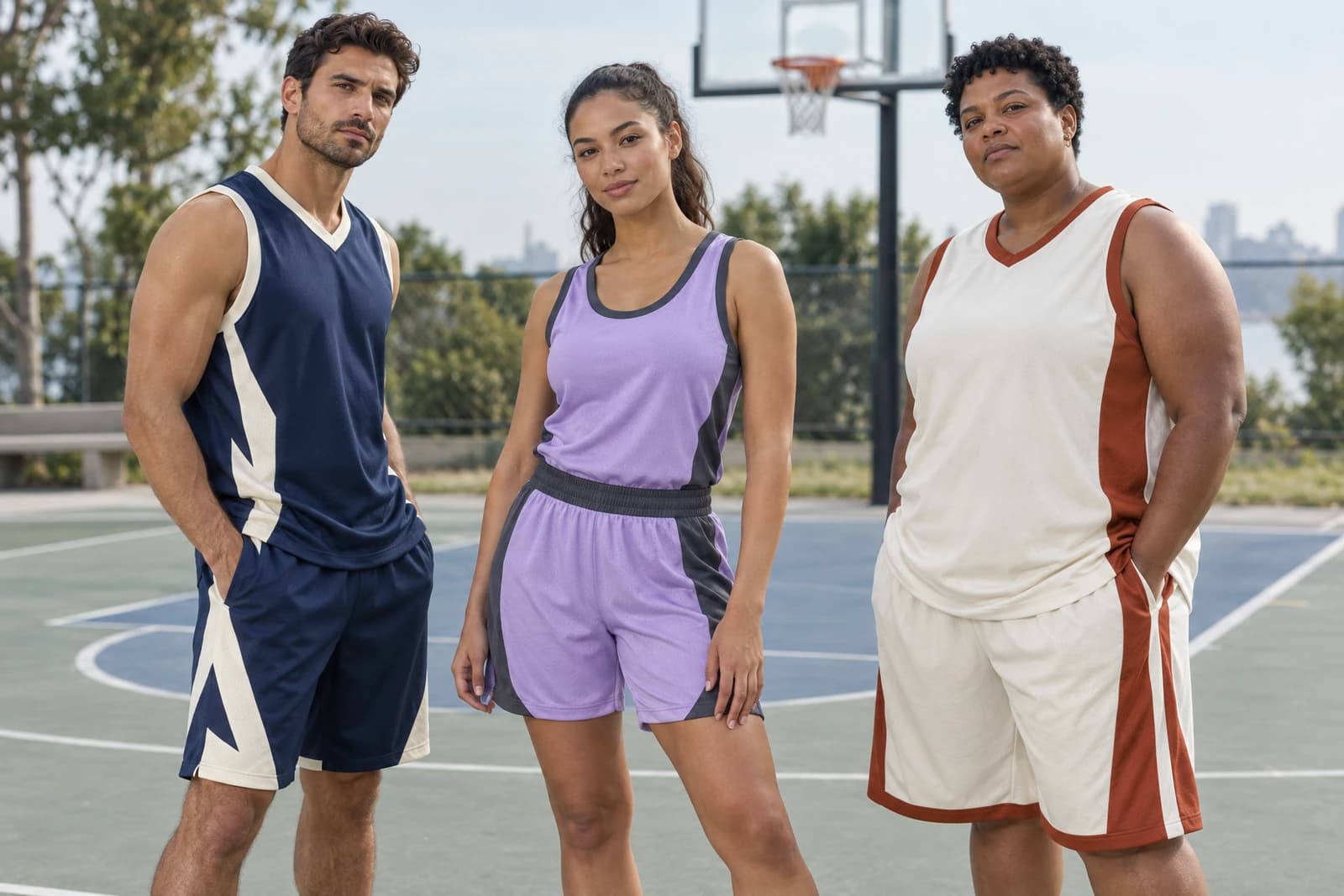
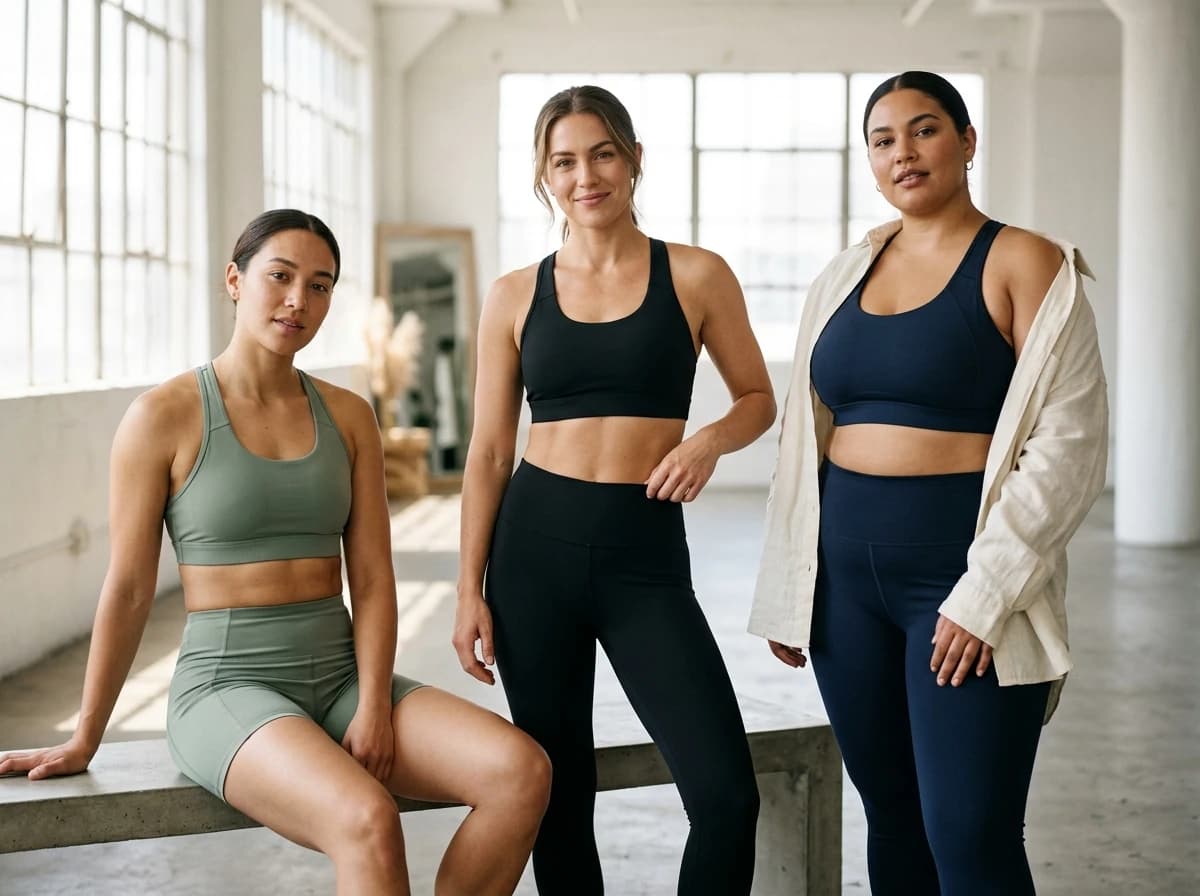
Performance jersey and mesh with flatlock or coverstitch seams.
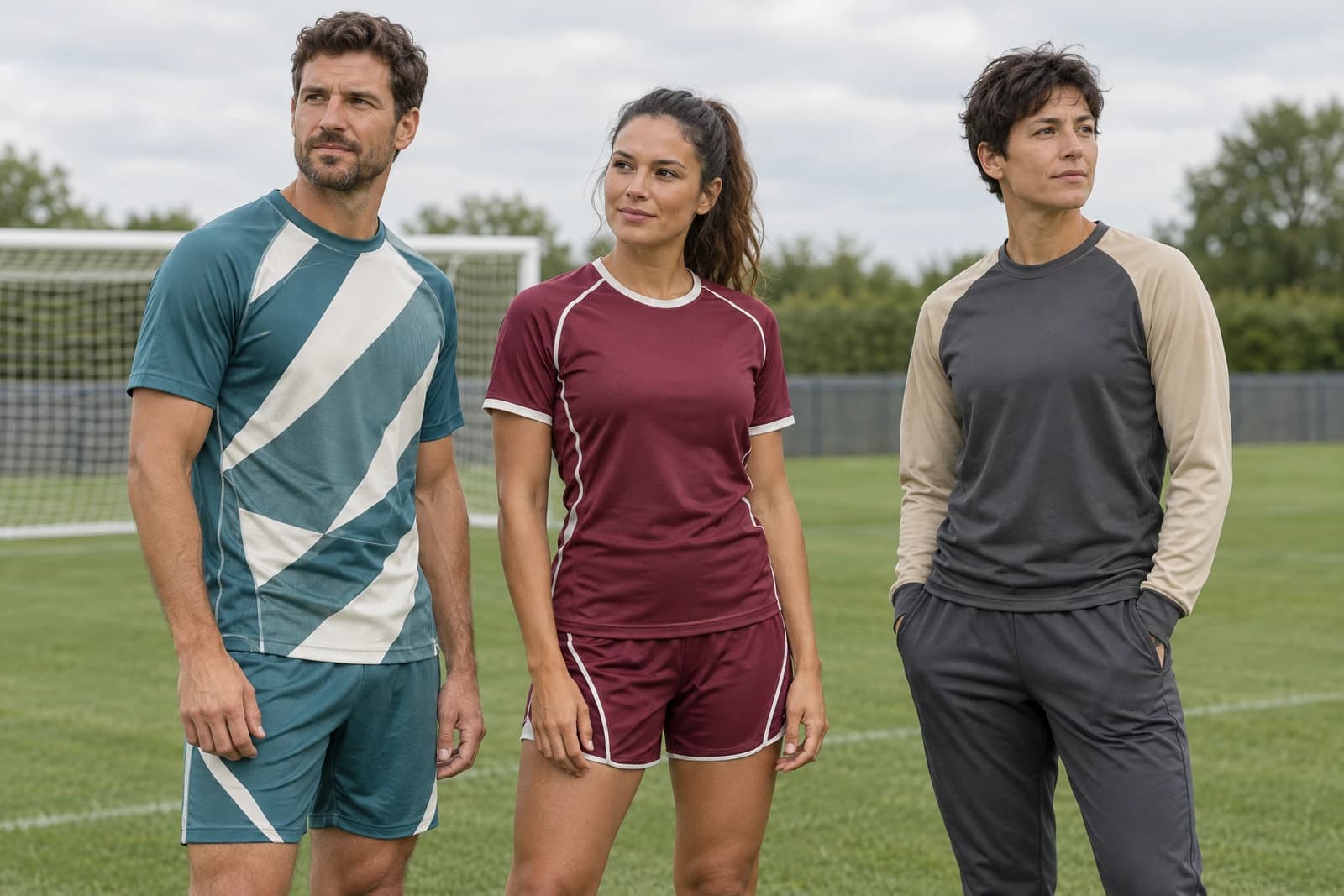
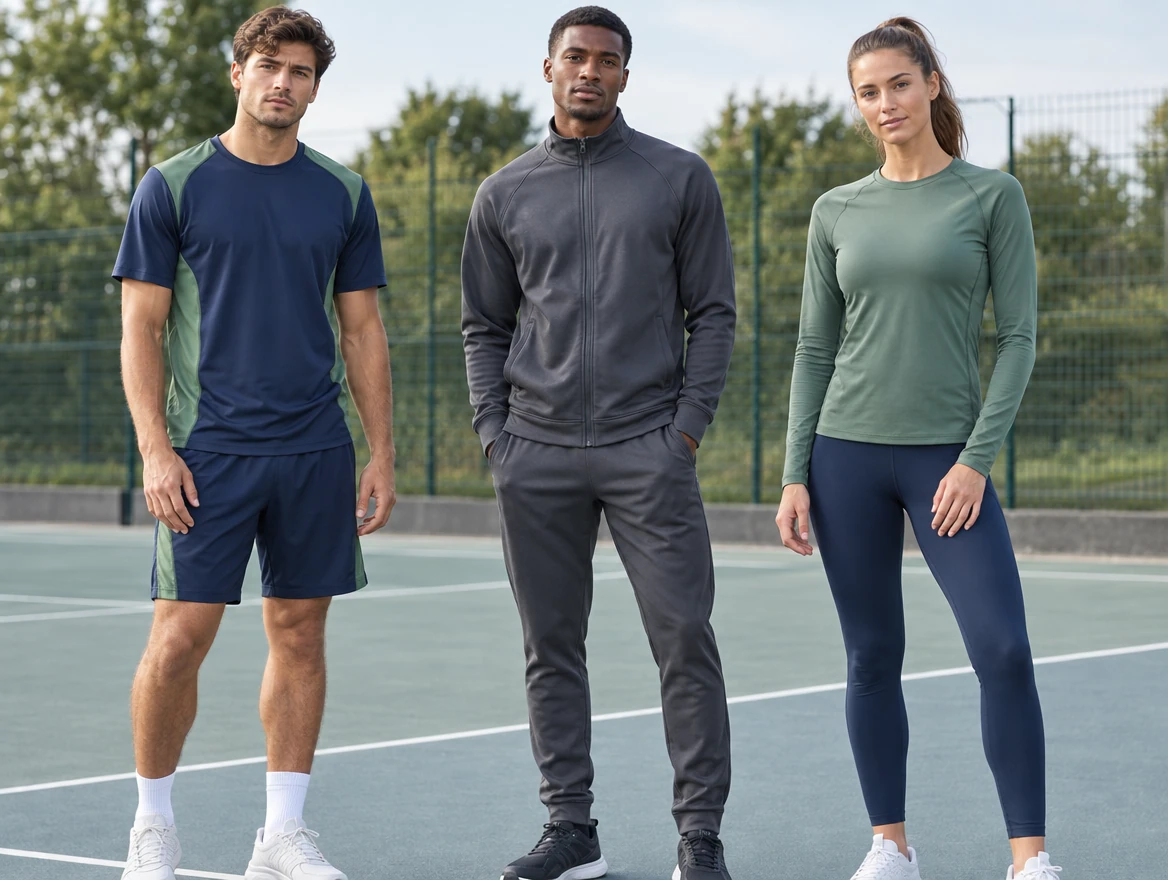
Sublimated panels cut and assembled, with name and number personalisation.
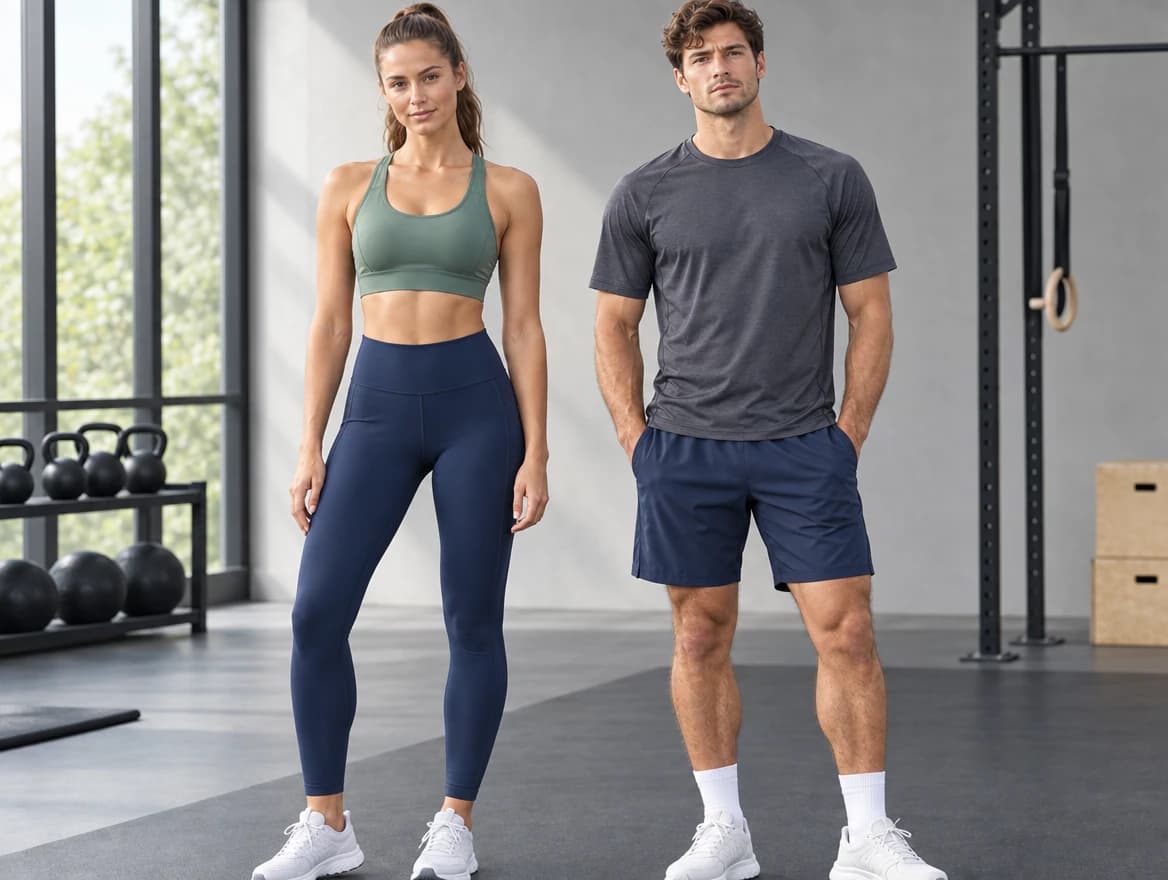
High elastane knits with gusset panels and waistband construction options.
Woven or knitted shorts with liner, drawcord and pocket options.
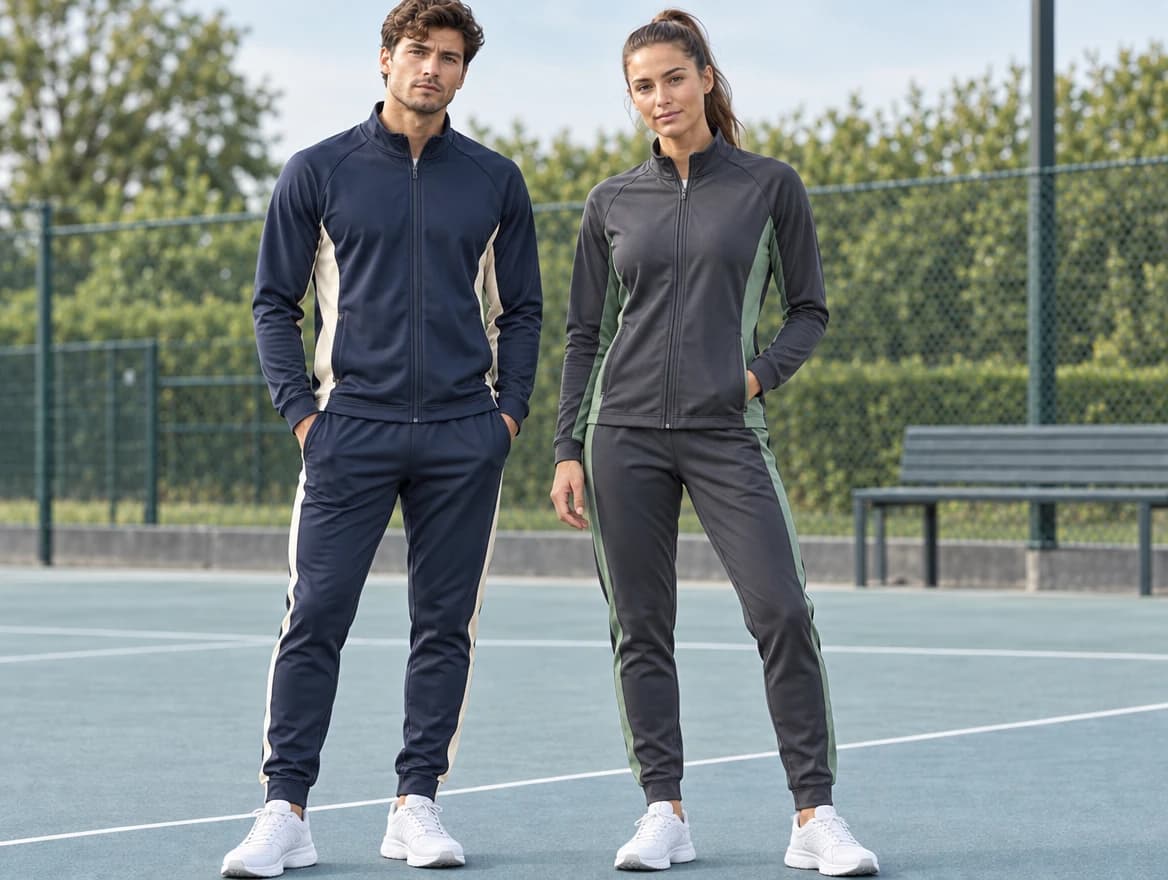
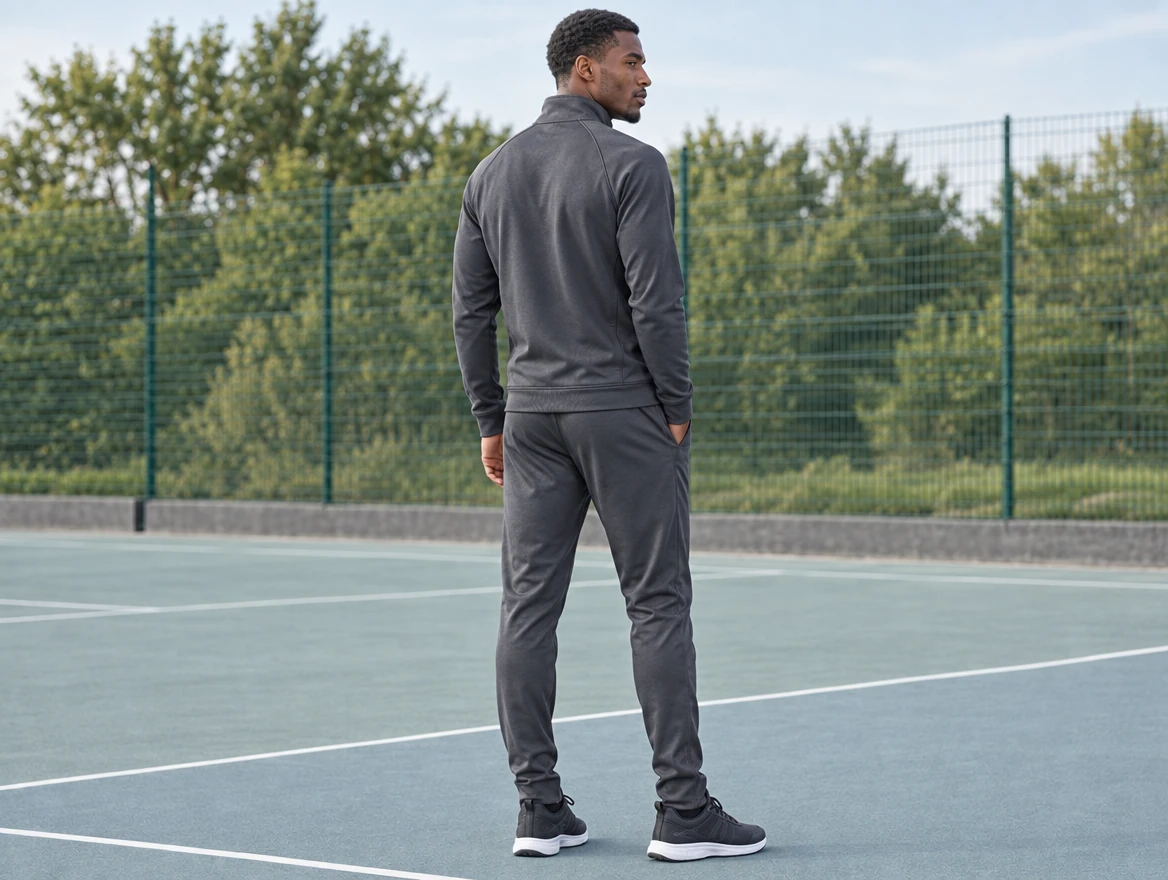
Matched jacket and trouser sets in performance knit or woven fabric.
Supportive constructions in high stretch fabric, produced cut and sew or seamless.
Specification
Weight ranges are typical for this category. The finished weight of your fabric is confirmed on the approved sample rather than guaranteed to a figure.
Ranges are typical. The exact specification is confirmed on your approved sample before production.
Component-level guidance for sportswear and activewear. Any ranges are indicative sourcing references, not guaranteed order specifications. Different components can need different fabrics, weights and units; the selected materials, construction and finished measurements are confirmed on the approved sample.
| Component | Weight, unit or setting | Construction choices | Check on the sample |
|---|---|---|---|
| Performance jerseyIndustry guidance | 130 to 180 gsm typical range, a starting point only. | Flatlock seams, coverstitch hems. | Wicking and handfeel. |
| Mesh panelsIndustry guidance | 100 to 150 gsm typical range. | Placed at defined zones. | Seam flatness. |
| Legging fabricIndustry guidance | 200 to 280 gsm typical range; heavier fabric can help opacity but does not set it. | Elastic or bonded waistbands. | Opacity stretched. |
| Training fleeceIndustry guidance | 260 to 320 gsm typical range. | Zip or pullover. | Mark durability. |
Decoration
Decoration is matched to the fabric and the artwork rather than applied by default. Each method links to its own page with limits stated.
Which method suits each placement on sportswear and activewear, its trade-offs and what to approve before bulk. Compatibility is checked against the actual fabric, stretch, coating and heat tolerance; approval on one component does not establish suitability on another.
Materials
Composition, weight guidance and decoration compatibility for each fabric are on its own page.
What each part of sportswear and activewear is usually made from, why, where it falls short and what to check. This is industry guidance, not a TextileWays specification: the fabric and components for your order are confirmed on technical review.
Ordering
Neither figure is published as a universal number, because neither one is true across every specification.
MOQ depends on material availability, colour count, construction, decoration and packaging. Sublimated teamwear can support lower quantities because artwork is applied per piece rather than through screens. Cut and sew product from custom dyed performance fabric follows dye house minimums, which are usually higher.
Fit is confirmed in the actual performance fabric rather than a substitute, because stretch and recovery change the fit materially. Sublimated colour is approved on a pressed sample, never on a printed transfer sheet.
Detailed product guidance
Materials, manufacturing routes and buying considerationsSportswear is judged in use, not on a hanger. A training top has to move with the wearer, manage moisture and survive repeated washing, so fabric and construction come before graphics.
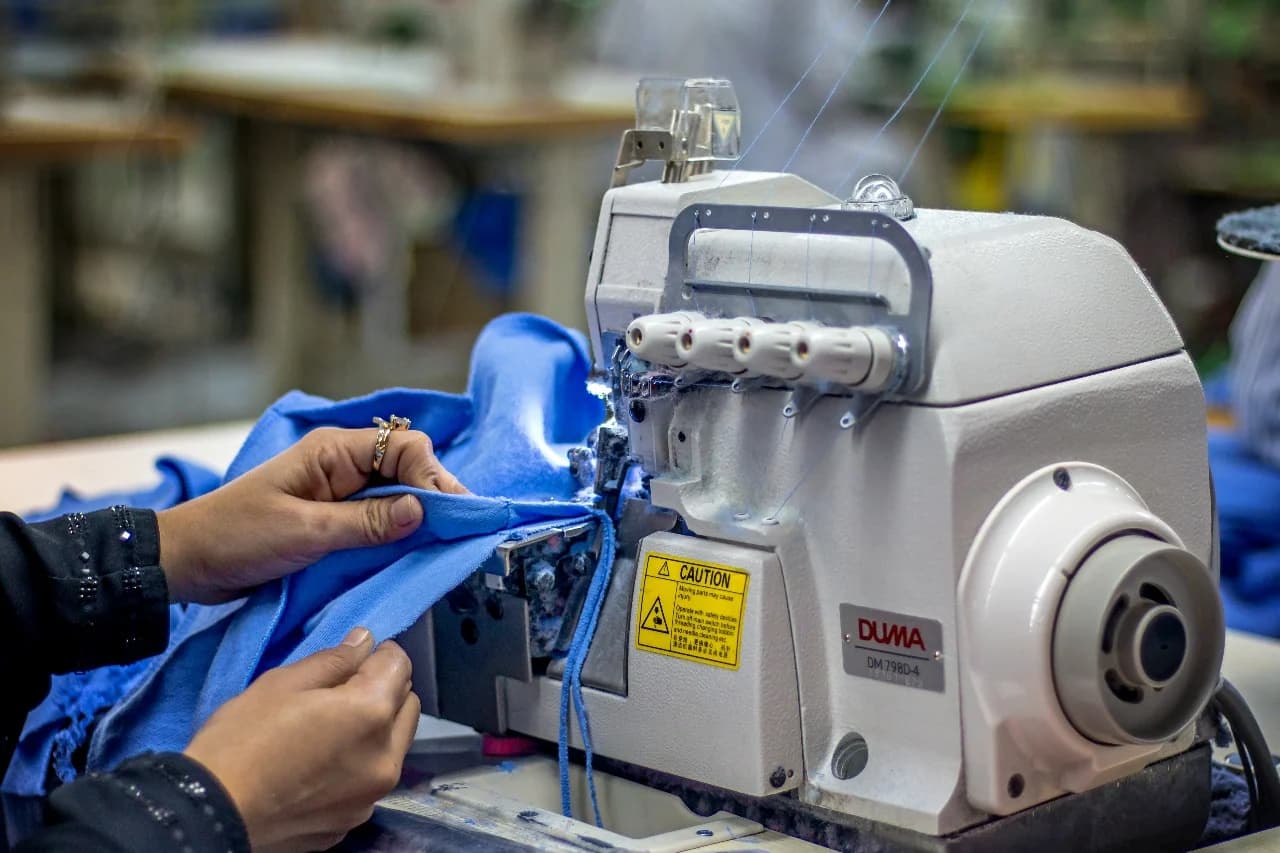
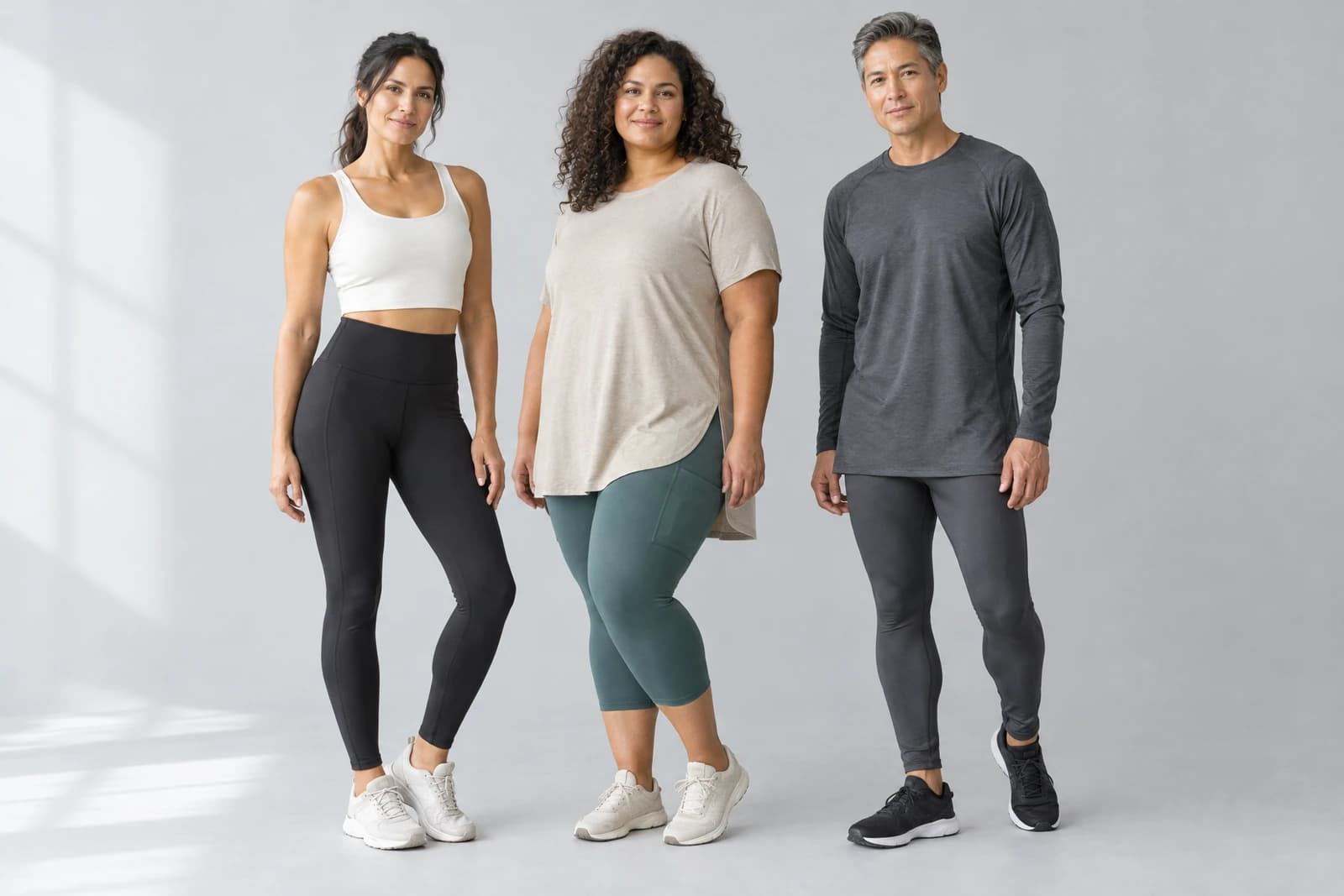
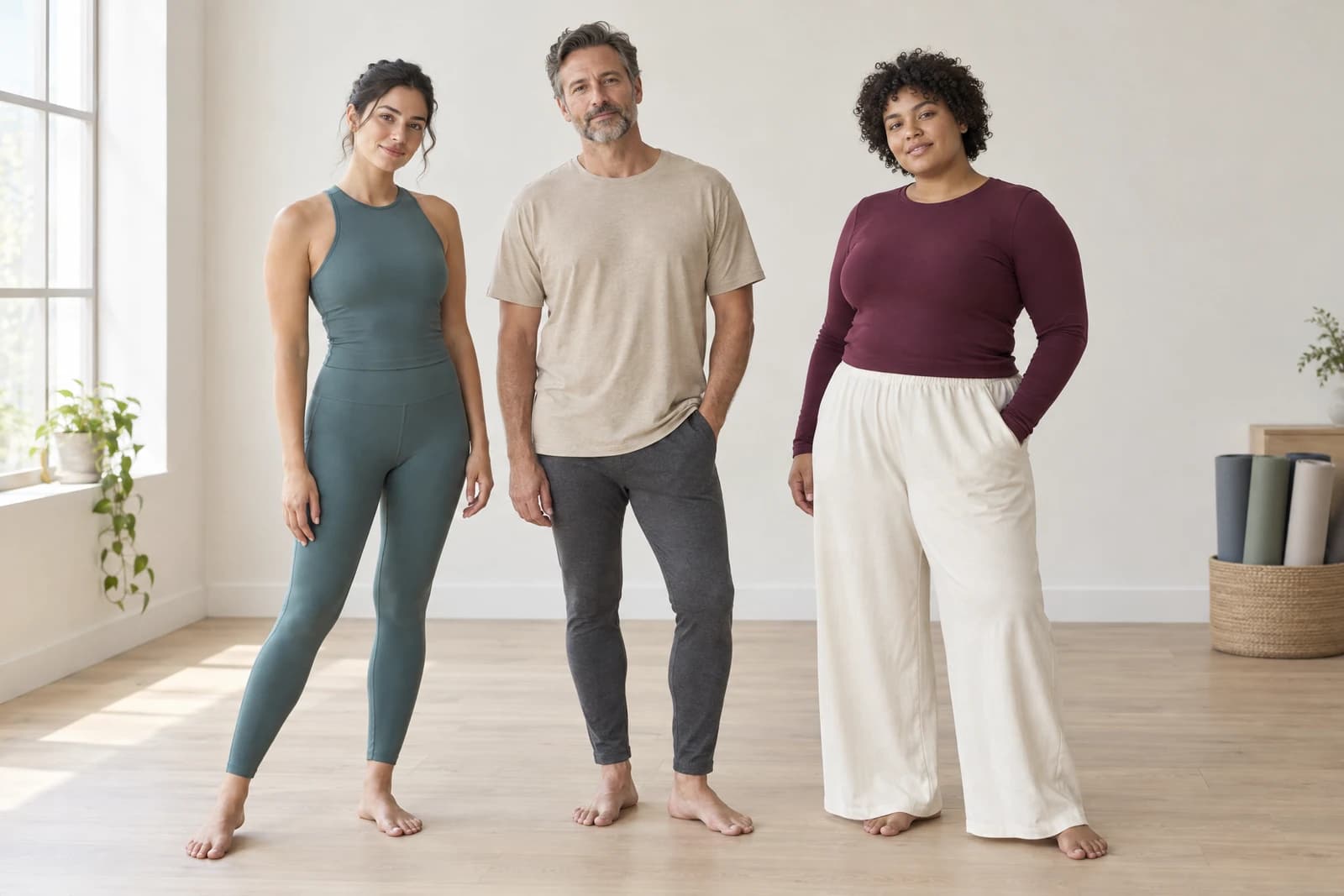
We make training tops, leggings, shorts and base layers in stretch knits. Flatlock seams, waistband construction and stretch recovery are checked on the sample before bulk, because those are the failures customers notice first.
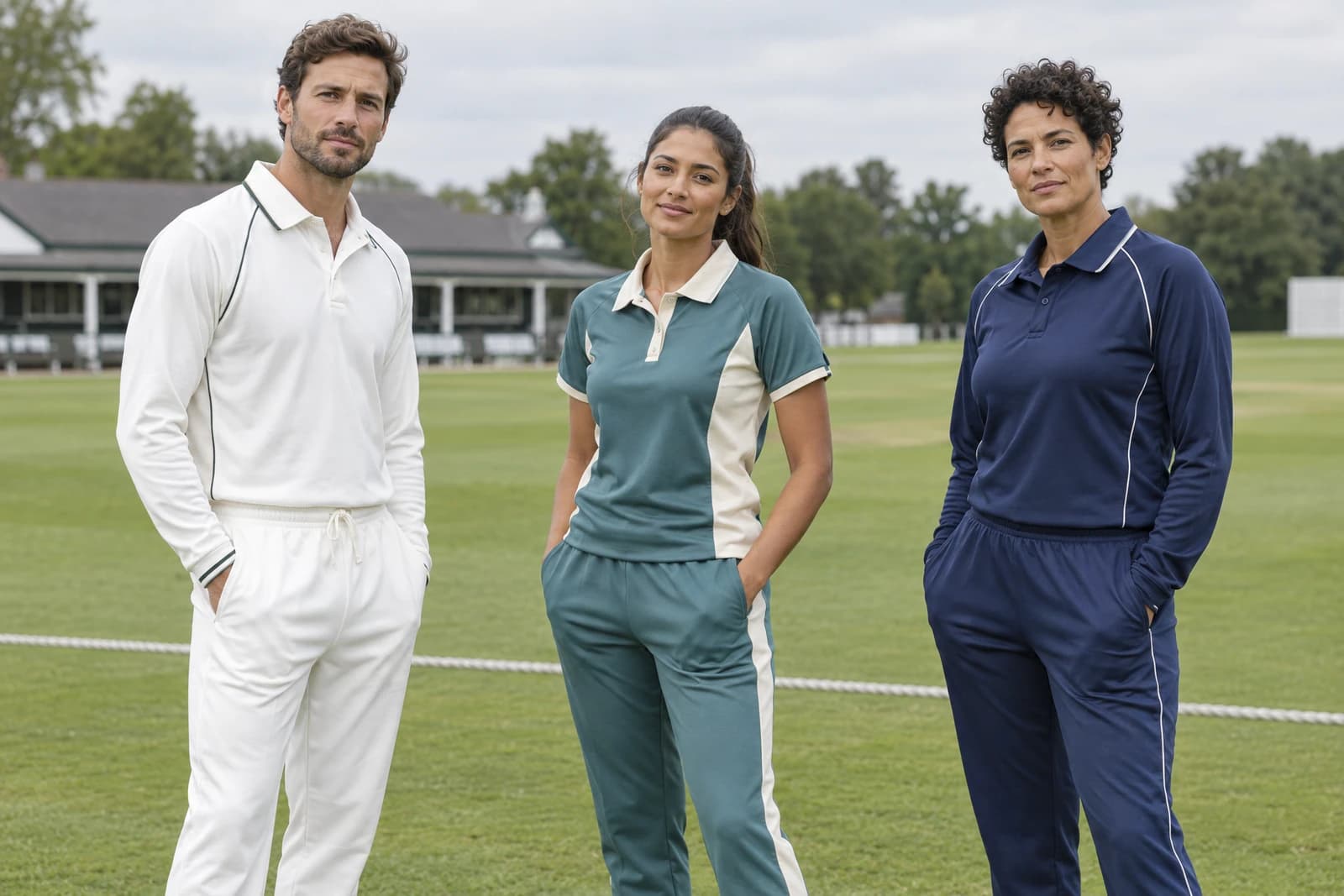
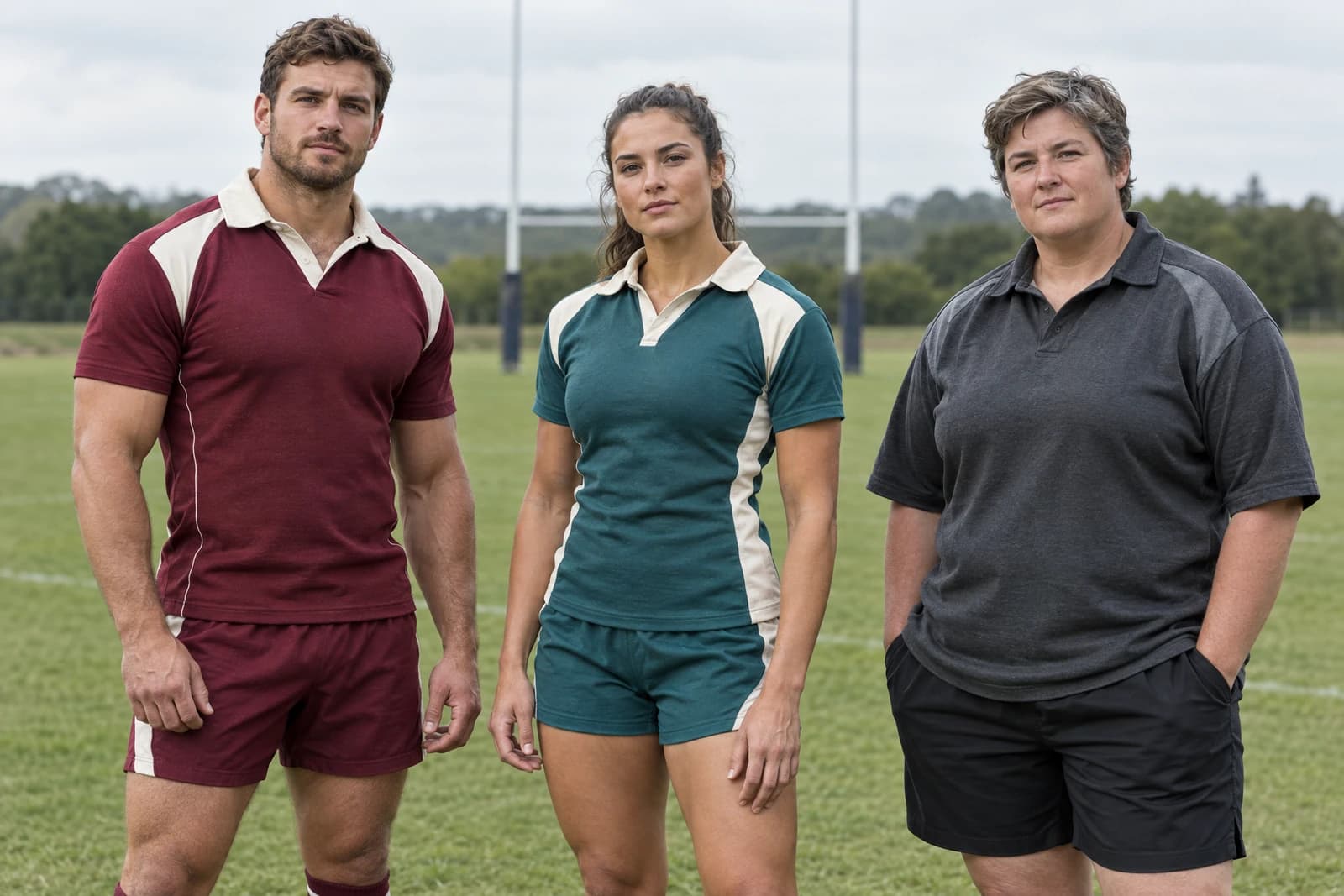
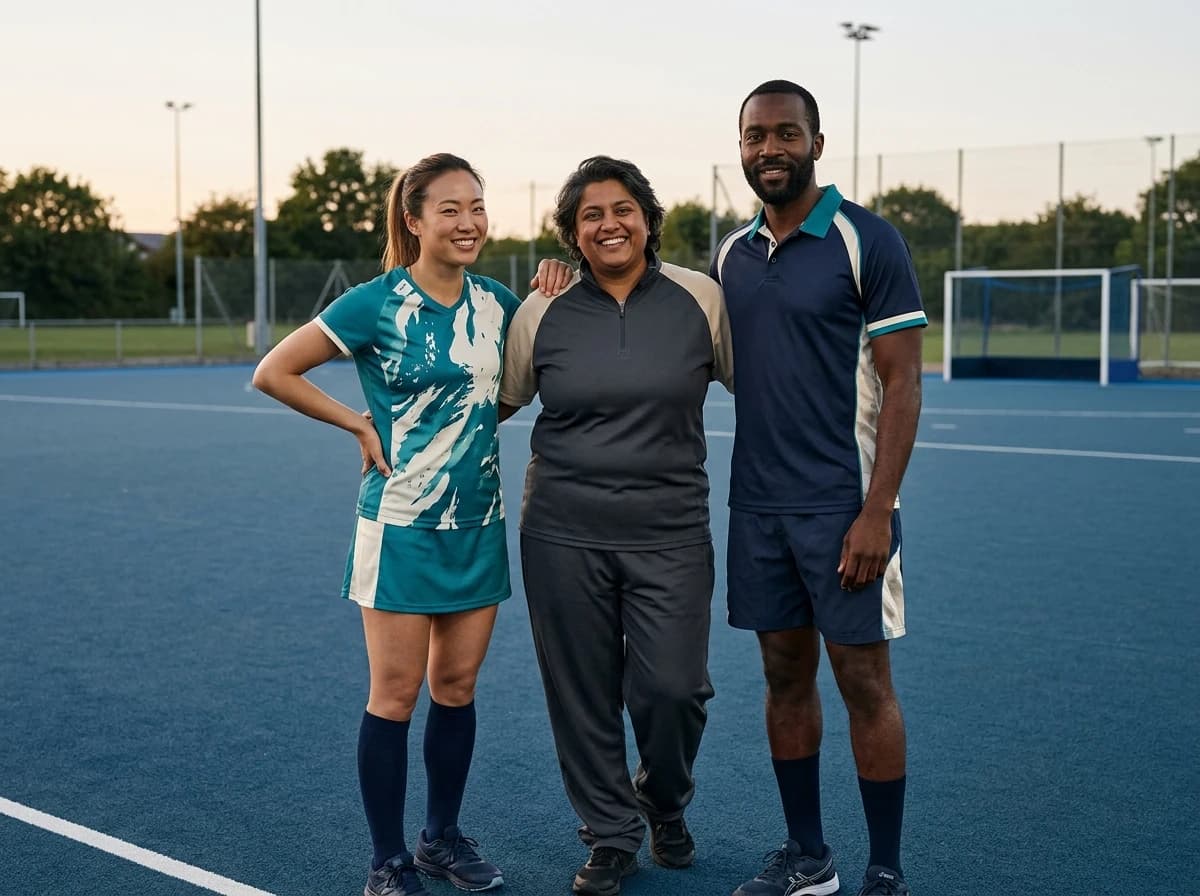
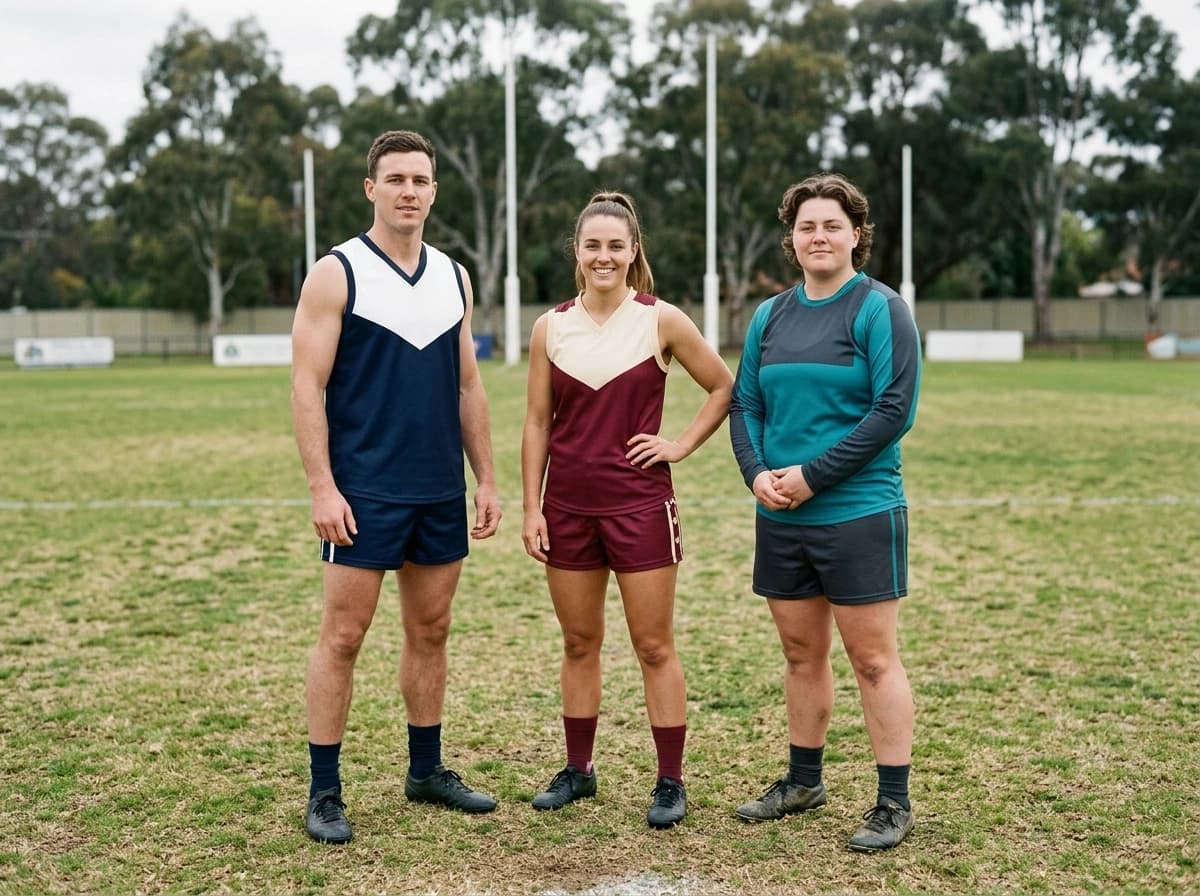
Jerseys, warm ups and tracksuits are produced for clubs and brands, with matching colours across tops and bottoms and your crest, sponsor marks and labels in place on every piece.
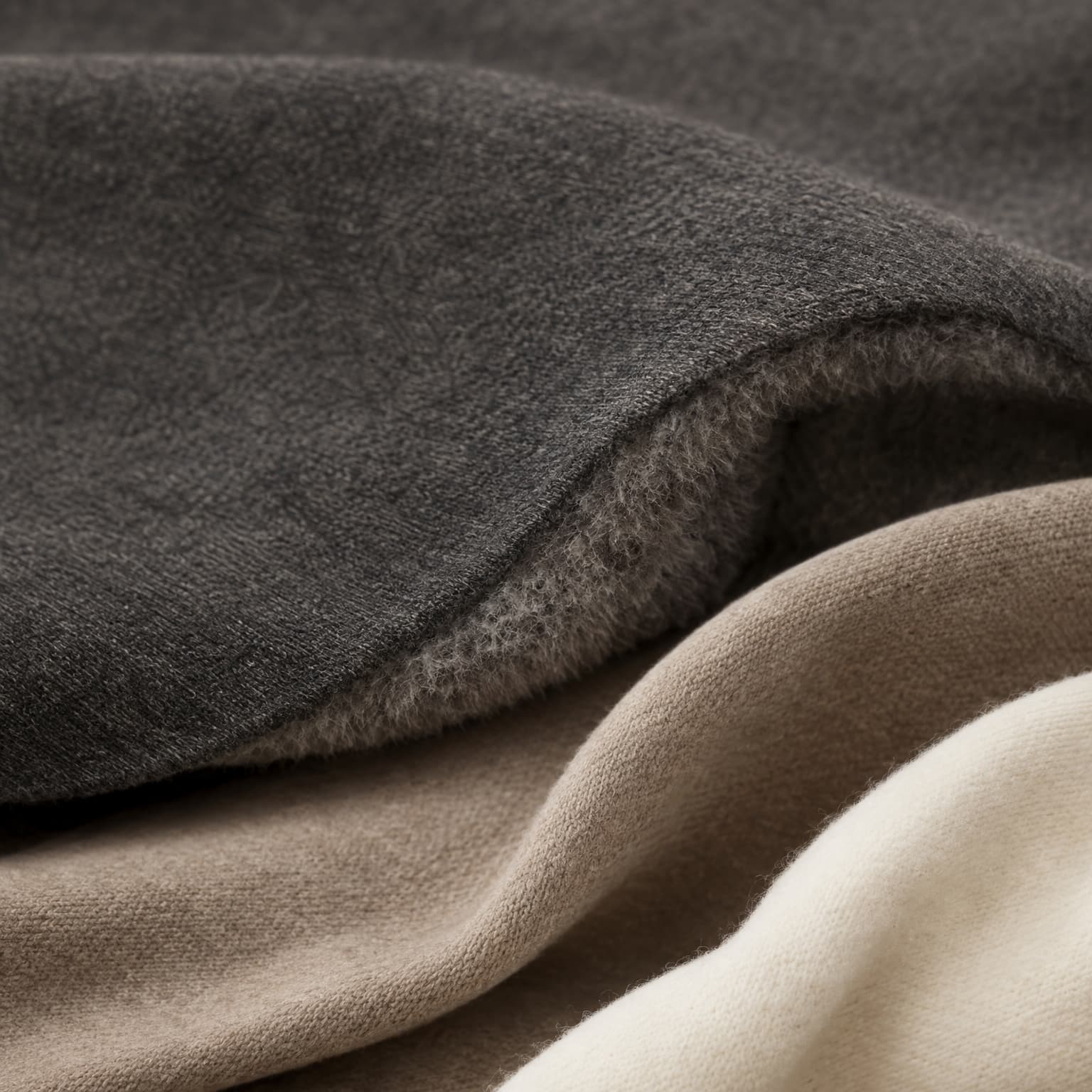
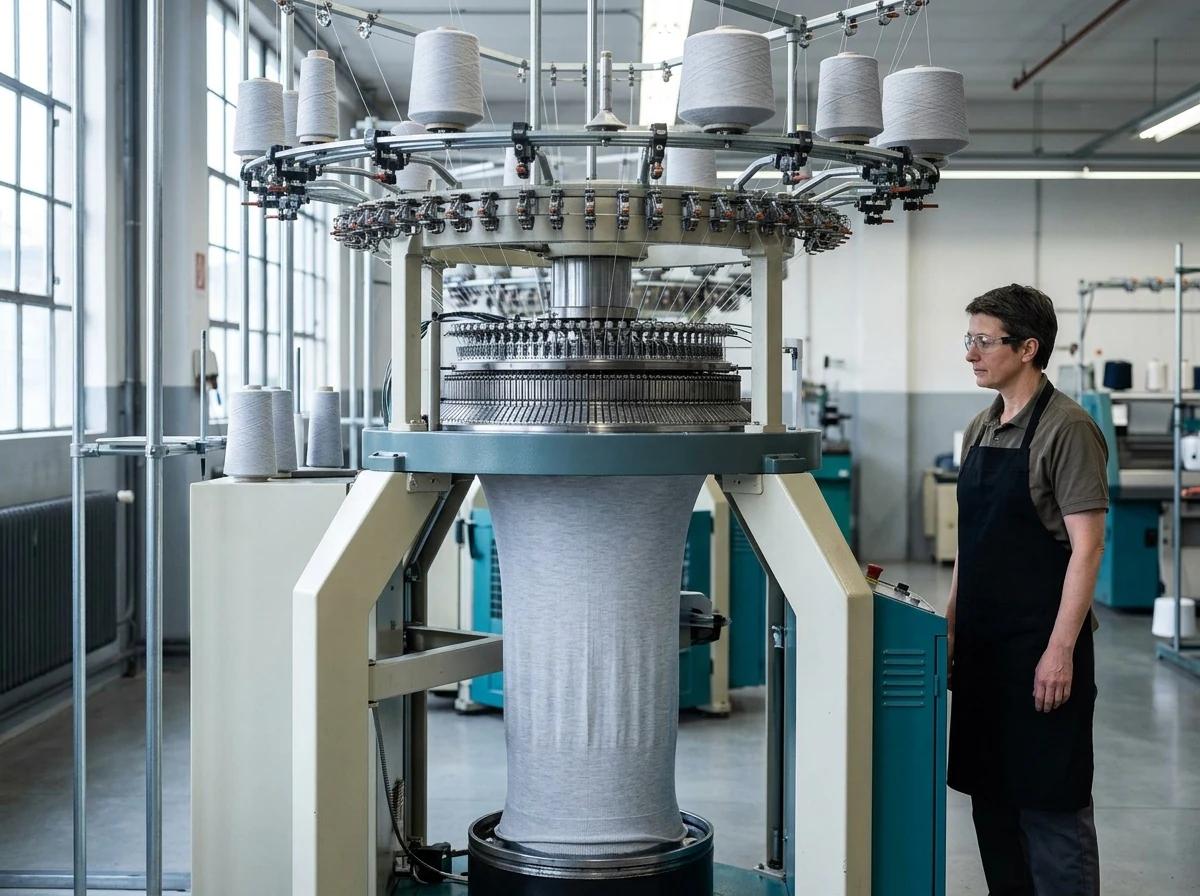
Performance fabric is mostly polyester, often blended with elastane for stretch. The knit structure and finish decide how it feels, how it wicks and how it holds colour.
Mesh and interlock knits are chosen to move sweat away from the skin and let heat escape, and how well a given knit does it is judged on the sample. Heavier or double layer knits suit colder training and tracksuit wear.
A legging has to stretch, recover and stay opaque. We check stretch recovery and opacity on the sample, because a fabric that looks fine on a roll can turn sheer when stretched.
The decoration route shapes the whole product, so we settle it first. Sublimated garments are printed before assembly, while cut and sew garments are made from dyed fabric and decorated afterwards.
Sublimation works on polyester and gives edge to edge graphics that will not crack or peel. It also allows a different name and number on every piece, which is why it dominates teamwear.
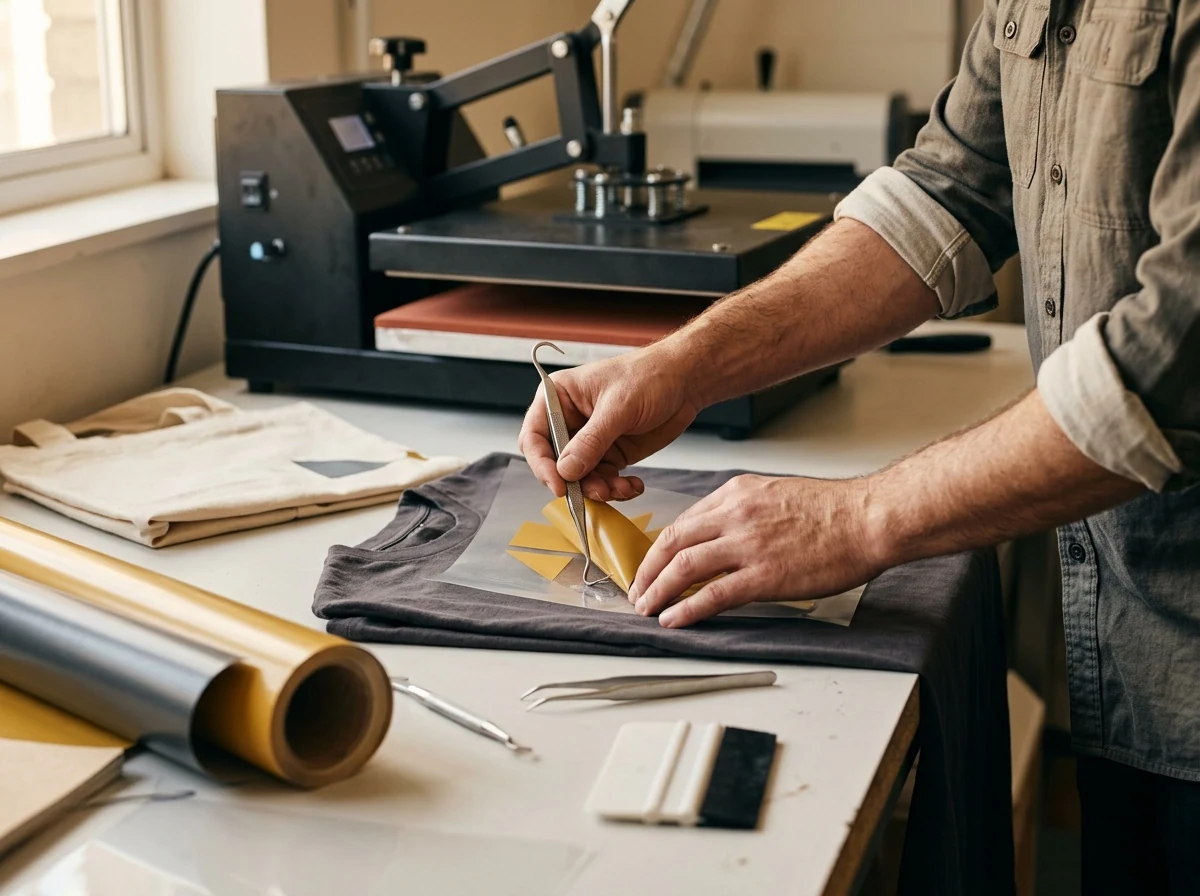
Cut and sew suits simpler branding, heavier stretch fabrics and panelled designs. Embroidery, heat transfers and woven labels carry your brand on solid colour product.
A developed legging, top or jersey block can be branded with your colours, graphics and labels (ODM, often called white label), which shortens development for a new range.
Team programmes add a data problem to a manufacturing one: names, numbers and sizes that differ on every piece. Teamwear orders often go wrong here, so we work from a confirmed roster.
You send a size and name schedule, we confirm it back in writing, and the first piece is checked against it before the rest are produced. A mistake caught on piece one costs nothing, while one caught on piece two hundred costs a lot.
Approved colours and sizing standards are recorded so a second batch for late joiners matches the first.
Projects can begin from approximately 50 pieces per style after technical review, which suits clubs, small brands and first collections, and programmes can scale well beyond that.
You handle the fabric, the stretch and the fit on a sample before you commit to bulk, so there are few surprises when the order arrives.
Sizing conventions differ between markets, so we grade to the size chart you supply for your destination.
Questions
Answers relevant to this product family. The full list covers ordering, sampling, materials, decoration, compliance and logistics.
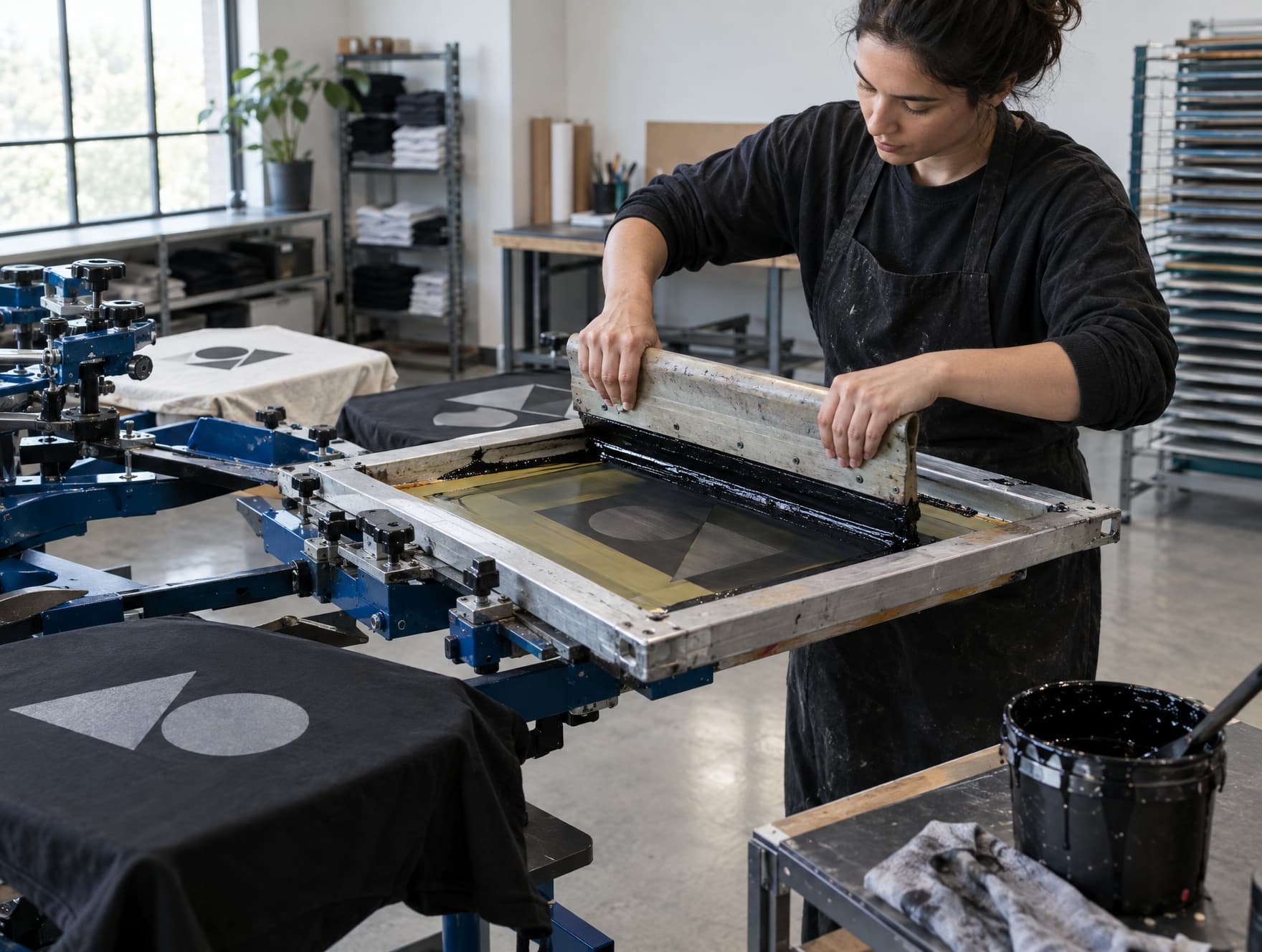
It depends on the fabric, the artwork and the quantity. Screen printing suits solid colour artwork at volume. DTG and DTF suit detailed or low volume artwork. Sublimation works on polyester rich fabrics. Embroidery suits logos and durable branding. We confirm the method against your artwork and fabric during technical review rather than applying one method to everything.
Minimum order quantity depends on material availability, colour count, construction, decoration and packaging. Projects can begin from approximately 50 pieces per style following technical review. Where a fabric has to be knitted or dyed specifically for a project, the practical minimum is set by the mill rather than by us, and we tell you that before you commit.
Sampling normally runs in stages: a proto sample to confirm construction, a fit sample against your measurement chart, and a pre production sample that fixes fabric, colour, decoration, labelling and packaging. Each stage needs written approval before the next one starts. Sample charges and courier costs are quoted before work begins.
An approved pre production sample and the signed specification become the reference for repeat orders. Reorders are checked against that reference rather than reinterpreted, which is what keeps a second run consistent with the first. Where a fabric or trim has changed availability, we tell you before production instead of substituting quietly.
Pick a design as your starting point. Colours, fabric and branding are set in the quote.
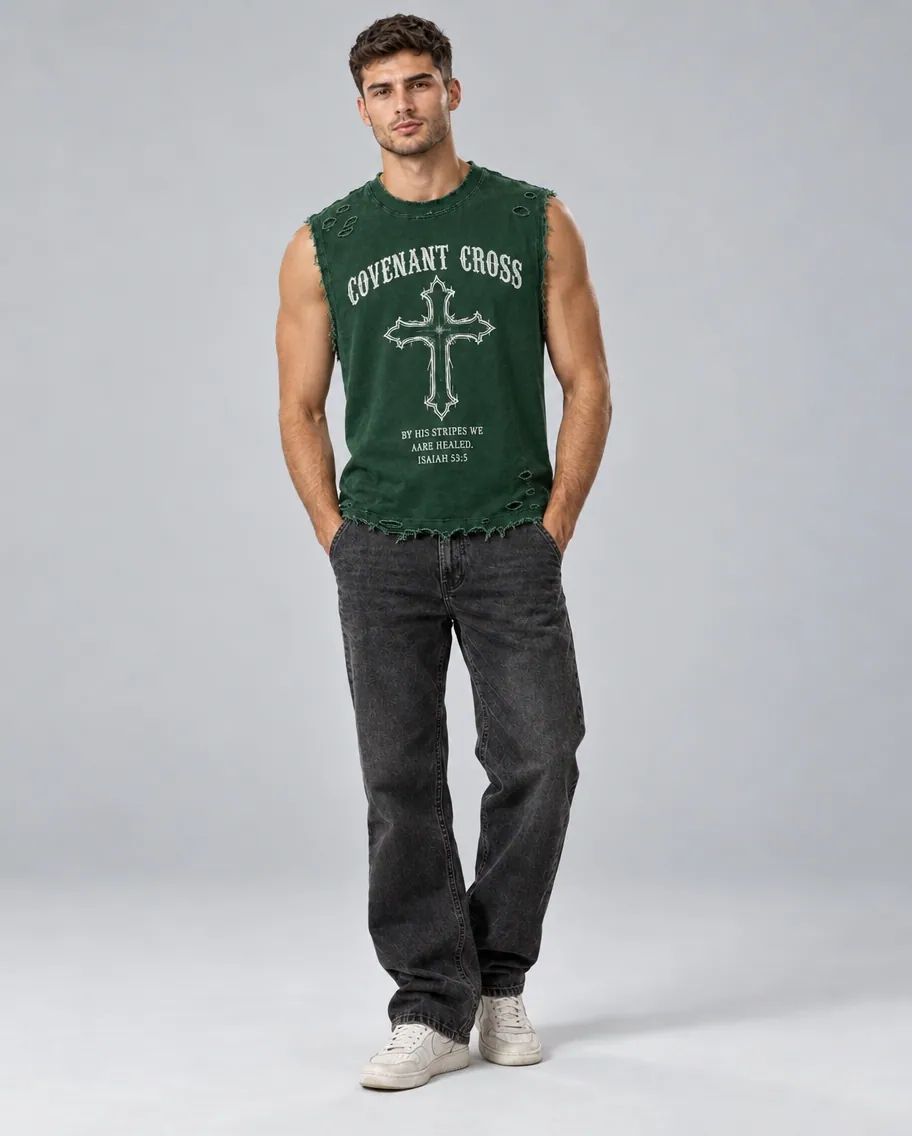 Green tank with cross print and frayed hemAsk for this design
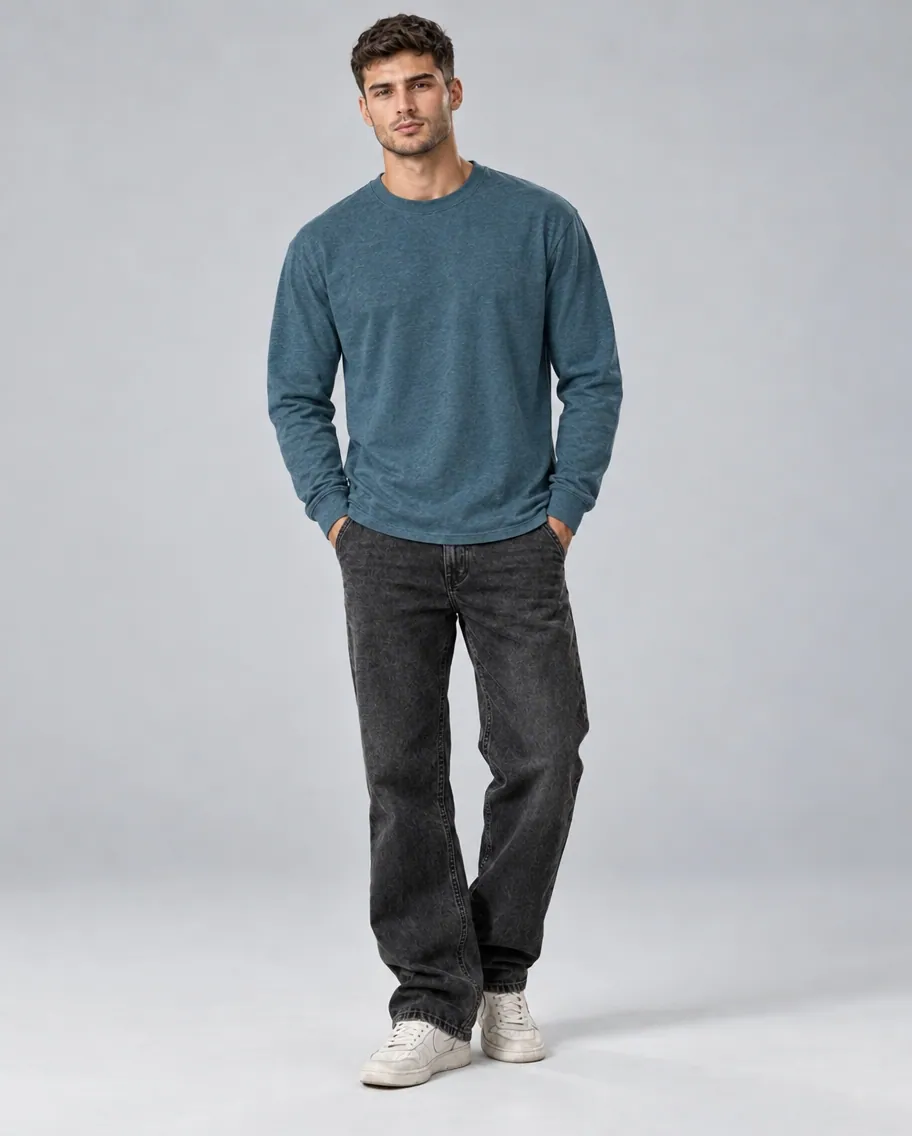 Teal marl long-sleeve teeAsk for this design
 Brown washed tee with lightning graphicAsk for this design
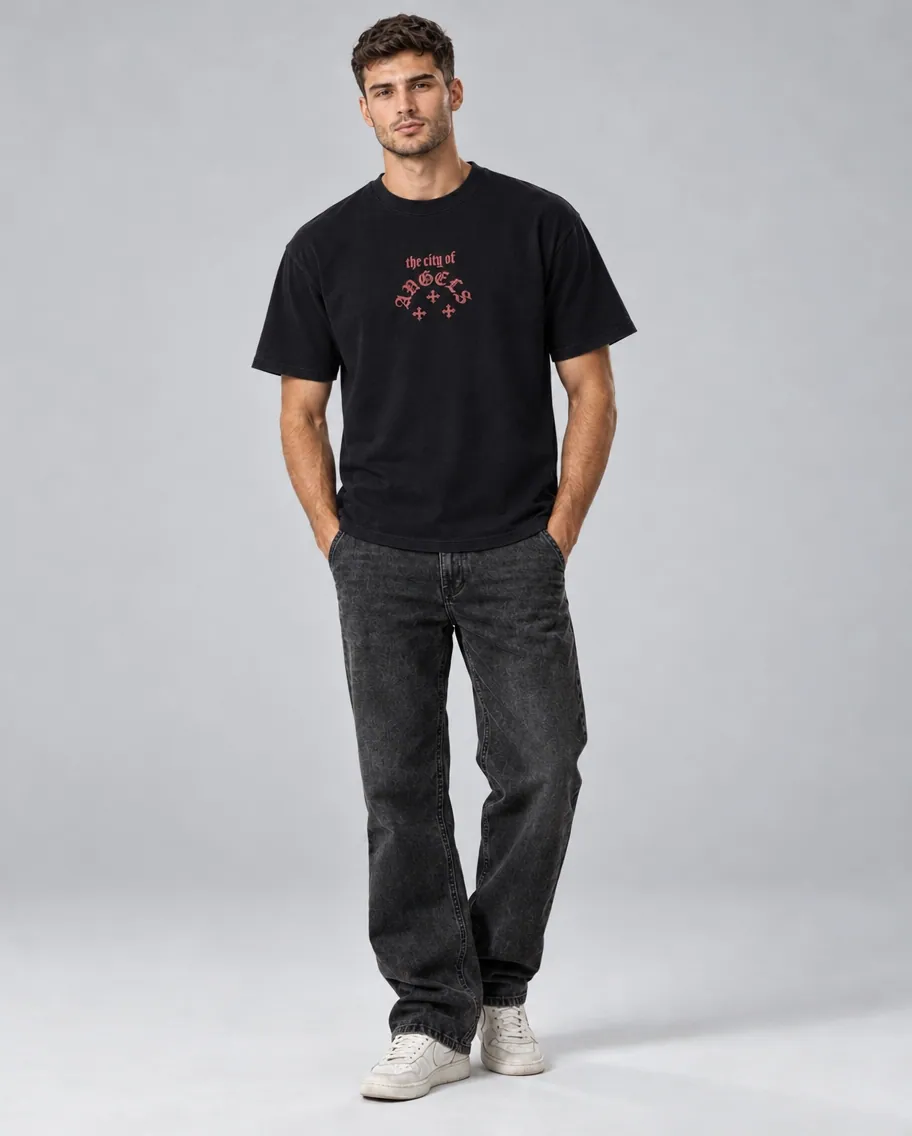 Black tee with small chest printAsk for this design
Sampling comes before bulk. From approximately 50 pieces per style, subject to technical review.
Tell us your designShare your product details, target quantity and delivery requirements. We will confirm feasibility, materials and construction before quoting.
Contact our team