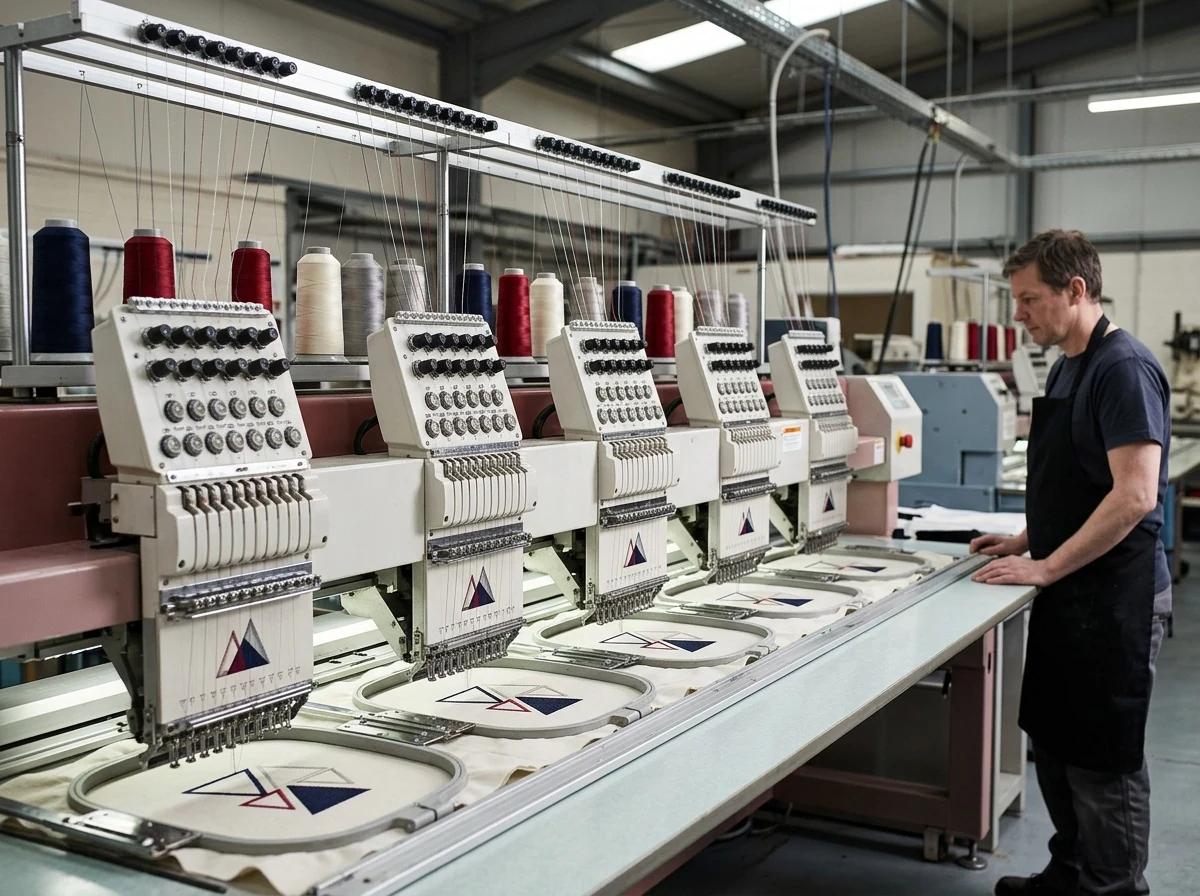
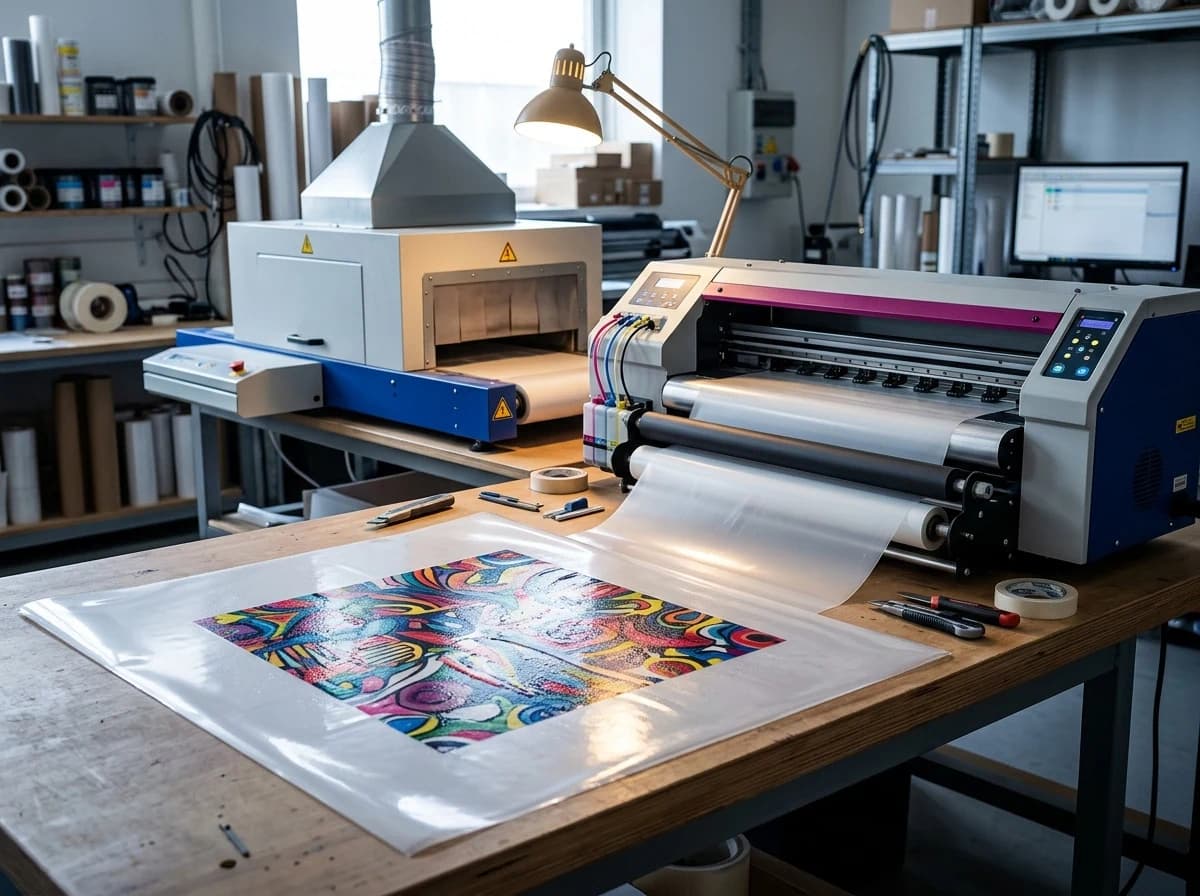
Shell fabrics
Supplier example- Method
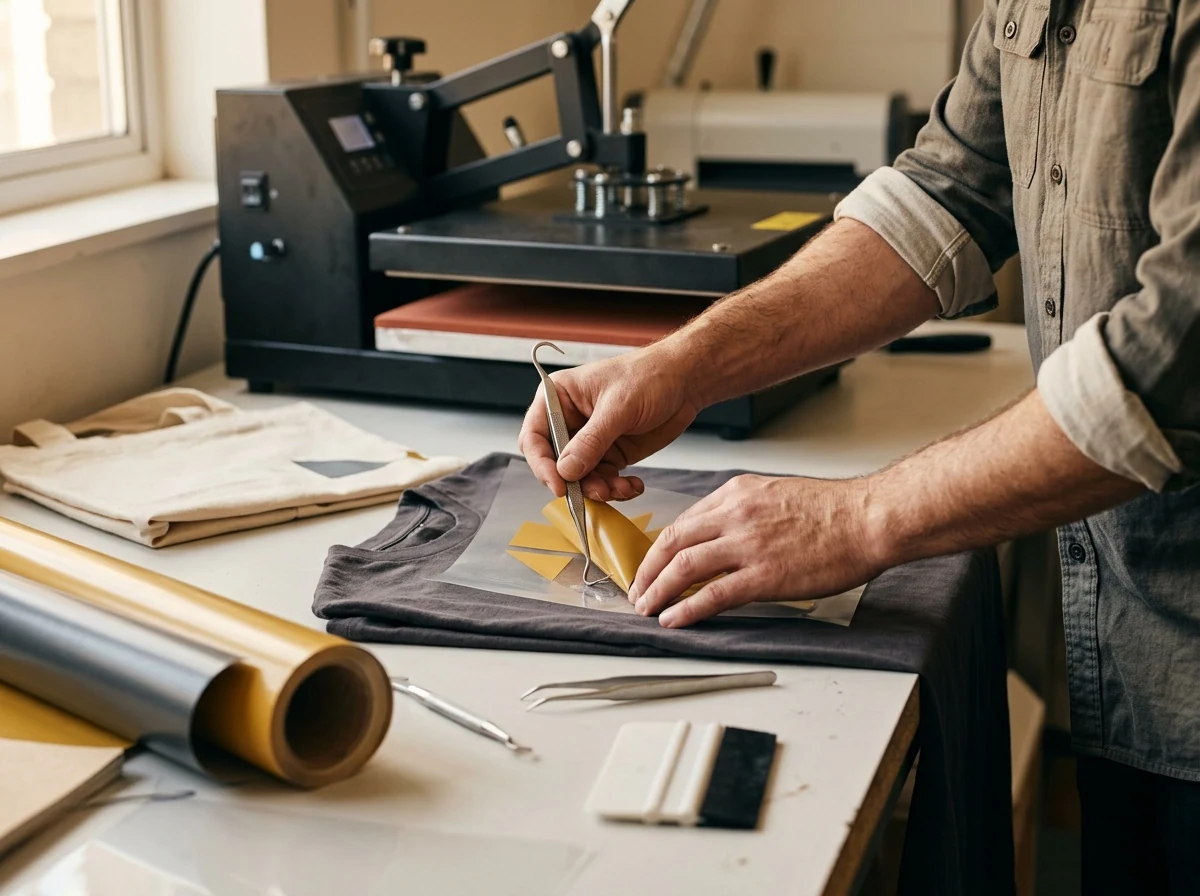
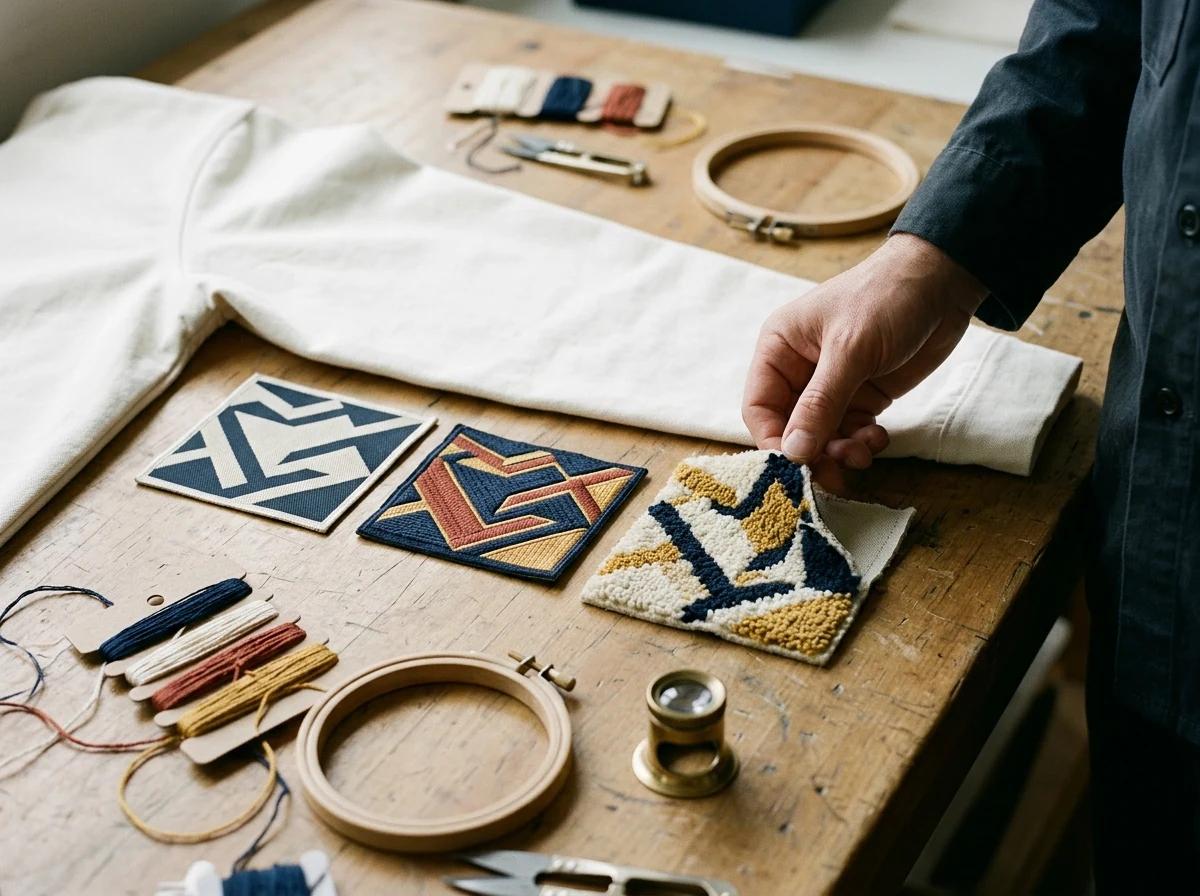
- Heat transfer or patch
- Trade-off
- Stitching through a membrane, coating or seam tape makes holes in it, so transfers and patches are used on any layer sold as waterproof.
- Approve before bulk
- Check seam sealing.
Loading page content
Product family
Shells, mid layers and technical outerwear where construction and finishing determine whether the product works.
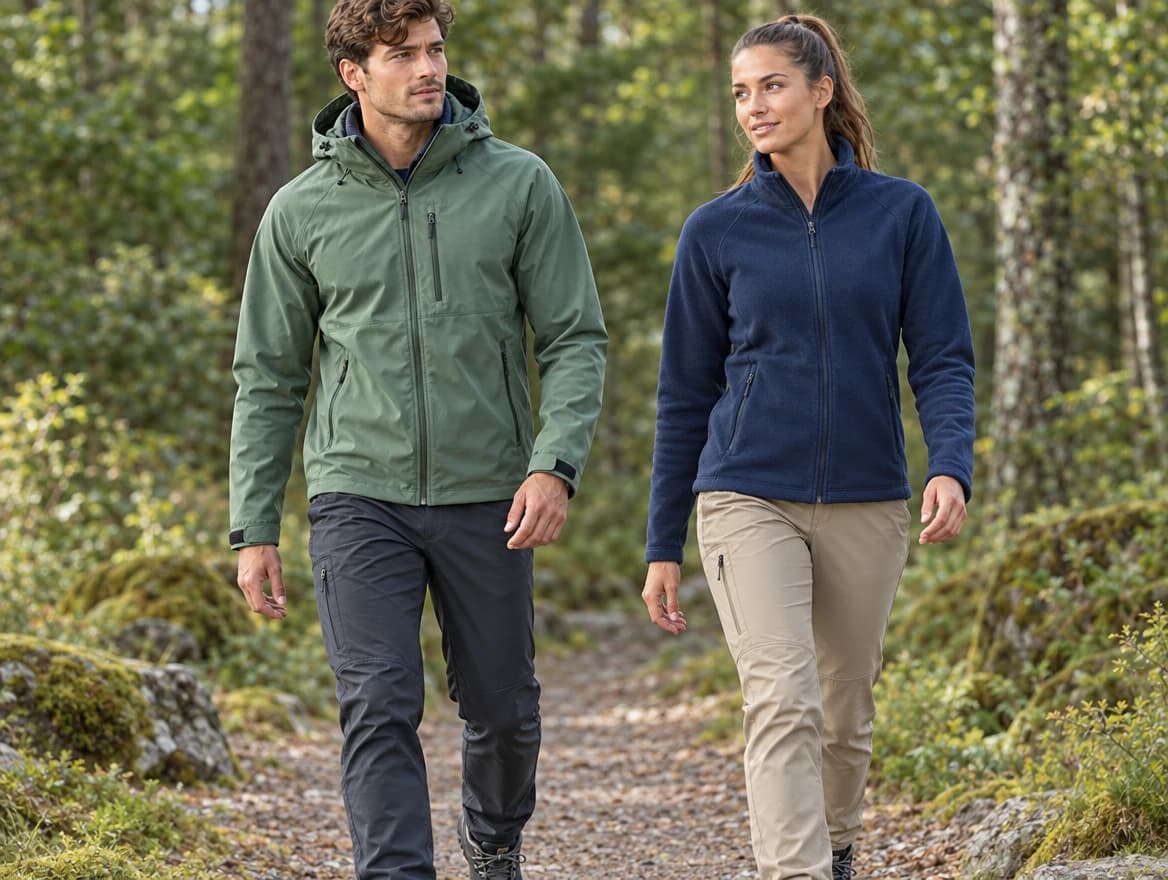
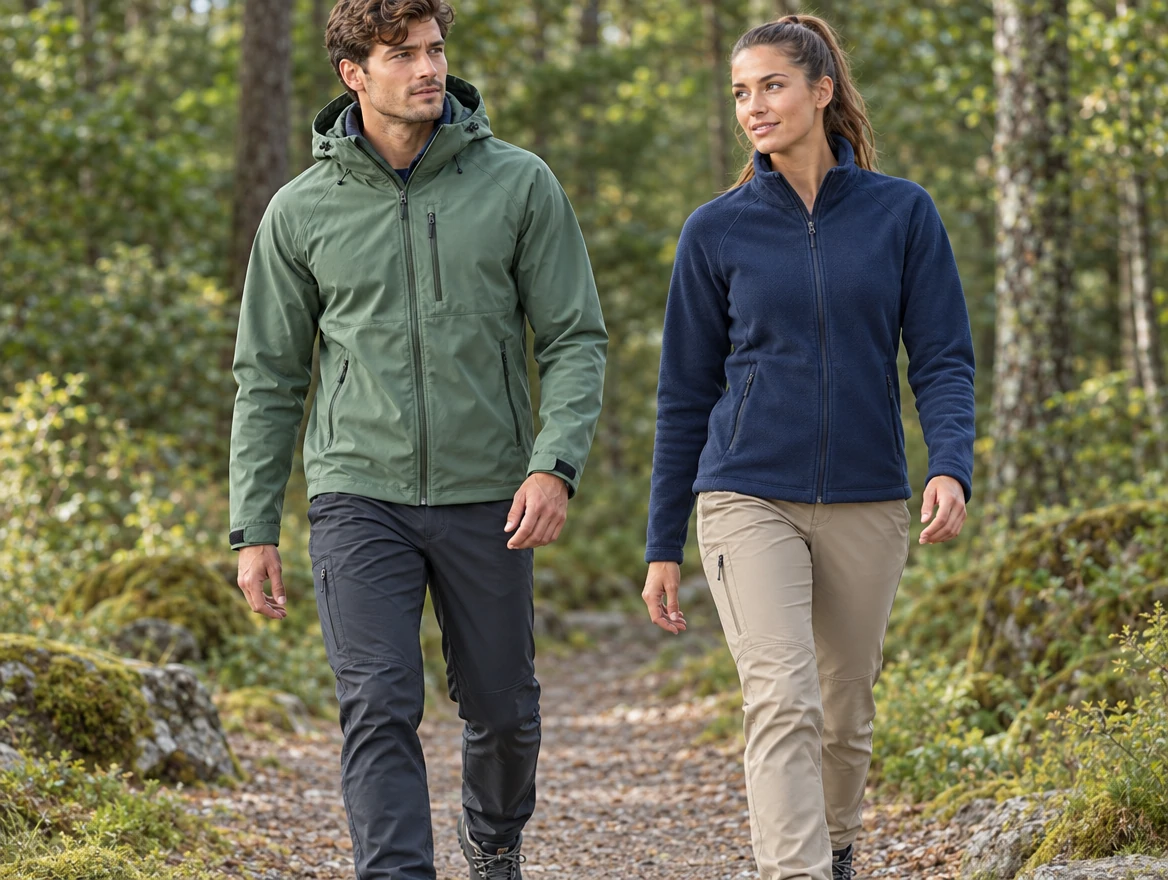
Outdoor product carries a functional promise. A jacket described as water resistant has to behave that way in rain, and the difference between resistant and waterproof is a construction decision involving seam sealing, zip selection and fabric coating.
We describe these products in terms of what the construction actually delivers rather than in marketing language. Where a specification calls for taped seams or a laminated membrane, feasibility is confirmed on technical review before it is offered.
Layering logic drives the category. A shell, an insulating mid layer and a base layer each solve a different problem, and specifying them as a system produces a better result than developing them separately.
Product types
Representative products we manufacture in this category. Anything not listed can still be assessed on technical review.
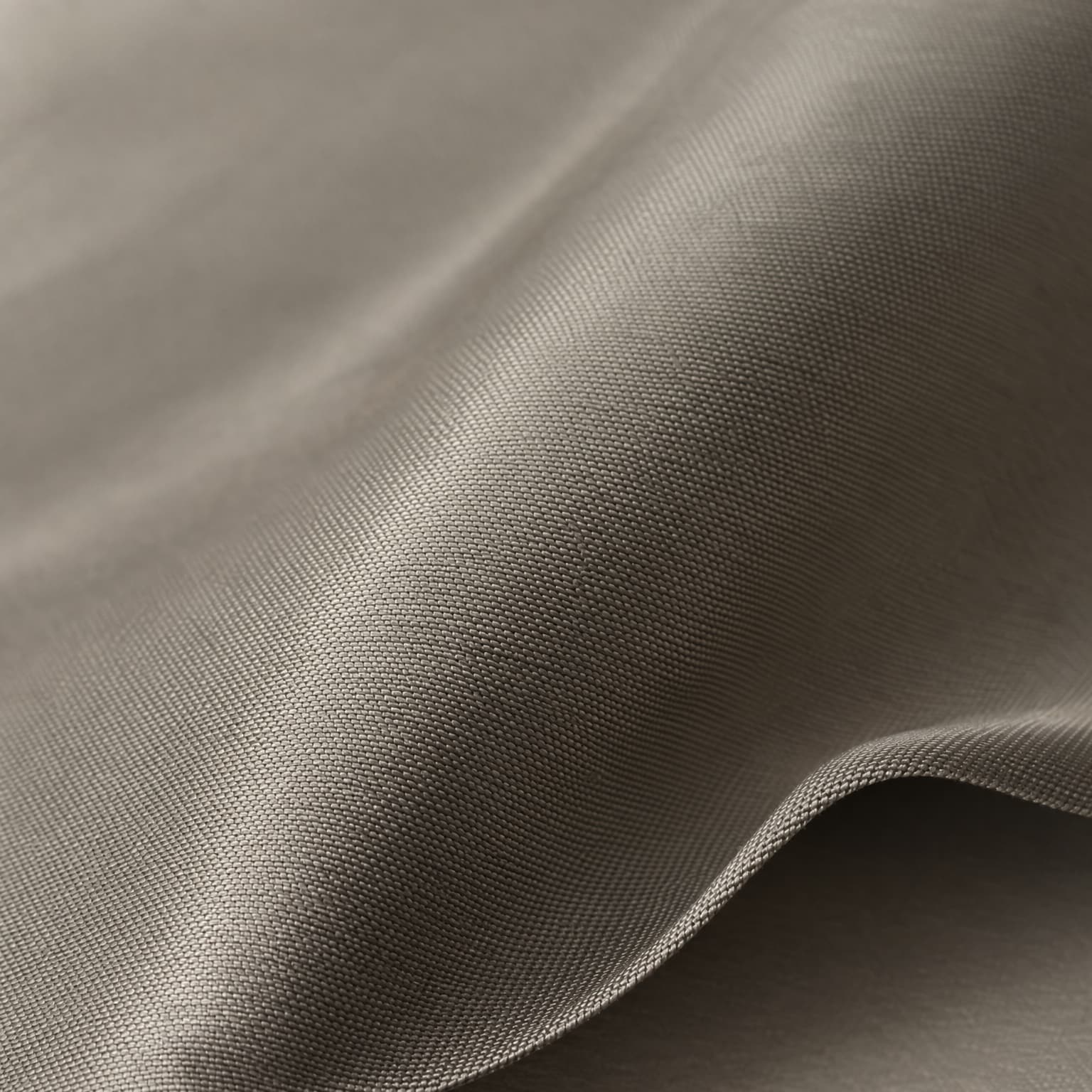
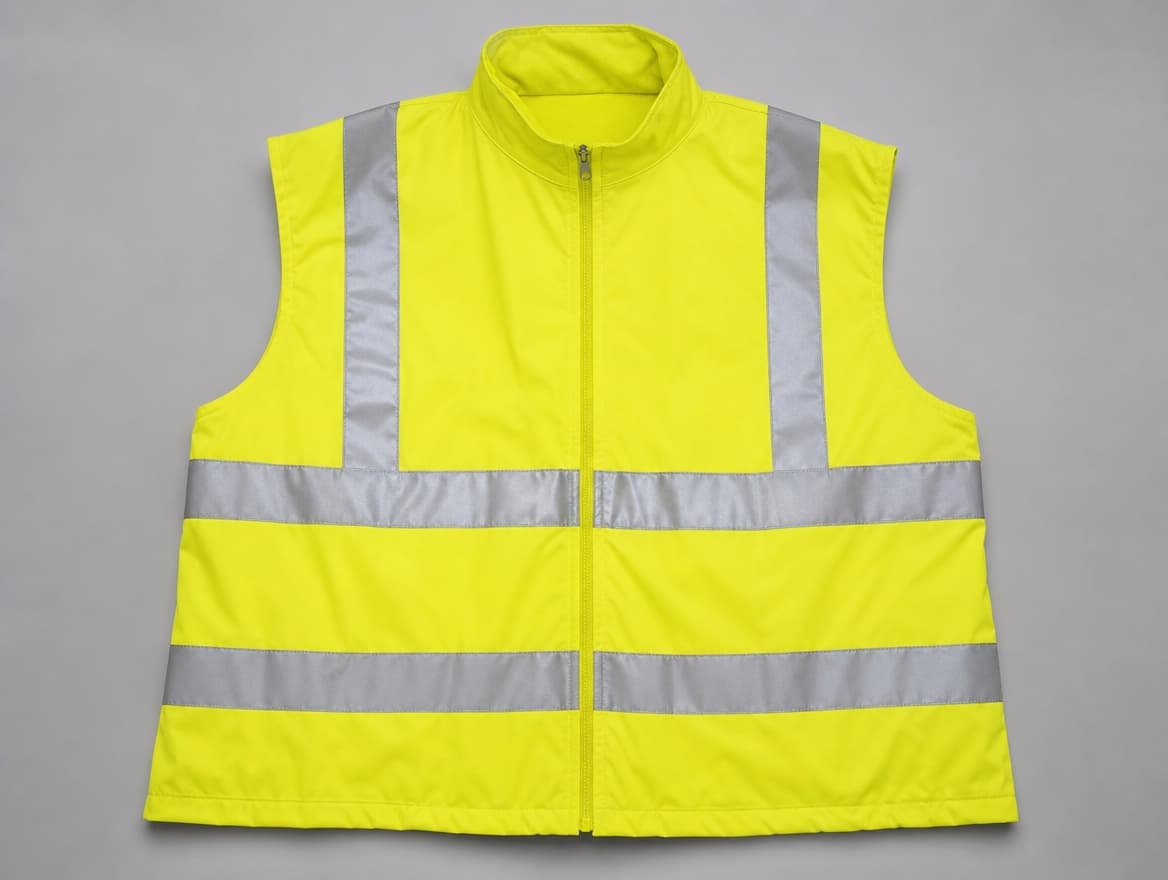
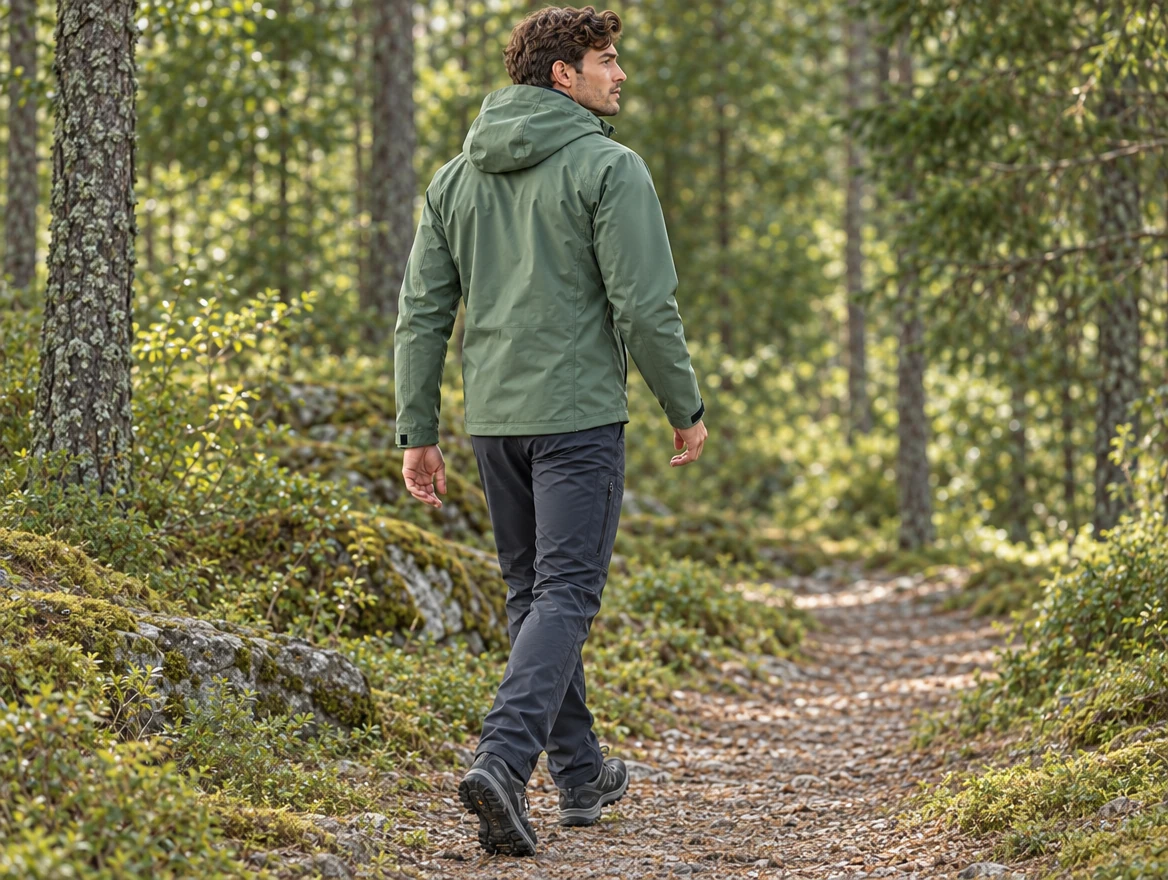
Lightweight nylon or polyester shells with water repellent finishing.
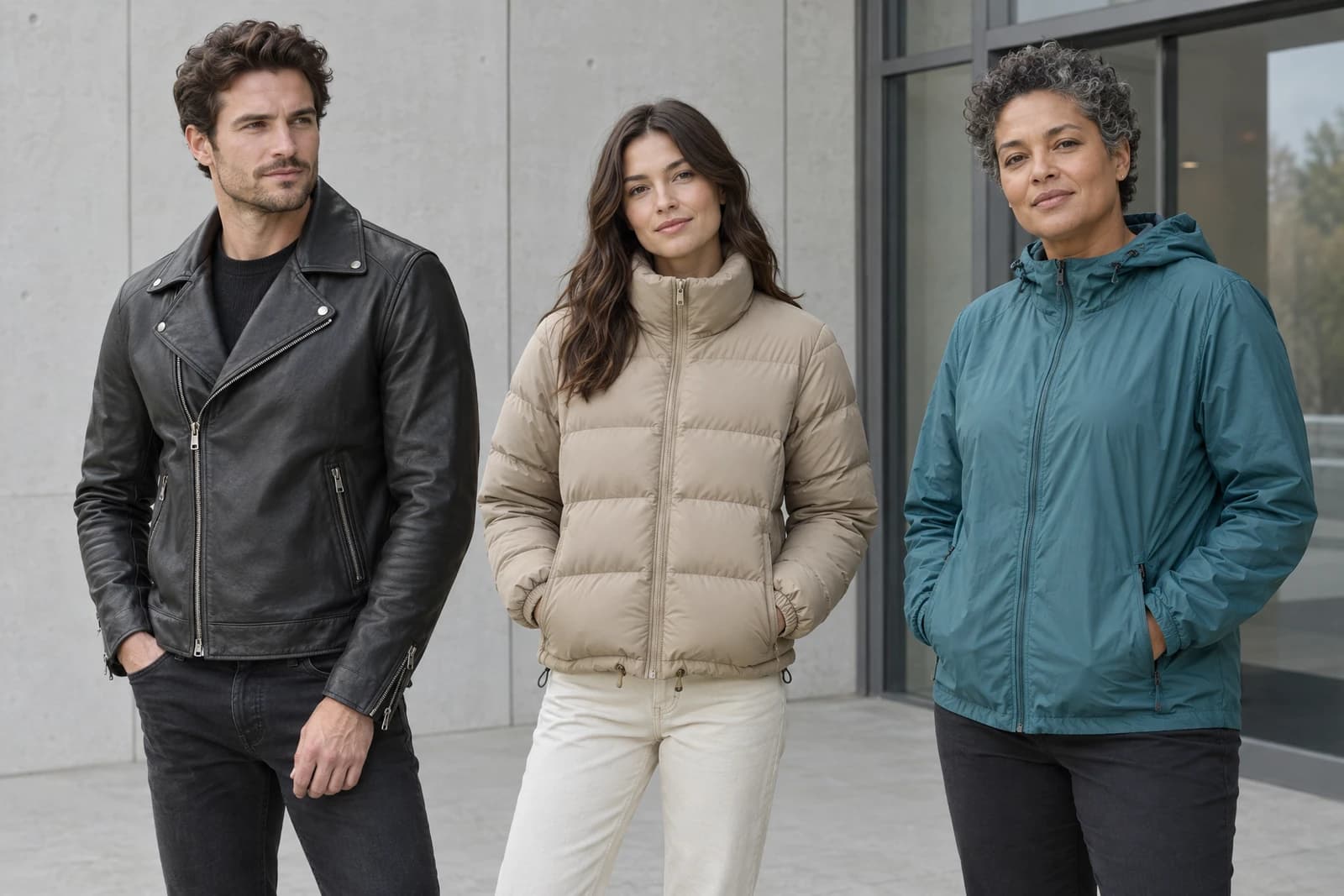
Quilted or padded constructions with synthetic insulation.
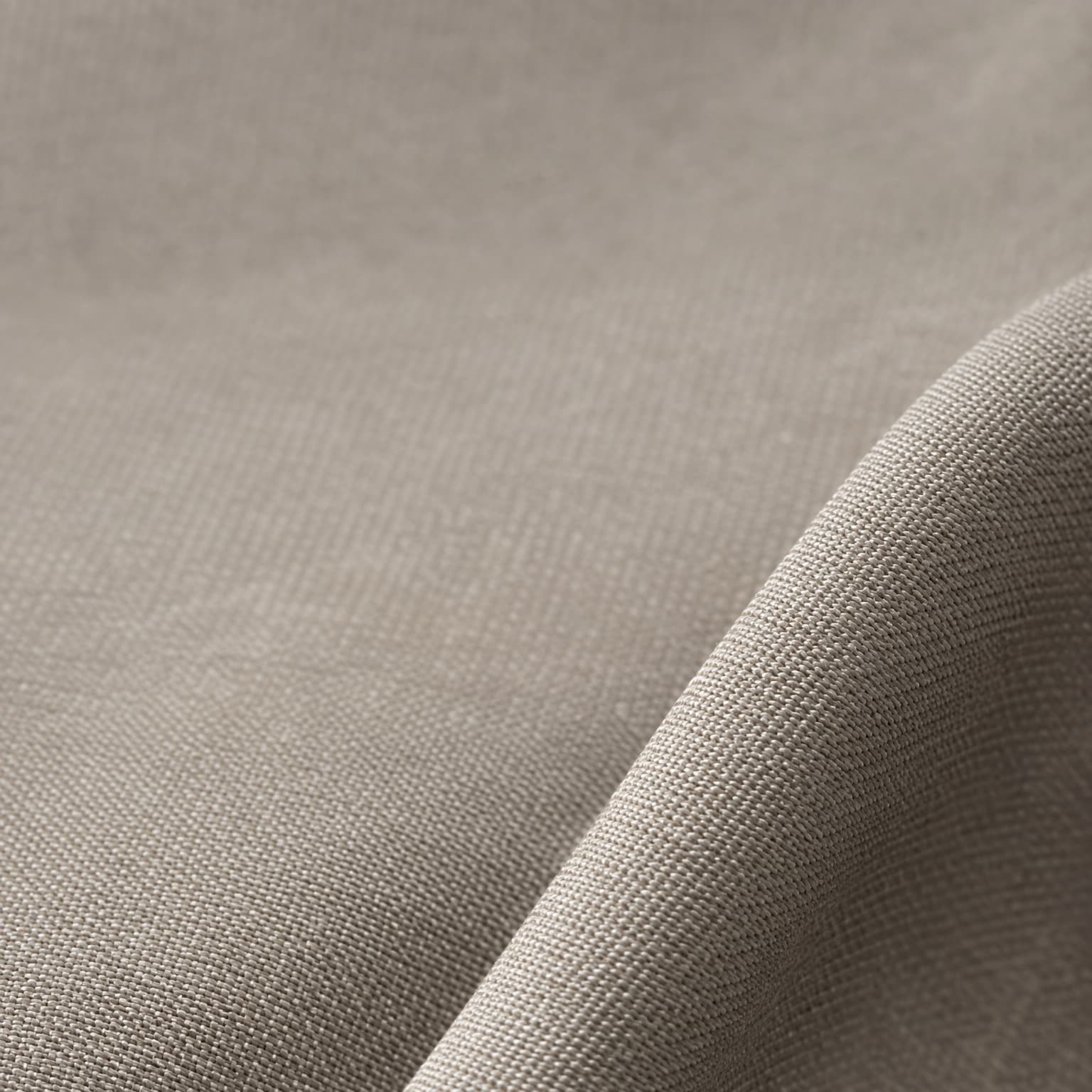
Bonded stretch fabric offering wind resistance with mobility.
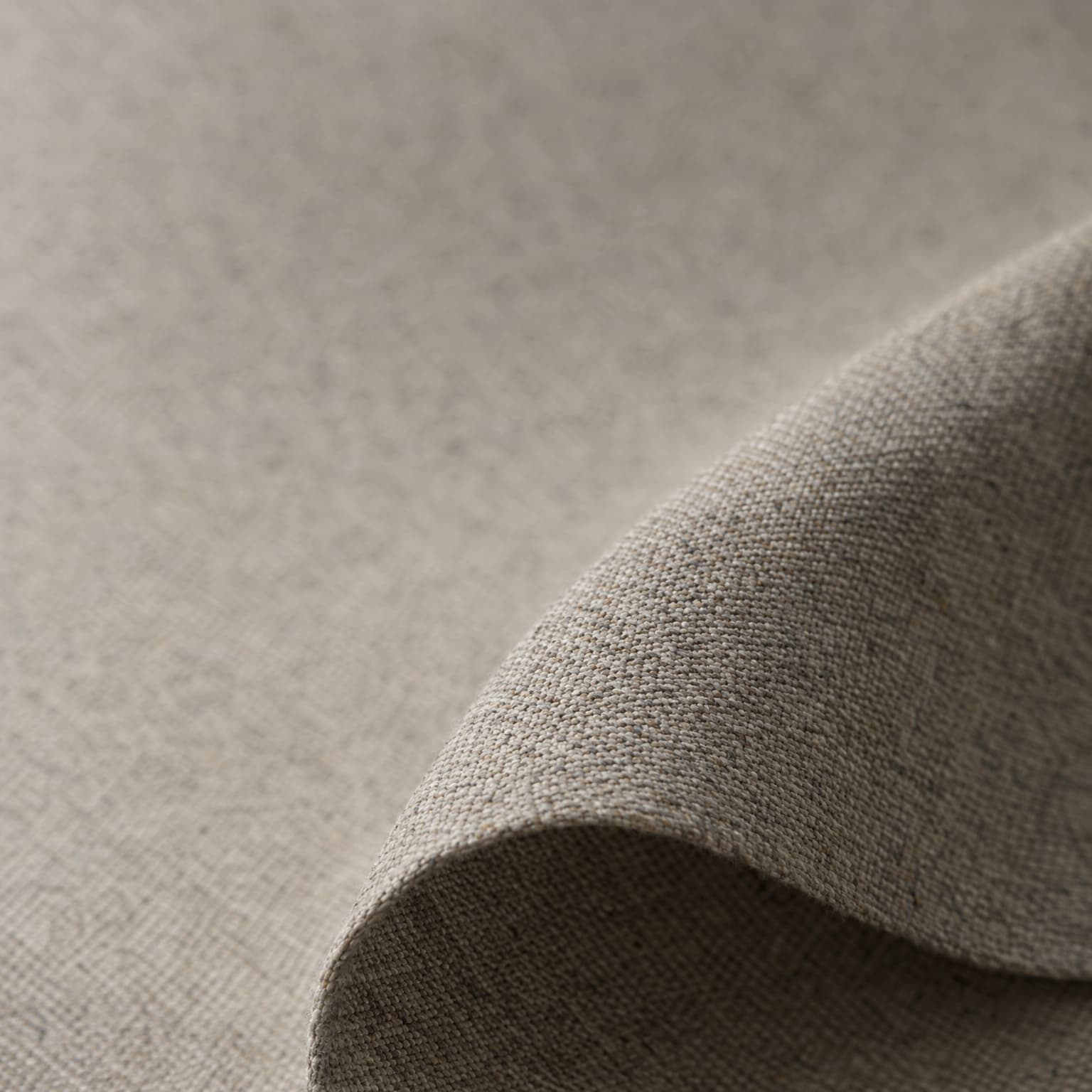
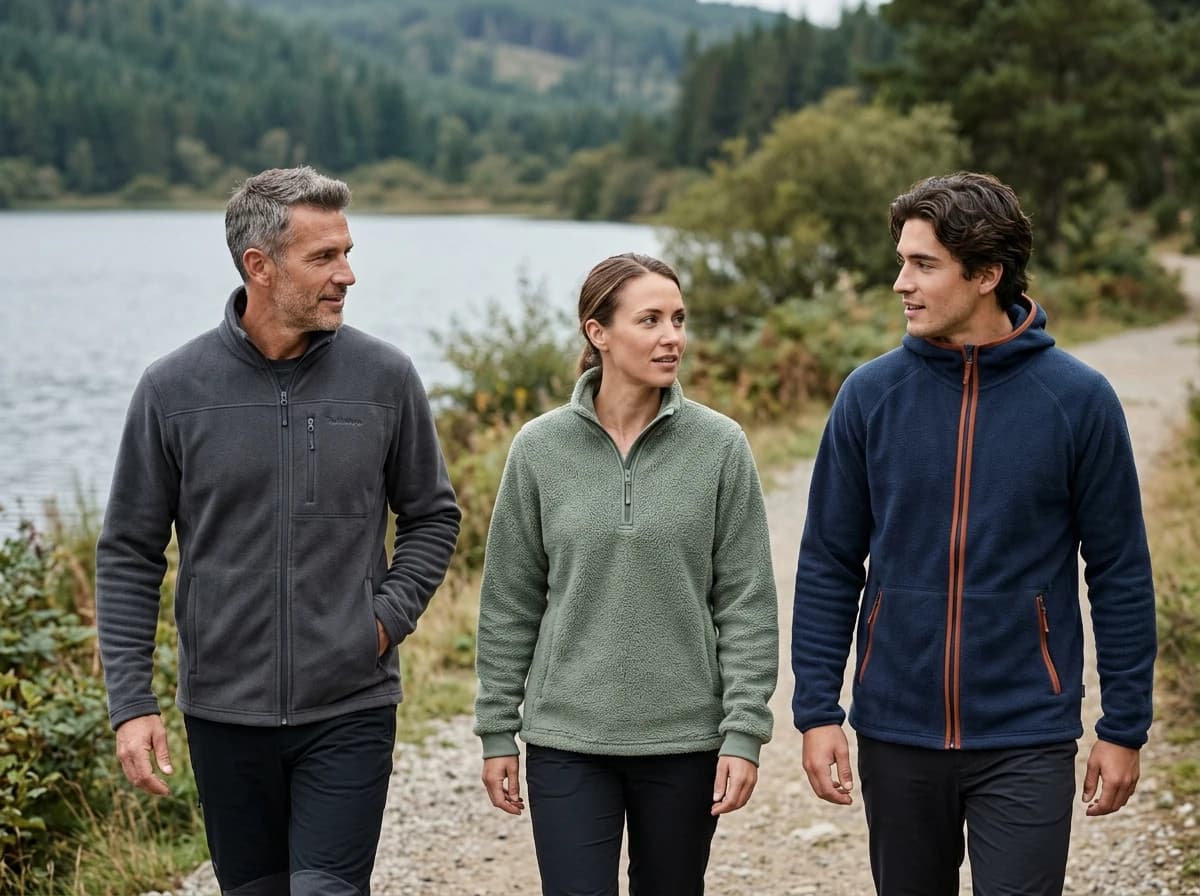
Brushed or grid fleece designed for warmth to weight.
Stretch woven trousers with articulated knees and reinforced panels.
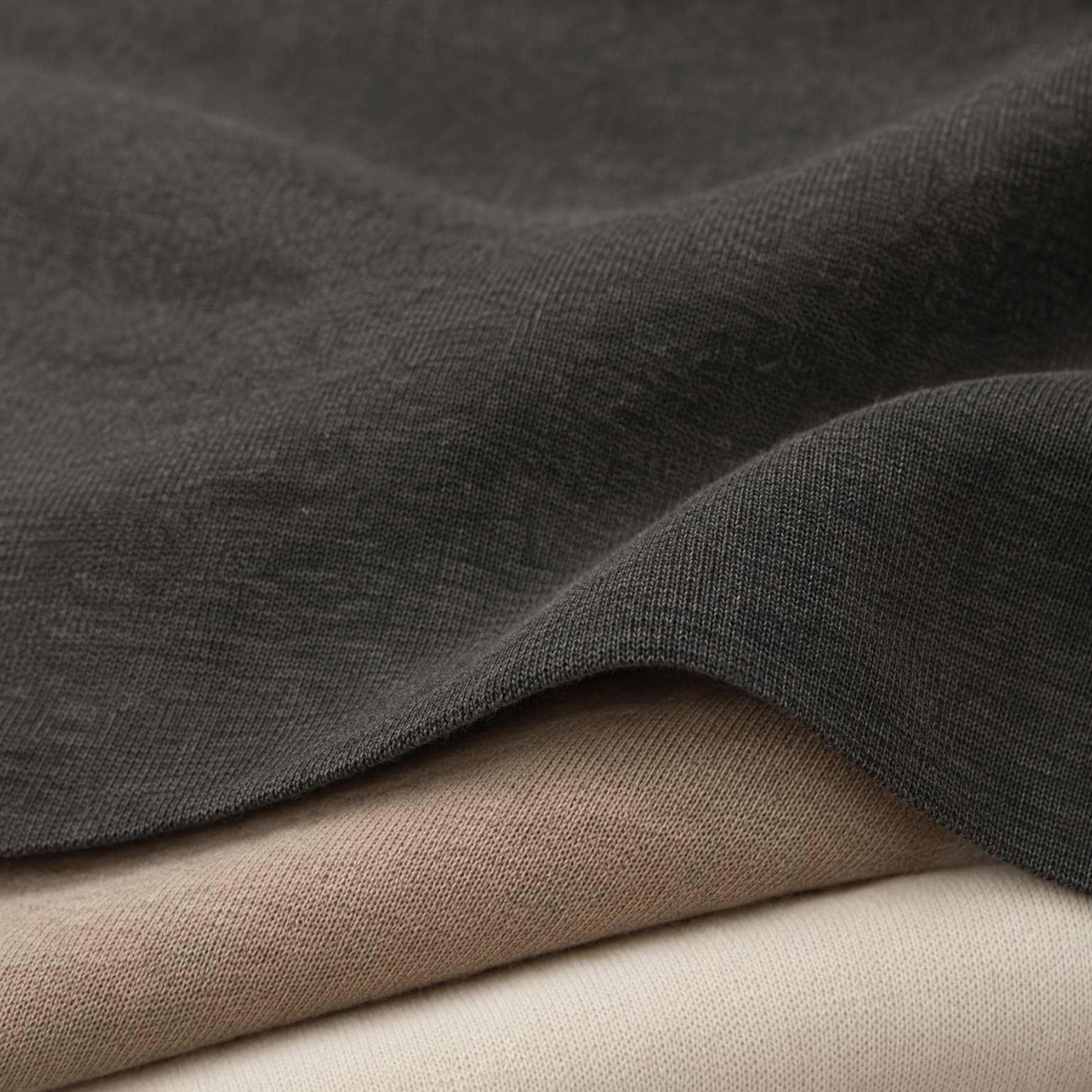
Close fitting moisture managing layers, cut and sew or seamless.
Specification
Weight ranges are typical for this category. The finished weight of your fabric is confirmed on the approved sample rather than guaranteed to a figure.
Ranges are typical. The exact specification is confirmed on your approved sample before production.
Component-level guidance for outdoor and performance. Any ranges are indicative sourcing references, not guaranteed order specifications. Different components can need different fabrics, weights and units; the selected materials, construction and finished measurements are confirmed on the approved sample.
| Component | Weight, unit or setting | Construction choices | Check on the sample |
|---|---|---|---|
| Shell fabricIndustry guidance | 40 to 90 gsm typical range. | Taped seams after technical review. | Seam integrity. |
| SoftshellIndustry guidance | 200 to 300 gsm typical range. | Articulated sleeves. | Seam comfort. |
| Grid fleeceIndustry guidance | 150 to 220 gsm typical range. | Zips and pockets. | Pilling. |
| InsulationIndustry guidance | 40 to 150 gsm typical range, specified separately. | Quilting or baffles. | Fill distribution. |
Decoration
Decoration is matched to the fabric and the artwork rather than applied by default. Each method links to its own page with limits stated.
Which method suits each placement on outdoor and performance, its trade-offs and what to approve before bulk. Compatibility is checked against the actual fabric, stretch, coating and heat tolerance; approval on one component does not establish suitability on another.
Materials
Composition, weight guidance and decoration compatibility for each fabric are on its own page.
What each part of outdoor and performance is usually made from, why, where it falls short and what to check. This is industry guidance, not a TextileWays specification: the fabric and components for your order are confirmed on technical review.
Ordering
Neither figure is published as a universal number, because neither one is true across every specification.
MOQ depends on material availability, colour count, construction, decoration and packaging. Technical shell fabrics carry higher minimums than commodity knitwear, particularly in custom colours, and taped seam construction is confirmed on technical review before it is quoted.
Technical performance is confirmed on the sample rather than assumed from the fabric specification. Where water resistance is claimed, the construction is tested on a finished garment.
Detailed product guidance
Materials, manufacturing routes and buying considerationsOutdoor product carries a functional promise. A jacket sold as water resistant has to behave that way in rain, and the difference between resistant and waterproof is a construction decision, not a marketing one.
We develop light shells, softshells and insulated jackets. Seams, zips, insulation and fabric coatings are chosen to match what you intend the garment to do.
A shell, an insulating mid layer and a base layer each solve a different problem. Specifying them as a system produces a better result than developing them separately.
These terms are often blurred in product copy. They are different constructions, and being clear about which one you are building protects your customers and your reviews.
Water resistance usually comes from a tight weave and a durable water repellent finish. It sheds light rain but can soak through in a sustained downpour.
A waterproof jacket needs a membrane or coating and sealed seams, which adds cost and process. Where a specification calls for taped seams, feasibility is confirmed on technical review before we offer it.
Your labels, colours and trims go on the finished garment, and a developed layer can shorten development when the technical brief is simple.
We build to your pattern or develop one with you, and confirm seams, zips and finishing on a sample.
A developed fleece or shell block can be branded with your colours, labels and trims (ODM, often called white label).
Technical garments are sampled before bulk, and the sample is judged the way a customer will use it. The production route depends on the construction, material and quantity.
You share the product, target use and quantity. We confirm the construction, material and production route, then quote against that specification.
Minimums depend on fabric availability, coatings, trims and construction, so we confirm them on review instead of quoting one number for the whole category.
Questions
Answers relevant to this product family. The full list covers ordering, sampling, materials, decoration, compliance and logistics.
We build labelling into the specification and apply exactly what you approve, including fibre content, care symbols, country of origin and identification details. Responsibility for confirming what your market and your product category legally require stays with you as the brand owner. We flag anything that looks inconsistent before production.
Sampling normally runs in stages: a proto sample to confirm construction, a fit sample against your measurement chart, and a pre production sample that fixes fabric, colour, decoration, labelling and packaging. Each stage needs written approval before the next one starts. Sample charges and courier costs are quoted before work begins.
Minimum order quantity depends on material availability, colour count, construction, decoration and packaging. Projects can begin from approximately 50 pieces per style following technical review. Where a fabric has to be knitted or dyed specifically for a project, the practical minimum is set by the mill rather than by us, and we tell you that before you commit.
Pick a design as your starting point. Colours, fabric and branding are set in the quote.
 Brick red leather blouson jacketAsk for this design
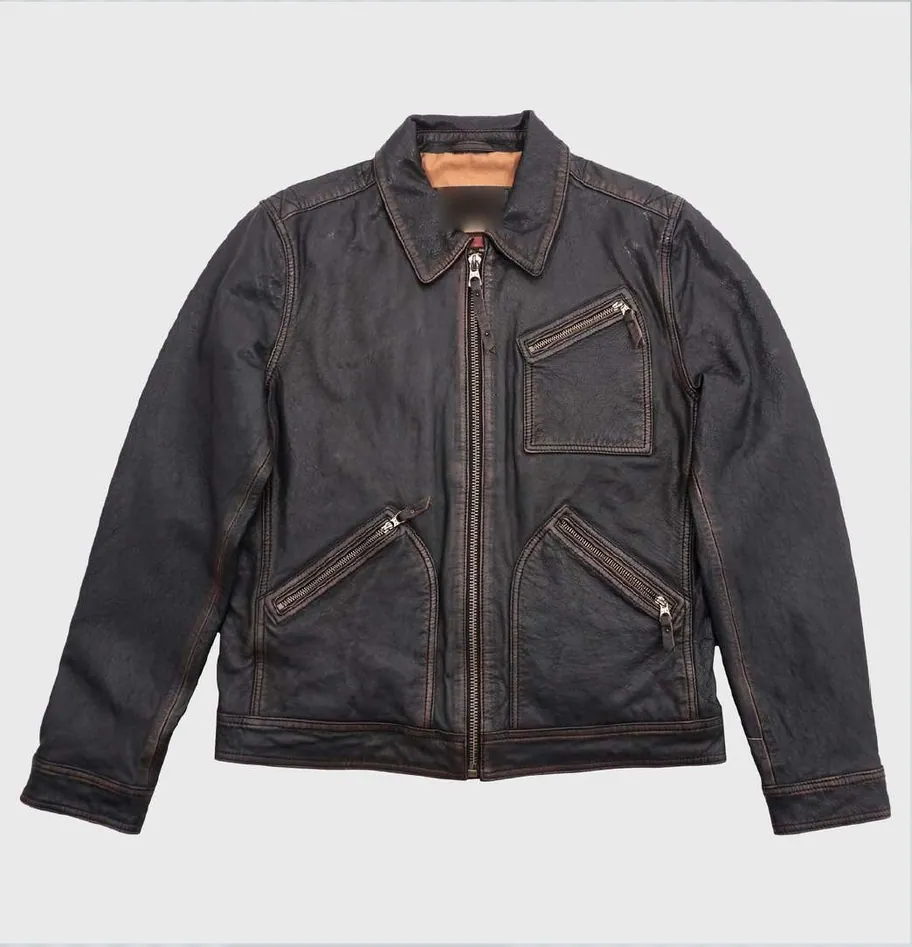 Washed black leather blouson with zip pocketsAsk for this design
 Olive suede bomber jacketAsk for this design
 Black leather button front coatAsk for this design
Sampling comes before bulk. From approximately 50 pieces per style, subject to technical review.
Tell us your designShare your product details, target quantity and delivery requirements. We will confirm feasibility, materials and construction before quoting.
Contact our team