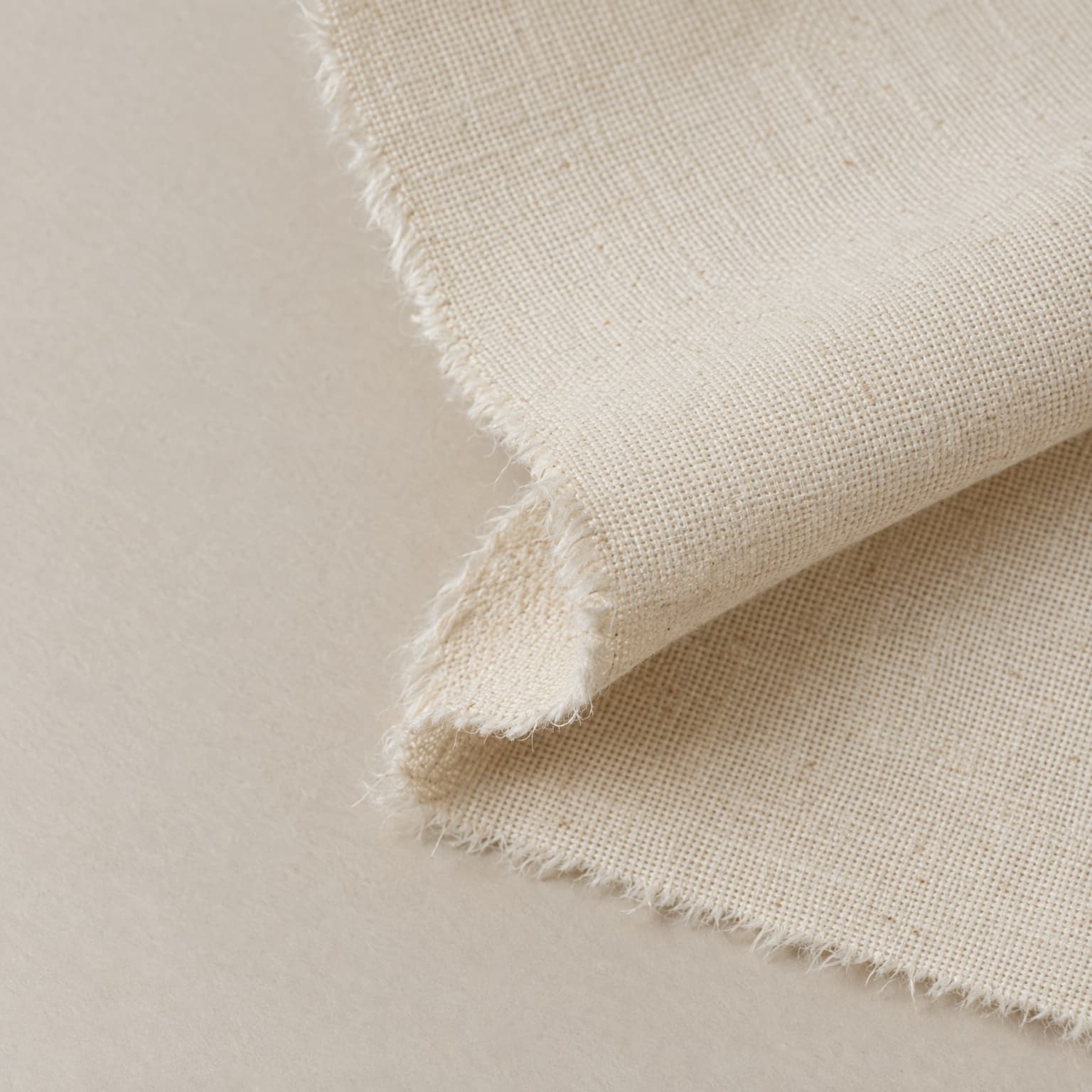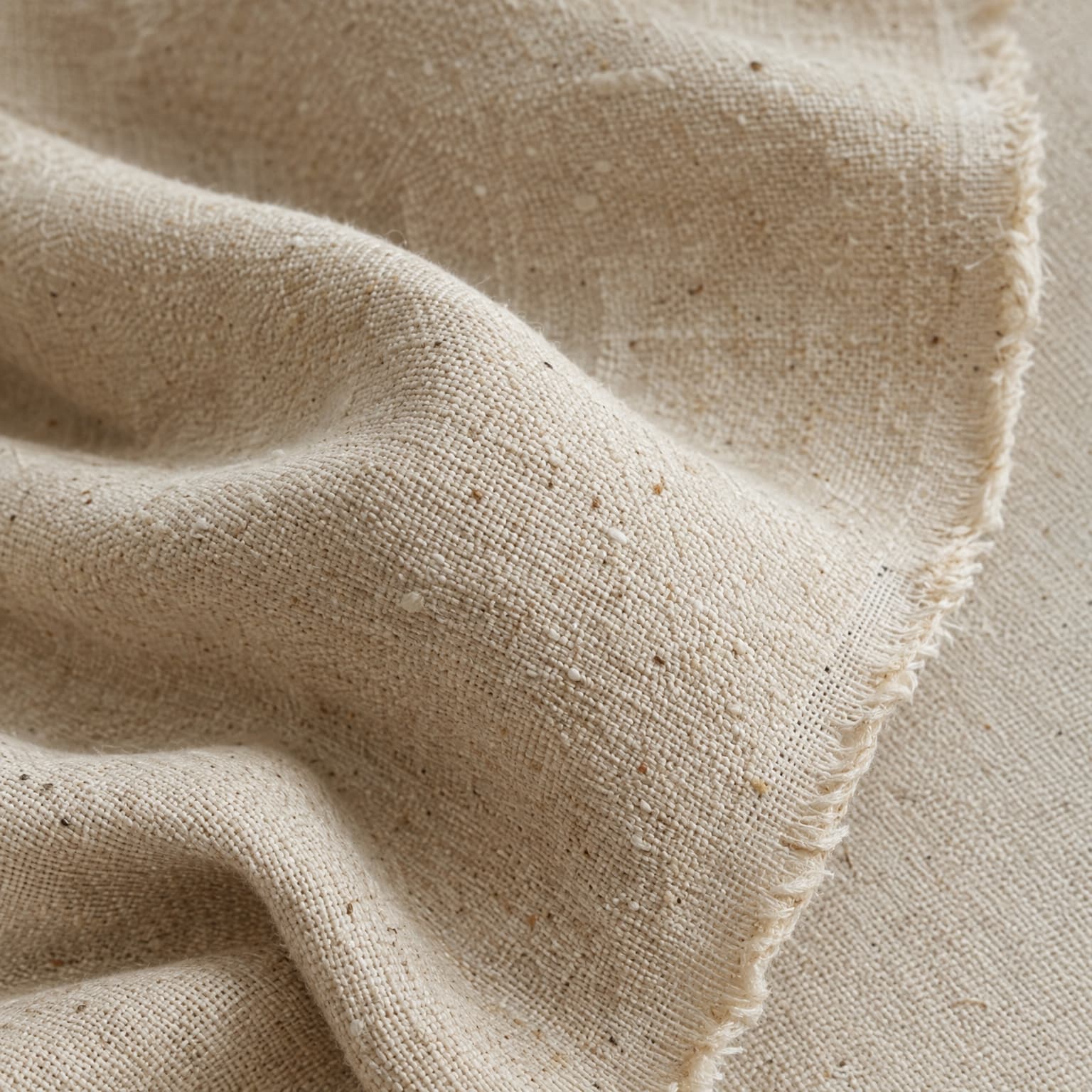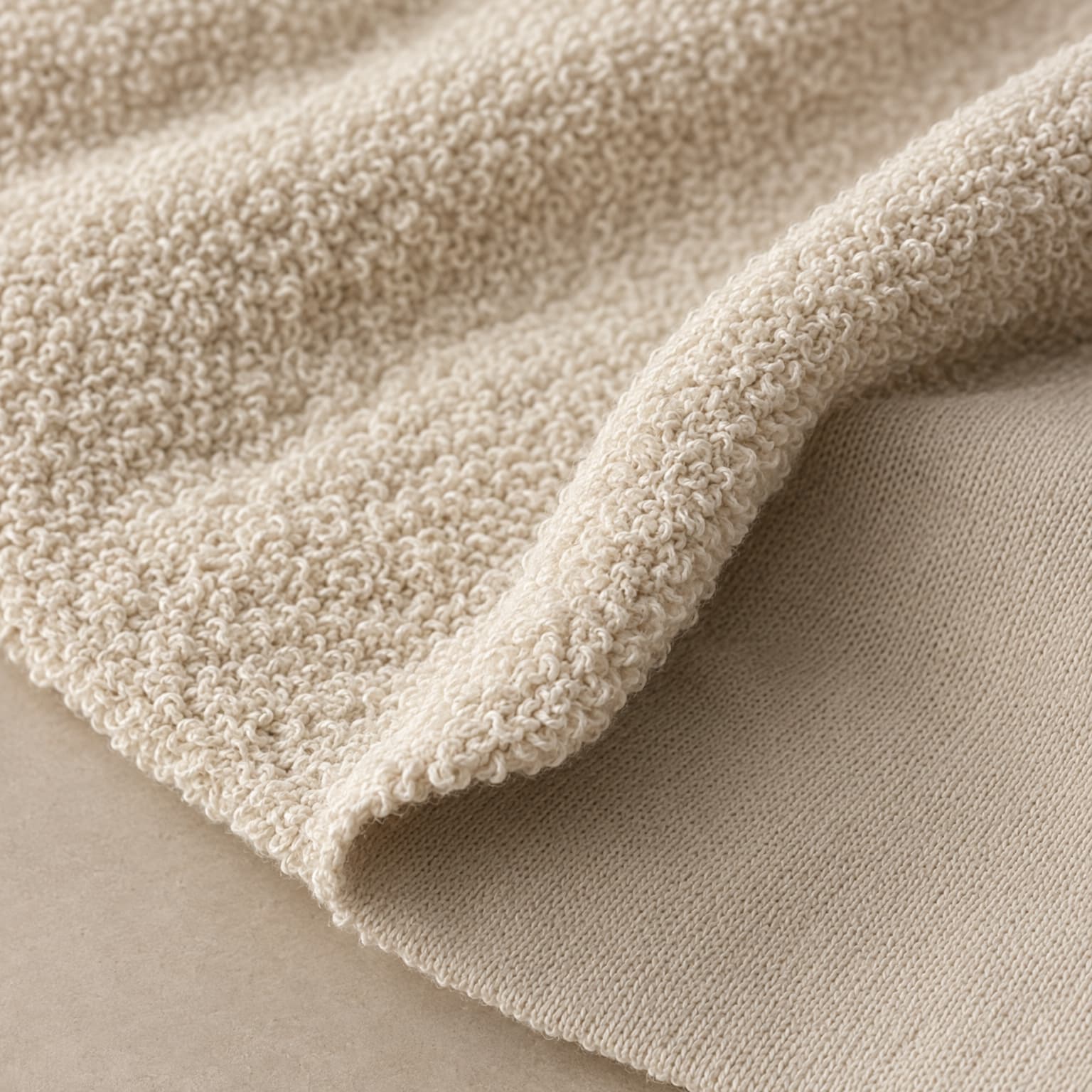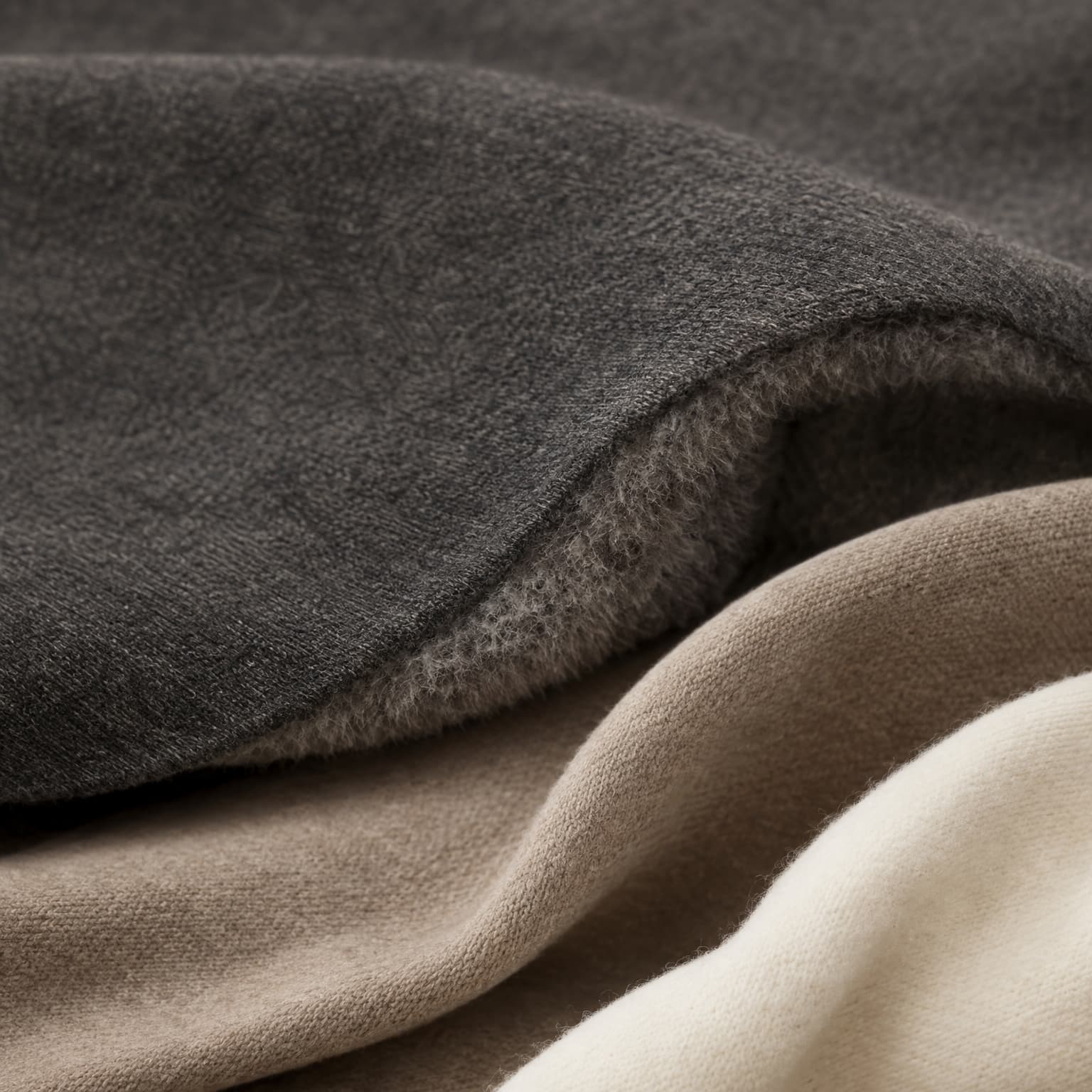
Cotton garments
Supplier example- Method
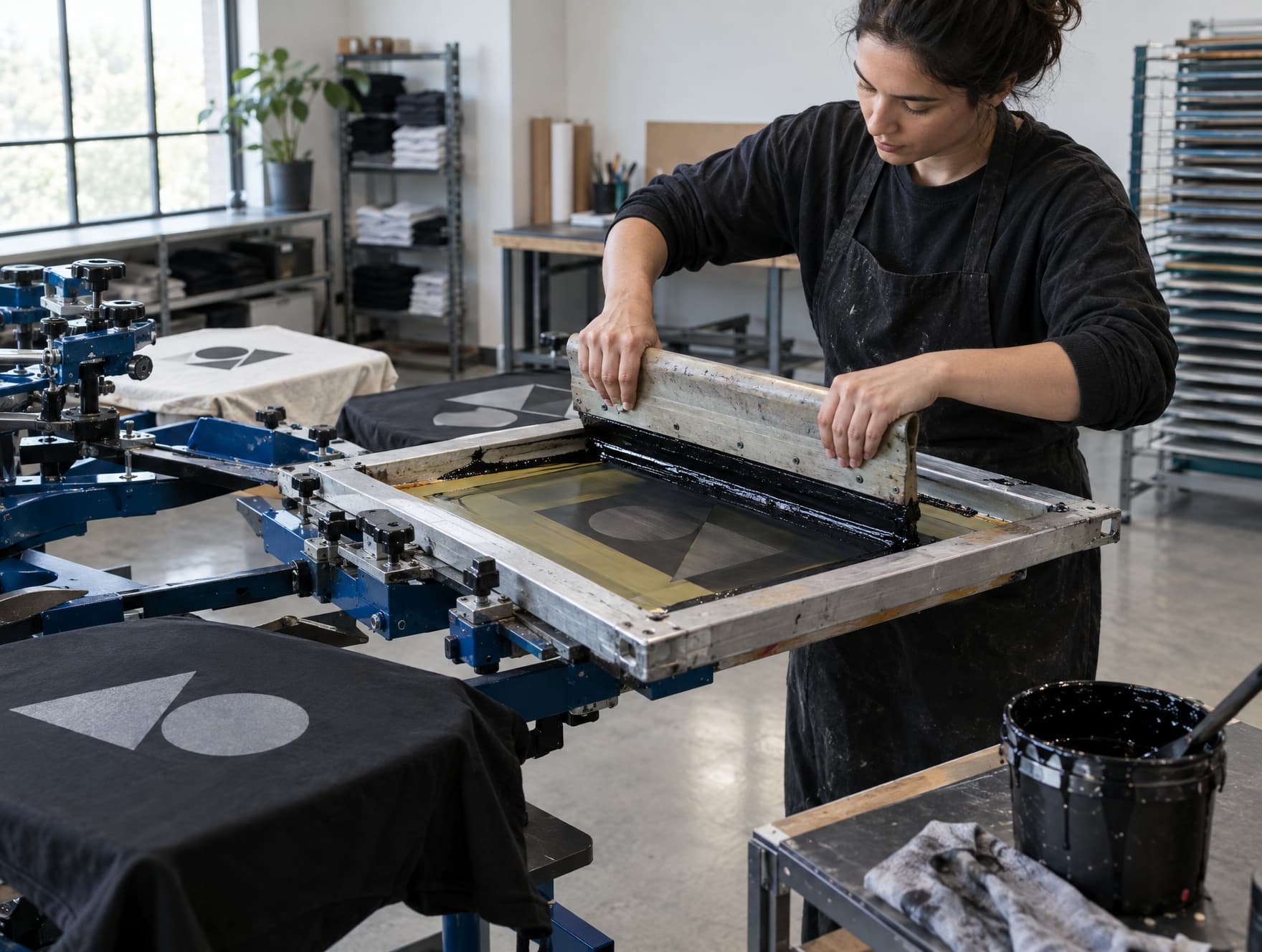
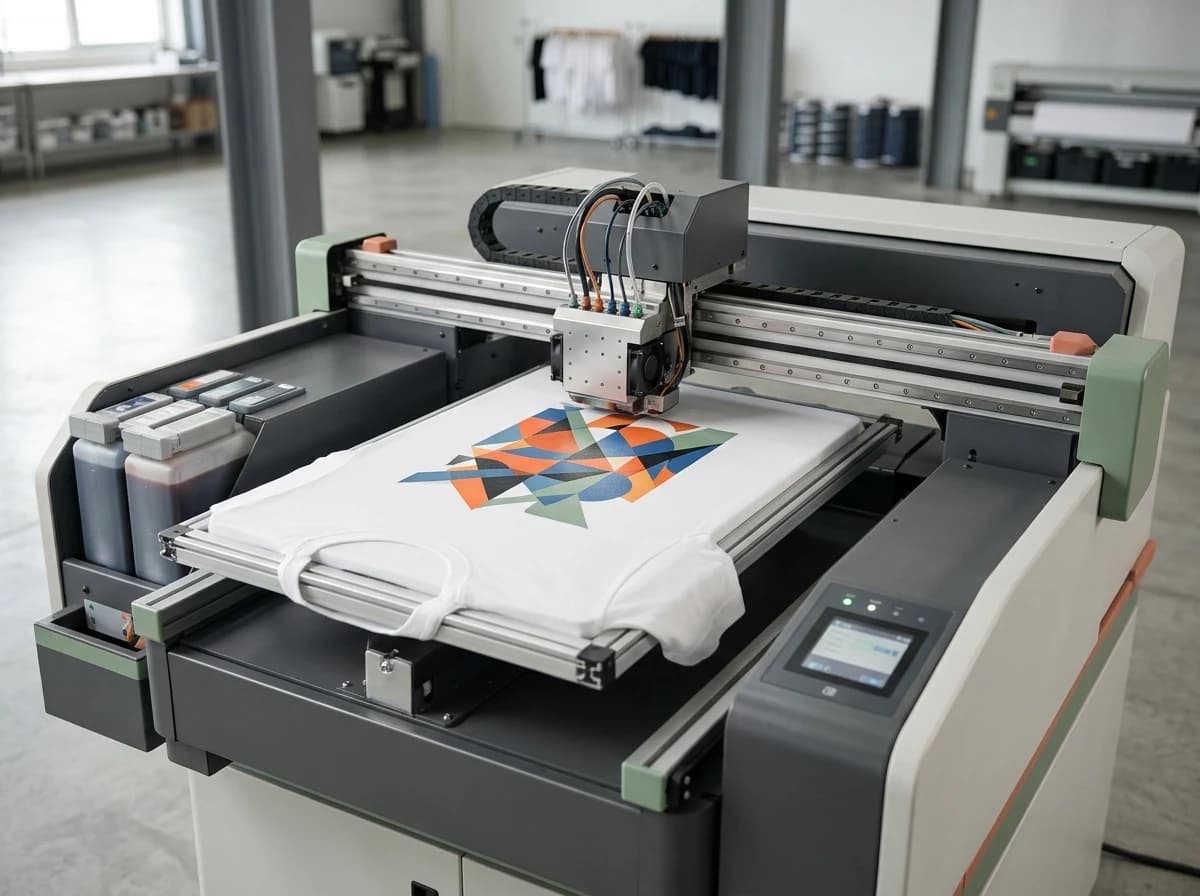
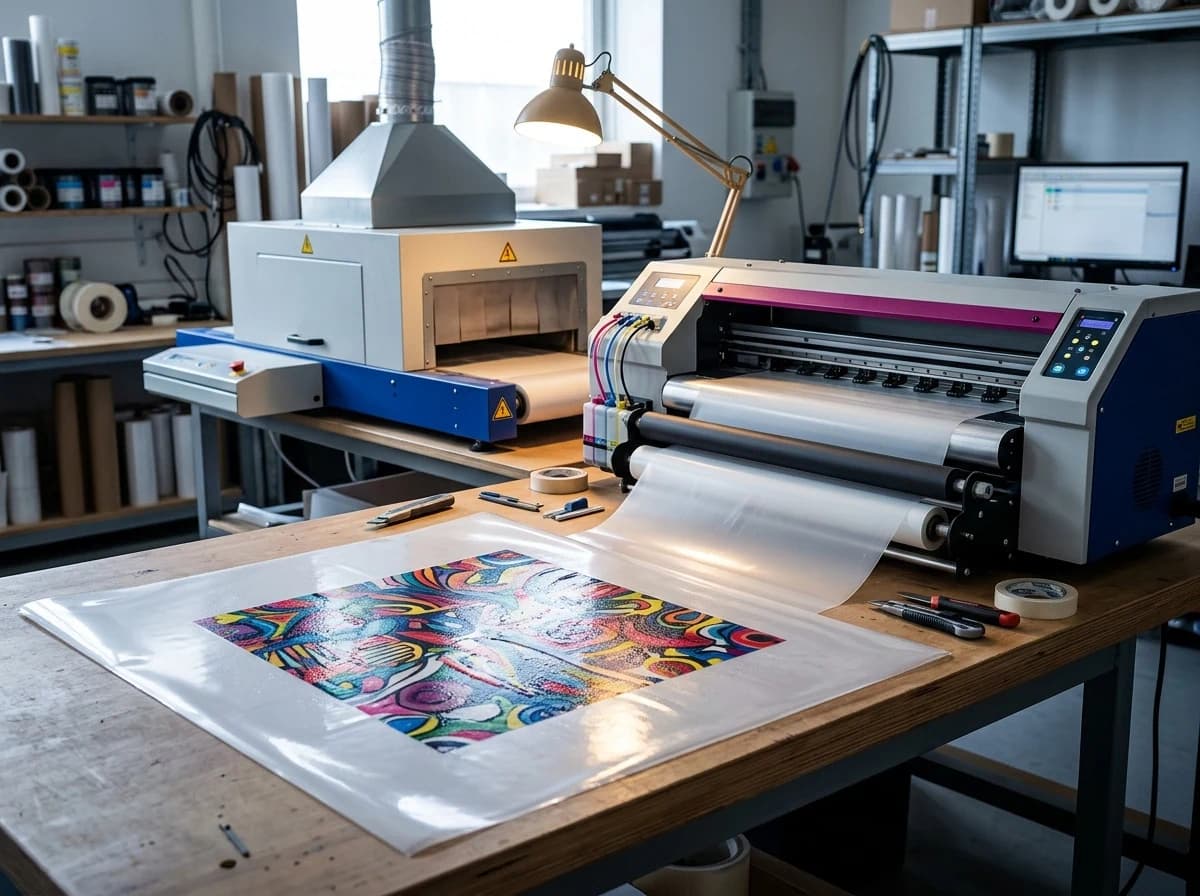
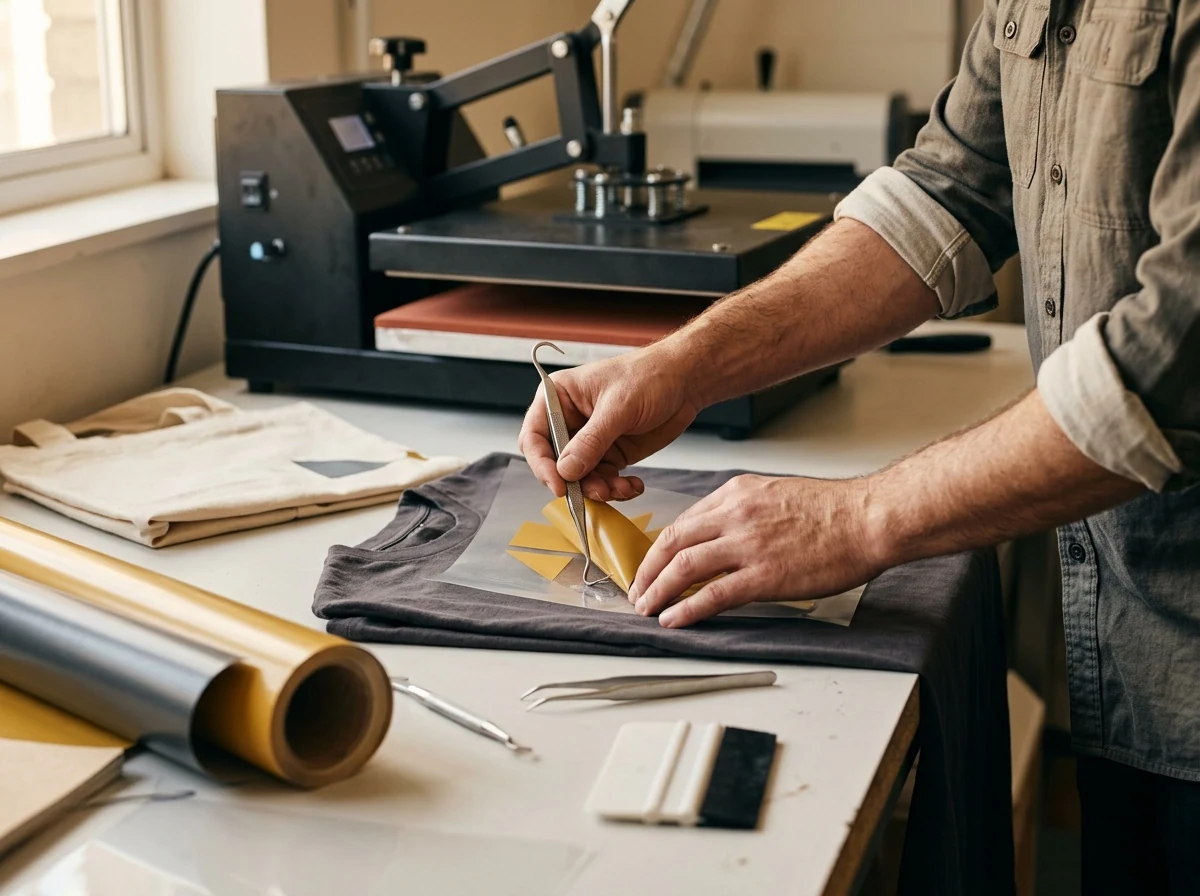
- DTG, screen print or DTF
- Trade-off
- DTG gives its softest print on cotton and needs pretreatment on dark garments; DTF suits blends and stretch.
- Approve before bulk
- Strike off and wash test.
Loading page content
Product family
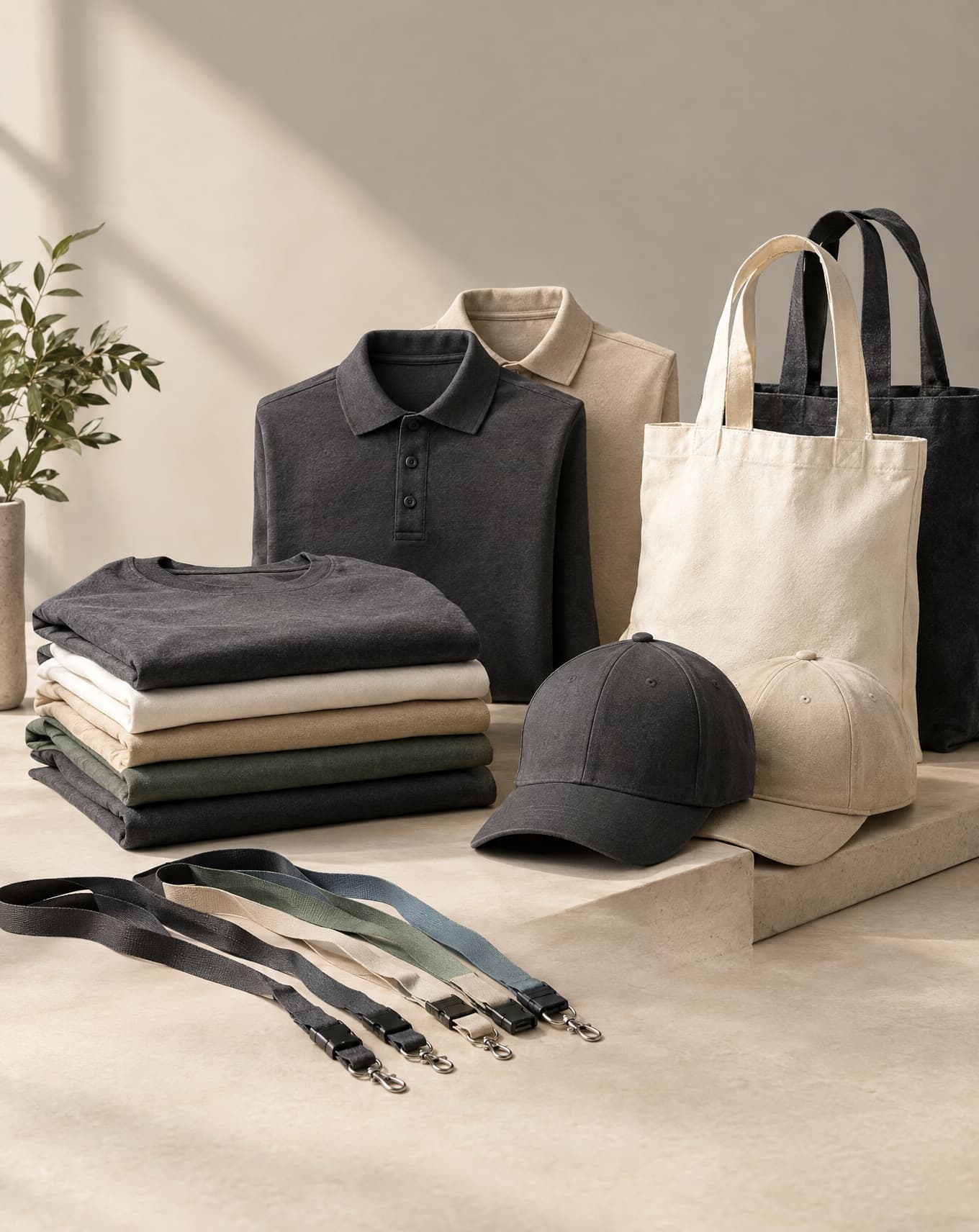
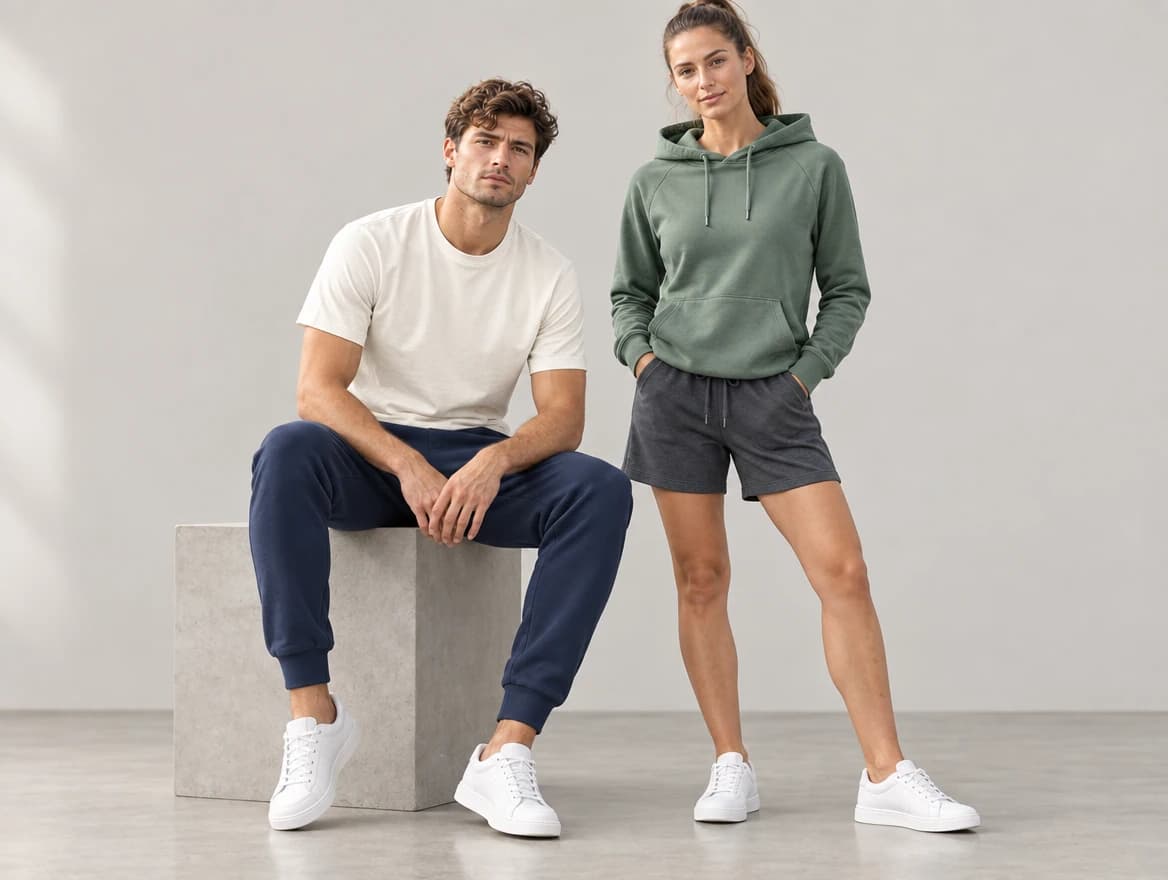
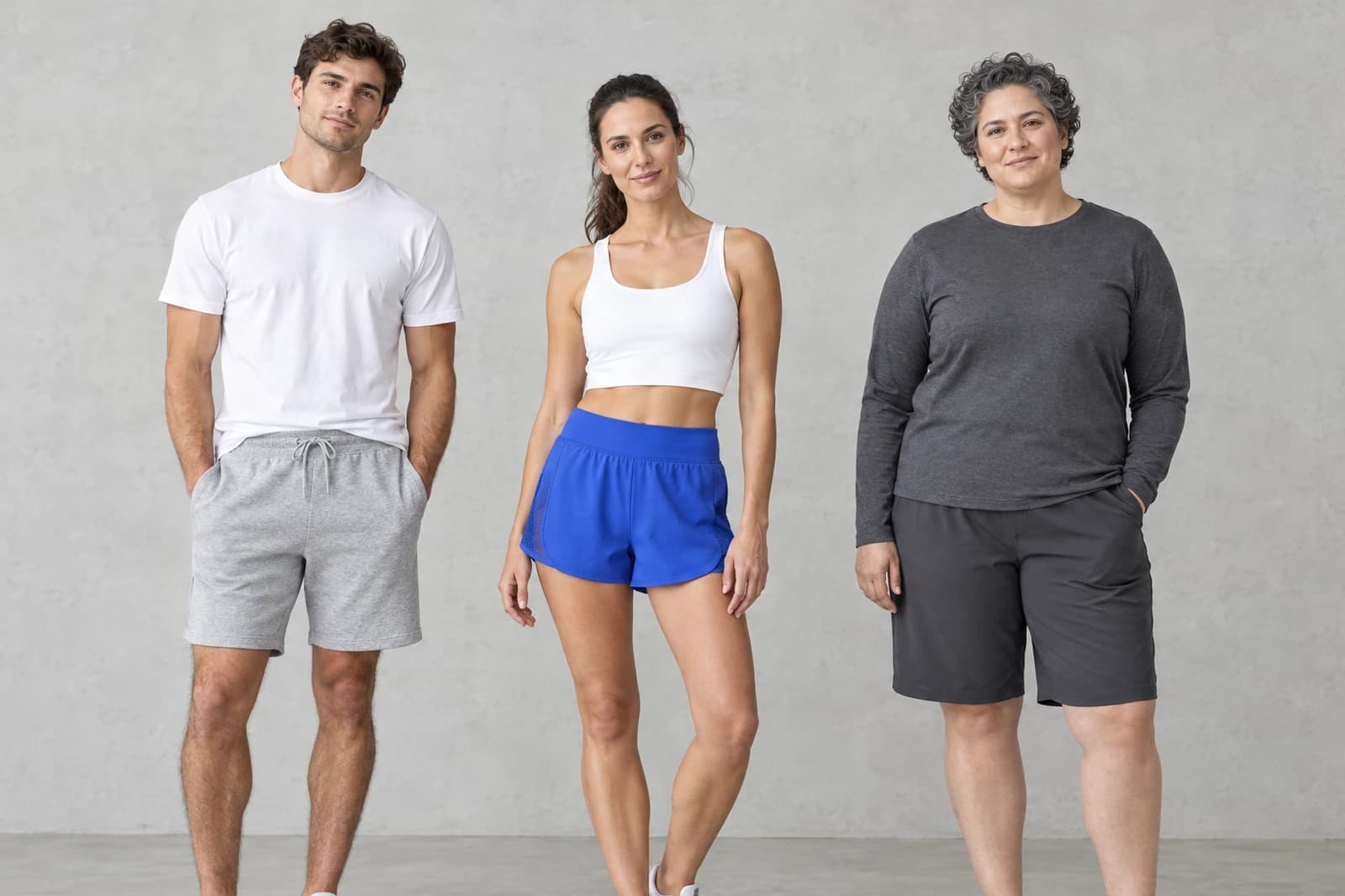
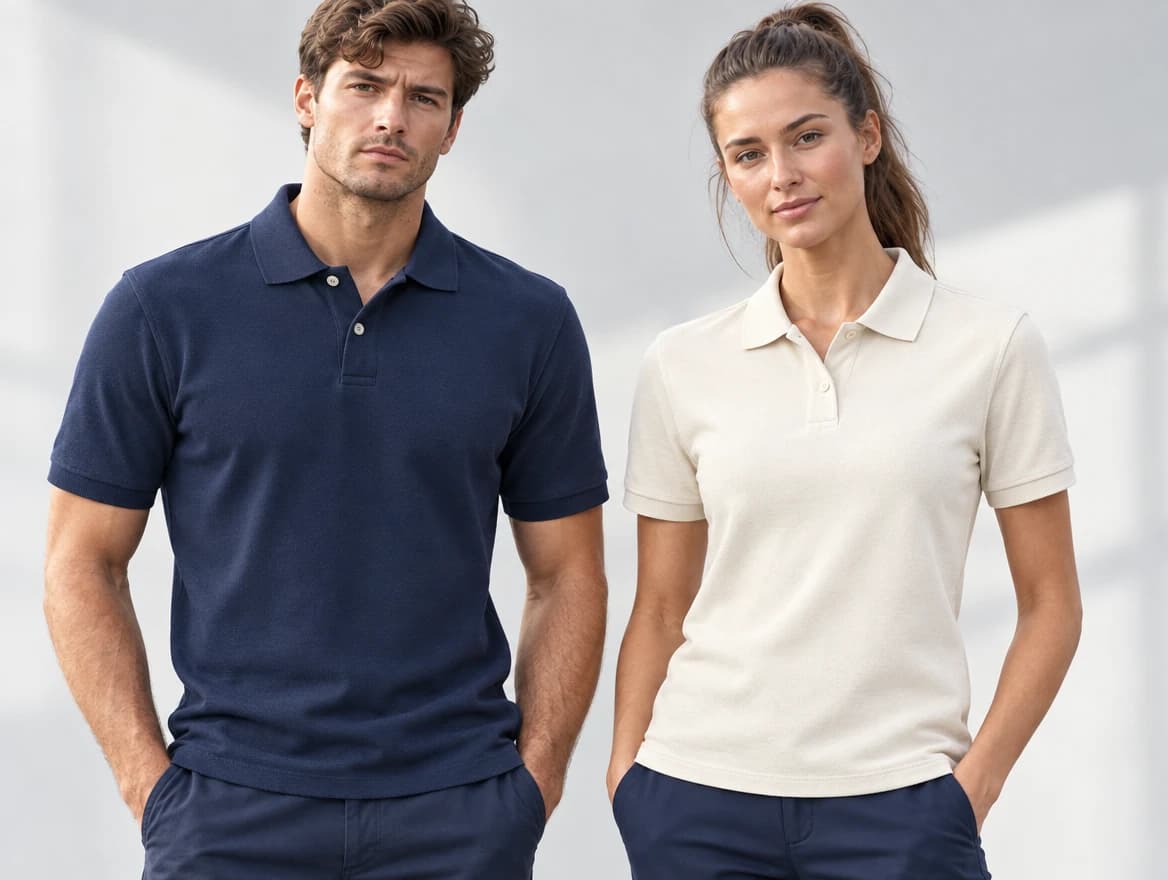
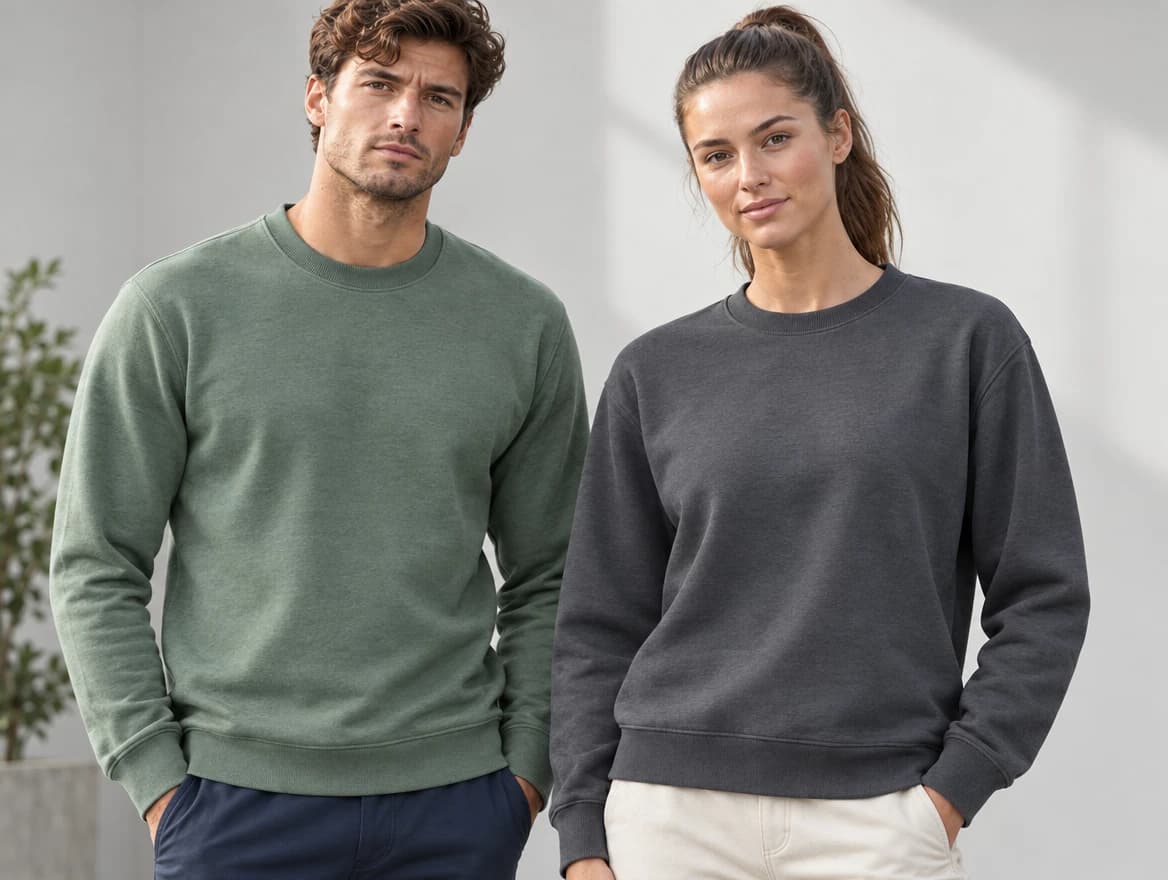
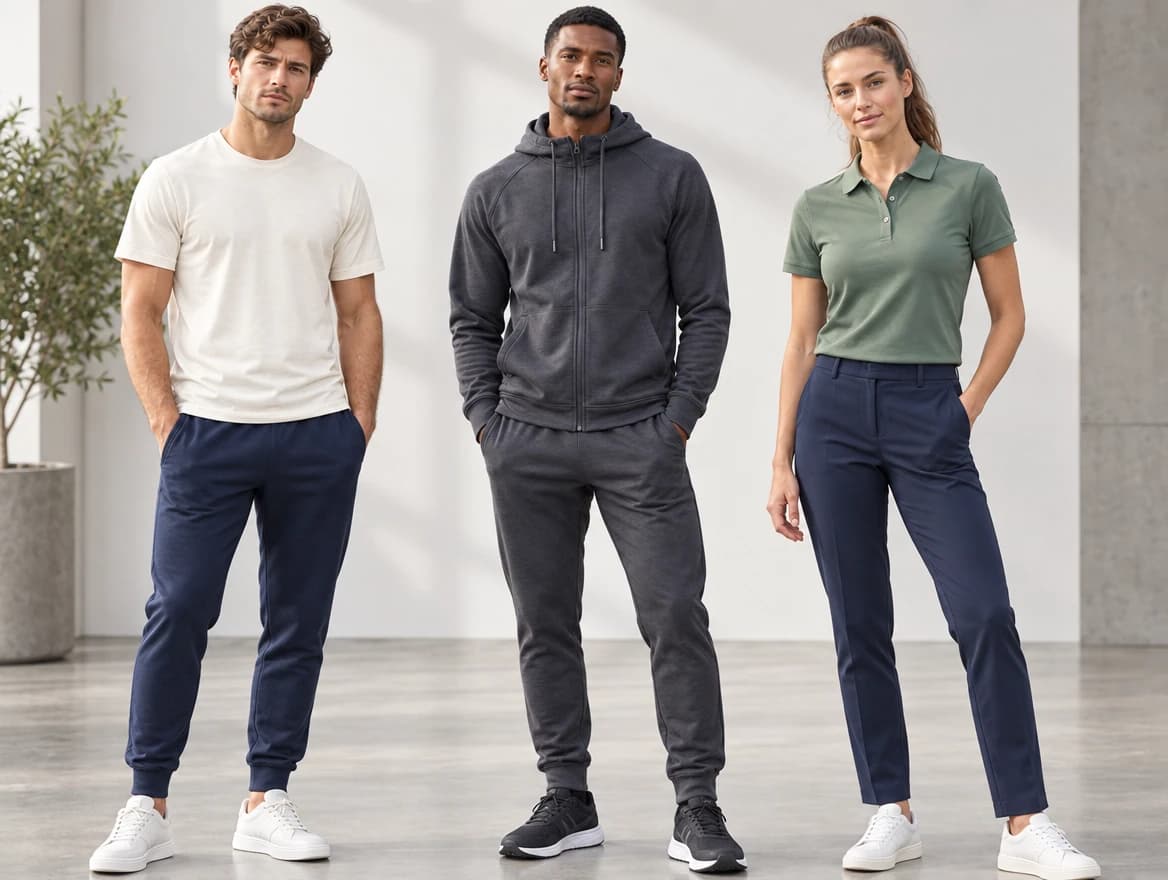
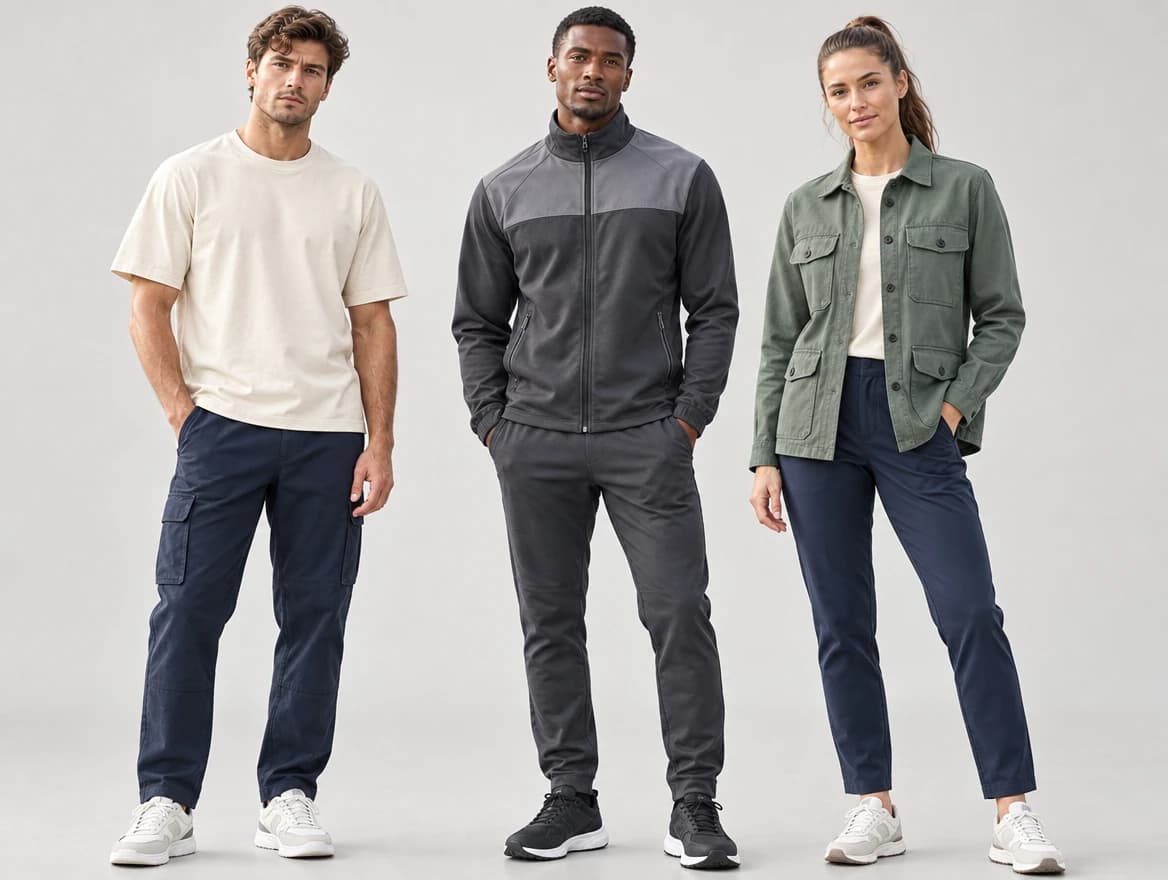
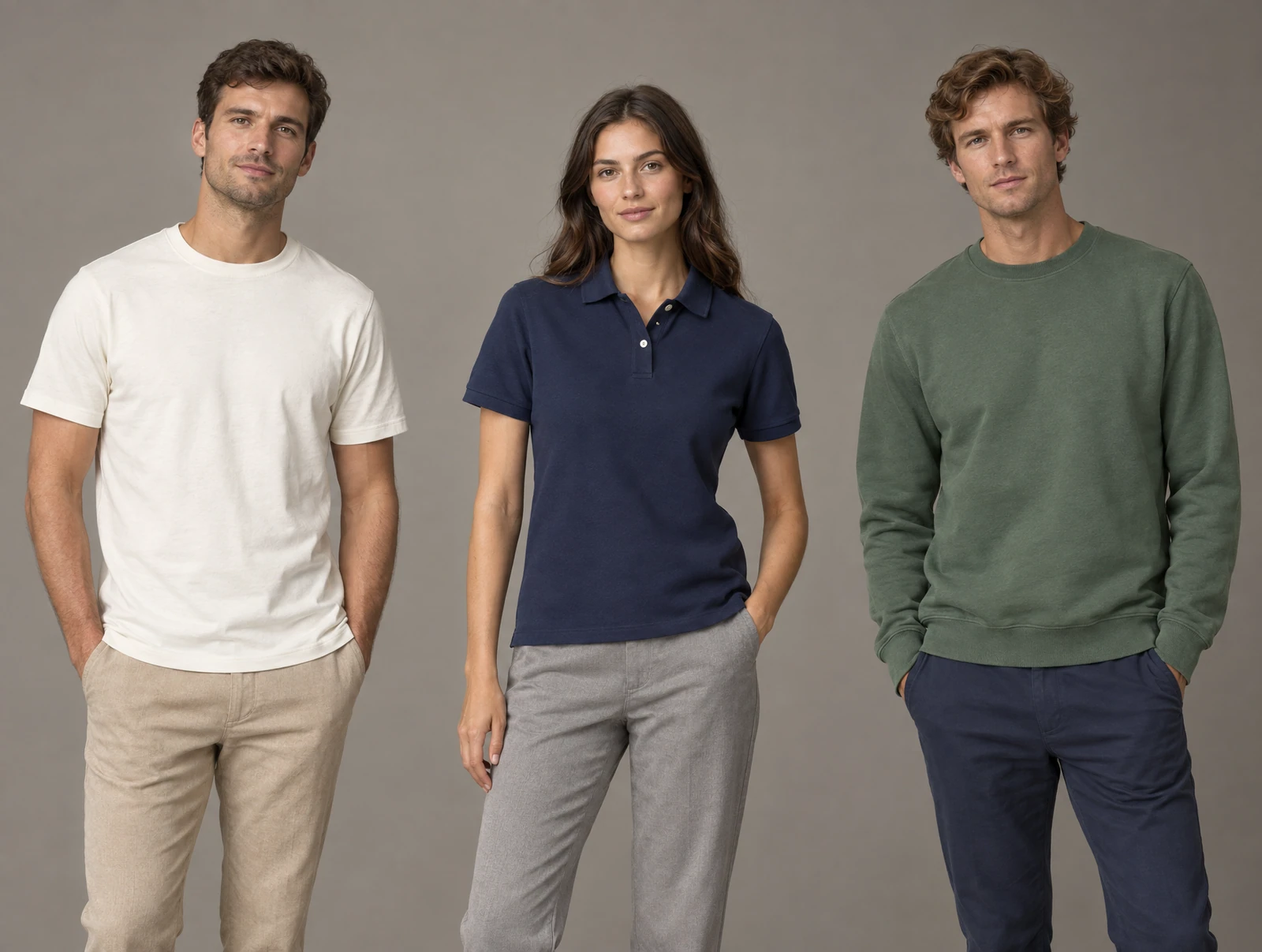
T-shirts, sweatshirts, polos and the basics most brands launch with and reorder indefinitely, made to a written specification from approximately 50 pieces.
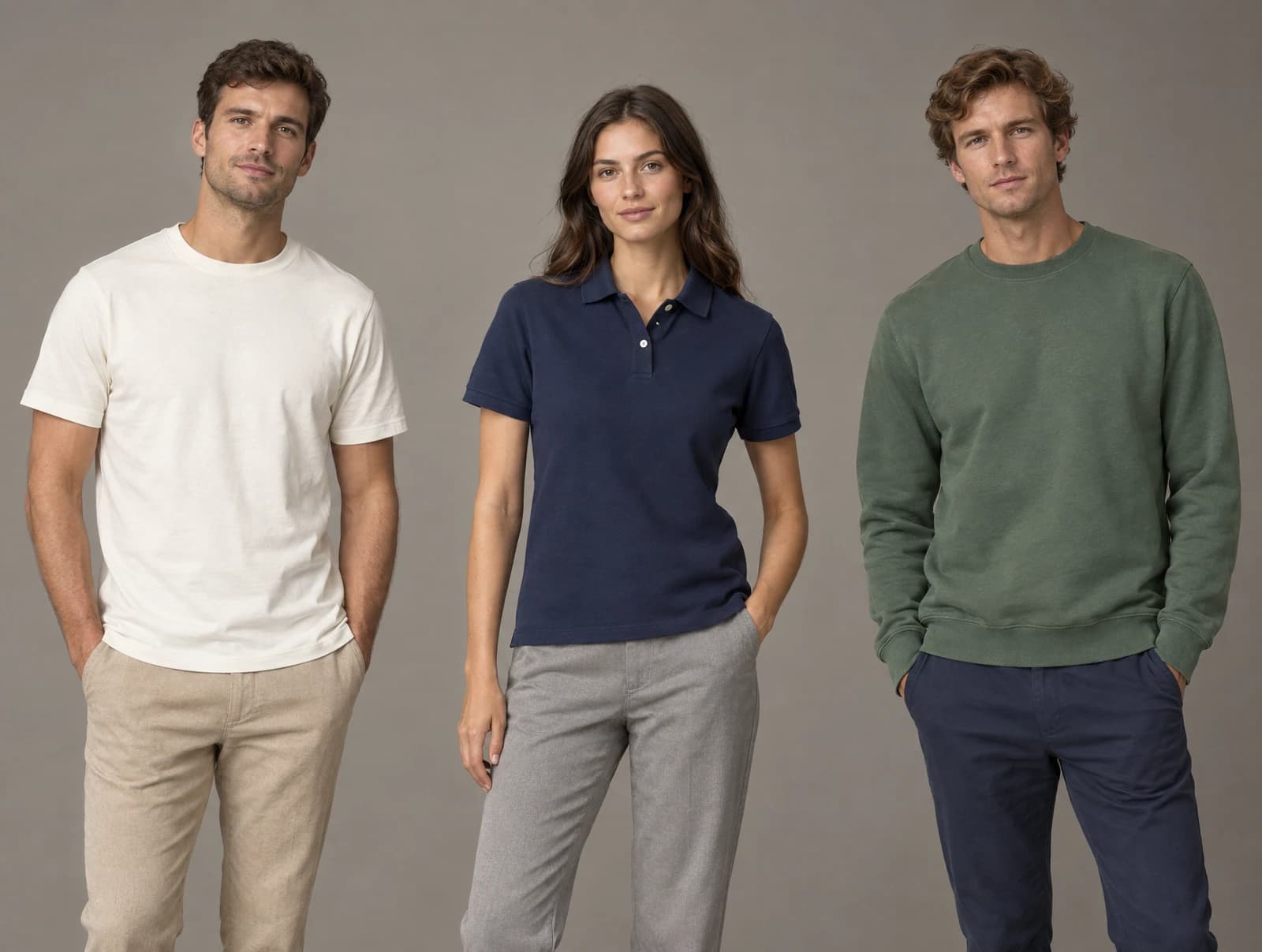
Everyday apparel is where most brands start and where most of their volume eventually sits. The category looks simple, which is exactly why it punishes imprecision: a tee shirt has few enough components that any inconsistency in fabric weight, neck construction or shrinkage is immediately visible to the customer.
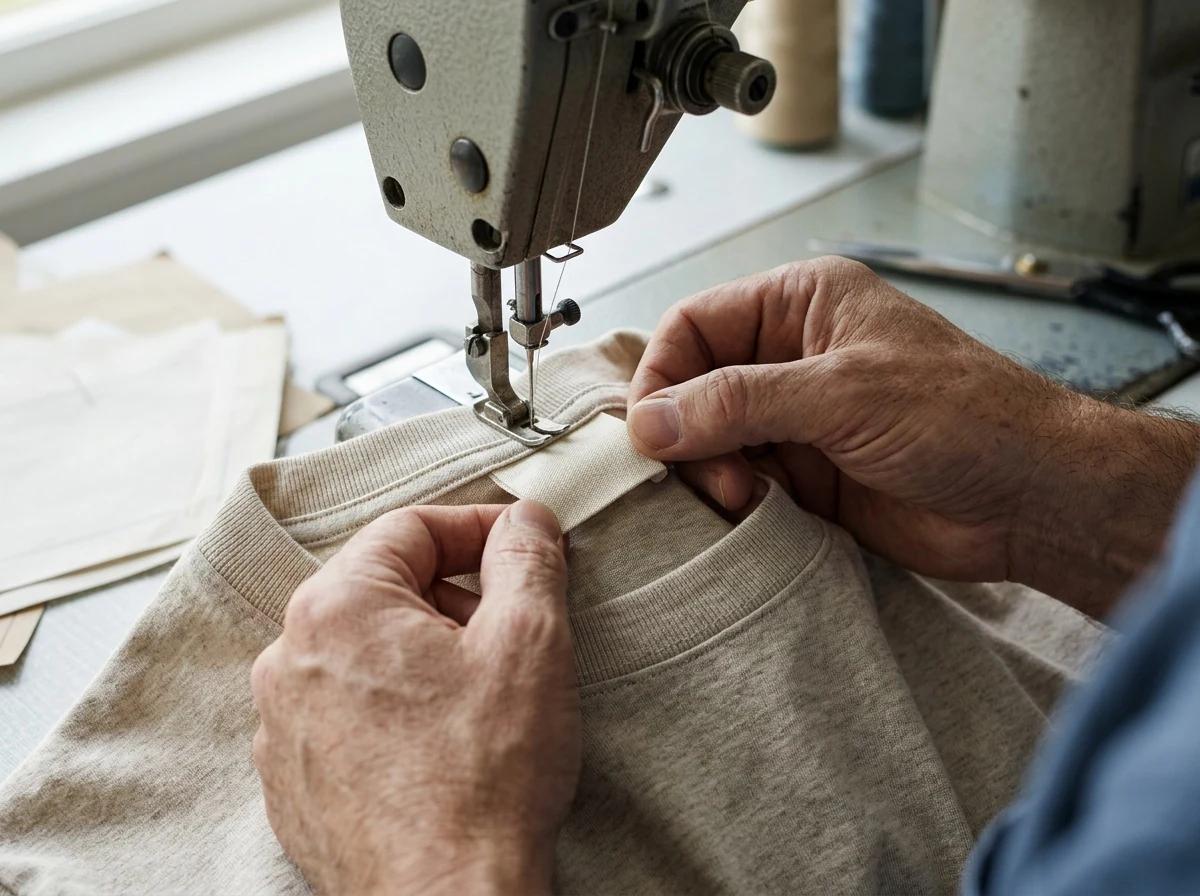
We treat basics as a specification exercise rather than a commodity purchase. Yarn quality, fabric weight, neck tape, shoulder seam construction and post wash measurements are all recorded, approved and then held constant across reorders.
This is also the category where a fifty piece validation run makes the most sense. It costs little to confirm that your fit, your fabric and your print are right before you commit to a season.
Product types
Representative products we manufacture in this category. Anything not listed can still be assessed on technical review.
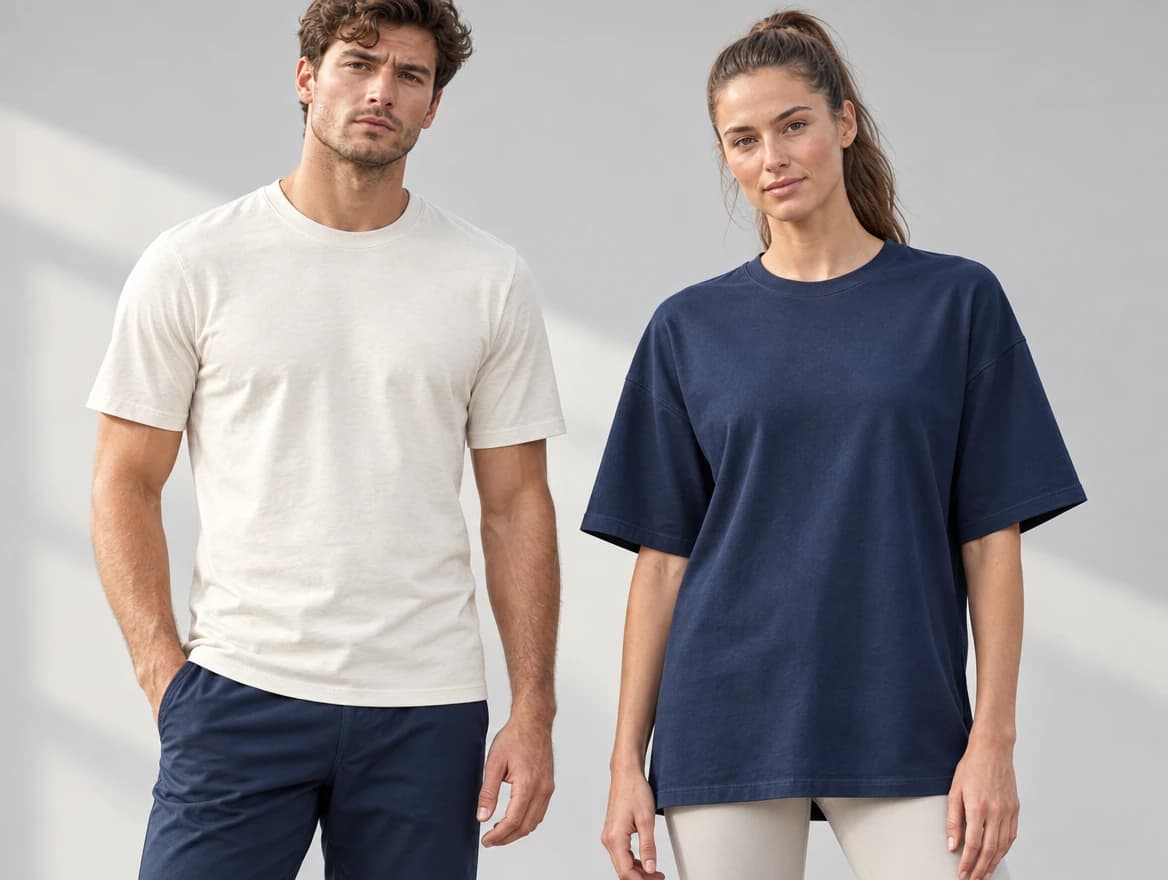
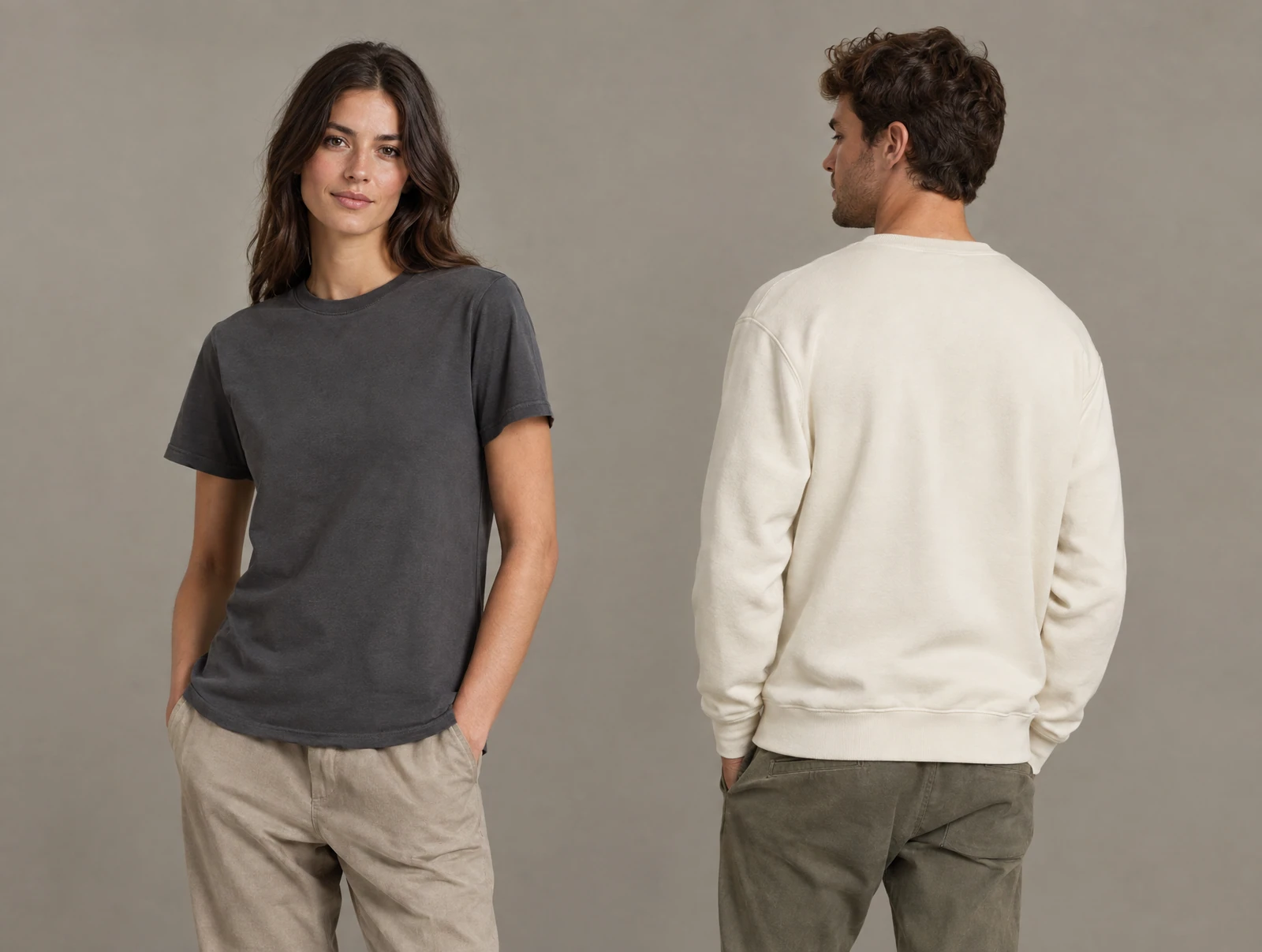
Single jersey in a range of weights, with taped neck and either single or twin needle finishing.
The same body constructions with cuffed or plain hemmed sleeves.
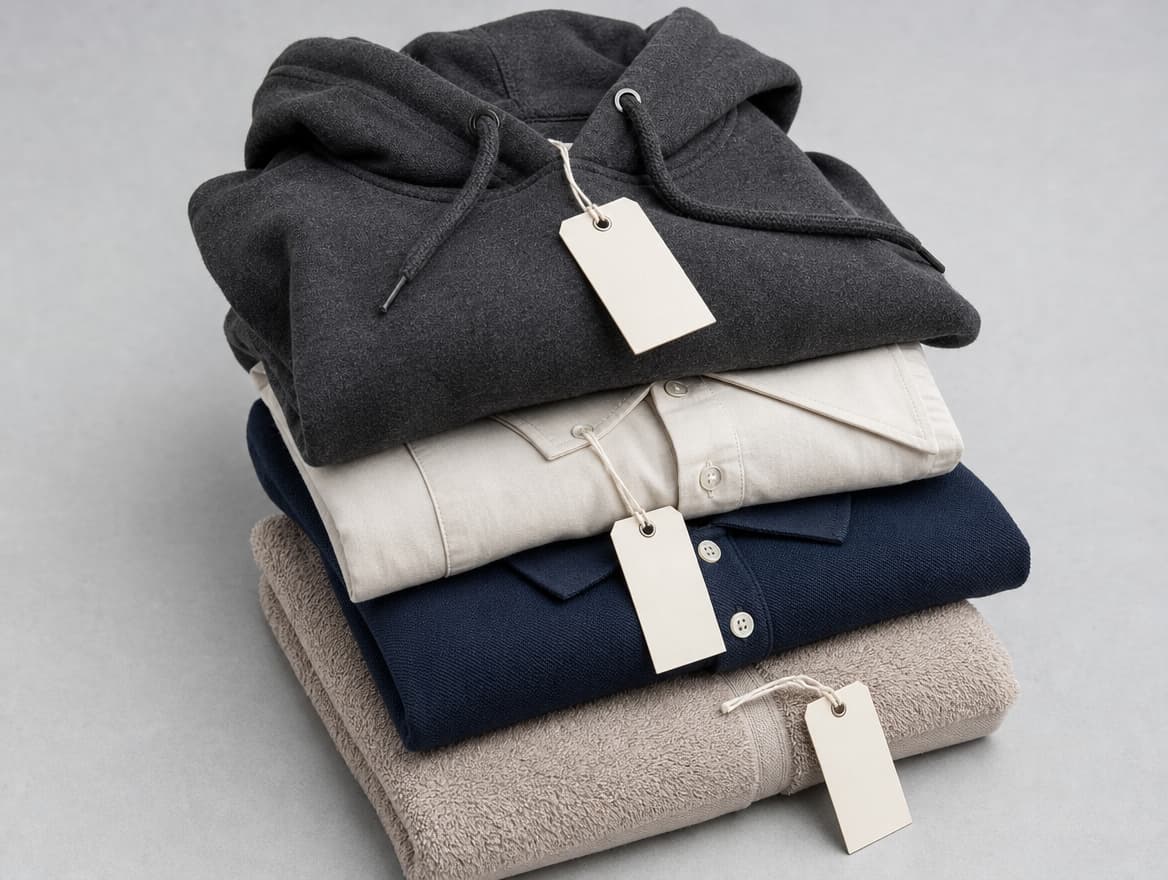
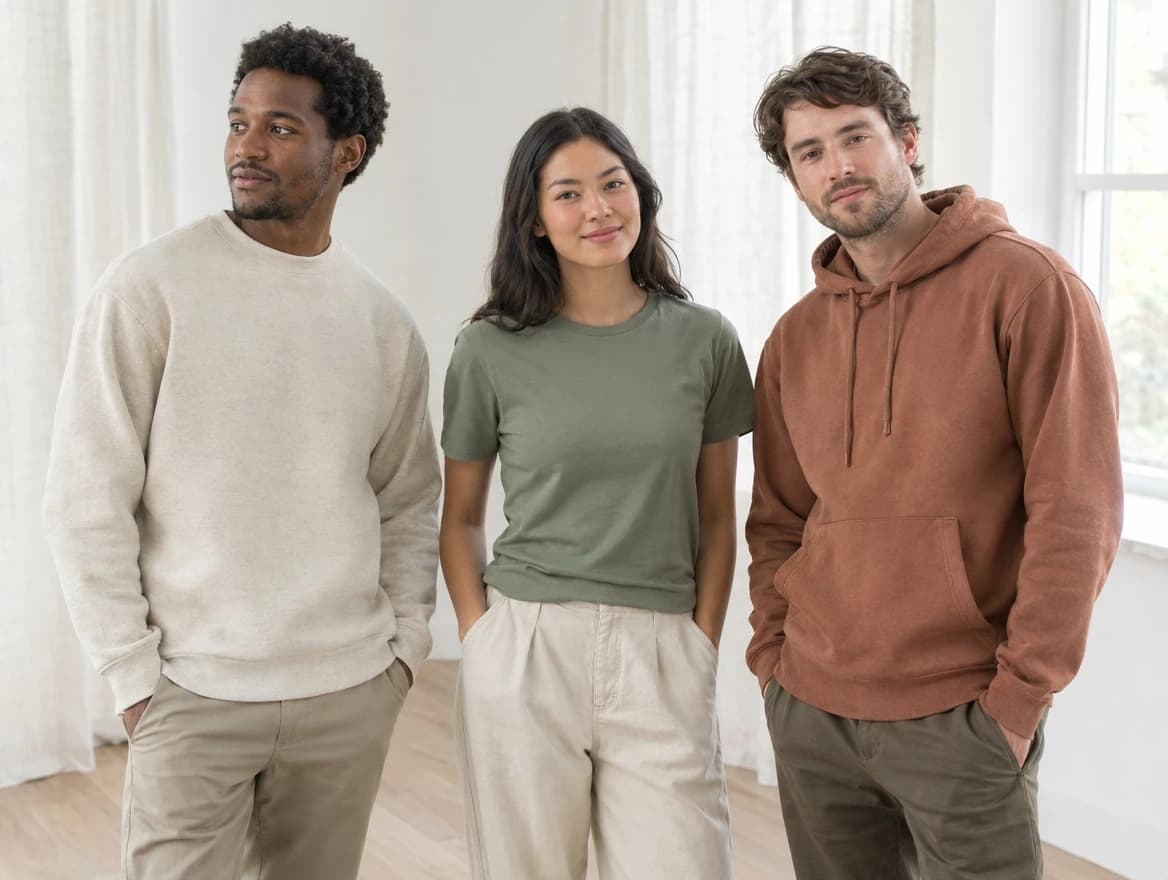
French terry or brushed fleece with ribbed collar, cuffs and hem.
Lined or unlined hoods, with drawcord, eyelet and pocket options specified per style.
Pique or jersey bodies with knitted or self fabric collars and placket options.
Ribbed or jersey bodies with binding or self fabric finishing at neck and armhole.
Specification
Weight ranges are typical for this category. The finished weight of your fabric is confirmed on the approved sample rather than guaranteed to a figure.
Ranges are typical. The exact specification is confirmed on your approved sample before production.
Component-level guidance for everyday apparel. Any ranges are indicative sourcing references, not guaranteed order specifications. Different components can need different fabrics, weights and units; the selected materials, construction and finished measurements are confirmed on the approved sample.
| Component | Weight, unit or setting | Construction choices | Check on the sample |
|---|---|---|---|
| Tee jerseyIndustry guidance | 140 to 200 gsm and 200 to 240 gsm typical ranges. | Set in or drop shoulder, taped neck. | Neck recovery. |
| Sweatshirt terry and fleeceIndustry guidance | 280 to 340 gsm terry and 350 to 450 gsm heavyweight fleece typical ranges; not directly comparable. | Rib collar, cuffs and hem. | Pilling. |
| Polo piquéIndustry guidance | 180 to 220 gsm typical range. | Knitted or self fabric collar. | Collar curl. |
Decoration
Decoration is matched to the fabric and the artwork rather than applied by default. Each method links to its own page with limits stated.
Which method suits each placement on everyday apparel, its trade-offs and what to approve before bulk. Compatibility is checked against the actual fabric, stretch, coating and heat tolerance; approval on one component does not establish suitability on another.
Materials
Composition, weight guidance and decoration compatibility for each fabric are on its own page.
What each part of everyday apparel is usually made from, why, where it falls short and what to check. This is industry guidance, not a TextileWays specification: the fabric and components for your order are confirmed on technical review.
Ordering
Neither figure is published as a universal number, because neither one is true across every specification.
MOQ depends on material availability, colour count, construction, decoration and packaging. Projects can begin from approximately 50 pieces per style following technical review. Stock fabric in standard colours supports the lowest quantities; custom dyed colours follow dye house batch minimums.
A proto sample confirms construction, a fit sample confirms measurements against your chart, and a pre production sample in bulk fabric fixes every detail before production is released.
Detailed product guidance
Materials, manufacturing routes and buying considerationsMany clothing brands start with basics, and much of their volume stays there. As a garment manufacturer we make the pieces that sell all year: tees, polos, sweatshirts and hoodies, built to your pattern, fabric and labels rather than pulled from a catalogue.
Each style is developed from a measurement chart or a reference garment you send us. We confirm fit, fabric weight, neck construction and decoration on samples before any bulk fabric is cut, so the first production run matches what you approved.
Fashion labels use basics as the backbone of a collection, merchandise agencies need dependable repeat orders, and corporate buyers need the same shirt in the same shade next year. The same specification discipline serves all three.
Fabric decides how a basic looks after the tenth wash, not just on the day it arrives. A good apparel manufacturer talks about weight, yarn and finishing before it talks about price.
A cotton jersey around 180 gsm is the common mid market tee, while 200 to 240 gsm reads as premium and holds its shape. Sweatshirts and hoodies move into fleece, which is brushed inside for warmth, or French terry, which has soft loops inside and suits year round wear.
Pure cotton is soft and breathable, polyester blends reduce shrinkage and wrinkling, and organic or recycled fibres can be sourced where your market asks for them. Material availability affects minimums, so we confirm it on review.
The two terms are often used as if they meant the same thing. They describe different starting points, and knowing which one you want makes the first conversation with a garment manufacturer much shorter.
Private label means the garment carries your brand. You can supply your own pattern (OEM) or ask us to develop one to your brief, and your labels, trims and packaging go on the finished product.
White label usually means taking a style the factory has already developed and branding it as your own (ODM). You skip pattern development and fewer sample rounds are needed, which is why it suits a first collection.
If your design is the product, choose OEM and keep the pattern yours. If your brand and marketing are the product, a developed base style gets you to market sooner and lets you spend on the brand instead.
Basics become your brand through what is added to them. Decoration, labelling and packaging are specified early because they change cost and timing.
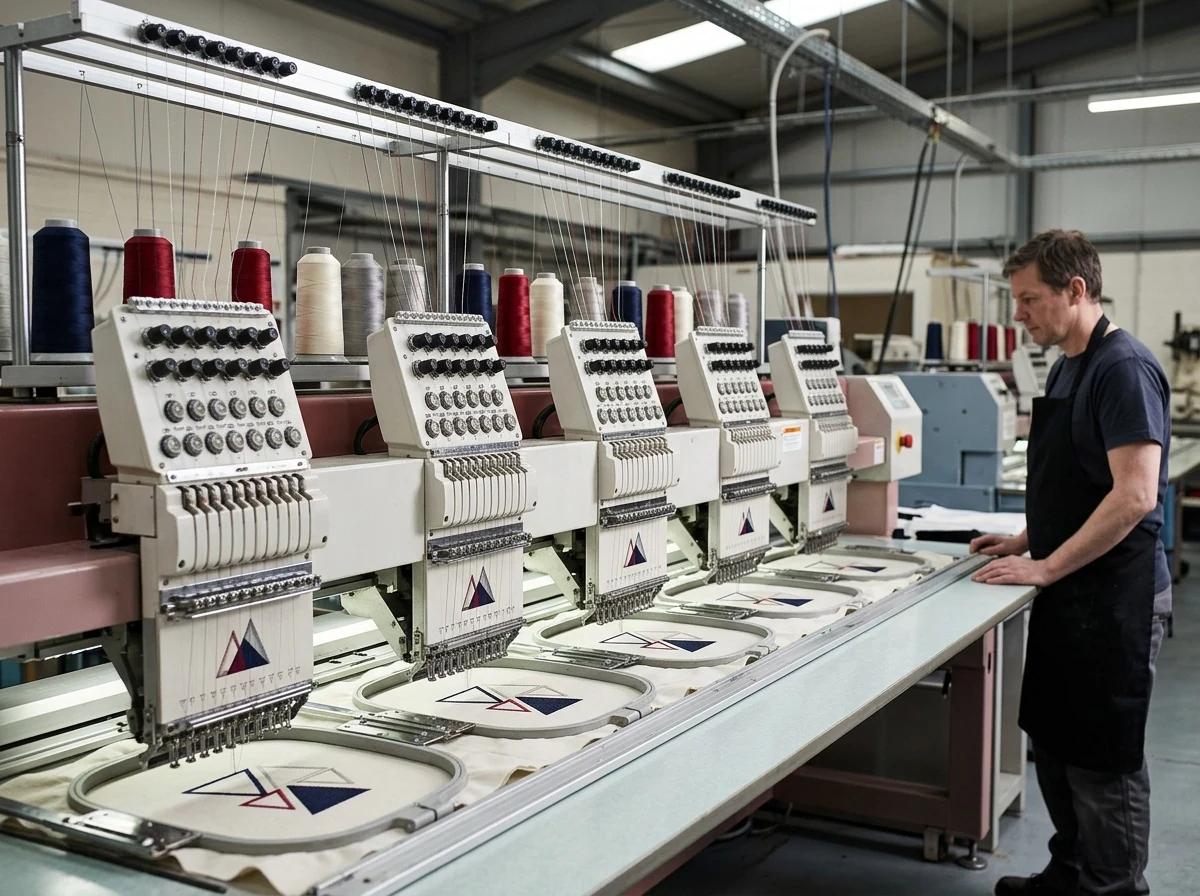
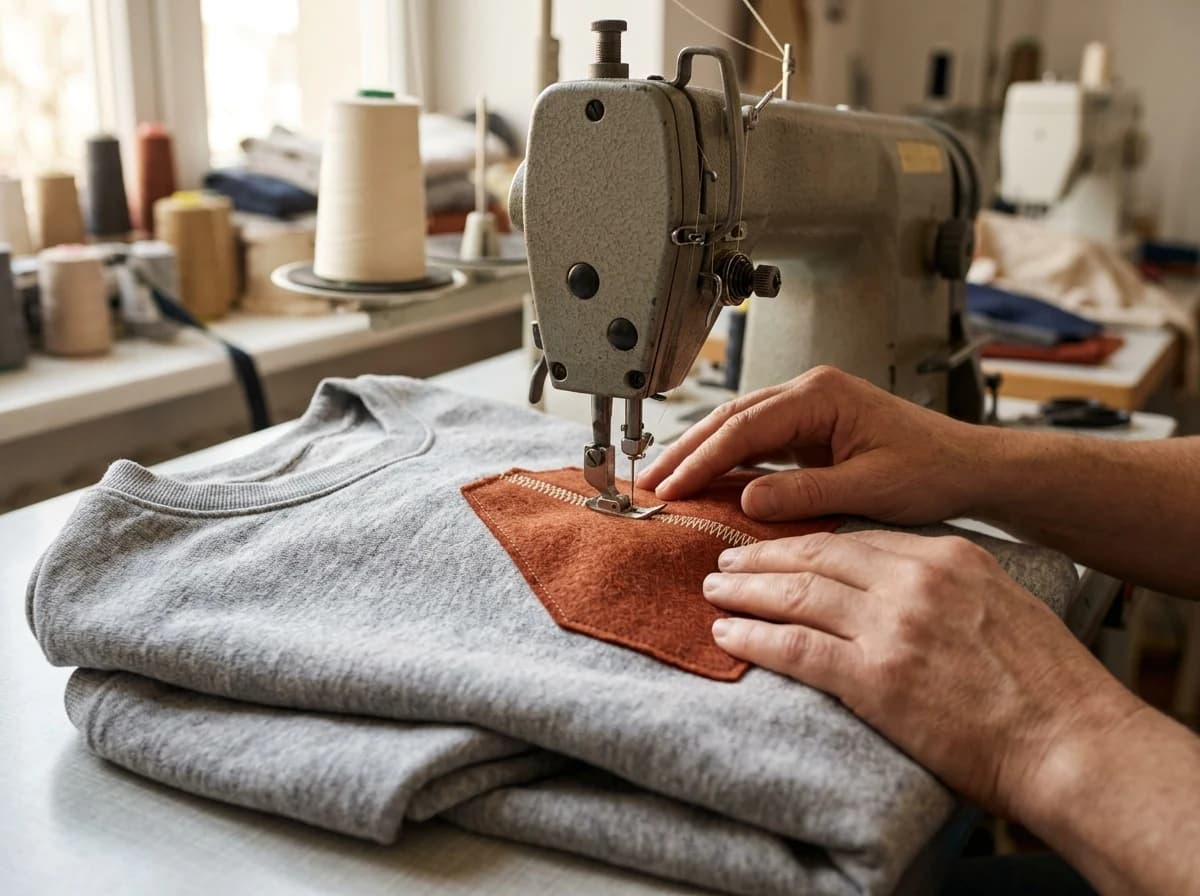
Screen print suits solid colours and larger runs, DTG and DTF suit detailed artwork on smaller runs, and embroidery and appliqué add texture on heavier fabrics. We approve placement and colour on a strike off before bulk.
Main labels, care labels and size labels can be woven or printed to your approved wording, and garments can be polybagged individually or packed in reduced packaging. Label rules differ between the USA, UK, EU and Australia, so you confirm what your market needs.
A small first order is a sensible way to prove a fit and a fabric before committing to a season. Quantities from approximately 50 pieces per style are possible after technical review, and programmes can scale beyond 100,000 pieces.
A proto sample checks construction, a fit sample checks measurements against your chart, and a pre production sample in bulk fabric fixes the details before production is released.
Approved samples, fabric specifications and wash standards are recorded so a reorder matches the original. If you want to share designs, we sign an NDA first, and no tech pack is needed to start the conversation.
Questions
Answers relevant to this product family. The full list covers ordering, sampling, materials, decoration, compliance and logistics.
Minimum order quantity depends on material availability, colour count, construction, decoration and packaging. Projects can begin from approximately 50 pieces per style following technical review. Where a fabric has to be knitted or dyed specifically for a project, the practical minimum is set by the mill rather than by us, and we tell you that before you commit.
Sampling normally runs in stages: a proto sample to confirm construction, a fit sample against your measurement chart, and a pre production sample that fixes fabric, colour, decoration, labelling and packaging. Each stage needs written approval before the next one starts. Sample charges and courier costs are quoted before work begins.
GSM describes fabric weight in grams per square metre. The same nominal fabric can finish at different weights depending on yarn count, knit or weave structure, dyeing and finishing. We publish typical ranges for guidance and confirm the actual finished weight for your approved quality on the sample.
It depends on the fabric, the artwork and the quantity. Screen printing suits solid colour artwork at volume. DTG and DTF suit detailed or low volume artwork. Sublimation works on polyester rich fabrics. Embroidery suits logos and durable branding. We confirm the method against your artwork and fabric during technical review rather than applying one method to everything.
Pick a design as your starting point. Colours, fabric and branding are set in the quote.
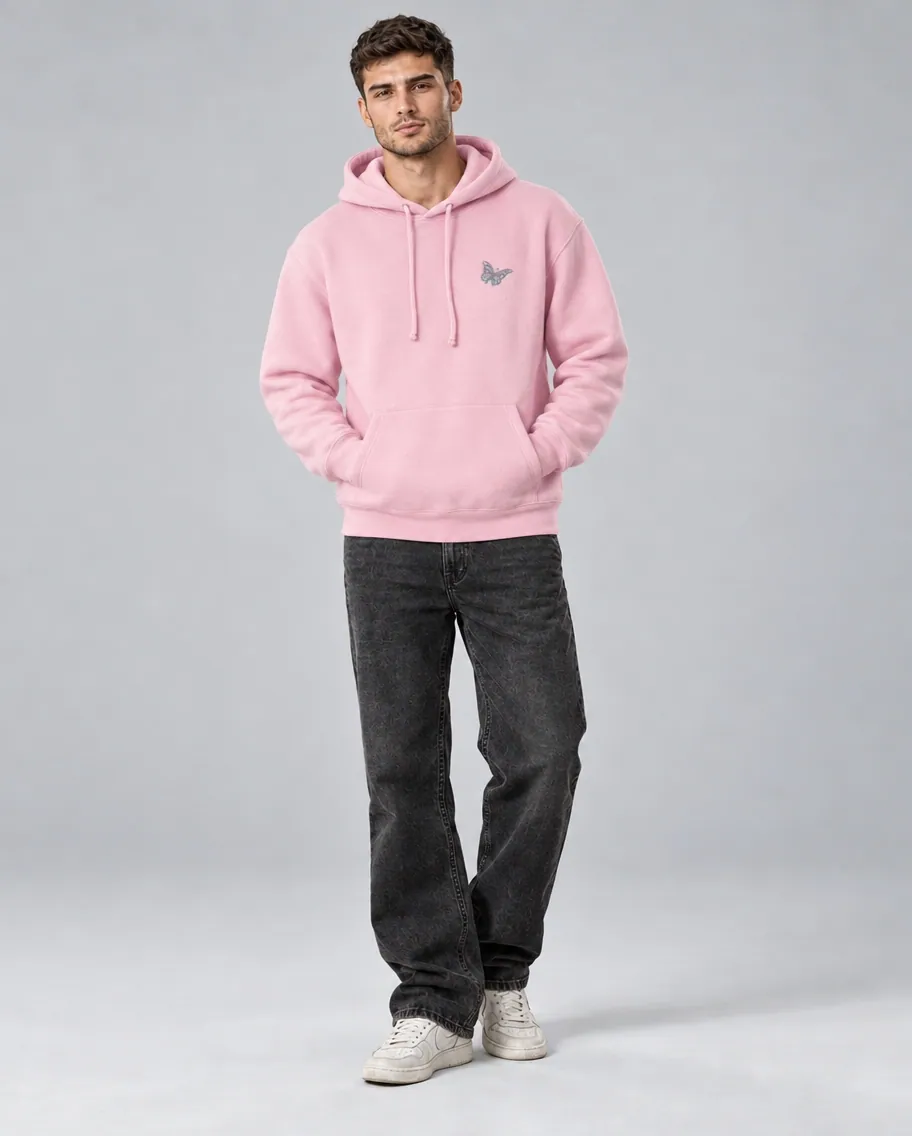 Pink hoodie with small butterfly emblemAsk for this design
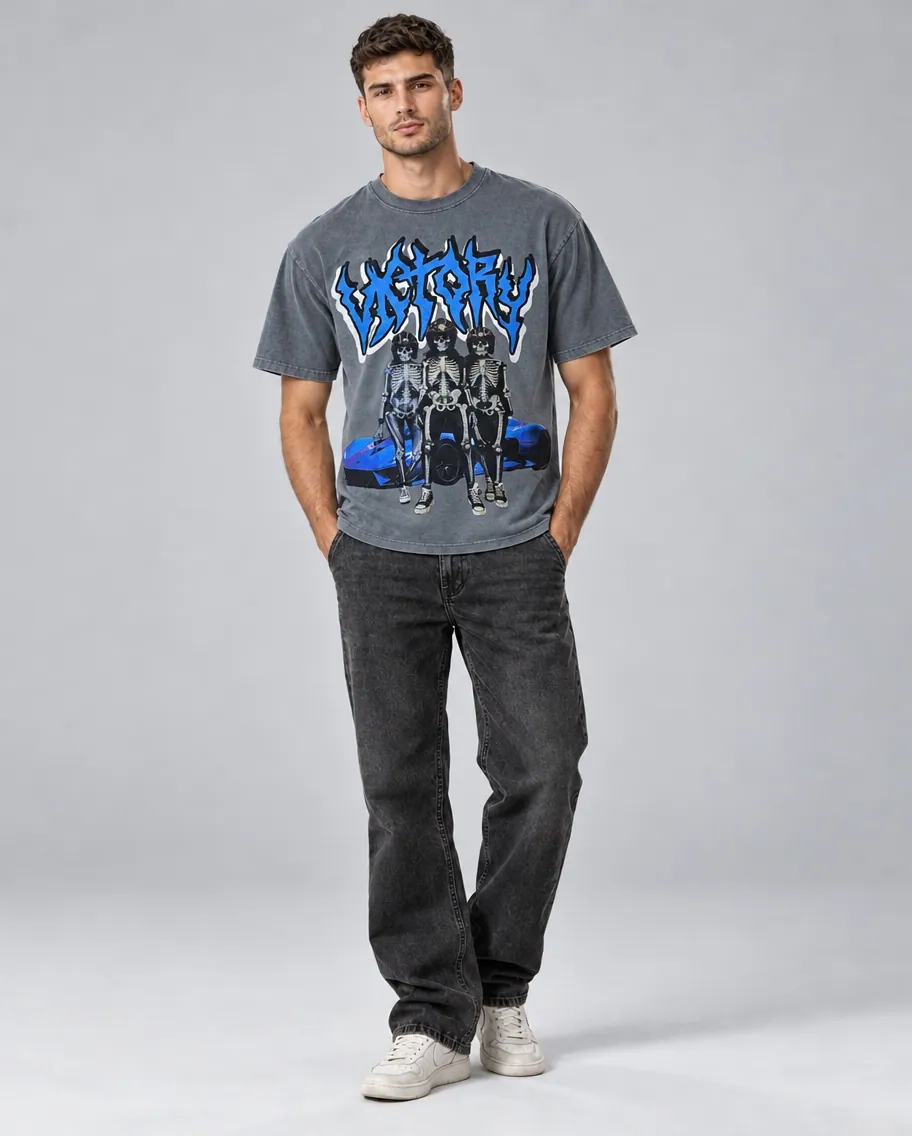 Grey washed tee with blue graphic printAsk for this design
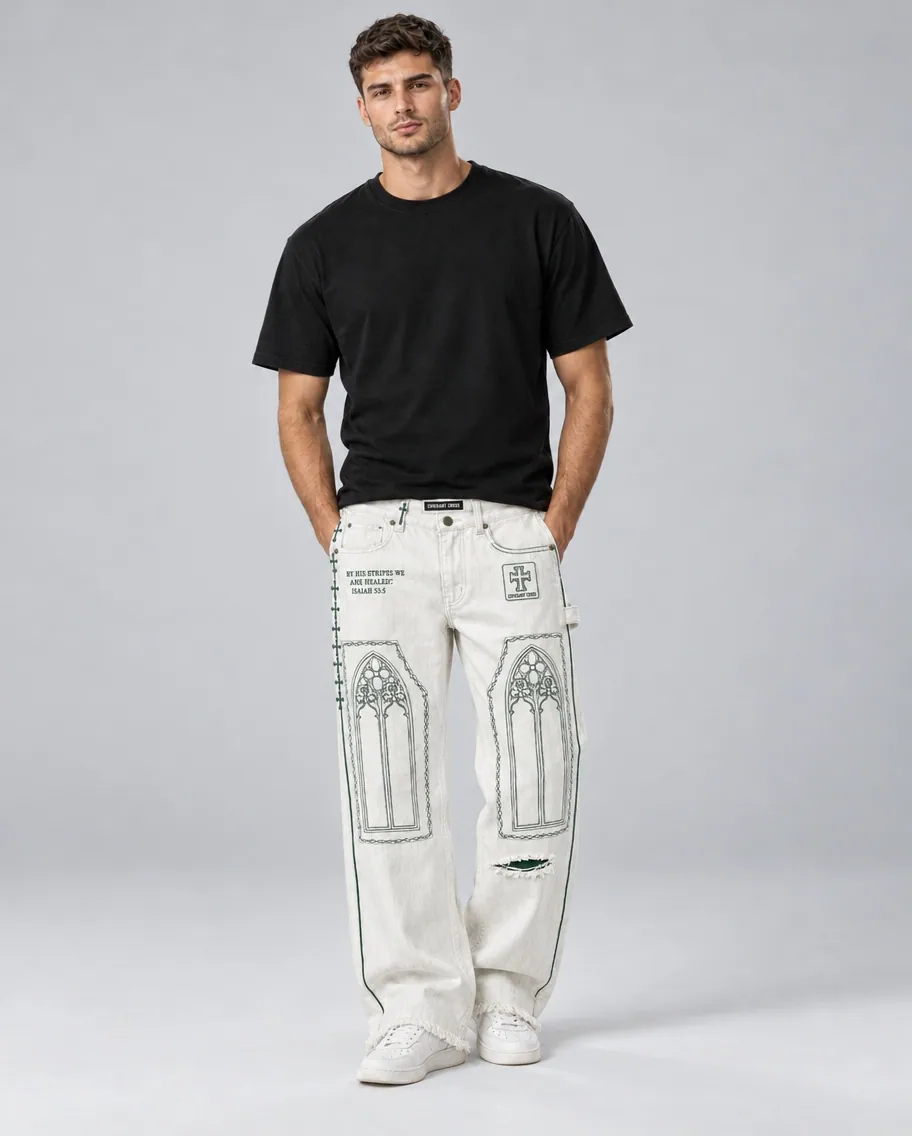 Off-white jeans with arch embroideryAsk for this design
 Camel goat suede trucker jacketAsk for this design
Sampling comes before bulk. From approximately 50 pieces per style, subject to technical review.
Tell us your designShare your product details, target quantity and delivery requirements. We will confirm feasibility, materials and construction before quoting.
Contact our team