

Loading page content
Loading page content
Insights
Practical guides from TextileWays, a Pakistan based apparel manufacturer: why a minimum quantity is what it is, why a decoration method that looks right can be the wrong choice, and how to brief a manufacturer so your first order goes right.
Sourcing · 8 minute read
Why brand buyers choose Pakistan: a cotton to garment chain under one roof, minimums that start around fifty pieces per style, and a partner who builds your product from sample to export. This guide compares Pakistan with China, India and Bangladesh on the factors that decide a brand's first order.

Sourcing · 7 minute read
Clothing lead time is the sum of sampling, material sourcing, production, inspection and shipping. This guide shows what each stage depends on and how buyers shorten the schedule.
Sourcing · 7 minute read
Clothing cost per piece depends on fabric, construction, trims, decoration, quantity, sampling and freight. This guide explains each driver so you can compare quotes fairly.
Sourcing · 6 minute read
White label clothing is a ready made product sold under your name. Private label is made to your own design and specification. This guide explains the difference, minimums and when to choose each.

Sourcing · 6 minute read
The price on a quotation is only the start. Landed cost adds everything it takes to get a garment into your warehouse, and it is the only fair way to compare suppliers in different countries.

Sourcing · 6 minute read
Incoterms decide where the supplier's responsibility ends and yours begins. For clothing buyers, the choice between FOB and DDP changes the price, the paperwork and who carries the risk.
Sourcing · 7 minute read
Duty on clothing made in Pakistan varies more by destination than almost any other cost. This guide sets out the main preference schemes and the markets where standard rates apply.
Compliance · 7 minute read
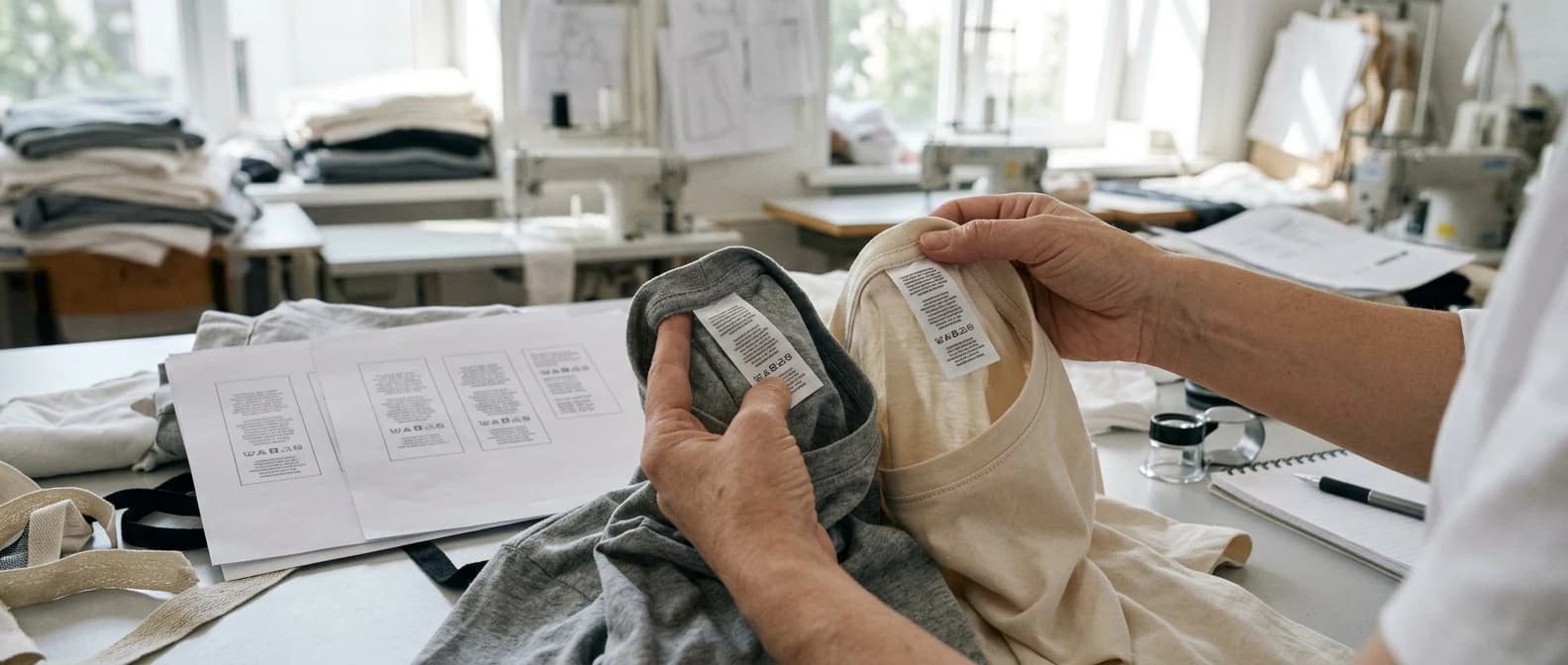
Every market asks for slightly different information on a clothing label. This guide compares fibre content, care, origin and language rules so labels are right before they are printed.

Development · 6 minute read
A medium in one market is not a medium in another. This guide explains how to choose a base size, set grade rules and label sizes when a range sells in more than one country.
Compliance · 6 minute read
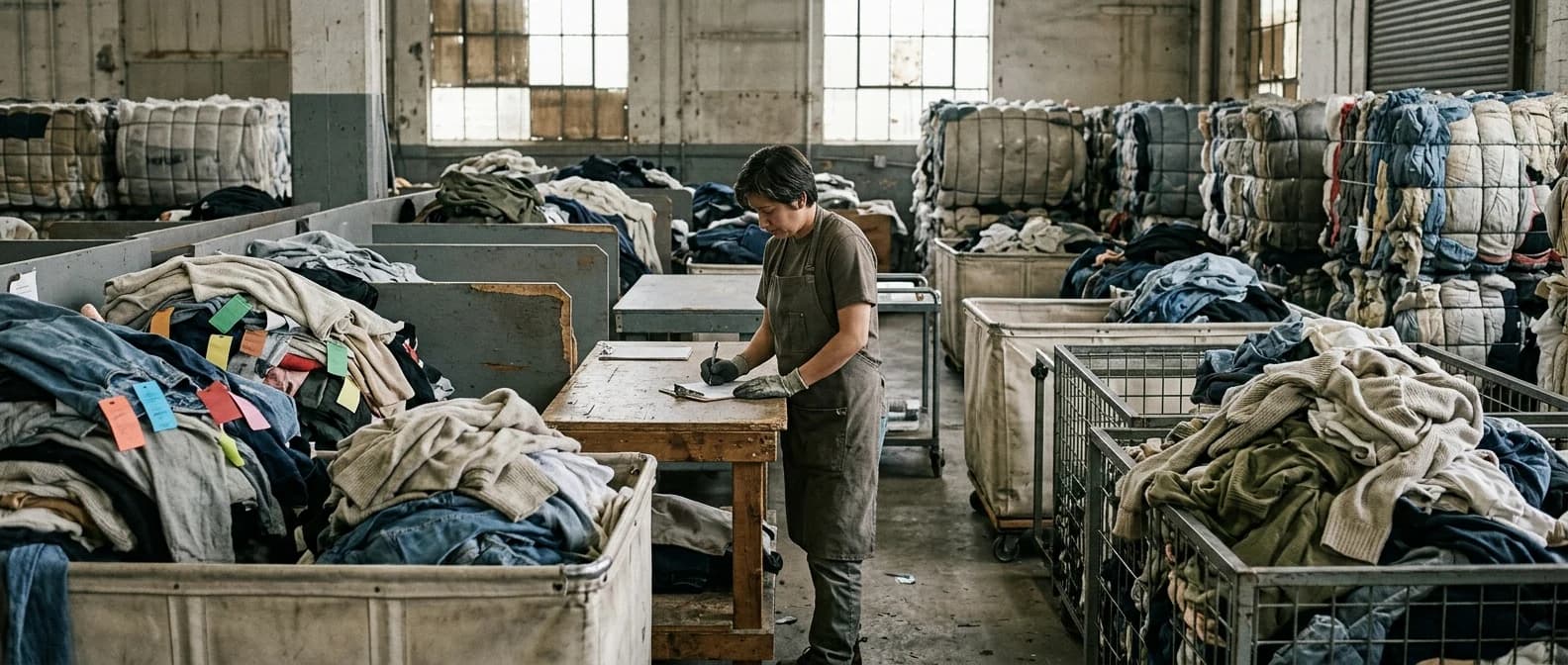
Extended producer responsibility makes the company that places clothing on a market pay towards its collection and recycling. It already applies in some European countries and is spreading across the EU.

Sourcing · 6 minute read
Many suppliers describe themselves as factories. Some are, some are trading companies, and many are a mix. Knowing which you are dealing with changes how you check quality, cost and accountability.

Sourcing · 5 minute read
Freight mode changes your cost per piece, your delivery date and how much stock you have to commit to. This guide explains when each mode makes sense for apparel.
Materials · 6 minute read
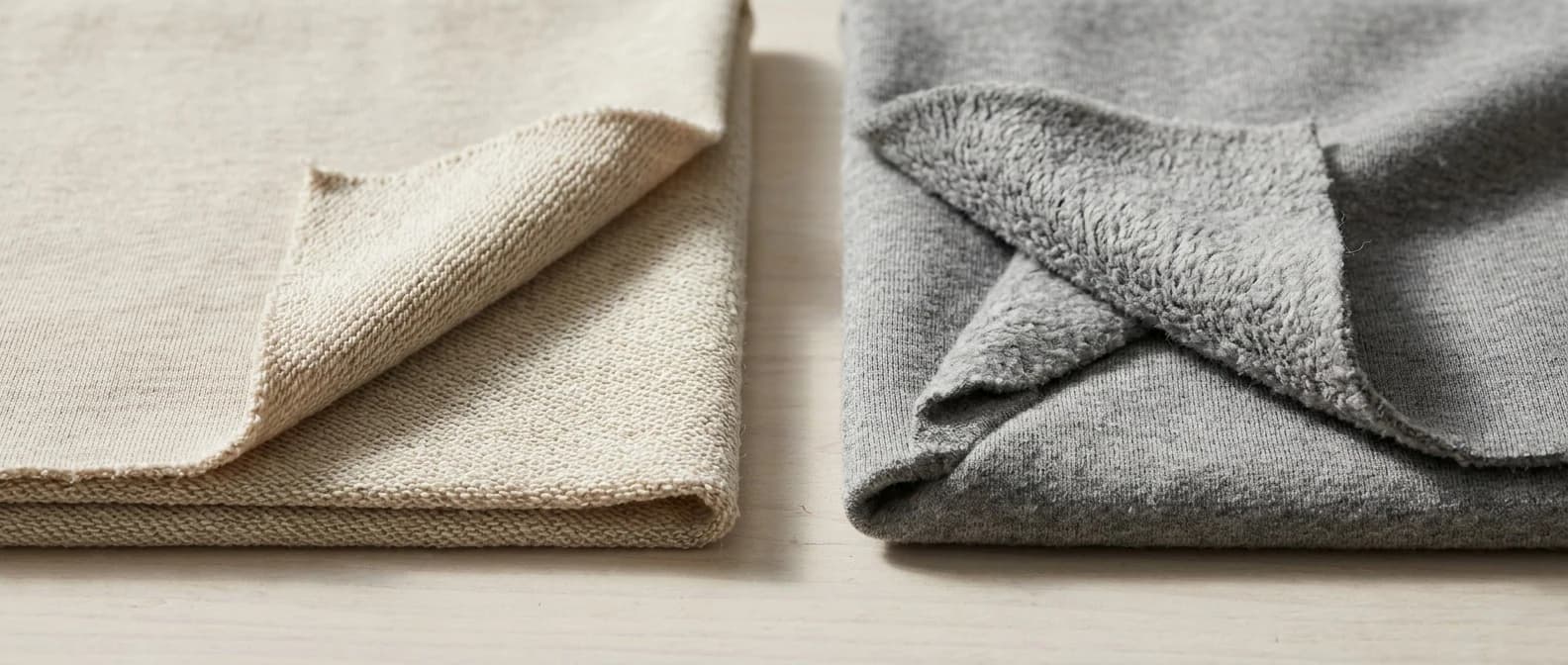
French terry and fleece are both cotton knits used for sweatshirts, but they differ in structure, warmth and how they feel. This guide shows how to choose between them.
Materials · 7 minute read
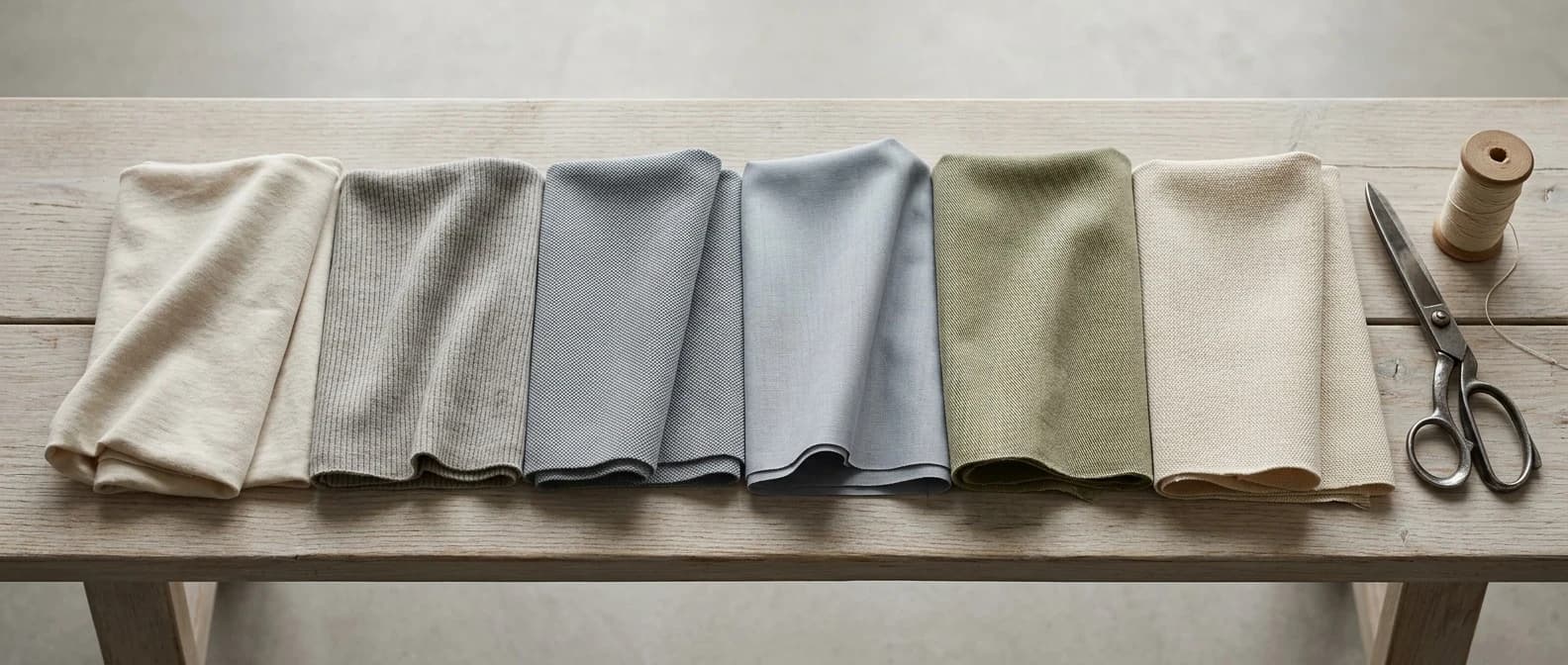
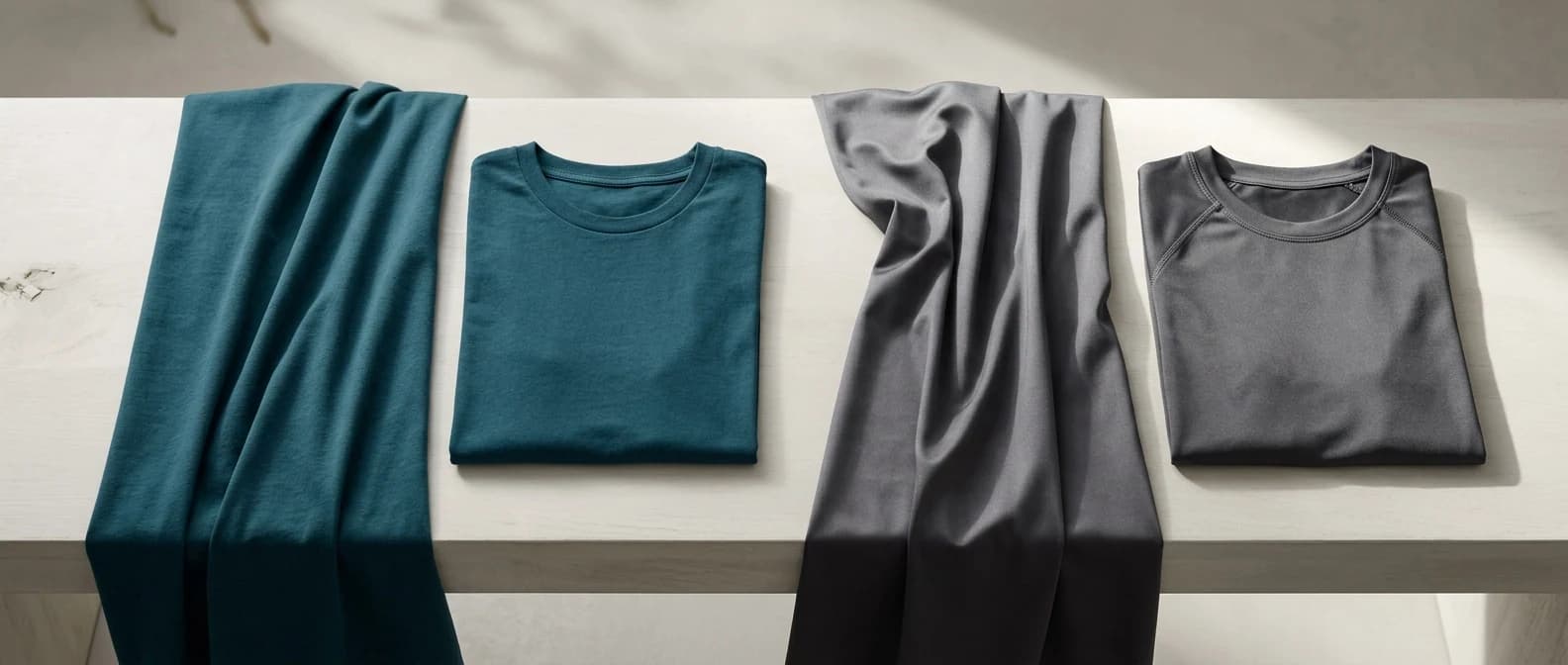
Cotton is a fibre, not one fabric. This guide explains the types of cotton by fibre quality and by fabric construction, so you can name what you want when you brief a factory.
Materials · 6 minute read
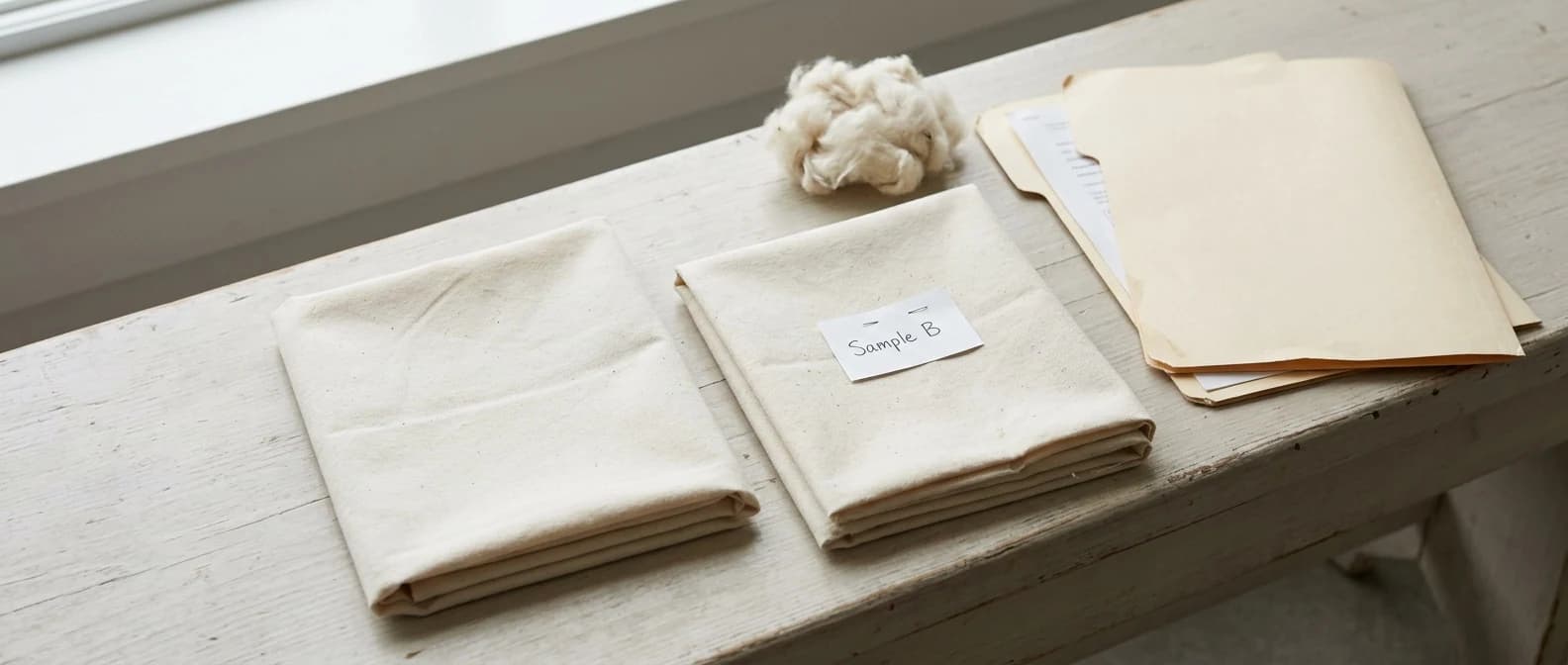
Polyester and cotton behave very differently in clothing. This guide compares comfort, durability, moisture handling, decoration and care so you can choose the right fabric for your product.
Materials · 6 minute read
Organic cotton and regular cotton can look and feel the same. The difference is in how the cotton is grown and verified, and in cost and supply. This guide explains what changes for a clothing brand.

Development · 7 minute read
A tech pack is the document a factory builds your garment from. This guide walks through each part in the order you would create it, so a first sample comes back close to what you intended.
Development · 5 minute read
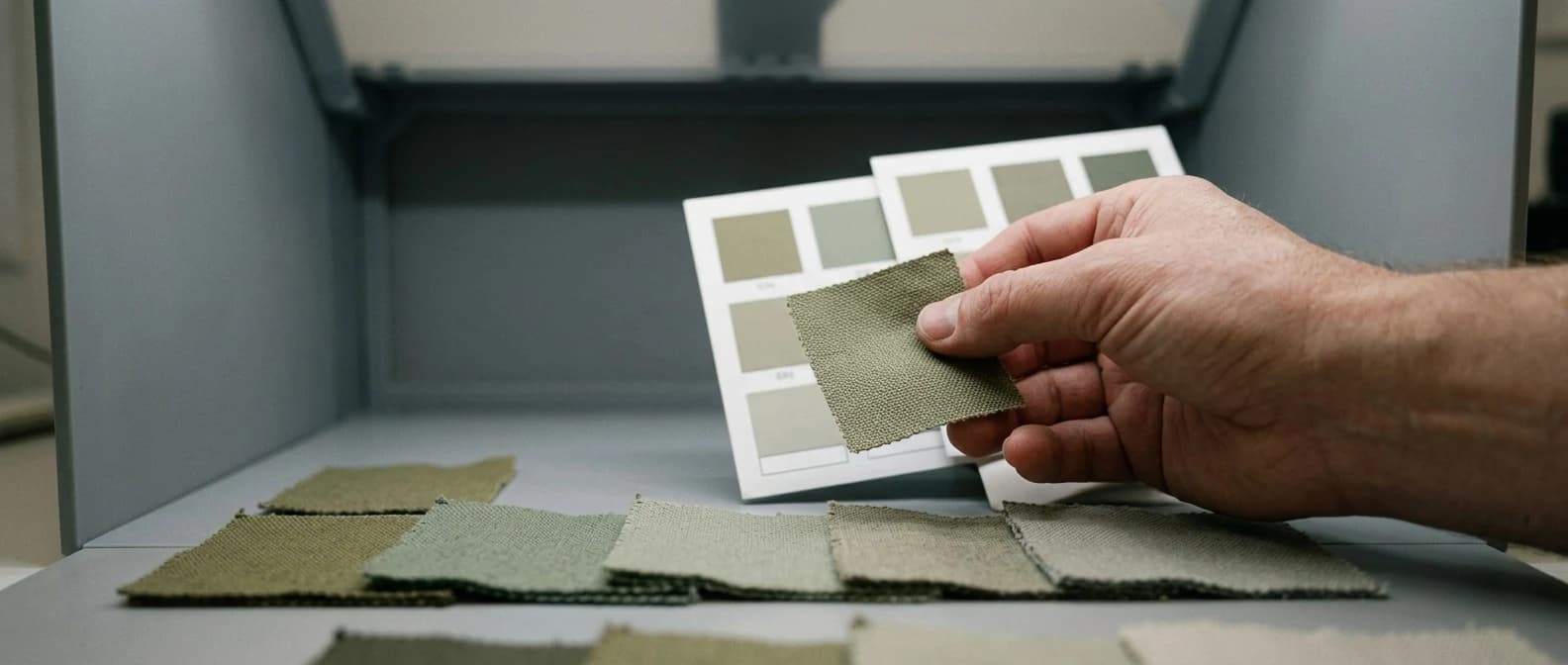
A lab dip is a small dyed swatch used to approve a colour before bulk dyeing. This guide explains how lab dips work, how to submit a colour and how to avoid shade surprises.

Development · 6 minute read
A clothing prototype is the first physical version of your design. This guide explains how prototypes are made, how they differ from later samples and how to get more from each round.
Finishing · 6 minute read
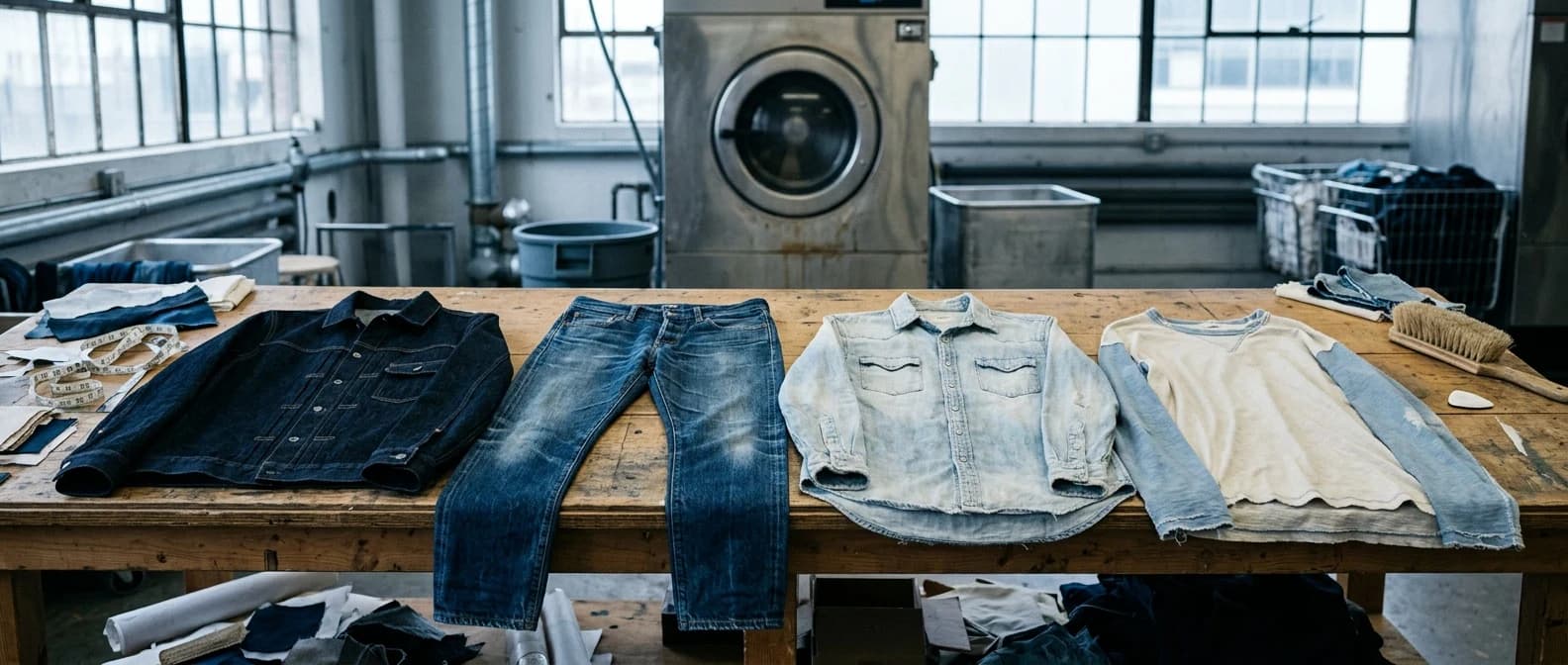
Garment washes change how clothing looks and feels after it is sewn. This guide explains enzyme wash, stone wash, acid wash and softening, and what each means for cost and consistency.
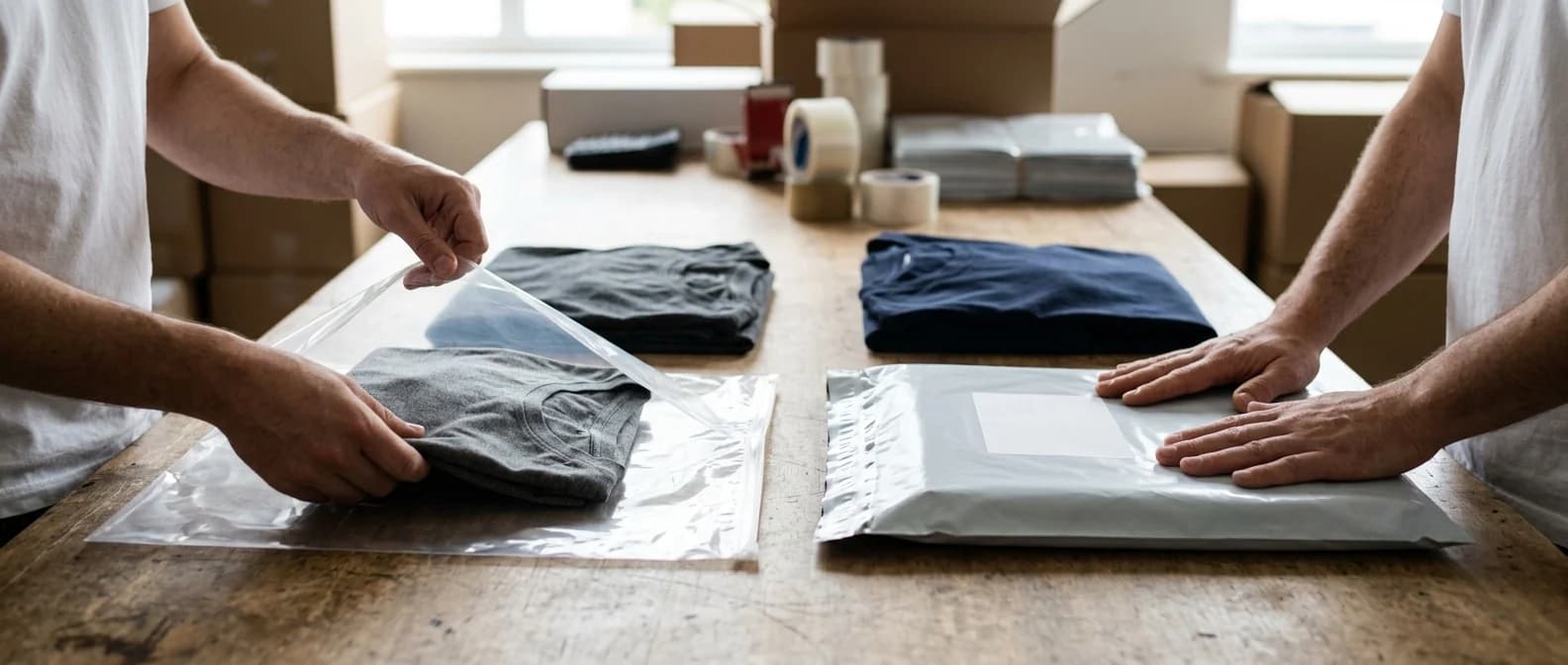
Packaging · 5 minute read
Poly mailers and polybags protect and present clothing, but they do different jobs. This guide explains the differences, sizing, safety warnings and how packaging fits an apparel order.

Compliance · 5 minute read
WRAP is a social compliance certification for apparel and footwear factories. This guide explains what it covers, how levels and verification work, and how buyers should check a claim.
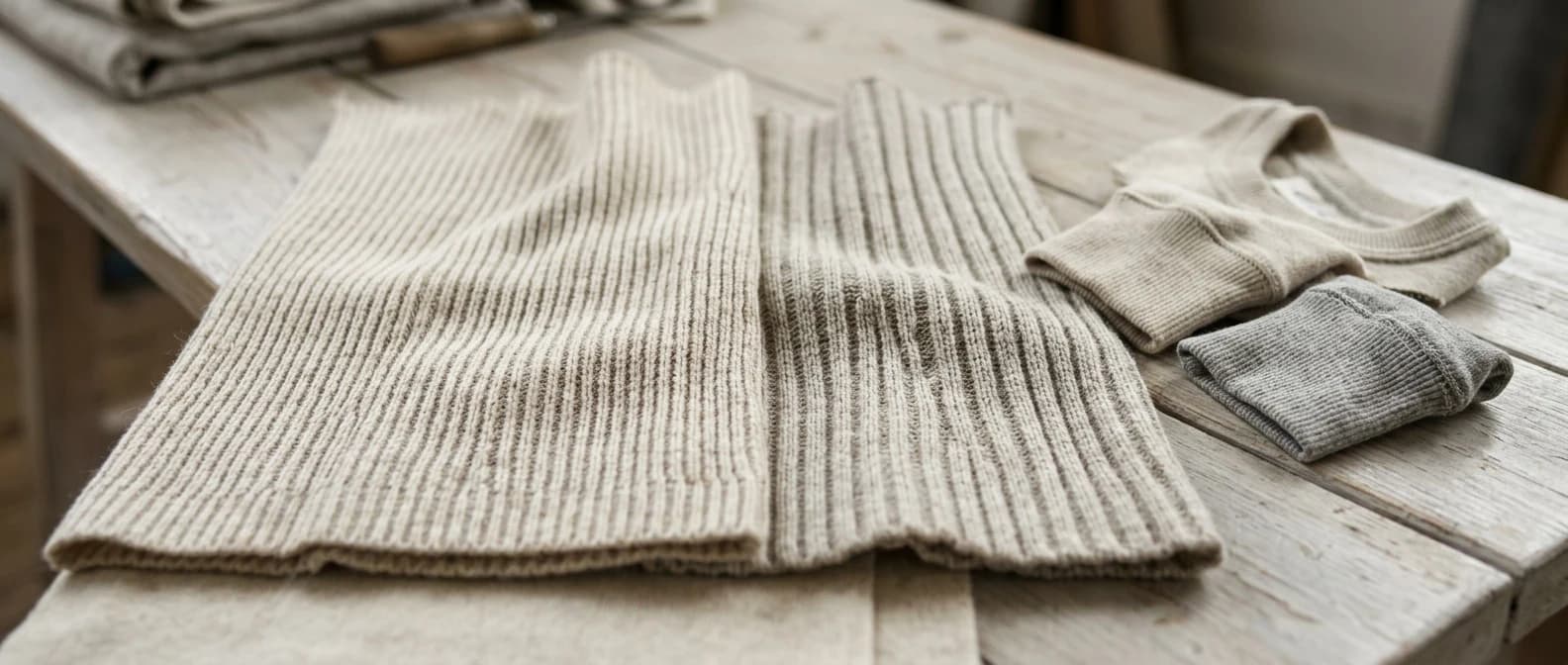
Materials · 5 minute read
Rib knit is the stretchy, ribbed fabric used for cuffs, collars and fitted tops. This guide explains the common types, what each is used for and how to specify rib so it matches your garment.
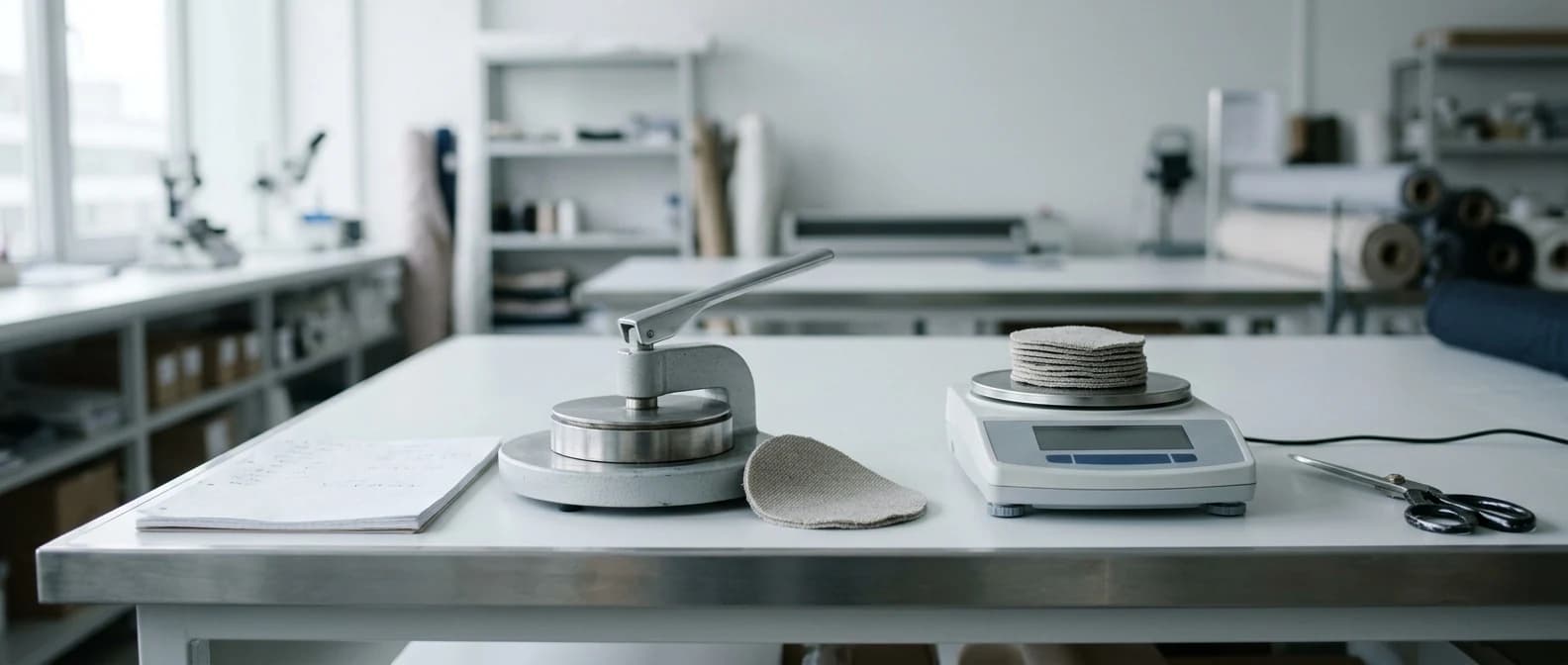
Materials · 5 minute read
GSM measures how heavy a fabric is. This guide explains what it means, how it is measured, how it converts to ounces and how to use it when you specify clothing.

Sourcing · 7 minute read
Finding a clothing manufacturer is easier when you know what you need and how to test a supplier. This checklist shows how to prepare a brief, what to ask, which warning signs to watch for, and how TextileWays answers each question.
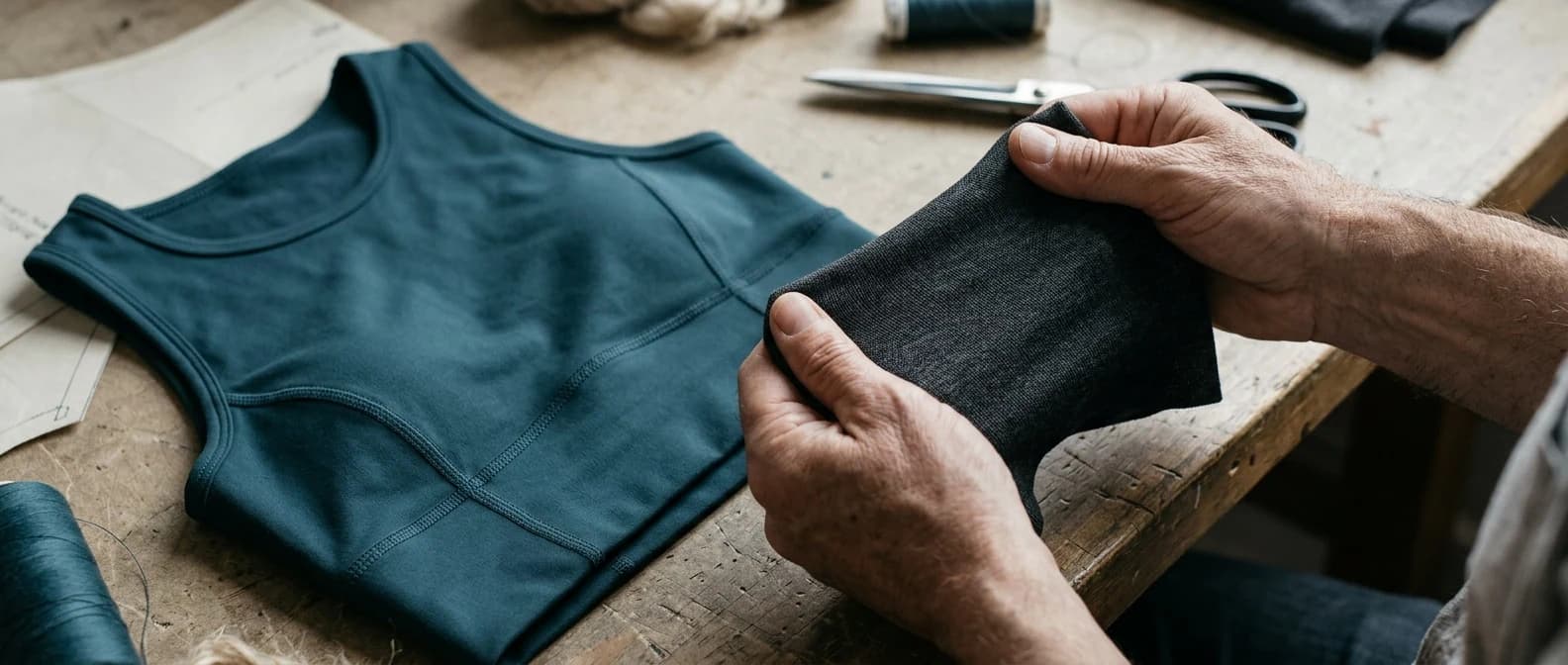
Materials · 4 minute read
Elastane and spandex are the same stretch fibre under different names. This guide explains where each name is used, how much stretch fibre garments contain and how it is labelled.

Sourcing · 7 minute read
What changes when the factory is in Pakistan and the buyer is in the USA, the UK, the EU or Australia: duty and preferential access, the documents that travel with the goods, Incoterms and what really sets a lead time.
Working together · 6 minute read
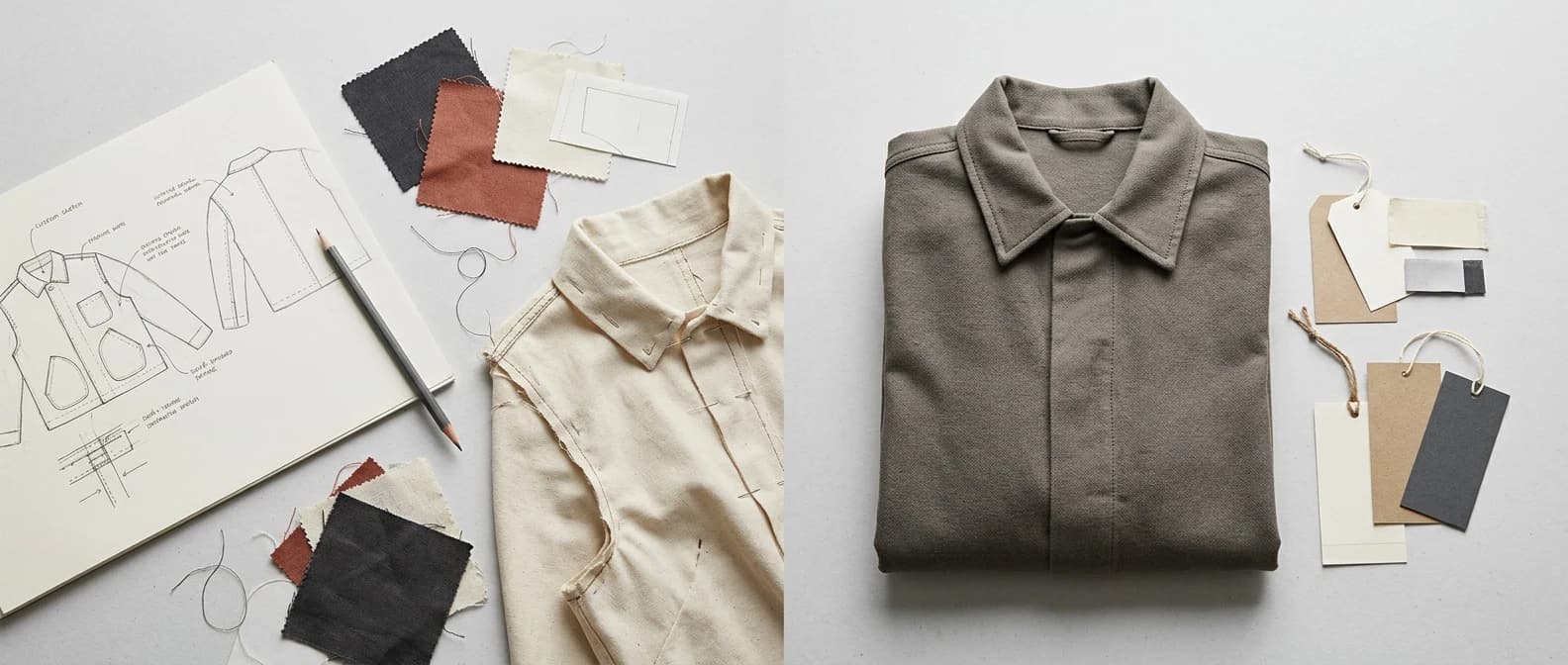
Private label, OEM and ODM are often used as if they meant the same thing. They answer different questions, and mixing them up leads to the wrong brief and the wrong quote.

Compliance · 7 minute read
Buyers are shown certificate logos constantly. Each one proves something different, and only some of them apply to the factory making your order.
Development · 8 minute read
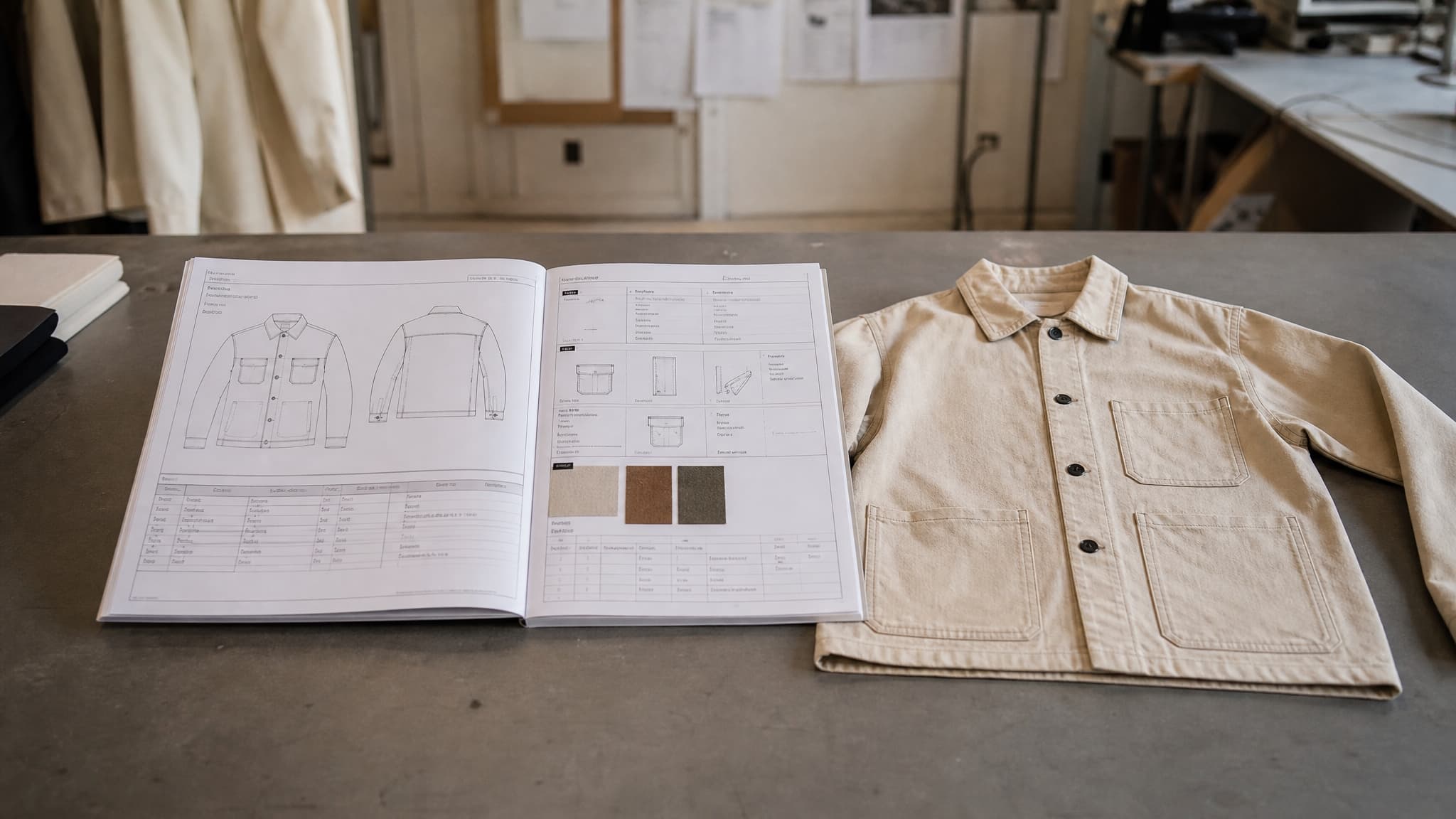
A tech pack is the document that makes a garment repeatable. Here is what belongs in one, and what goes wrong when a section is left open.
Production · 9 minute read
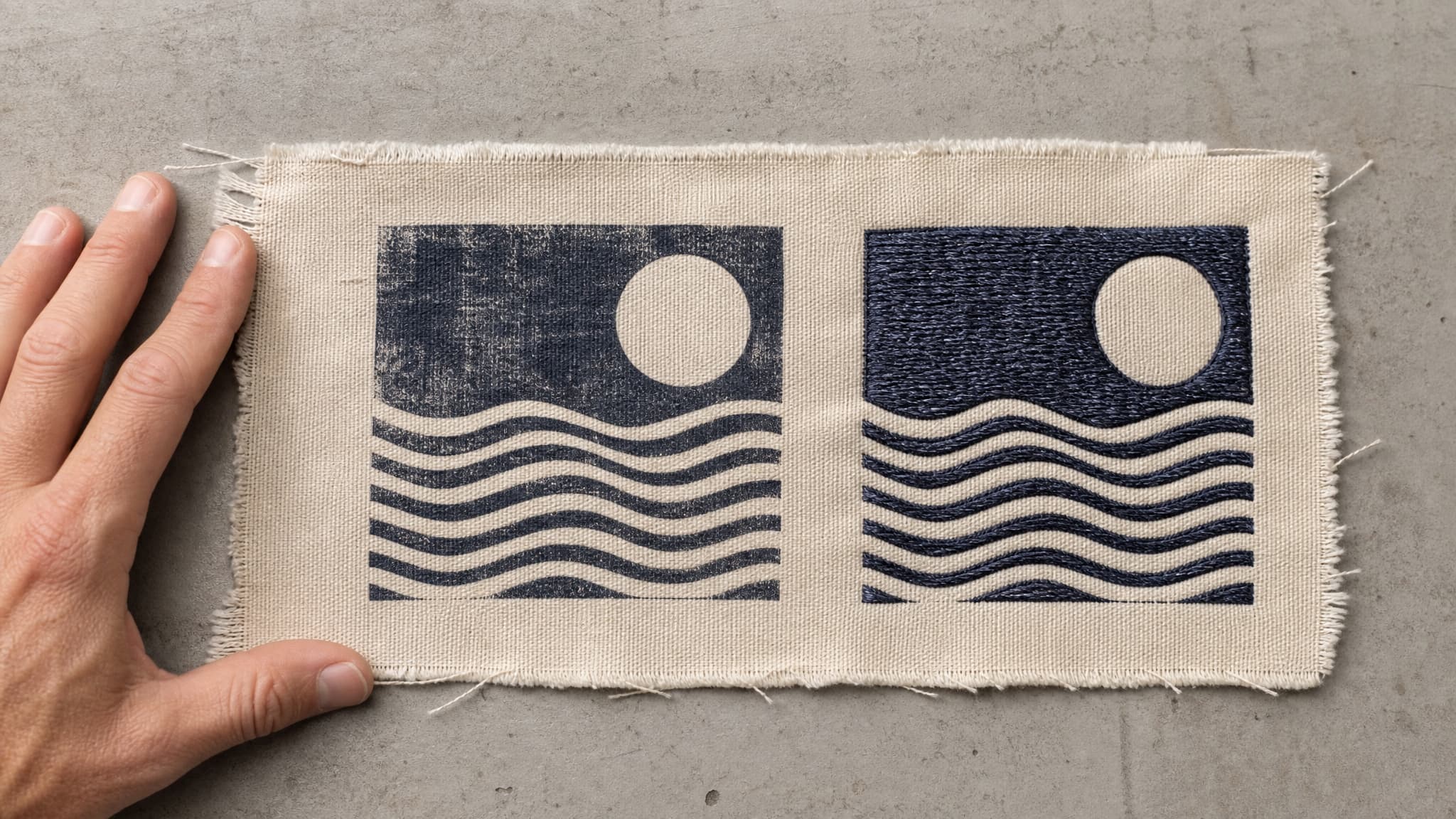
Each decoration method has a fabric it suits, a quantity where it makes economic sense, and a failure mode. Choosing well means matching all three rather than picking a favourite.
Sourcing · 7 minute read
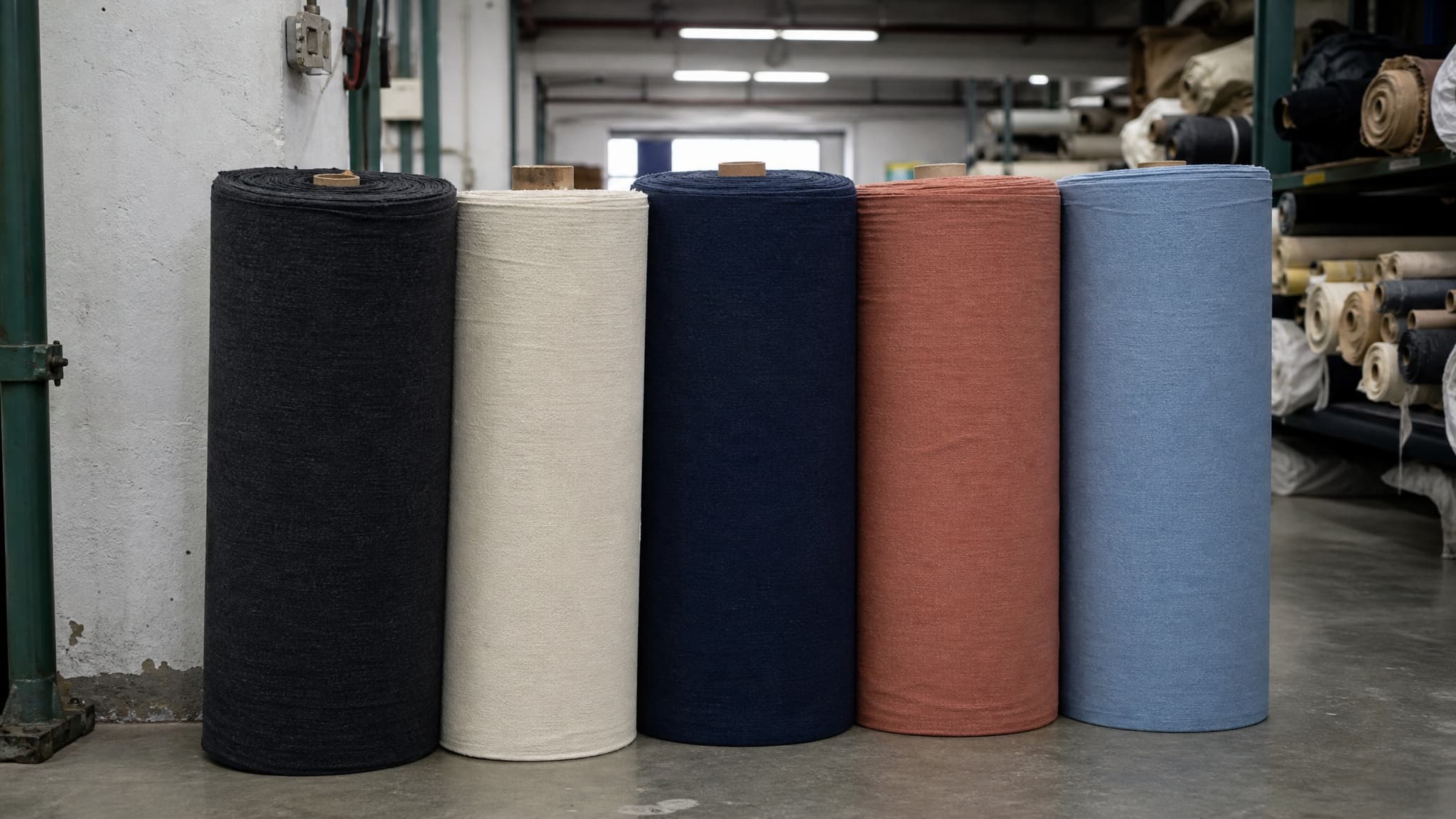
MOQ is rarely a policy decision. It is the sum of several separate minimums that sit upstream of the factory, and understanding them tells you where a number can move.
Send it with your product details. A specific question about your product gets a more useful answer than a general article can give.
Contact our team