
Loading page content
Loading page content
For clothing brands in the USA, UK, EU and Australia
Private label and custom T-shirts, hoodies, polos, sweatshirts, joggers, uniforms and activewear, from approved samples to repeat bulk production. Made in Pakistan, with duty-free EU entry for eligible apparel under GSP+ and zero or reduced UK duty under DCTS.
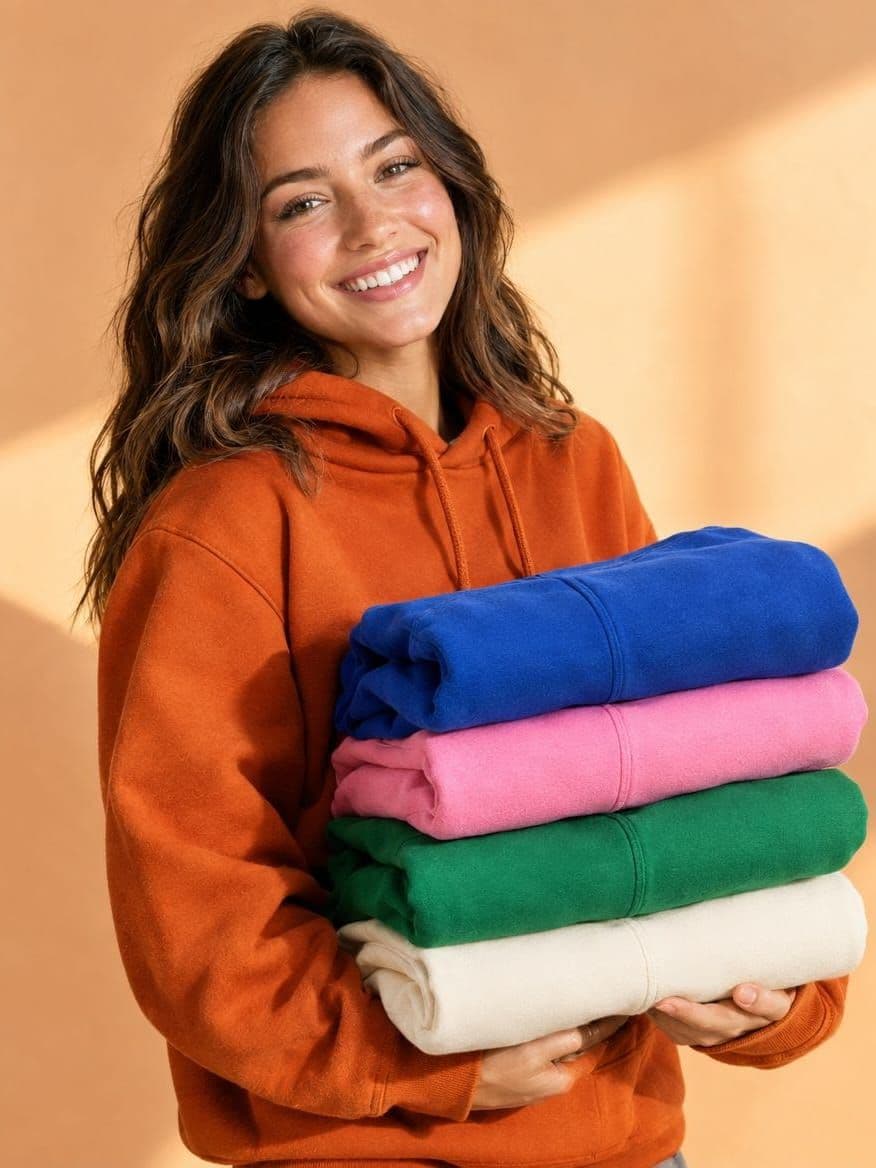
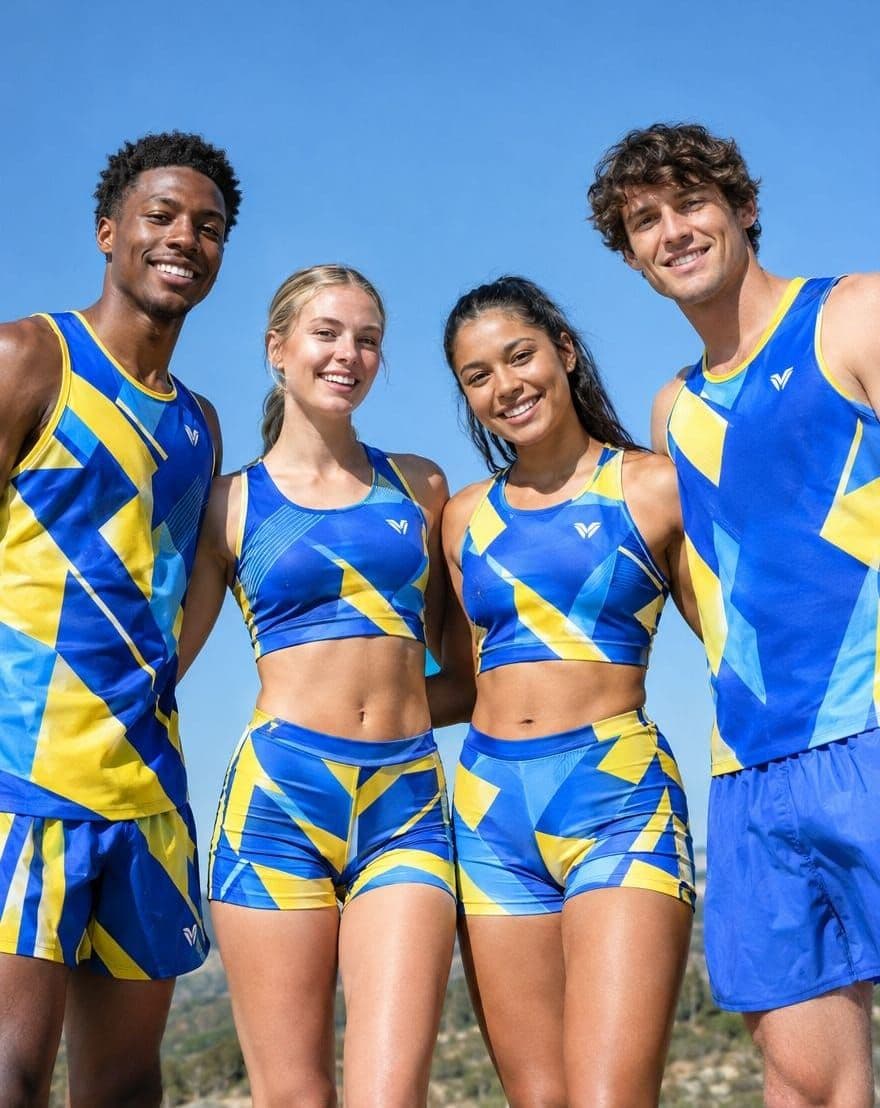

Products
Nine of our most requested products, each with its own construction options, fabric guidance and decoration methods.
View all products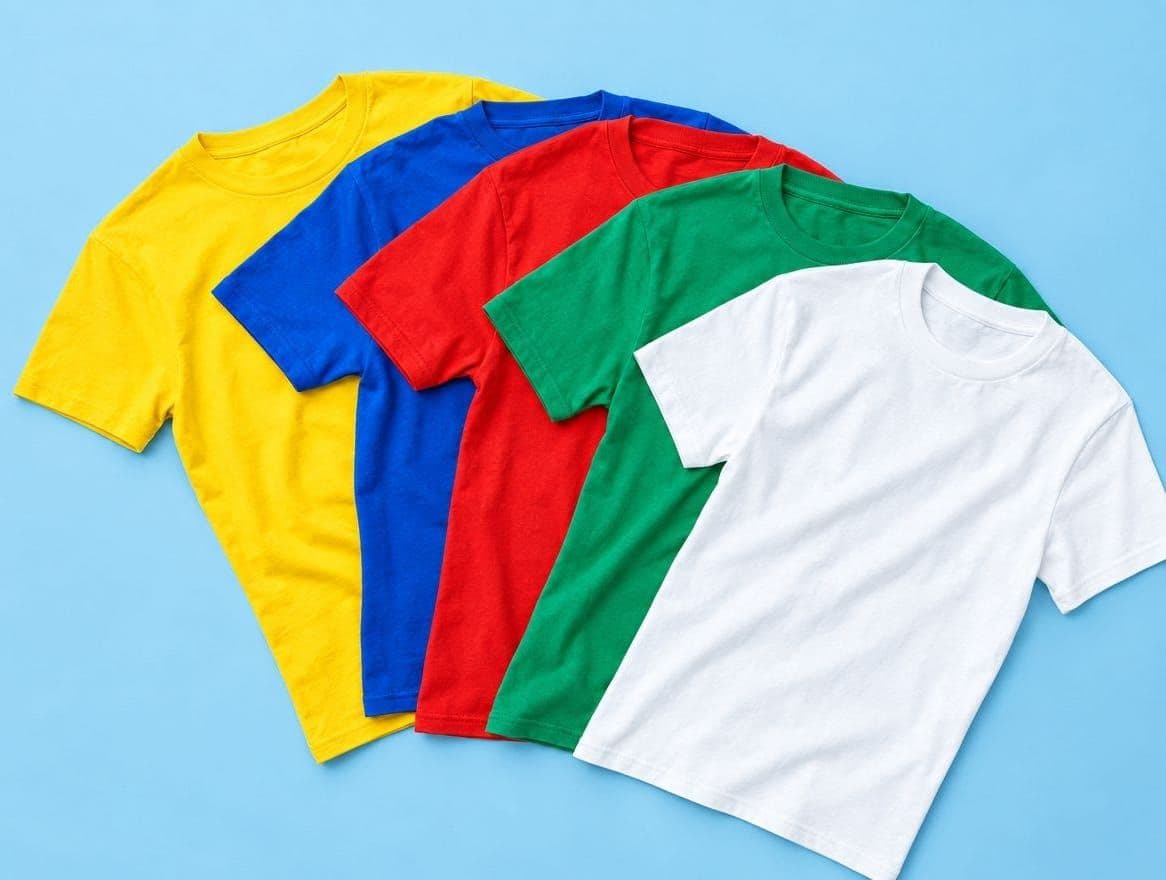
TextileWays develops and manufactures custom t-shirts for fashion brands, streetwear labels, corpora...
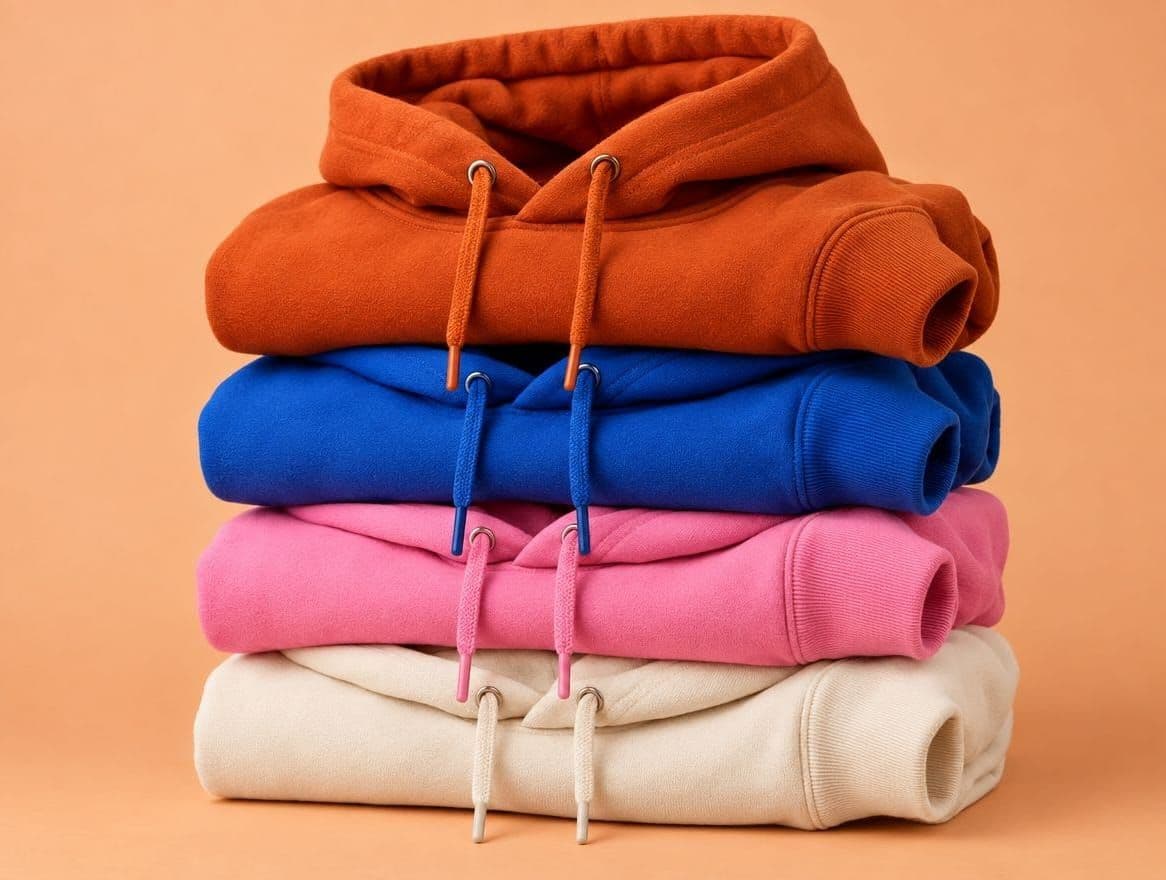
TextileWays develops and manufactures private-label hoodies for fashion brands, streetwear labels, u...
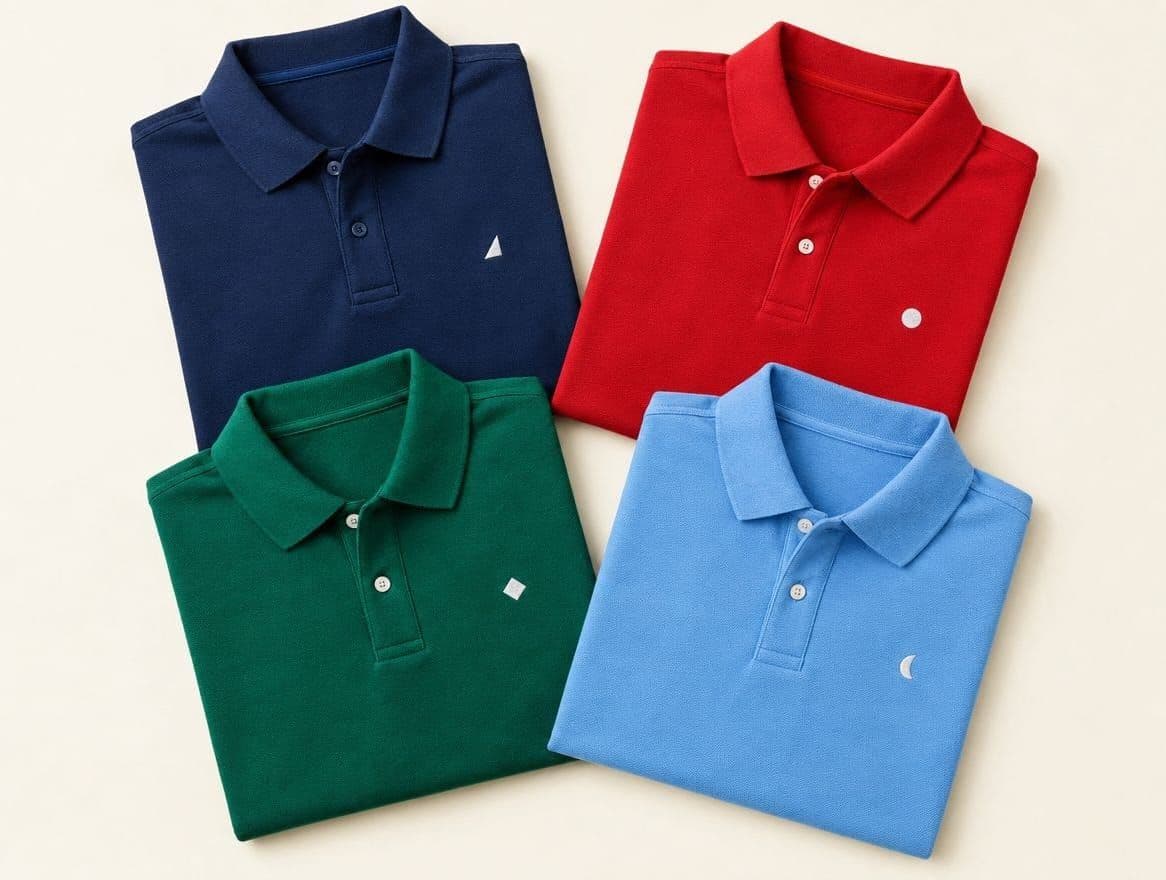
TextileWays manufactures polo shirts for corporate uniform programmes, fashion brands and promotiona...
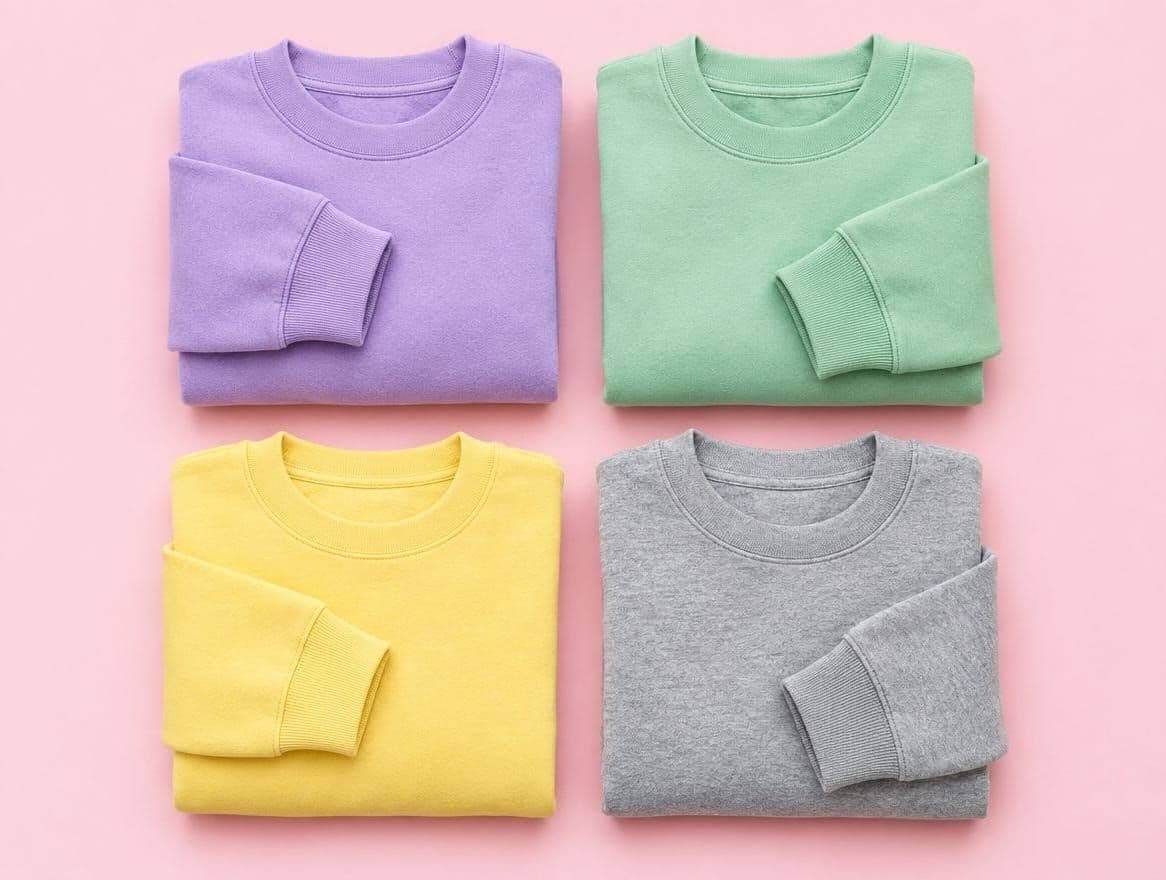
TextileWays manufactures custom crew neck sweatshirts in french terry or brushed fleece for fashion ...
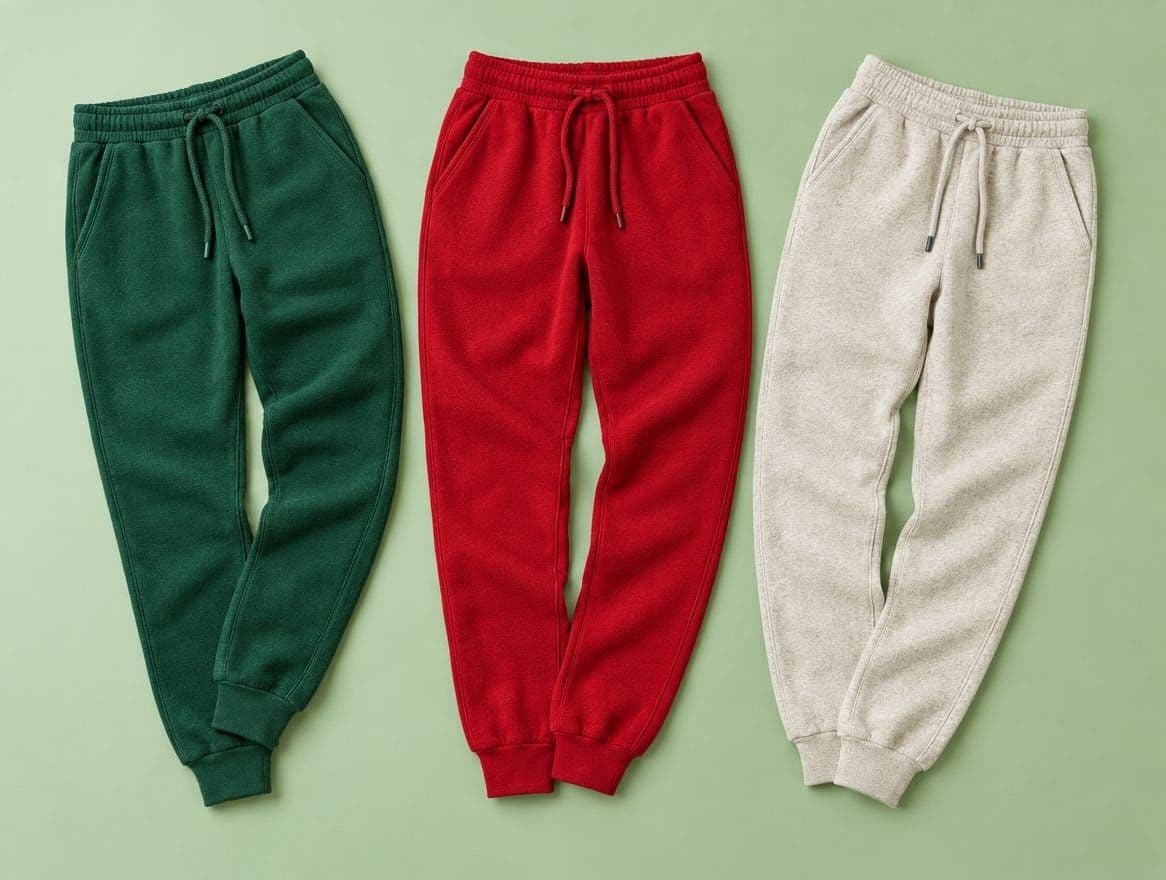
TextileWays manufactures private-label joggers and sweat shorts in terry or fleece, with drawcord, e...
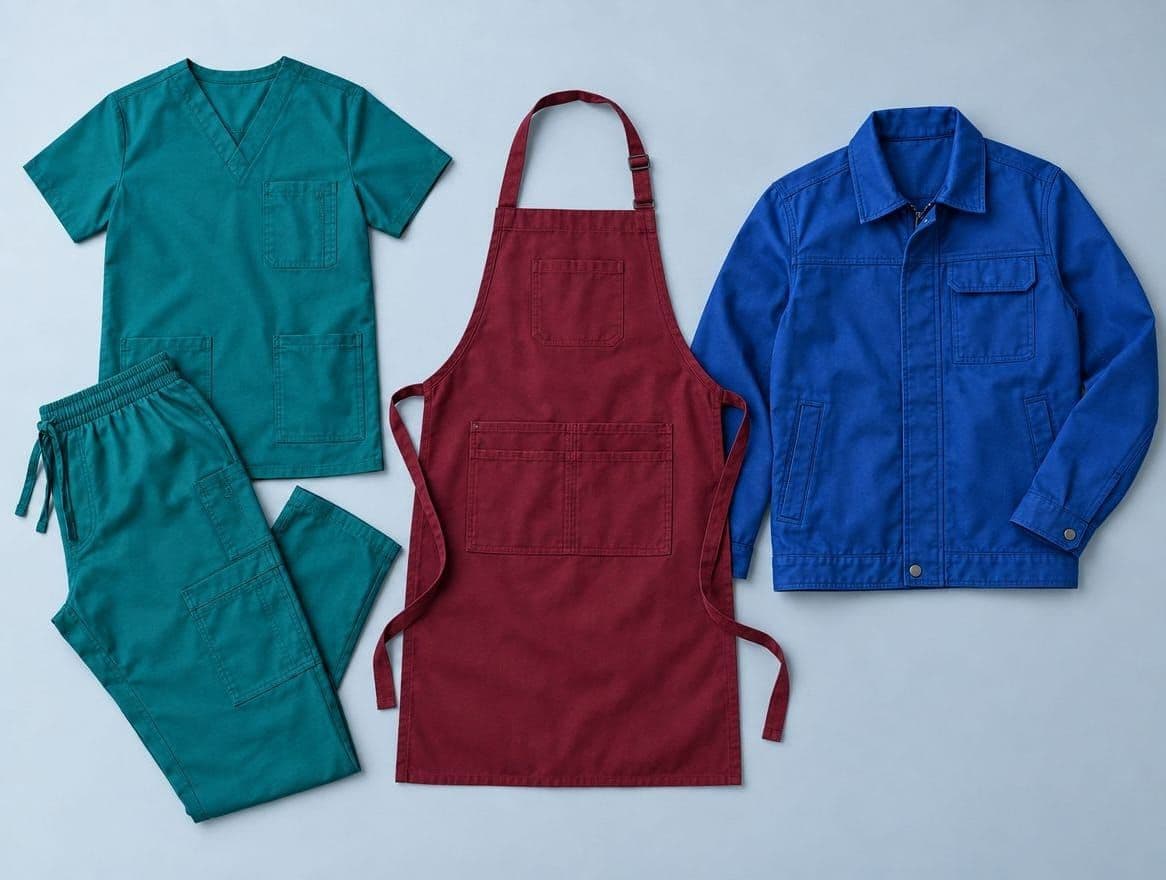
TextileWays manufactures workwear programmes: corporate and hospitality shirts, healthcare scrubs, w...
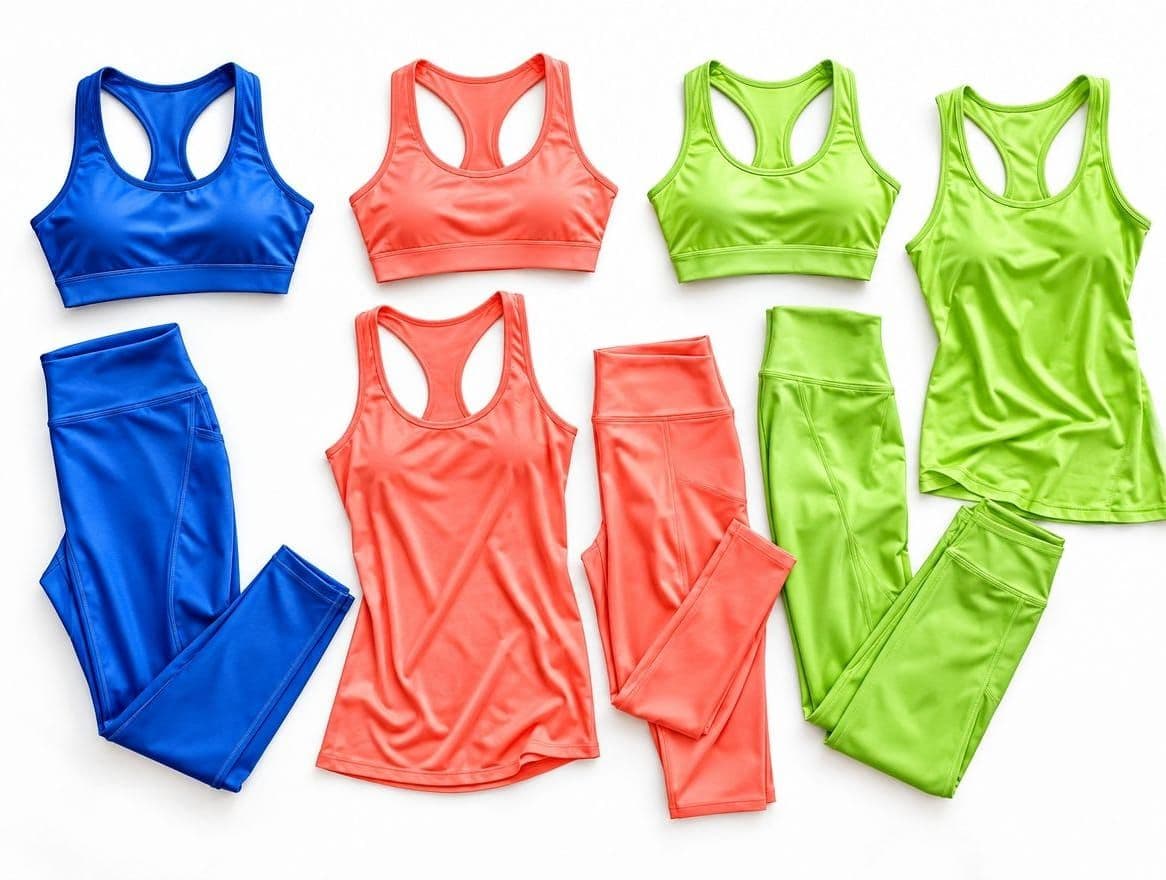
TextileWays develops and manufactures private-label activewear and team kit: training tops, leggings...
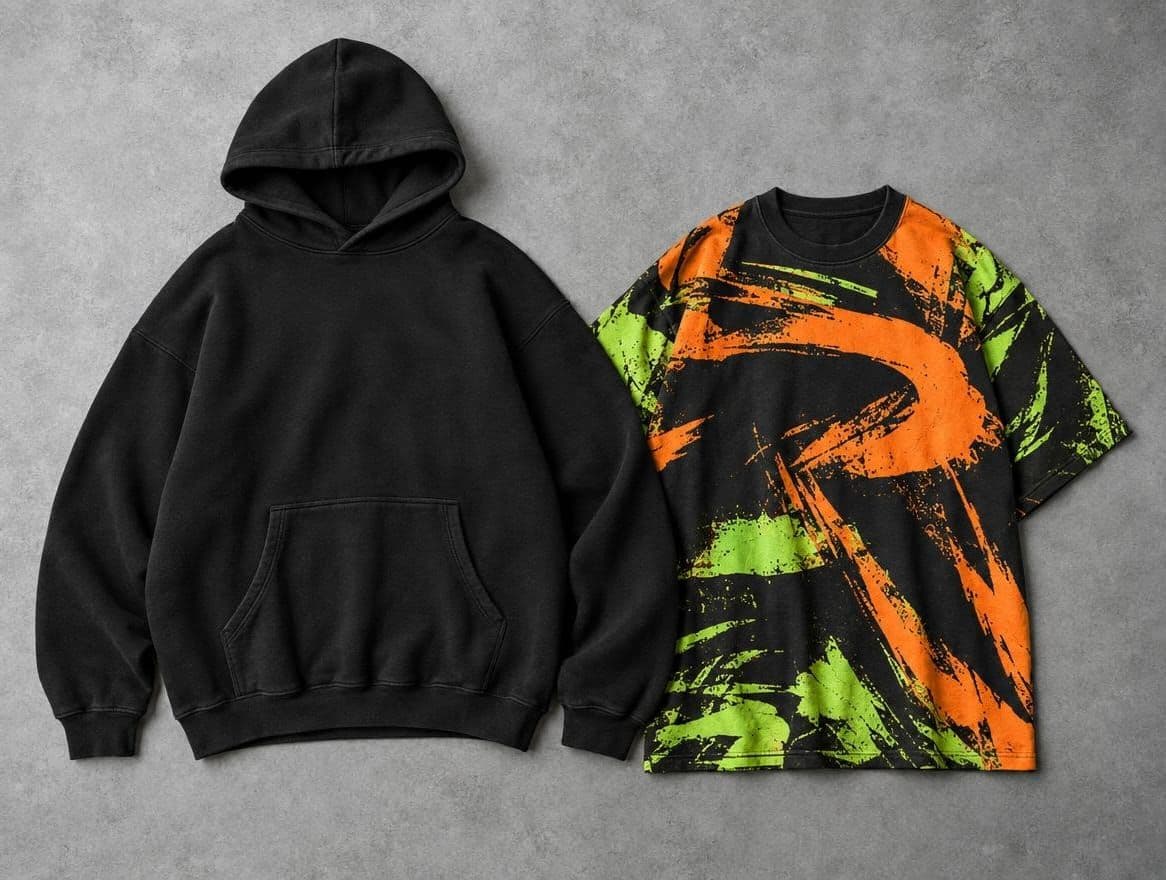
TextileWays develops and manufactures private-label streetwear: heavyweight hoodies, oversized tees,...
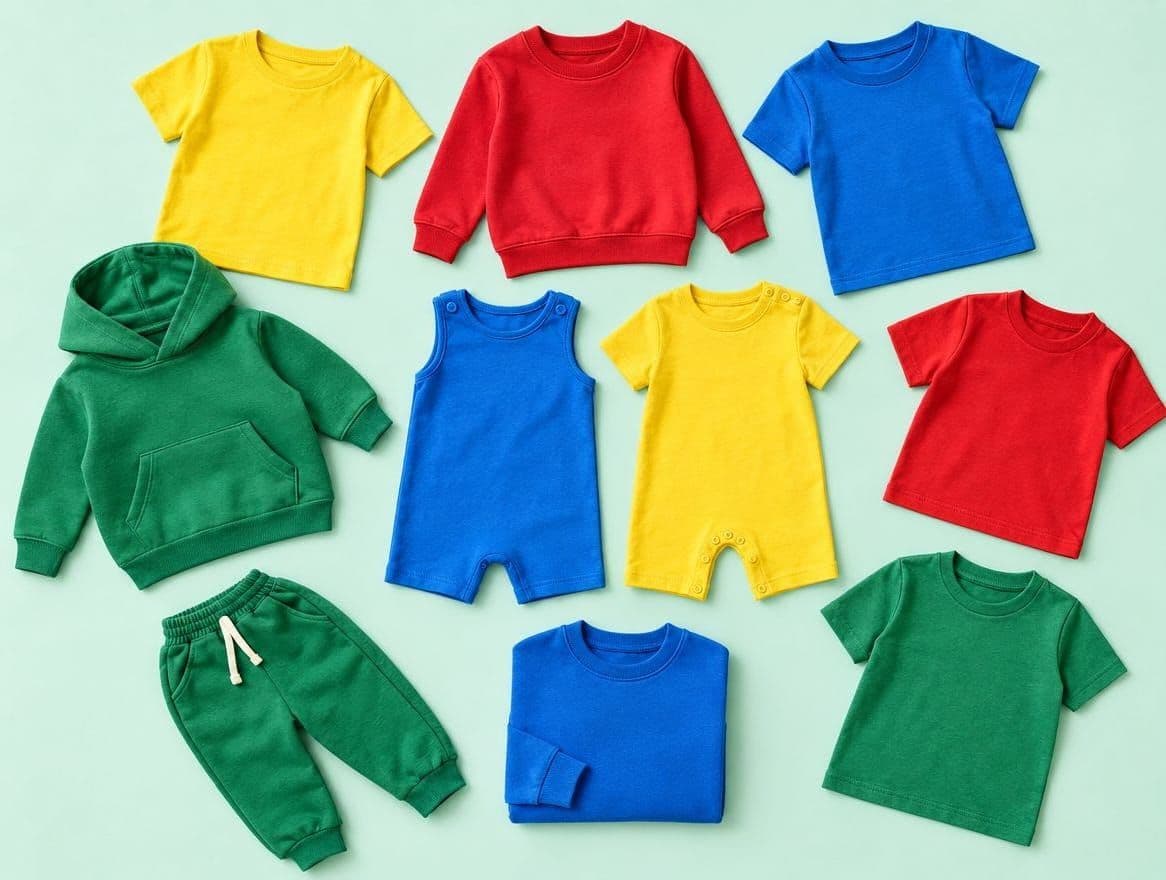
TextileWays manufactures children's and baby apparel: bodysuits, sleepsuits, tops, outerwear and tro...
How it works
Each stage has a decision attached to it. Nothing moves forward until the previous stage is approved in writing.
See the full 21 stage processYou describe the product, the quantity and the market. We come back with the questions that have to be answered before a price means anything.
A price against a written specification, with every assumption stated so you can see what would change it.
Fabric options are proposed and approved on physical swatches rather than on a specification sheet.
Proto and fit samples confirm construction and measurements against your chart.
A pre production sample made from bulk fabric, with final trims and packaging, is approved in writing.
The line runs against the approved sample and the specification, with checks at defined operations.
Inline checks, measurement audits and a final inspection against the standard agreed for your order.
Goods are packed to the agreed standard, audited, documented and shipped against the agreed Incoterm.
Quality
By the time a garment reaches final inspection, every decision that determines its quality has already been made. These checkpoints catch problems at the stage that caused them.
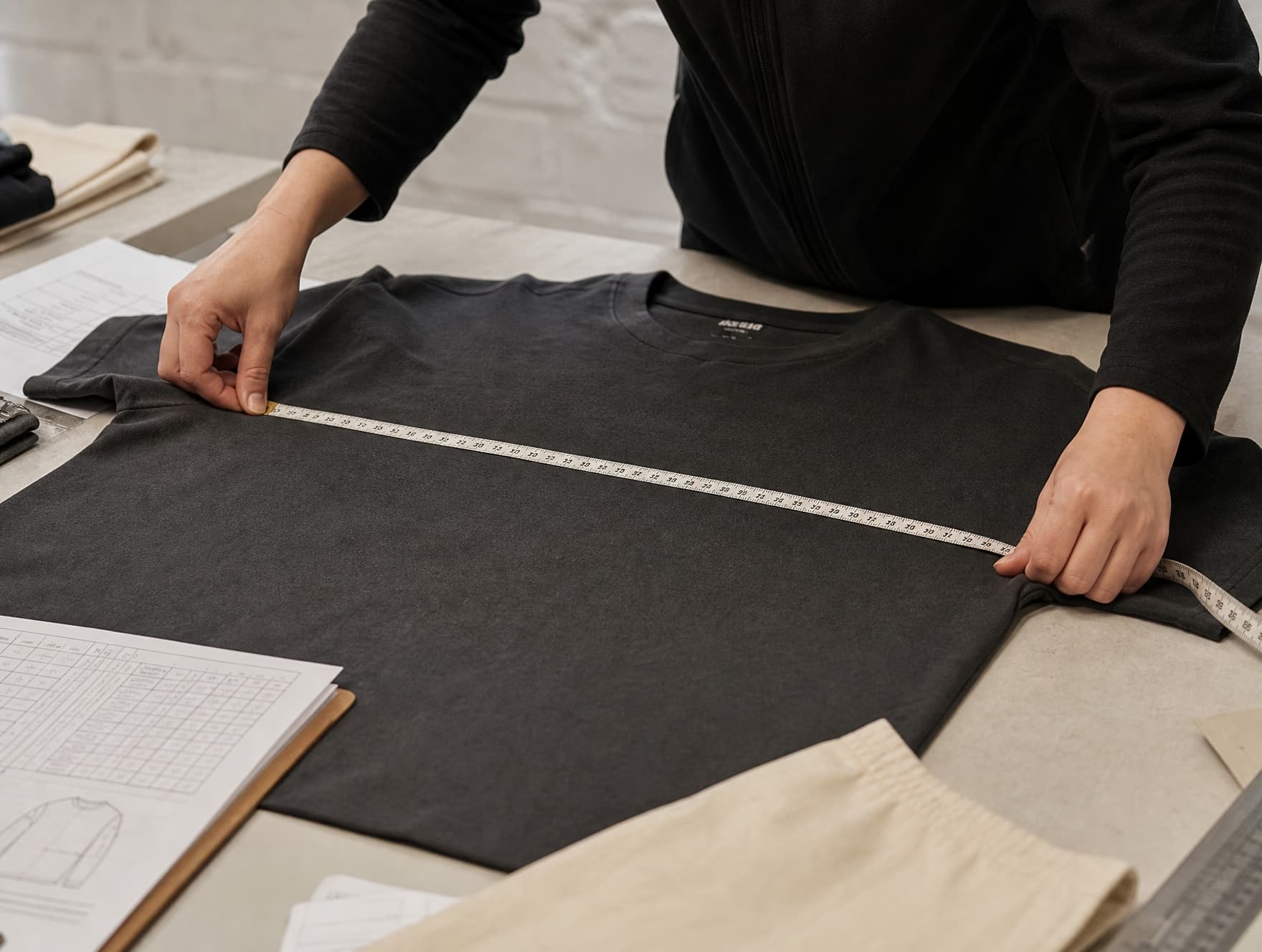
Incoming fabric and trims are checked against the specification before anything is cut. Fabric faults found here cost metres; found later they cost garments.
The approved sample, the specification and the actual materials are reviewed together before the line starts, so discrepancies surface before output does.
Cut panels are measured against the pattern and shade lots are segregated, so a single garment never combines panels from different dye batches.
Defined operations are checked during production. A problem caught at the operation that caused it is corrected in minutes rather than by reworking a lot.
Garments are measured against the chart and its tolerances during the run, not only at the end.
Trimming, pressing, decoration placement and label positioning are checked after assembly is complete.
Finished goods are inspected against the sampling plan and acceptance limits agreed for your order.
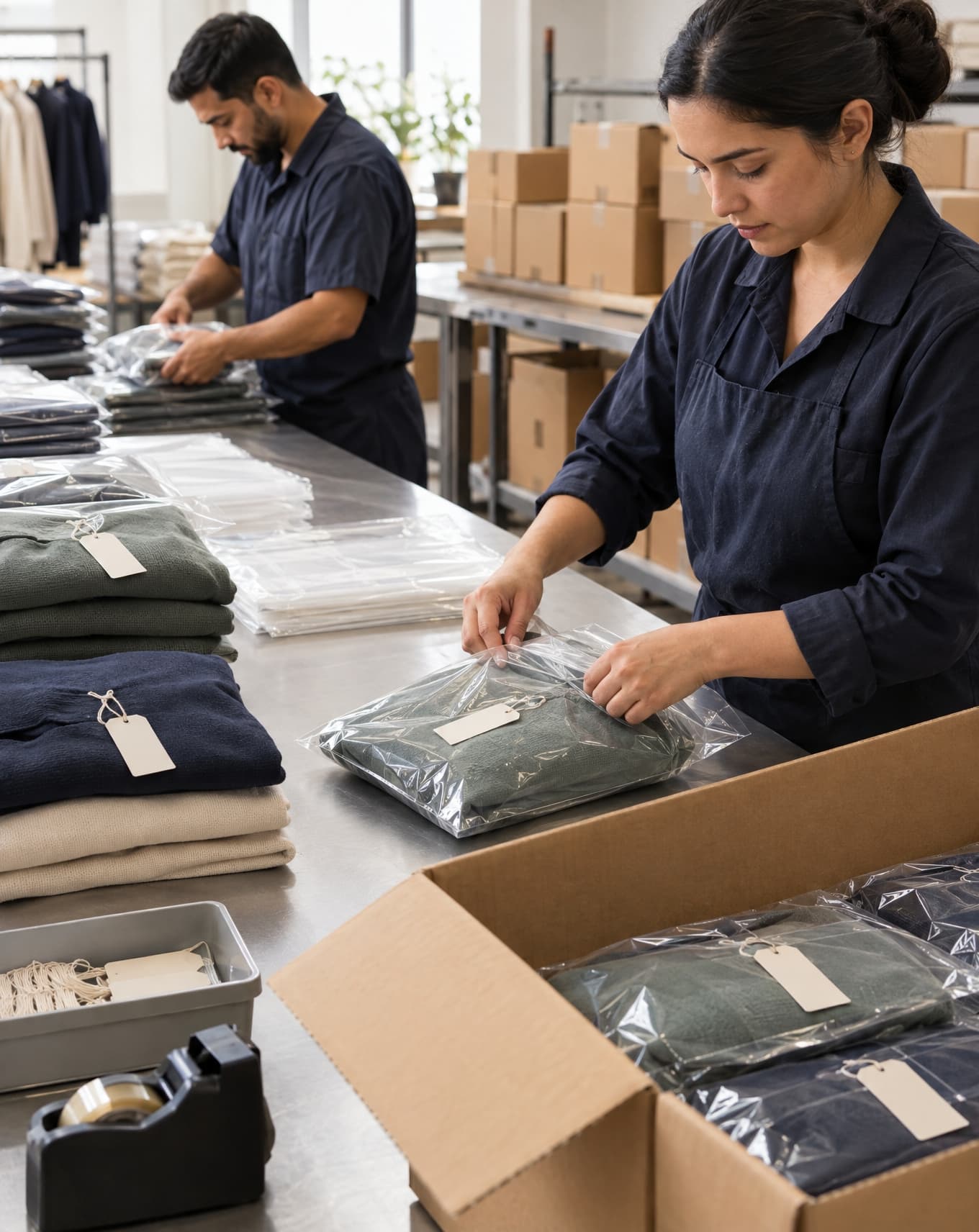
Cartons are checked for assortment, quantity, marking and ticketing before shipment, because a mispacked carton costs more to fix than it costs to prevent.
Sample Match Guarantee
If the pre production sample does not match the specification you approved, we correct it and send a revised sample at no additional charge.
Positioning
50
Pieces, first validation run
Confirm fit, fabric and decoration before committing a season. The unit cost is higher and the information is worth it.
100,000+
Pieces, scaled production run
Committed material planning, scheduled shipments and inspection regimes agreed in advance, against the same approved sample.
You should not have to replace your manufacturer every time you grow. Every supplier change costs a season in re establishing fit, fabric and colour.
Loading the enquiry form
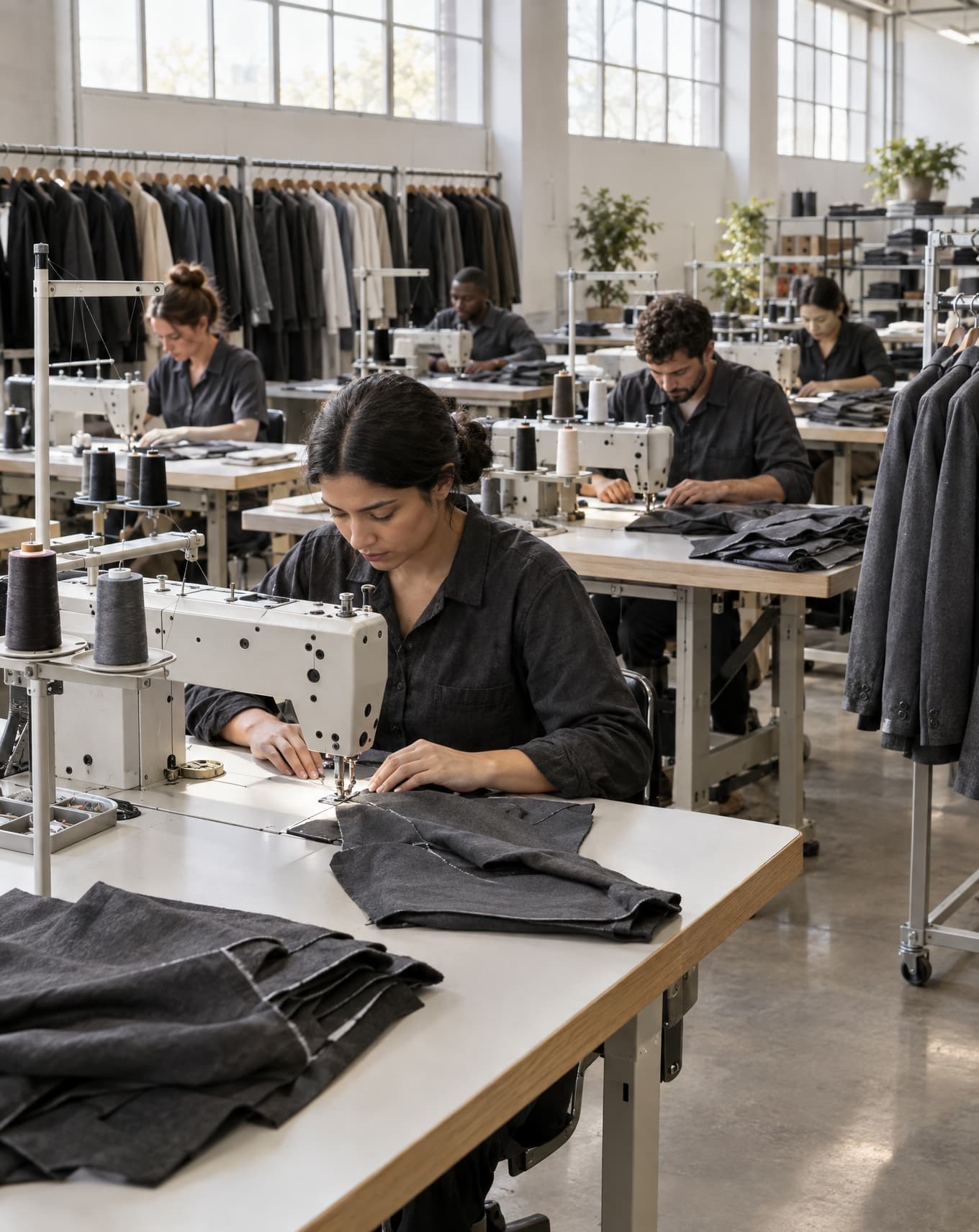
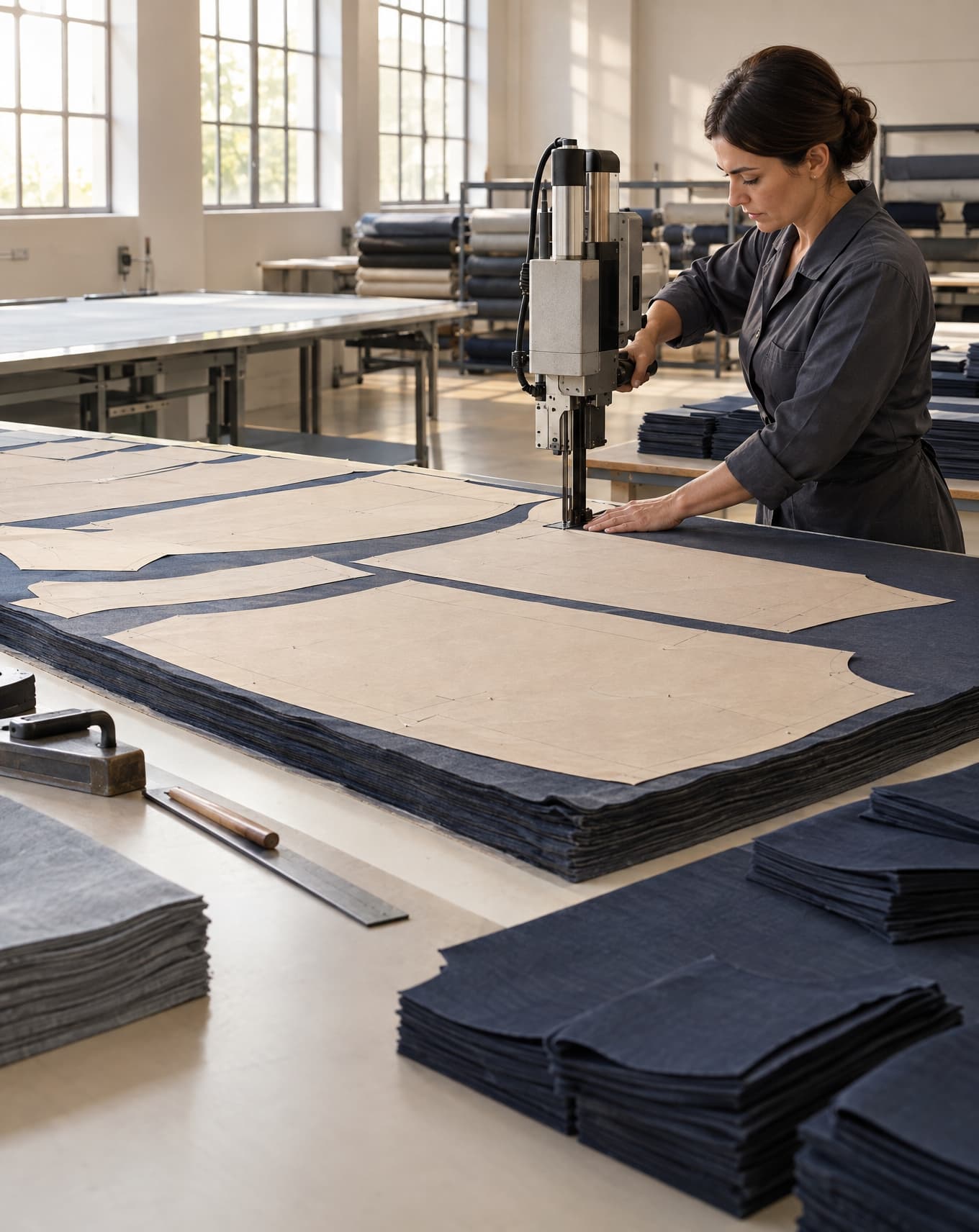
The factory
See the working environment behind sampling, cutting, sewing, decoration, inspection and packing, and understand which production route applies to your product.

Manufacturing routes
Six groups cover every capability. Open a route to see the specific techniques, materials and quality checkpoints it covers.
View all capabilitiesIndustry programs
Buyer priorities differ by industry more than by product type. Each page sets out the relevant products, capabilities and compliance notes for that industry.
View all industriesQuestions
Minimum order quantity depends on material availability, colour count, construction, decoration and packaging. Projects can begin from approximately 50 pieces per style following technical review. Where a fabric has to be knitted or dyed specifically for a project, the practical minimum is set by the mill rather than by us, and we tell you that before you commit.
Sampling normally runs in stages: a proto sample to confirm construction, a fit sample against your measurement chart, and a pre production sample that fixes fabric, colour, decoration, labelling and packaging. Each stage needs written approval before the next one starts. Sample charges and courier costs are quoted before work begins.
Lead time is quoted per project rather than published as a single figure. It is driven by fabric availability, dyeing, decoration method, quantity, the number of sample rounds and the destination. We give you an indicative schedule with the quotation and confirm dates once the pre production sample is approved.
Yes. That is the reason TextileWays exists in its current form. A validation run and a full scale production programme use the same specification discipline, the same approved sample and the same inspection points. The difference is material procurement, line planning and shipping method, not the standard applied to the product.
Production scale
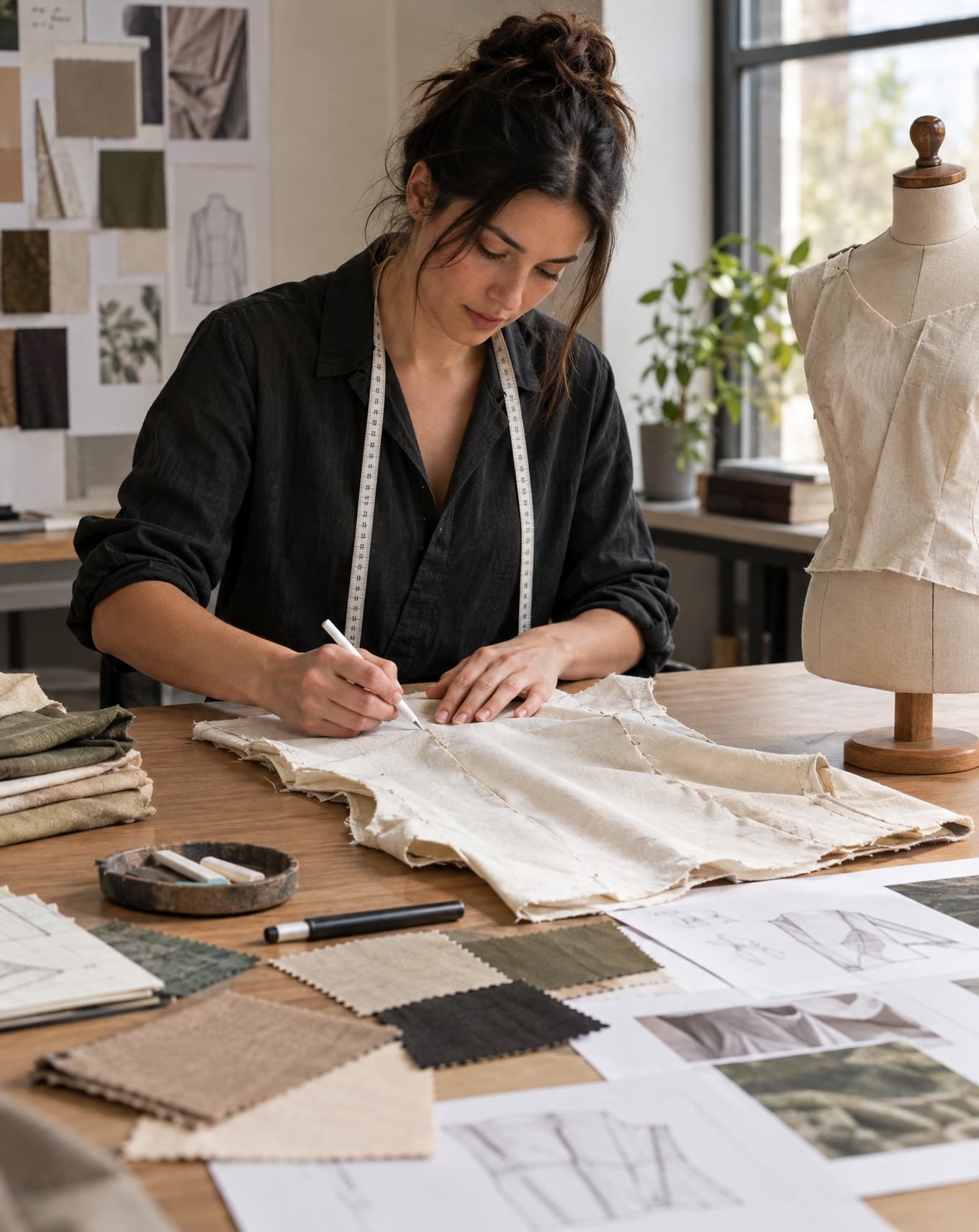
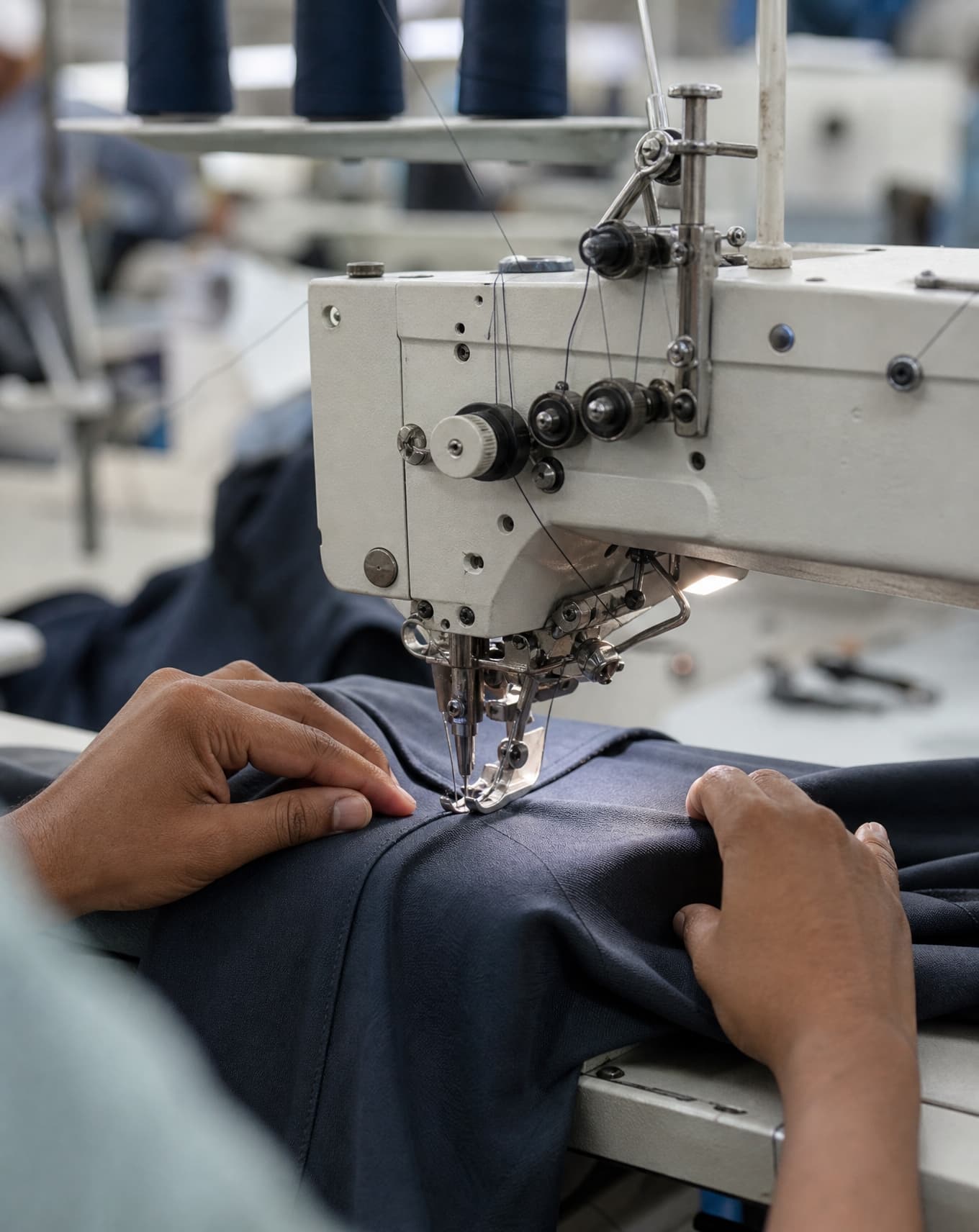
The same specification discipline applies at every quantity. What changes is material planning, line scheduling and how goods are shipped.
50
pieces
Product validation
Confirm fit, fabric and decoration before committing a season. The unit cost is higher and the information is worth it.
250
pieces
First collection
A small range across a few styles and colourways, enough to test which pieces actually sell.
1,000
pieces
Growing demand
Repeat orders on proven styles. Fabric moves from stock qualities toward committed quantities.
10,000
pieces
Wholesale growth
Retail and wholesale distribution, with packing, ticketing and delivery scheduling becoming as important as the garment.

100,000+
pieces
Large scale production
Committed material planning, scheduled shipments and inspection regimes agreed in advance.
What we manufacture
Explore apparel, uniforms, sportswear, specialist products and home textiles, with practical guidance on construction, materials, decoration and order quantities.
Manufacturing capabilities
Capabilities across development, OEM and ODM, materials, sampling, manufacturing, decoration, finishing, quality assurance and export preparation.
All capabilitiesMarkets
Sizing, labelling, packing and documentation requirements differ by destination. We build the requirements you confirm into the specification before production begins.
View all market guidanceInsights
Explanations rather than marketing, written for buyers who want to understand why a minimum quantity is what it is.
All insightsStart at 50. Scale beyond 100,000.
Share your product details, target quantity and delivery requirements. Our team reviews the technical and commercial requirements before quoting.
Not ready for any of that? Get a free readiness check first


