
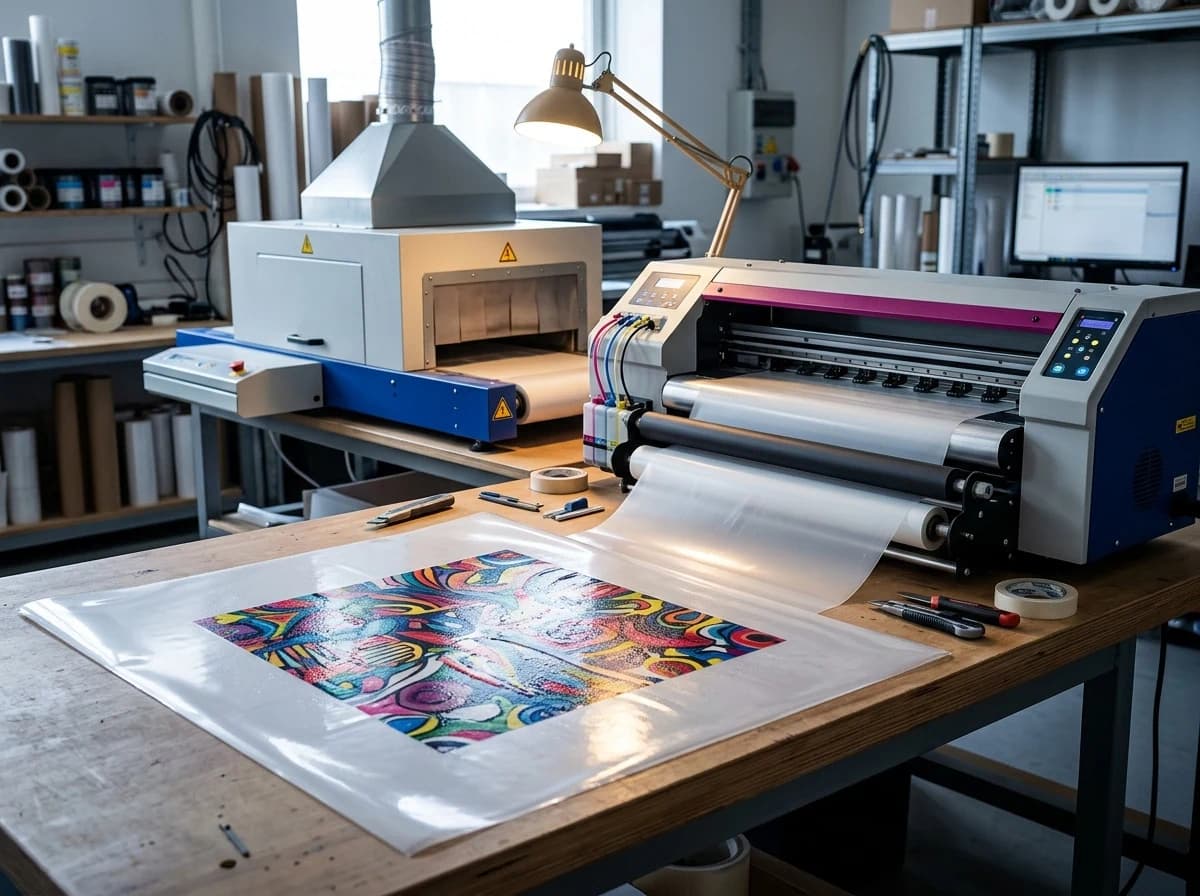
Waistband branding
Supplier example- Method
- Printed or woven elastic
- Trade-off
- Prints on elastic wear fast.
- Approve before bulk
- Wash and rub test.
Loading page content
Product family
Next to skin product where fabric handfeel, seam comfort and labelling decisions define the experience.
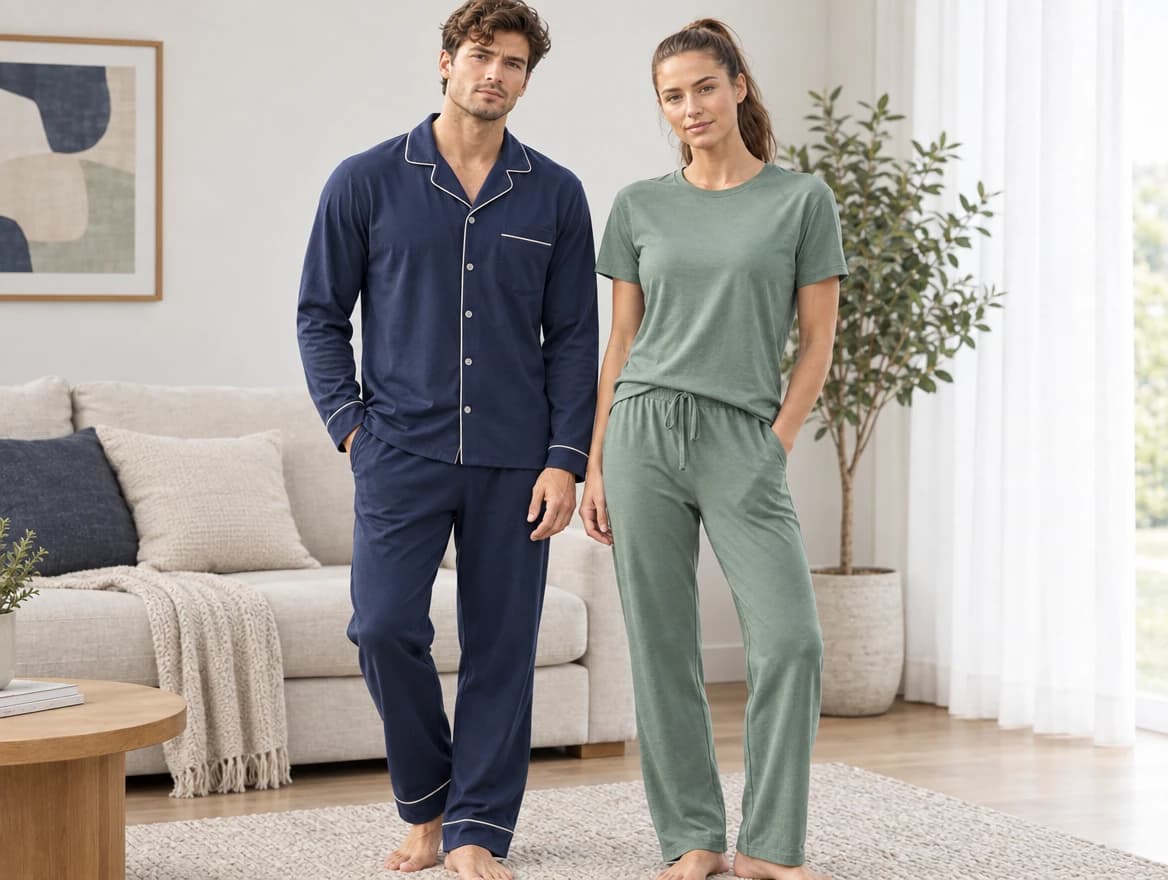
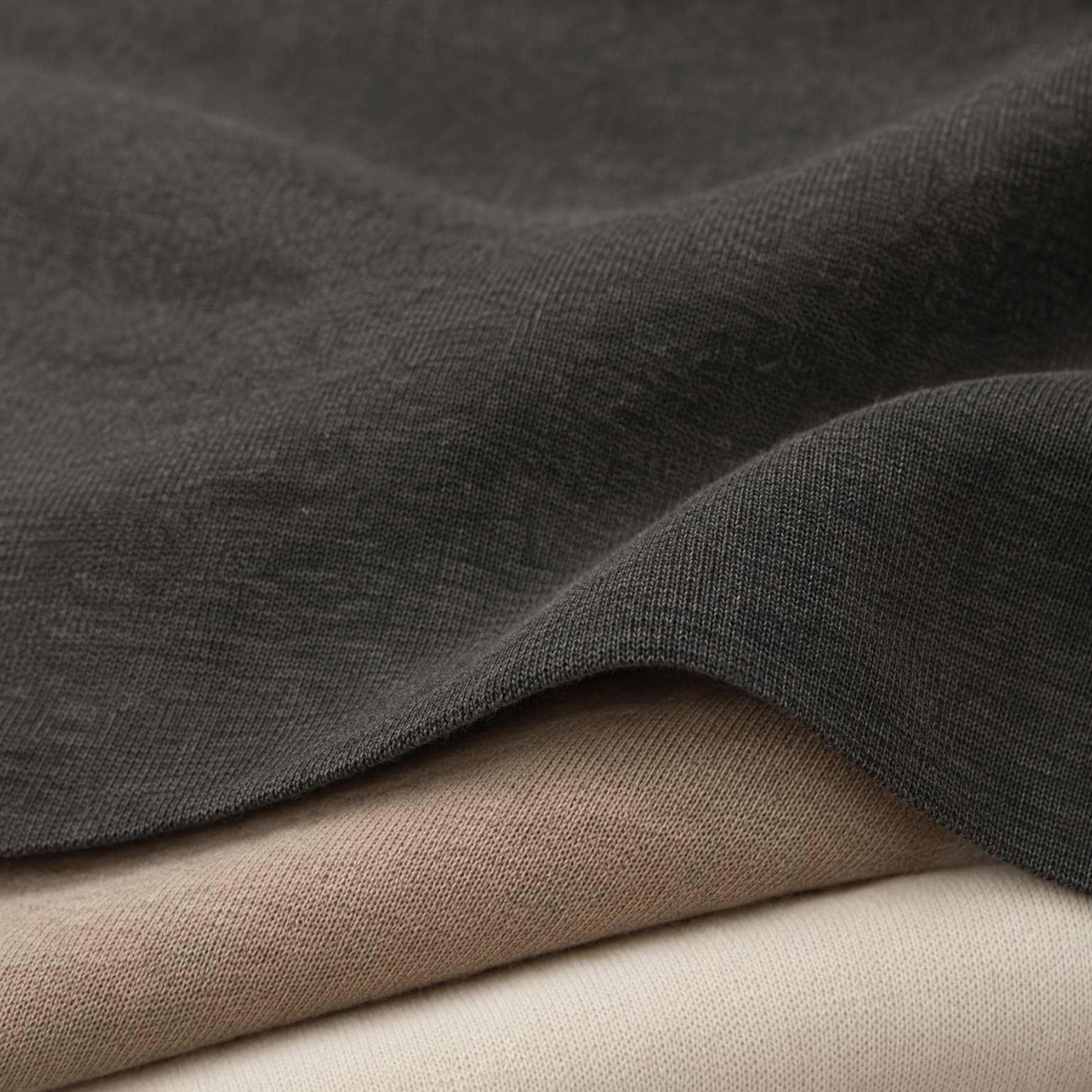
Next to skin garments are judged by touch. Fabric handfeel, seam construction and even the choice between a stitched label and a printed one determine whether a customer keeps wearing the product or quietly stops.
That is why tagless labelling is standard in this category rather than optional, and why flatlock and bound seams are specified in places where a conventional overlock would be felt against the skin.
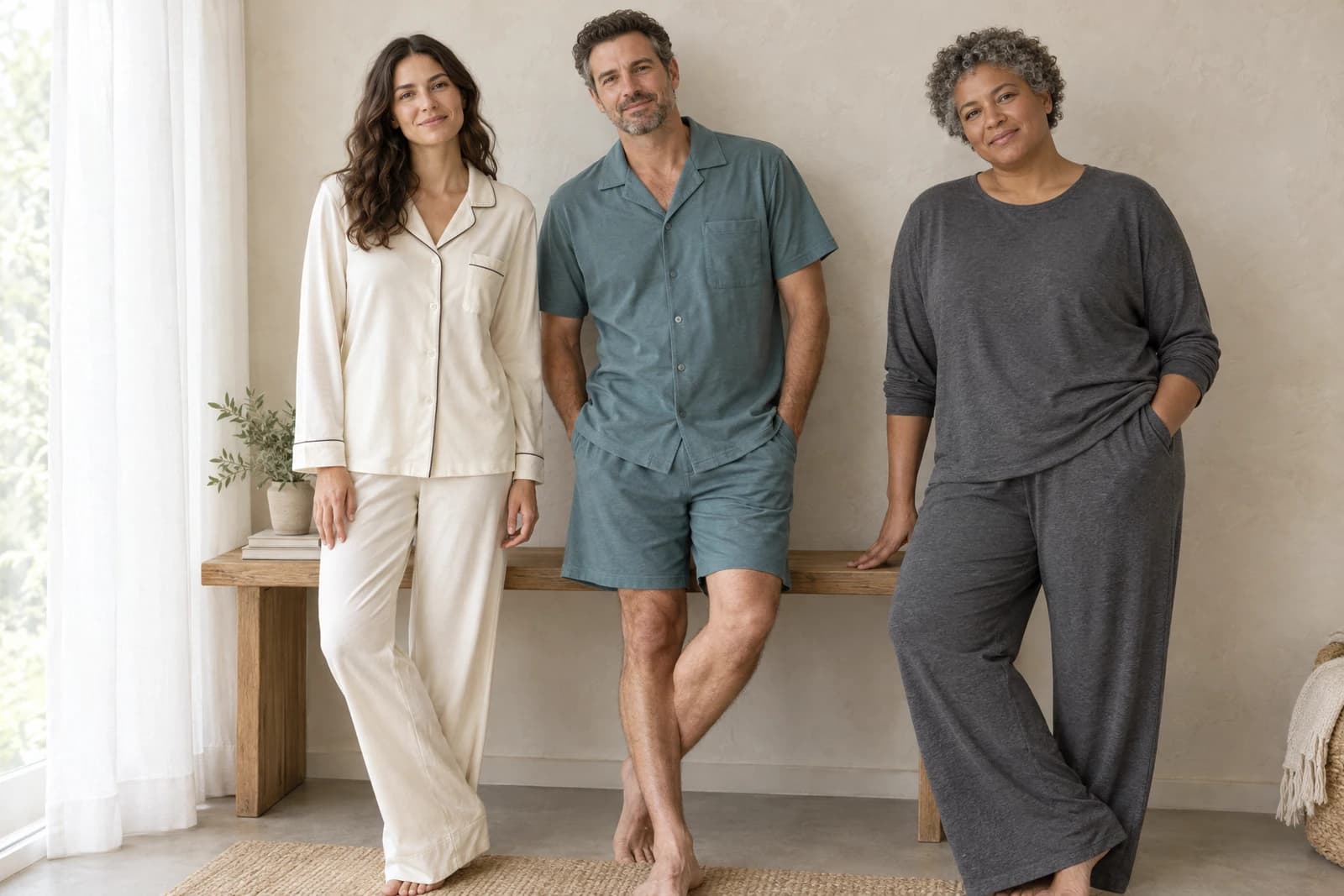
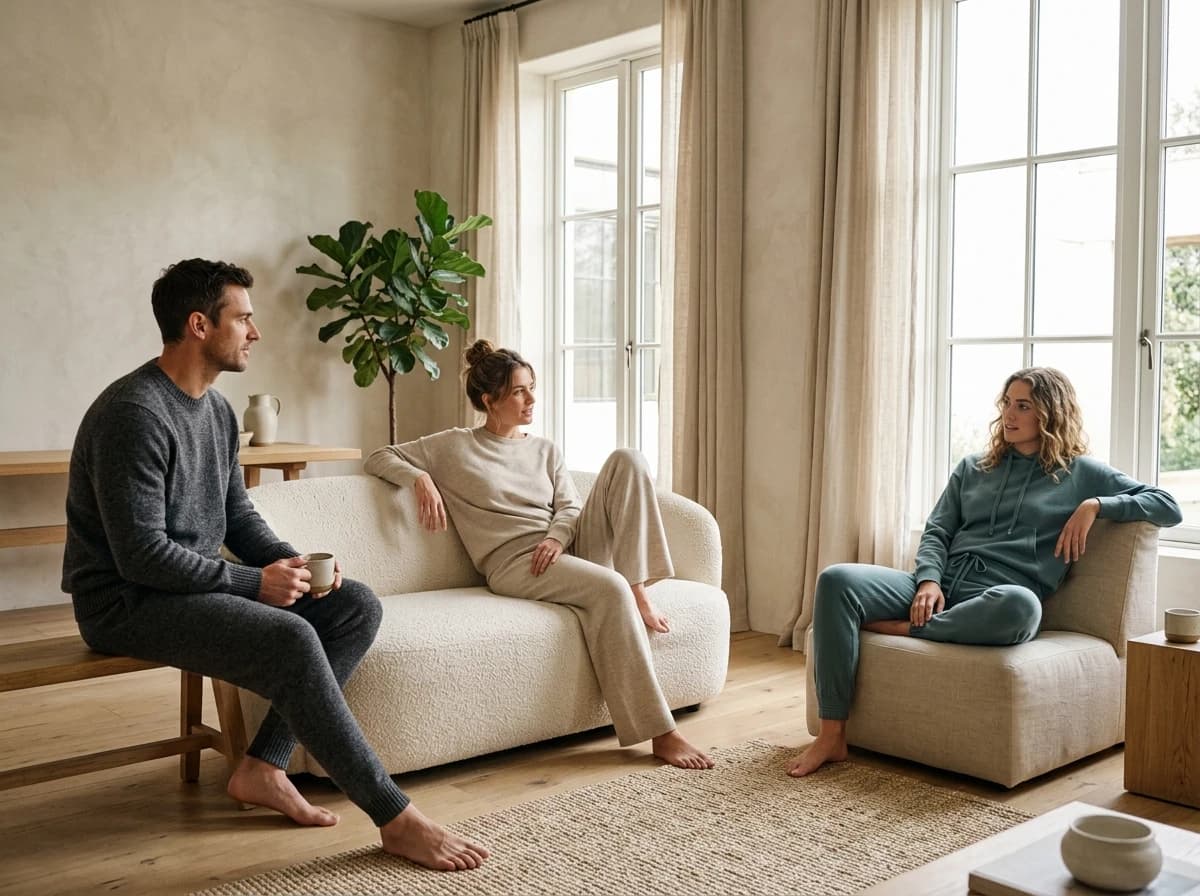
Loungewear has grown into a category of its own, sitting between sleepwear and casual apparel. It uses similar fabrics with a more considered fit, and it frequently sells as a coordinated set rather than as separates.
Product types
Representative products we manufacture in this category. Anything not listed can still be assessed on technical review.
Coordinated loungewear sets in jersey or terry.
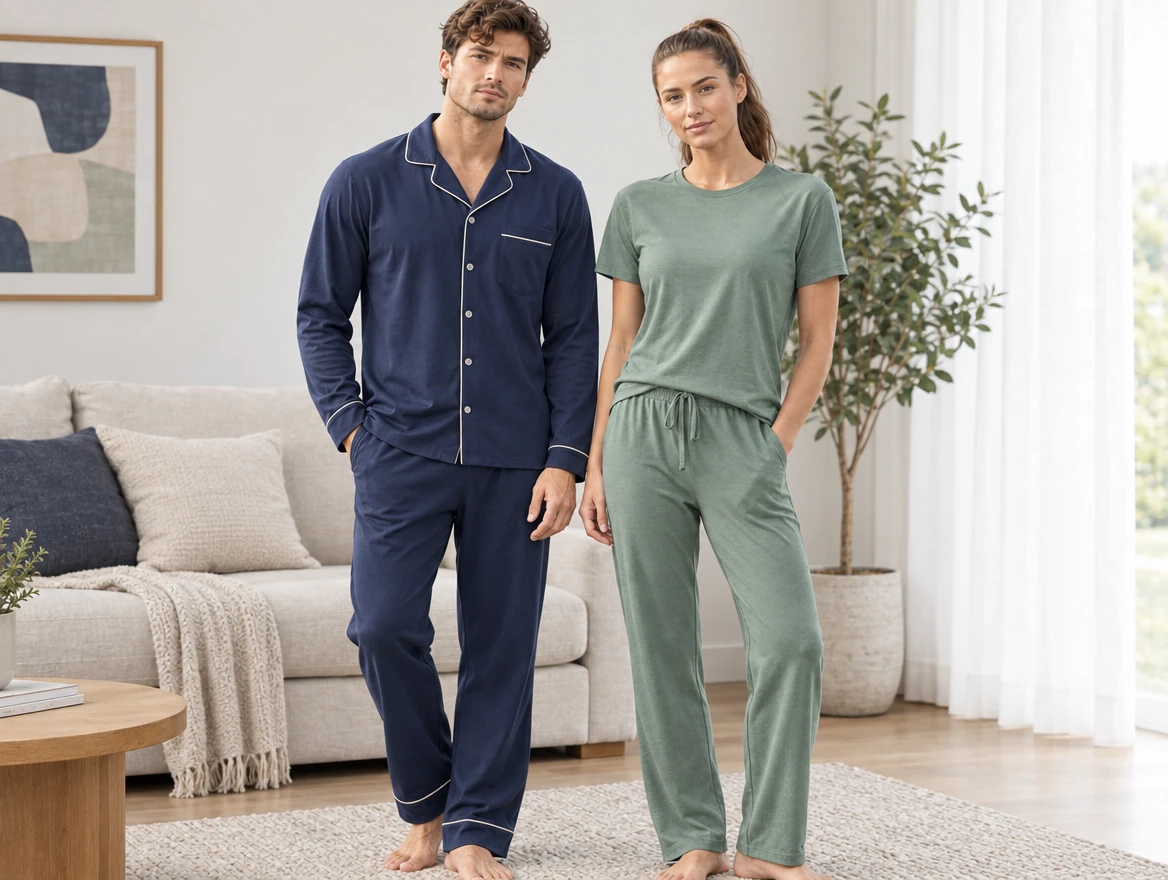
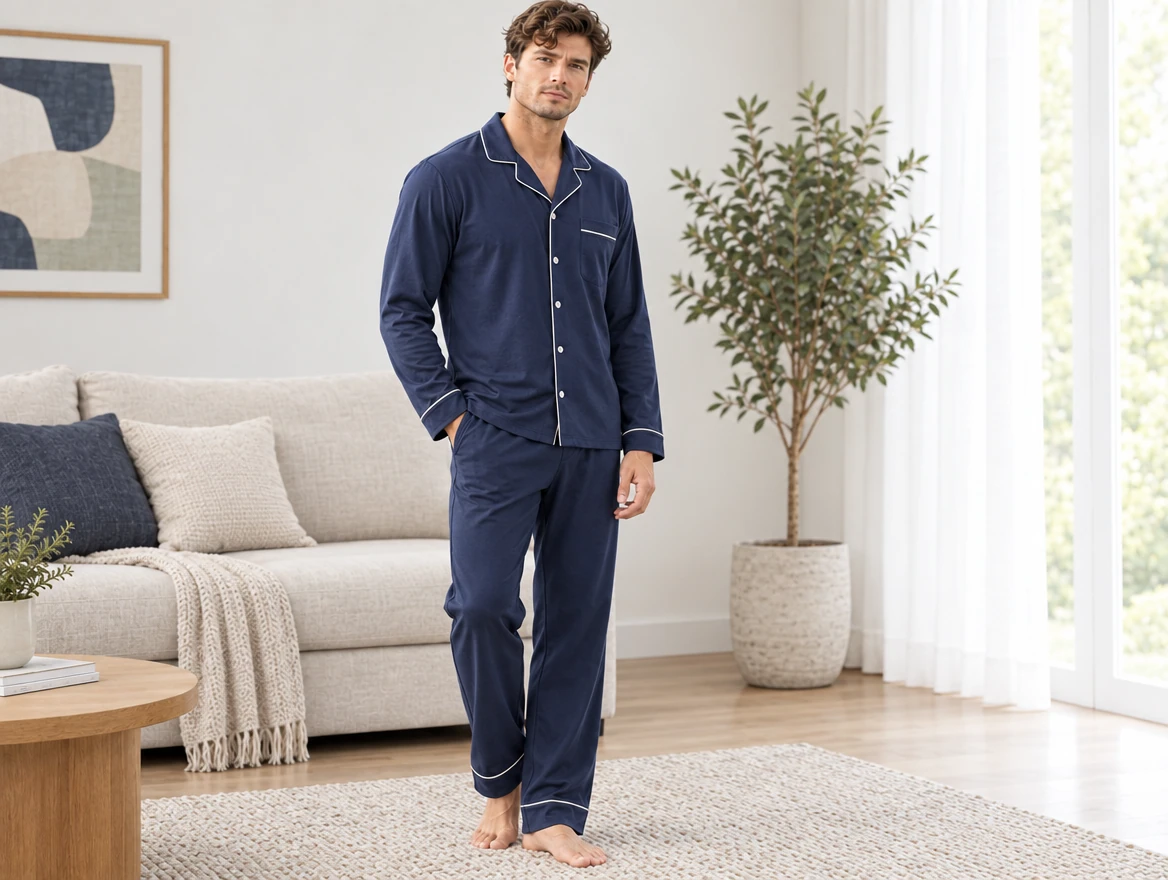
Woven or knitted sets with piping, contrast trims and pocket options.
Terry or woven robes with belt, loops and pocket construction.
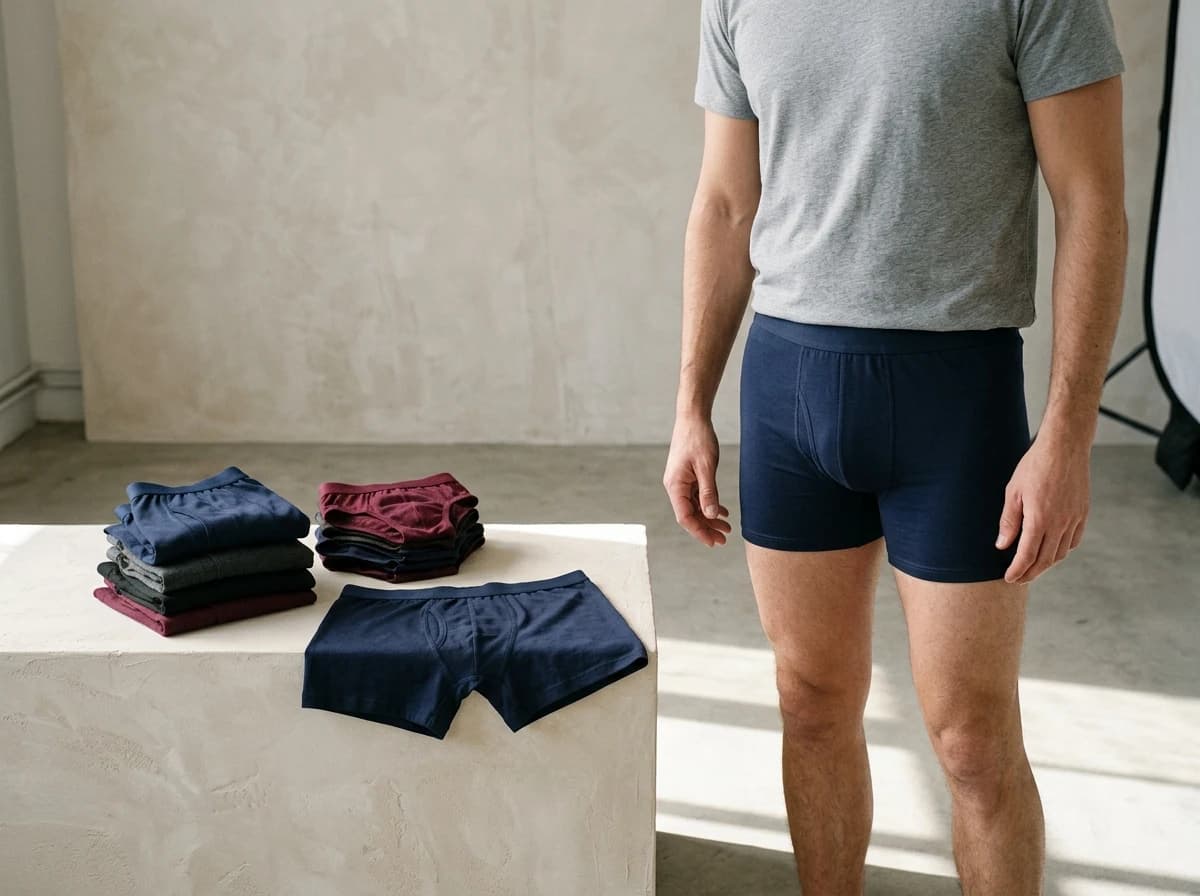
Knitted underwear with elastic or covered waistbands.
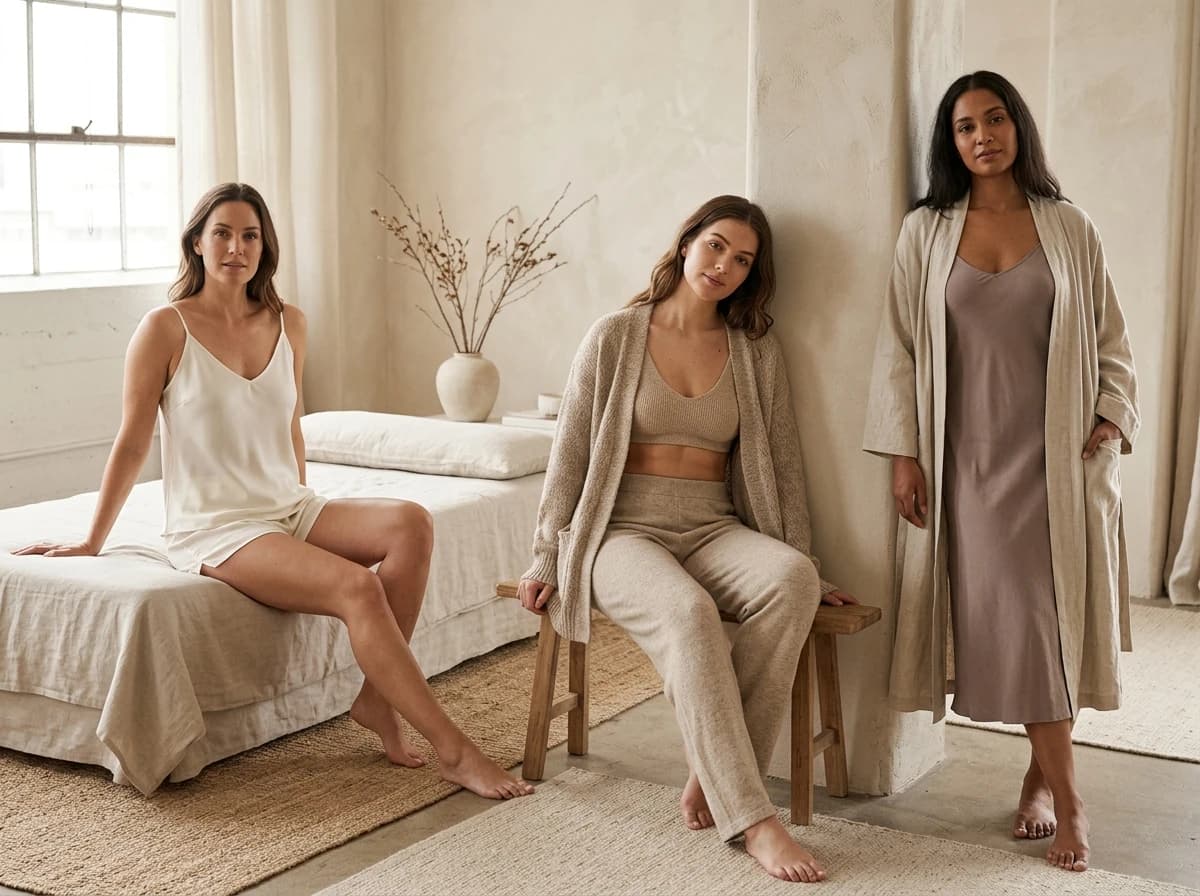
Lightweight next to skin layers with bound or bias finishing.
Relaxed bottoms in terry, jersey or brushed woven fabric.
Specification
Weight ranges are typical for this category. The finished weight of your fabric is confirmed on the approved sample rather than guaranteed to a figure.
Ranges are typical. The exact specification is confirmed on your approved sample before production.
Component-level guidance for underwear, sleepwear and loungewear. Any ranges are indicative sourcing references, not guaranteed order specifications. Different components can need different fabrics, weights and units; the selected materials, construction and finished measurements are confirmed on the approved sample.
| Component | Weight, unit or setting | Construction choices | Check on the sample |
|---|---|---|---|
| Lightweight jerseyIndustry guidance | 120 to 160 gsm typical range. | Flatlock and bound seams. | Shrinkage. |
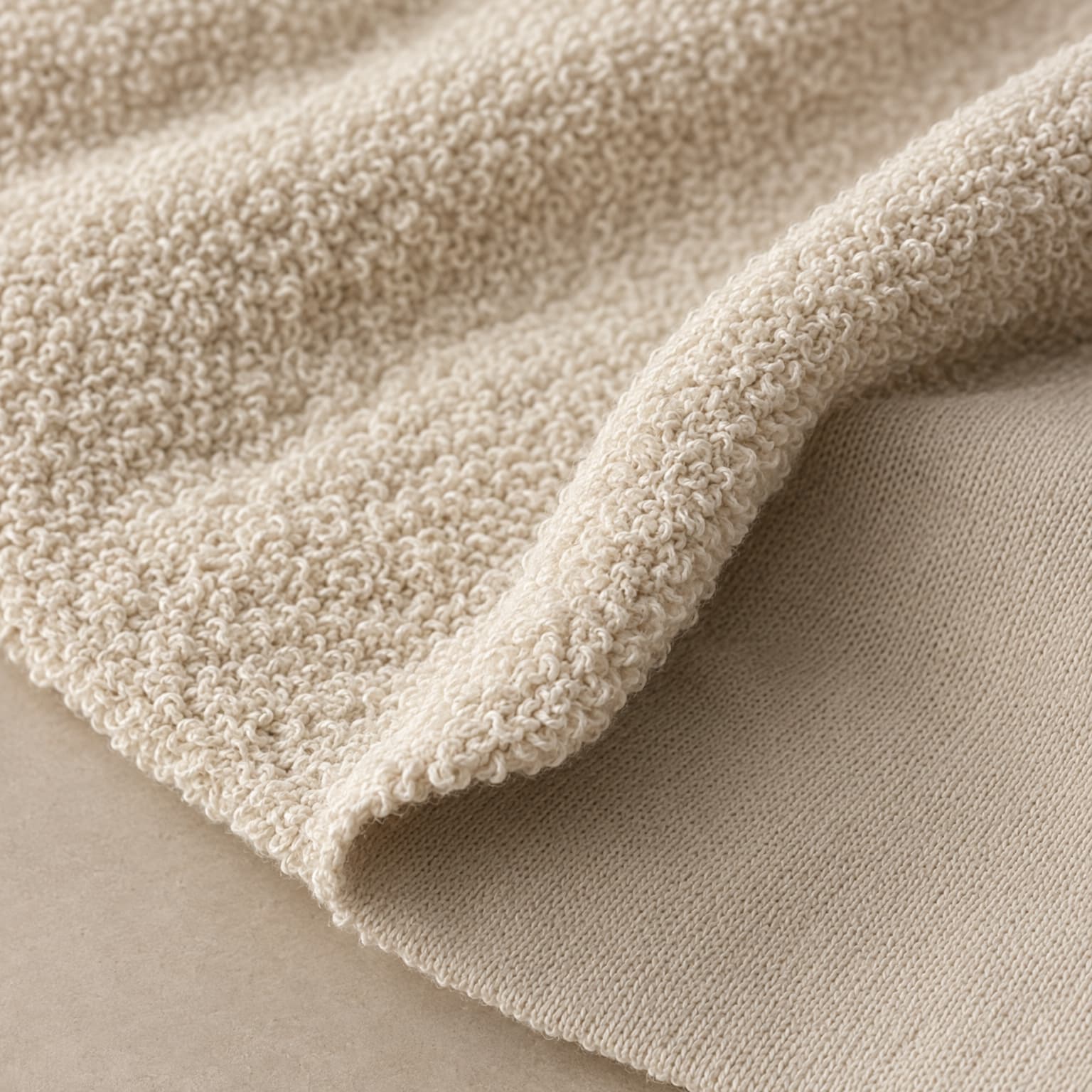
| Loungewear terryIndustry guidance | 240 to 320 gsm typical range. | Covered elastic waists. | Pilling. |
| Woven pyjama fabricIndustry guidance | 100 to 150 gsm typical range. | Piping and plackets. | Placket strength. |
Decoration
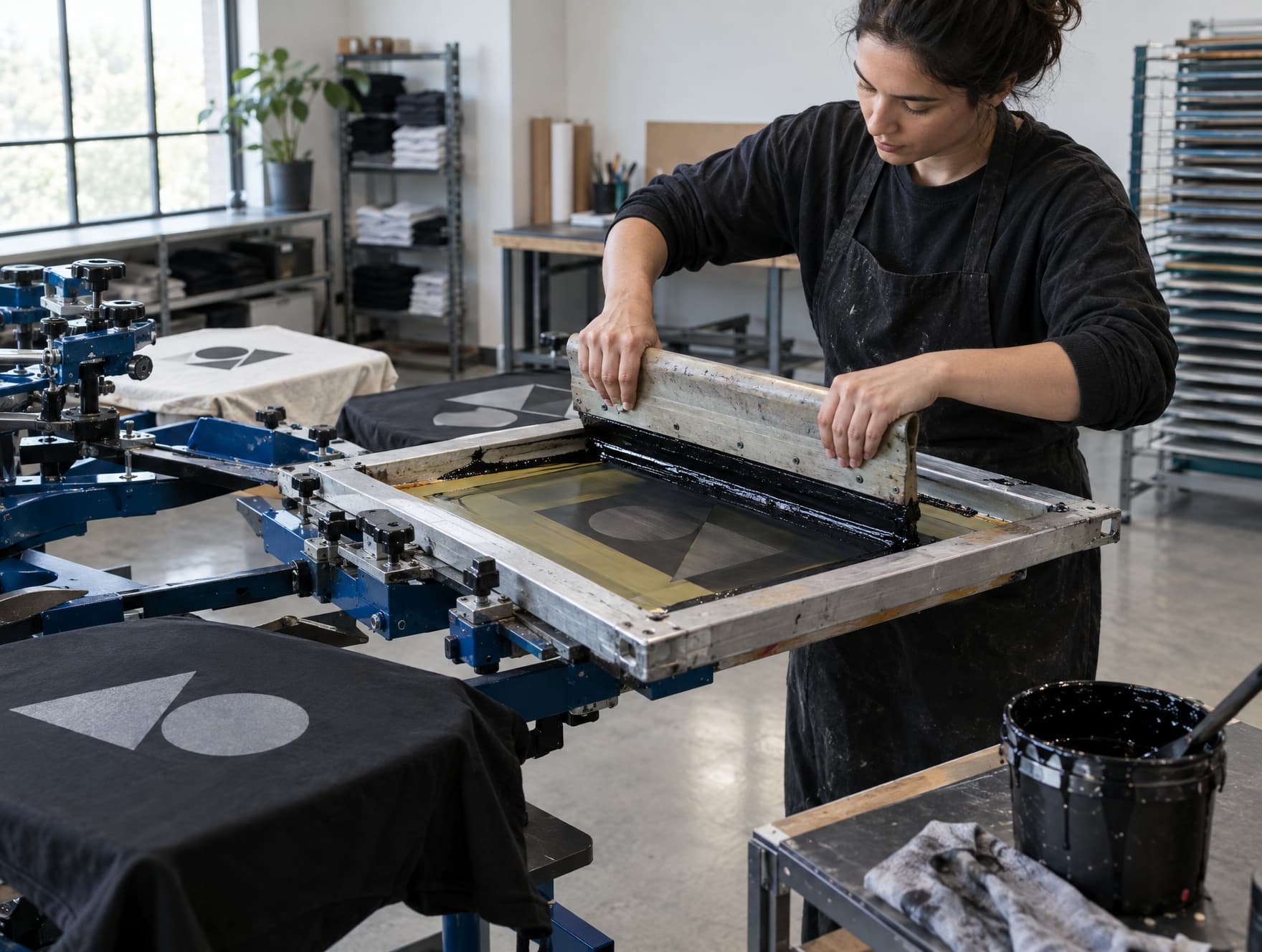
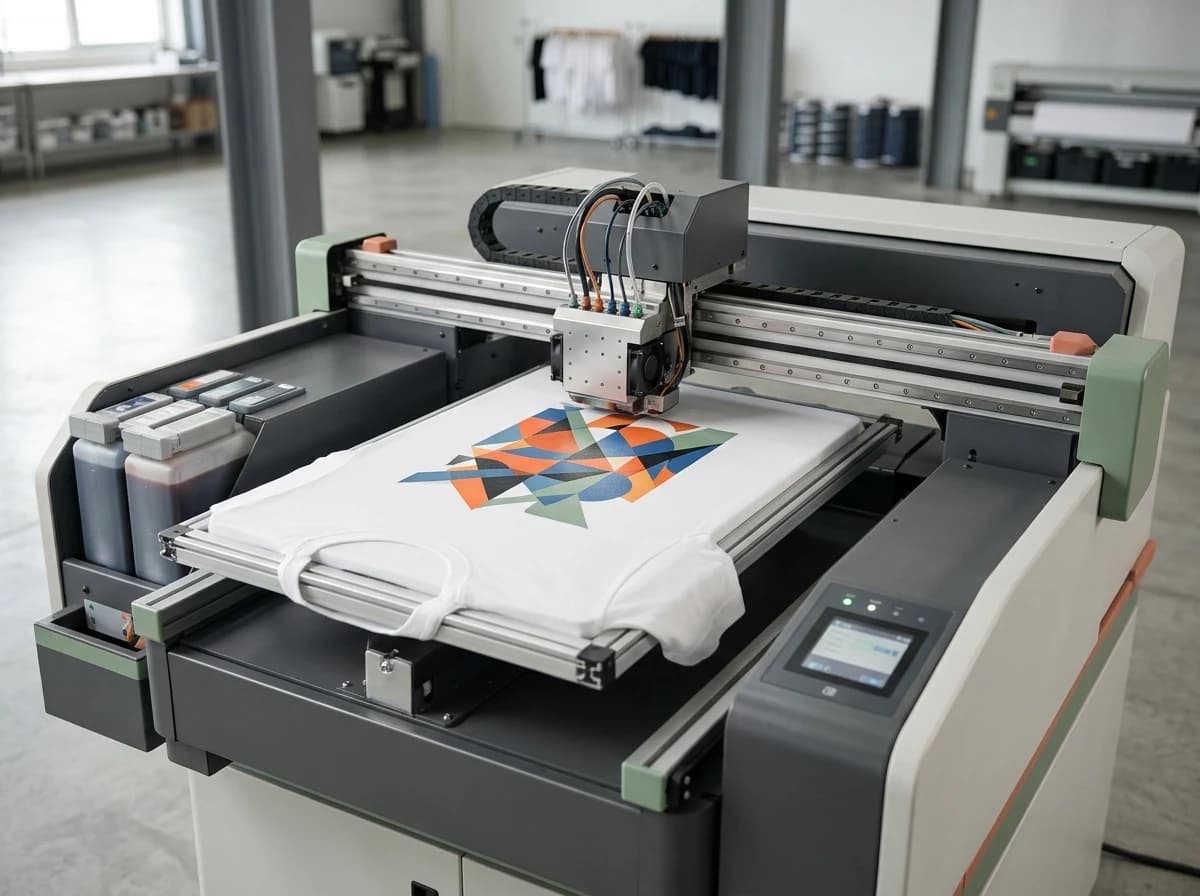
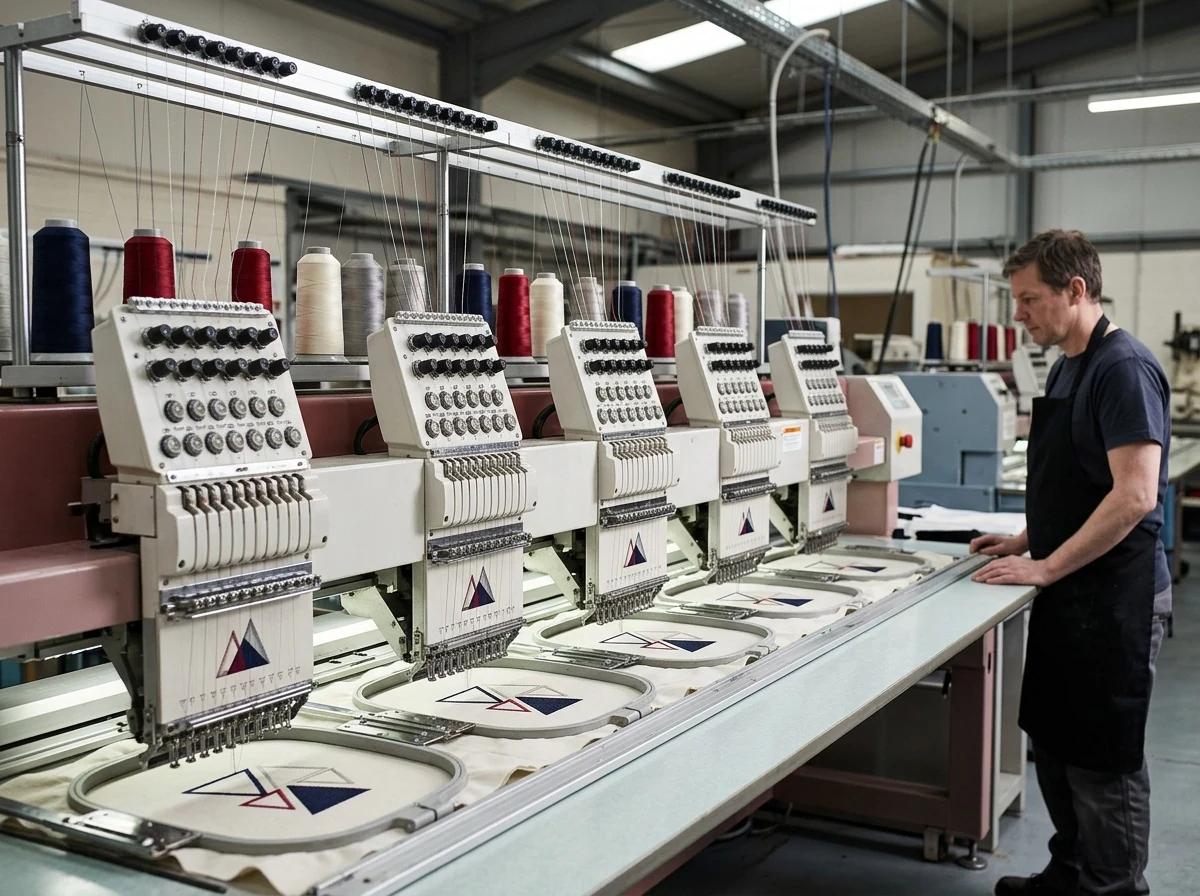
Decoration is matched to the fabric and the artwork rather than applied by default. Each method links to its own page with limits stated.
Which method suits each placement on underwear, sleepwear and loungewear, its trade-offs and what to approve before bulk. Compatibility is checked against the actual fabric, stretch, coating and heat tolerance; approval on one component does not establish suitability on another.
Materials
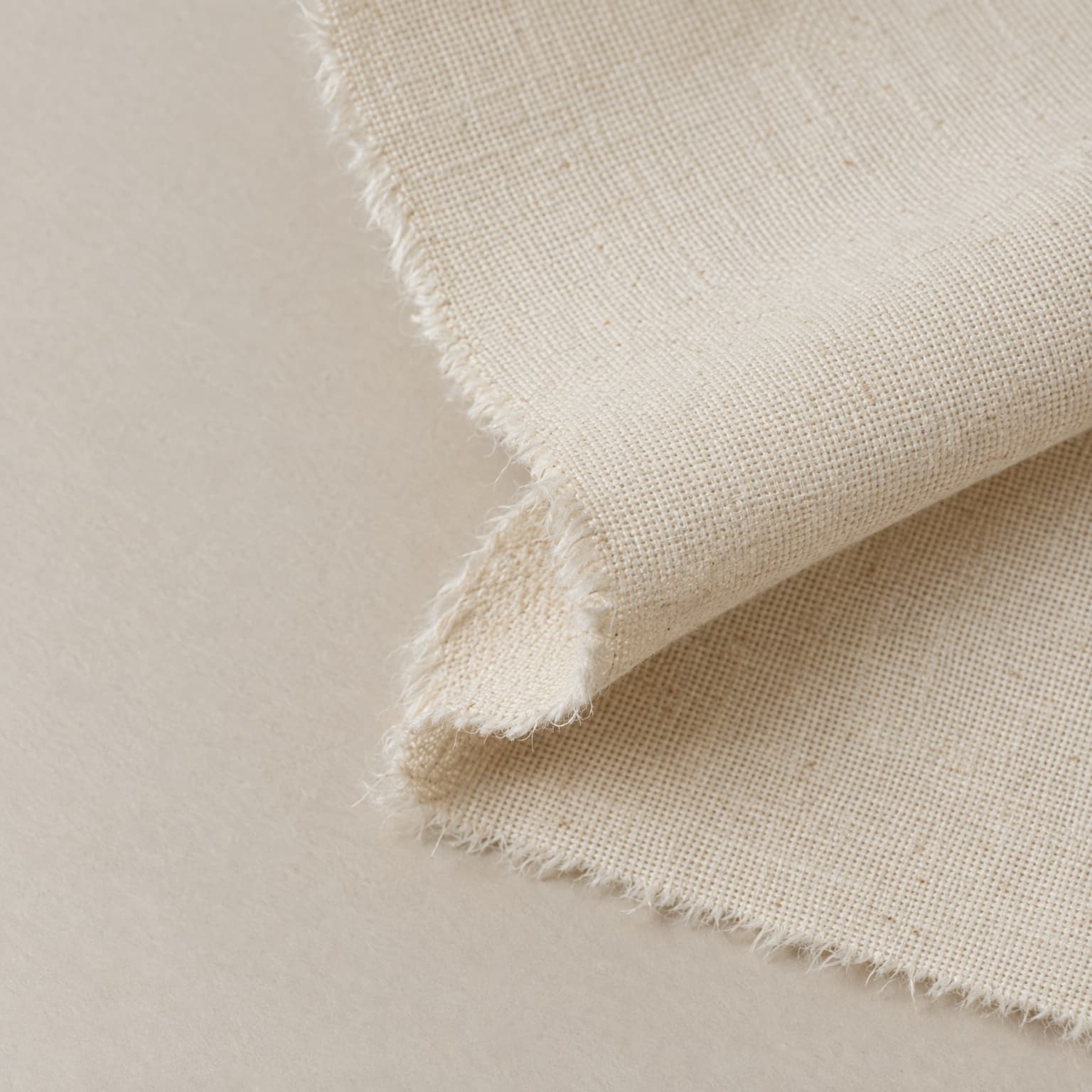
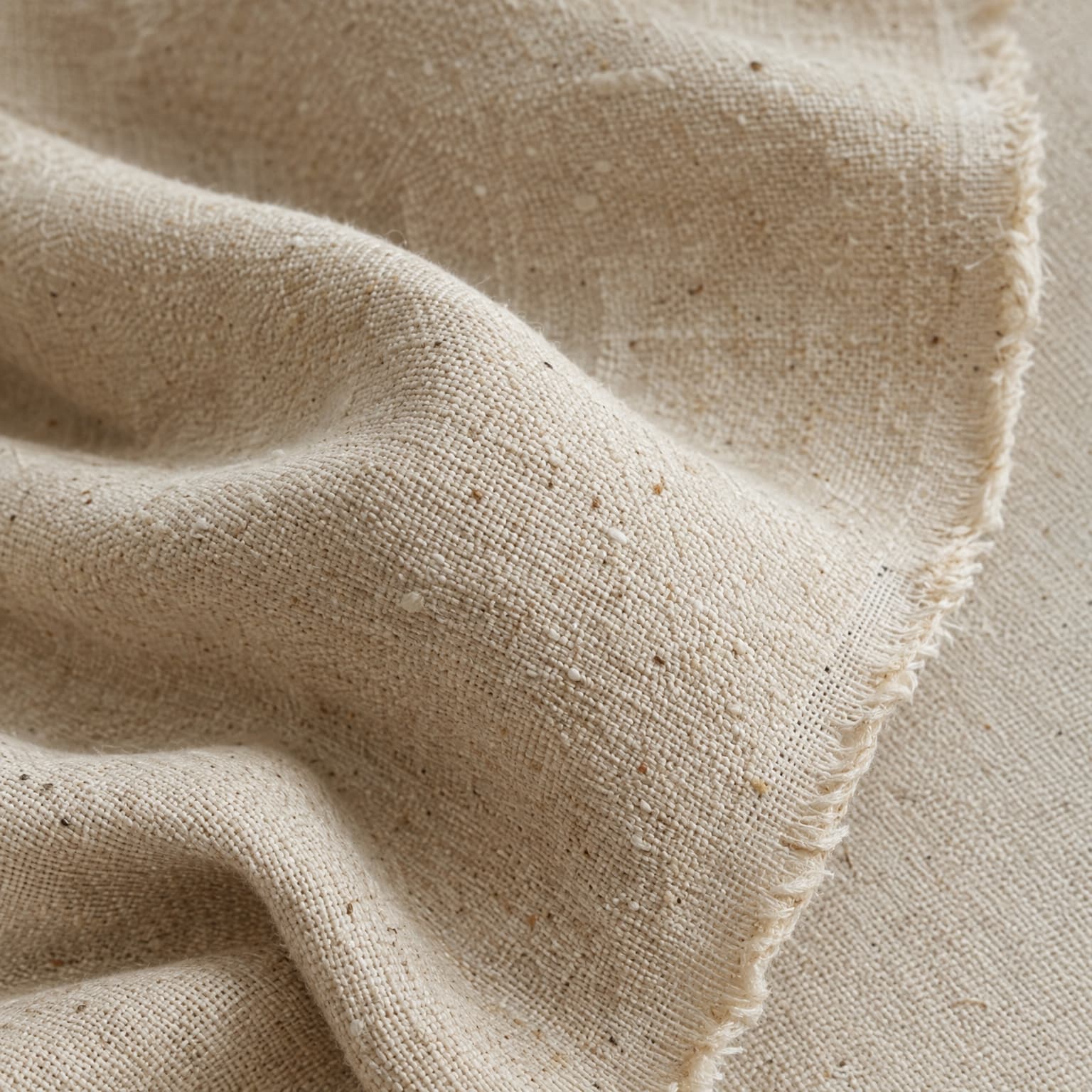
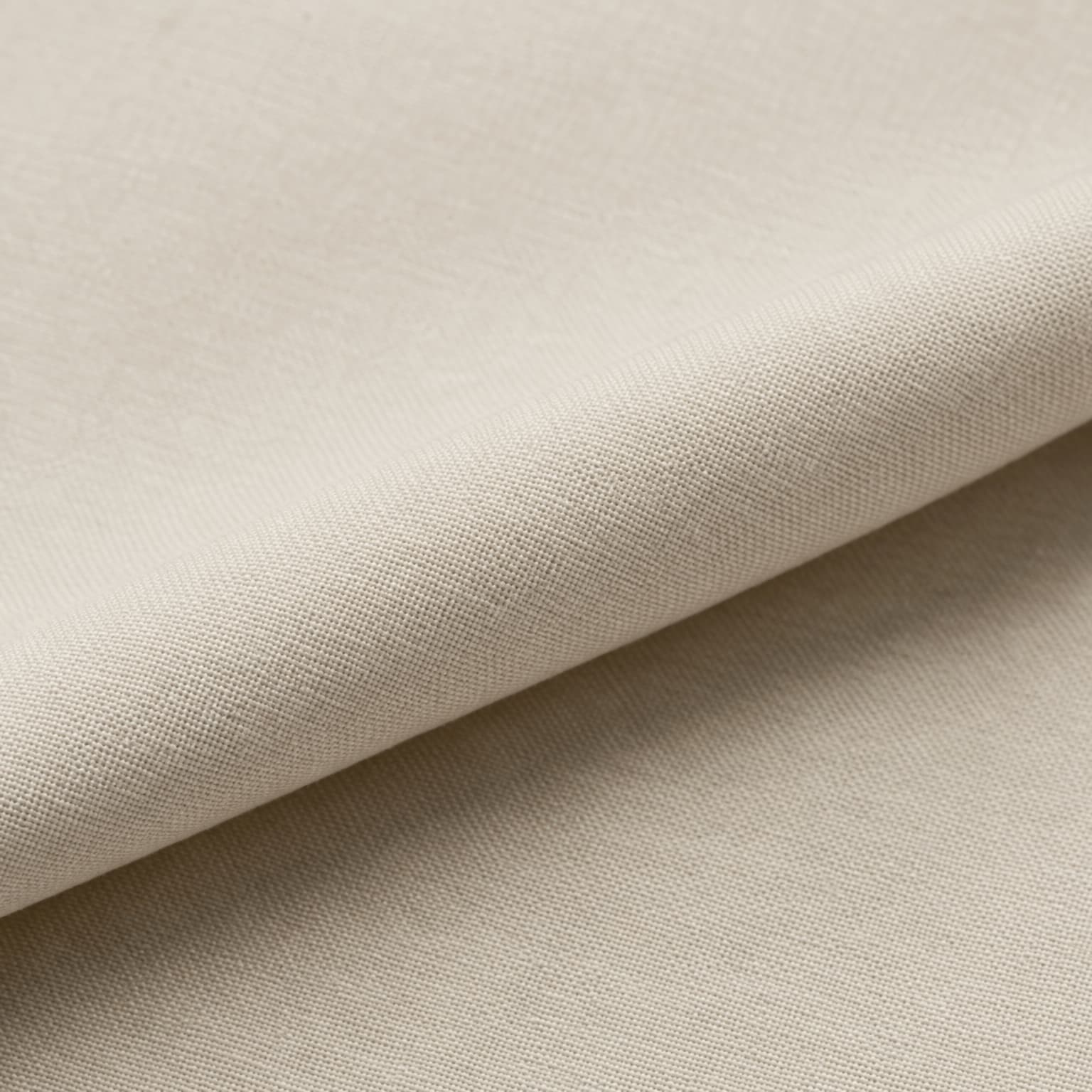
Composition, weight guidance and decoration compatibility for each fabric are on its own page.
What each part of underwear, sleepwear and loungewear is usually made from, why, where it falls short and what to check. This is industry guidance, not a TextileWays specification: the fabric and components for your order are confirmed on technical review.
Ordering
Neither figure is published as a universal number, because neither one is true across every specification.
MOQ depends on material availability, colour count, construction, decoration and packaging. Sets carry an effective minimum per component, so a two piece set at 50 sets requires 50 of each piece in each size.
Fabric handfeel is approved on a physical swatch before sampling, because it is the deciding attribute in this category and cannot be assessed from a specification sheet.
Detailed product guidance
Materials, manufacturing routes and buying considerationsNext to skin garments are judged by touch. Fabric handfeel, seam construction and the choice between a stitched and a printed label decide whether a customer keeps wearing the product or quietly stops.
We make pyjama sets, tee and short sets, robes and lounge trousers in soft cotton and blended knits, with fit and wash behaviour approved on a sample.
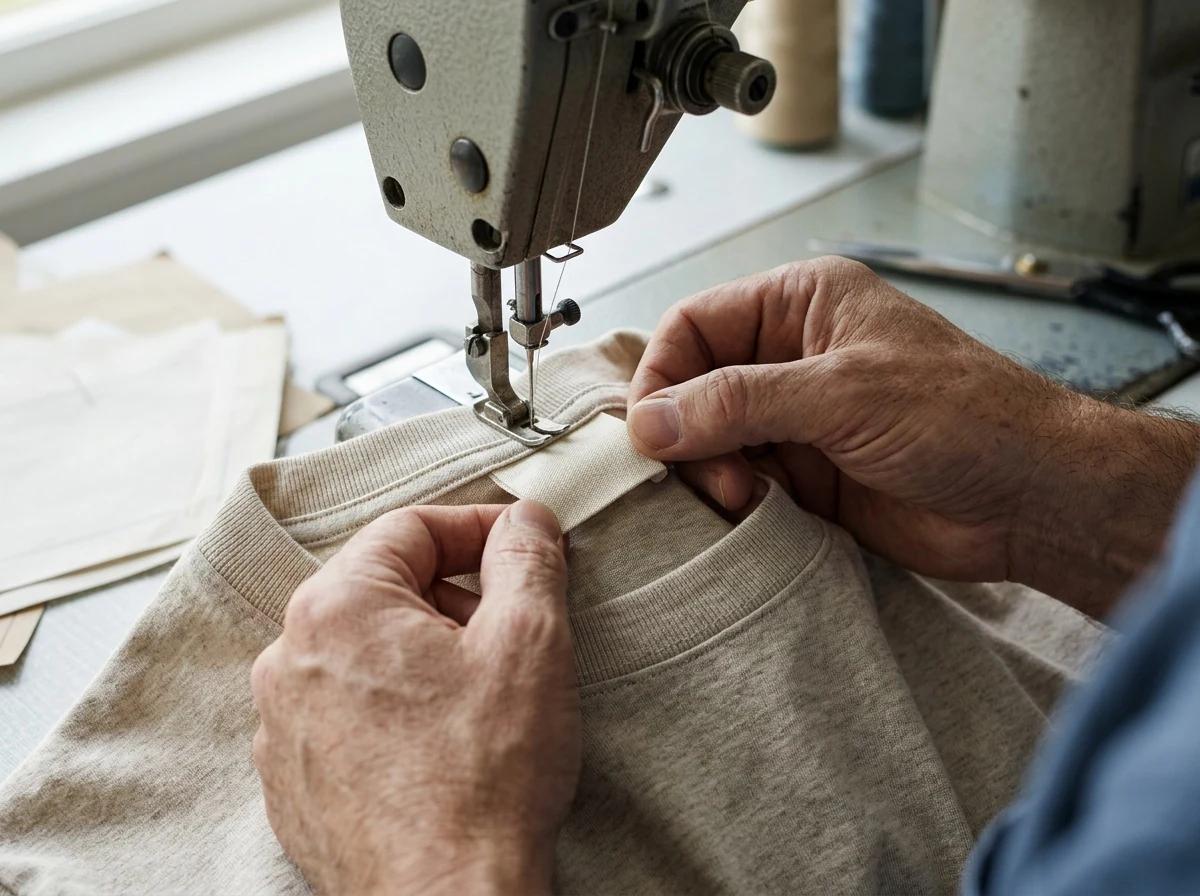
Underwear needs the right stretch recovery, waistband construction and seams that do not mark the skin. Flatlock and bound seams are used where a conventional overlock would be felt.
Because the product sits against the skin, handfeel and dimensional stability after washing matter more here than in almost any other category.
Soft cotton jersey and rib are the everyday choices, with modal or viscose blends for a smoother drape. Elastane adds recovery in waistbands and fitted styles.
Tagless labelling is standard in this category, and seam placement is chosen so nothing scratches.
Loungewear sits between sleepwear and casual apparel. It uses similar fabrics with a more considered fit, and often sells as a coordinated set rather than as separates.
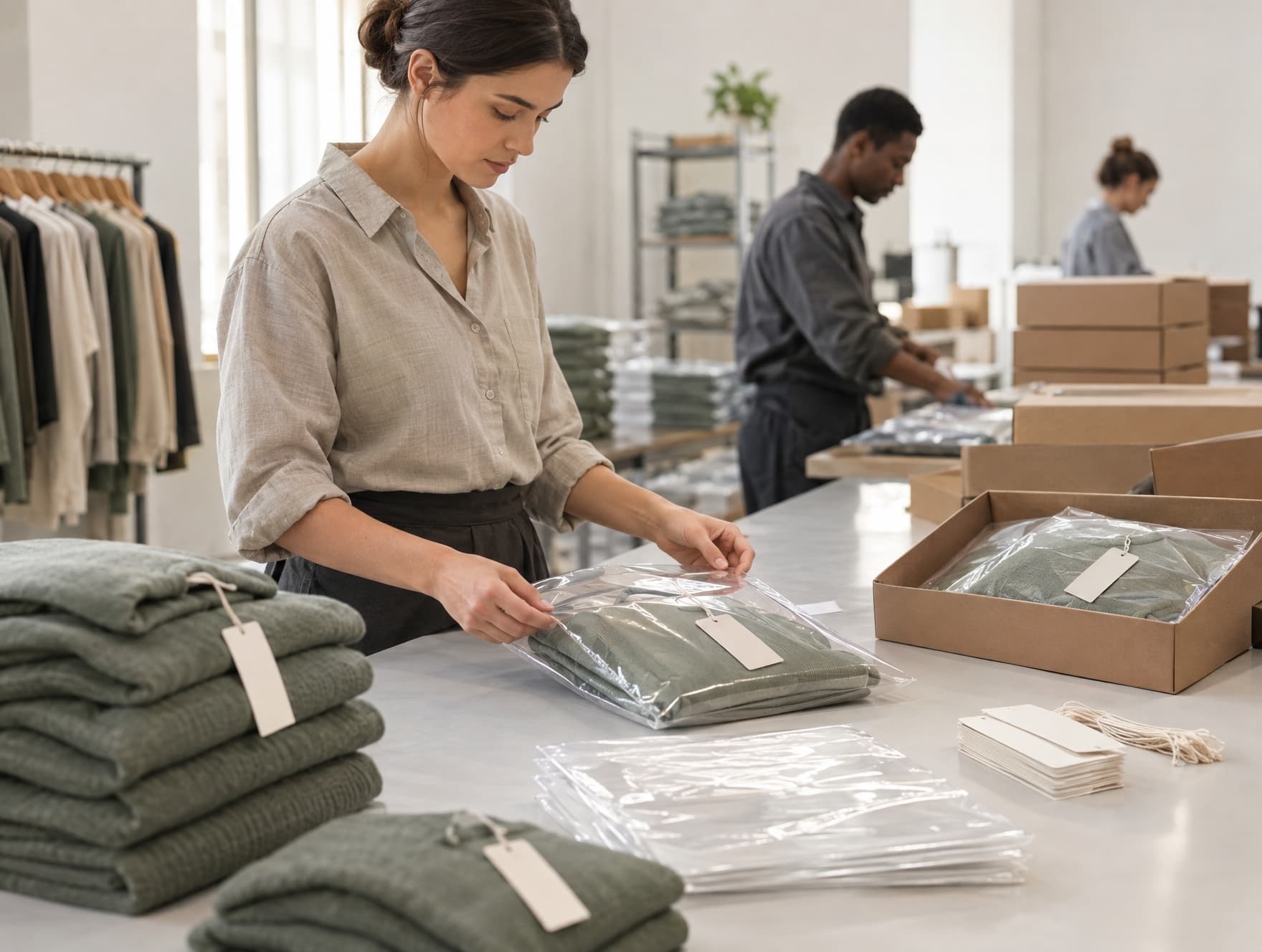
Your woven or printed labels, hangtags and packaging go on the finished product. Packaging for sets can be boxed, bagged or banded.
Take a developed sleepwear or lounge block and brand it with your fabric, colours and trims (ODM, often called white label) to reach market faster.
A first run of approximately 50 pieces per style is possible after technical review, which suits a brand testing a loungewear range.
Fit, handfeel and wash behaviour are approved on a sample before bulk production is released.
Underwear and sleepwear sizing differs between the USA, UK, EU and Australia, so we grade to the chart you supply.
Soft knit garments are made of many small details that customers feel more than see.
Waistbands and leg openings need enough recovery to hold, without marking the skin. Elastic width and covering are specified on the sample.
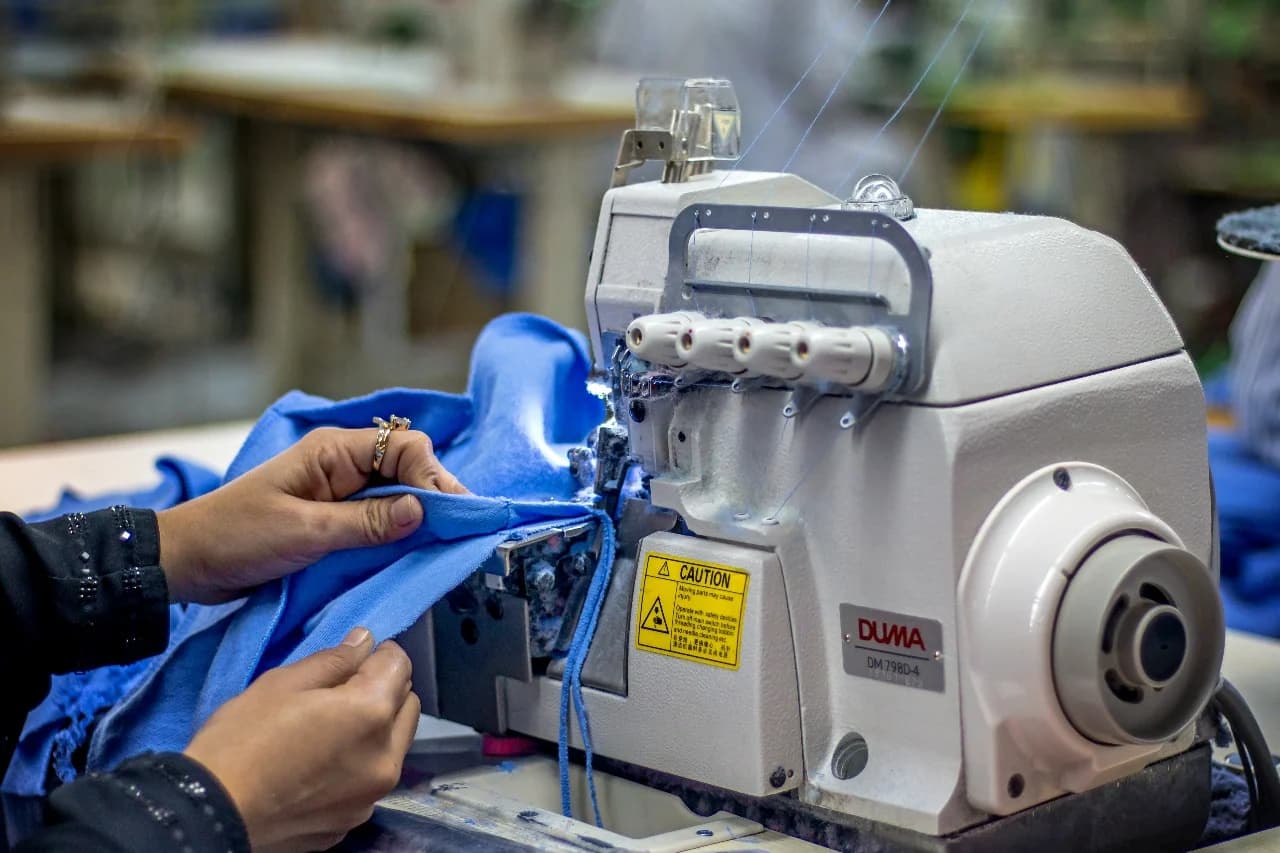
Flatlock or bound seams, tagless labels and careful stitching keep the garment comfortable against the skin.
Sets and robes are coordinated in fabric, colour and trim so they sell as complete products.
Loungewear and sleepwear have grown into categories that sell on feel, look and sets.
Soft cotton jersey, rib and modal blends feel different and wash differently. We help you choose by handfeel, season and price point.
Sleepwear and underwear are often sold in sets or as gifts, so packaging can be boxed, bagged or banded to suit.
Questions
Answers relevant to this product family. The full list covers ordering, sampling, materials, decoration, compliance and logistics.
Minimum order quantity depends on material availability, colour count, construction, decoration and packaging. Projects can begin from approximately 50 pieces per style following technical review. Where a fabric has to be knitted or dyed specifically for a project, the practical minimum is set by the mill rather than by us, and we tell you that before you commit.
Sampling normally runs in stages: a proto sample to confirm construction, a fit sample against your measurement chart, and a pre production sample that fixes fabric, colour, decoration, labelling and packaging. Each stage needs written approval before the next one starts. Sample charges and courier costs are quoted before work begins.
Yes. Private label production covers your main label, care and content labels, size labels, hangtags, barcodes and packaging. You supply the brand assets and the legally required care and fibre content information for your market, and we apply them to the approved specification.
Share your product details, target quantity and delivery requirements. We will confirm feasibility, materials and construction before quoting.
Contact our team