Three terms, two different questions
OEM and ODM answer one question: who owns the design? Private label answers another: whose brand is on the product? A garment can be OEM and private label at the same time, and so can an ODM product.
Keeping the two questions apart is the fastest way to write a brief that a factory can quote accurately.
OEM: you bring the design
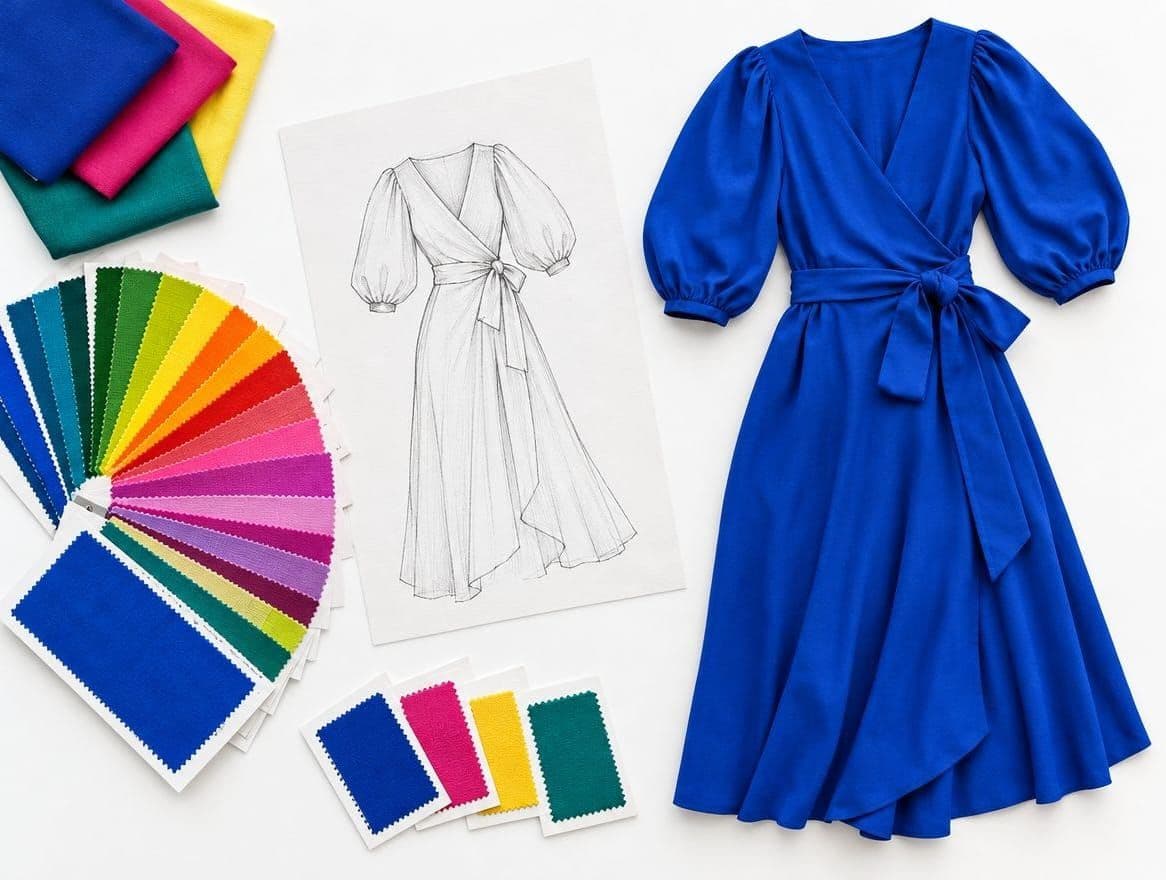
OEM stands for original equipment manufacturer. In apparel it means the factory makes a product to the buyer's design: a tech pack, a set of measurements and a specification for fabric, trims and finishing, or at minimum a reference garment.
The buyer carries the design work and the design risk, and keeps control of the product. The factory's job is to reproduce the specification faithfully and repeatably.
ODM: the factory brings the base product
ODM stands for original design manufacturer. The factory has already developed a product, meaning a block, a pattern and a construction. The buyer selects it, adapts the fabric, colour, trims and details, and sells it under their own brand.
This shortens development and reduces the specification work needed to start. The trade off is less differentiation, because the base is shared unless exclusivity is agreed.
White label: the everyday name for ODM
Buyers often say white label when they mean ODM: a product the factory has developed, sold under the buyer's own brand. The term is also used for generic ready made garments with no design input at all, so when you brief a manufacturer, say what you actually want to change (fabric, colour, trims, fit, labels) rather than relying on the term.
In practice, white label and private label overlap. White label describes where the product came from, a developed base. Private label describes whose brand it carries. A white label garment sold under your label is also private label.
Private label: it is about the brand
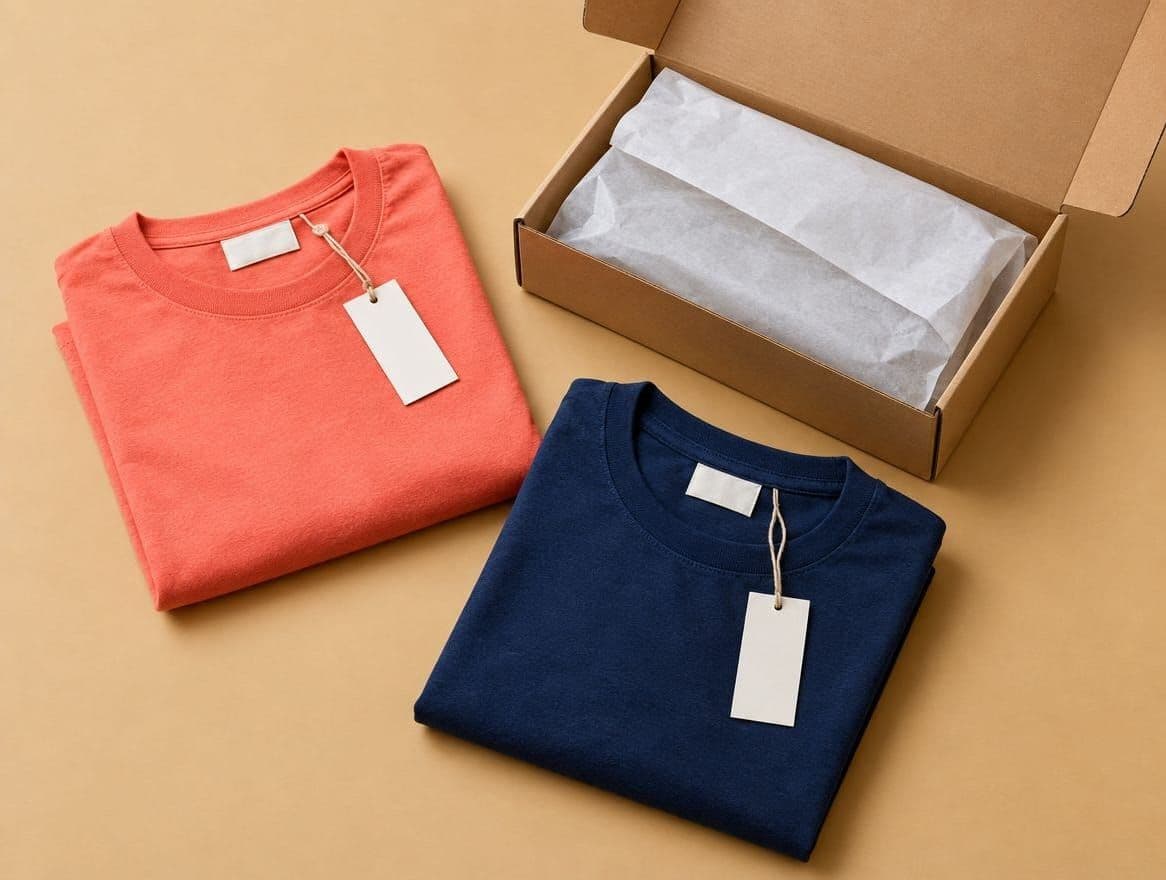
Private label means the product carries the buyer's brand: main label, care and content labels, size labels, hangtags, barcodes and packaging. It says nothing about who designed the garment. Most private label programmes are OEM, ODM or a mix of the two.
What each route means for control, speed and risk
- OEM: the most control and the most differentiation, but you carry the design work and must supply a complete specification.
- ODM: a faster start from a proven base, with less to specify, but a shared starting point unless exclusivity is agreed in writing.
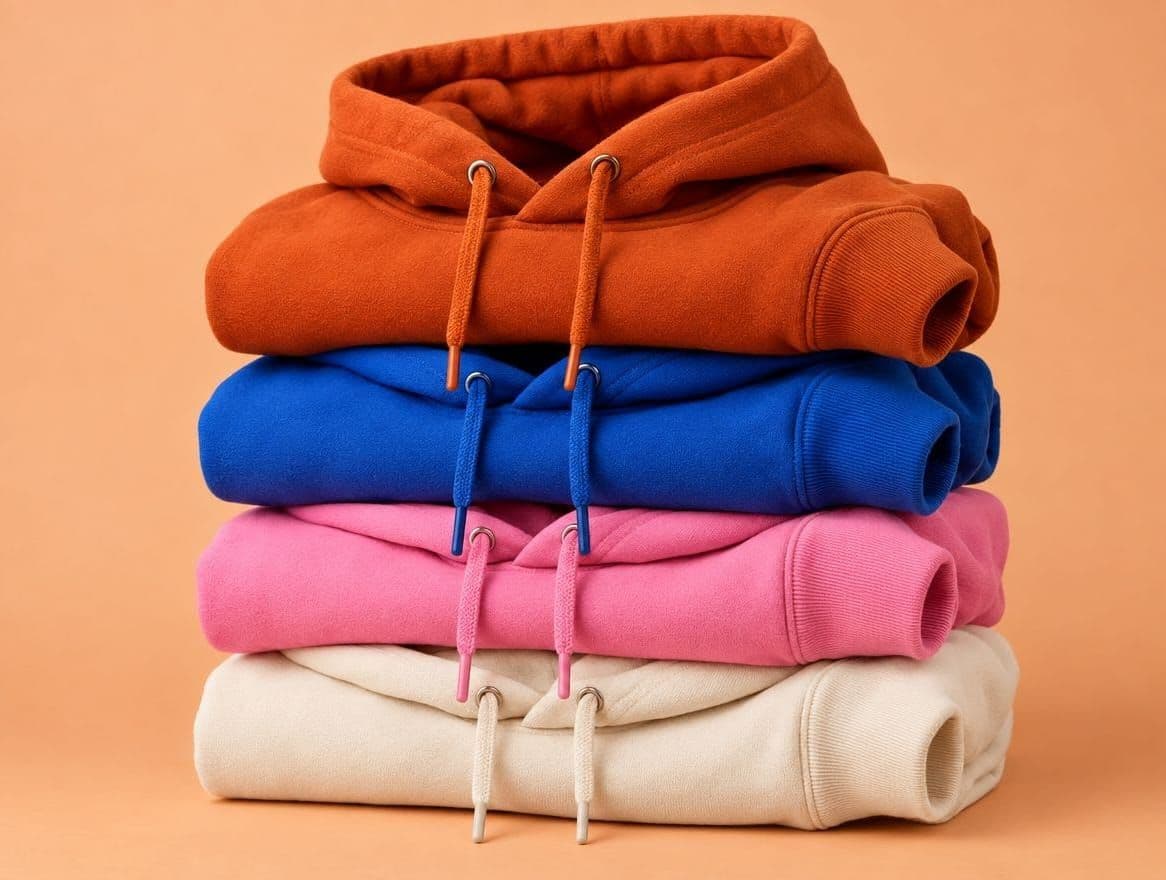
- Mixed: common in real ranges, for example your own hoodie pattern beside a factory developed t-shirt block.
How to choose
- You have a tech pack or a reference garment you want reproduced: OEM.
- You want to launch a range quickly with limited design resource: ODM, then adapt.
- You are testing a market at a low quantity: start from an ODM base and move towards OEM as the brand matures.
- You already have a manufacturer and want a second source: OEM, using the same tech pack.
What to agree in writing
The commercial risks in OEM and ODM sit in a few questions that are easy to settle before development and expensive to settle after:
- Who owns the design, and whether a developed product is exclusive to you
- Whether a non disclosure agreement covers your files before you share them
- Who pays for samples and courier, and when
- What is retained as the reference for reorders
- Which labels and packaging are yours
How TextileWays works on both routes
TextileWays works on OEM, ODM and mixed programmes, all through the same tech pack, sampling and approval stages. A non disclosure agreement can be signed before you share a specification, and we recommend it for original product development.