Why the country matters less than the product
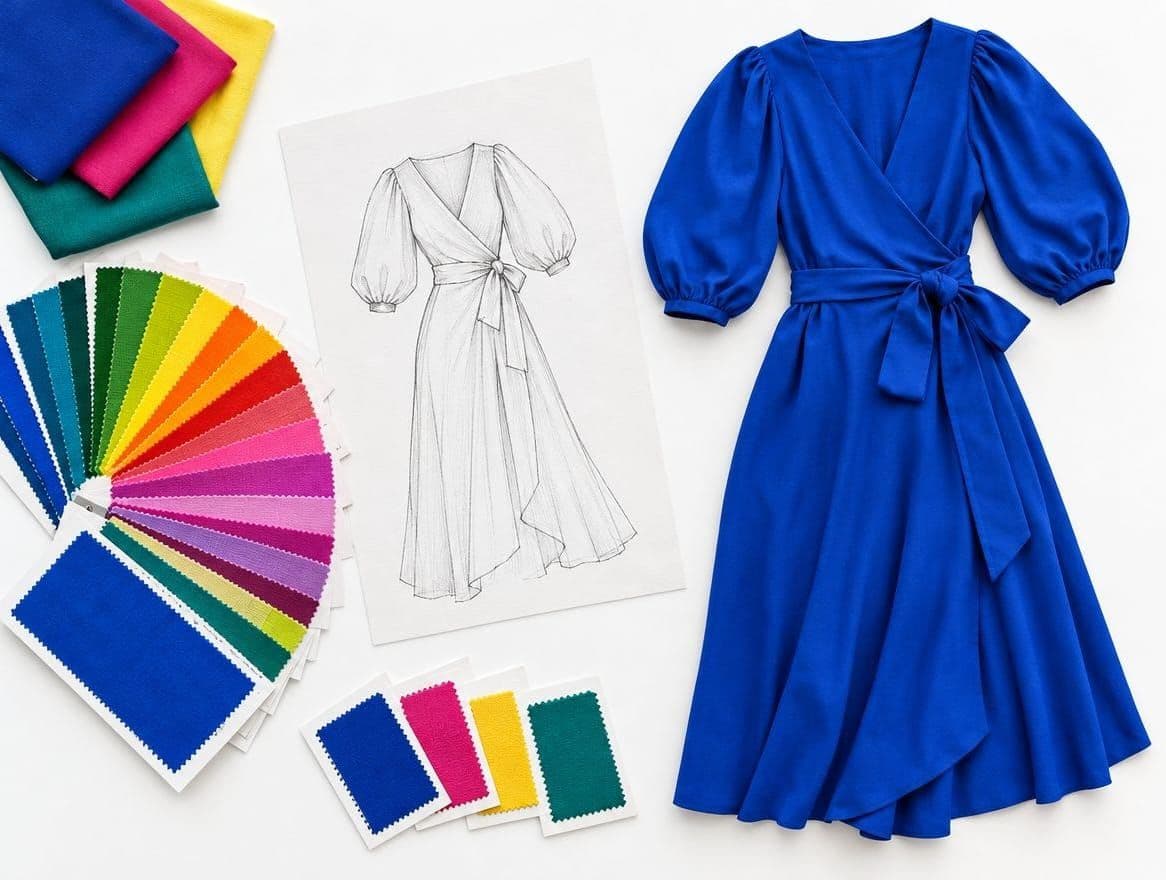
Buyers often start by asking which country is cheapest or best. A more useful question is which country has a strong supply chain for the specific garment. Fabric, trims, dyeing, washing and decoration all sit close to the factory, and a garment made where that chain is strong is easier to source, sample and reorder.
That is why the same brand can reasonably buy knitwear from one country and technical outerwear from another.
Pakistan: cotton depth and mid scale programmes
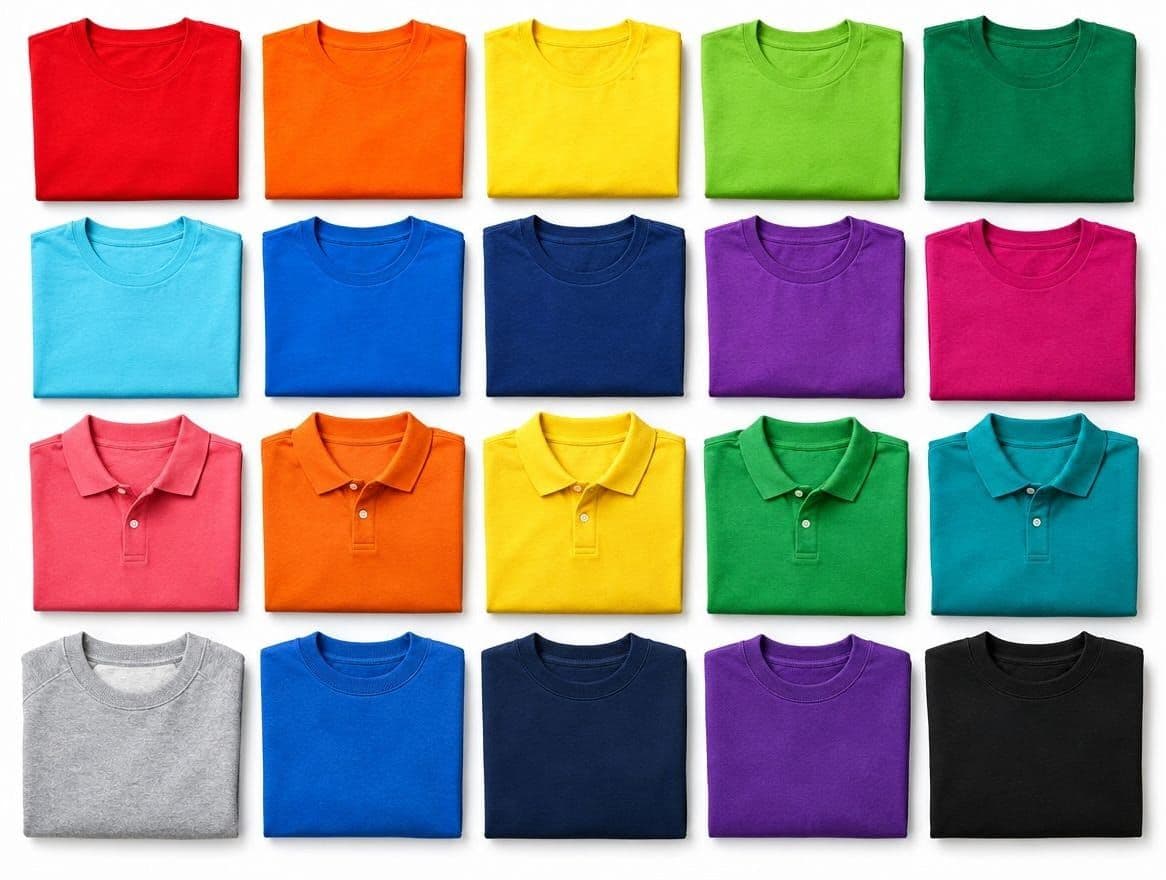
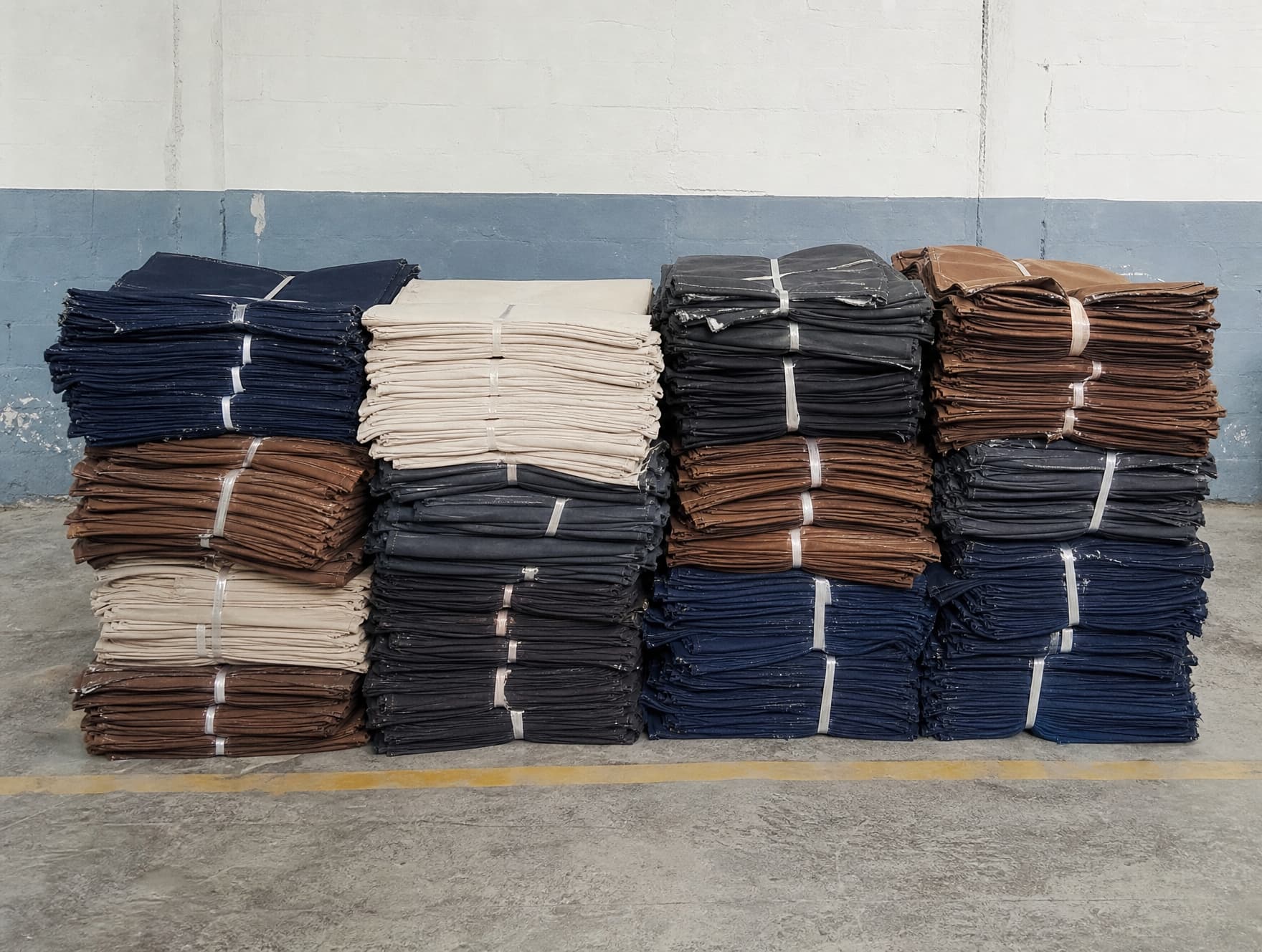
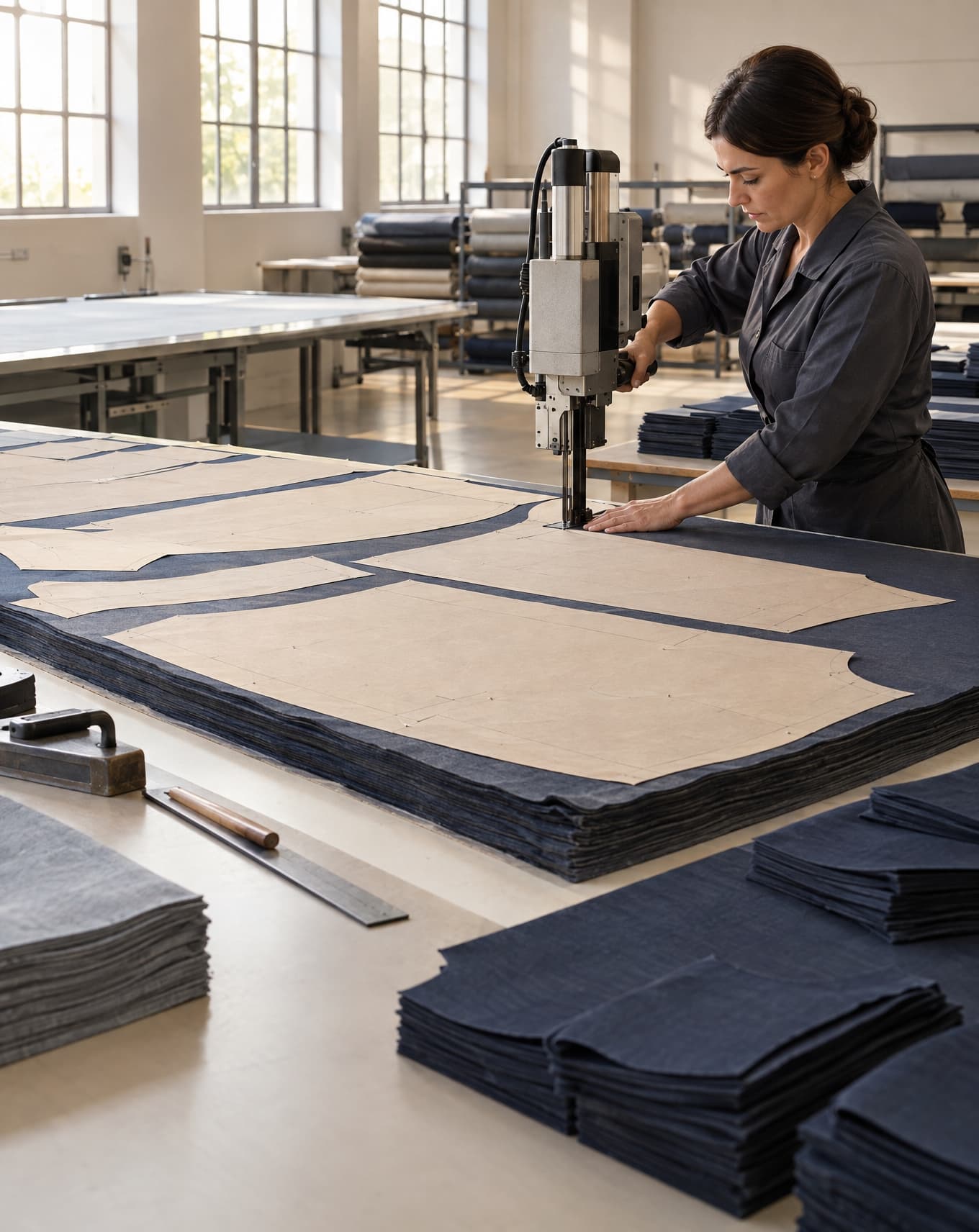
Pakistan grows cotton and has spinning, knitting, weaving, dyeing and stitching in one country. That integration suits cotton knitwear such as t-shirts, polos, hoodies and sweatshirts, as well as denim, activewear and teamwear. Factories range from small sampling operations to large export programmes, so quantities from a few dozen pieces to very large programmes can be placed.
For buyers in the United Kingdom and the European Union, Pakistan has preferential access schemes that can lower duty on many garments. The terms depend on the product, its origin rules and the current scheme, so check the rule that applies on the date you ship.
China: breadth of fabrics and technical products
China has the widest fabric and trim base, and strong capability in technical garments, complex construction and fast fabric development. Buyers often choose it for outerwear, performance fabrics and products that need many specialised components. Minimums and lead times vary widely, and trade terms for some destinations have changed in recent years, so confirm current duty before you commit.
India: cotton, weaving and embellishment
India has a large domestic cotton and weaving industry and a strong tradition in embellishment, embroidery and printed textiles. It suits woven cotton products, fashion with surface detail and home textiles. As with every country, individual factories differ in capacity and minimums more than the national average suggests.
Bangladesh: high volume basic knitwear
Bangladesh is known for very large volumes of basic knitwear, which suits programmes with simple, repeated styles and high quantities. Buyers with complex or frequently changing styles, or with smaller orders, often find other countries more flexible. Preferential trade terms for Bangladesh are changing as its trade status evolves, so check the current position for your destination.
How to compare on the factors that matter
Instead of ranking countries, compare suppliers on the same checklist. Ask each one for a quote on the same specification, and compare the answers.
- Minimum order quantity per style and what drives it.
- Sampling process, sample cost and number of sample rounds.
- Fabric availability for your construction and weight.
- Lead time from approved sample to shipment, and what changes it.
- Duty and trade terms for your destination on the date you ship.
- Certificates with numbers you can check with the issuing body.
- Communication: who your contact is and how clearly they answer.
When Pakistan may not be the right fit
Highly technical outerwear, products that depend on specialised components found in another region, or styles that need a very large trim library may be easier to source elsewhere. A good supplier tells you this at the quoting stage rather than after the sample.
How to test any country before you commit
Whatever country you choose, reduce risk the same way. Share a clear brief, ask for a sample against a written specification, check any certificate with its issuer, and place a small first run before scaling. A manufacturer that handles a small order carefully is a good sign for the larger ones that follow.