Shirts
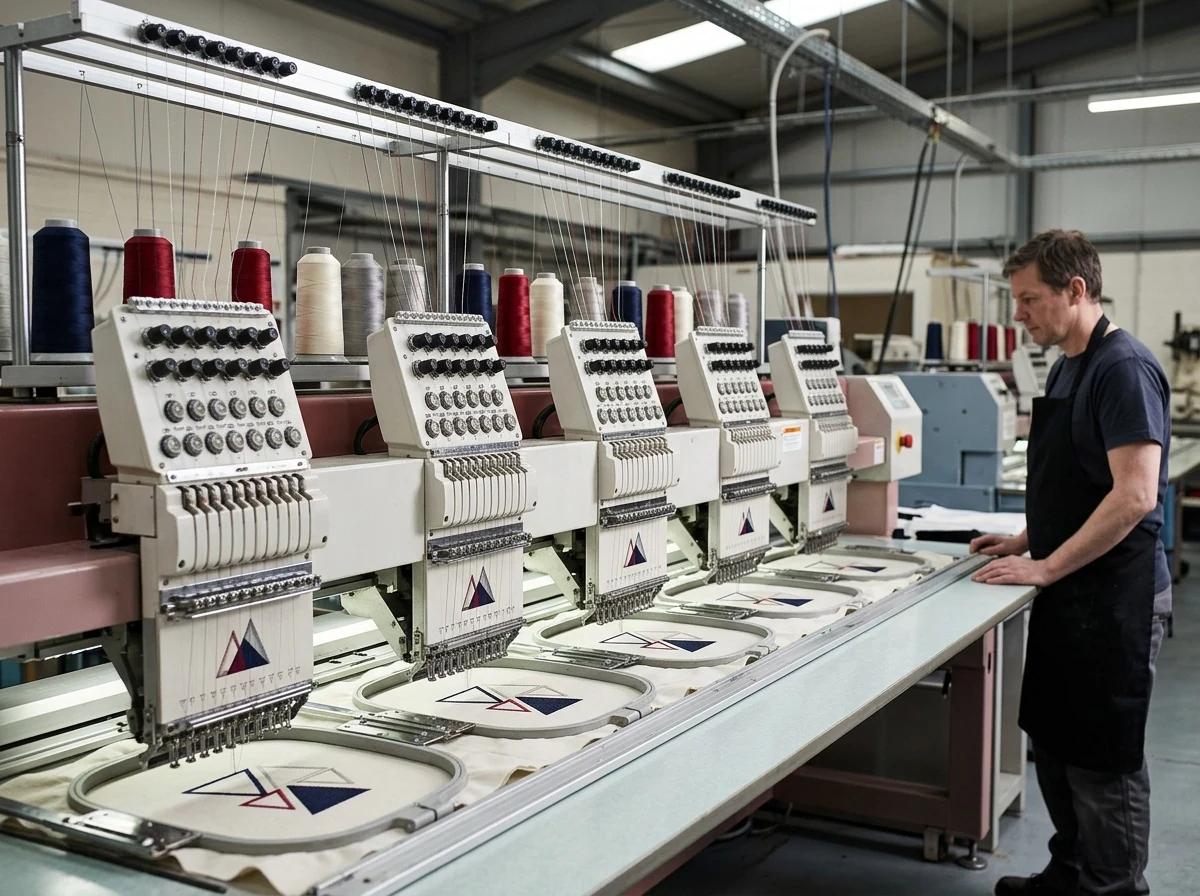
Supplier example- Method
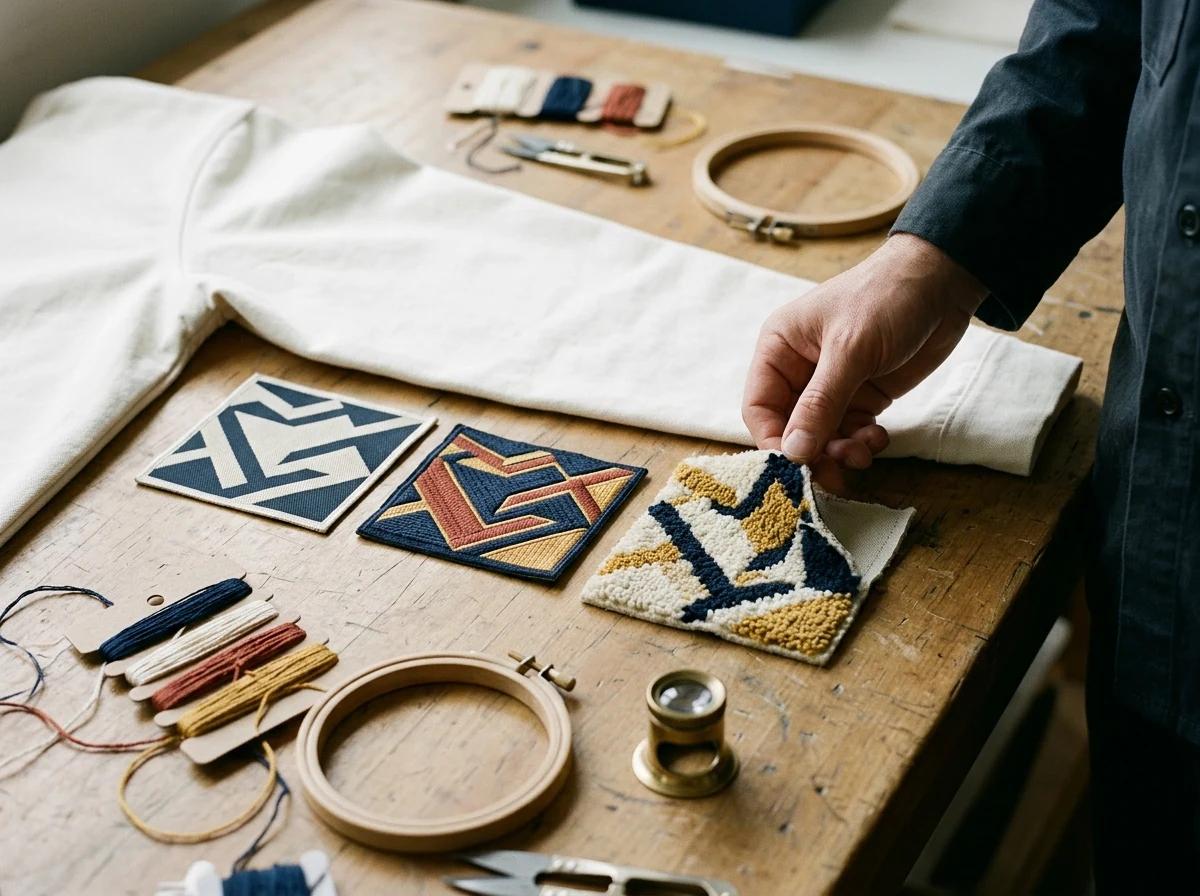
- Embroidery
- Trade-off
- Poplin takes embroidery but light shirting can pucker.
- Approve before bulk
- Test on the real fabric.
Loading page content
Product family
Woven shirts, trousers, overshirts and jackets, plus denim, where pattern accuracy and finishing define the result.
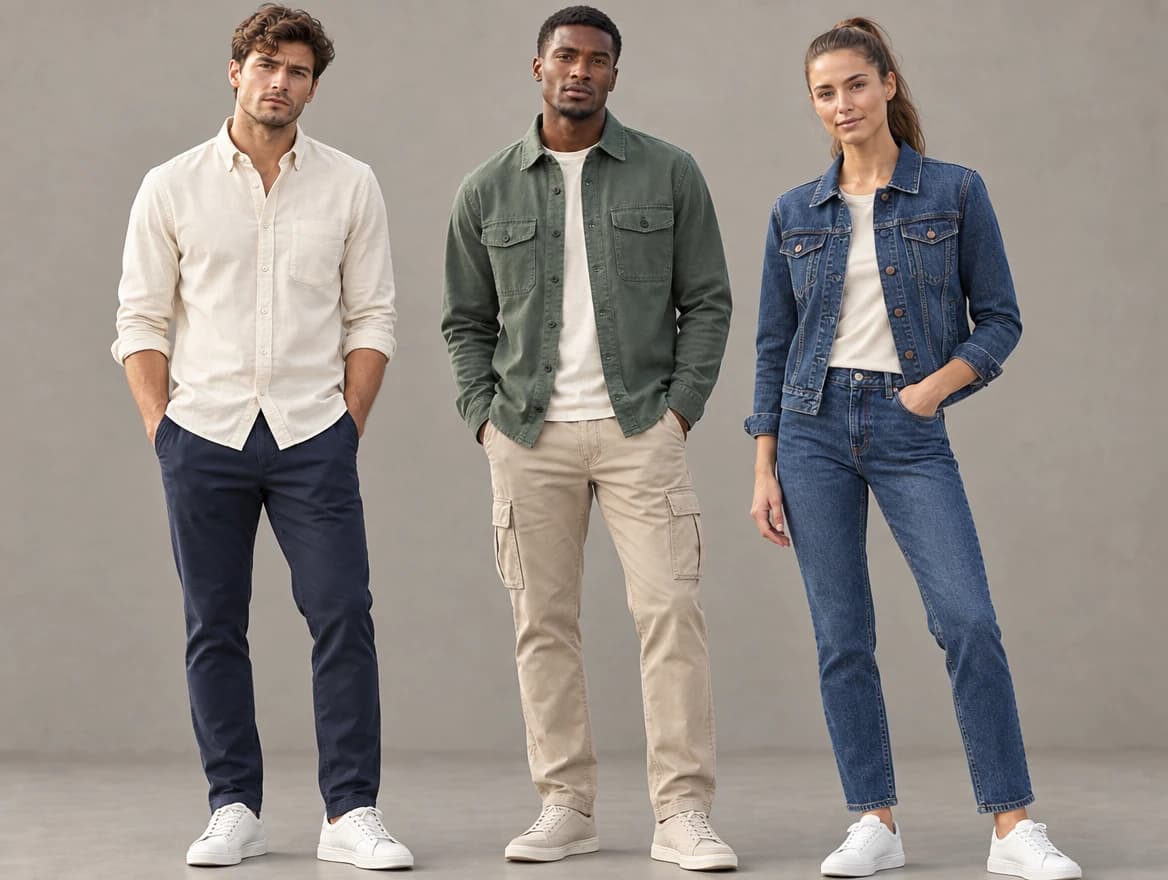
Woven product is less forgiving than knitwear. There is no stretch to absorb a pattern inaccuracy, so a fit problem in a shirt or a pair of jeans is visible immediately and cannot be corrected at the sewing line.
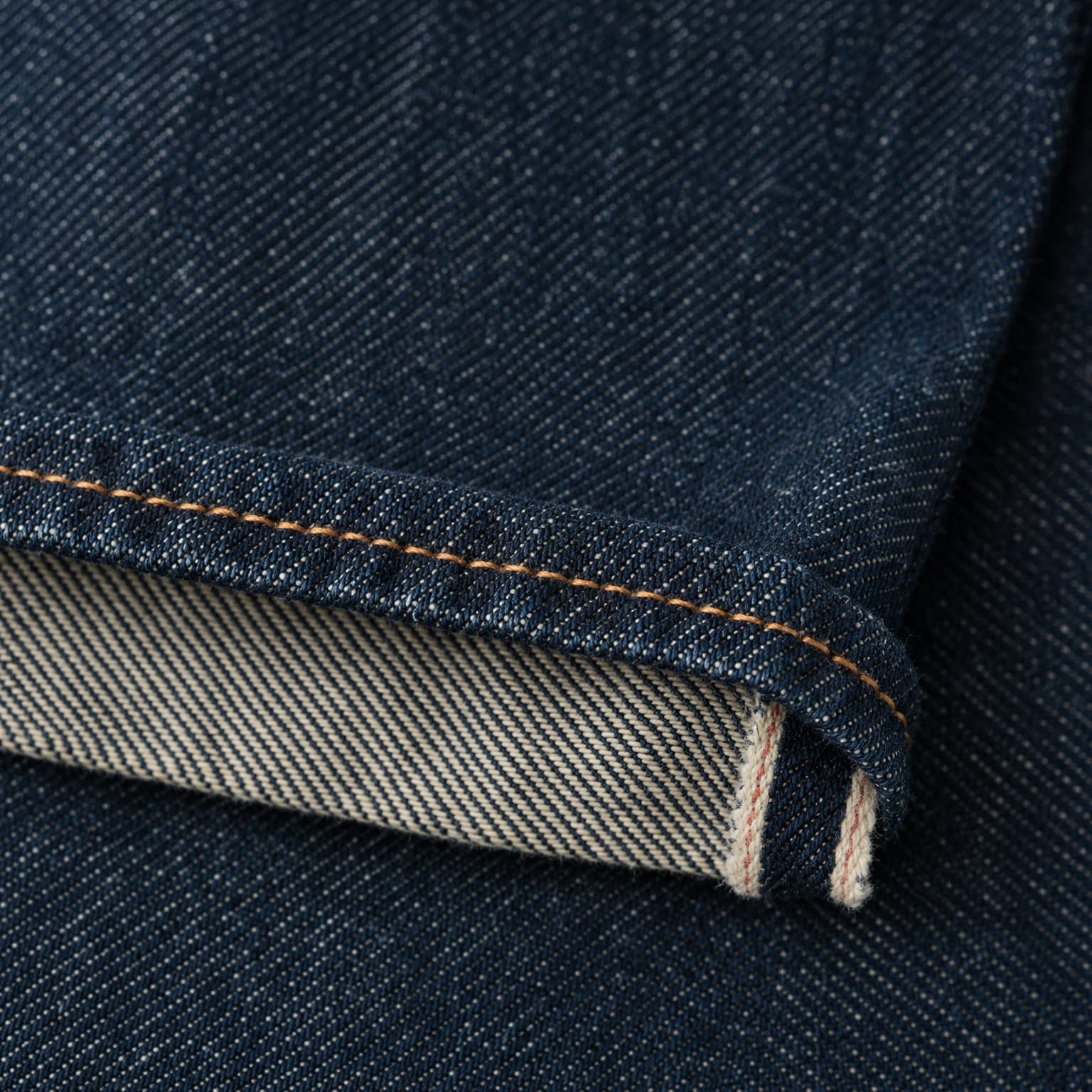
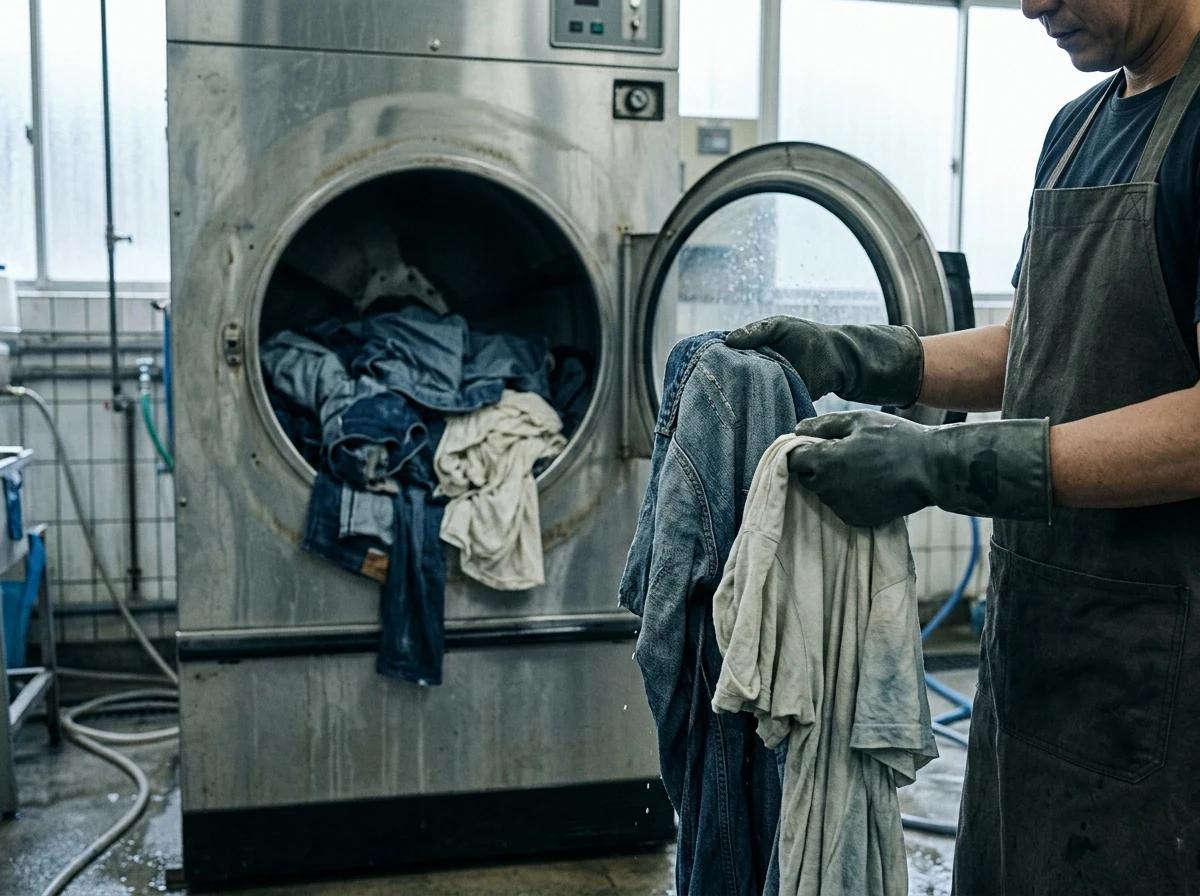
In denim specifically, the wash carries the product. The same base fabric produces completely different garments depending on the recipe applied afterwards, which is why an approved and retained wash standard is as important as the fabric specification.
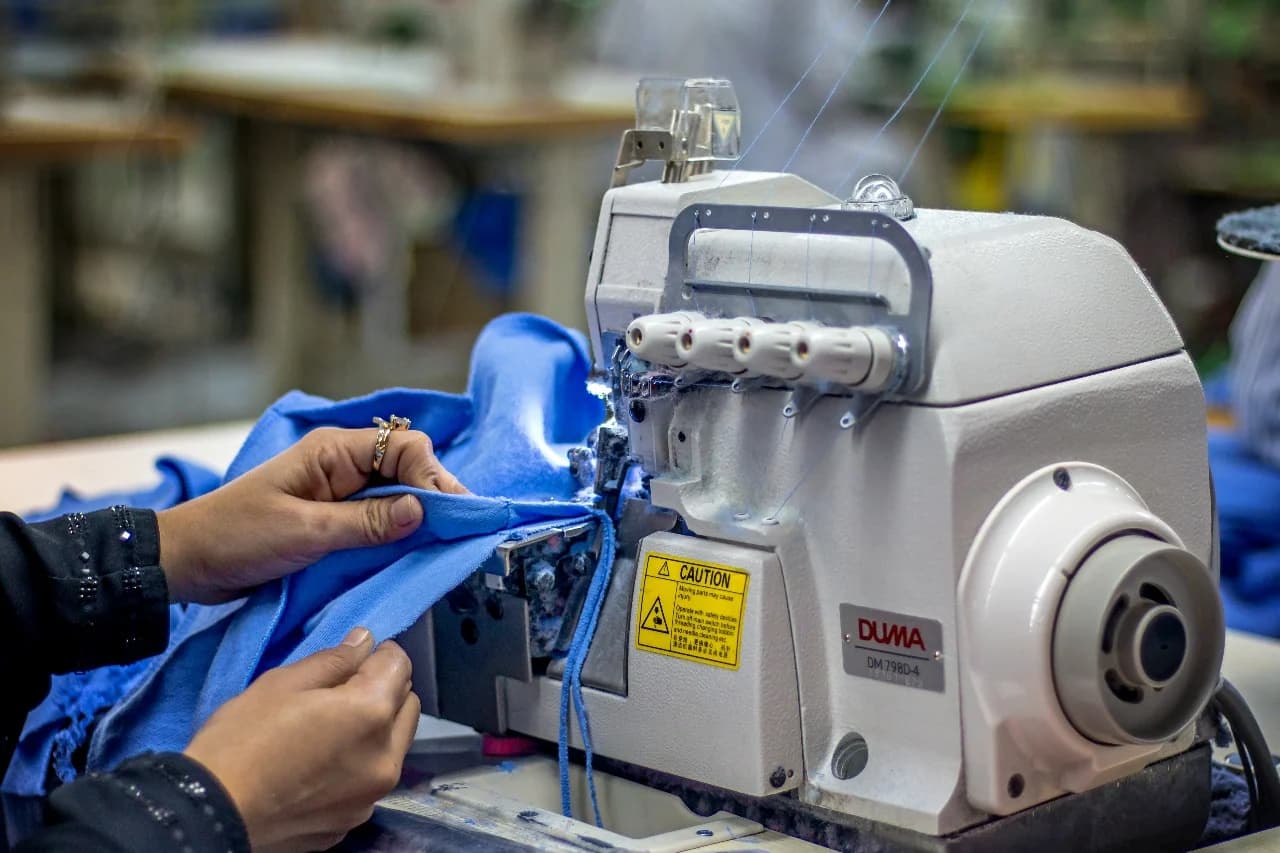
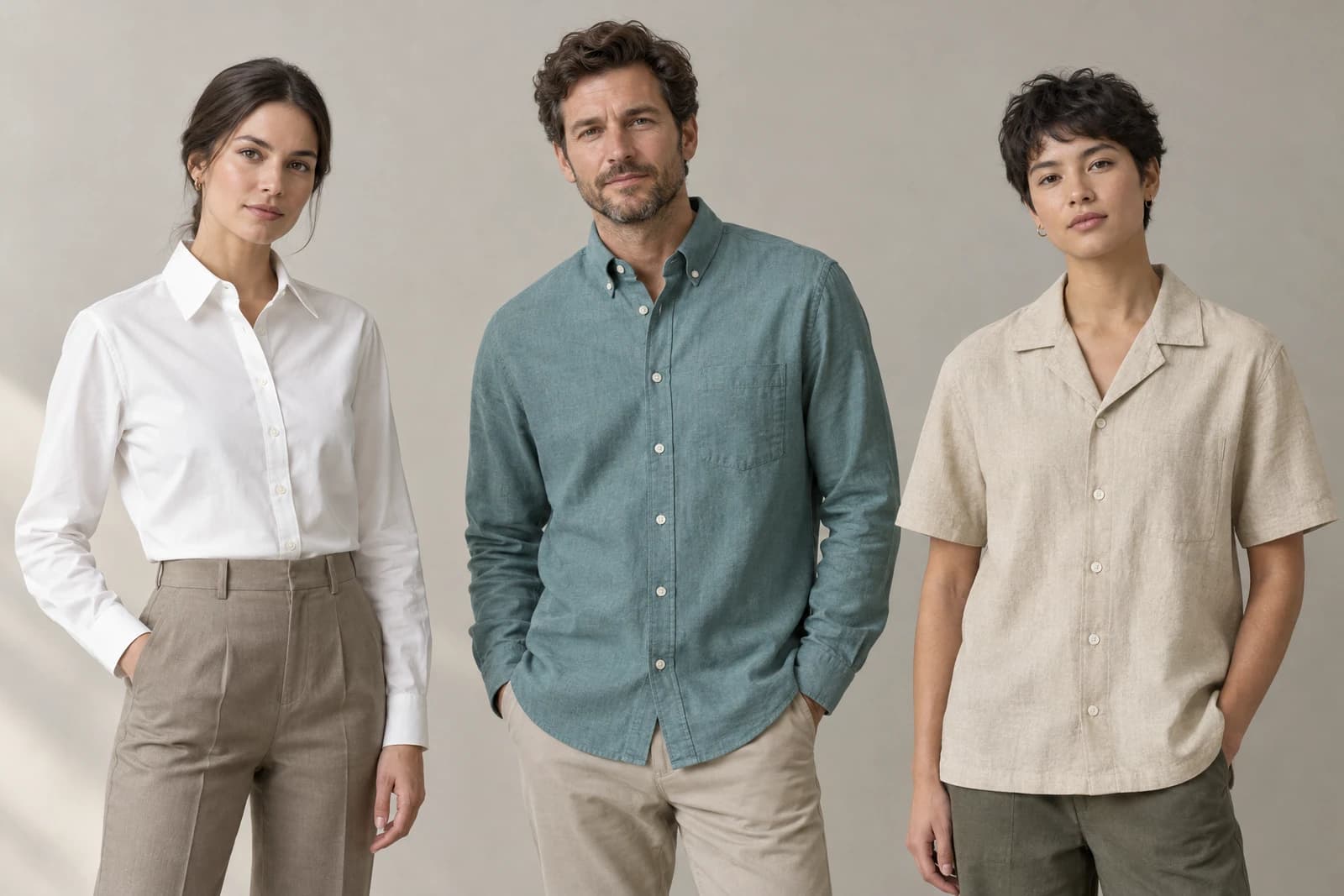
Shirting is the other half of this category, and its quality signals are precise: collar construction, placket alignment, pattern matching across seams and button attachment strength.
Product types
Representative products we manufacture in this category. Anything not listed can still be assessed on technical review.
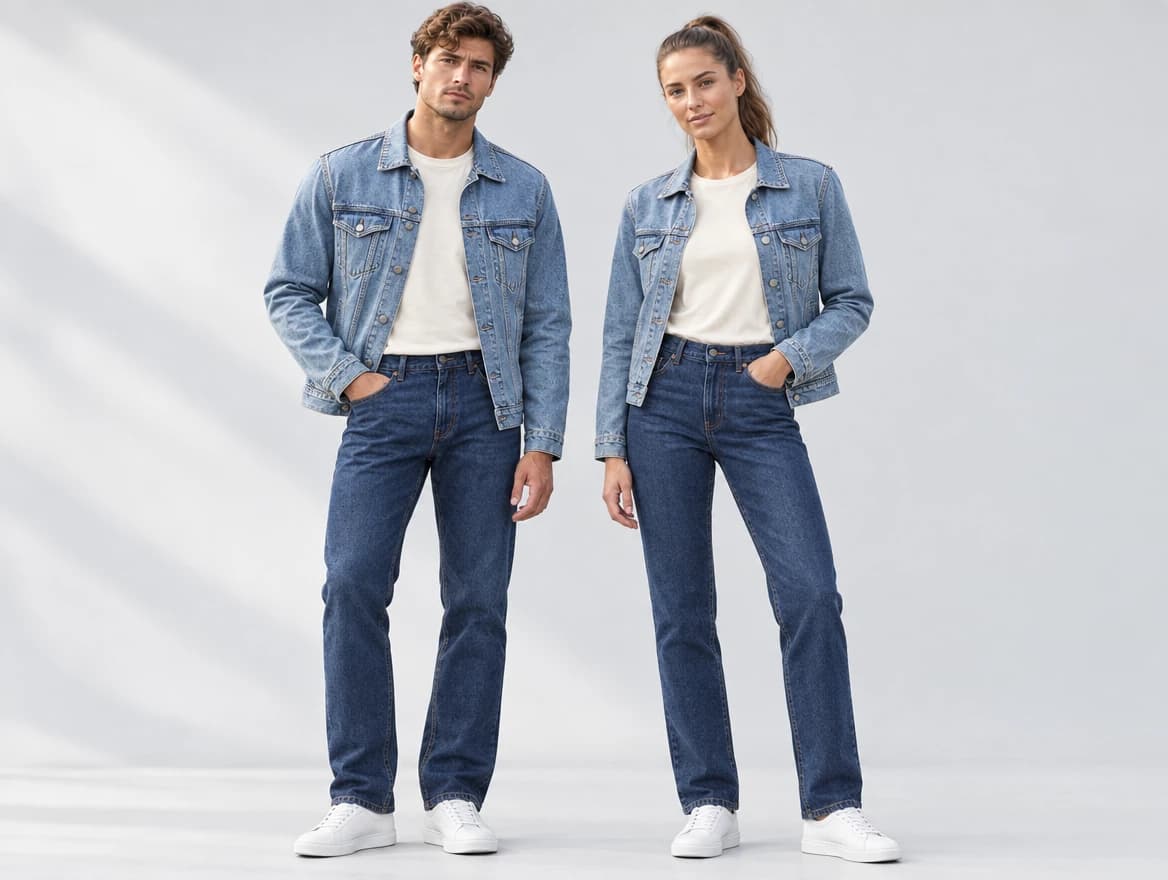
Five pocket constructions in rigid or stretch denim with developed wash finishes.
Classic and modern denim outerwear with hardware and wash detailing.
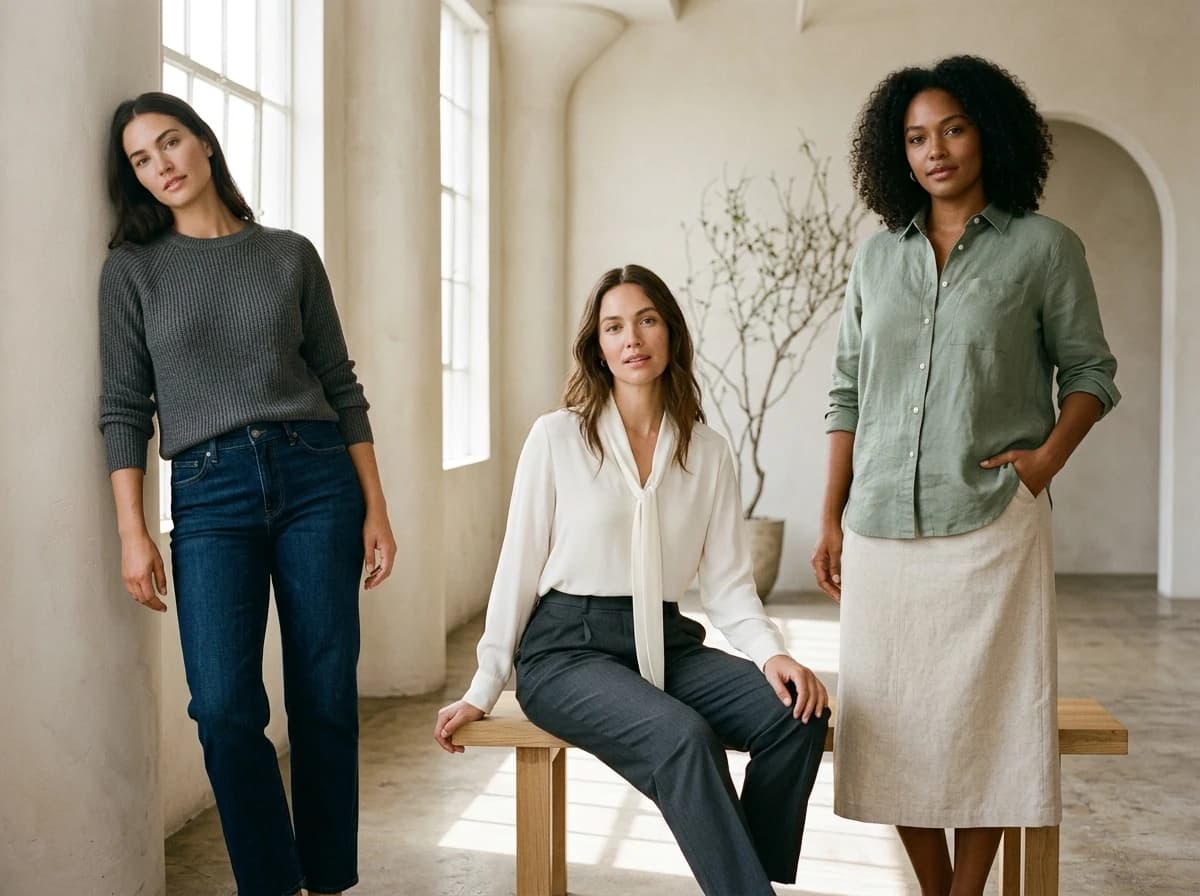
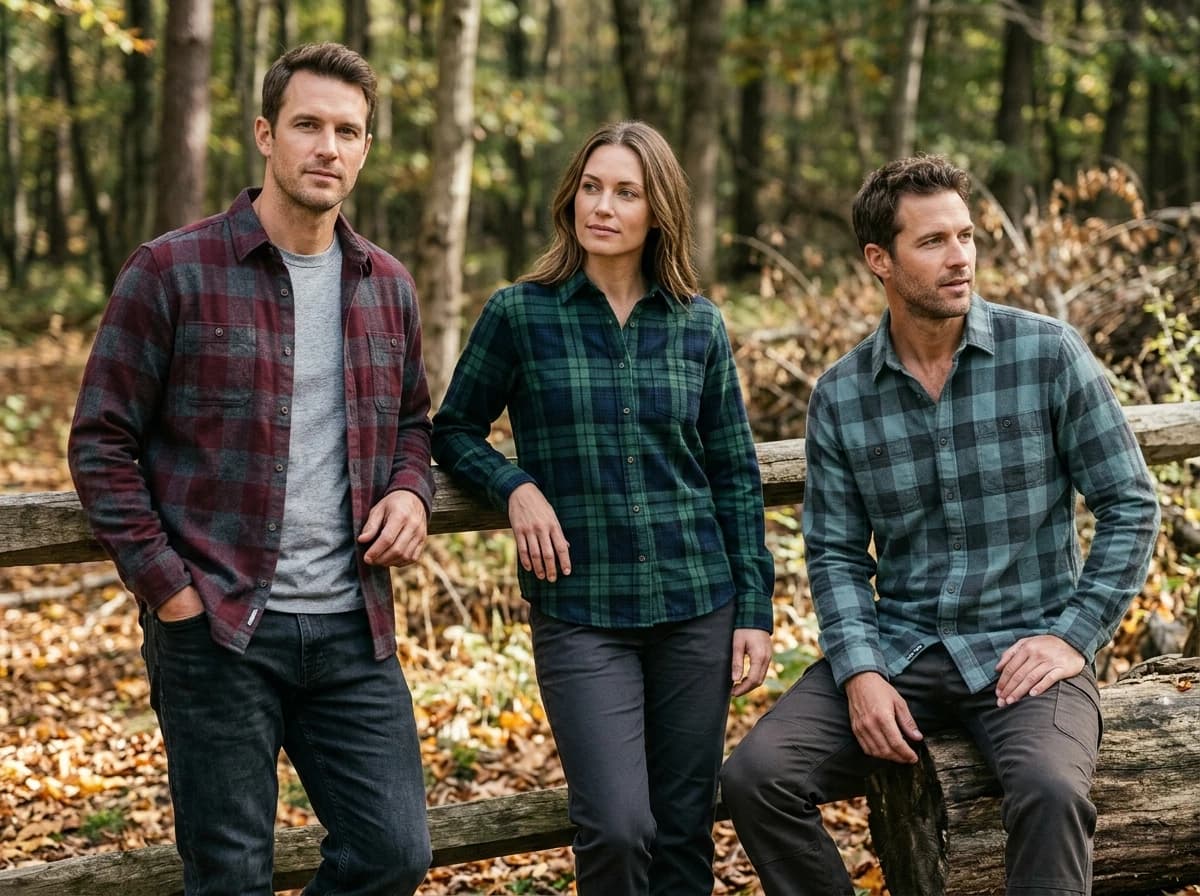
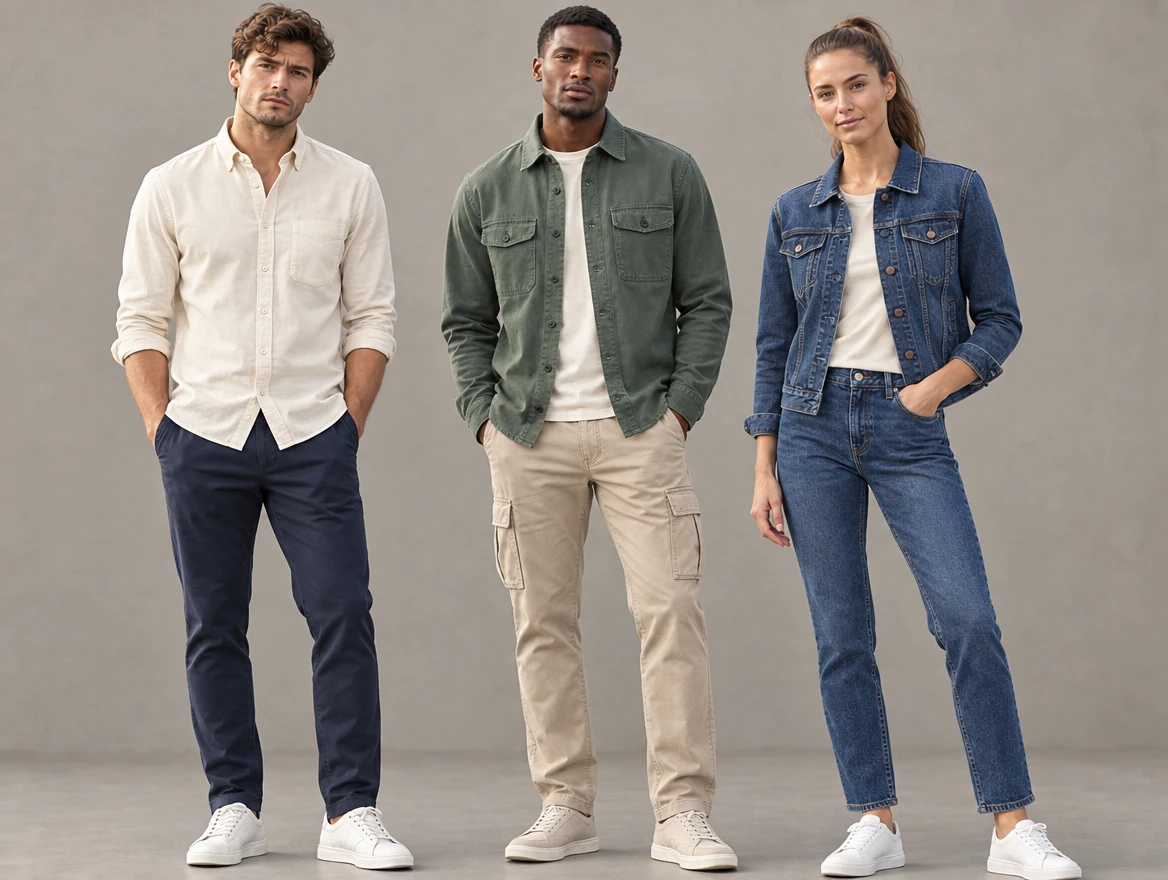
Woven shirts in poplin, twill, oxford or flannel.
Structured collar and cuff constructions with easy care finishing.
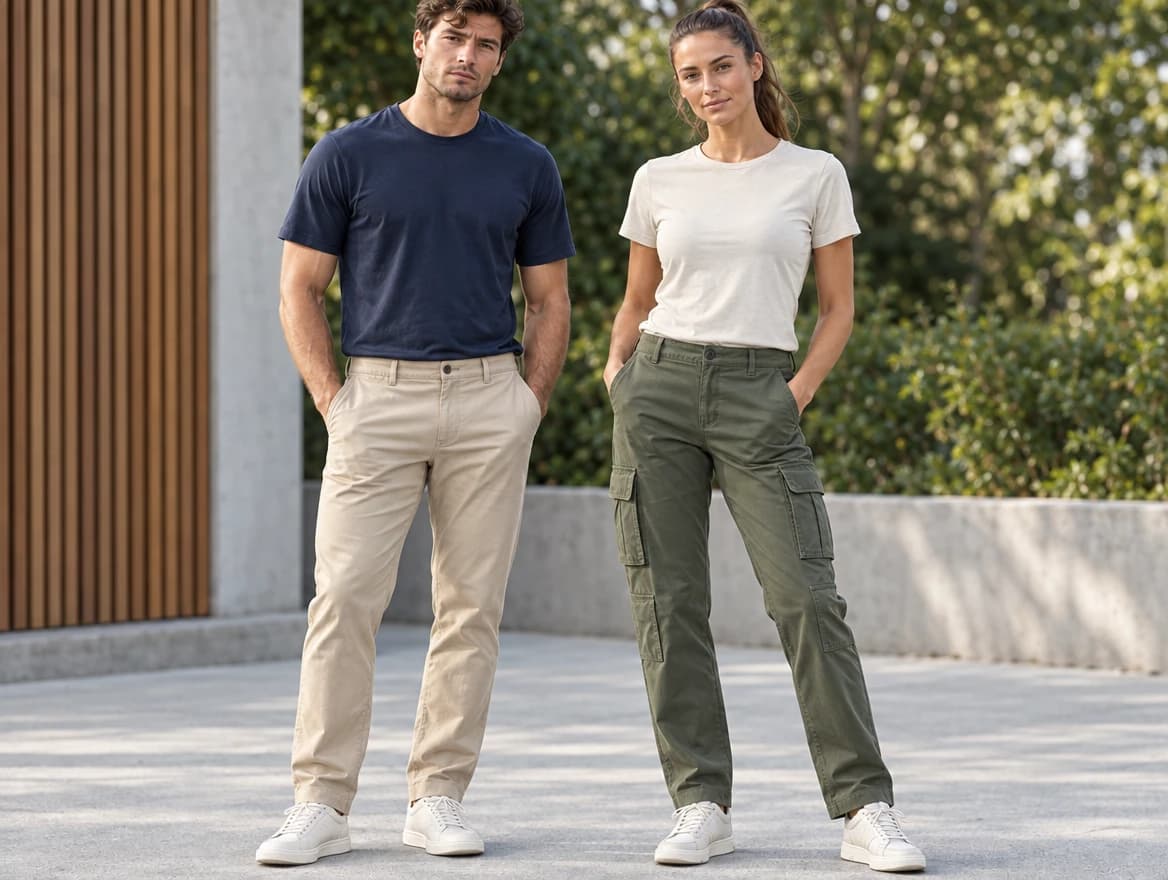
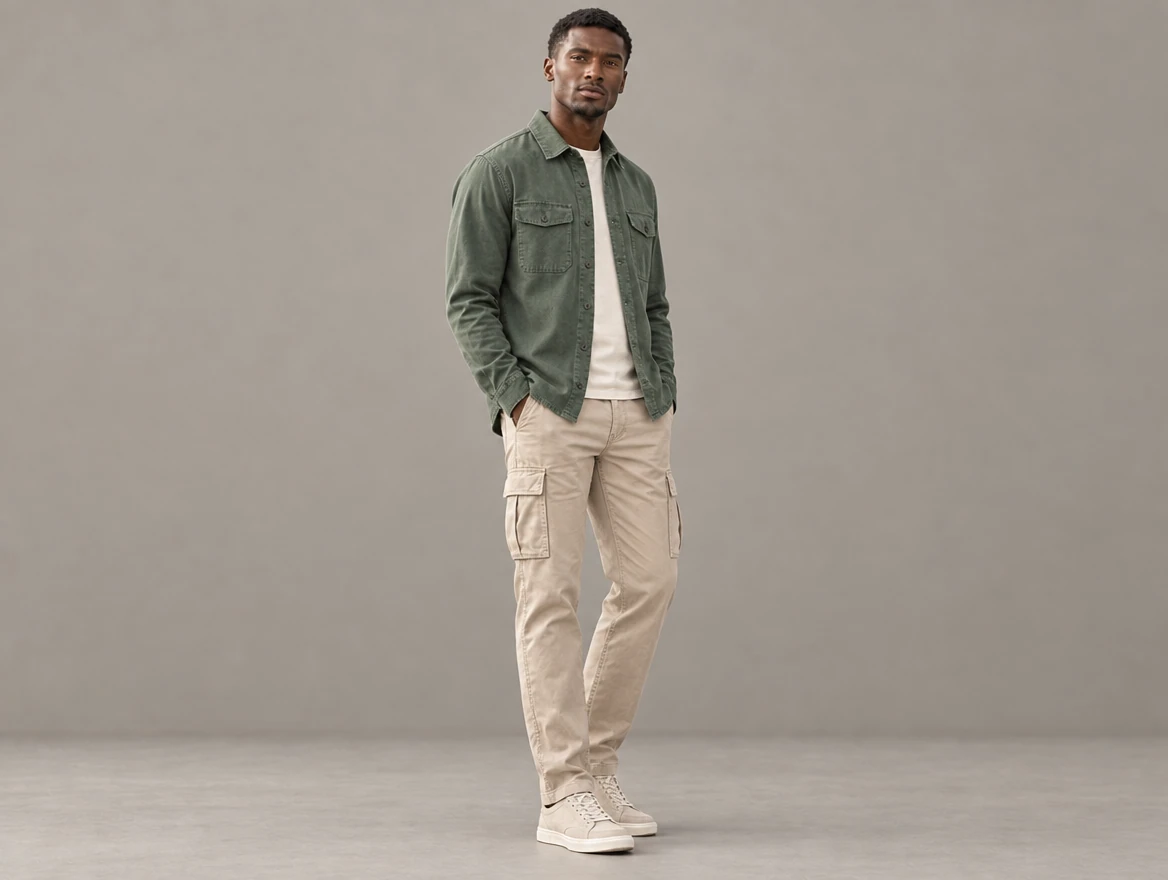
Twill trousers with pocket and waistband options.
Heavier woven outer layers in twill or canvas.
Specification
Weight ranges are typical for this category. The finished weight of your fabric is confirmed on the approved sample rather than guaranteed to a figure.
Ranges are typical. The exact specification is confirmed on your approved sample before production.
Component-level guidance for denim and woven products. Any ranges are indicative sourcing references, not guaranteed order specifications. Different components can need different fabrics, weights and units; the selected materials, construction and finished measurements are confirmed on the approved sample.
| Component | Weight, unit or setting | Construction choices | Check on the sample |
|---|---|---|---|
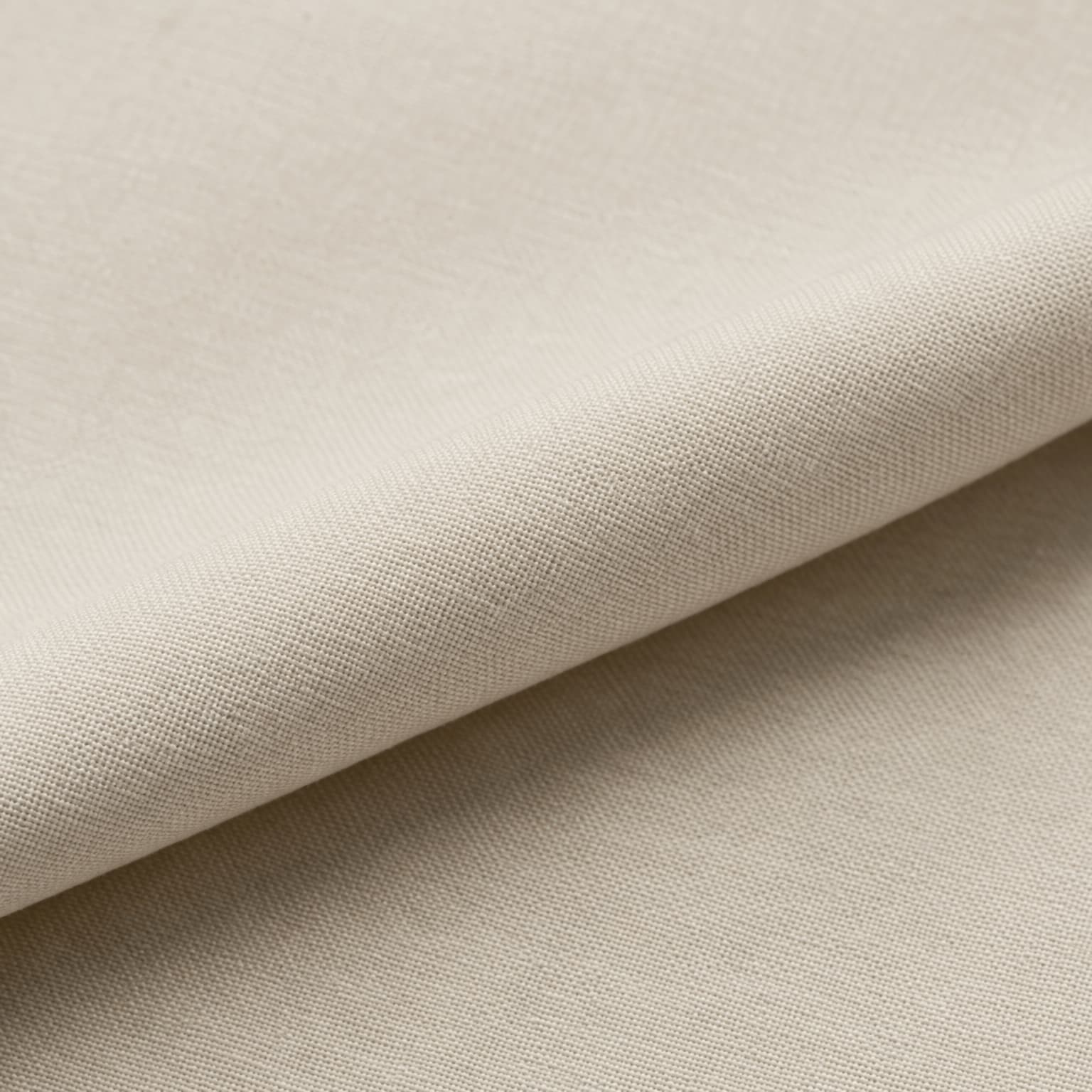
| Shirting poplinIndustry guidance | 100 to 140 gsm typical range. | Interlined collar. | Shrinkage. |
| DenimIndustry guidance | 8 to 10 oz light, 11 to 14 oz standard typical ranges; bands vary by source. | Five pocket, chain stitch hem. | Shade banding. |
| Chino twillIndustry guidance | 200 to 300 gsm typical range. | Waistband options. | Shrinkage. |
Decoration
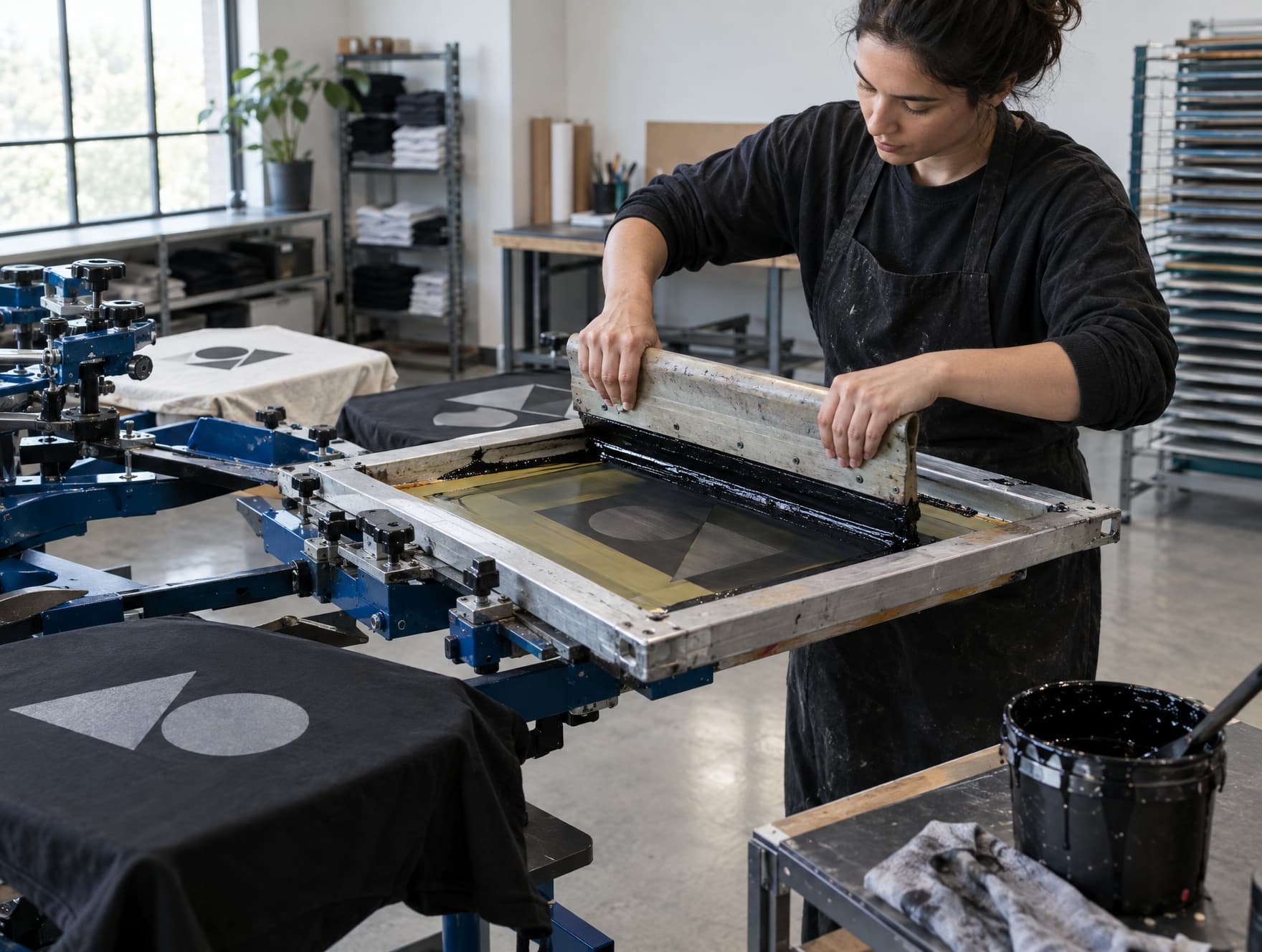
Decoration is matched to the fabric and the artwork rather than applied by default. Each method links to its own page with limits stated.
Which method suits each placement on denim and woven products, its trade-offs and what to approve before bulk. Compatibility is checked against the actual fabric, stretch, coating and heat tolerance; approval on one component does not establish suitability on another.
Materials
Composition, weight guidance and decoration compatibility for each fabric are on its own page.
What each part of denim and woven products is usually made from, why, where it falls short and what to check. This is industry guidance, not a TextileWays specification: the fabric and components for your order are confirmed on technical review.
Ordering
Neither figure is published as a universal number, because neither one is true across every specification.
MOQ depends on material availability, colour count, construction, decoration and packaging. Denim carries higher practical minimums than knitwear because a wash recipe is developed per style, and yarn dyed shirting patterns are set at the loom rather than in finishing.
For denim, a wash standard garment is approved and retained by both parties. For shirting, collar and cuff construction is confirmed on the sample, since these define perceived quality.
Detailed product guidance
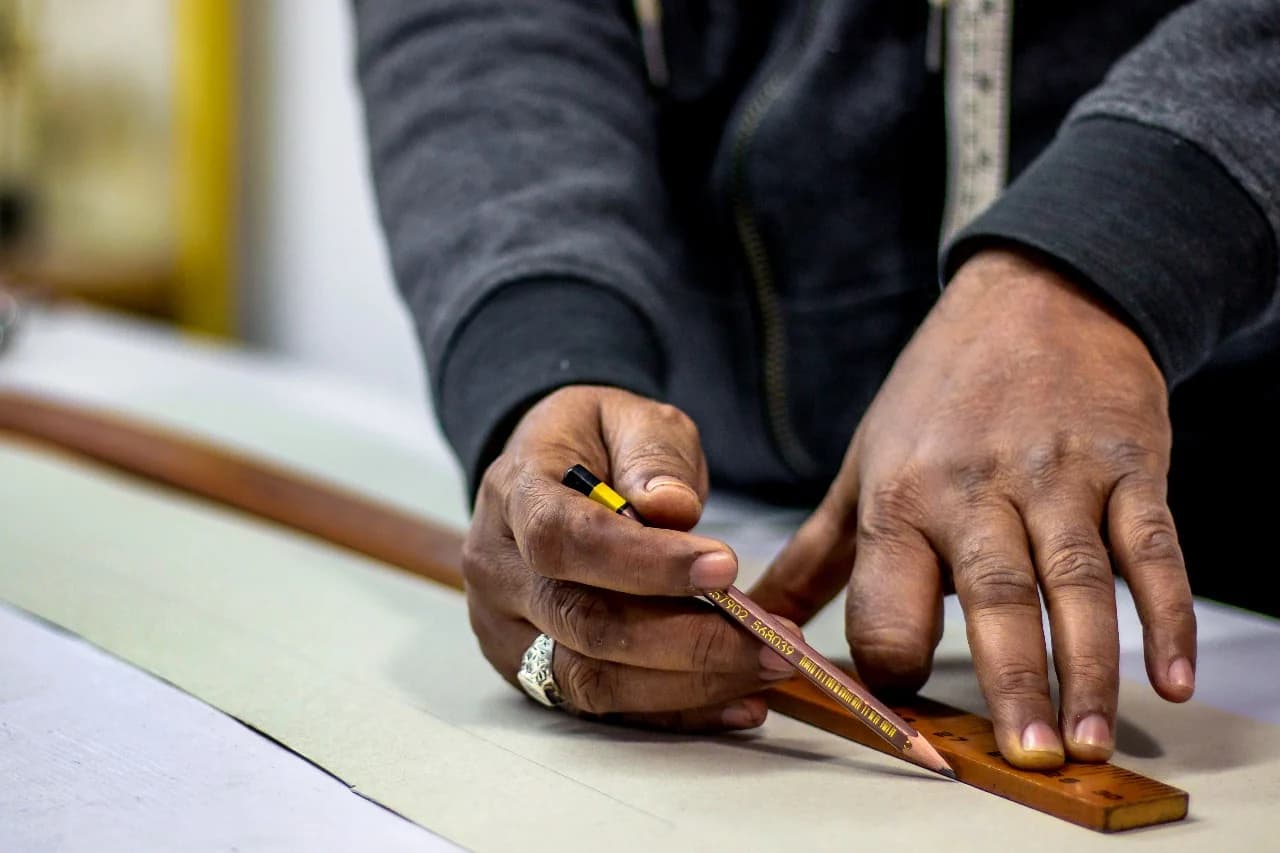
Materials, manufacturing routes and buying considerationsWoven garments depend on pattern accuracy more than knits do. A shirt collar, a placket and a sleeve head are judged by eye, so the pattern and the first sample matter most.
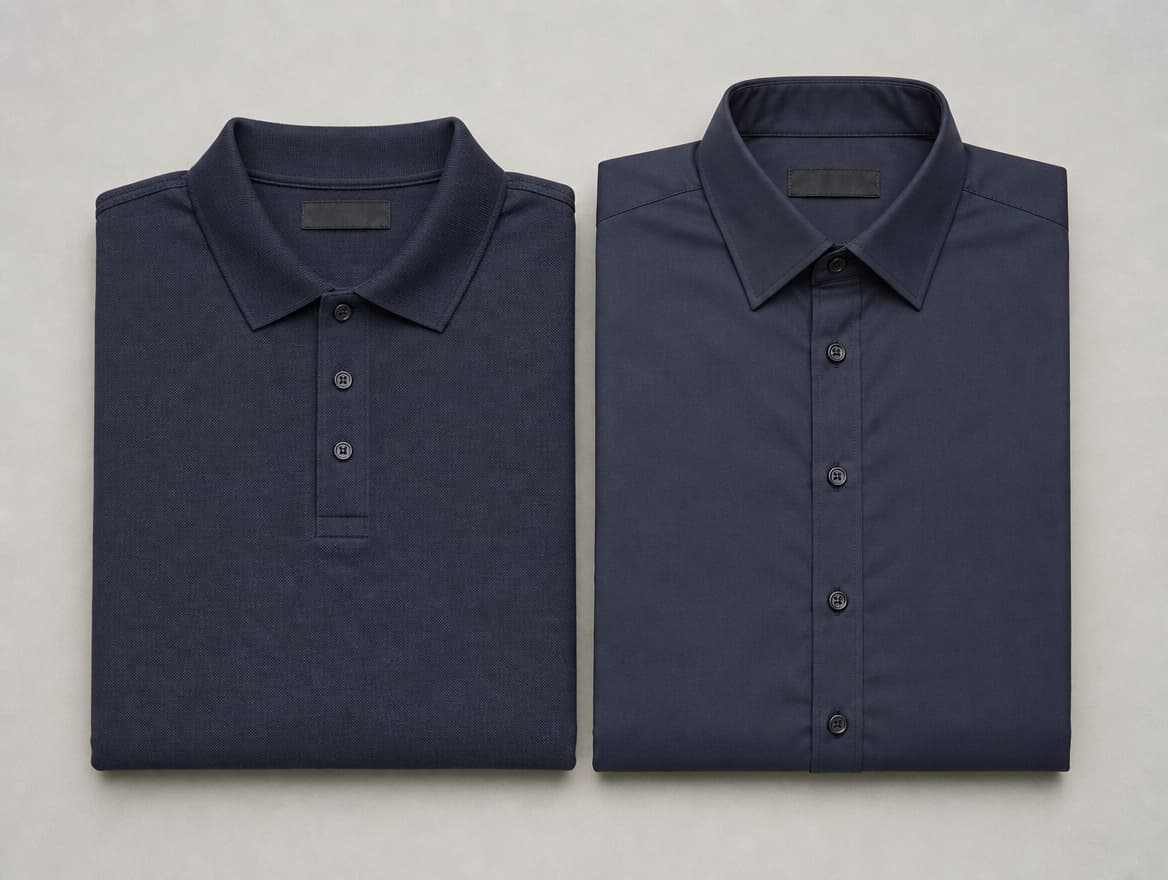
We develop shirts and overshirts with collar construction, interlining, buttons and stitching specified on the sample before bulk is cut.
Trousers and jackets are built from your pattern or a developed block, with fit approved on a sample and wash standards agreed first.
Fabric structure decides how a shirt or trouser looks, creases and wears.
Poplin is smooth and crisp for formal shirts, oxford is textured and durable for casual ones, and twill gives structure and a soft diagonal finish.
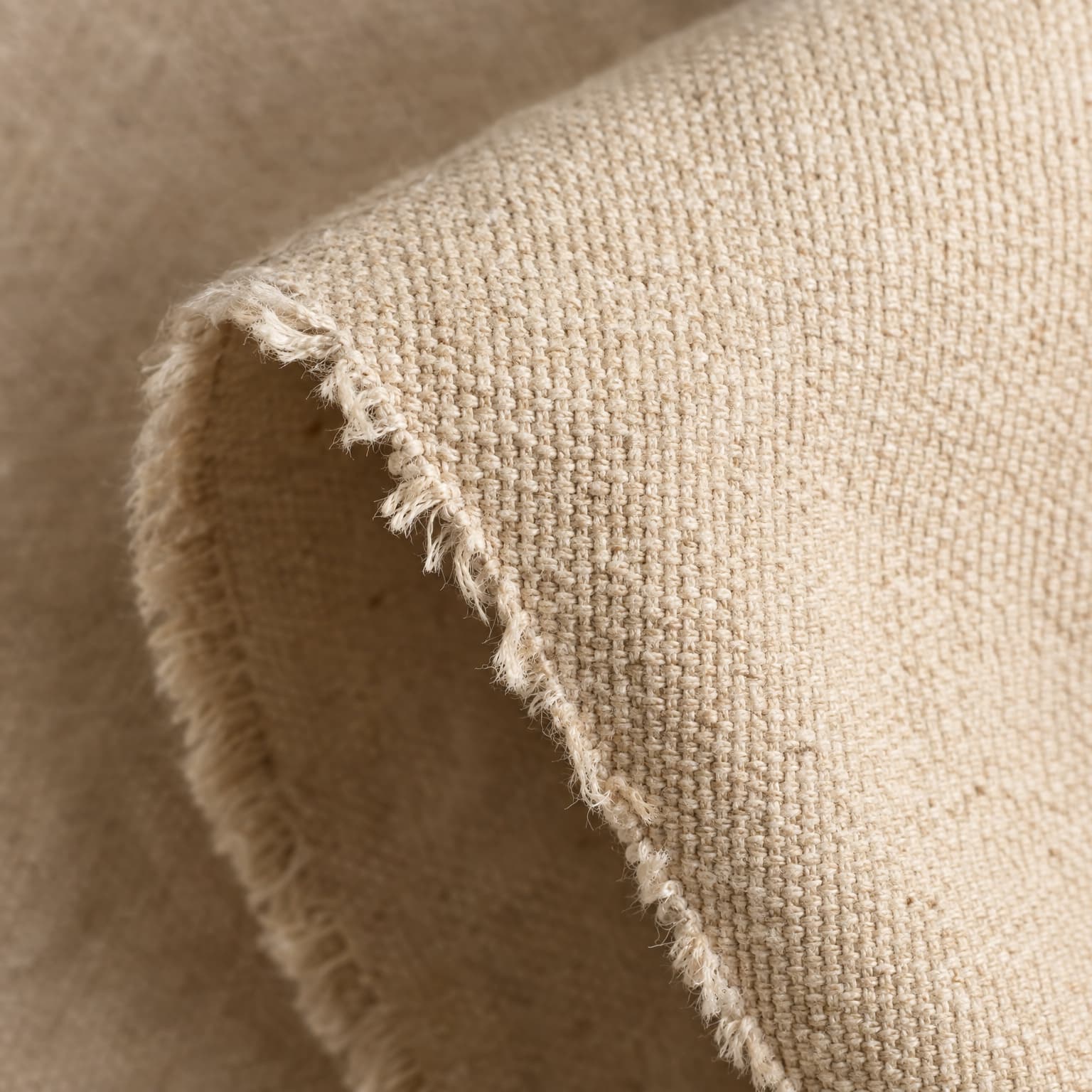
Heavier cotton canvas and twill suit overshirts and work jackets that need to hold shape.
Denim is a wash decision as much as a pattern one. The same cut looks and feels different after a different wash.
We develop jeans and denim jackets with fabric weight, stretch content and hardware agreed with you, then confirm shrinkage and wash results on a sample.
A developed shirt or denim block can be branded as your own (ODM, often called white label), with your fabric, wash and labels.
Woven product is made after technical review, since wash, hardware and construction affect the production route and minimums.
Measurements are checked against your chart, including after washing, so the bulk run matches the approved sample.
Smaller runs are possible after technical review, and denim minimums depend on fabric availability and wash.
A shirt is judged by its collar and cuffs. These are small parts with many layers, and they are where quality is most visible.
Interlining gives a collar its structure, and the collar stand and points decide the shape. We agree the style and the stiffness on the sample.
A clean placket, evenly spaced buttons and neat buttonholes show care. Spacing and thread colour are approved on the sample.
Cuff style, sleeve length and, on checks and stripes, pattern matching across seams are all agreed on the sample.
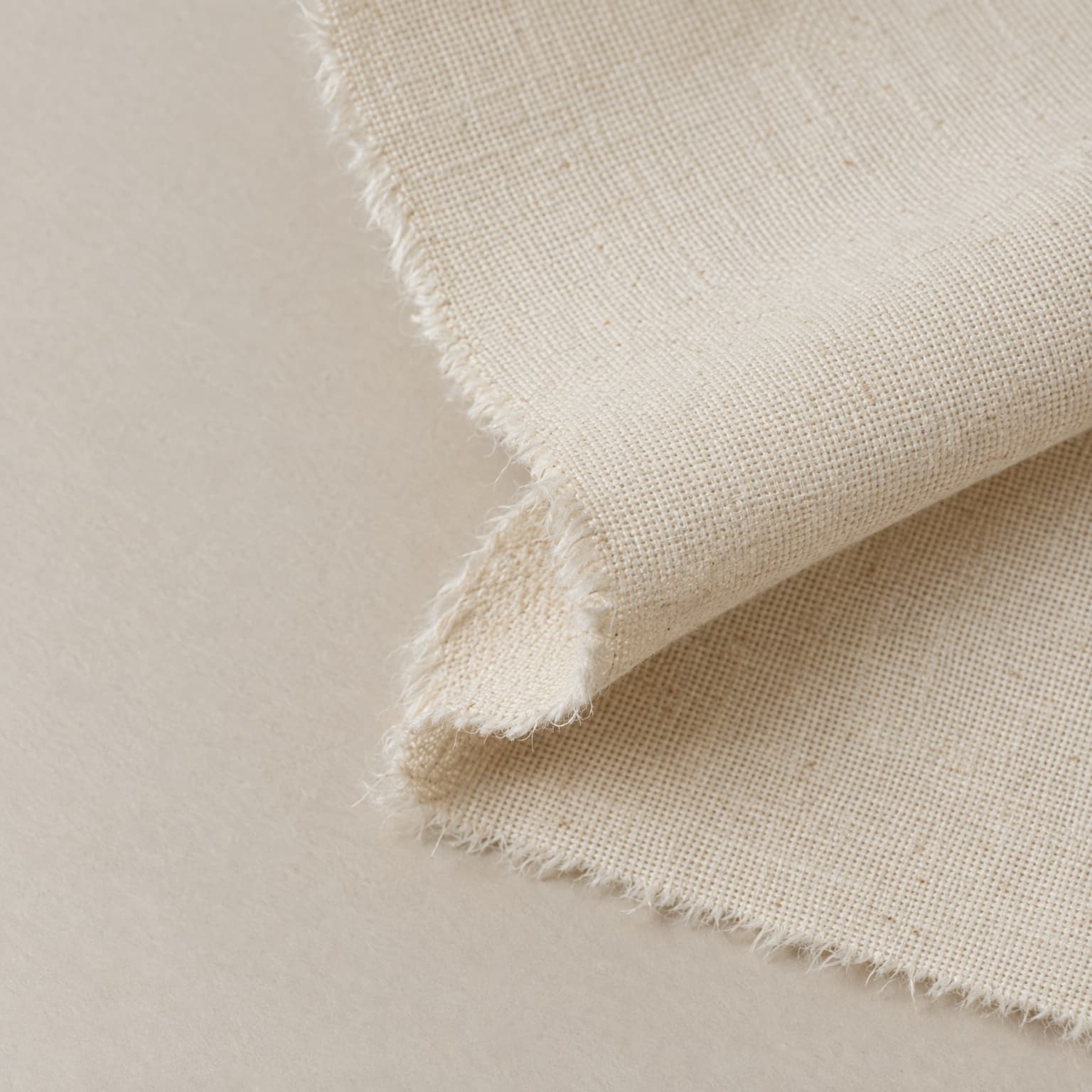
Woven fabrics shrink and crease in different ways, so care and finishing are part of the specification.
Cotton shrinks, and some fabrics crease more than others. Pre washing, finishing and fabric choice affect shrinkage and ironing, and measurements are checked after washing.
Denim and chino fabrics take washes that change colour and handfeel. The approved wash is recorded and used as the standard for reorders.
Questions
Answers relevant to this product family. The full list covers ordering, sampling, materials, decoration, compliance and logistics.
Minimum order quantity depends on material availability, colour count, construction, decoration and packaging. Projects can begin from approximately 50 pieces per style following technical review. Where a fabric has to be knitted or dyed specifically for a project, the practical minimum is set by the mill rather than by us, and we tell you that before you commit.
Sampling normally runs in stages: a proto sample to confirm construction, a fit sample against your measurement chart, and a pre production sample that fixes fabric, colour, decoration, labelling and packaging. Each stage needs written approval before the next one starts. Sample charges and courier costs are quoted before work begins.
An approved pre production sample and the signed specification become the reference for repeat orders. Reorders are checked against that reference rather than reinterpreted, which is what keeps a second run consistent with the first. Where a fabric or trim has changed availability, we tell you before production instead of substituting quietly.
Pick a design as your starting point. Colours, fabric and branding are set in the quote.
 Navy reception jacket with gold pipingAsk for this design
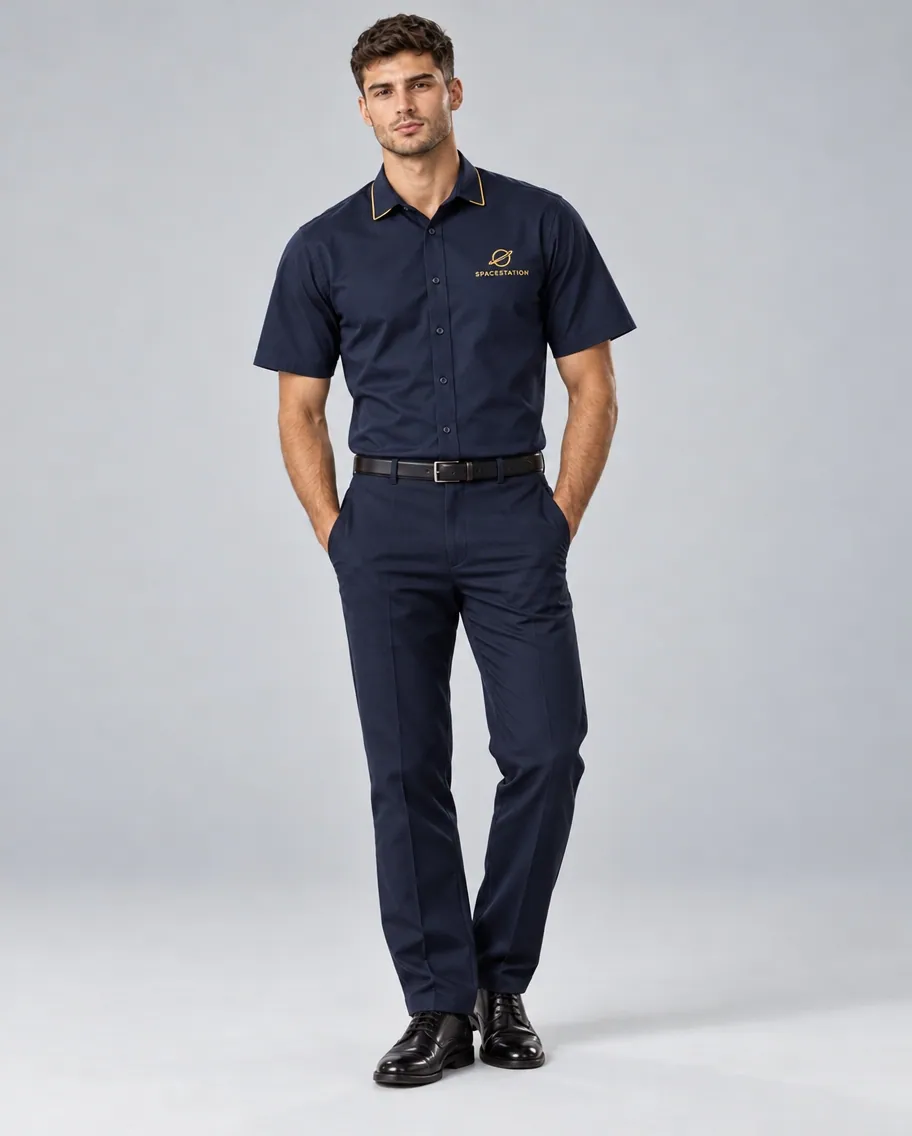 Navy restaurant and bar shirt with gold trimAsk for this design
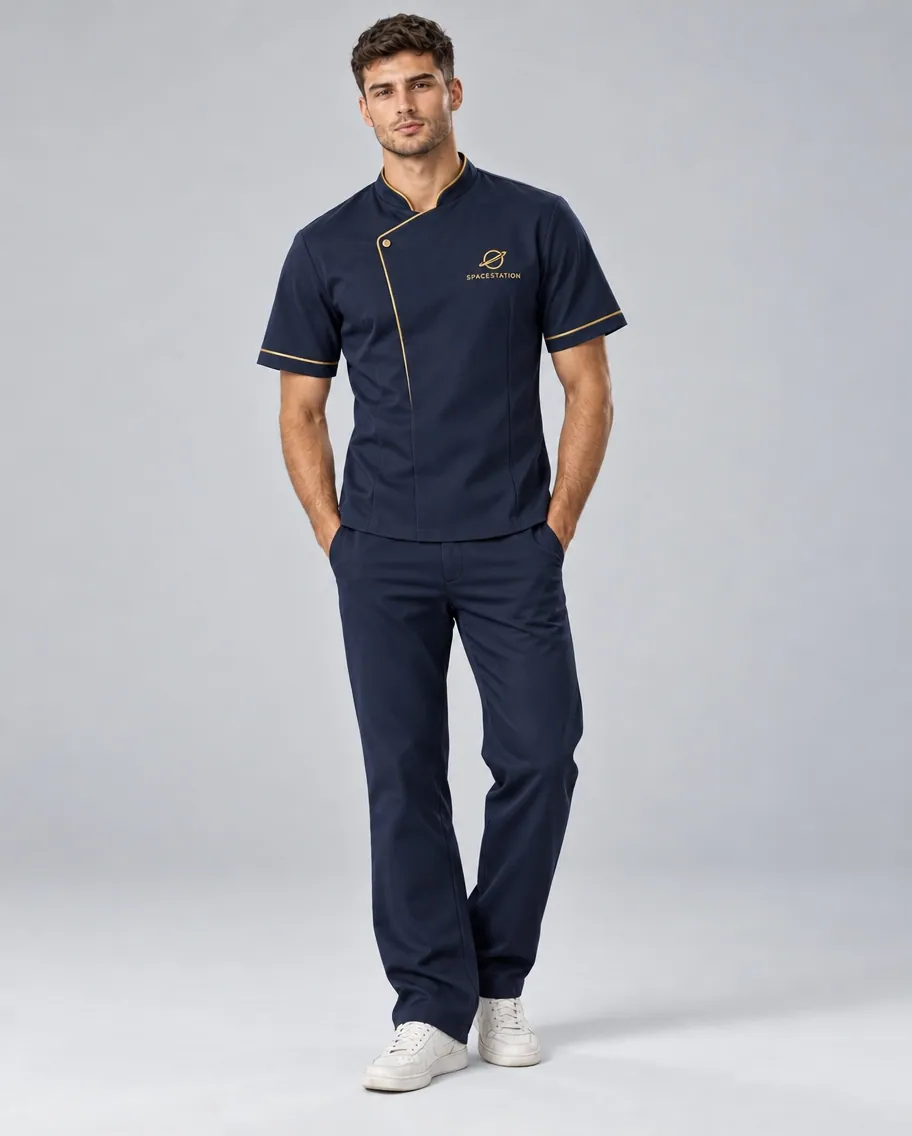 Navy housekeeping tunic with gold trimAsk for this design
 Navy management jacket with gold pipingAsk for this design
Sampling comes before bulk. From approximately 50 pieces per style, subject to technical review.
Tell us your designShare your product details, target quantity and delivery requirements. We will confirm feasibility, materials and construction before quoting.
Contact our team