Lead time is a chain, not a number
Buyers asking how long clothing manufacturing takes usually want a single figure. In practice the schedule is a chain of stages, and each stage depends on the product. This is why a responsible supplier gives an indicative schedule against your specification rather than a fixed number in advance.
Stage 1: Brief, tech pack and quotation
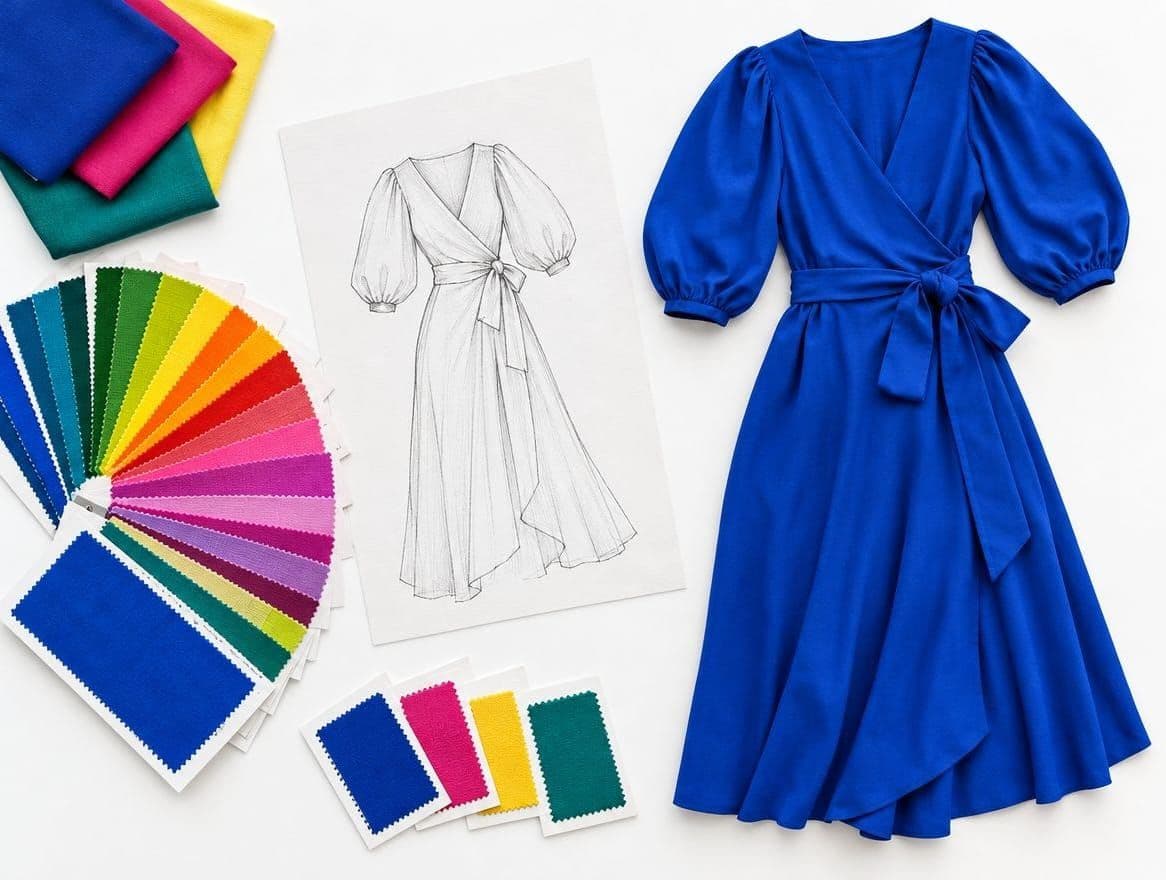
The clock starts when the specification is clear. A complete tech pack with measurements, fabric, trims and artwork lets a supplier quote accurately and cut the first sample without back and forth. A vague brief adds days of questions before any work begins.
Stage 2: Sampling and approvals
Sampling normally runs in stages: a proto sample to confirm construction, a fit sample against your measurements and a pre production sample that fixes fabric, colour, decoration, labelling and packaging. Every stage needs your written approval before the next one starts. The number of rounds and how quickly feedback comes back is often the largest single influence on the schedule.
Stage 3: Fabric and trims
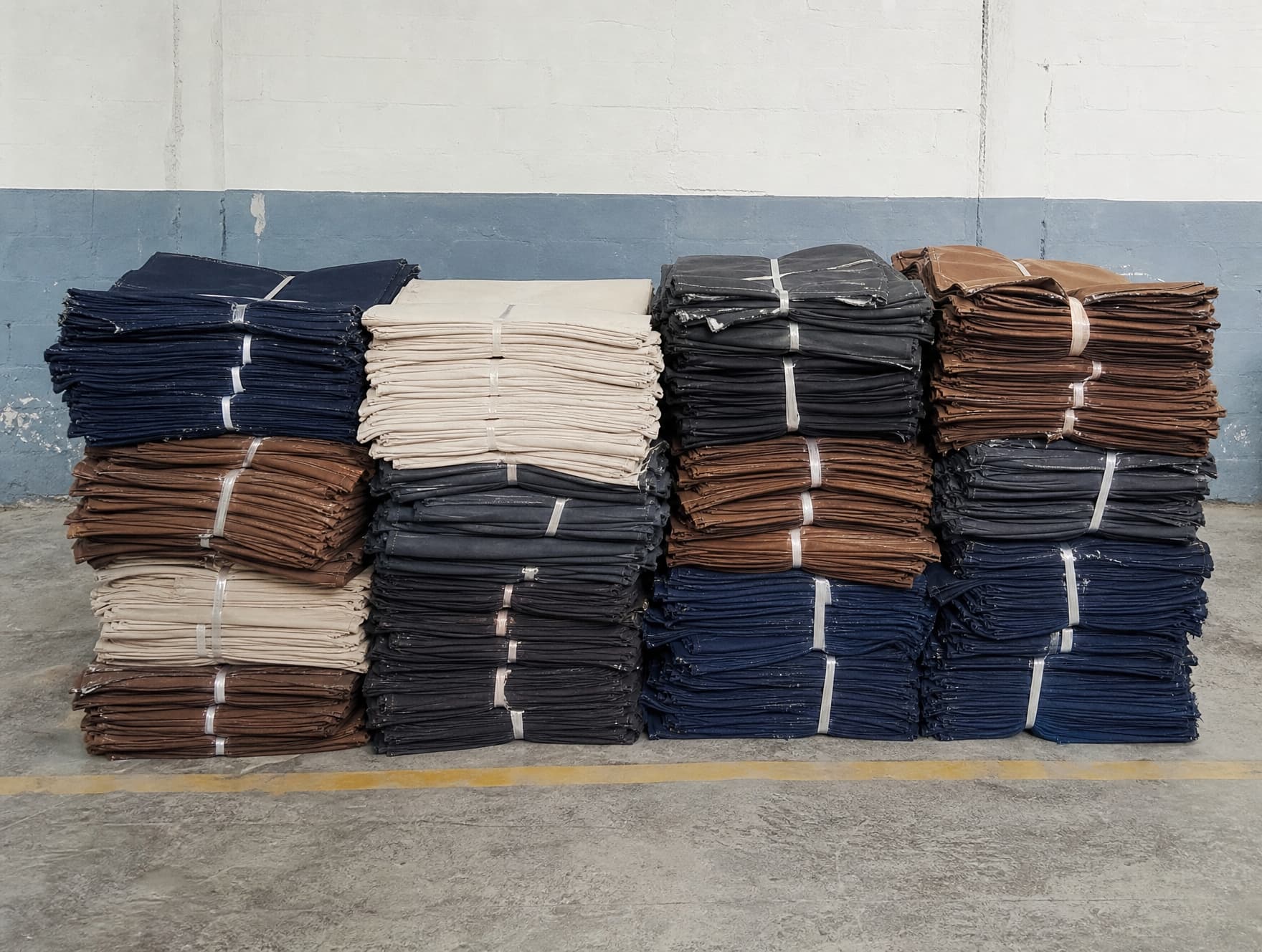
If the fabric is in stock in the colour you need, this stage is short. If the fabric must be knitted or dyed for your order, a lab dip and a mill production slot come first, and that sets the practical start date for bulk production. Custom trims such as woven labels, zips and drawcords add their own lead times.
Stage 4: Bulk production
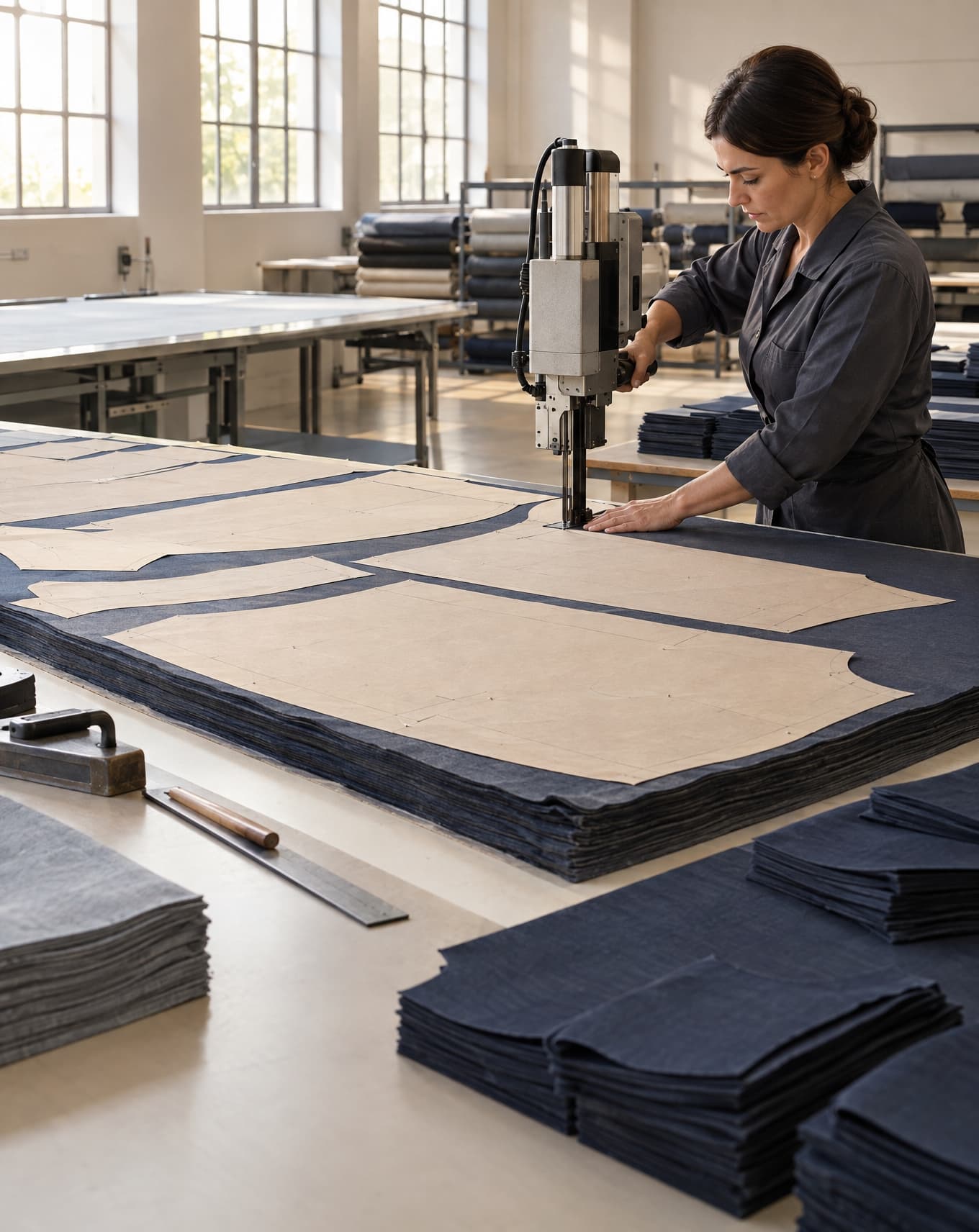
Production time depends on quantity, construction, decoration and how many styles and colours run together. Simple knitwear moves faster than a washed, embroidered or heavily detailed garment. Line planning matters too: a factory schedules your order alongside others, so confirmed dates come after the pre production sample is approved.
Stage 5: Inspection, packing and shipping
Final inspection, packing and export documents come before the goods leave. Shipping then adds transit time that depends on the destination and the method. Air freight is quicker and costs more. Sea freight is slower and suits larger quantities. Customs clearance at the destination can add further time, so ask your freight partner for current guidance.
How buyers shorten the schedule
The most effective changes are within your control.
- Send a complete tech pack and reference garment at the start.
- Choose stock fabric and a small set of colourways for a first order.
- Reply to sample feedback quickly and approve in writing.
- Decide the shipping method and destination before production starts.
- Plan reorders early so fabric can be booked before you run out.