What a lab dip is
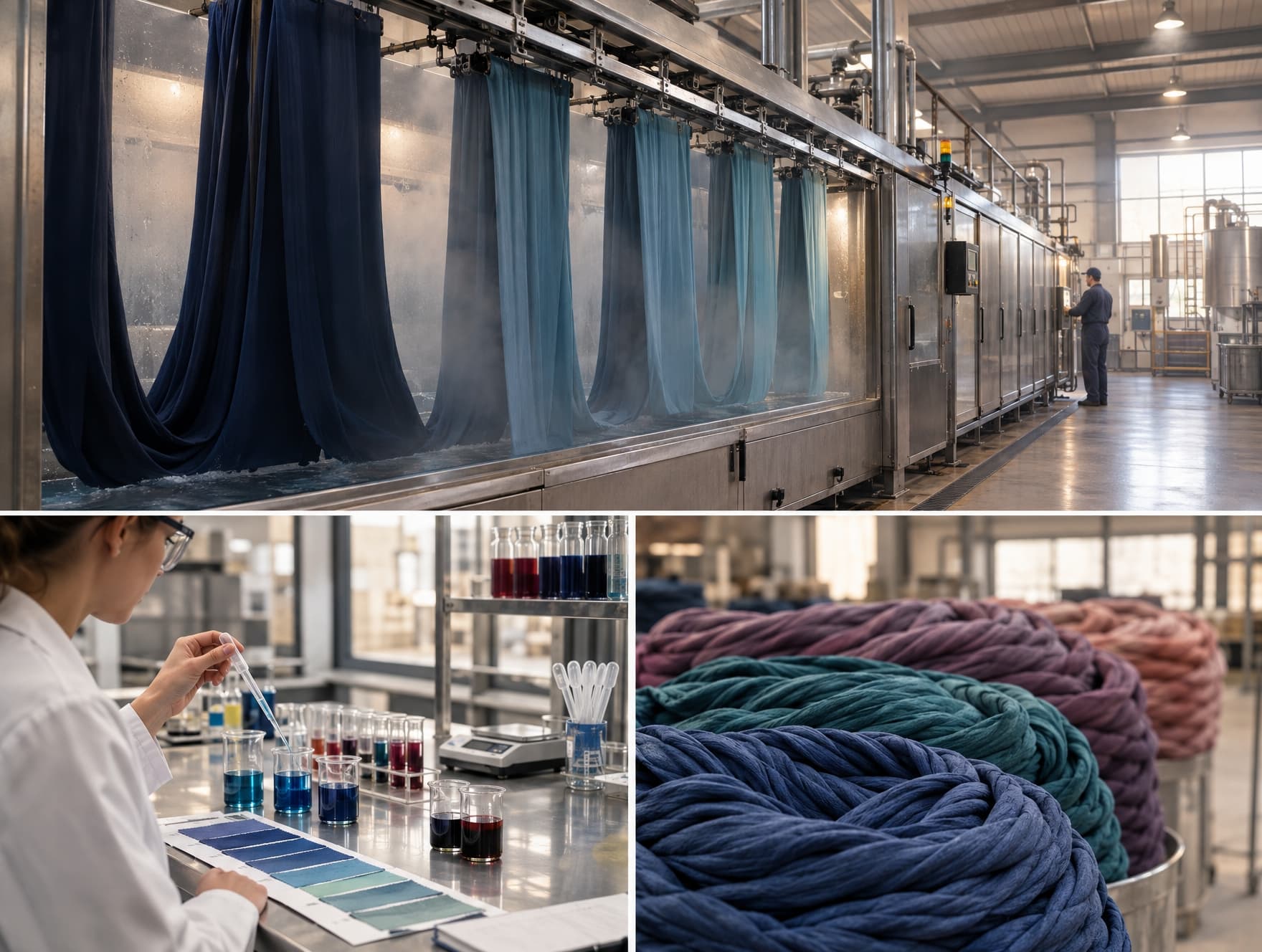
A lab dip is a small piece of fabric dyed in a laboratory to match a colour you have asked for. It lets you see and approve the shade before the dye house commits to dyeing the full batch. Because dyeing in bulk cannot be undone, the lab dip is the cheapest place to catch a wrong colour.
How the process works
The steps are simple and repeat until the colour is right.
- You submit a colour reference: a physical swatch, a garment or a textile colour code.
- The dye house dyes a swatch, often in several close options, on the same fabric you will use.
- You compare the options against the reference and approve one, or ask for another round.
- The approved lab dip is signed and kept as the standard for bulk dyeing and reorders.
How to submit a colour
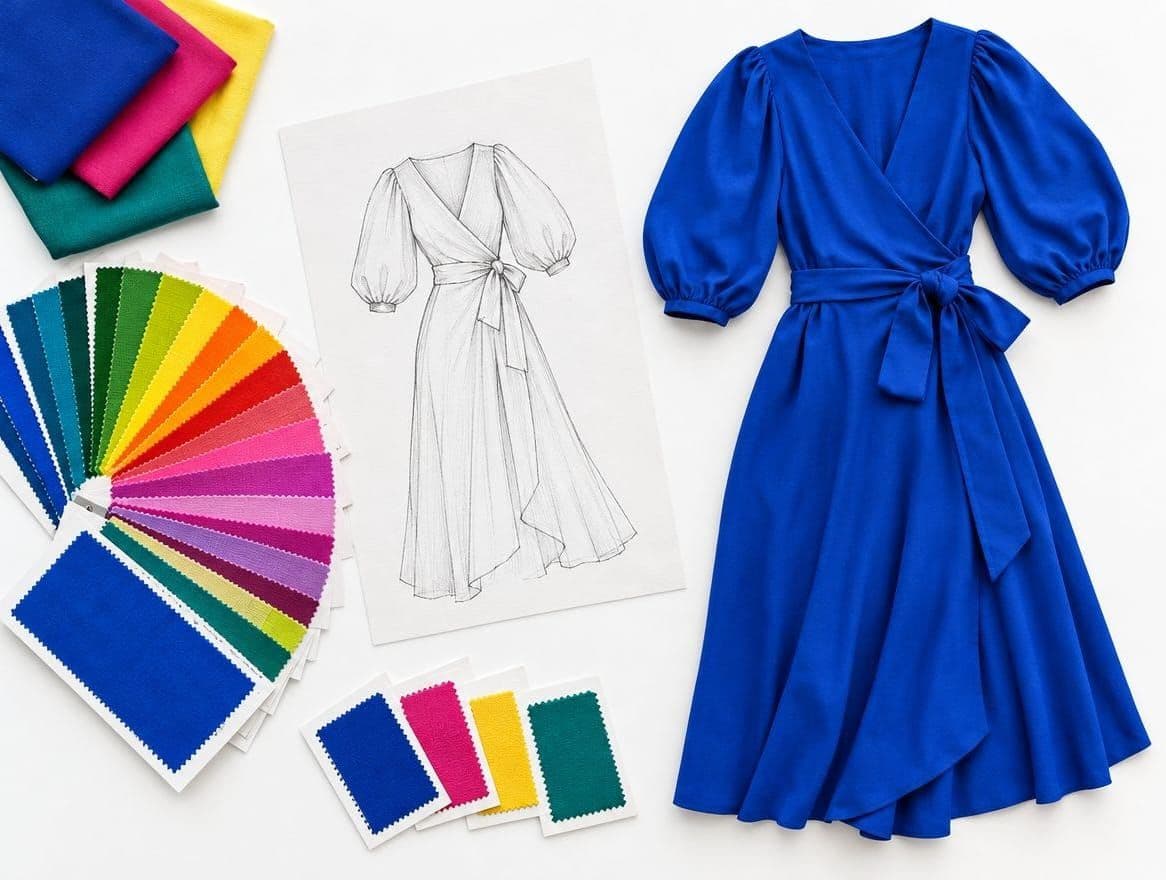
Colours on a screen are not reliable, because every display renders them differently. Send a physical reference whenever you can. A textile colour code from a recognised colour system helps, but a physical swatch of the actual colour you want is better, and best of all is a swatch on the same kind of fabric.
Light matters
A colour can look different under daylight, shop lighting and warm indoor bulbs. This is called metamerism: two colours match under one light and differ under another. Agree the lighting you will judge under, such as daylight or a standard light box, and use it for every approval.
Fabric changes the result
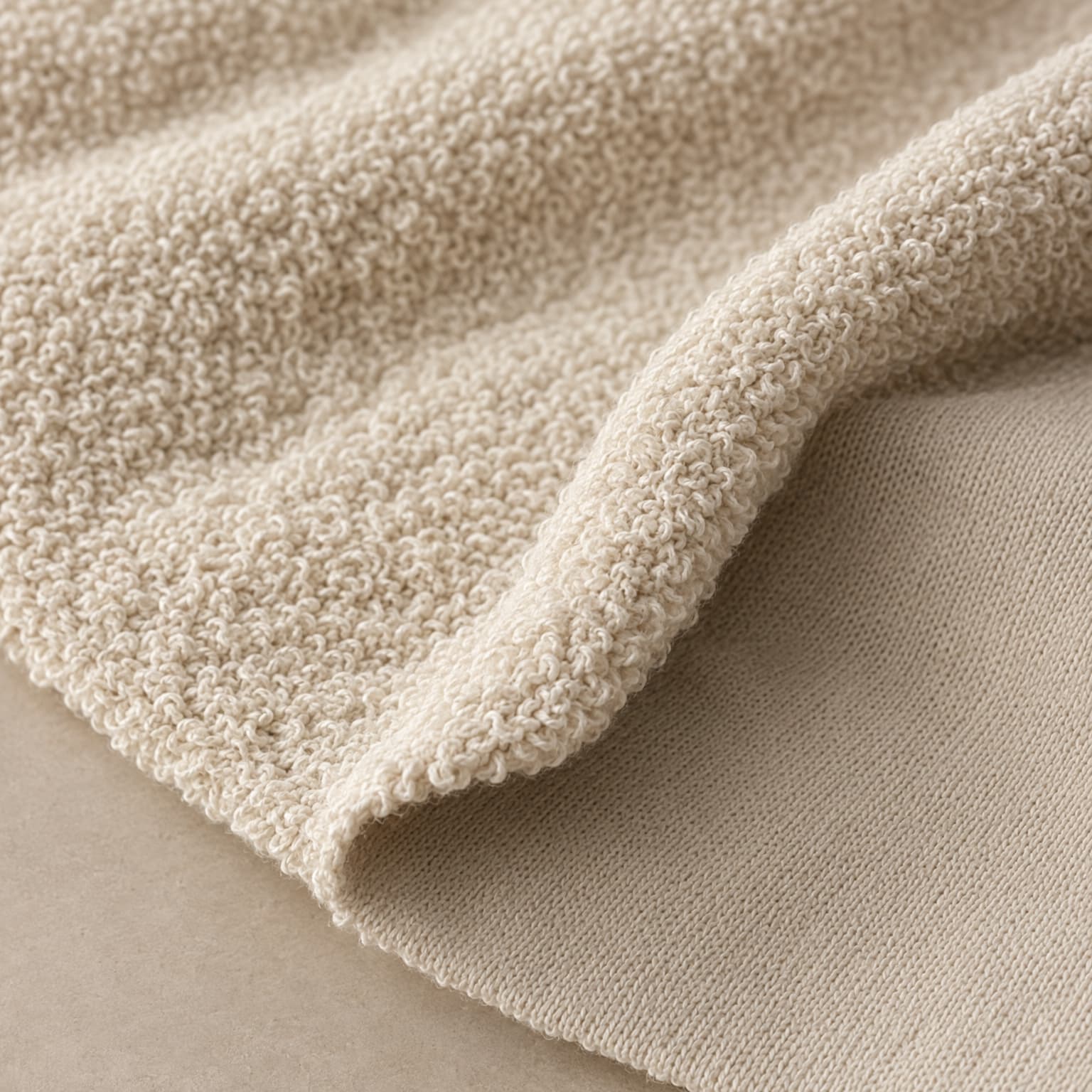
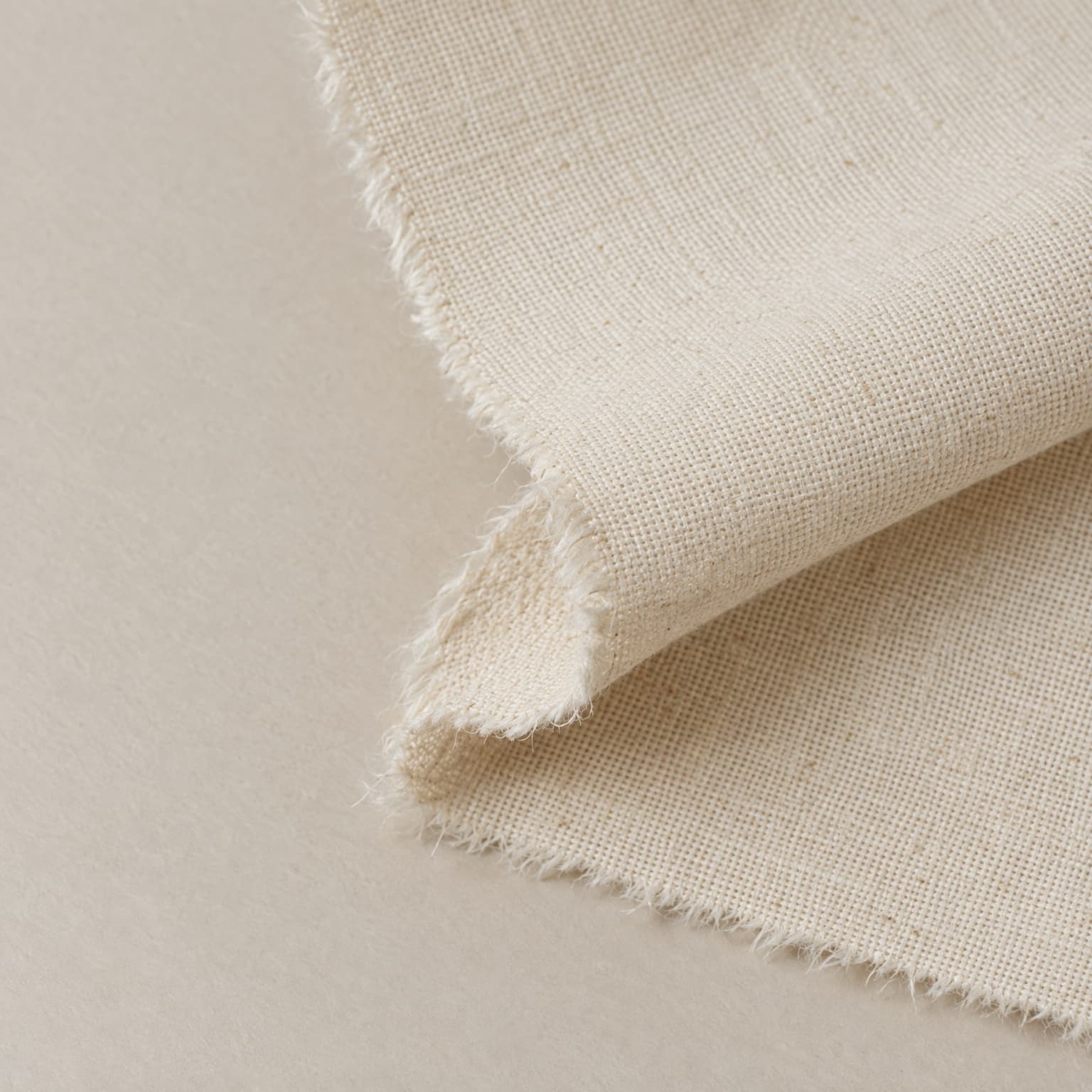
The same dye gives a different result on different fabrics. A cotton jersey, a polyester knit and a brushed fleece will not look identical even with the same recipe. Always request lab dips on the actual fabric, not on a substitute.
Lab dip, strike off and bulk
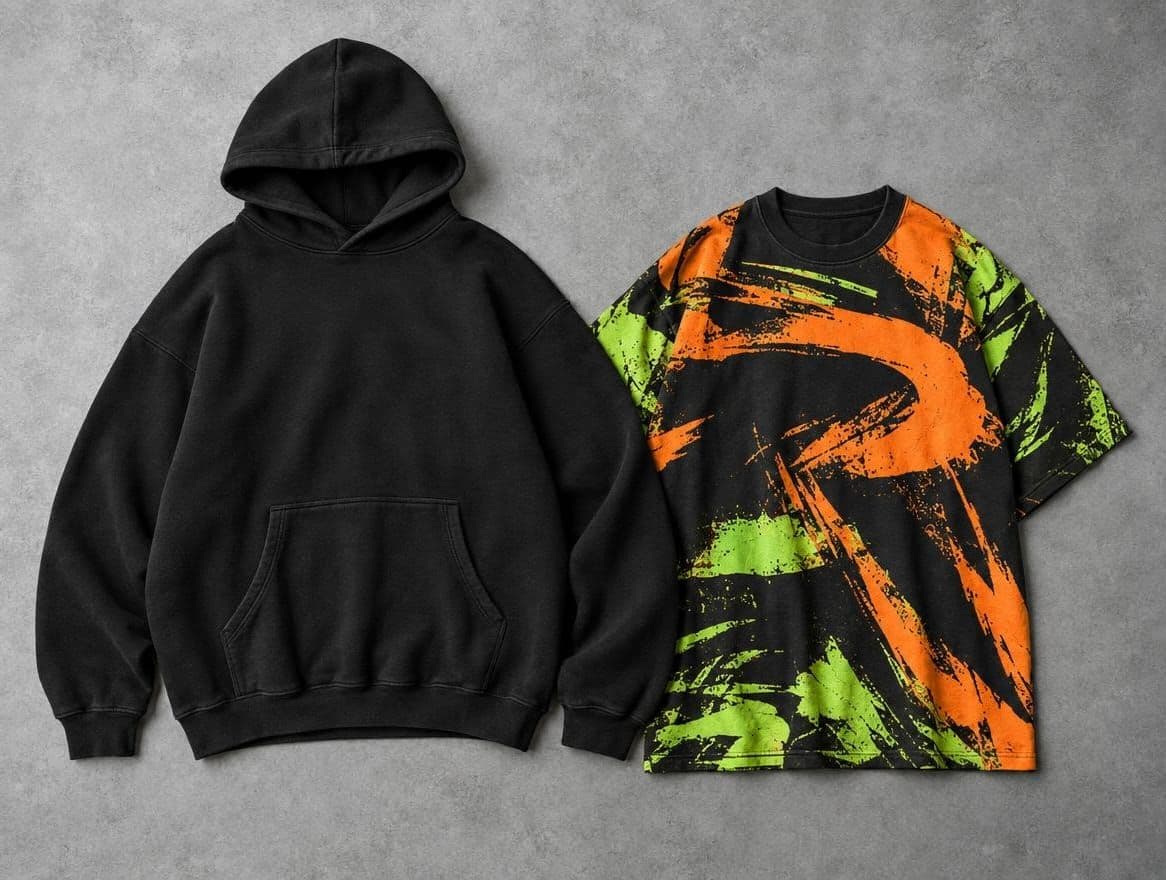
A lab dip approves a dyed colour. A strike off does the same job for a print, showing the artwork in its real colours on the real fabric. Both come before bulk. After bulk dyeing, check the first lot against the approved lab dip and agree an acceptable tolerance, because small lot to lot variation can exist.