What a garment wash does
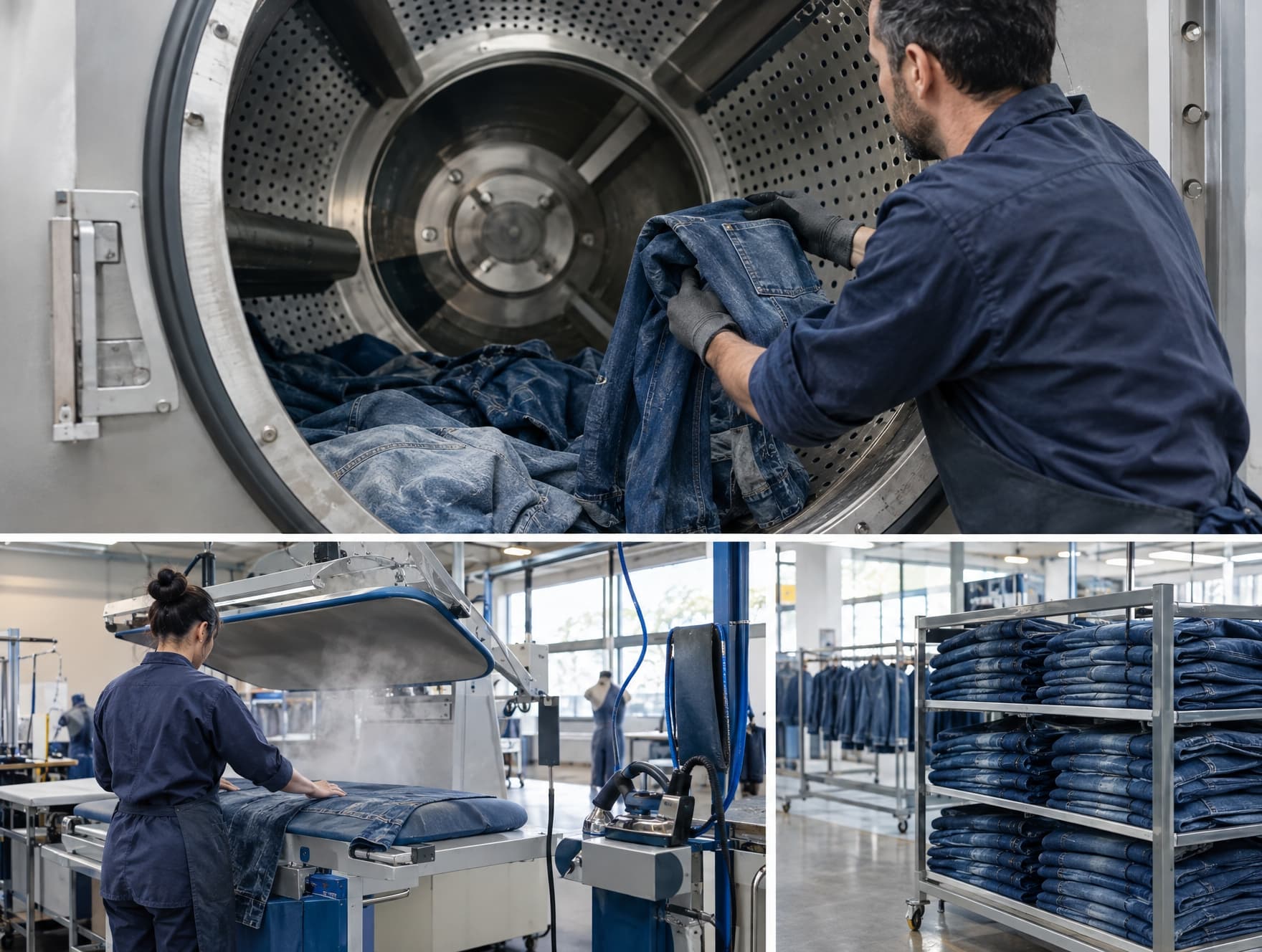
A garment wash is a treatment applied to finished clothing rather than to the fabric. It can soften the hand feel, fade the colour, create a worn effect or pre shrink the garment. Because the result depends on time, temperature, chemistry and the fabric itself, each wash is developed as a recipe and approved on a sample.
Enzyme wash
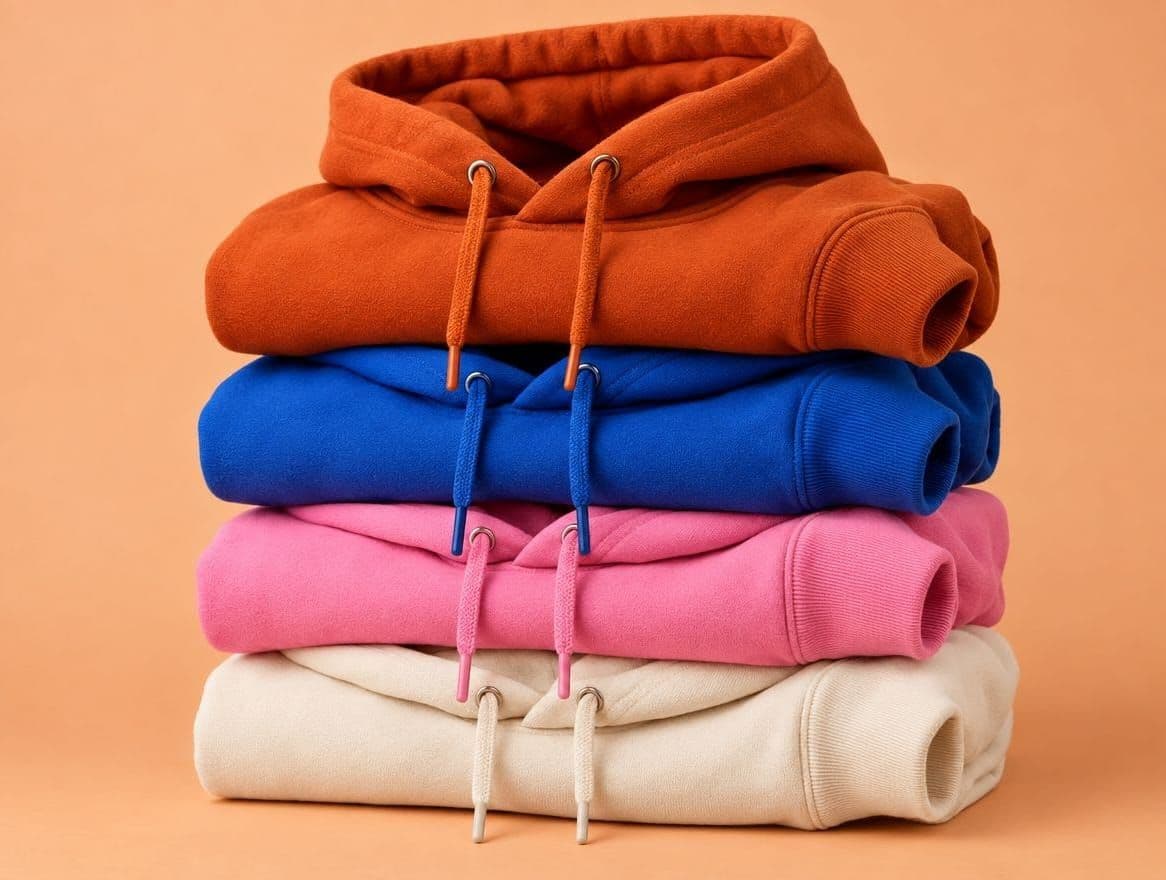
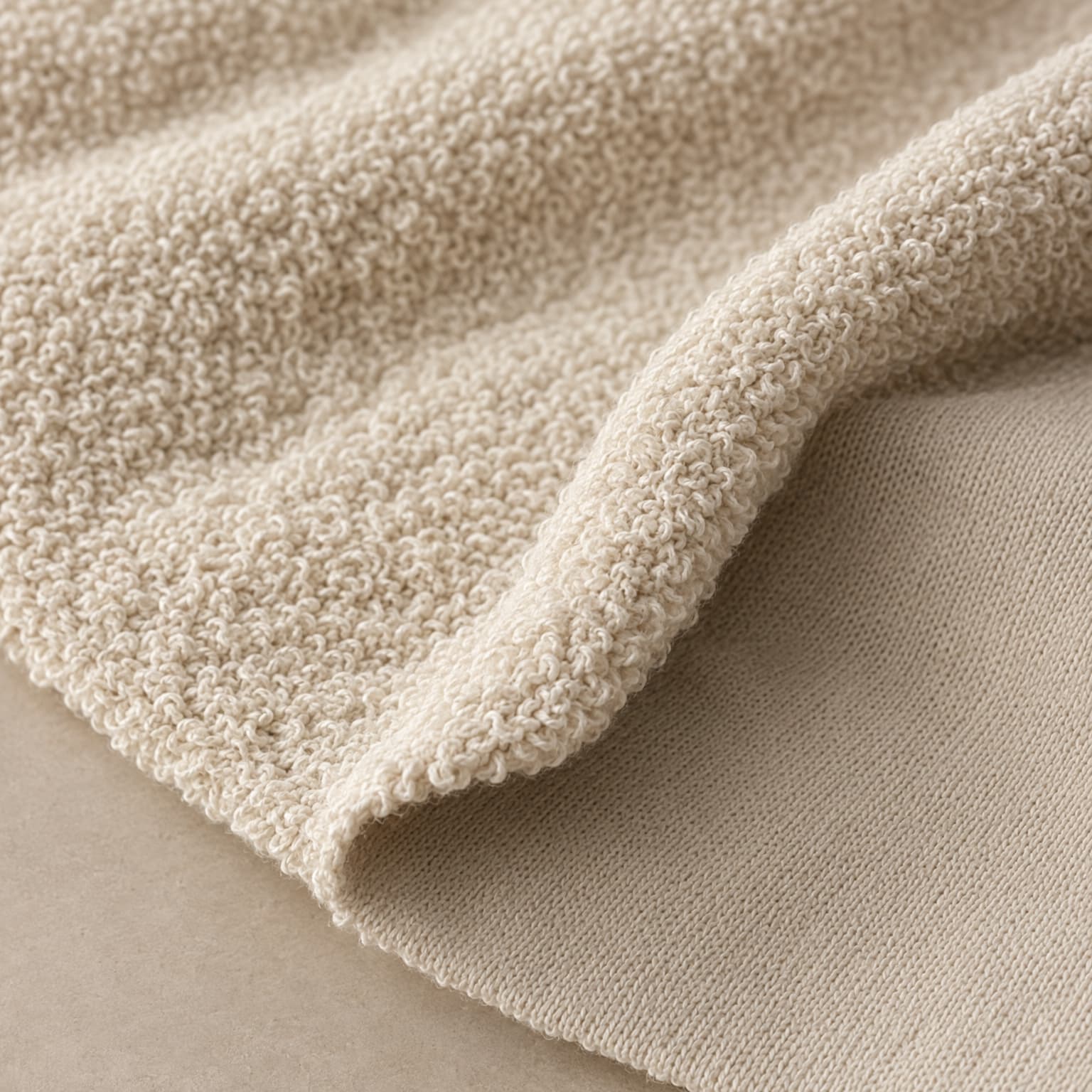
An enzyme wash uses enzymes, usually cellulase, to gently break down tiny fibre ends on the surface of cotton. The result is a softer, smoother fabric with less surface fuzz, which also reduces later pilling. It is a common finish for t-shirts, sweatshirts and hoodies where softness matters, and it is gentler on the fabric than abrasive methods.
Stone wash
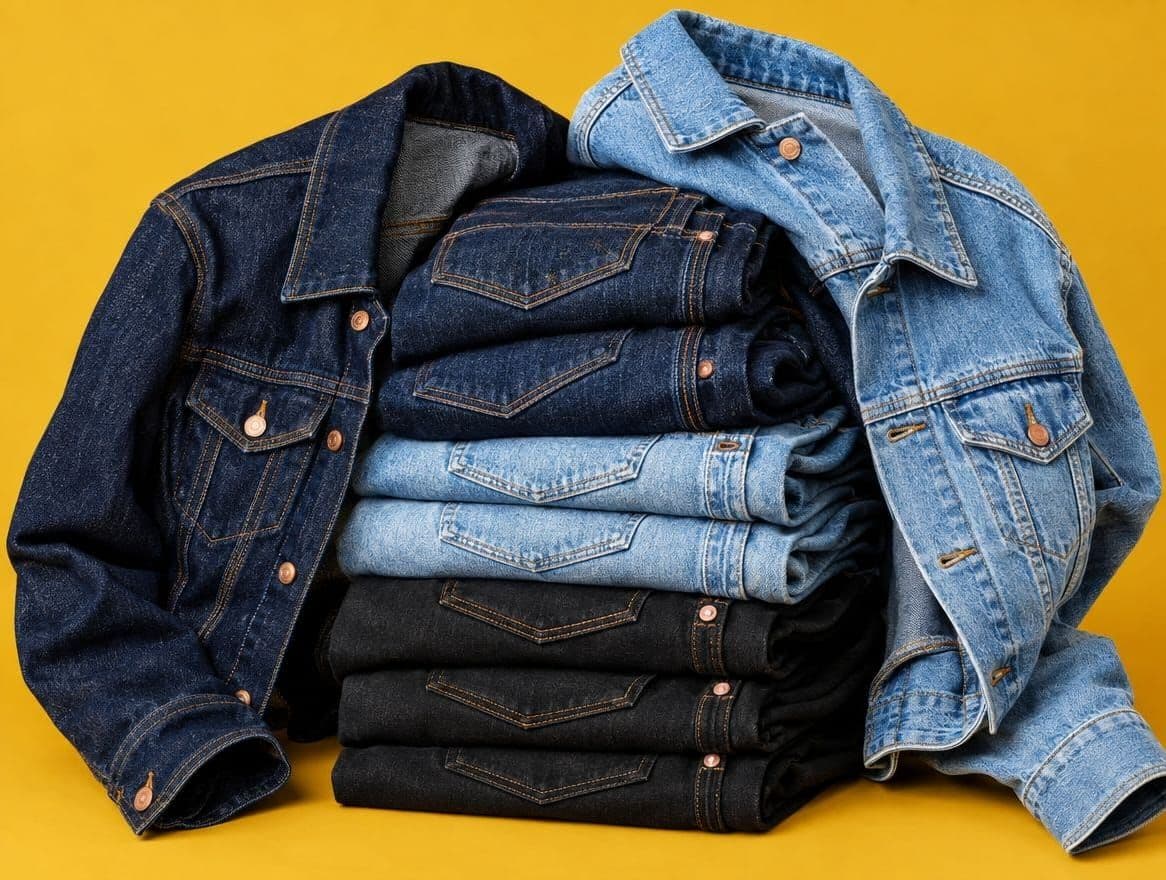
A stone wash tumbles garments with pumice stones, which abrade the surface and fade the colour. It is typical for denim and creates a worn, lived in look. The abrasion also softens the fabric but can weaken it if it is overdone.
Acid wash
An acid wash, sometimes called a marble wash, uses an oxidising agent on stones or in a spray to remove dye unevenly, producing a high contrast, mottled look. It is a strong visual effect, so it needs careful control and testing for consistency from garment to garment.
Softener and pre shrinking
A softener finish adds a smooth feel to the fabric and is often combined with another wash. A pre shrink wash relaxes the fibres in advance so the garment changes less in the customer's first wash. Cotton knits and wovens both relax and shrink, so many brands specify a wash simply to make sizing predictable.
What washing does to measurements and colour
Washing changes size and colour. Garments usually shrink, particularly in length, and the amount depends on the fabric and the wash. The pattern is cut with an allowance for this, and measurements are checked after the wash against your chart. Colour can lighten or shift, and dark colours can bleed in the wash, so check colourfastness on the approved sample.
- Record post wash measurements, not only pre wash ones.
- Test colourfastness if the garment will be washed with other items.
- Confirm that trims, labels and prints survive the wash.
Keeping washes consistent
A wash is a recipe, and a recipe can drift between batches. Keep an approved washed garment as the physical standard and compare every bulk lot against it. For repeat programmes this matters more than the original development, because the second order should look like the first.