
Loading page content
Loading page content
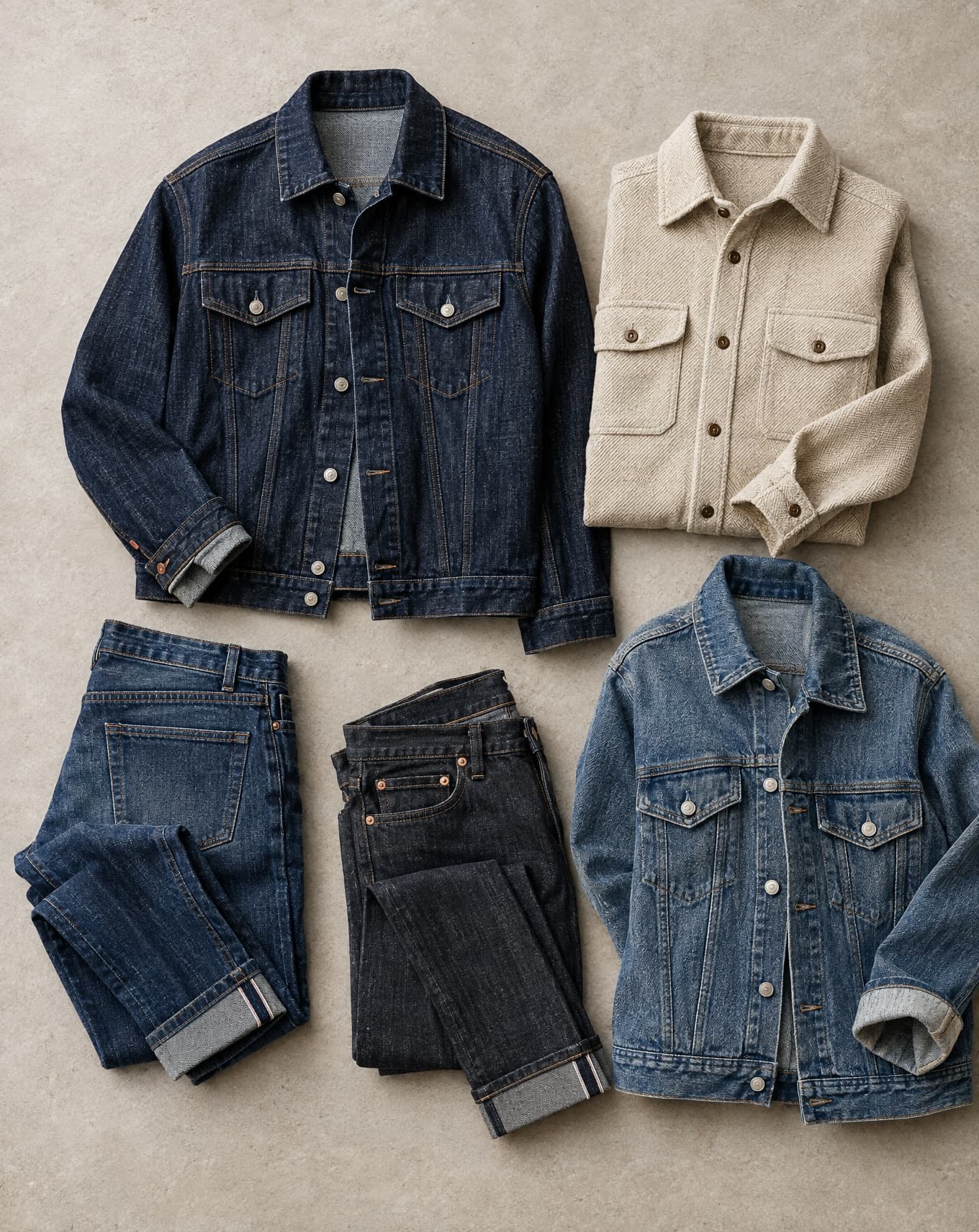
TextileWays develops and manufactures private-label denim for fashion brands, streetwear labels, workwear programmes and retailers: five pocket jeans, denim jackets, overshirts and shorts in rigid or stretch fabric, with the wash developed to your reference garment.
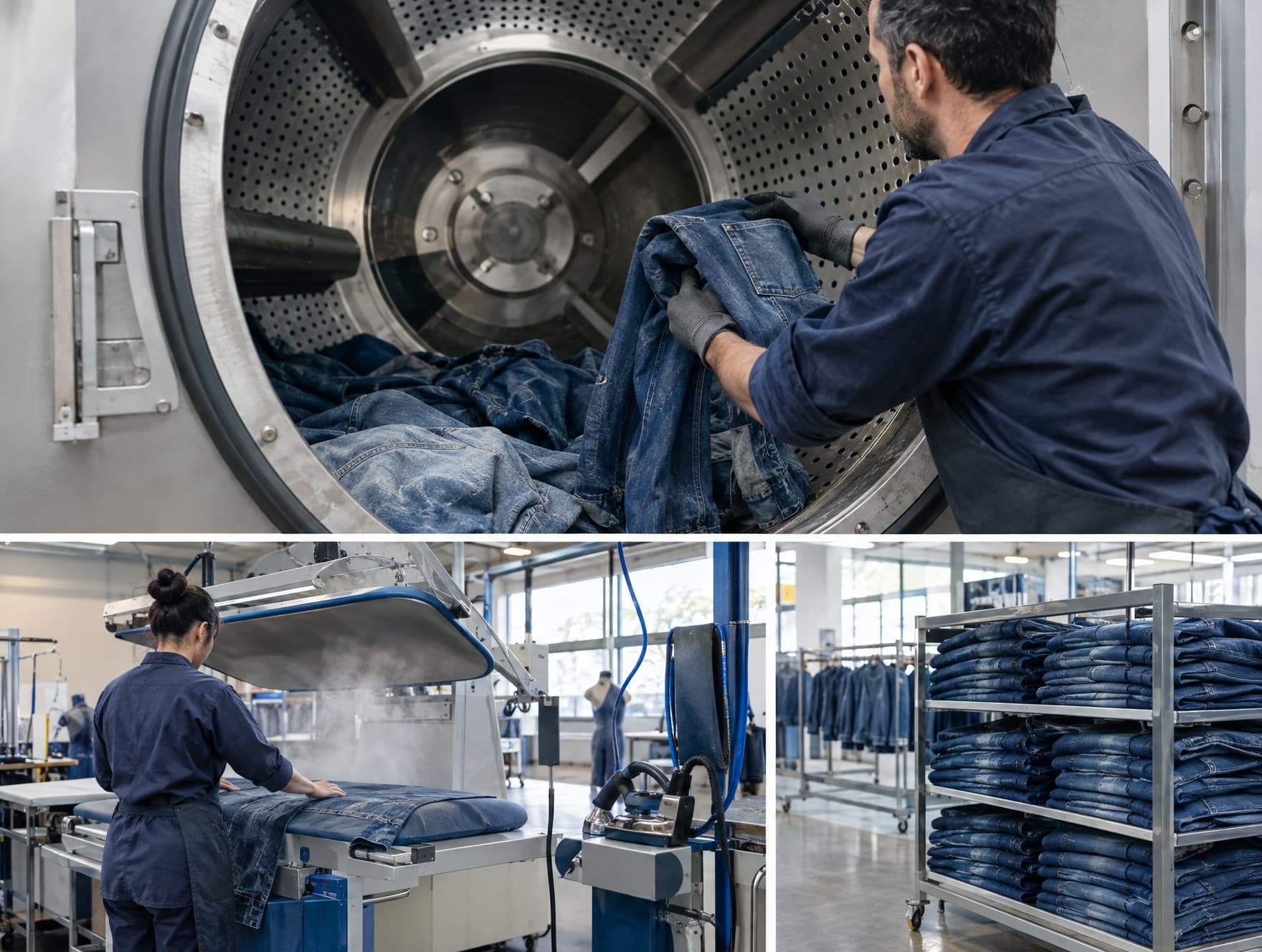
In denim, the wash carries the product. The same fabric becomes a completely different garment depending on the recipe applied after sewing, so a signed wash standard garment, retained by both parties, is agreed before bulk begins. That standard is what keeps a repeat order looking like the first one, and it is also why denim carries a higher practical minimum than plain knitwear.
Product types
Anything not listed can still be assessed on technical review.
Specification
Weight ranges are typical for this product. The finished weight of your fabric is confirmed on the approved sample rather than guaranteed to a figure.
Decoration
Decoration is matched to the fabric and the artwork rather than applied by default.
Materials
Composition, weight guidance and decoration compatibility for each fabric are on its own page.
Ordering
None of these figures are published as a universal number, because none is true across every specification.
Projects can begin from approximately 50 pieces per style following technical review. Denim usually carries a higher practical minimum than knitwear because a wash recipe is developed for each style, so the figure for your project depends on fabric availability, wash complexity, hardware and specification, and is confirmed with your quotation.
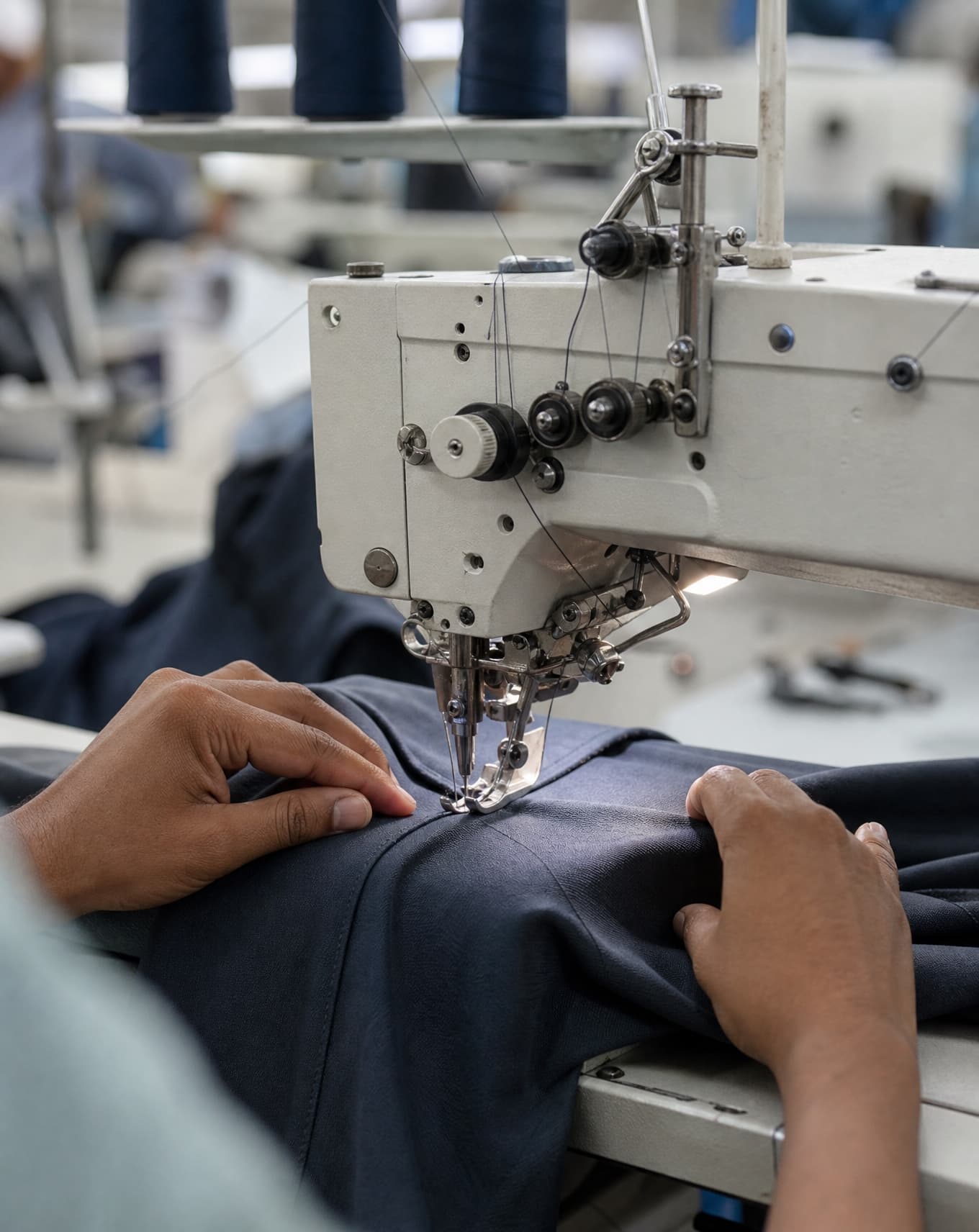
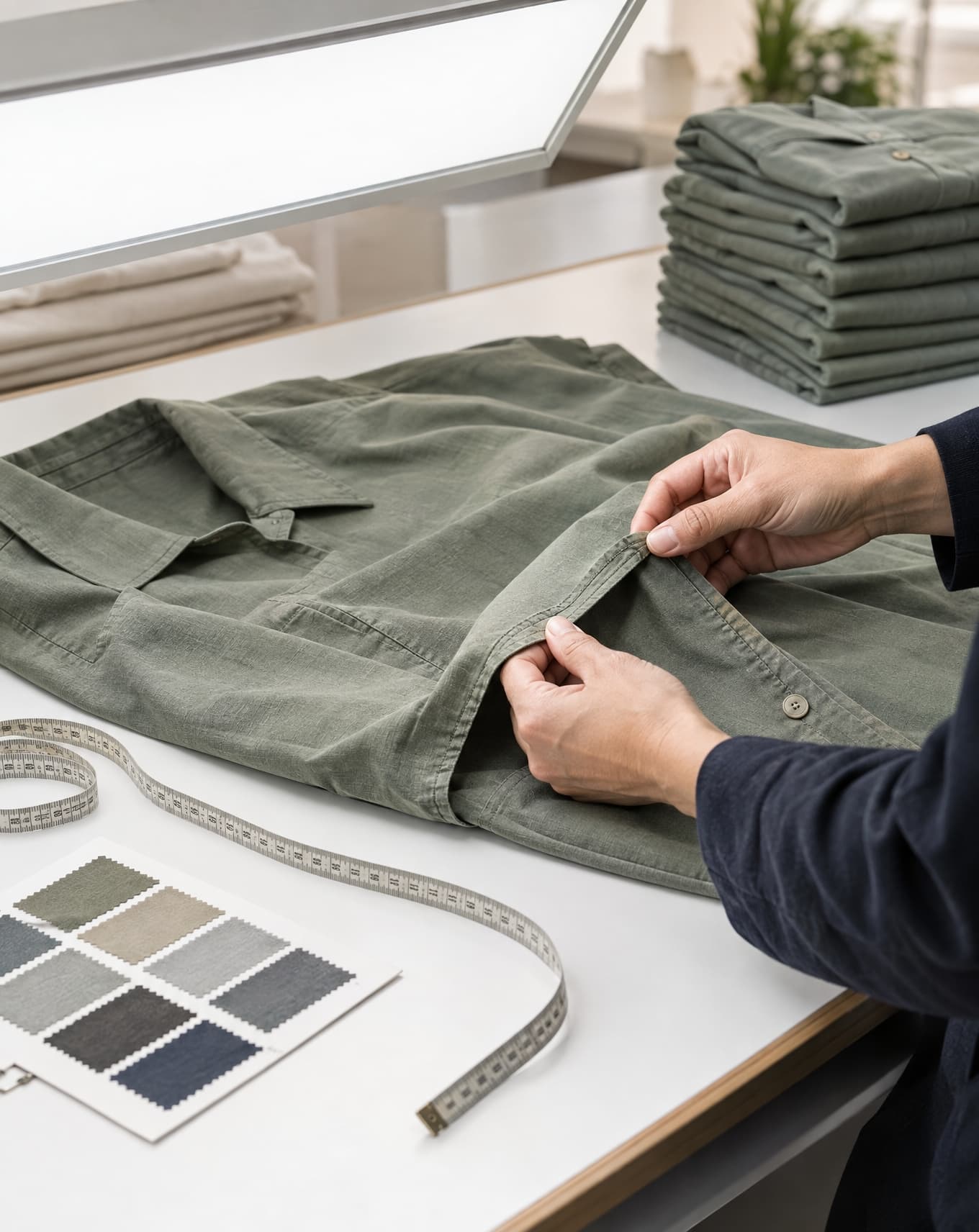
A wash standard garment is approved and retained by both parties. Development typically runs through a proto sample to confirm construction and fit, then a pre production sample that fixes fabric, wash, hardware and labelling before bulk is released.
Lead time depends on the factors above rather than a single published figure. An indicative schedule is confirmed with your quotation.
Markets
Sizing, labelling and documentation conventions differ by destination. Guidance for each market we export to is on its own page.
Questions
Minimum order quantity depends on material availability, colour count, construction, decoration and packaging. Projects can begin from approximately 50 pieces per style following technical review. Where a fabric has to be knitted or dyed specifically for a project, the practical minimum is set by the mill rather than by us, and we tell you that before you commit.
Sampling normally runs in stages: a proto sample to confirm construction, a fit sample against your measurement chart, and a pre production sample that fixes fabric, colour, decoration, labelling and packaging. Each stage needs written approval before the next one starts. Sample charges and courier costs are quoted before work begins.
An approved pre production sample and the signed specification become the reference for repeat orders. Reorders are checked against that reference rather than reinterpreted, which is what keeps a second run consistent with the first. Where a fabric or trim has changed availability, we tell you before production instead of substituting quietly.
Share your product details, target quantity and delivery requirements. We will confirm feasibility, materials and construction before quoting.