Prepare before you search
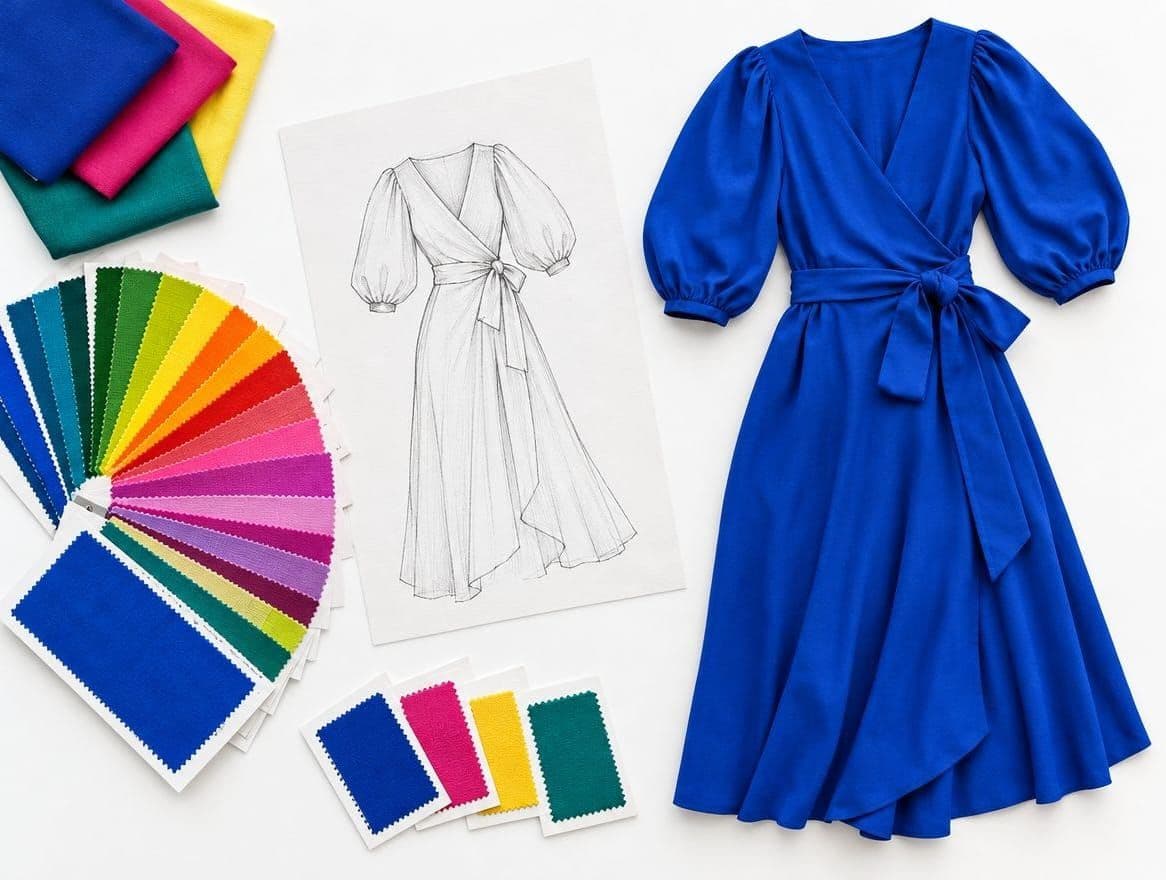
The best way to find a good manufacturer is to be clear about what you want. Write down the product, the fabric you have in mind, the quantity you expect to start with and your target market. If you have a tech pack, a reference garment or a sketch, collect it. Suppliers respond better and quote more accurately to a clear brief.
Where to look
No single channel is best, and most buyers combine several.
- Online supplier directories and sourcing platforms, which give breadth but vary in quality.
- Trade shows and sourcing fairs, where you can meet suppliers and handle samples.
- Referrals from other brands and from freight and sourcing agents.
- Search, where a supplier's own website and content show how it works.
Build a shortlist
Aim for three to five suppliers that make your type of product. Look for evidence that they make what you want: product pages, specifications and clear process information. A supplier who explains limits and minimums plainly is usually easier to work with than one who promises everything.
Questions to ask
Ask the same questions of every supplier so that the answers are comparable.
- What is your minimum order, and what drives it?
- How does sampling work, and what does a sample cost?
- Which certificates do you hold, with numbers I can verify?
- What is your typical lead time, and what affects it?
- Who will be my day to day contact, and how quickly do you respond?
Verify claims
A claim is only as good as its evidence. If a supplier lists a certificate, ask for the number, scope and expiry and check it with the issuing body. Ask for a video call of the facility, and for references from other buyers where permission exists. Be cautious of a supplier who cannot or will not provide these.
Warning signs
Some signs suggest caution.
- Prices far below every other quote, with no explanation.
- Vague answers about who actually makes the product.
- Certificates shown as logos with no numbers.
- Pressure to pay in full before any sample.
Start small
Before committing to a large order, order a sample and then a small first run. This tests quality, communication and timing at low risk. A supplier that handles a small order carefully is a good sign for the larger ones that follow.