Start with the end in mind
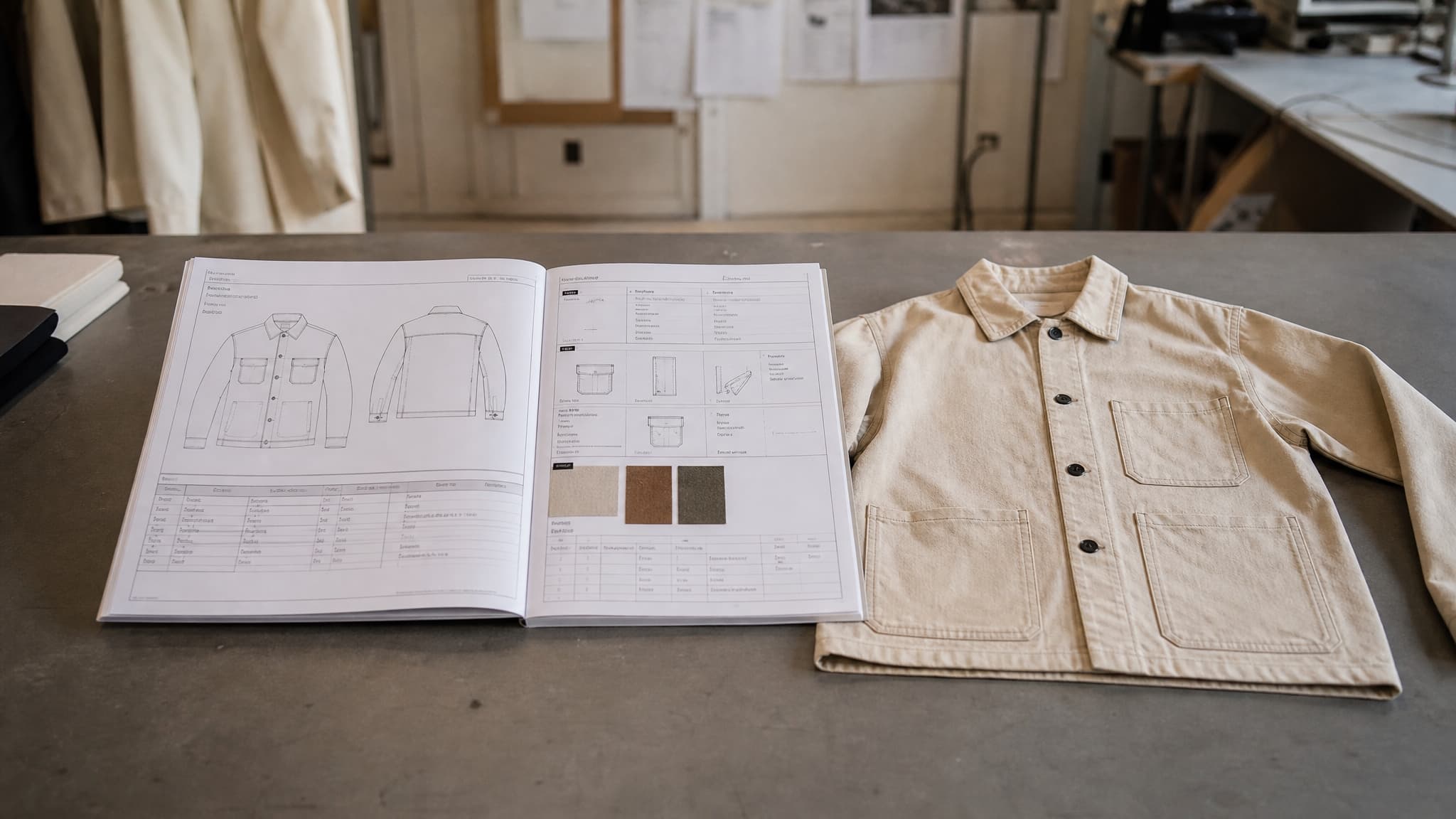
A tech pack, short for technical package, is the specification a factory uses to make your garment. A good one means a person who has never spoken to you can produce the same garment months later. Build it in the order below and it comes together in a few sittings.
Step 1: draw the technical flat
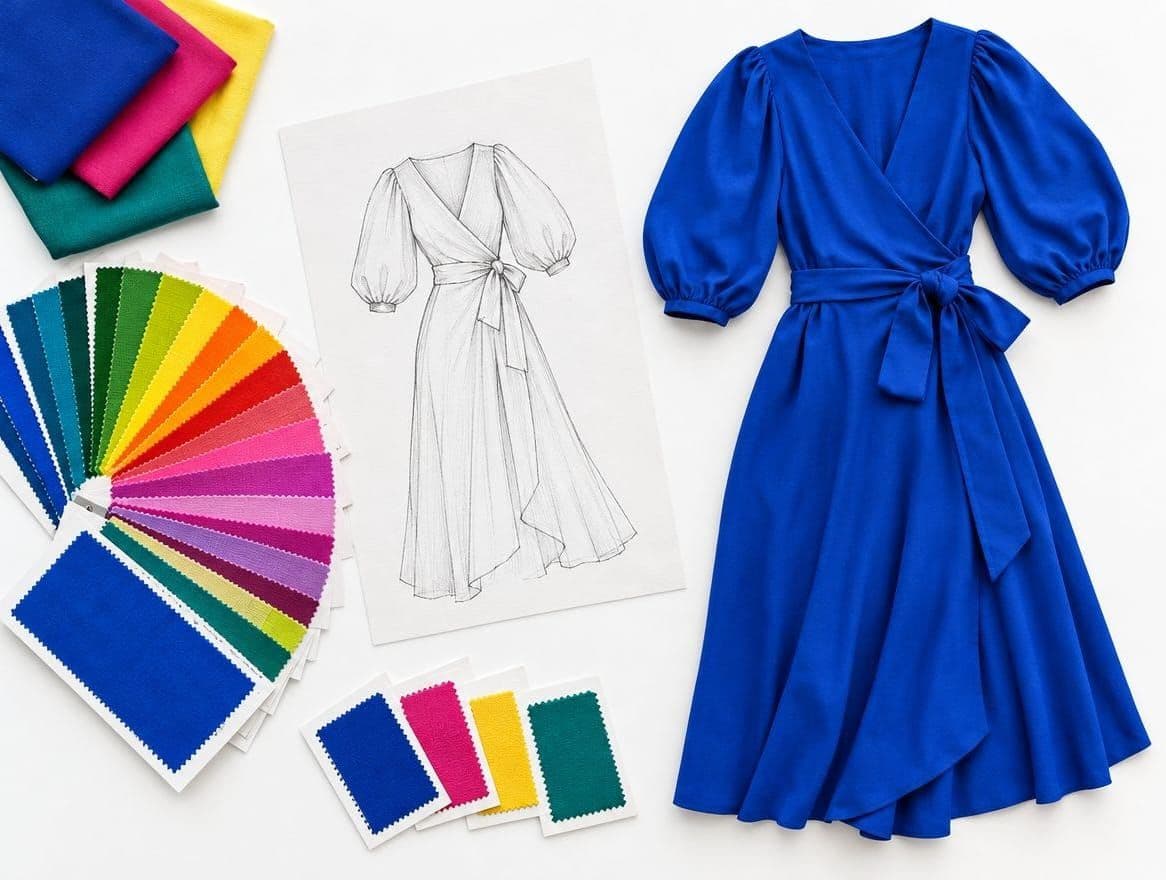
Draw the garment flat, front and back, with clean lines and the seams visible. Add close up views for details such as pockets, collars, hems and cuffs. Flats do not need artistic skill, only accuracy, and any vector drawing tool or even a clean hand drawing works.
Step 2: set the measurements
List the points of measure for the garment, such as chest width, body length, sleeve length and hem. Give a size for your base size and a tolerance for each point, for example how much plus or minus is acceptable. Tolerances are what let a factory decide whether a sample passes.
If you have a garment that fits well, measure it and use those figures as your starting point.
Step 3: list materials and trims
Create a bill of materials: the main fabric with composition, weight and colour, any contrast fabric, rib, thread, zips, buttons, labels and drawcords. The more specific the entry, the more accurate the quote and the sample.
- Fabric: composition, construction, weight in gsm and colour reference.
- Trims: type, size, colour and where each is used.
- Labels: main label, care label and size label, with placement.
Step 4: describe the construction
Explain how the garment is made: stitch types, seam finishes, how the hem and cuffs are finished, and any reinforcement. Short notes next to the flat are enough if they are precise.
Step 5: add artwork and decoration
Show each print, embroidery or label with its size, position measured from a fixed point, colours and method. Provide artwork files at the correct size. Placement is a common source of disagreement, so give a measured position for every size, not just the base size.
Step 6: colourways, grading and packaging
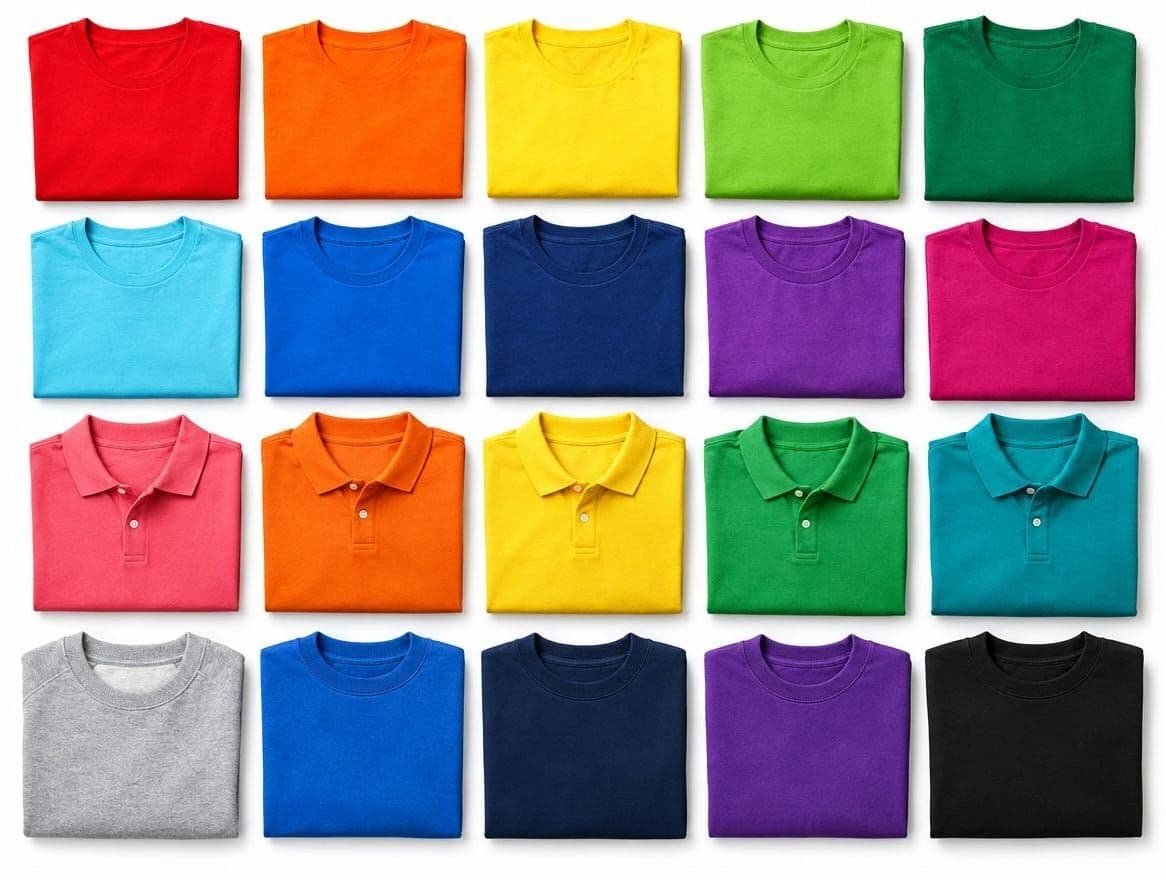
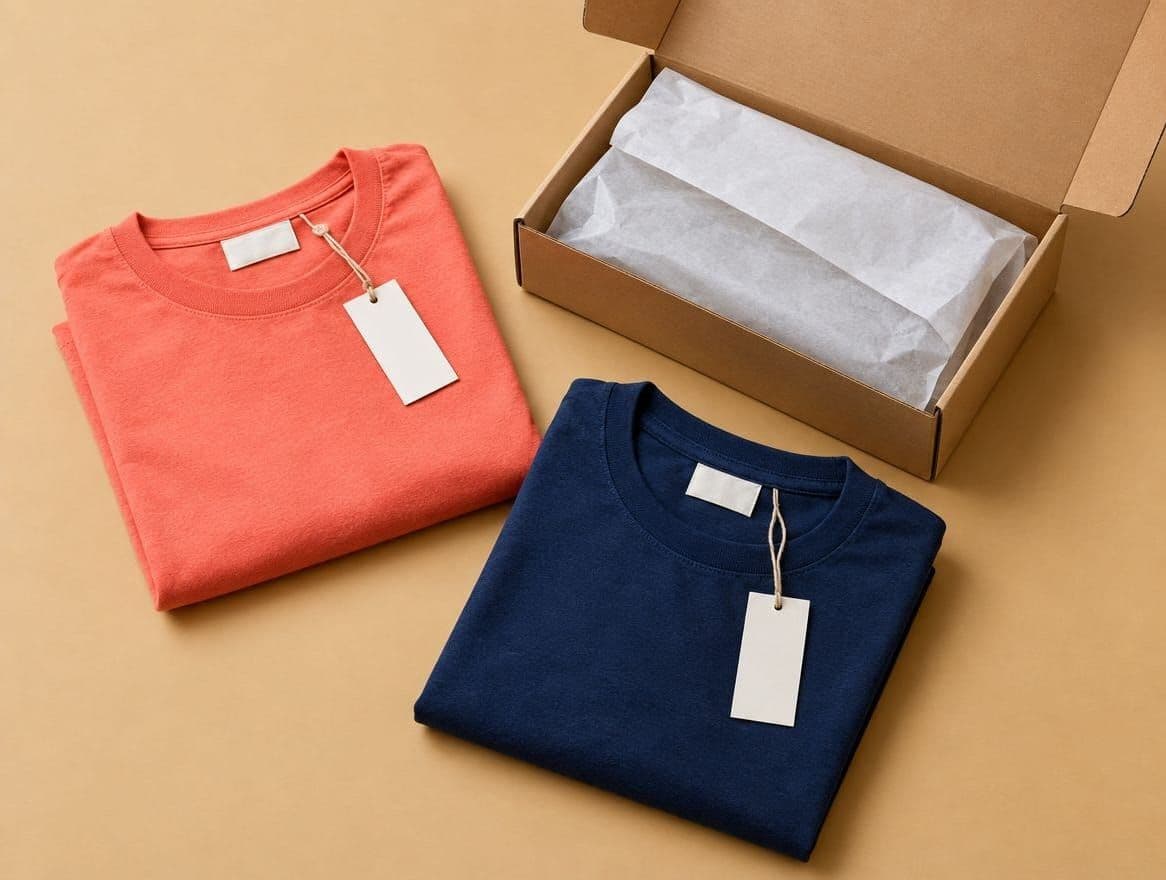
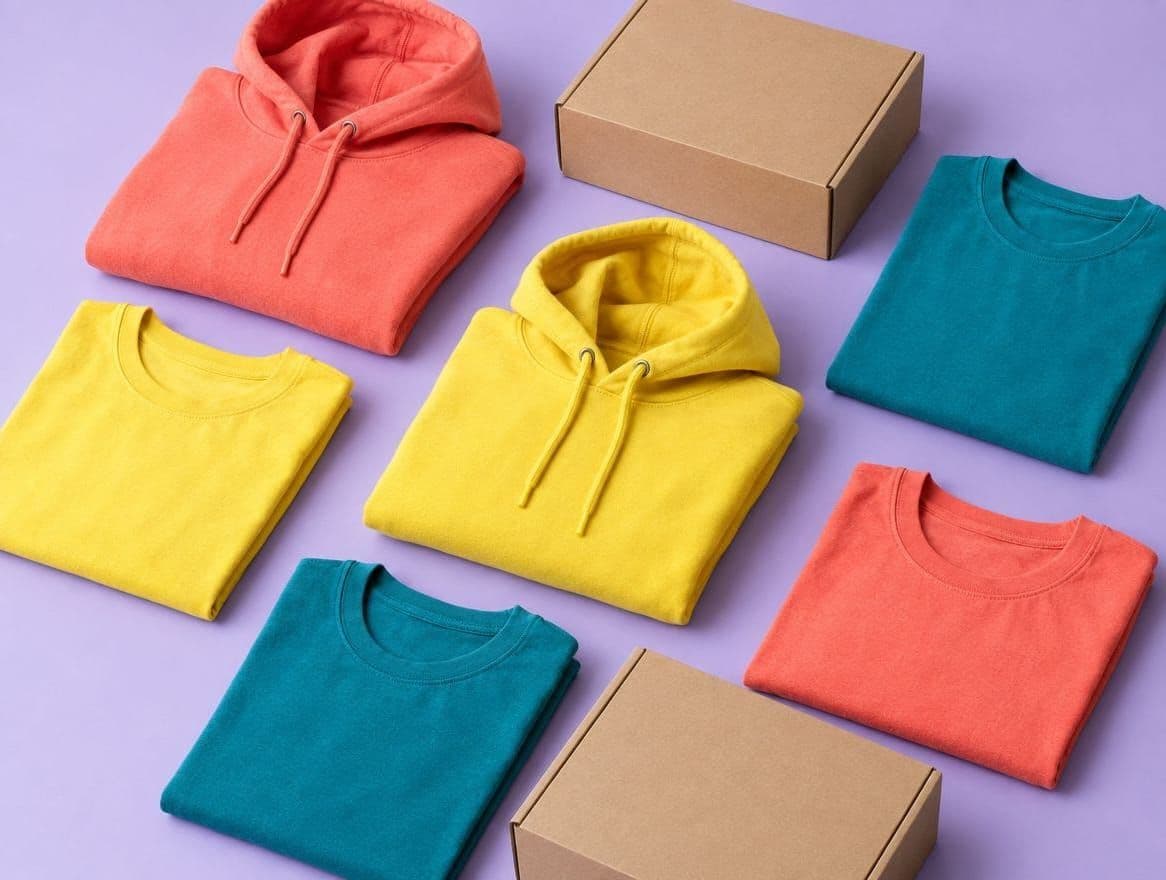
List each colourway with a colour reference, the size range with any grade rules, and the packing instructions: how the garment is folded, bagged, labelled and cartoned.
Step 7: version and approve
Give every revision a version number and date, and record which version each sample approval refers to. When a reorder comes, the approved version is the specification, which is how the second order matches the first.