What a prototype is
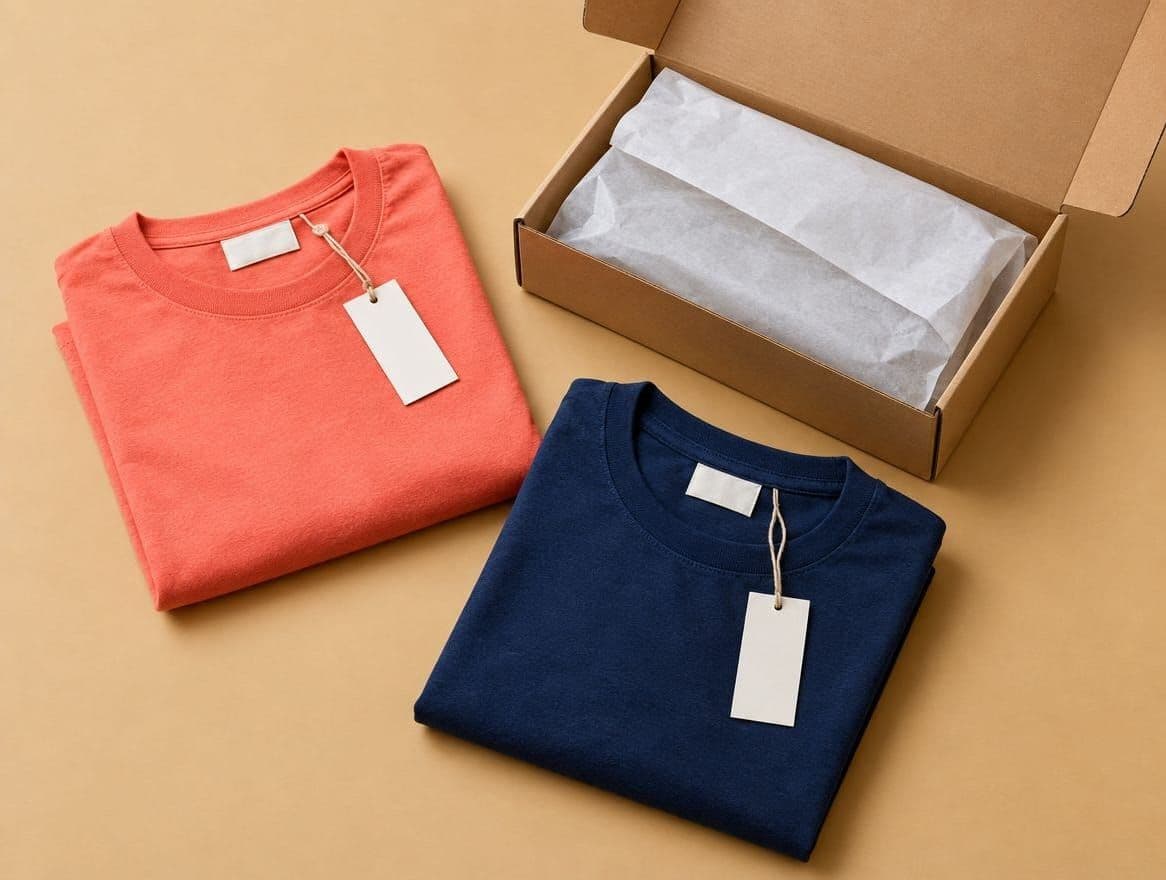
A prototype is the first physical version of a design, made to check that the idea works as a garment. It tests the pattern, the proportions and the way it is put together. It does not have to be in the final fabric, although it should behave like it.
From design to prototype
The path from idea to sample usually follows these steps.
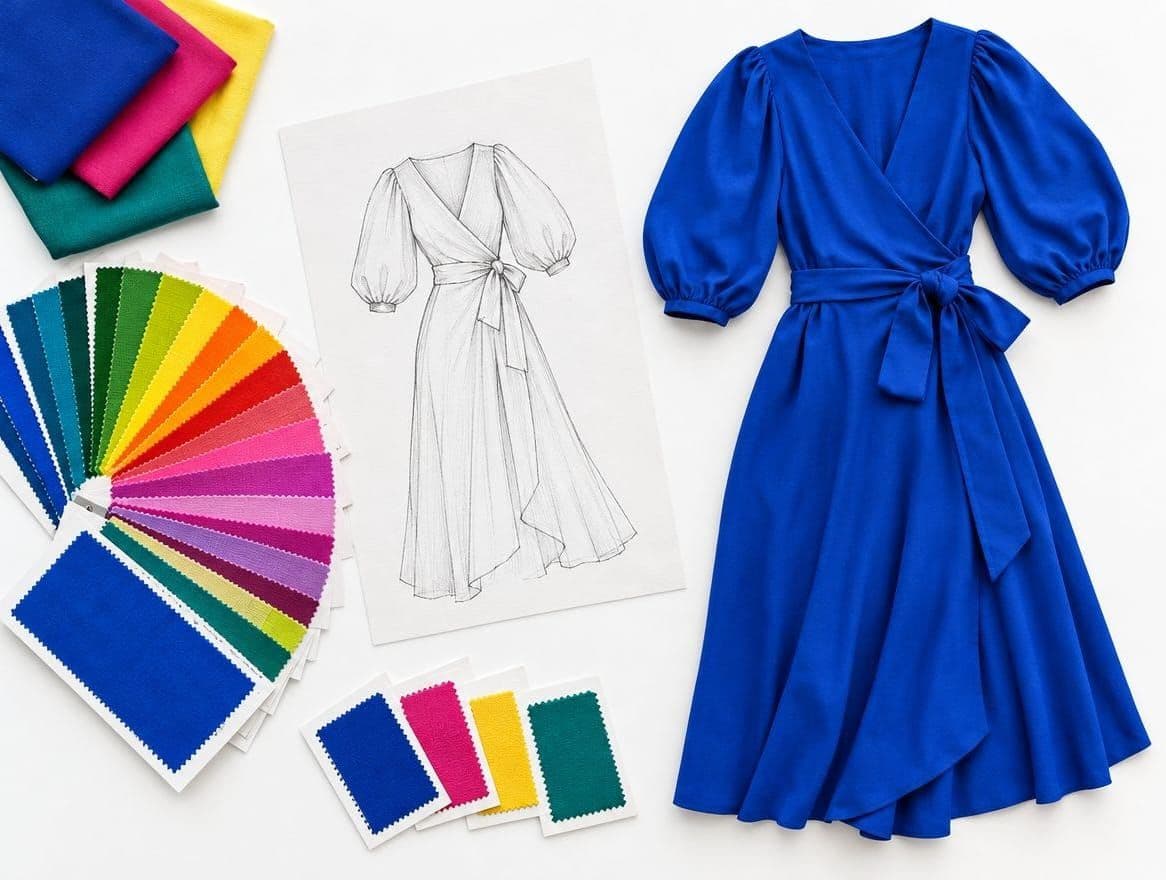
- Design brief: a sketch, tech pack or reference garment.
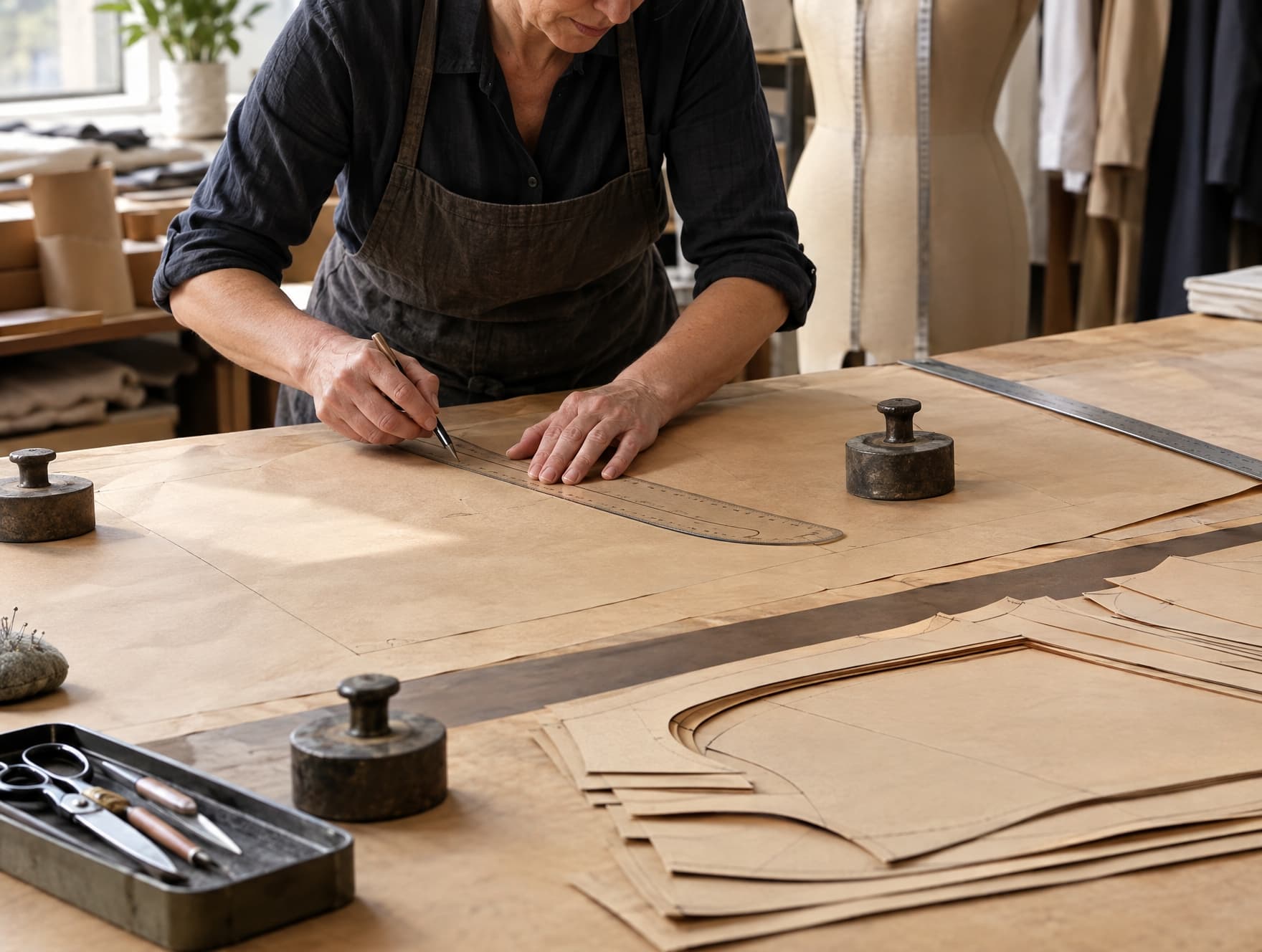
- Pattern making: the flat shapes are drafted or copied from a reference garment.
- Cutting and sewing: the prototype is cut and sewn by a sample maker.
- First review: you check it against your intent and measurements.
The sample sequence
Different samples answer different questions, and mixing them up wastes rounds.
- Prototype or proto sample: confirms the design and construction.
- Fit sample: confirms the measurements and how the garment sits on a body.
- Pre production sample: made in the real fabric and trims, confirming the exact specification for bulk.
Giving feedback that works
Vague feedback slows development. Say the chest is too tight and the factory has to guess how much. Give a measurement and a reference instead: the chest should be two centimetres wider at the same point of measure. Photographs with marked up notes help, and so does a worn photo on a fit model.
How many rounds to expect
It depends on the garment. A simple t-shirt may need one or two rounds, while a tailored or technical piece may need more. Clear measurements, a reference garment and decisions made in one batch rather than across several emails all reduce rounds.
Paying for development
Prototypes involve real work: patterns, fabric and a sample maker's time. Expect development to be quoted separately from bulk production, and ask what is credited or refunded if you proceed to an order. Agree this before development starts, not afterwards.