What rib knit is
Rib knit is made by alternating columns of knit and purl stitches, which creates vertical ridges on both faces. The structure pulls the fabric together widthways, so it stretches a long way and snaps back. That elasticity is the reason rib is used wherever a garment needs to grip the body or hold an opening in shape.
Common rib types
The names describe the pattern of stitches.
- 1x1 rib: one knit stitch alternating with one purl stitch, giving fine ridges and good stretch.
- 2x2 rib: two knit stitches alternating with two purl stitches, giving wider ridges and more recovery.
- Flatback and baby rib: finer variations used in lightweight fitted tops.
Where rib is used
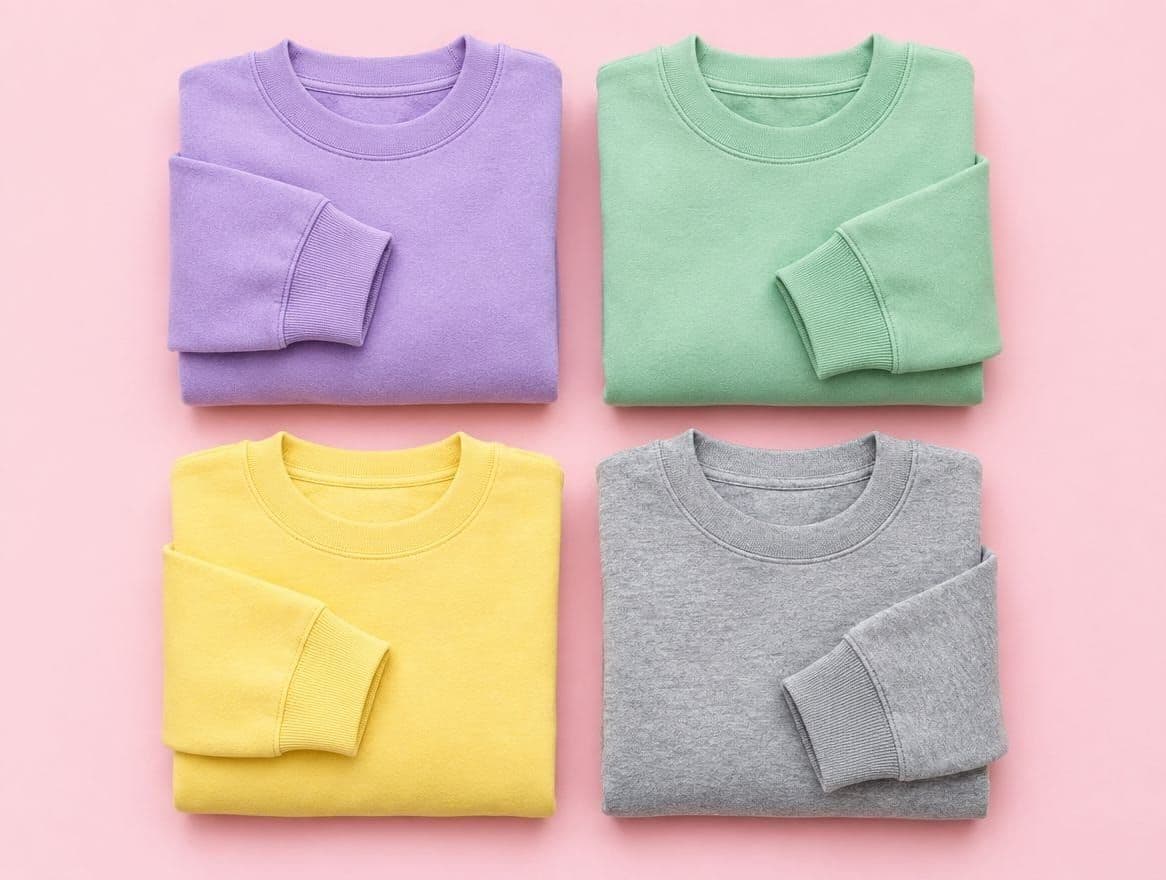
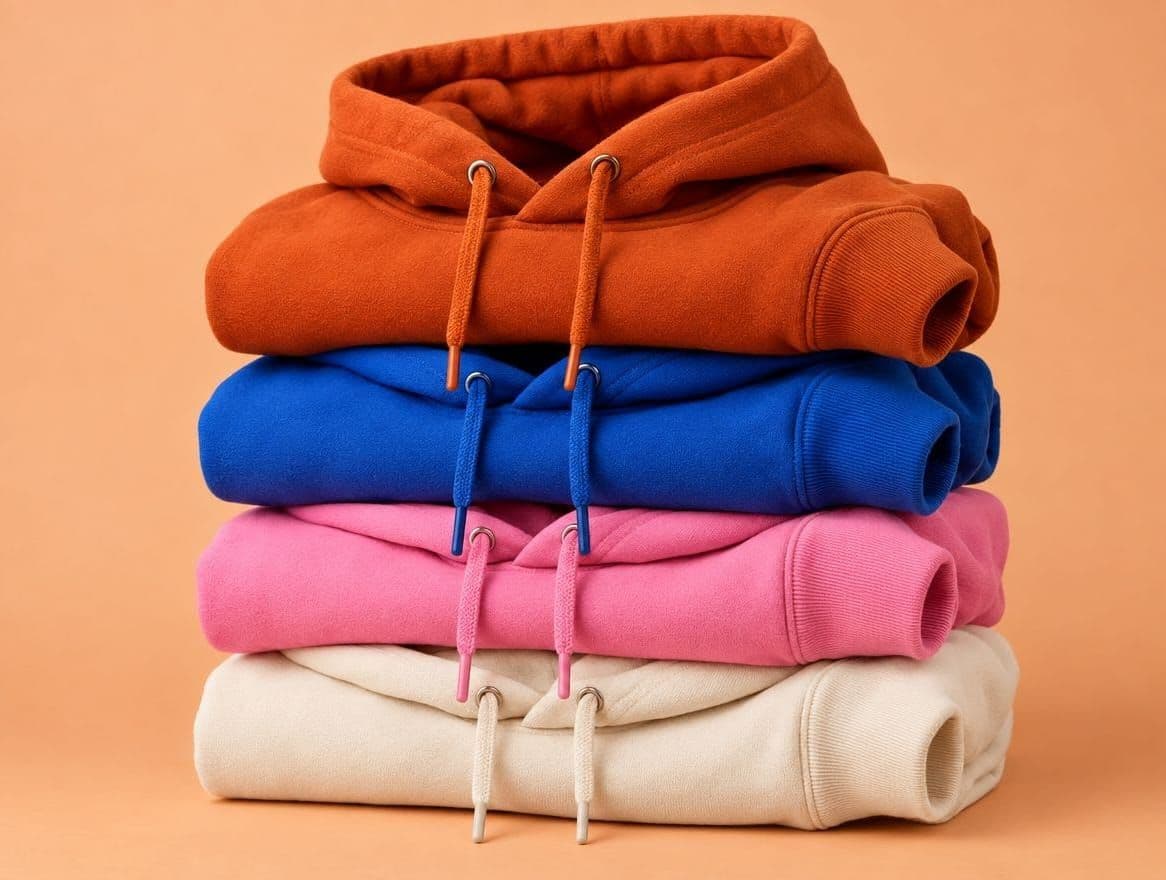
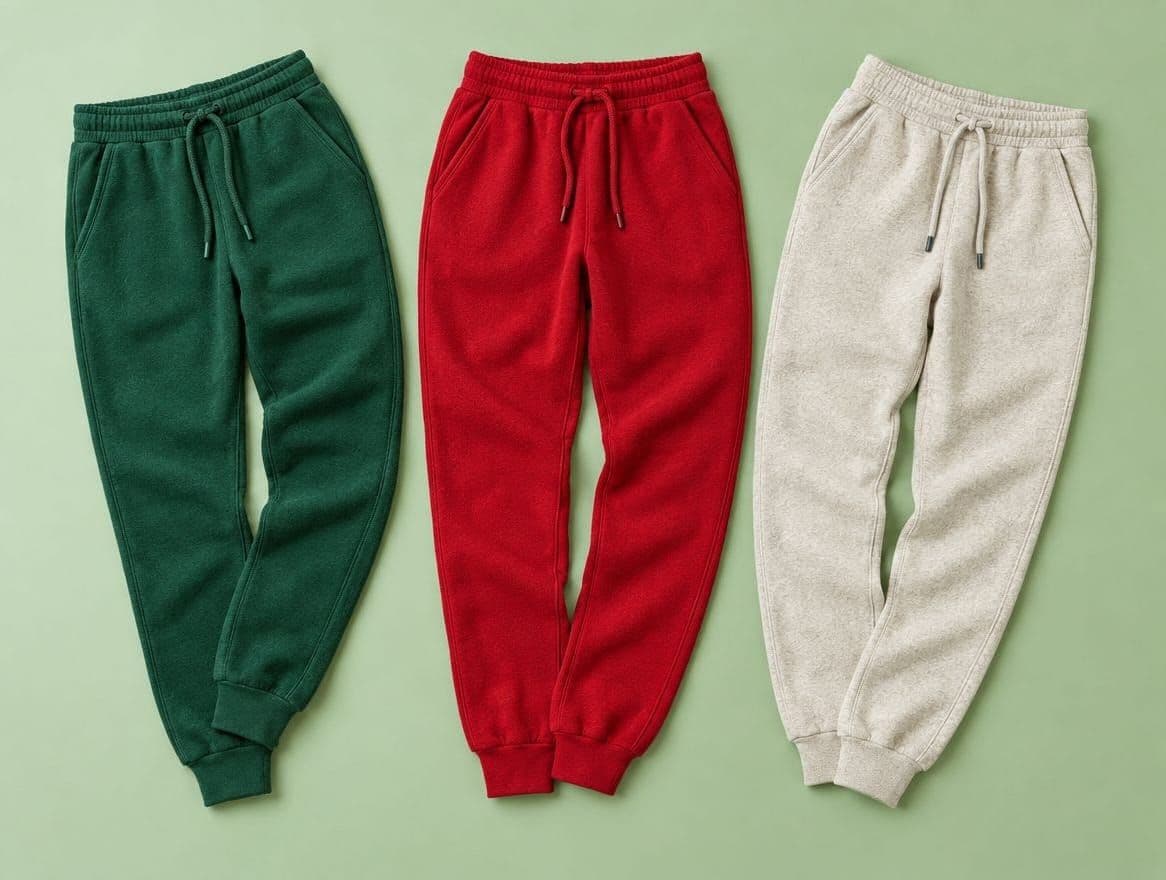
Rib appears in a surprising number of garments. It forms the collar of a crew neck, the cuffs and hem band of a sweatshirt or jacket, the waistband of joggers, and the whole body of fitted ribbed tops and tanks.
- Cuffs and hem bands on sweatshirts, hoodies and bomber jackets.
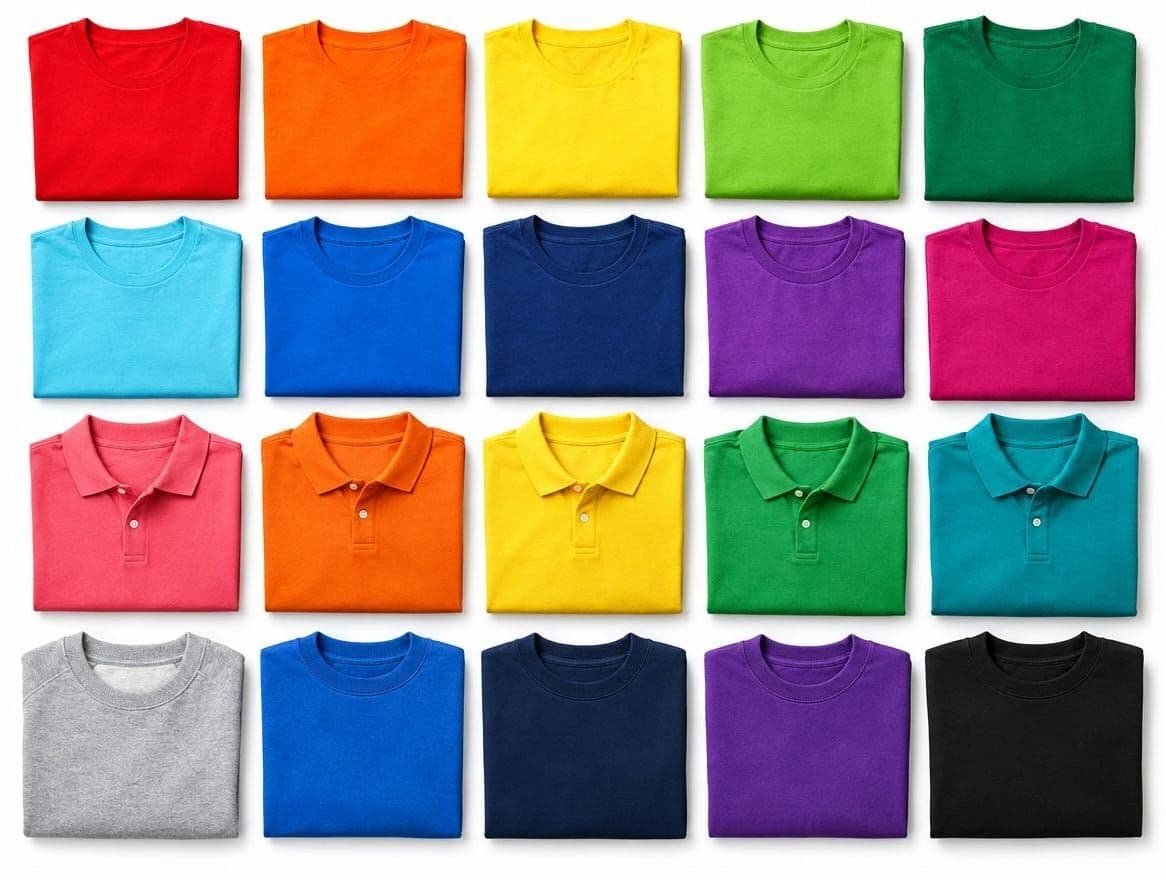
- Crew neck and polo collars.
- Jogger ankle cuffs and waistbands.
- Fitted tops, tanks and baby clothing.
Composition and recovery
Pure cotton rib stretches but can lose shape over time. Adding a small percentage of elastane improves recovery, so cuffs and necklines spring back after wearing and washing. If stretch recovery matters to your design, state it in the specification and test it on the sample.
Matching rib to the body fabric
Rib is usually a separate fabric from the body, so the two have to match in colour. Dye lots can differ slightly, which shows at the cuff and hem. Ask for colour approval on both fabrics together, and confirm that the rib weight suits the body fabric, because a very heavy body fabric needs a rib that can carry it.
How to specify rib
Give the rib type, composition, weight in gsm, width and stretch requirement, plus the colour reference. Add the measured finished width of the rib on the garment, since rib stretches when sewn and the cut length needs to allow for it.