SpecificationGuidanceNotes
- Legging fabric
- 200 to 280 gsm
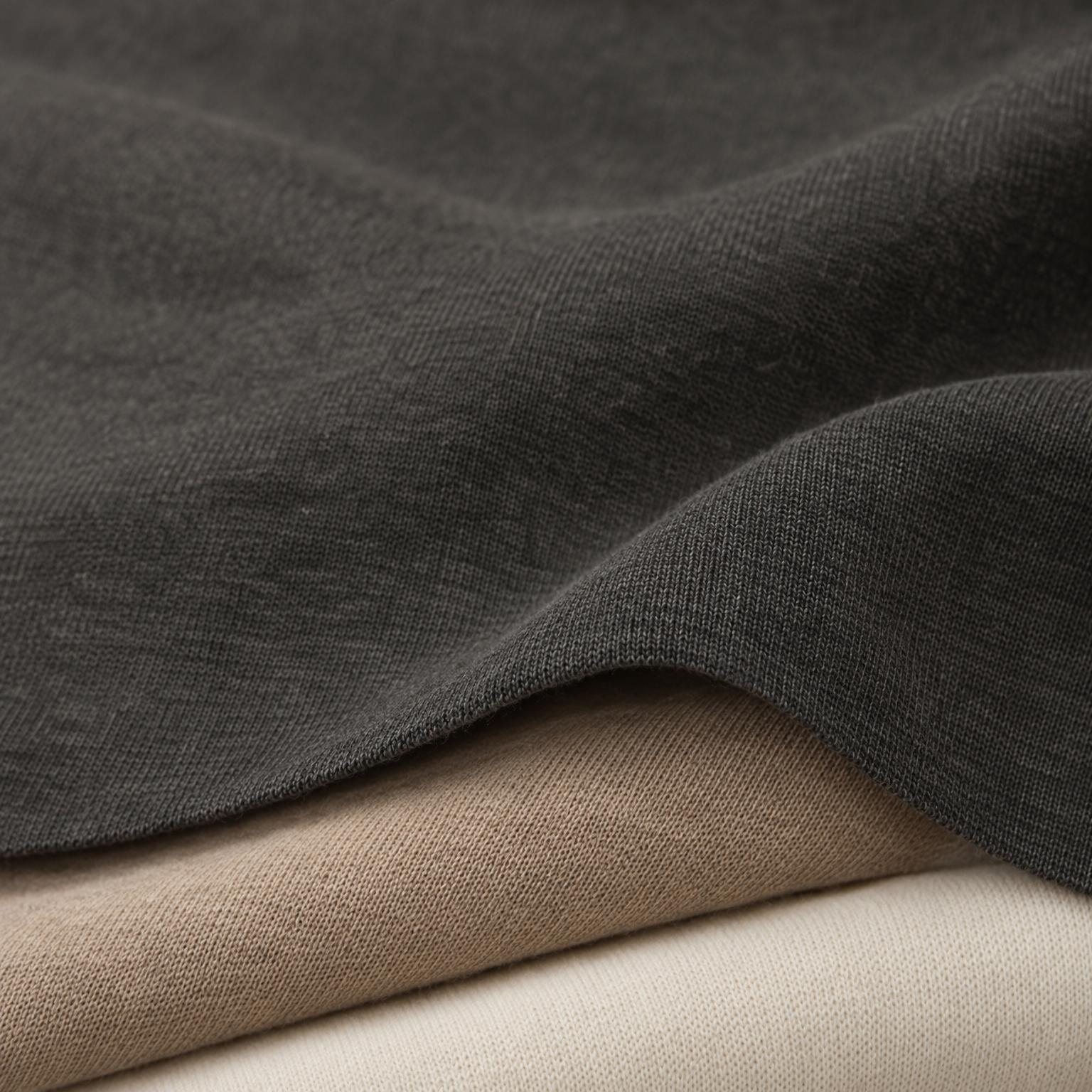
- Heavier fabric tends to help opacity and compression for leggings and tights, but weight alone does not set either: opacity also depends on yarn, knit structure, dye and how far the fabric is stretched, and compression on elastane content, knit structure and pattern size.
- Performance jersey
- 130 to 180 gsm
- Lighter knit for tops, wrap skirts and warm up layers.
Construction options
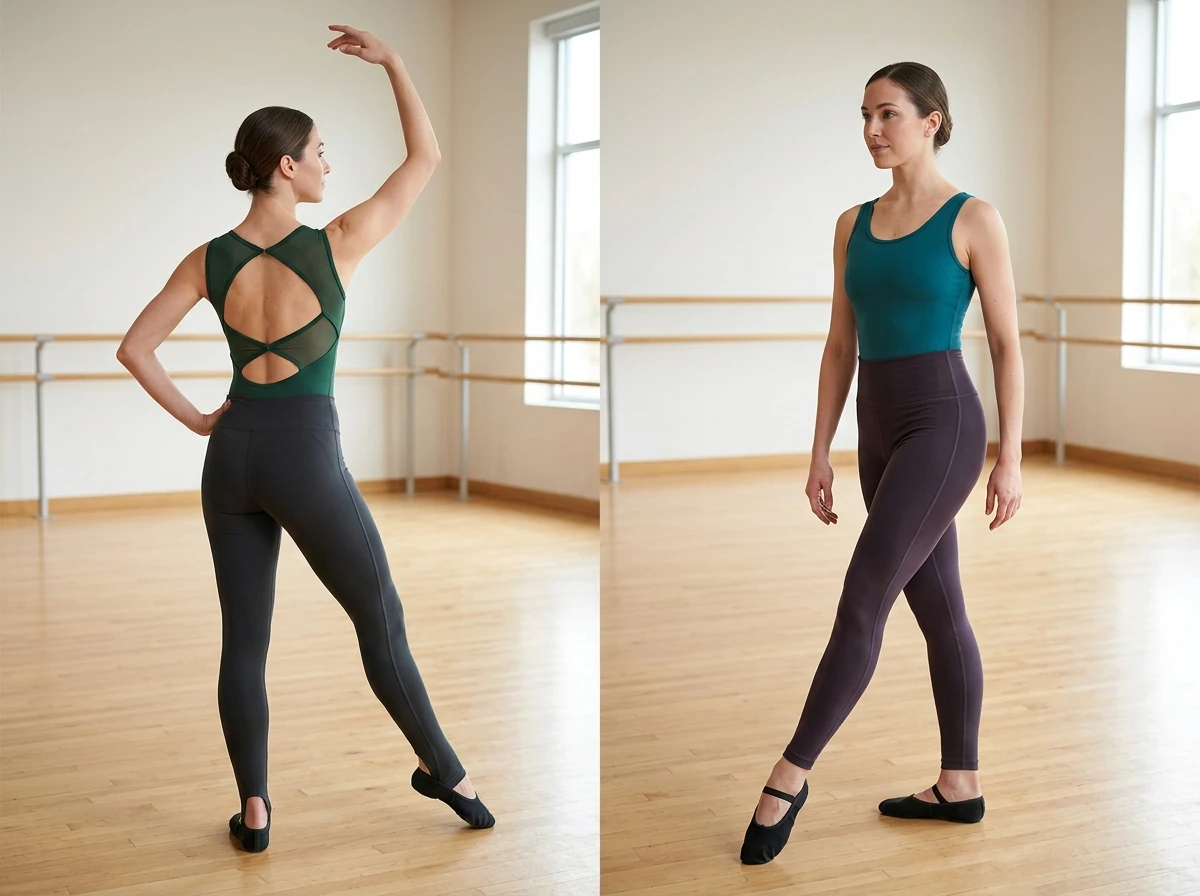
- 01Lined or unlined leotard bodies with bound or elasticated edges
- 02Strap styles: wide, thin, crossed or adjustable, confirmed on the sample
- 03Flatlock seams to reduce chafing
- 04Bonded or elastic waistbands on leggings and skirts
- 05Seamless production for selected pieces, following technical review
- 06Mesh or contrast panels in studio and show colours
Labelling and packaging
- 01Tagless heat transfer labels to avoid skin irritation
- 02Woven labels where the construction allows
- 03Individual polybagging with size and care marking
Weights and construction by component
Component-level guidance for dancewear. Any ranges are indicative sourcing references, not guaranteed order specifications. Different components can need different fabrics, weights and units; the selected materials, construction and finished measurements are confirmed on the approved sample.
Component by component weights, construction and sample checks for dancewear| Component | Weight, unit or setting | Construction choices | Check on the sample |
|---|
| Leotard fabricIndustry guidance | 200 to 280 gsm on the typical range for leggings and tights; weight does not guarantee opacity or compression. | Lined or unlined, bound or elasticated edges. | Opacity stretched. |
|---|
| Tops, wraps and warm upsIndustry guidance | 130 to 180 gsm typical range. | Strap styles, mesh panels, seamless on selected pieces after technical review. | Strap comfort. |
|---|
| Show setsIndustry guidance | Matched shades across pieces. | Coordinated components. | Compare shades together. |
|---|