

Small chest logos
Supplier example- Method
- Heat transfer or embroidery
- Trade-off
- Stretch jersey puckers under dense stitching.
- Approve before bulk
- Test on the real fabric.
Loading page content
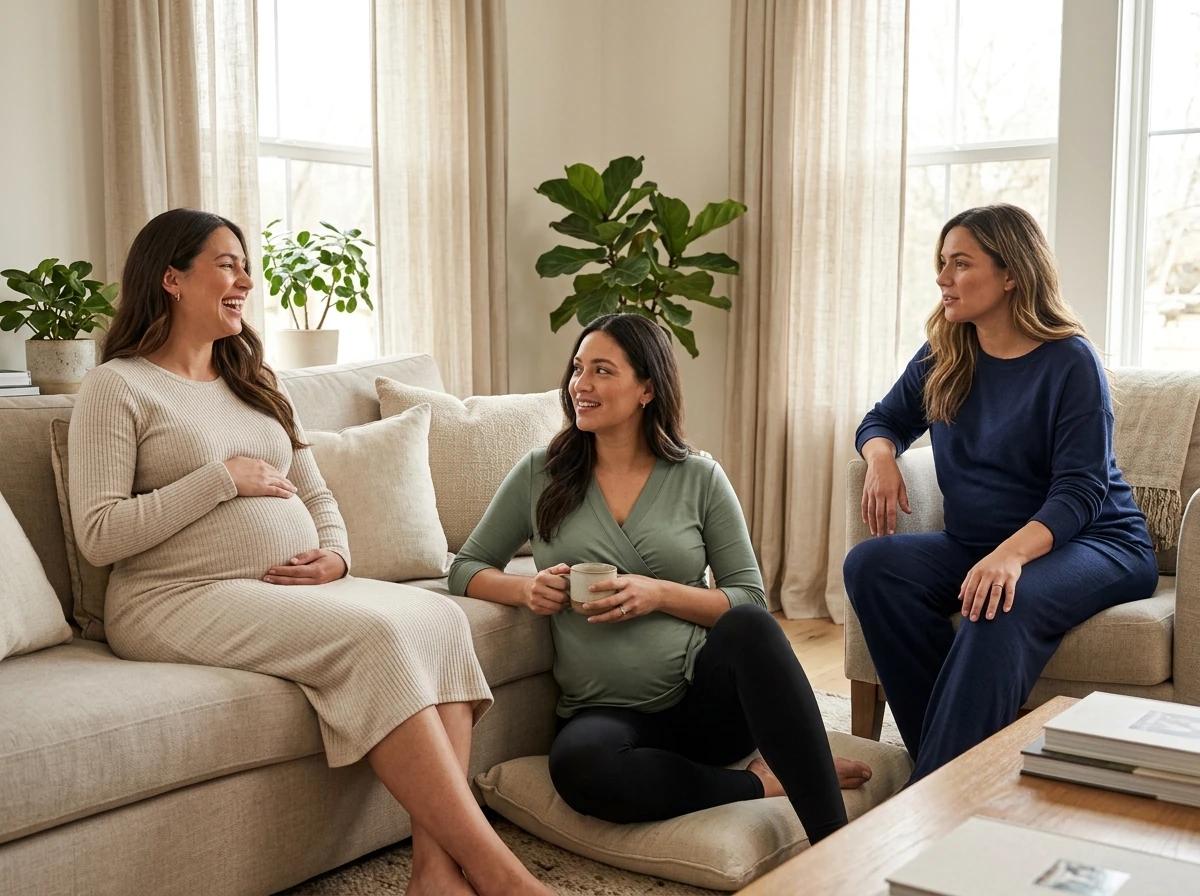
TextileWays manufactures maternity wear for maternity and fashion brands and retailers: maternity dresses, tops, leggings, wrap cardigans and loungewear in stretch fabrics, made to your pattern or a developed block.
Maternity clothing has to fit a body that changes over months, so stretch panels, ruching, over-bump waistbands and wrap closures matter more than styling. Fabric recovery, comfort against the skin and how a garment sits at different stages are confirmed on a sample, and the size set is graded for the way the garment is meant to be worn.
A range can be developed from your own design (OEM) or from developed styles that you brand as your own (ODM, often called white label or private label). Features such as nursing access are assessed on technical review before they are quoted.
Product types
Anything not listed can still be assessed on technical review.
Specification
Weight ranges are typical for this product. The finished weight of your fabric is confirmed on the approved sample rather than guaranteed to a figure.
Ranges are typical. The exact specification is confirmed on your approved sample before production.
Component-level guidance for maternity wear. Any ranges are indicative sourcing references, not guaranteed order specifications. Different components can need different fabrics, weights and units; the selected materials, construction and finished measurements are confirmed on the approved sample.
| Component | Weight, unit or setting | Construction choices | Check on the sample |
|---|---|---|---|
| Stretch jerseyIndustry guidance | 140 to 200 gsm typical range. | Side panels, ruching and wraps. | Recovery. |
| Maternity leggingsIndustry guidance | 200 to 280 gsm typical range; not a guarantee of opacity or support. | Over bump waistbands. | Opacity stretched. |
Decoration
Decoration is matched to the fabric and the artwork rather than applied by default.
Which method suits each placement on maternity wear, its trade-offs and what to approve before bulk. Compatibility is checked against the actual fabric, stretch, coating and heat tolerance; approval on one component does not establish suitability on another.
Materials
Composition, weight guidance and decoration compatibility for each fabric are on its own page.
What each part of maternity wear is usually made from, why, where it falls short and what to check. This is industry guidance, not a TextileWays specification: the fabric and components for your order are confirmed on technical review.
Ordering
None of these figures are published as a universal number, because none is true across every specification.
MOQ depends on material availability, colour count, construction, decoration and packaging. Maternity ranges span many sizes, so the effective minimum is the per style minimum across the sizes you intend to offer. Projects can begin from approximately 50 pieces per style following technical review.
Fit is confirmed in the actual stretch fabric, and stretch panels and waistbands are assessed on a sample worn at different stages. Comfort against the skin is judged by handling and wear before bulk is cut.
Lead time depends on the factors above rather than a single published figure. An indicative schedule is confirmed with your quotation.
Detailed product guidance
Materials, manufacturing routes and buying considerationsMaternity wear has to fit a body that changes over several months, so fit, stretch and comfort matter more than fashion detail.
Brands want developed fits they can brand as their own, using a private label or white label route, often as part of a wider range.
Retailers want consistent sizing and colour across seasons, which depends on retained patterns and graded size sets.
Comfort led pieces such as loungewear and sleepwear are bought early in pregnancy and worn after birth, so softness and stretch recovery matter.
Maternity fabric has to stretch comfortably and recover, so elastane content and knit structure are chosen first.
Dresses and tops typically use stretch jersey at around 140 to 200 gsm, or lightweight jersey at roughly 120 to 160 gsm for a more fluid fall.
Maternity leggings use stretch fabric at about 200 to 280 gsm as a sourcing reference. Opacity when stretched and the comfort of the waistband are checked on the sample, because weight alone does not set either, and over-bump waistbands are specified on the sample.
Cotton and organic cotton blends are chosen for softness against the skin, with shrinkage recorded on the sample.
The details that make a maternity garment work are stretch panels, waistbands and closures, and each is confirmed on a sample.
Side panels, ruching and gathered fronts give room and shape, with recovery tested so panels do not lose their fit.
Waistbands are specified on the fit sample for comfort and support at different stages.
Wrap and tie closures adjust through the months, and nursing access openings are assessed on technical review before they are quoted.
Maternity ranges are sold across a size range and often reordered, so the first order is planned to repeat.
The effective minimum is the per style minimum across the sizes you offer, and projects can begin from approximately 50 pieces per style following technical review.
Fit is confirmed in the real stretch fabric, and panels and waistbands are assessed on a sample worn at different stages.
Approved patterns and fabrics are retained for reorders, with capacity beyond 100,000 pieces for larger programmes.
Questions
Minimum order quantity depends on material availability, colour count, construction, decoration and packaging. Projects can begin from approximately 50 pieces per style following technical review. Where a fabric has to be knitted or dyed specifically for a project, the practical minimum is set by the mill rather than by us, and we tell you that before you commit.
Sampling normally runs in stages: a proto sample to confirm construction, a fit sample against your measurement chart, and a pre production sample that fixes fabric, colour, decoration, labelling and packaging. Each stage needs written approval before the next one starts. Sample charges and courier costs are quoted before work begins.
Yes. Private label production covers your main label, care and content labels, size labels, hangtags, barcodes and packaging. You supply the brand assets and the legally required care and fibre content information for your market, and we apply them to the approved specification.
An approved pre production sample and the signed specification become the reference for repeat orders. Reorders are checked against that reference rather than reinterpreted, which is what keeps a second run consistent with the first. Where a fabric or trim has changed availability, we tell you before production instead of substituting quietly.
Share your product details, target quantity and delivery requirements. We will confirm feasibility, materials and construction before quoting.
Contact our team