

Labels
Regulation or standard- Method
- Woven or printed
- Trade-off
- Wording per market.
- Approve before bulk
- Check compliance wording with the buyer.
Loading page content
Product
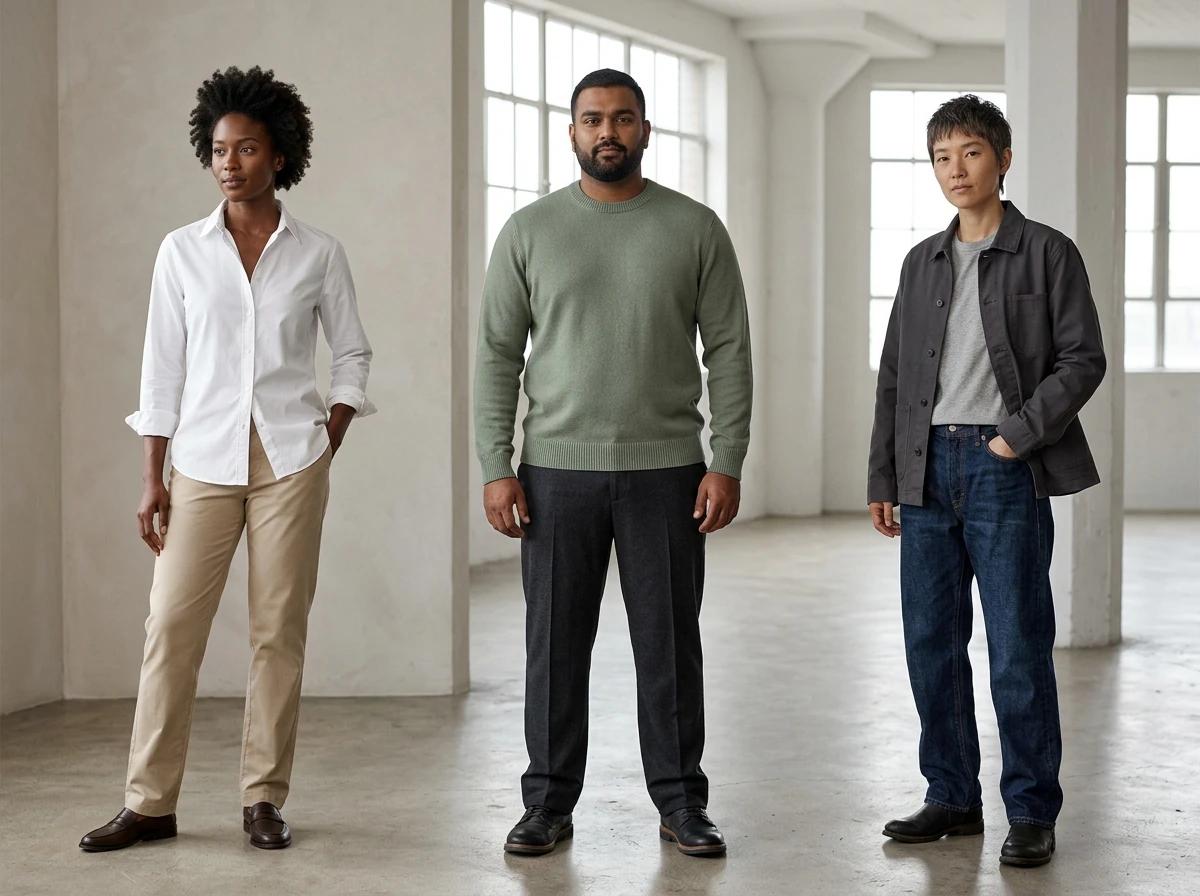
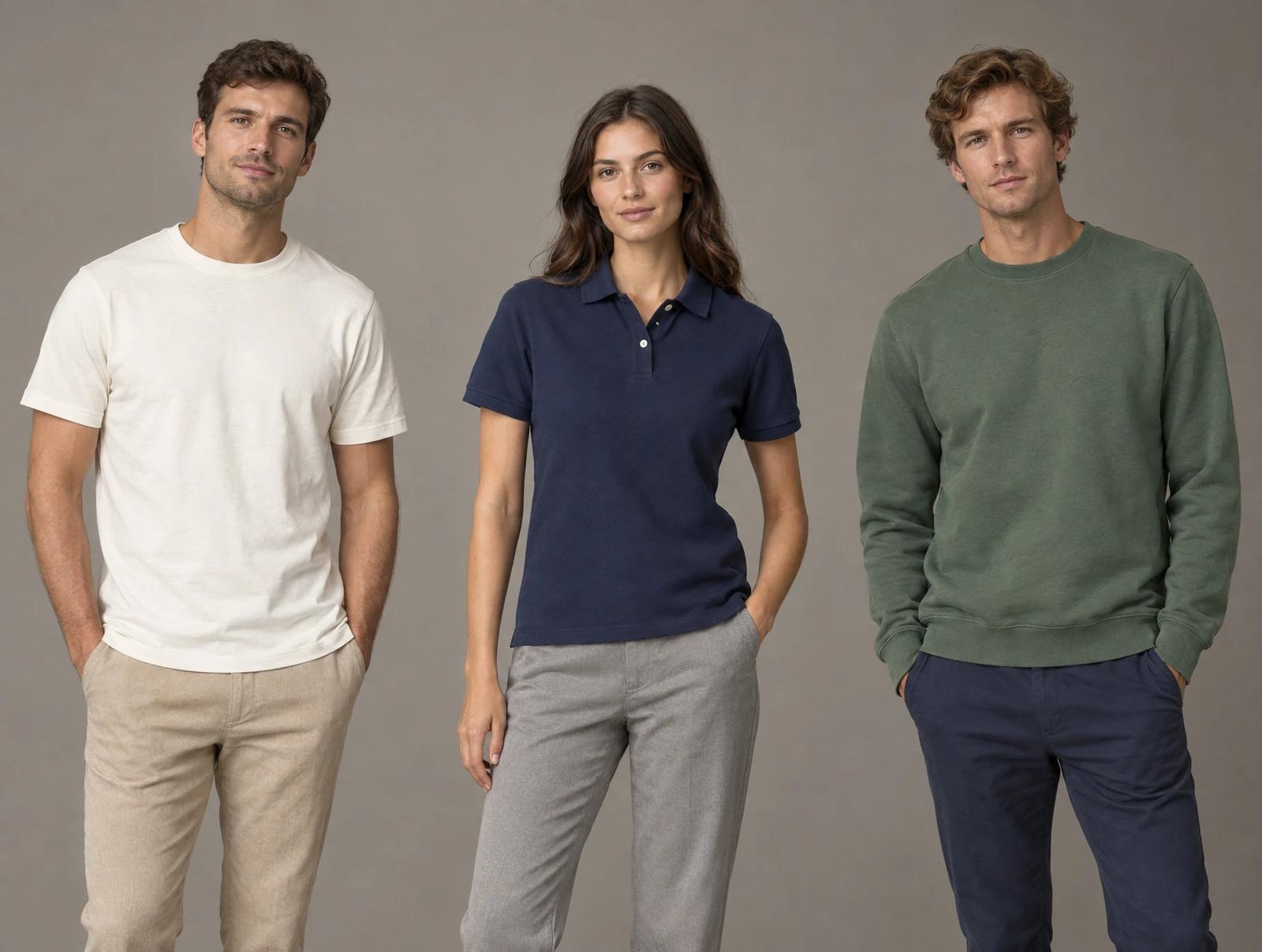
TextileWays manufactures men's clothing for fashion brands, retailers and merchandise programmes: shirts, polos and tees, sweatshirts and hoodies, knitwear, trousers and shorts, jackets and activewear, made in Pakistan from approximately 50 pieces per style.
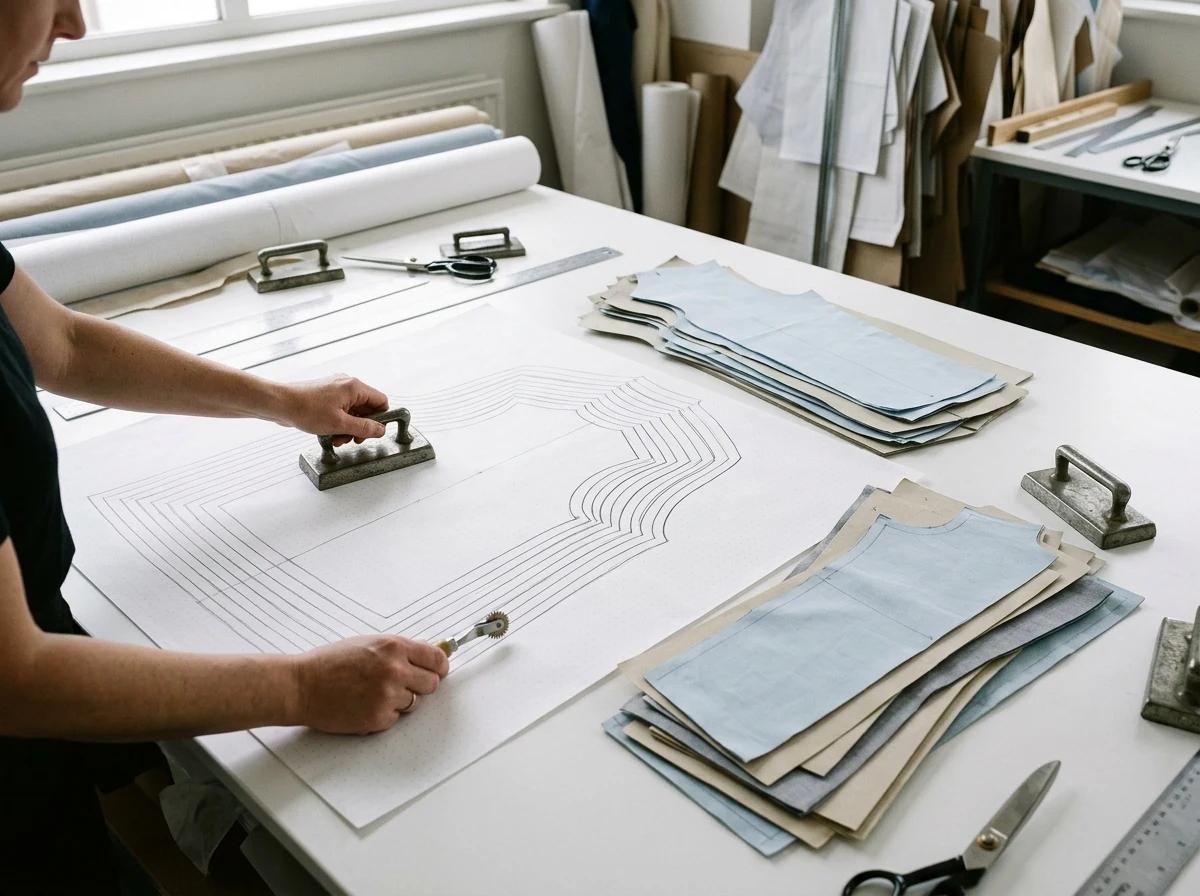
A men's range is built from a few categories that must be right every time: a shirt that fits the shoulder, a tee that keeps its neckline, trousers that hang straight. We develop each category in its own fabric, grade it across the size range and record approved standards, so the range can be reordered consistently season after season.
A collection can be developed from your own designs (OEM) or from developed blocks that you brand as your own (ODM, often called white label or private label), and you can start with a few core styles and add categories as the range grows.
Product types
Anything not listed can still be assessed on technical review.
Specification
Weight ranges are typical for this product. The finished weight of your fabric is confirmed on the approved sample rather than guaranteed to a figure.
Ranges are typical. The exact specification is confirmed on your approved sample before production.
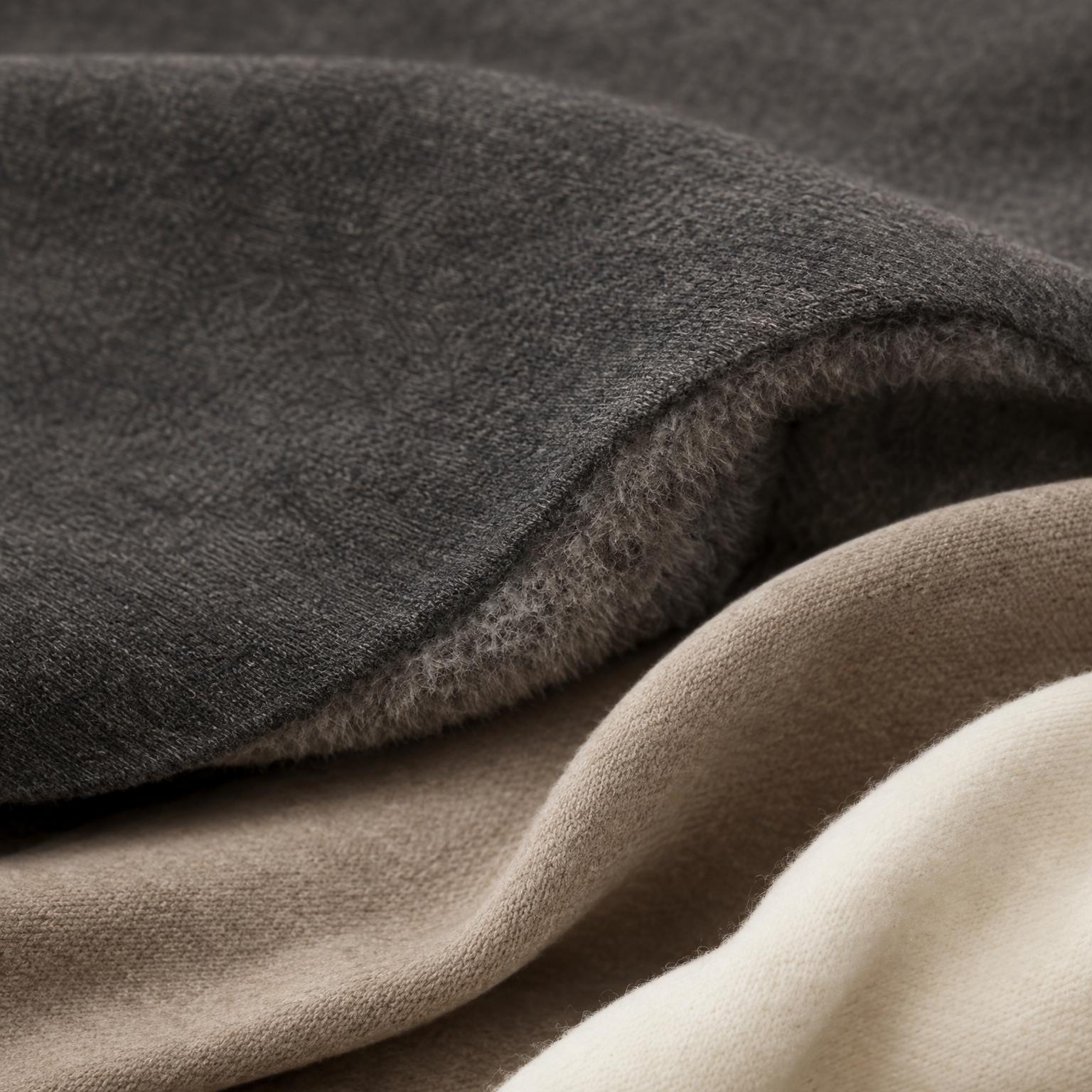
Component-level guidance for men's clothing. Any ranges are indicative sourcing references, not guaranteed order specifications. Different components can need different fabrics, weights and units; the selected materials, construction and finished measurements are confirmed on the approved sample.
| Component | Weight, unit or setting | Construction choices | Check on the sample |
|---|---|---|---|
| Jersey and piquéIndustry guidance | 140 to 200 gsm and 180 to 220 gsm typical ranges. | Collar, placket and cuff construction. | Collar curl. |
| Sweat fabricsIndustry guidance | 280 to 340 gsm typical range. | Rib trims. | Pilling. |
| TwillIndustry guidance | 200 to 300 gsm typical range. | Pocket and waistband options. | Shrinkage. |
Decoration
Decoration is matched to the fabric and the artwork rather than applied by default.
Which method suits each placement on men's clothing, its trade-offs and what to approve before bulk. Compatibility is checked against the actual fabric, stretch, coating and heat tolerance; approval on one component does not establish suitability on another.
Materials
Composition, weight guidance and decoration compatibility for each fabric are on its own page.
What each part of men's clothing is usually made from, why, where it falls short and what to check. This is industry guidance, not a TextileWays specification: the fabric and components for your order are confirmed on technical review.
Ordering
None of these figures are published as a universal number, because none is true across every specification.
MOQ depends on material availability, colour count, construction, decoration and packaging. Projects can begin from approximately 50 pieces per style following technical review, and a collection of several styles is planned so that fabric minimums are shared where possible.
Each category is sampled in its real fabric: proto, fit and pre production samples confirm construction, measurements and finish, and approved samples are retained as the reference for reorders.
Lead time depends on the factors above rather than a single published figure. An indicative schedule is confirmed with your quotation.
Detailed product guidance
Materials, manufacturing routes and buying considerationsA men's range is built from categories that must be right every time: a shirt that fits the shoulder, a tee that keeps its neckline, trousers that hang straight.
Brands want developed blocks and the freedom to change fabric, print and detail, using a private label or white label route.
Retailers want consistent sizing and quality across many styles and seasons, which depends on retained patterns and graded size sets.
Brands can begin with a few core styles and add categories as the range grows, with fabric minimums planned across the collection.
Each category behaves differently in fabric and construction, so each is developed in its own fabric and graded across the size range.
Shirts use shirting poplin at around 100 to 140 gsm, polos use pique at about 180 to 220 gsm, and tees use jersey at roughly 140 to 200 gsm.
Sweatshirts and hoodies use terry at about 280 to 340 gsm, with knitwear developed in the yarn and gauge you choose.
Chinos, shorts and overshirts use twill at roughly 200 to 300 gsm, with jackets and outerwear confirmed on technical review.
A collection has to hang together in colour, fit and finish, so development is planned across categories, not one product at a time.
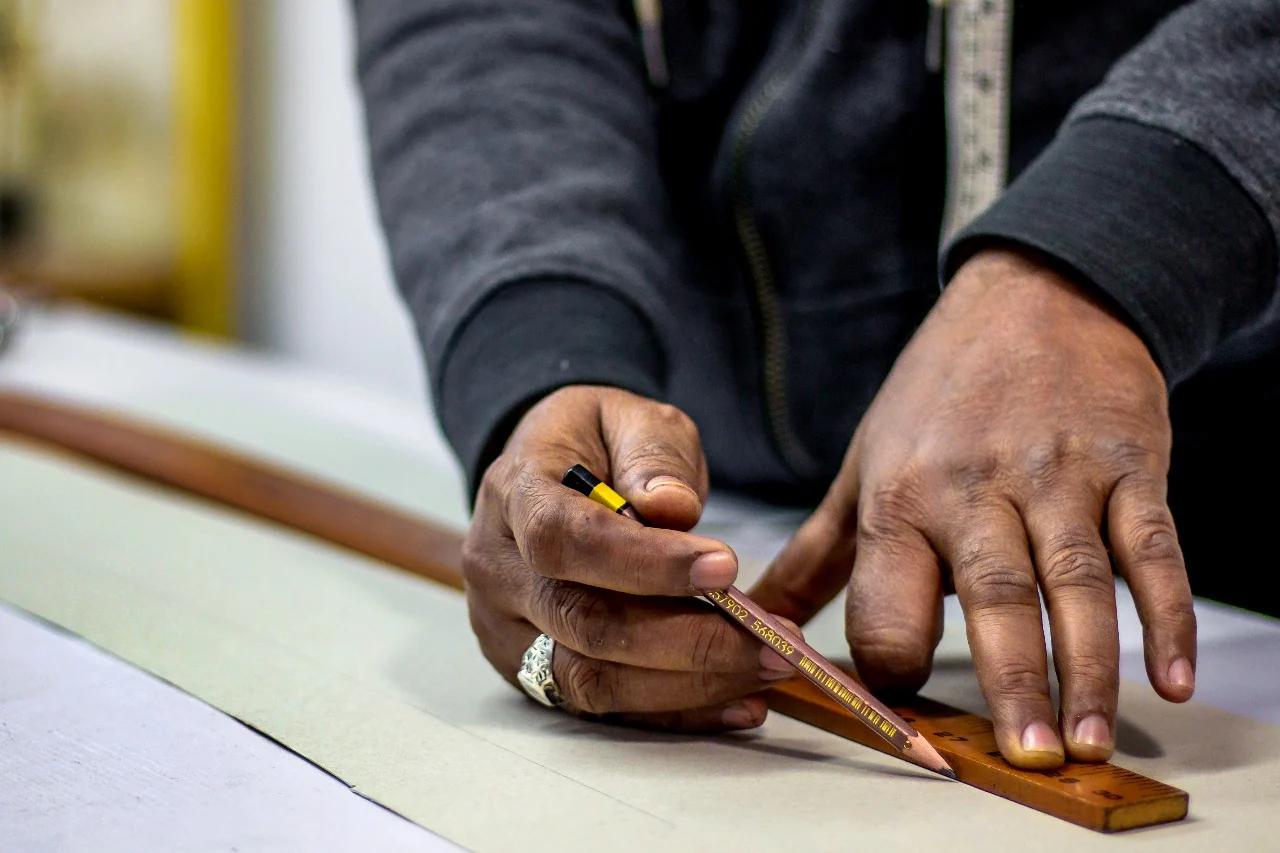
Patterns are made and graded across your size range, and fit is checked at several sizes, not only the sample size.
Colourways and fabrics are coordinated across categories, and shade is checked across pieces sold together.
Labels, care wording and packaging are prepared for each destination market, such as the USA, UK, EU and Australia.
A collection is ordered as several styles in small runs, so sampling and size planning drive the schedule.
Orders can begin from approximately 50 pieces per style following technical review, with capacity beyond 100,000 pieces for larger programmes.
Each category is sampled in its real fabric, and approved samples are retained as the reference for reorders.
Popular styles can be reordered from retained patterns and approved fabrics, and the range can grow into new categories over time.
Questions
Minimum order quantity depends on material availability, colour count, construction, decoration and packaging. Projects can begin from approximately 50 pieces per style following technical review. Where a fabric has to be knitted or dyed specifically for a project, the practical minimum is set by the mill rather than by us, and we tell you that before you commit.
Projects can begin from approximately 50 pieces per style following technical review. Each extra colour can raise the minimum if the fabric has to be dyed for your order, so using stock fabric colours is the simplest way to keep several small runs viable.
Sampling normally runs in stages: a proto sample to confirm construction, a fit sample against your measurement chart, and a pre production sample that fixes fabric, colour, decoration, labelling and packaging. Each stage needs written approval before the next one starts. Sample charges and courier costs are quoted before work begins.
Yes. Private label production covers your main label, care and content labels, size labels, hangtags, barcodes and packaging. You supply the brand assets and the legally required care and fibre content information for your market, and we apply them to the approved specification.
Pick a design as your starting point. Colours, fabric and branding are set in the quote.
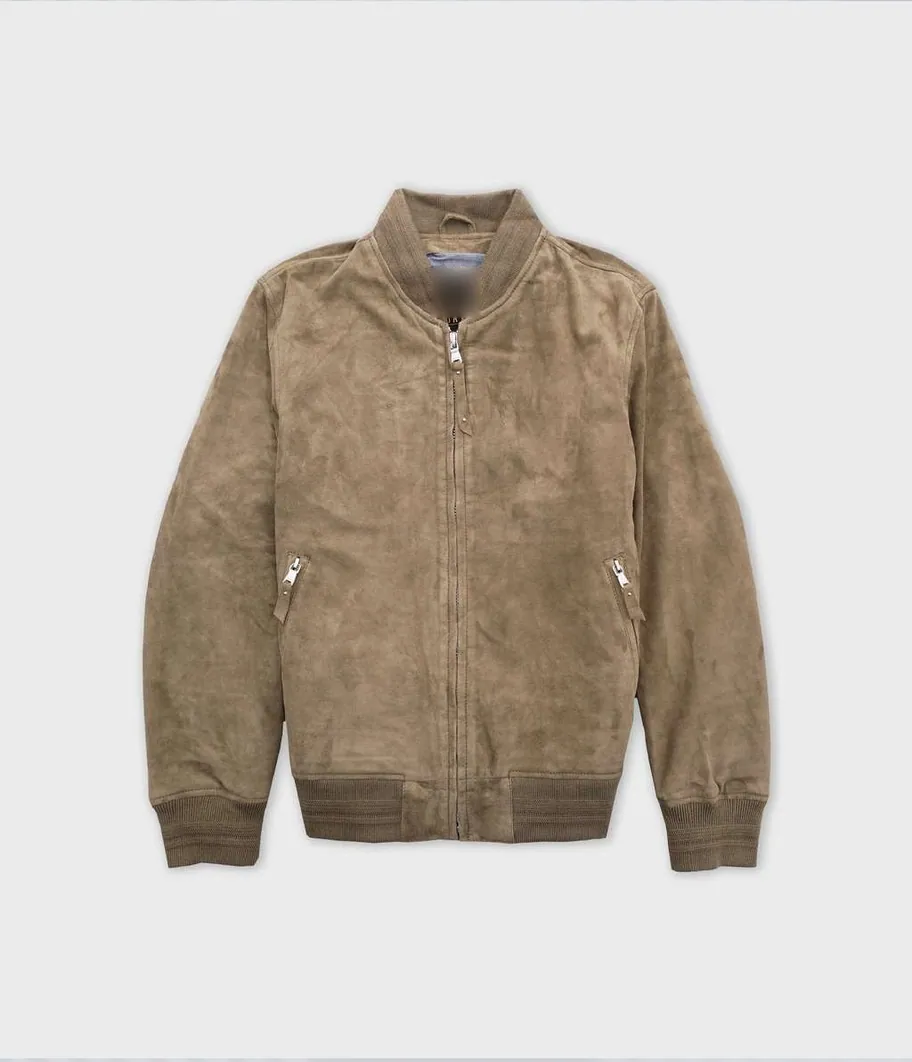 Taupe goat suede bomber jacketAsk for this design
 Pink hoodie with butterfly graphicAsk for this design
 Black tee with small chest printAsk for this design
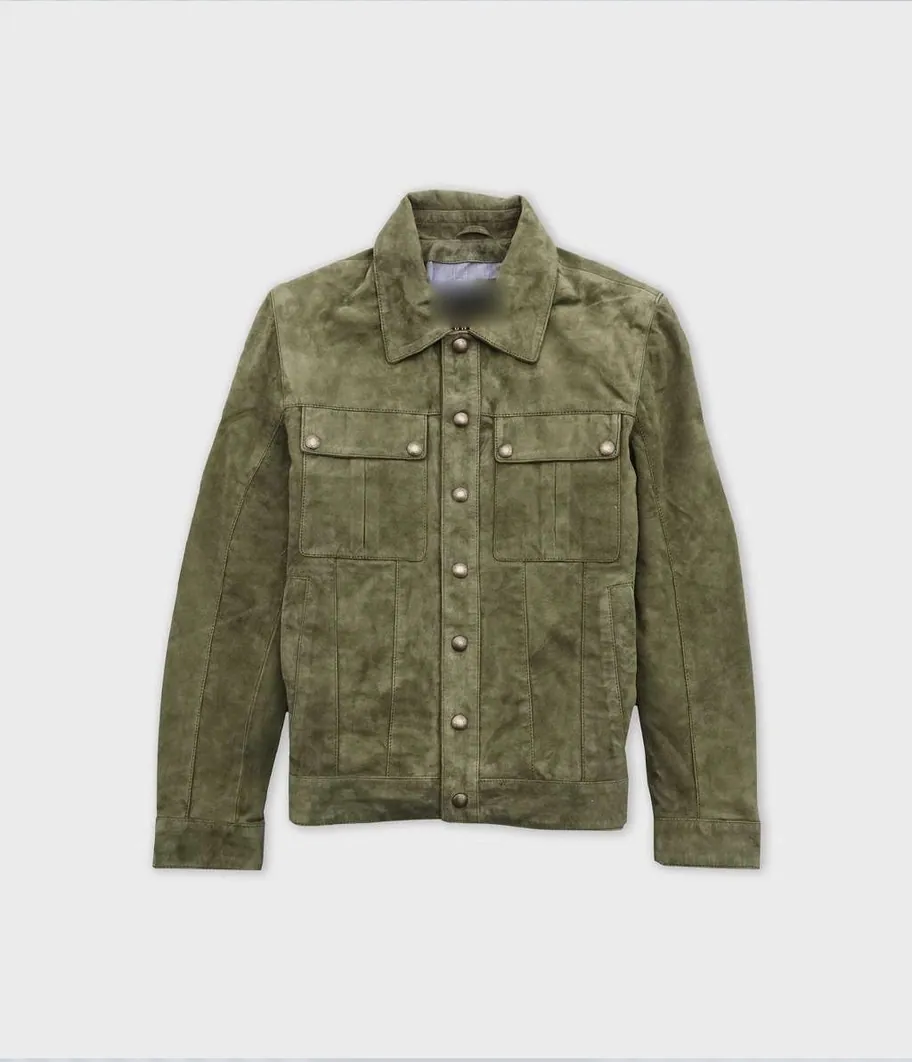 Olive goat suede trucker jacketAsk for this design
Sampling comes before bulk. From approximately 50 pieces per style, subject to technical review.
Tell us your designShare your product details, target quantity and delivery requirements. We will confirm feasibility, materials and construction before quoting.
Contact our team