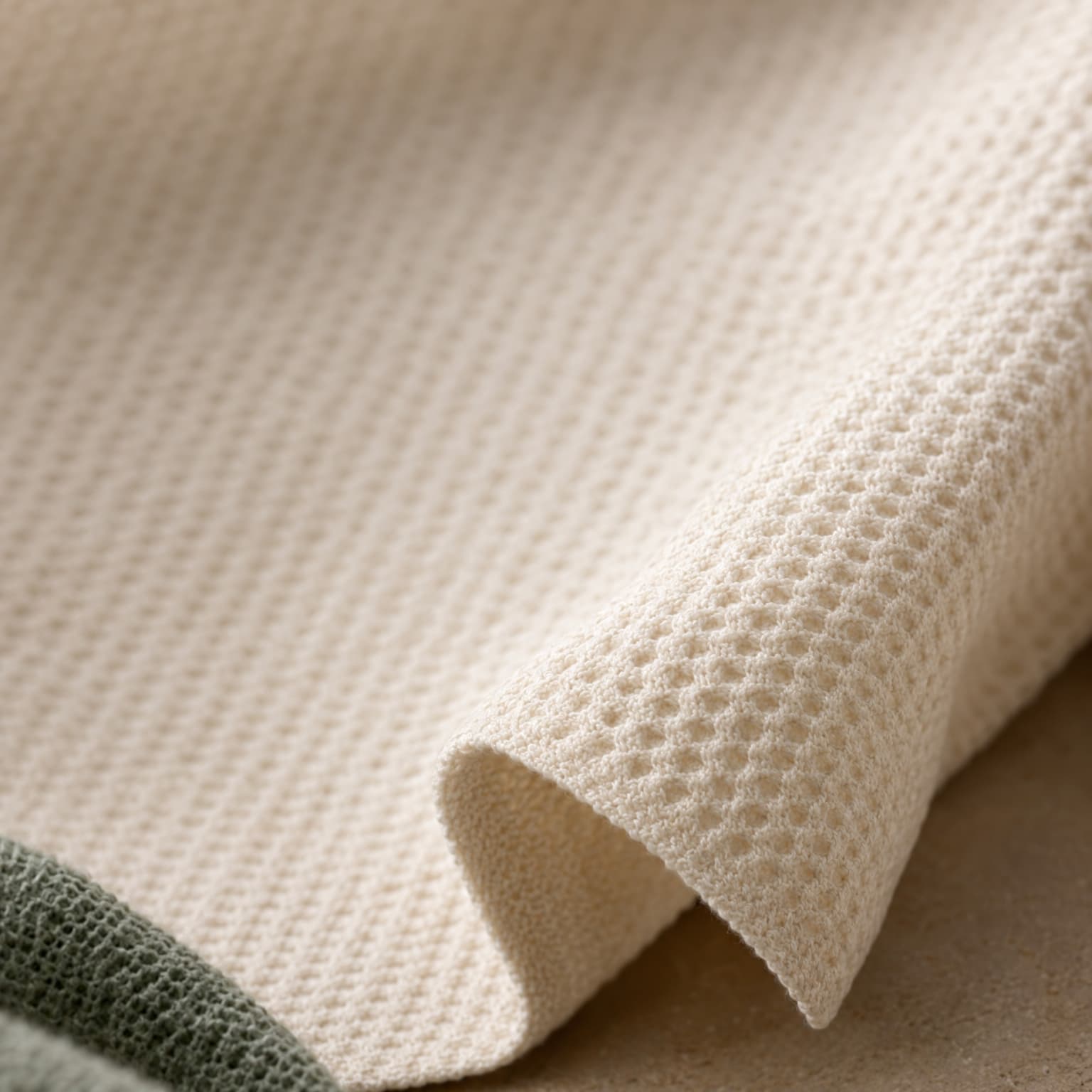
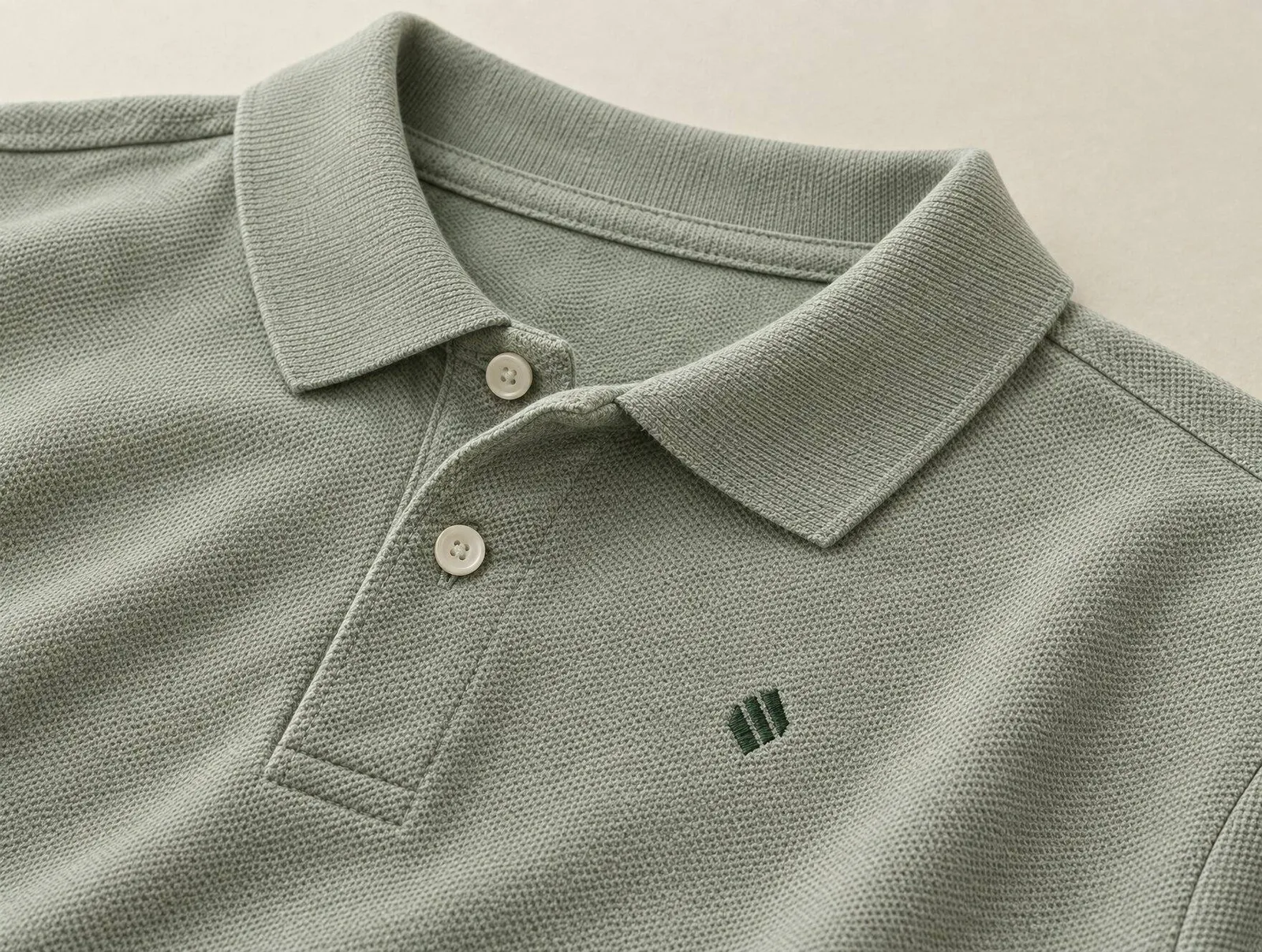
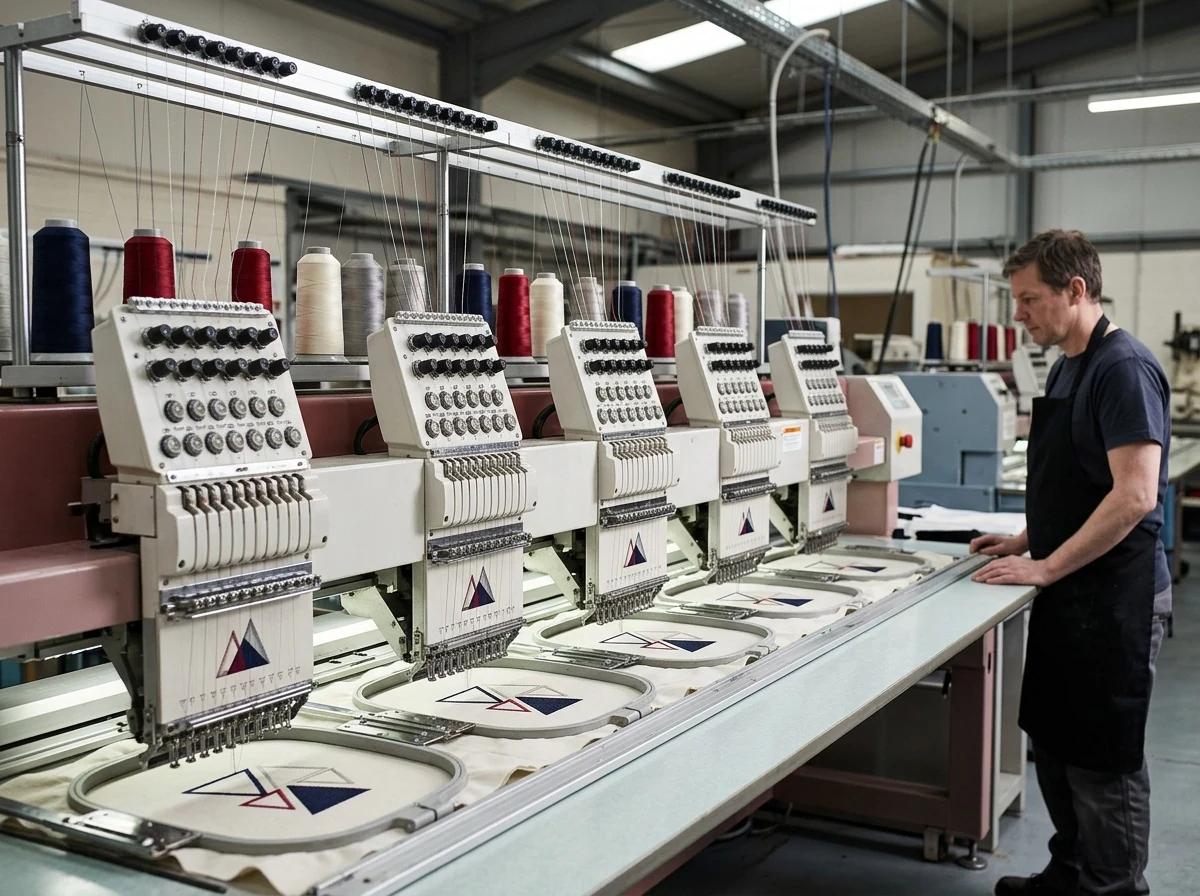
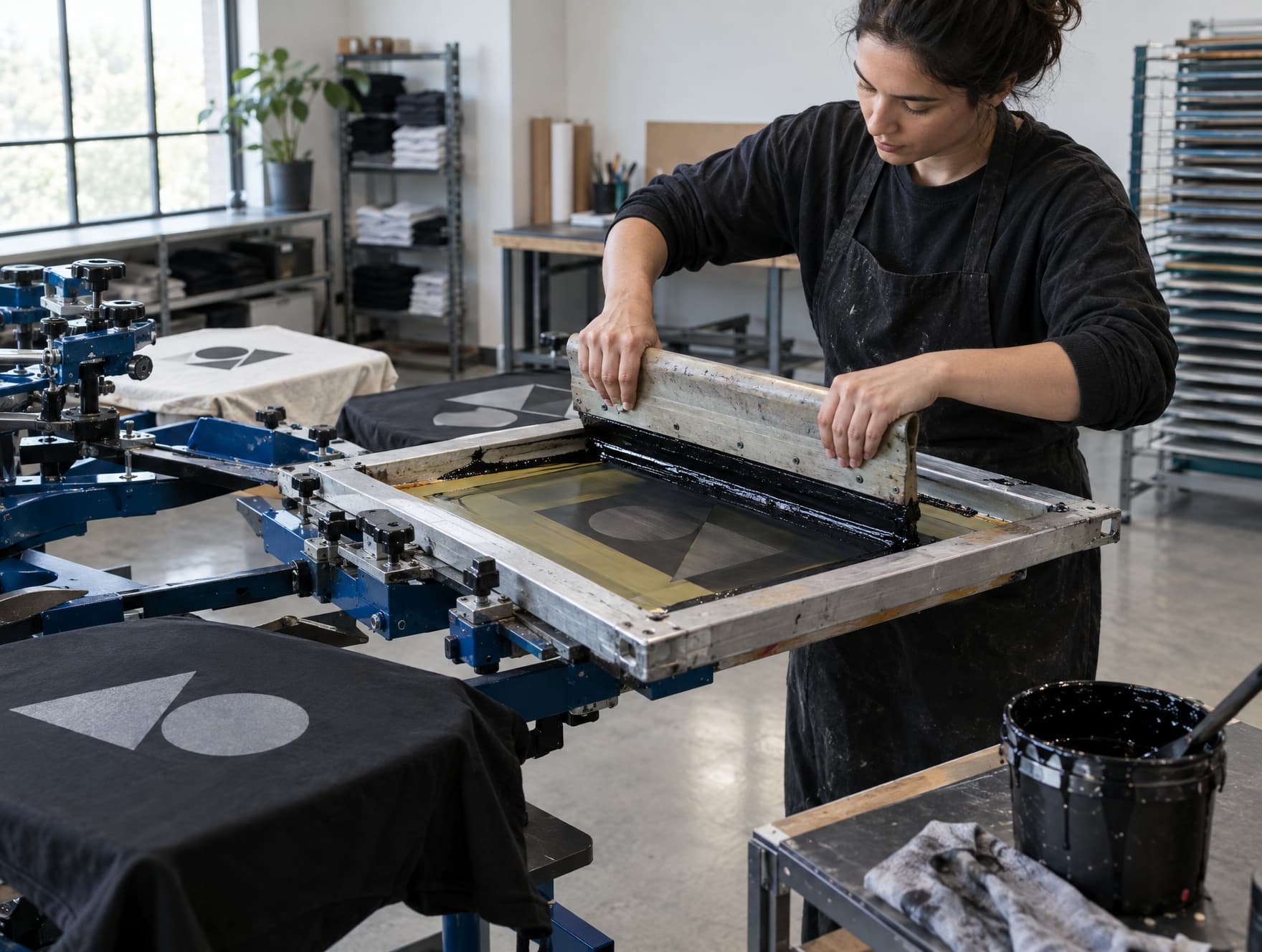
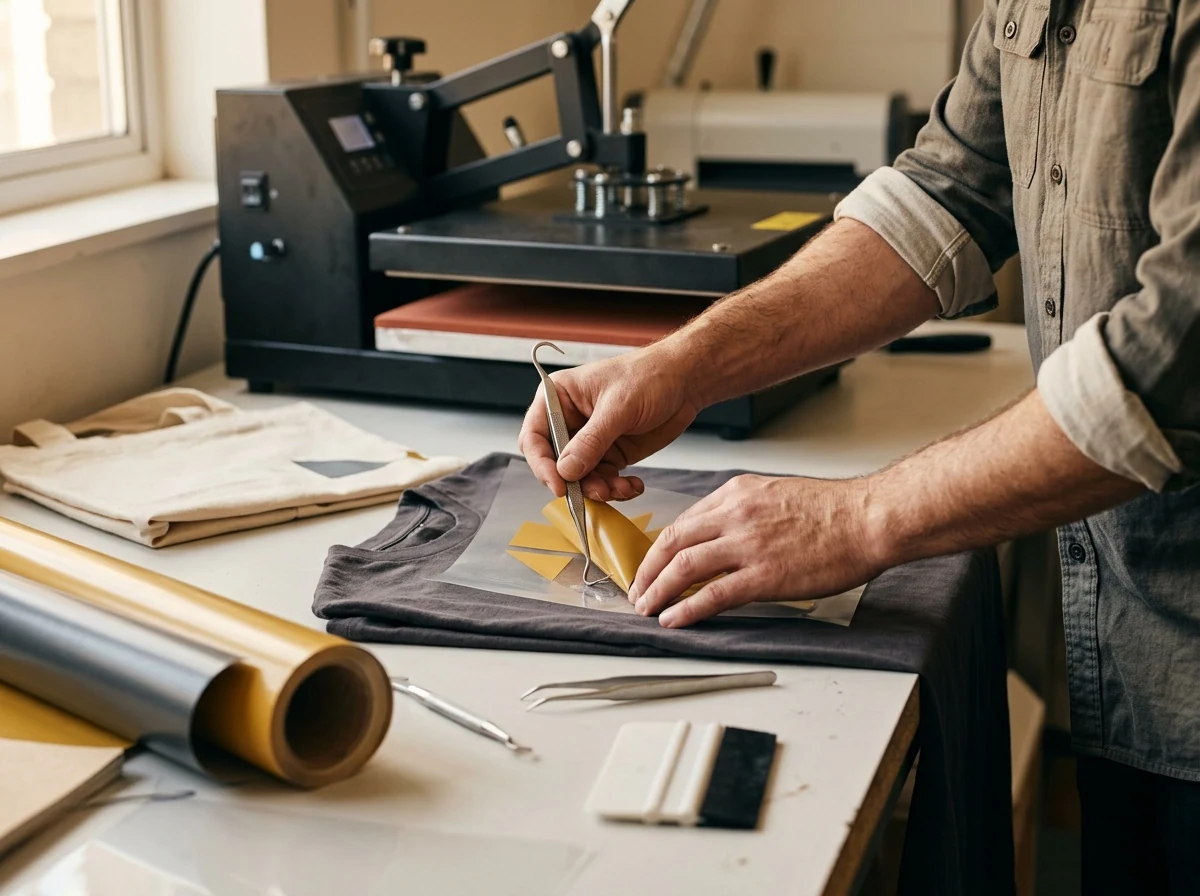
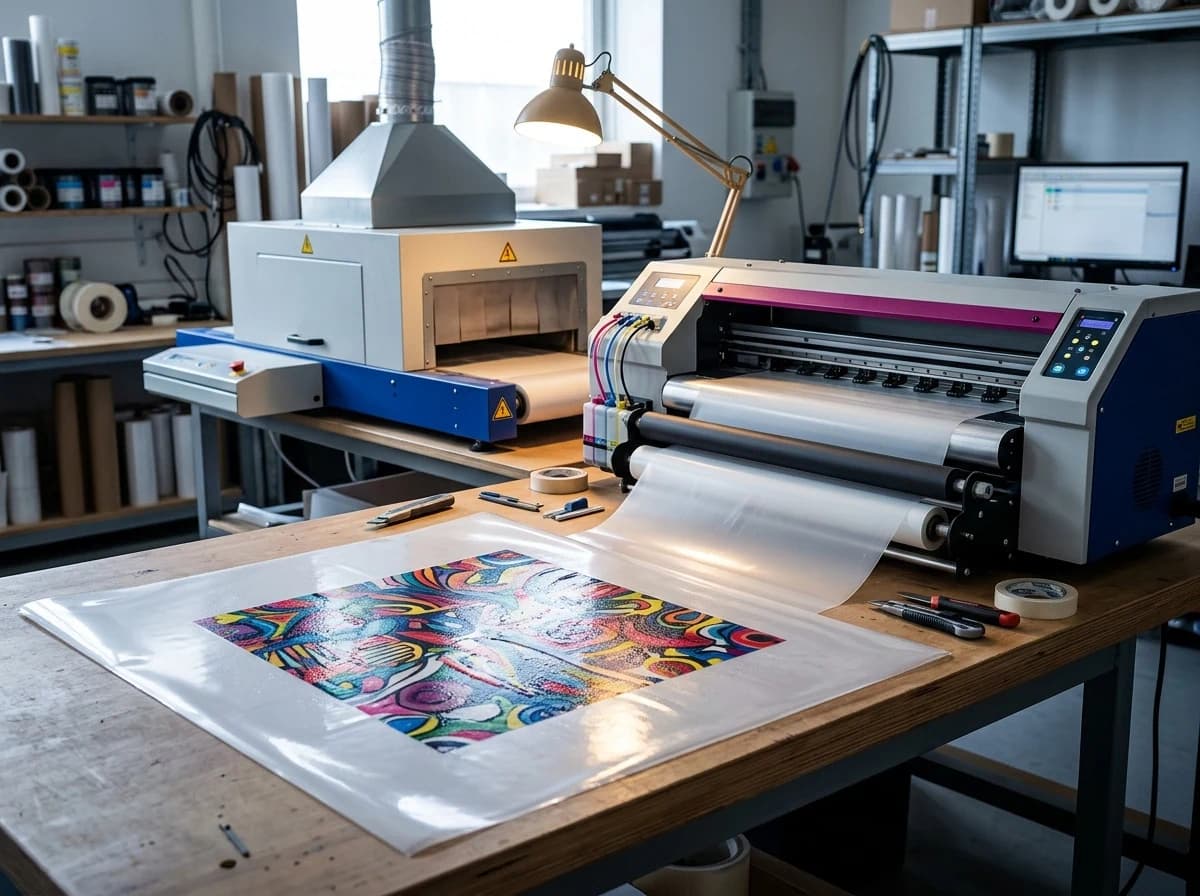
Left chest logo
Supplier example- Method
- Embroidery
- Trade-off
- Piqué takes embroidery well; check thread colour and density.
- Approve before bulk
- Approve placement against the programme standard.
Loading page content
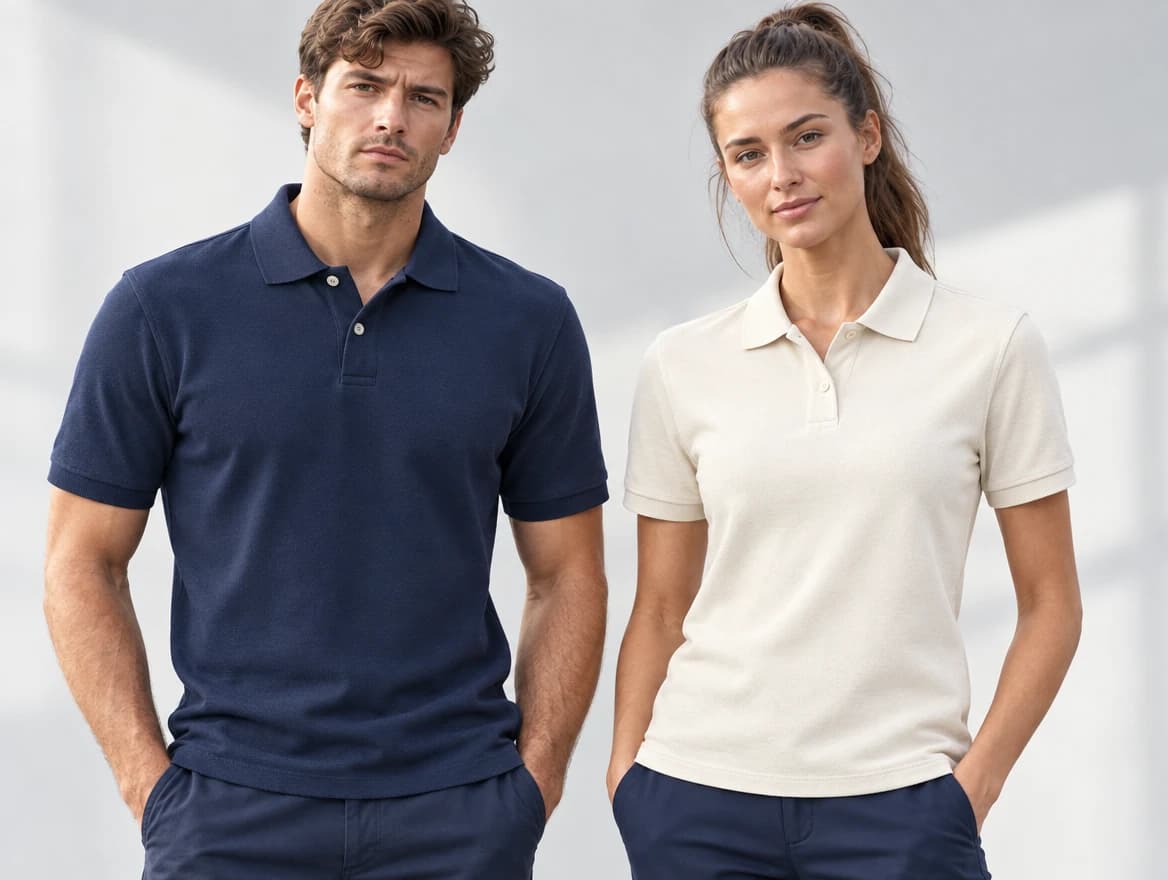
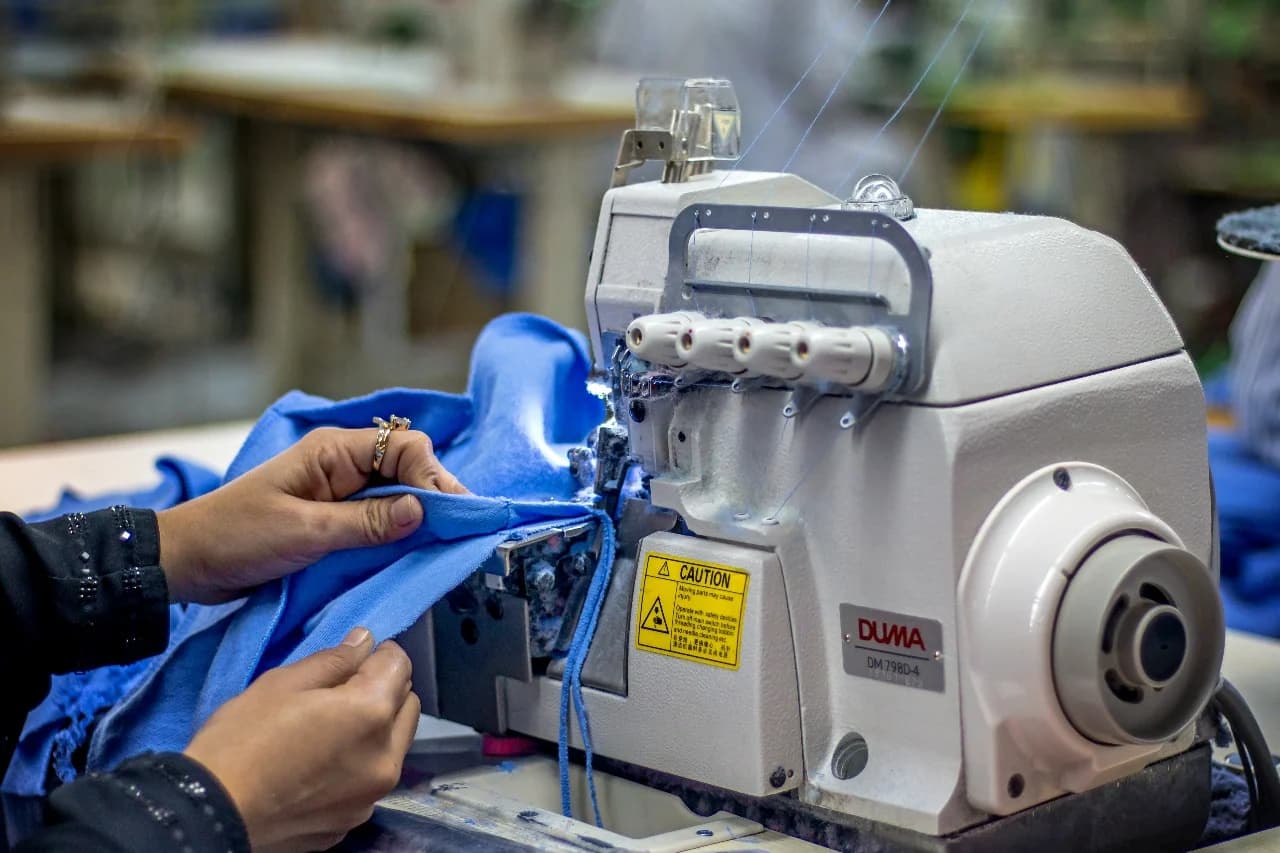
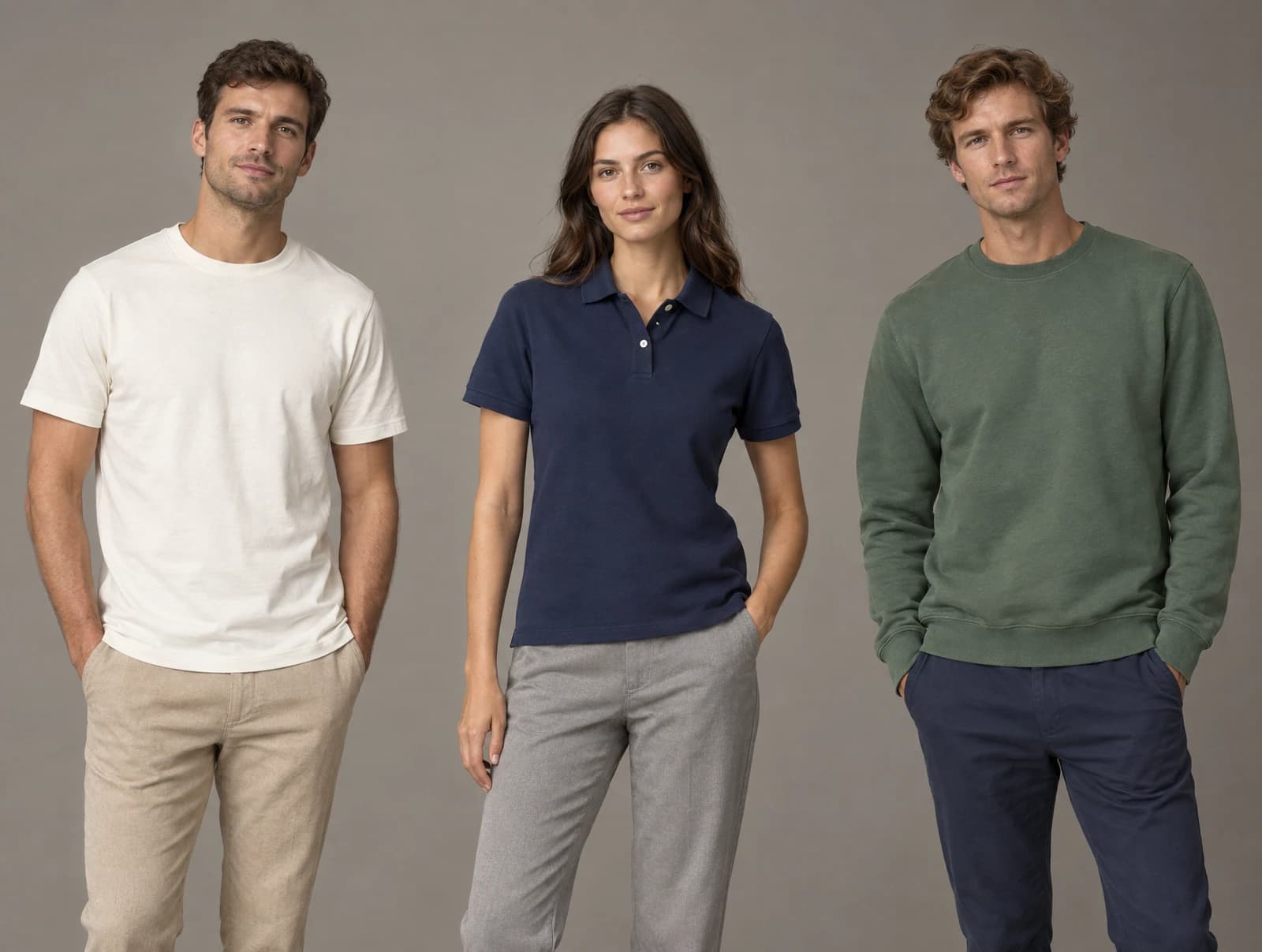
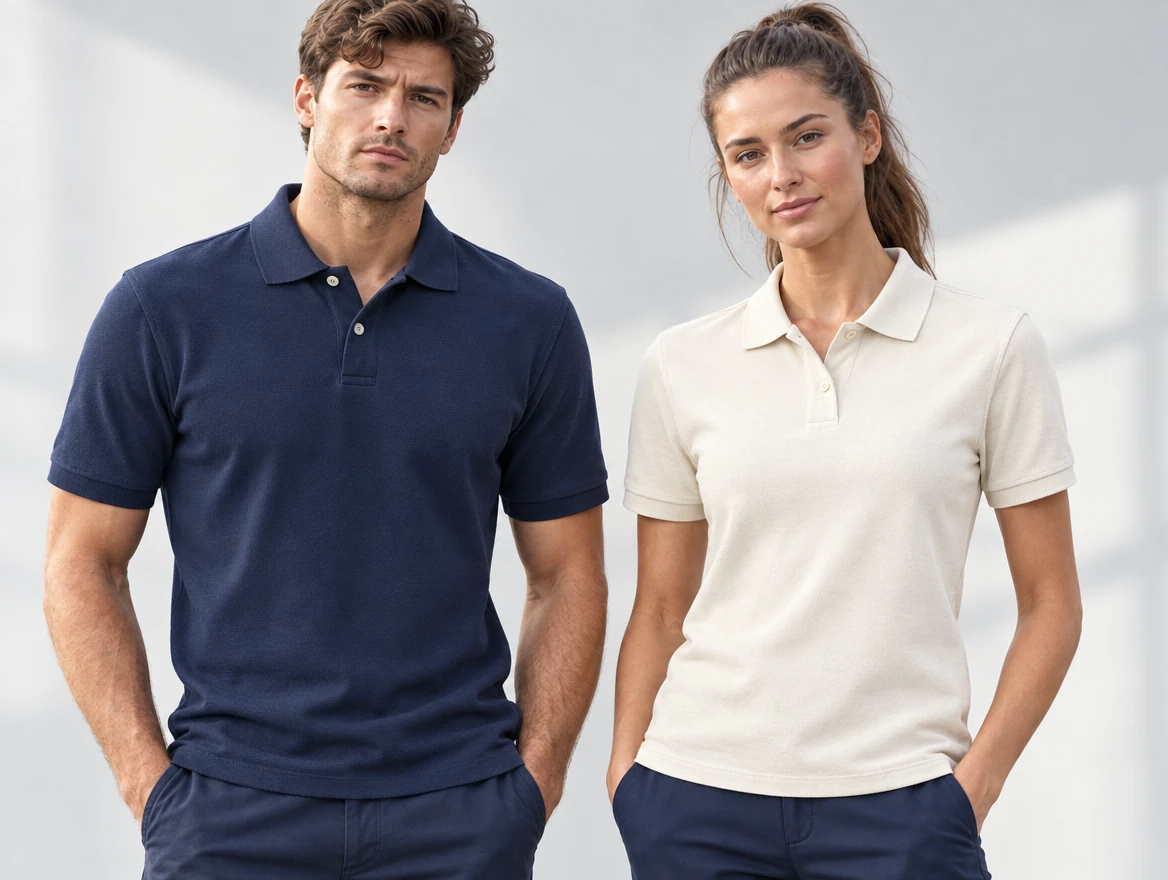
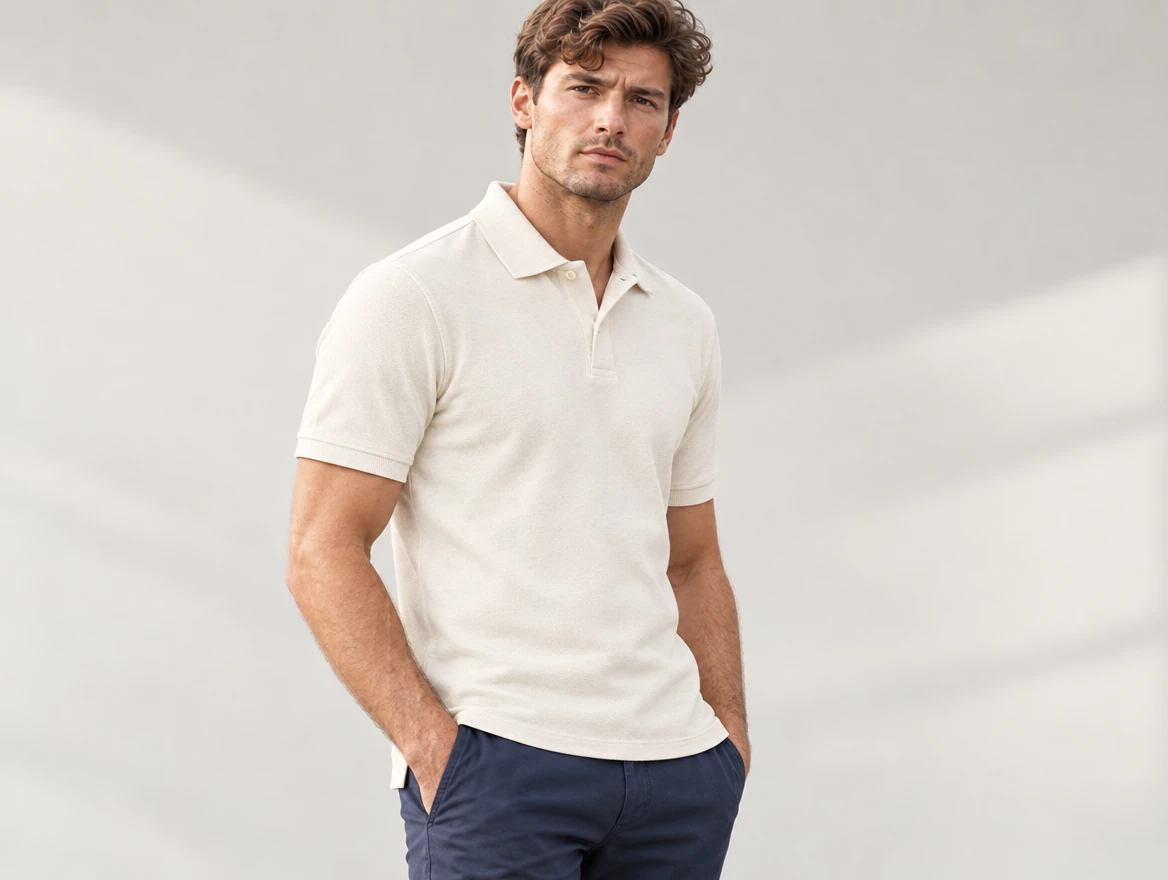
TextileWays manufactures polo shirts for corporate uniform programmes, fashion brands and promotional buyers, in pique or jersey with embroidered or printed branding and consistent colour across reorders.
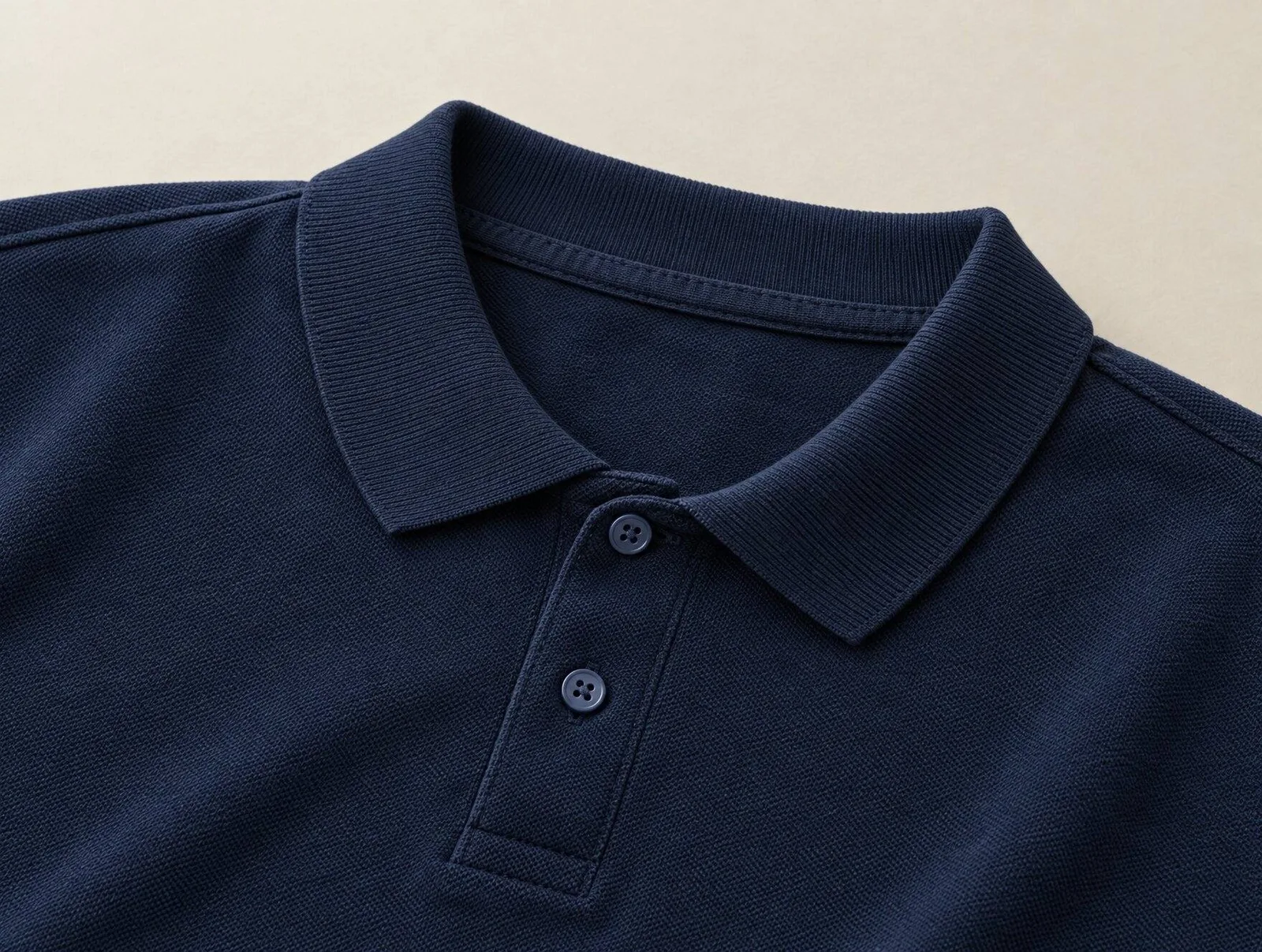
A polo is judged on details a t-shirt doesn't have: collar and placket construction, colour consistency between a corporate programme's first order and its third, and embroidery placement that matches every time. Those are specification and record-keeping questions as much as manufacturing ones, which is why an approved sample and a retained colour standard matter more here than the garment's apparent simplicity suggests.
Polos are often ordered as a white label base: a developed polo block in your colours with your embroidery, labels and packaging (ODM). If you have your own collar and placket design, the OEM route keeps it yours.
Product types
Anything not listed can still be assessed on technical review.
Select an image to view it larger.
Final construction, fabric and fit are agreed during sampling.
Specification
Weight ranges are typical for this product. The finished weight of your fabric is confirmed on the approved sample rather than guaranteed to a figure.
Ranges are typical. The exact specification is confirmed on your approved sample before production.
Component-level guidance for polo shirts. Any ranges are indicative sourcing references, not guaranteed order specifications. Different components can need different fabrics, weights and units; the selected materials, construction and finished measurements are confirmed on the approved sample.
| Component | Weight, unit or setting | Construction choices | Check on the sample |
|---|---|---|---|
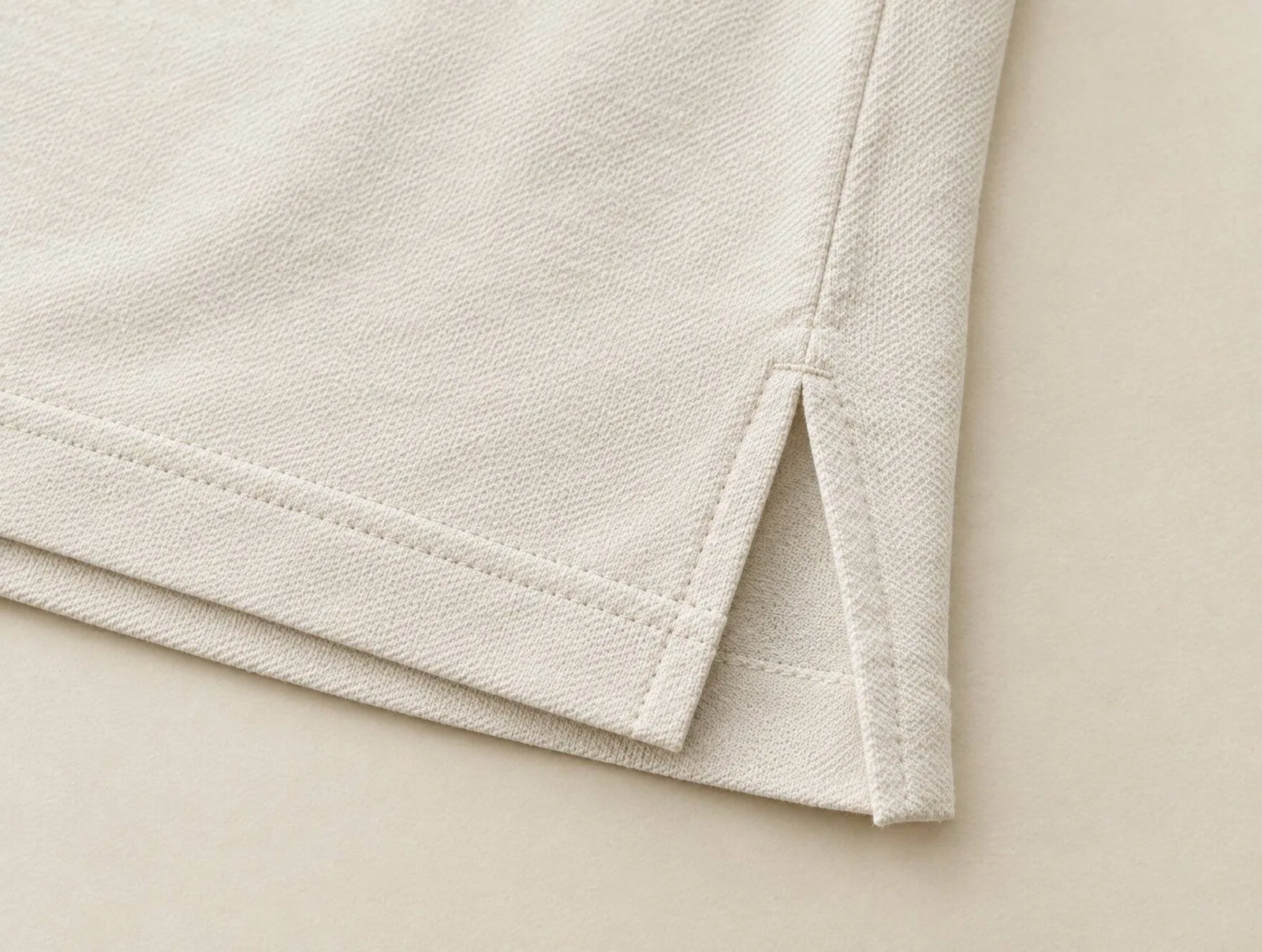
| Polo piquéIndustry guidance | 180 to 220 gsm typical range. | Knitted or self fabric collar, button placket options. | Collar and placket symmetry. |
| SleevesIndustry guidance | Set in or raglan. | Hem and cuff finishing. | Sleeve length across sizes. |
Decoration
Decoration is matched to the fabric and the artwork rather than applied by default.
Which method suits each placement on polo shirts, its trade-offs and what to approve before bulk. Compatibility is checked against the actual fabric, stretch, coating and heat tolerance; approval on one component does not establish suitability on another.
Materials
Composition, weight guidance and decoration compatibility for each fabric are on its own page.
What each part of polo shirts is usually made from, why, where it falls short and what to check. This is industry guidance, not a TextileWays specification: the fabric and components for your order are confirmed on technical review.
Ordering
None of these figures are published as a universal number, because none is true across every specification.
MOQ depends on material availability, colour count, construction, decoration and packaging. Pique is widely stocked in standard colours, which usually supports lower quantities than fashion categories; corporate colours outside the stock range follow dye house batch minimums.
A wearer trial is recommended before a large programme is committed, since comfort and laundering performance only reveal themselves in use. Approved samples are retained by both parties as the reference for every reorder.
Lead time depends on the factors above rather than a single published figure. An indicative schedule is confirmed with your quotation.
Detailed product guidance
Materials, manufacturing routes and buying considerationsA polo is judged at the collar. Collar shape, placket construction and how the knit holds after washing separate a good polo from a poor one, and a polo that is worn daily shows every flaw.
Cotton piqué is the classic polo fabric, with a textured surface that is breathable and hides sweat marks. Jersey is lighter and softer, and polyester performance knits suit sport and humid workplaces.
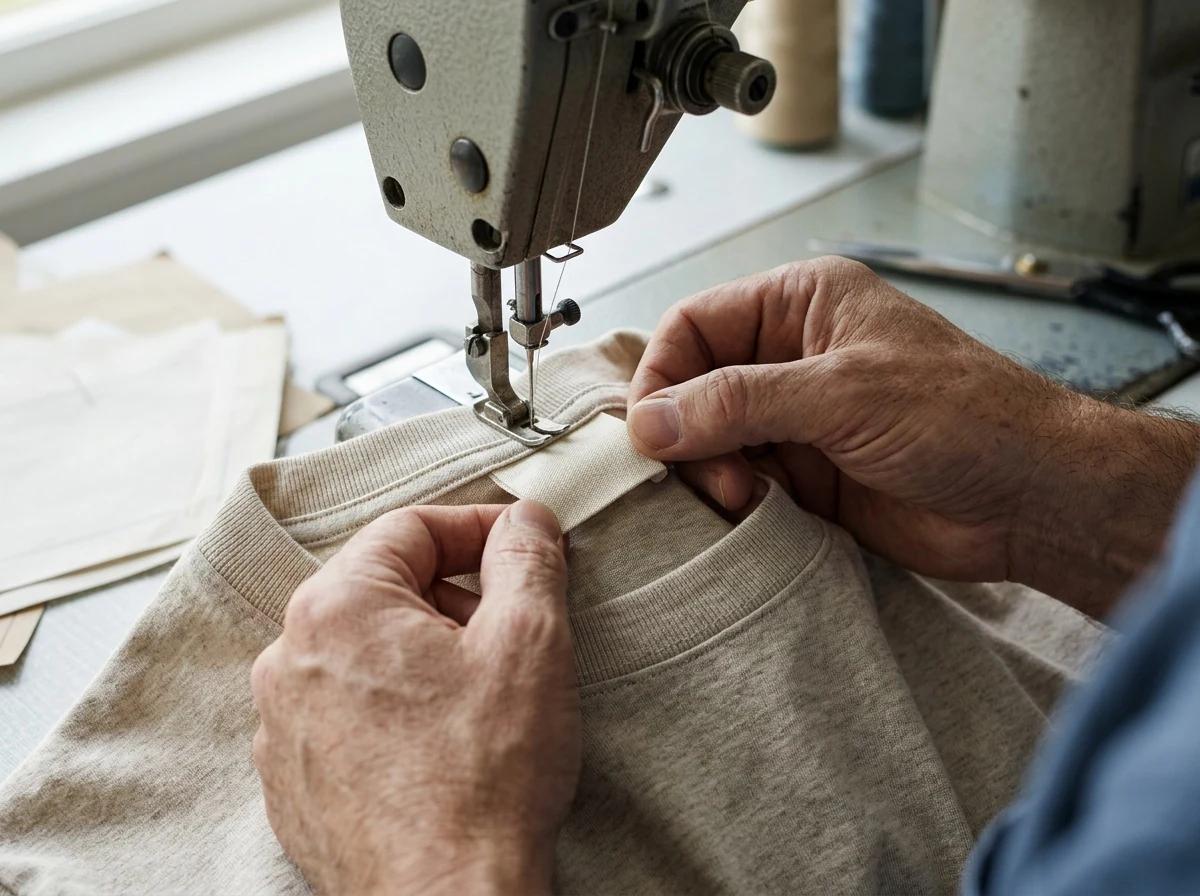
Knit collars, self fabric collars, button plackets and sleeve finishing are agreed on the sample so the shape holds after laundering. A collar that curls is the commonest polo complaint.
Polos are often ordered as a white label base: a developed polo block in your colours with your embroidery, labels and packaging. If you have your own collar and placket design, the OEM route keeps it yours.
Your logo placement, labels and packaging go on the finished product, matched to the approved sample.
A developed polo block lets a company, club or distributor launch a branded programme without developing a pattern.
Left chest embroidery is the standard, and it is where a polo programme looks either professional or cheap.
Position, size, stitch density and thread colour are approved on a sample, then repeated exactly on every order.
Where embroidery is not suitable, printed or woven badges can carry the logo.
Polos for uniform programmes must match across orders, which means colour standards matter as much as pattern.
Approved samples and colour standards are retained, so a new employee's polo matches an existing team's.
Care and fibre labels are printed to your approved wording.
Small teams and brands can start from approximately 50 pieces per style after technical review, and larger programmes can run beyond 100,000 pieces.
Fit, collar shape and embroidery are approved before bulk production.
Polos can be folded, polybagged individually or packed for distribution.
Questions
Minimum order quantity depends on material availability, colour count, construction, decoration and packaging. Projects can begin from approximately 50 pieces per style following technical review. Where a fabric has to be knitted or dyed specifically for a project, the practical minimum is set by the mill rather than by us, and we tell you that before you commit.
An approved pre production sample and the signed specification become the reference for repeat orders. Reorders are checked against that reference rather than reinterpreted, which is what keeps a second run consistent with the first. Where a fabric or trim has changed availability, we tell you before production instead of substituting quietly.
We build labelling into the specification and apply exactly what you approve, including fibre content, care symbols, country of origin and identification details. Responsibility for confirming what your market and your product category legally require stays with you as the brand owner. We flag anything that looks inconsistent before production.
Pick a design as your starting point. Colours, fabric and branding are set in the quote.
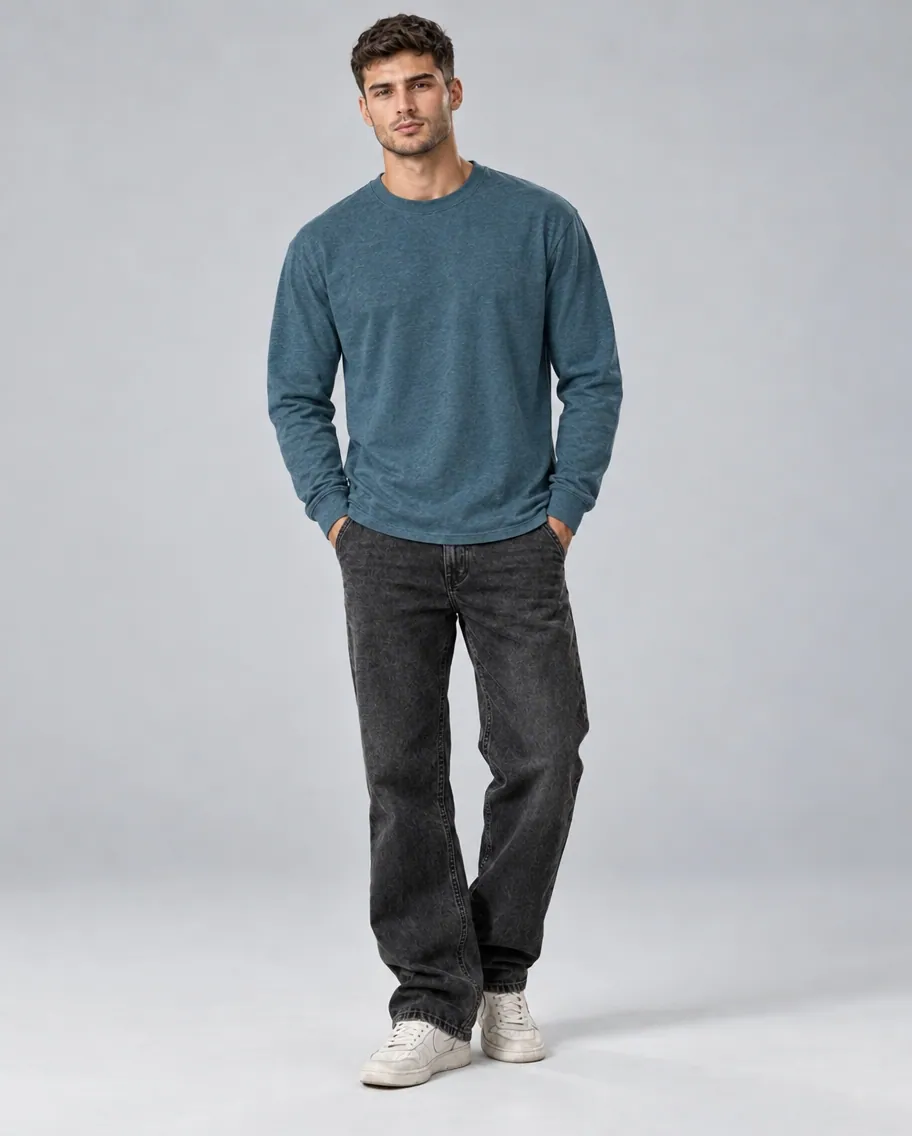 Teal marl long-sleeve teeAsk for this design
 Brown washed tee with lightning graphicAsk for this design
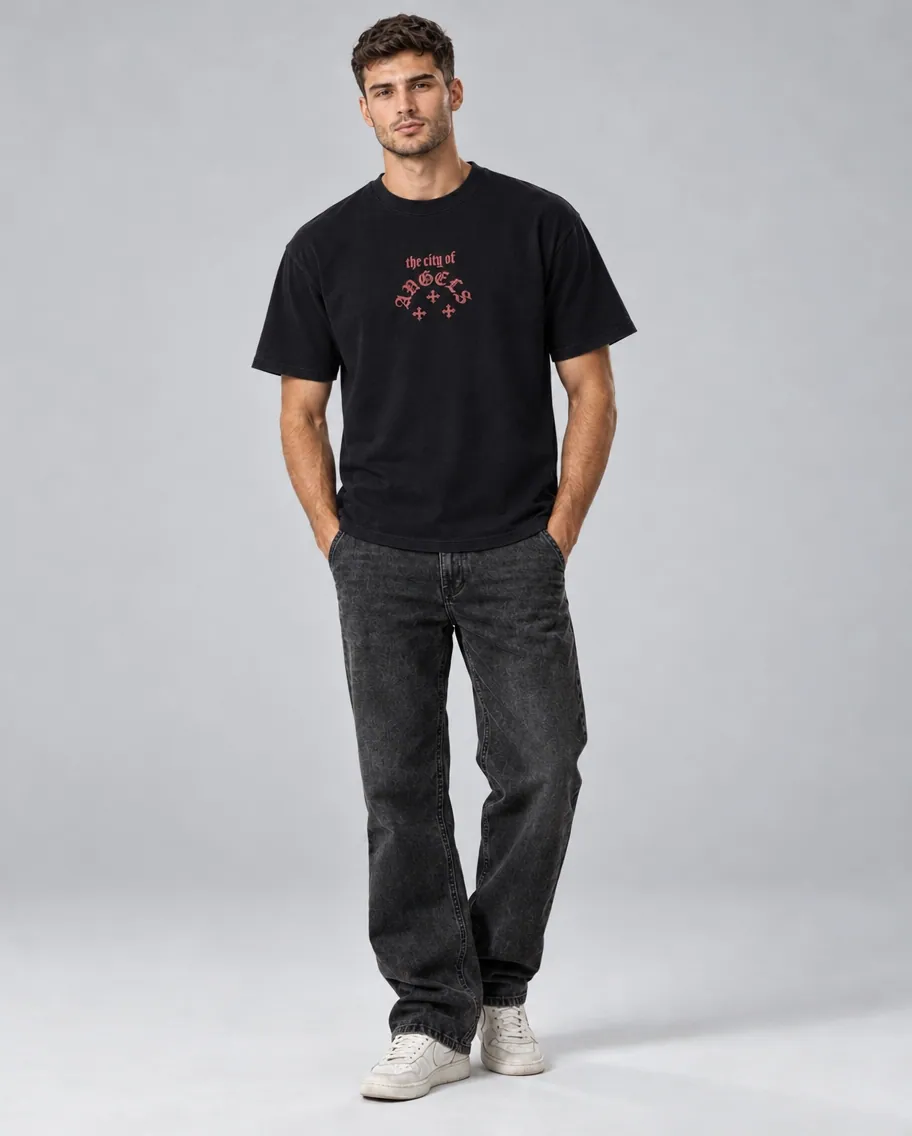 Black tee with small chest printAsk for this design
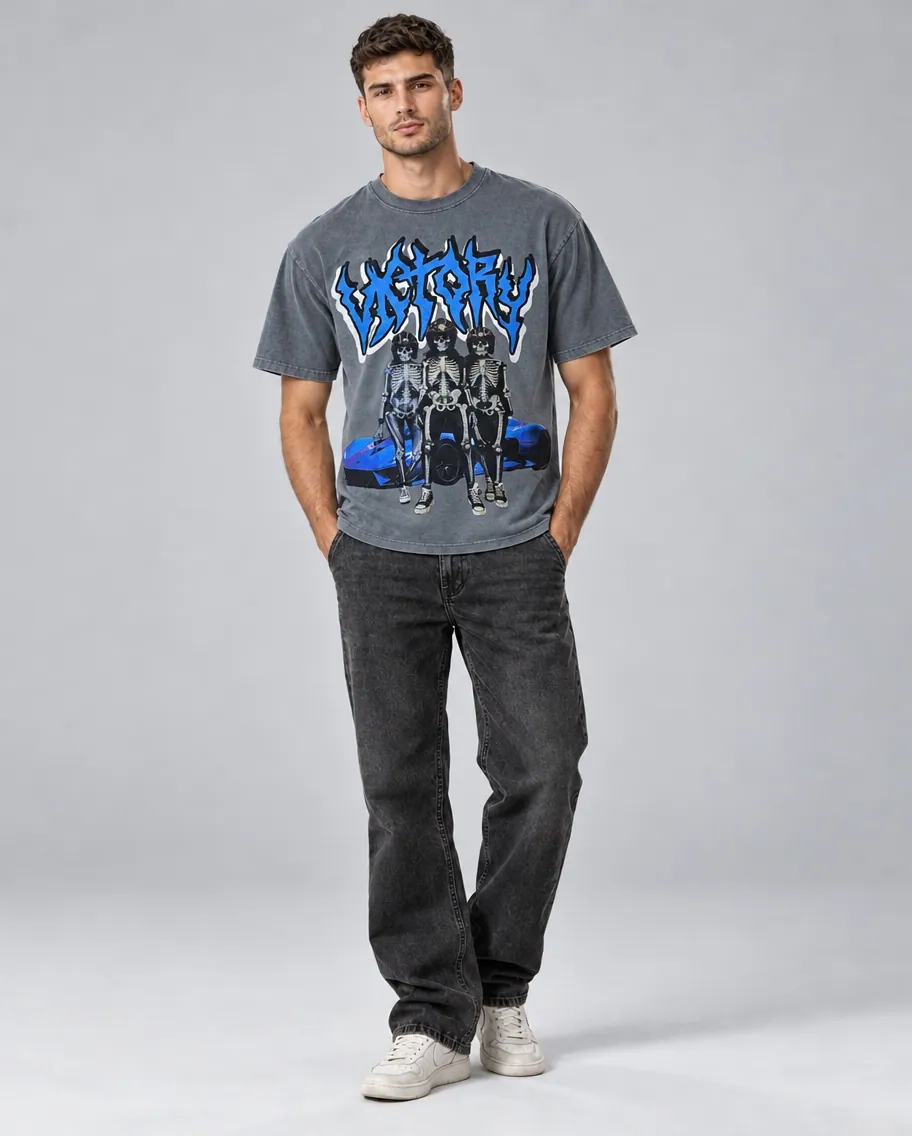 Grey washed tee with blue graphic printAsk for this design
Sampling comes before bulk. From approximately 50 pieces per style, subject to technical review.
Tell us your designShare your product details, target quantity and delivery requirements. We will confirm feasibility, materials and construction before quoting.
Contact our team