SpecificationGuidanceNotes
- Performance jersey
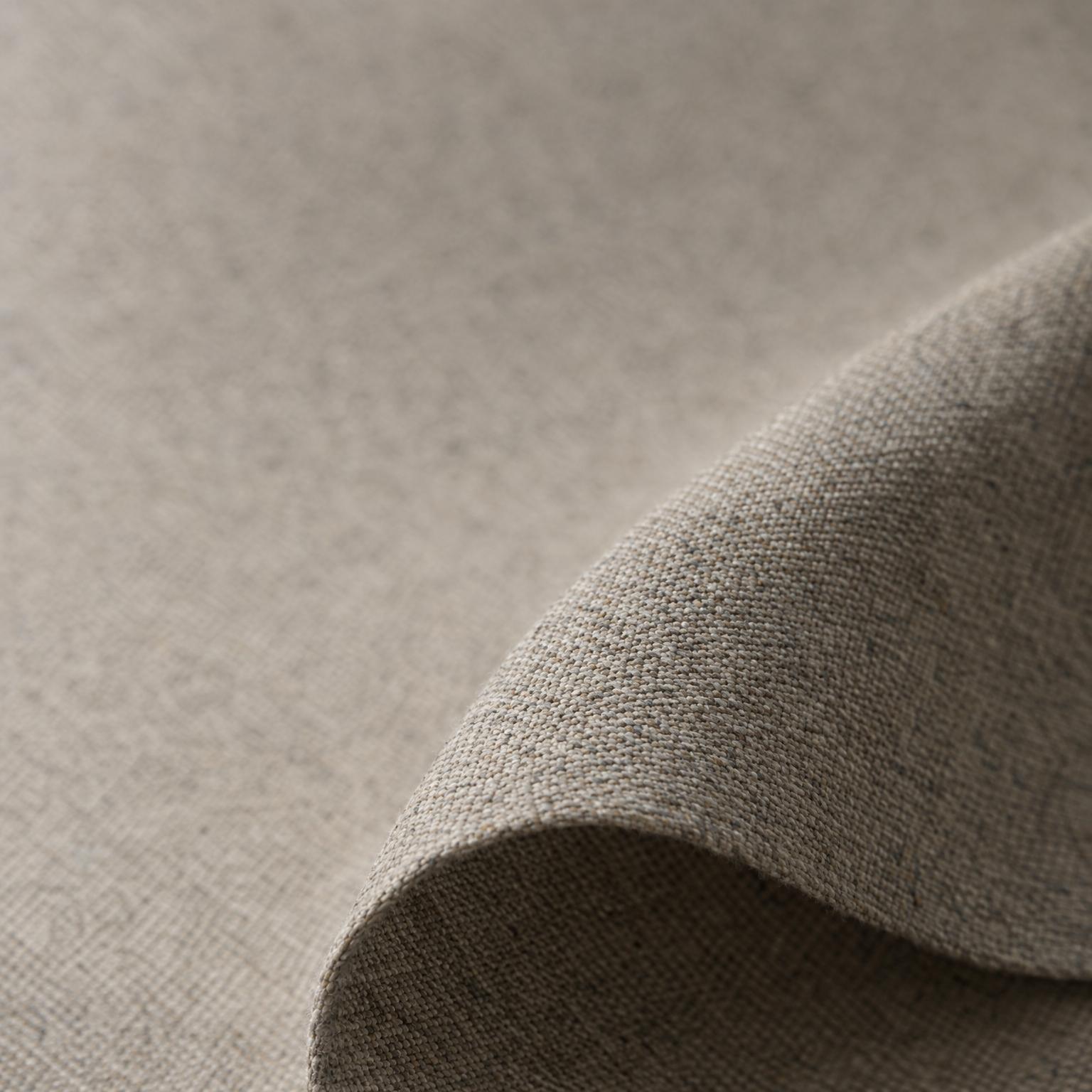
- 130 to 180 gsm
- Common range for singlets and tees.
- Mesh panels
- 100 to 150 gsm
- Used at defined zones for ventilation.
- Legging fabric
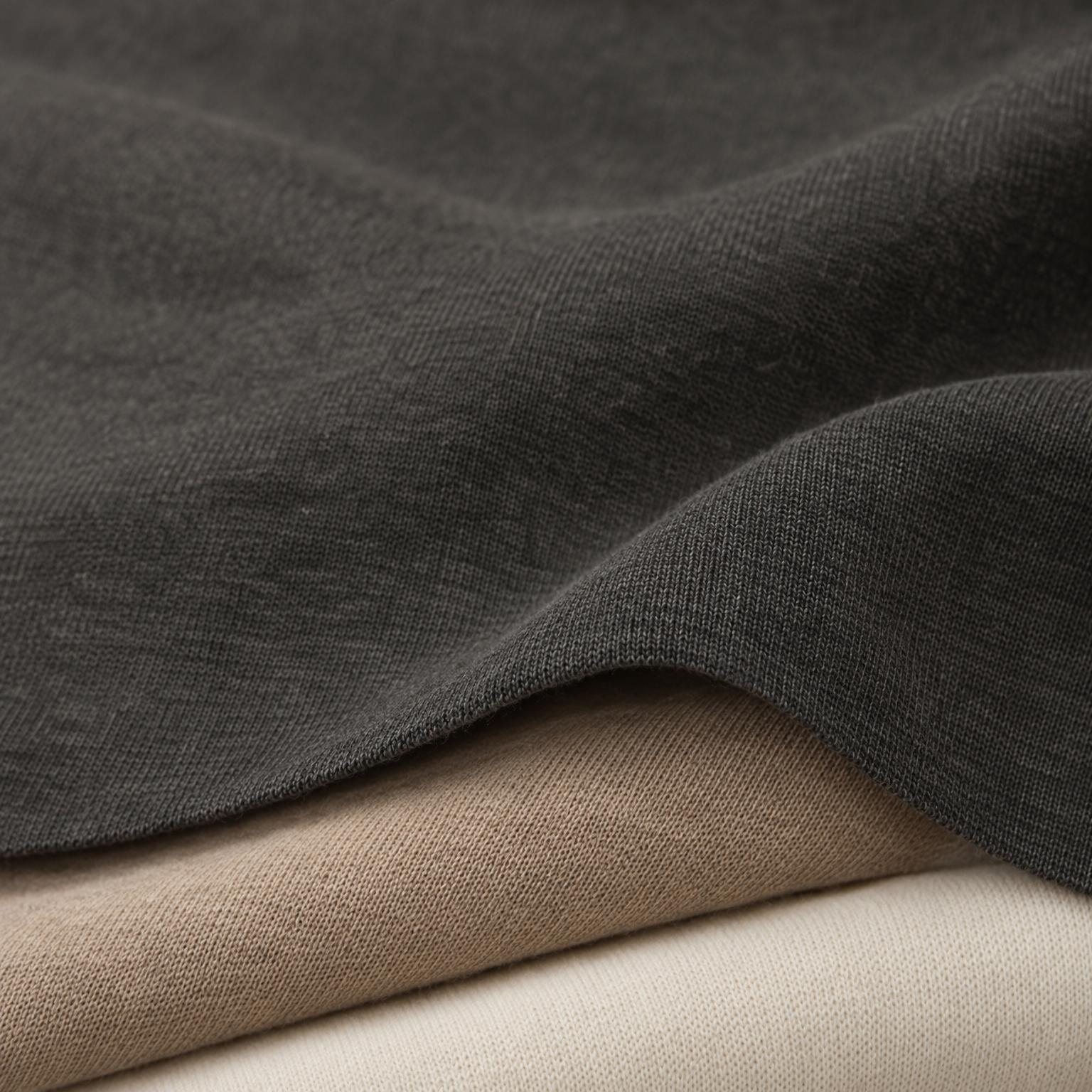
- 200 to 280 gsm
- For tights, where opacity and compression matter.
Construction options
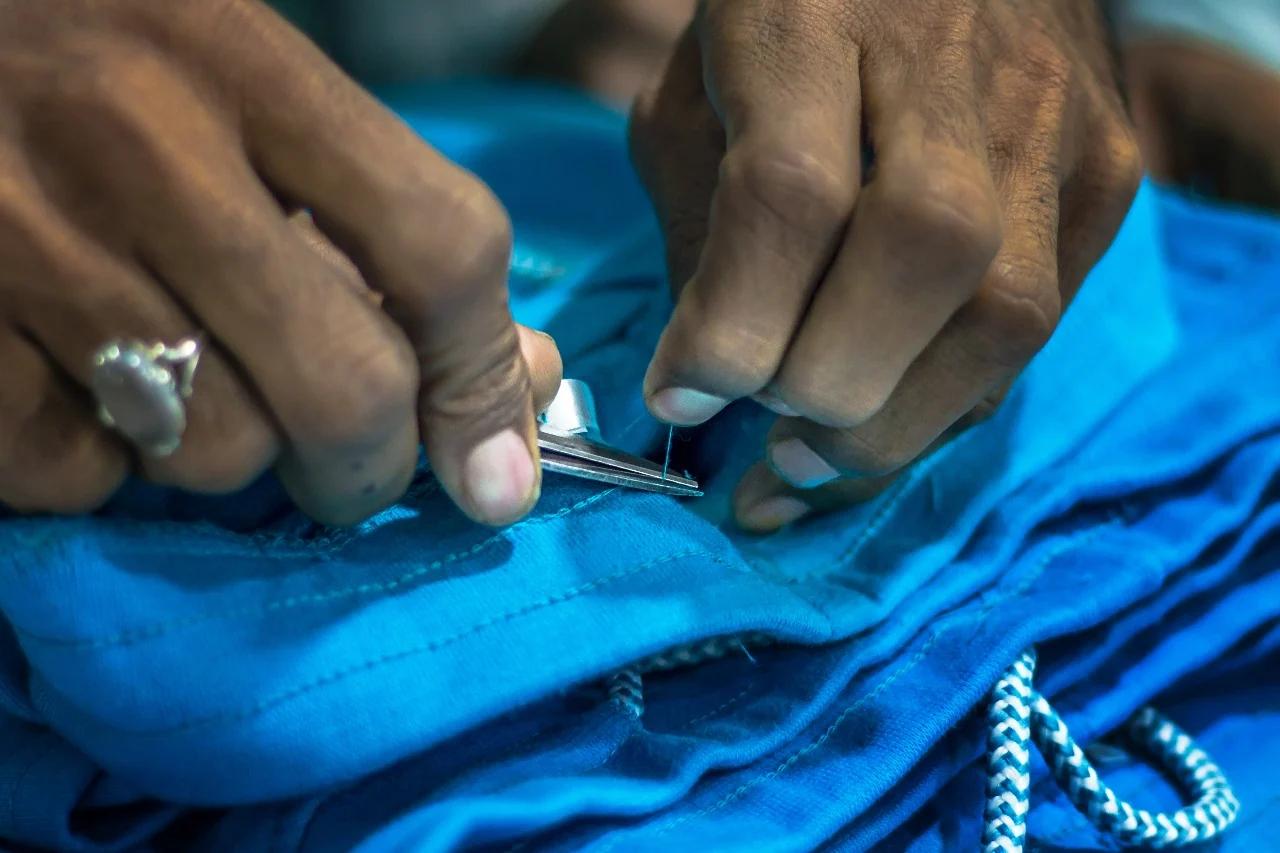
- 01Flatlock seams to reduce chafing
- 02Mesh ventilation panels at defined zones
- 03Elastic or drawcord waistbands with liner and pocket options
- 04Reflective detailing for low light use
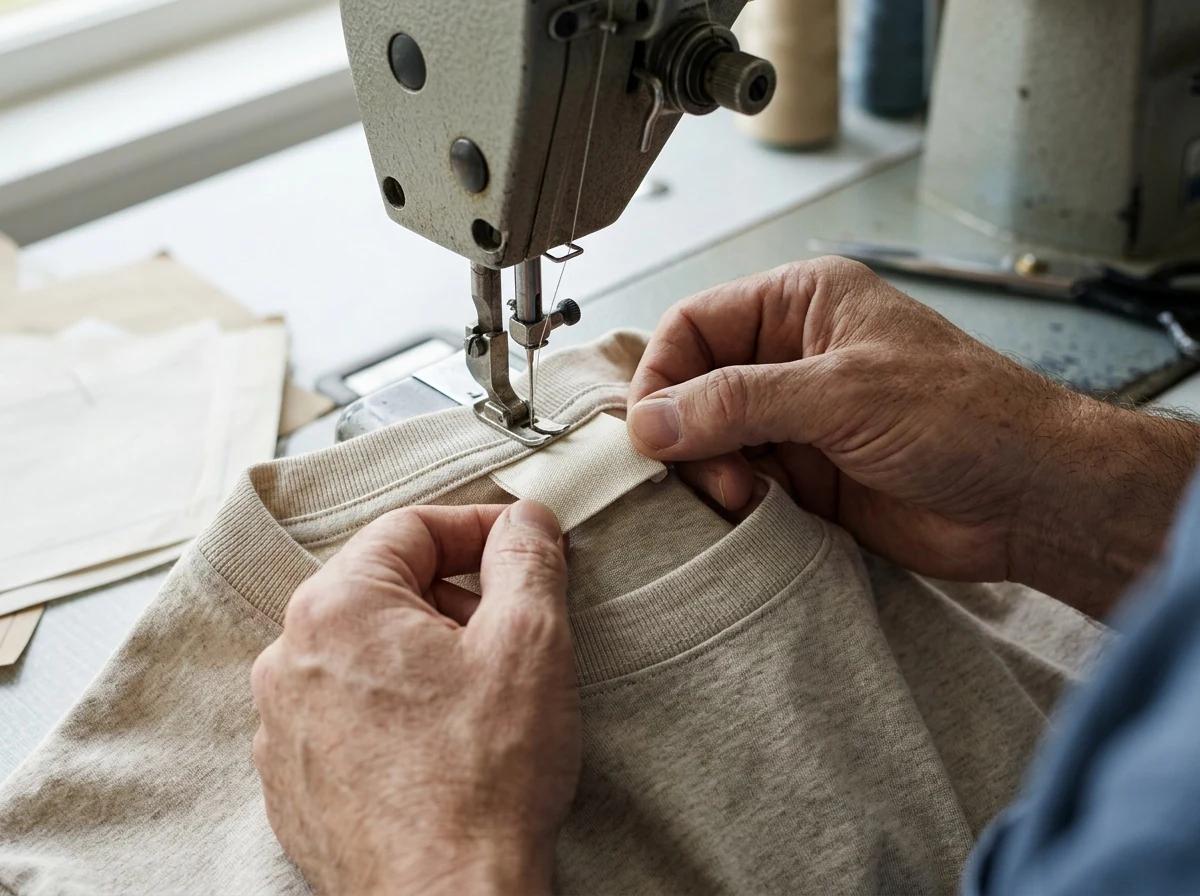
- 05Coverstitch hemming for stretch retention
- 06Tagless labelling to avoid irritation
Labelling and packaging
- 01Tagless heat transfer labels to avoid skin irritation
- 02Woven labels where the construction allows
- 03Individual polybagging with size and care marking
Weights and construction by component
Component-level guidance for running wear. Any ranges are indicative sourcing references, not guaranteed order specifications. Different components can need different fabrics, weights and units; the selected materials, construction and finished measurements are confirmed on the approved sample.
Component by component weights, construction and sample checks for running wear| Component | Weight, unit or setting | Construction choices | Check on the sample |
|---|
| Singlet fabricIndustry guidance | 130 to 180 gsm typical range; mesh 100 to 150 gsm. | Flatlock seams, mesh at defined zones. | Chafe points. |
|---|
| TightsIndustry guidance | 200 to 280 gsm typical range for tights. | Elastic or bonded waist, coverstitch hems. | Opacity stretched. |
|---|
| ShortsIndustry guidance | Specified separately, liner optional. | Elastic or drawcord waist, pocket options. | Liner fit. |
|---|