SpecificationGuidanceNotes
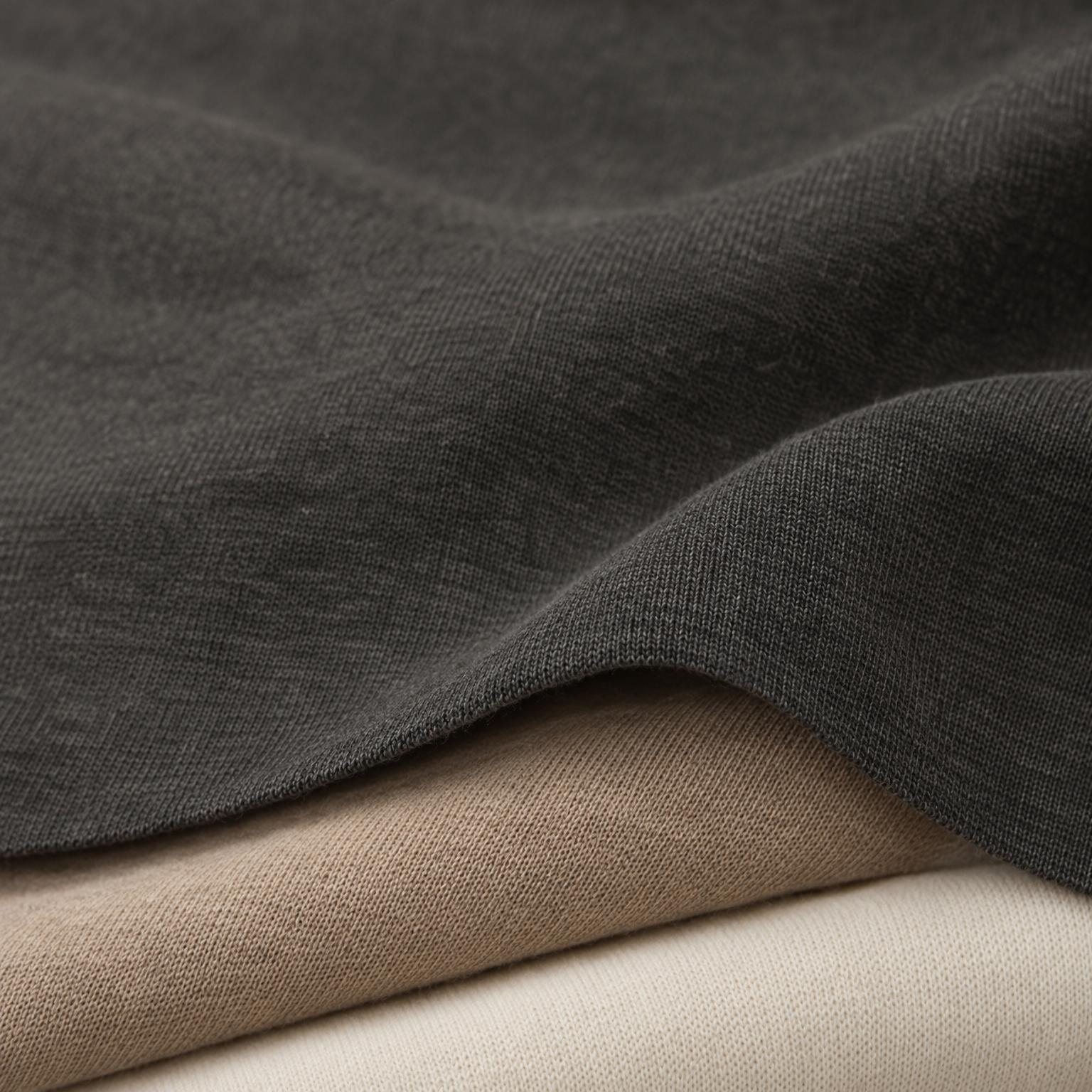
- Legging fabric
- 200 to 280 gsm
- Heavier stretch fabric is often used for bands and higher support constructions, but support comes from band, strap and cup construction as well as fabric weight and elastane content.
- Performance jersey
- 130 to 180 gsm
- Lighter knit for lower support styles and lining.
Construction options
- 01Supportive bra constructions in high stretch fabric, cut and sew or seamless
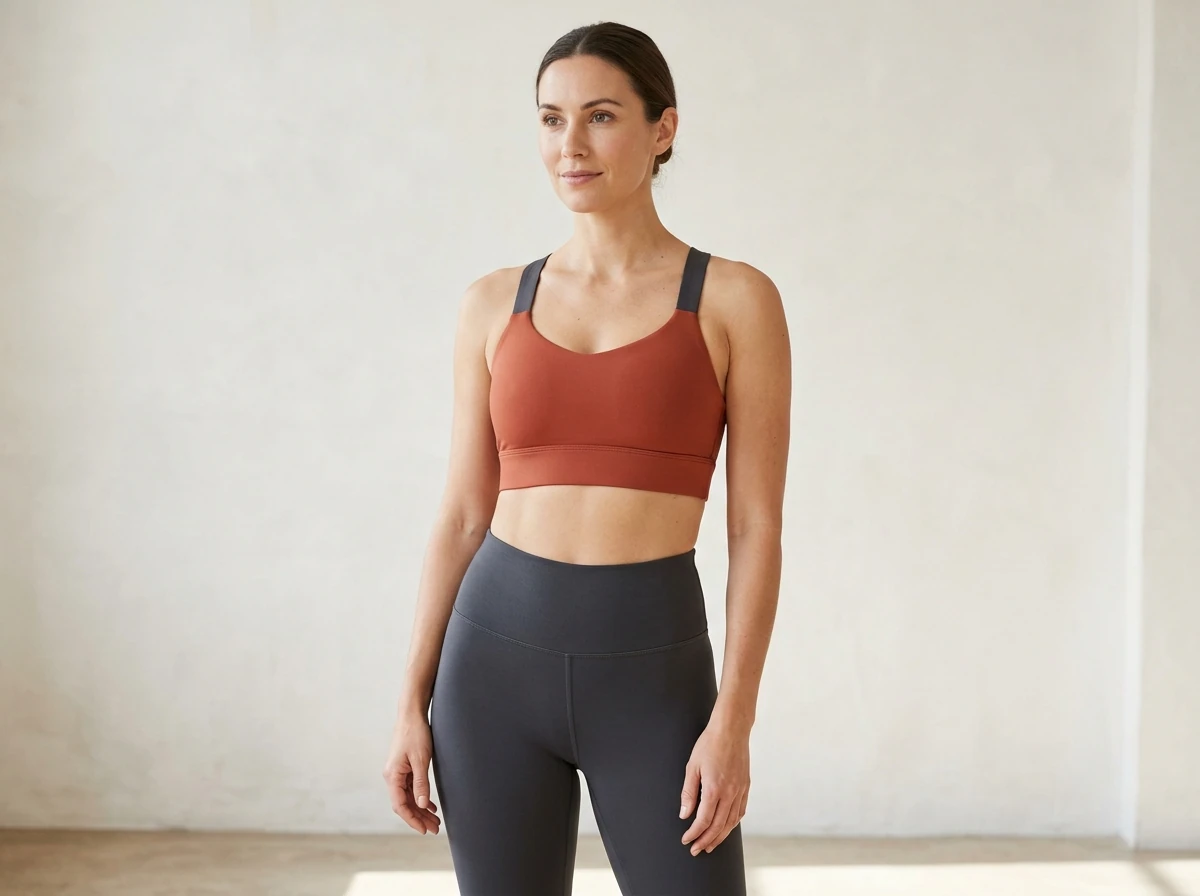
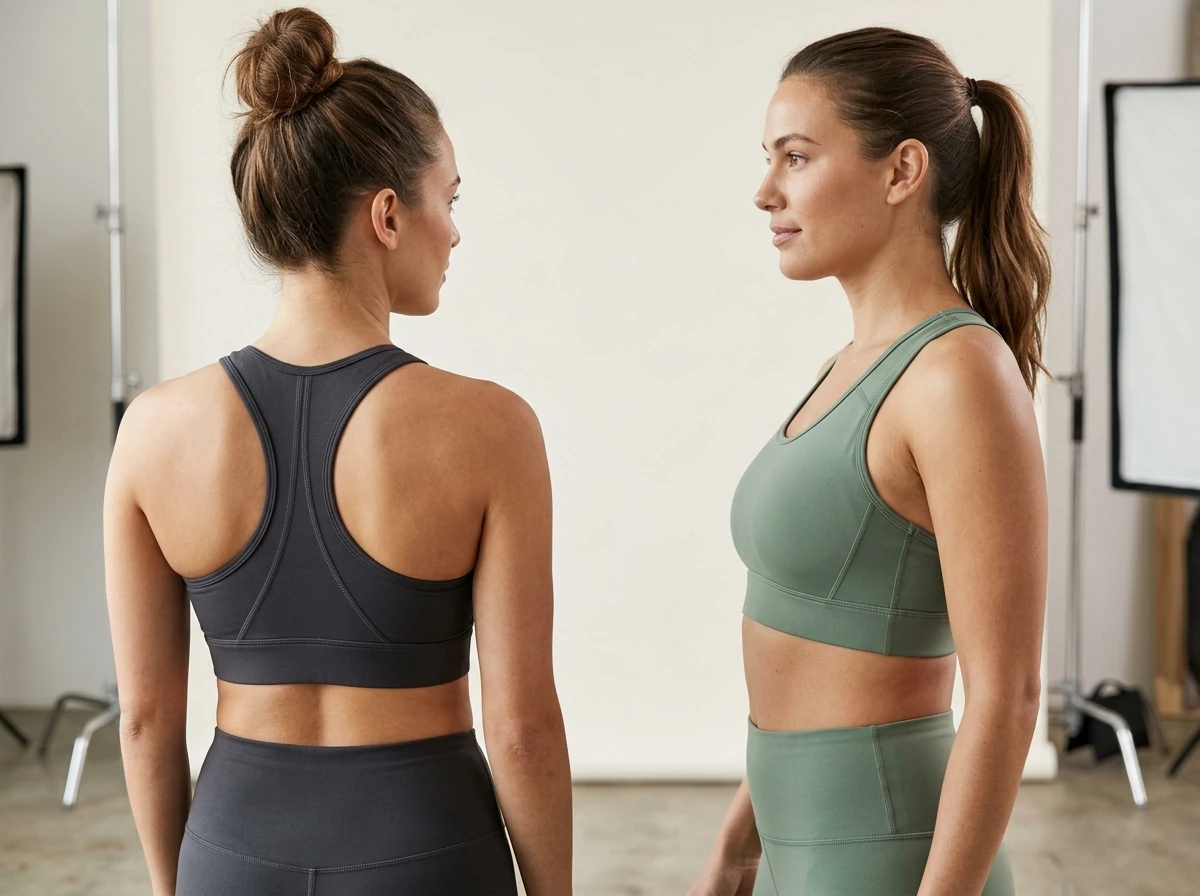
- 02Racerback, cross back and standard strap geometries
- 03Bonded or elastic underbands in several widths
- 04Flatlock seams to reduce chafing
- 05Removable or sewn in padding, following technical review
- 06Mesh panels at defined zones
Labelling and packaging
- 01Tagless heat transfer labels to avoid skin irritation
- 02Size and care marking to your market convention
- 03Set packaging where bras sell with matching bottoms
Weights and construction by component
Component-level guidance for sports bras. Any ranges are indicative sourcing references, not guaranteed order specifications. Different components can need different fabrics, weights and units; the selected materials, construction and finished measurements are confirmed on the approved sample.
Component by component weights, construction and sample checks for sports bras| Component | Weight, unit or setting | Construction choices | Check on the sample |
|---|
| Band and body fabricIndustry guidance | 200 to 280 gsm typical range suits bands and higher support constructions; it is a starting point, not a measure of support. | Bonded or elastic underbands in several widths. | Band stretch and recovery. |
|---|
| Lining and lower support stylesIndustry guidance | 130 to 180 gsm typical range. | Lined or unlined body. | Opacity stretched. |
|---|
| Straps and closuresIndustry guidance | Specified by construction, width and anchor point. | Racerback, cross back, standard; hooks on some designs after review. | Strap attachment strength. |
|---|