Bags
Supplier example- Method
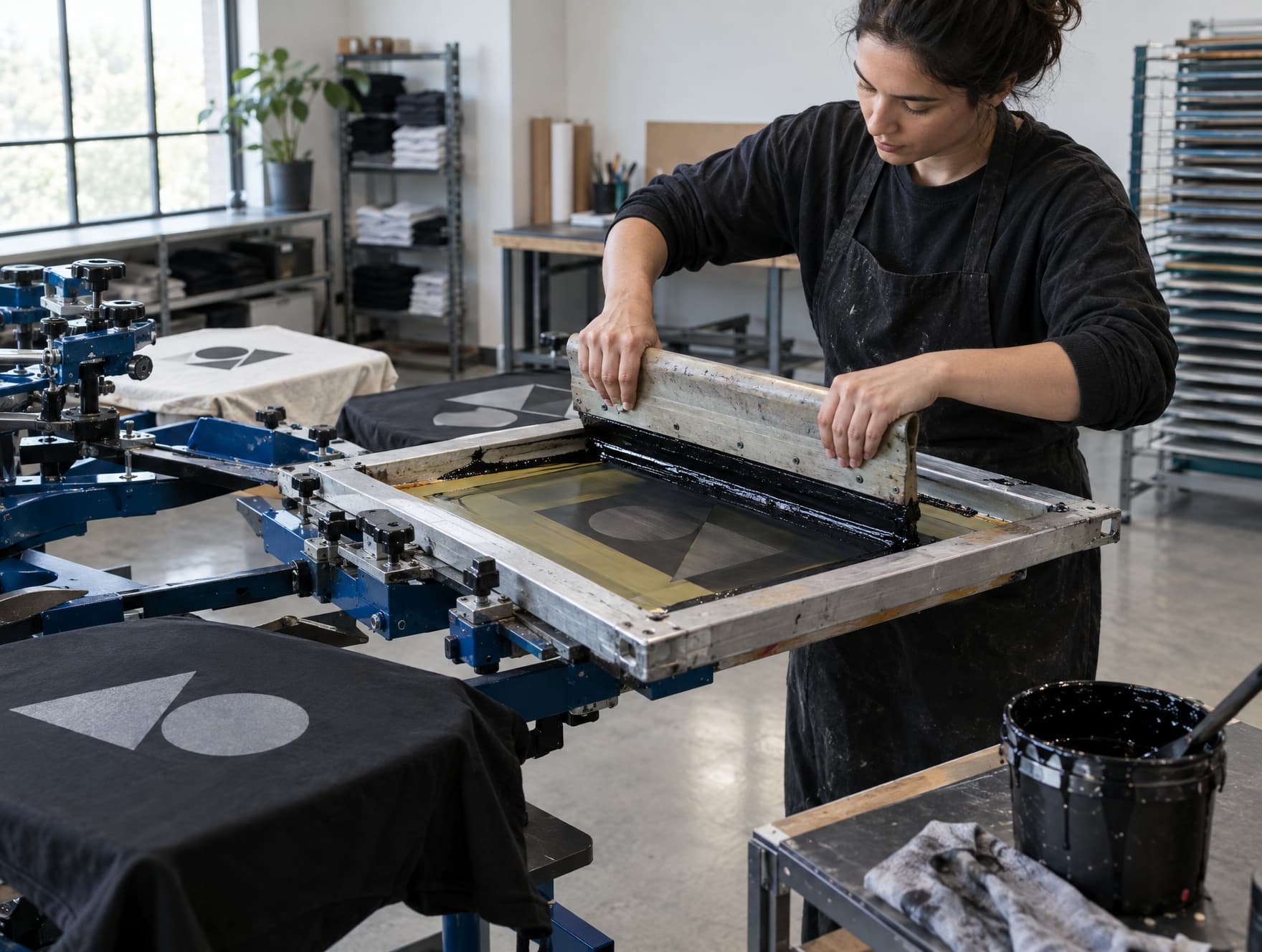
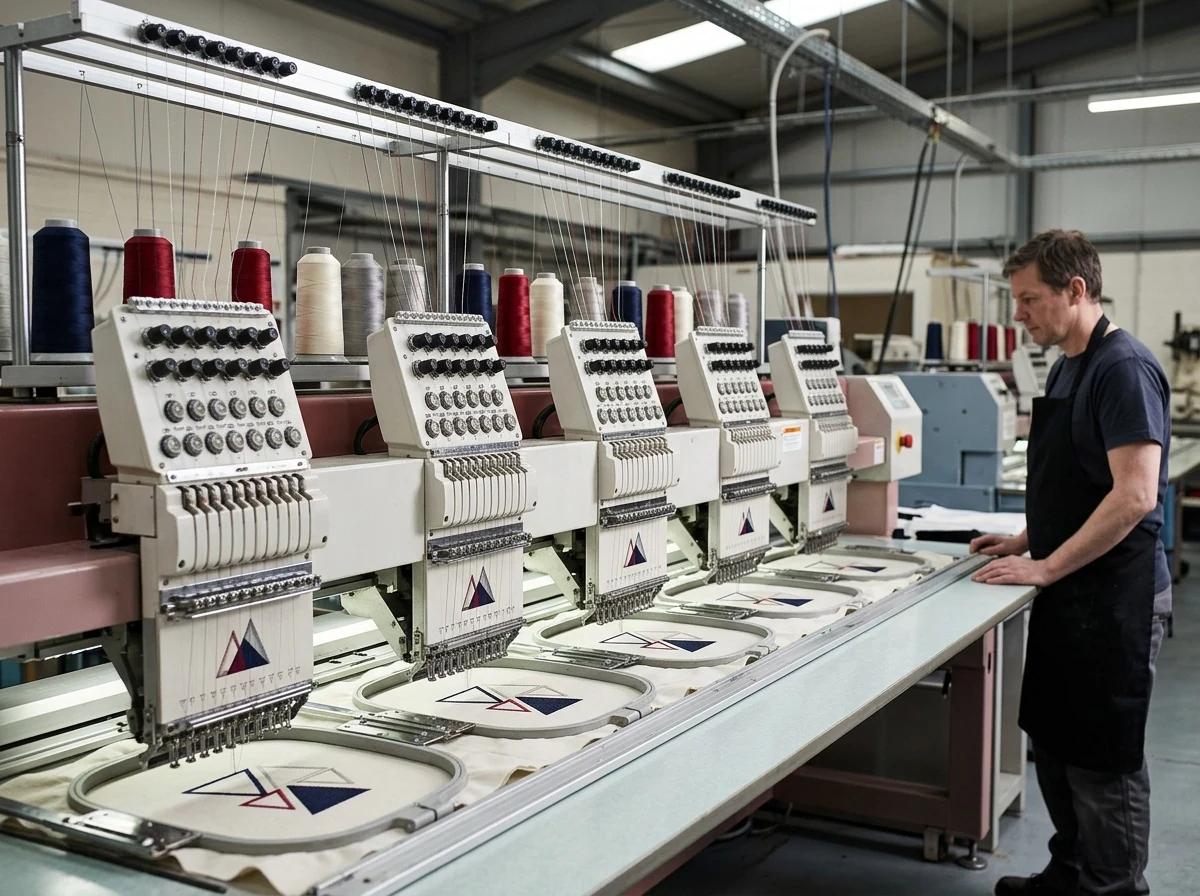
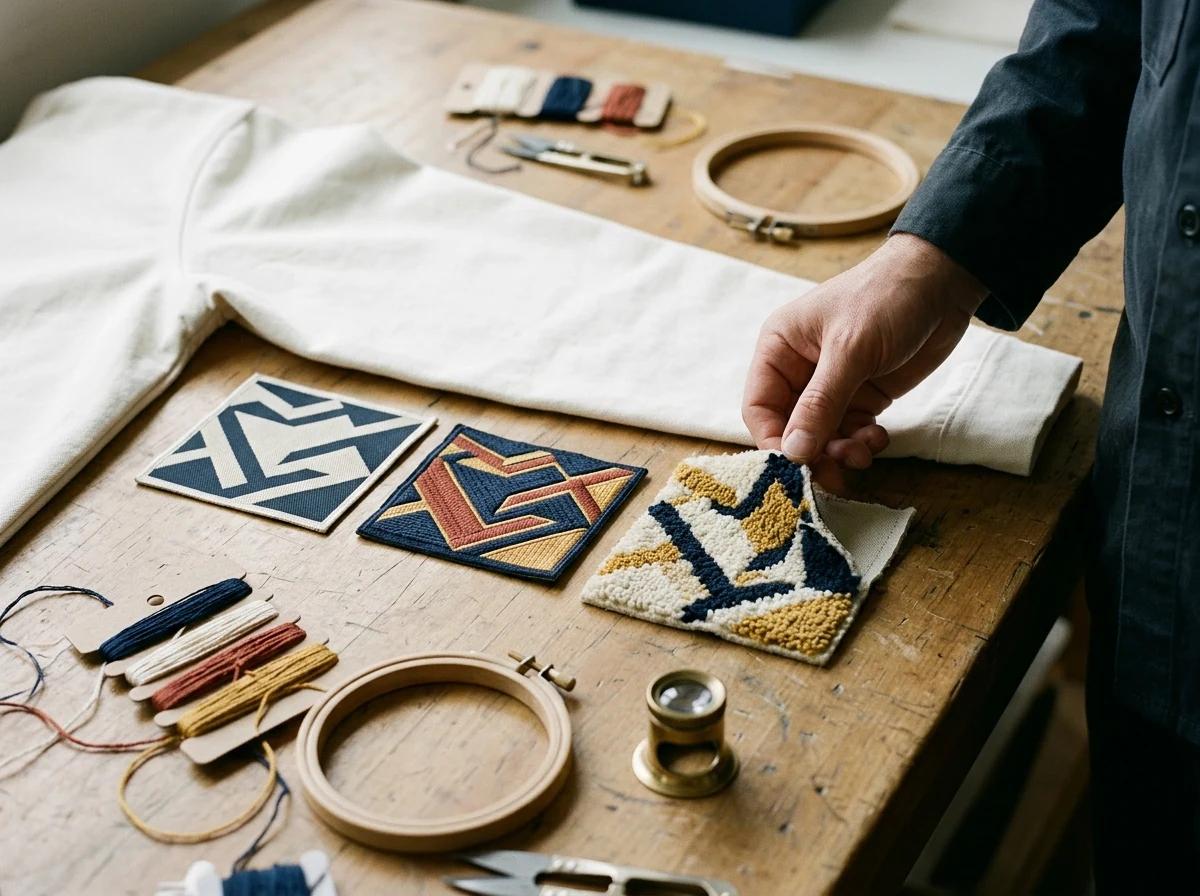
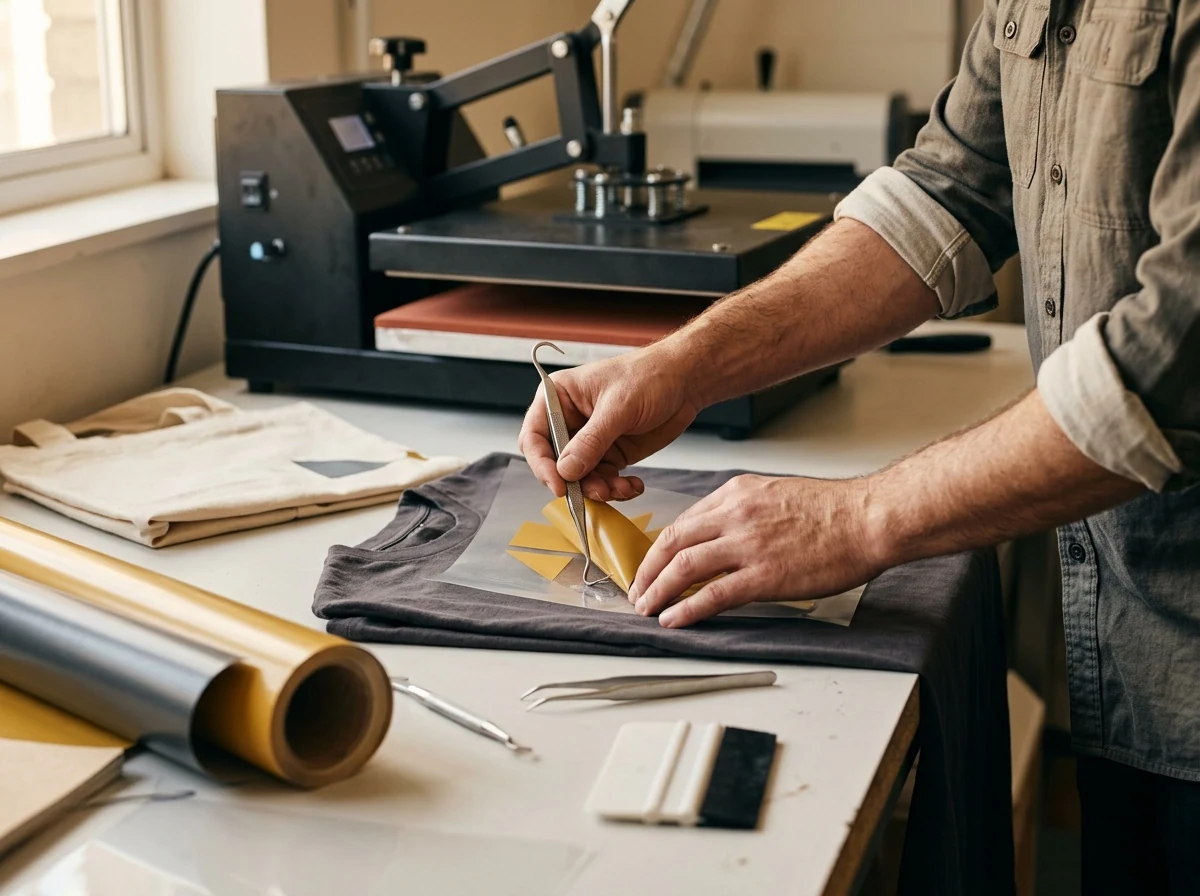
- Screen print, embroidery or patch
- Trade-off
- Coated fabric affects ink adhesion.
- Approve before bulk
- Test and wash.
Loading page content
Product family
Textile based sports equipment and accessories that sit outside standard apparel construction.
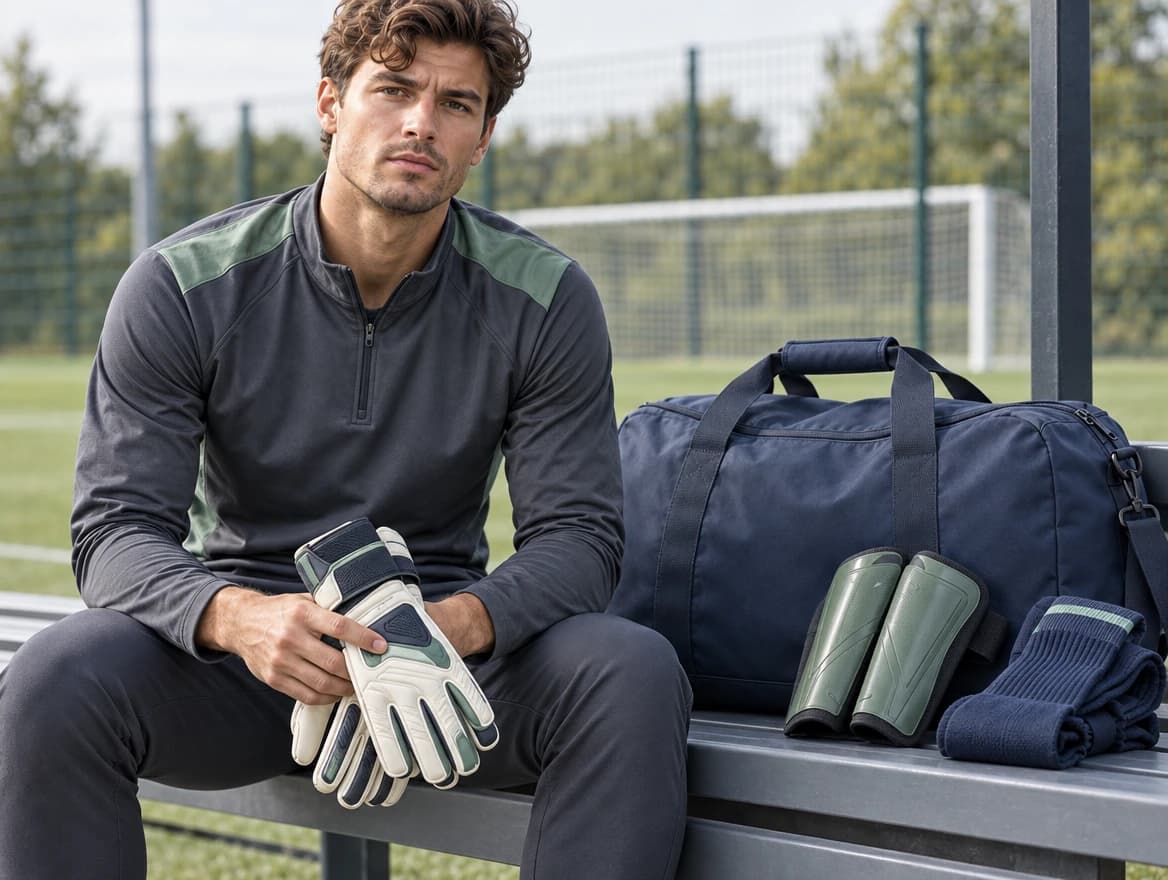
Not everything a sports brand sells is a garment. Padded guards, kit bags, training aids and equipment covers are textile products with construction requirements that standard apparel lines are not set up for.
These products carry higher tolerances and different failure modes. A seam that fails on a tee shirt is an inconvenience; a seam that fails on a loaded kit bag is a product recall conversation.
Feasibility for this category is always confirmed on technical review, because each product carries its own construction requirement and no single blanket capability claim would be honest.
Product types
Representative products we manufacture in this category. Anything not listed can still be assessed on technical review.
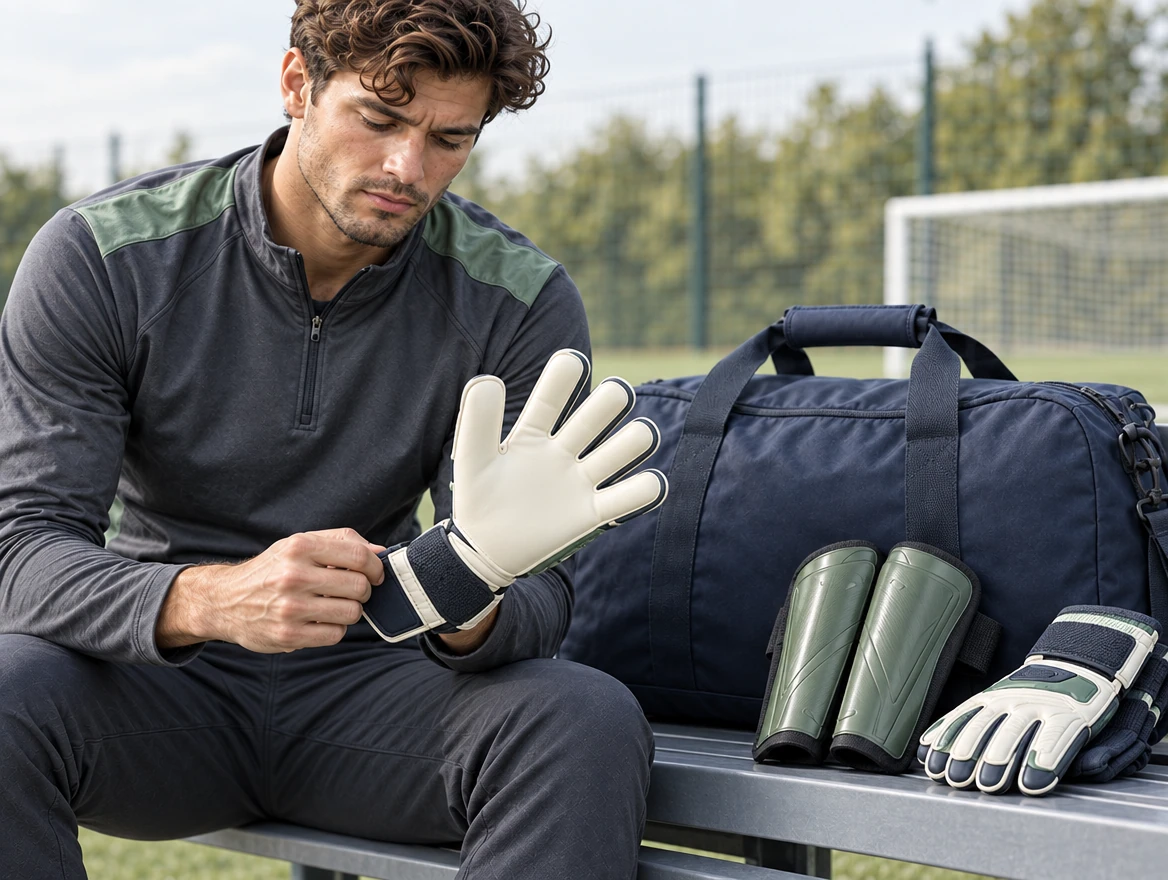
Reinforced bags with load bearing straps and bartacked stress points.
Foam padded textile constructions with fastening systems.
Textile based training equipment such as bibs, markers and resistance accessories.
Protective covers produced to measured dimensions.
Towels, wristbands and headwear coordinated with a kit programme.
Printed textile display items with reinforced edges and fixings.
Specification
Weight ranges are typical for this category. The finished weight of your fabric is confirmed on the approved sample rather than guaranteed to a figure.
Ranges are typical. The exact specification is confirmed on your approved sample before production.
Component-level guidance for specialist sports products. Any ranges are indicative sourcing references, not guaranteed order specifications. Different components can need different fabrics, weights and units; the selected materials, construction and finished measurements are confirmed on the approved sample.
| Component | Weight, unit or setting | Construction choices | Check on the sample |
|---|---|---|---|
| Bag fabricIndustry guidance | 300 to 600 denier typical range, specified by denier rather than gsm. | Bartacked stress points. | Loaded strength. |
| Padding foamIndustry guidance | 3 to 15 millimetres typical range, specified by thickness and density. | Fabric encapsulated. | Thickness and density. |
| Banner fabricIndustry guidance | 110 to 200 gsm typical range. | Reinforced eyelets. | Edge strength. |
Decoration
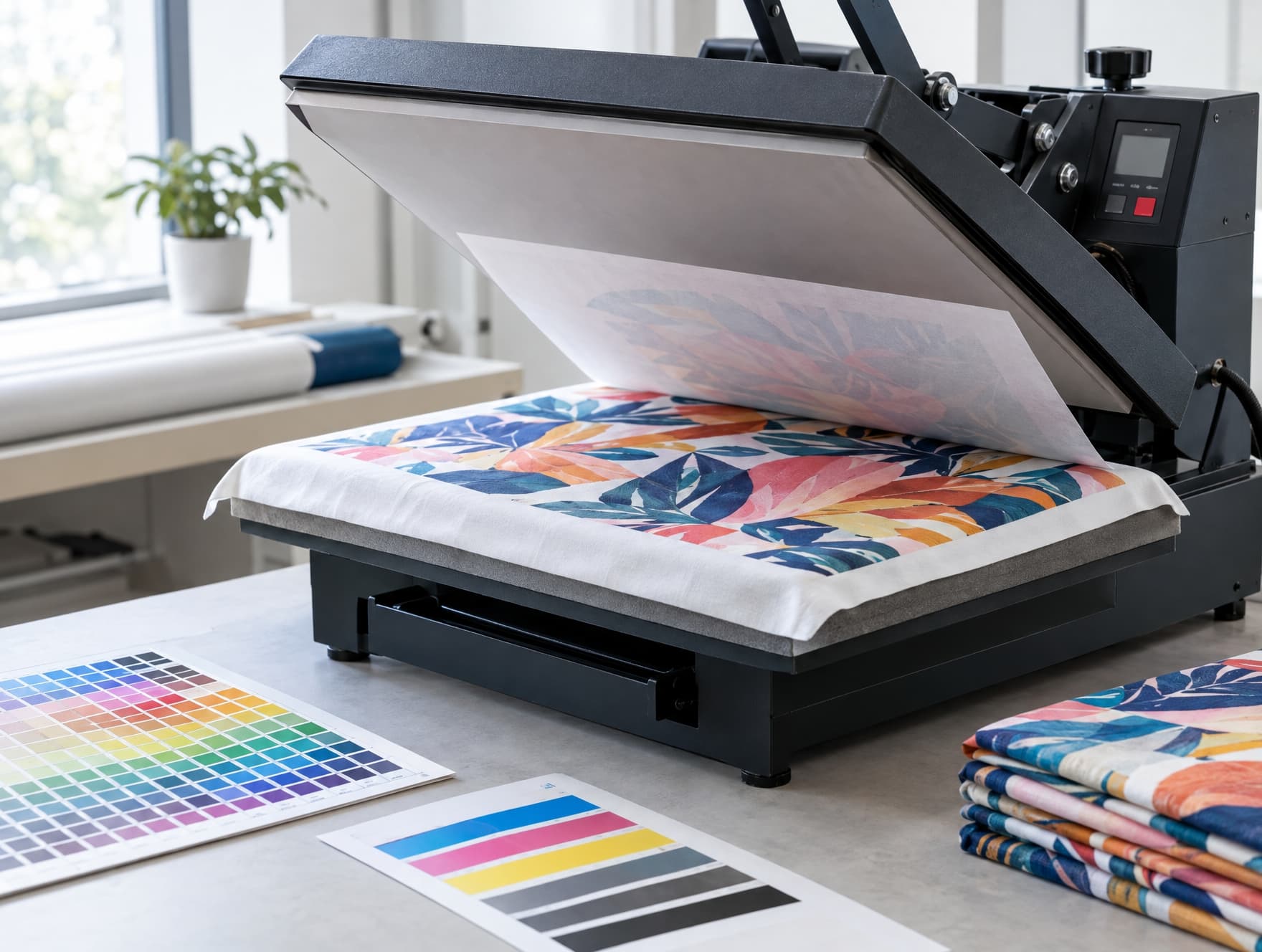
Decoration is matched to the fabric and the artwork rather than applied by default. Each method links to its own page with limits stated.
Which method suits each placement on specialist sports products, its trade-offs and what to approve before bulk. Compatibility is checked against the actual fabric, stretch, coating and heat tolerance; approval on one component does not establish suitability on another.
Materials
Composition, weight guidance and decoration compatibility for each fabric are on its own page.
What each part of specialist sports products is usually made from, why, where it falls short and what to check. This is industry guidance, not a TextileWays specification: the fabric and components for your order are confirmed on technical review.
Ordering
Neither figure is published as a universal number, because neither one is true across every specification.
MOQ depends on material availability, construction, hardware and packaging. Products requiring custom hardware or moulded components carry higher minimums, because component suppliers set their own batch quantities.
Function is tested on the sample under realistic loading conditions rather than assessed visually, since these products fail in use rather than on inspection.
Detailed product guidance
Materials, manufacturing routes and buying considerationsSports products are specialist textile goods: bags, padded guards, training aids and team accessories that must survive heavy use.
We develop bags and covers with the fabric, webbing, zips and stitching suited to the load, and confirm them on a sample.
Padded and supportive products need careful construction. We confirm feasibility and the production route on technical review before quoting.
A kit bag is carried, dragged and loaded every week, so the weakest stitch or strap decides its life.
Abrasion resistant fabrics, reinforced handles and strong zips are specified for the load, with stress points bar tacked or reinforced.
Where padding is used, the foam type and layering are confirmed on the sample.
Teams and brands often need accessories to match their kit: flags, banners and team accessories in the same colours and branding.
Printed, sublimated or embroidered, with your crest and colours matched to your kit.
Developed designs can be branded with your logo and labels (ODM, often called white label).
Specialist products are made after technical review, since materials and construction vary widely.
Share the product, use and quantity. We confirm the route, materials and sampling plan.
A sample confirms construction and finish before bulk production is released.
Sports products vary far more than garments do, which is why they are scoped on technical review. Instead of promising one process for the whole category, we confirm the construction, materials and route for the specific product you want.
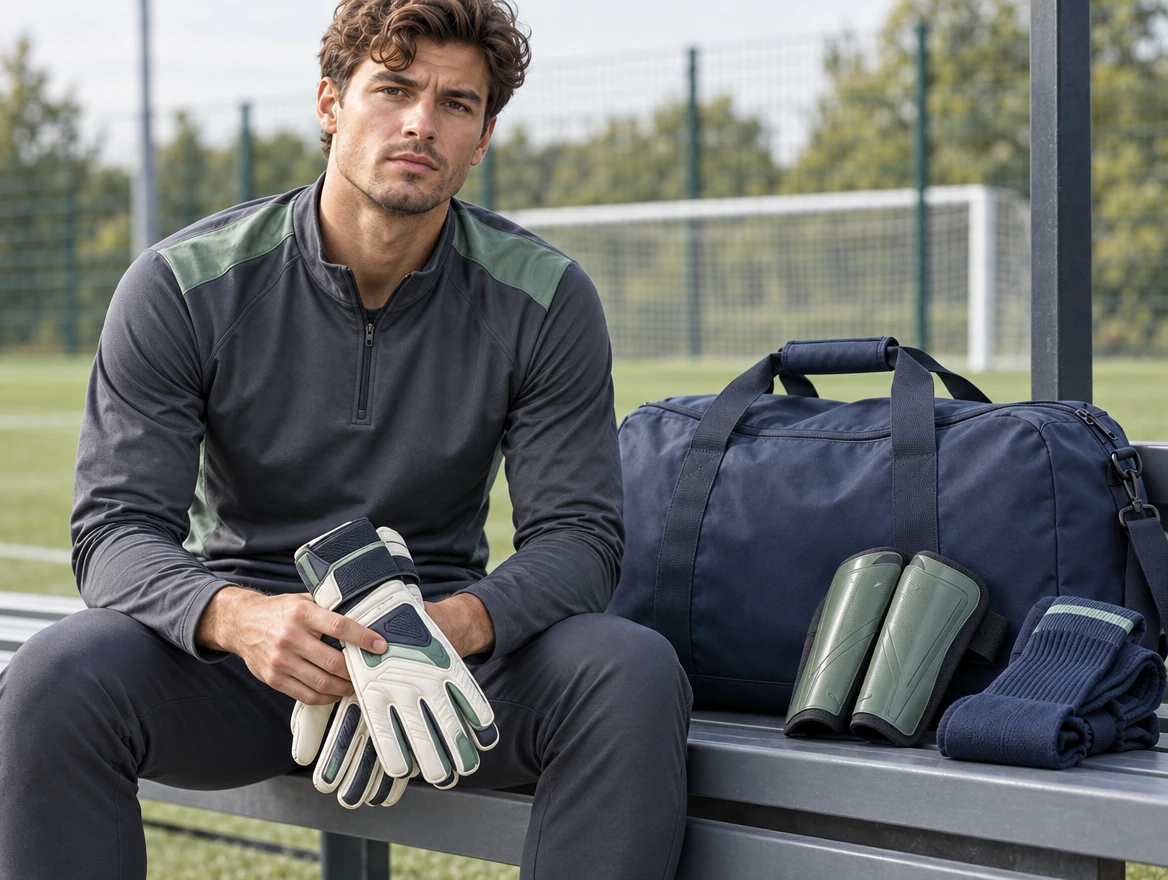
A kit bag has to carry a heavy load and survive being dropped, so fabric, base panel, handles and zips are chosen for abrasion and strength. We confirm the construction on a sample before bulk is made.
Covers, training aids and team accessories are made from fabrics chosen for the use, with branding applied by print, sublimation or embroidery. Flags and banners are a common team add on.
Padded products depend on the foam, the layering and the stitching holding together under impact. These are assessed carefully before we offer them.
Teams and brands order sports products in sets, often to match kit that already exists. The order has to match colours, logos and sizing.
We match colours to your reference and apply your crest or logo in the position you approve on the sample, so accessories look like part of the same kit.
A sample confirms construction and finish before bulk production. Quantities depend on the product and materials and are confirmed on review, and approved standards are kept for reorders.
Questions
Answers relevant to this product family. The full list covers ordering, sampling, materials, decoration, compliance and logistics.
We build labelling into the specification and apply exactly what you approve, including fibre content, care symbols, country of origin and identification details. Responsibility for confirming what your market and your product category legally require stays with you as the brand owner. We flag anything that looks inconsistent before production.
Sampling normally runs in stages: a proto sample to confirm construction, a fit sample against your measurement chart, and a pre production sample that fixes fabric, colour, decoration, labelling and packaging. Each stage needs written approval before the next one starts. Sample charges and courier costs are quoted before work begins.
Minimum order quantity depends on material availability, colour count, construction, decoration and packaging. Projects can begin from approximately 50 pieces per style following technical review. Where a fabric has to be knitted or dyed specifically for a project, the practical minimum is set by the mill rather than by us, and we tell you that before you commit.
Share your product details, target quantity and delivery requirements. We will confirm feasibility, materials and construction before quoting.
Contact our team