Tote bags
Supplier example- Method
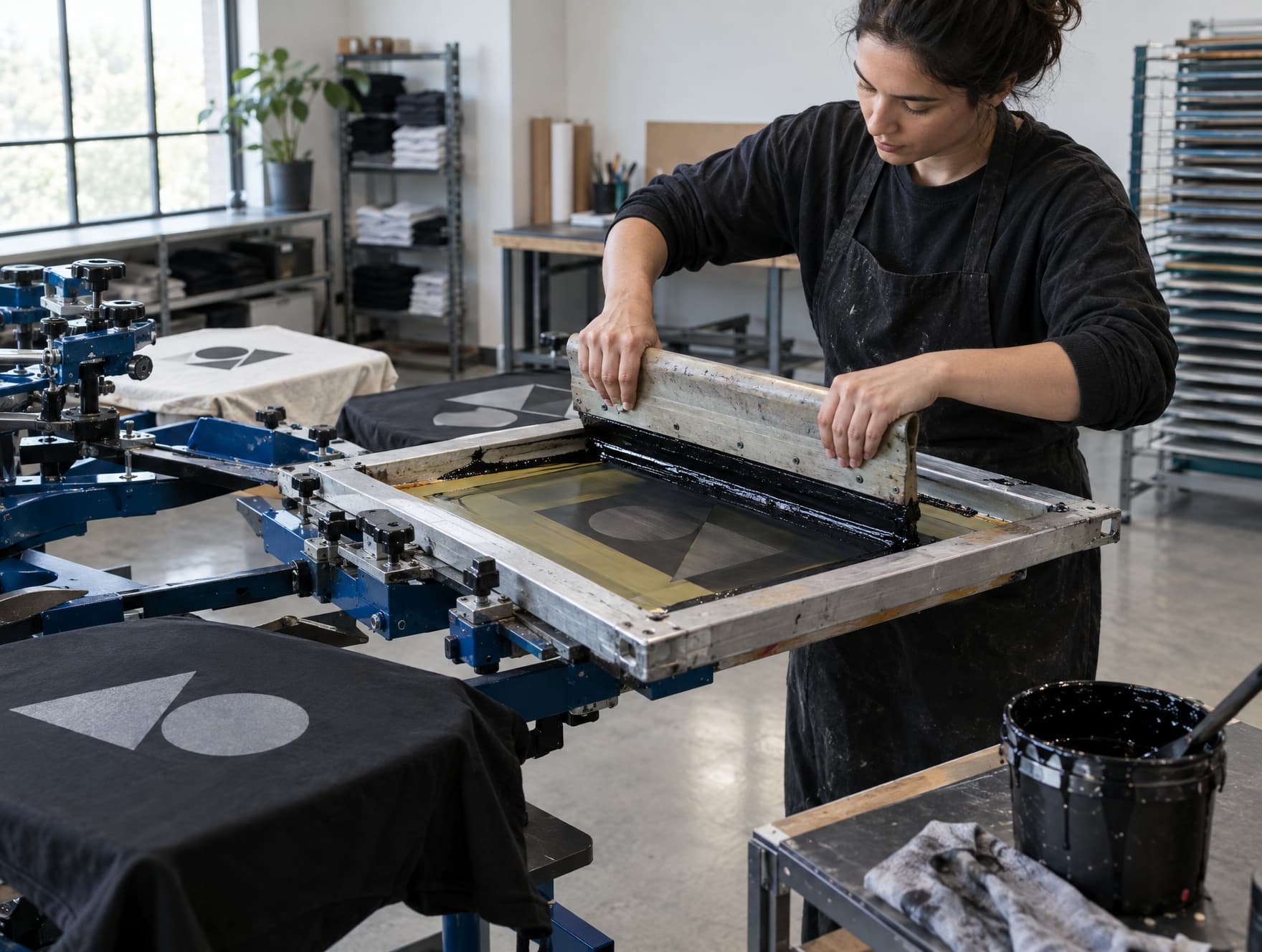
- Screen print or embroidery
- Trade-off
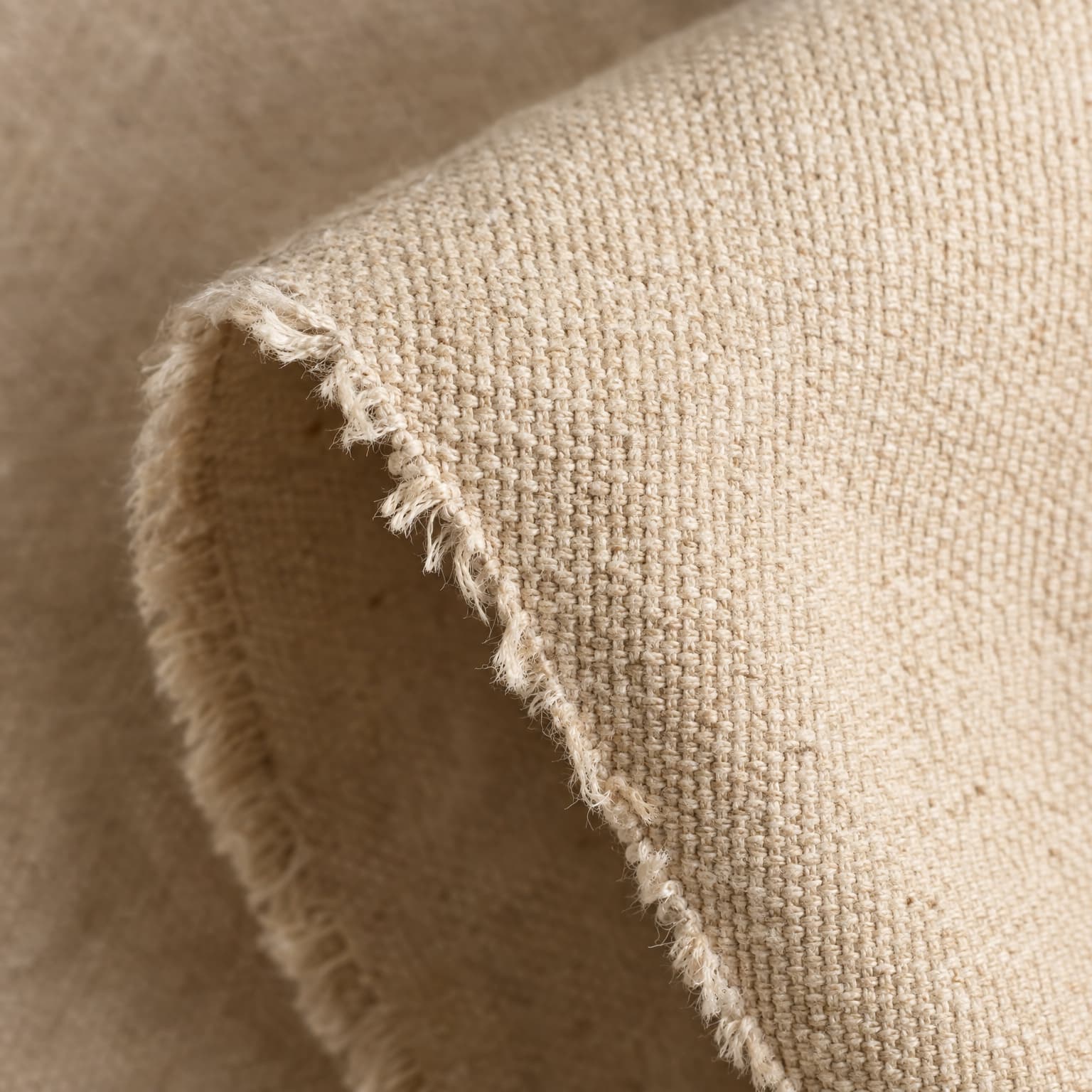
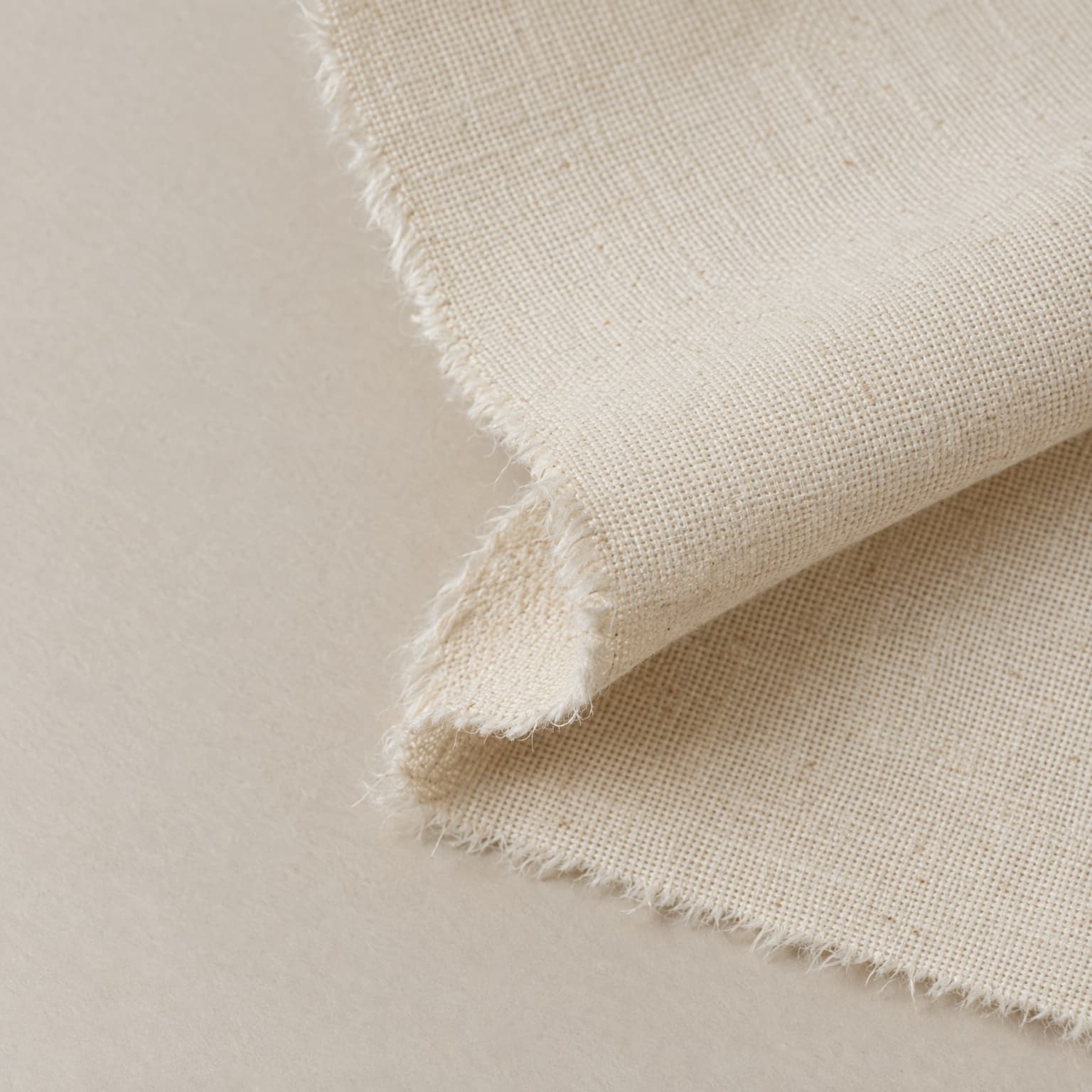
- Canvas weave affects ink adhesion.
- Approve before bulk
- Test and wash.
Loading page content
Product family
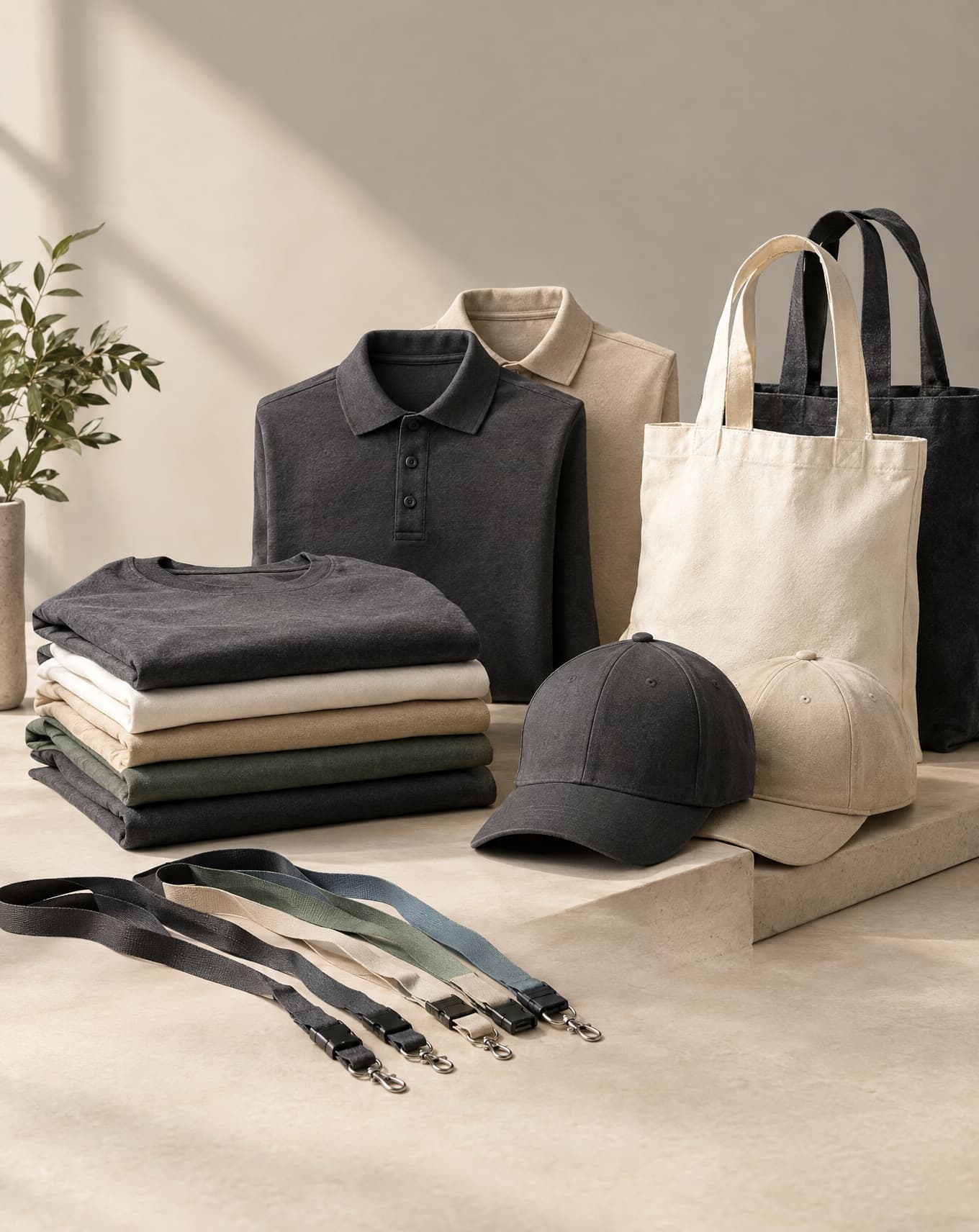
Bags, caps, aprons and small textile goods that extend a brand without the size range of apparel.
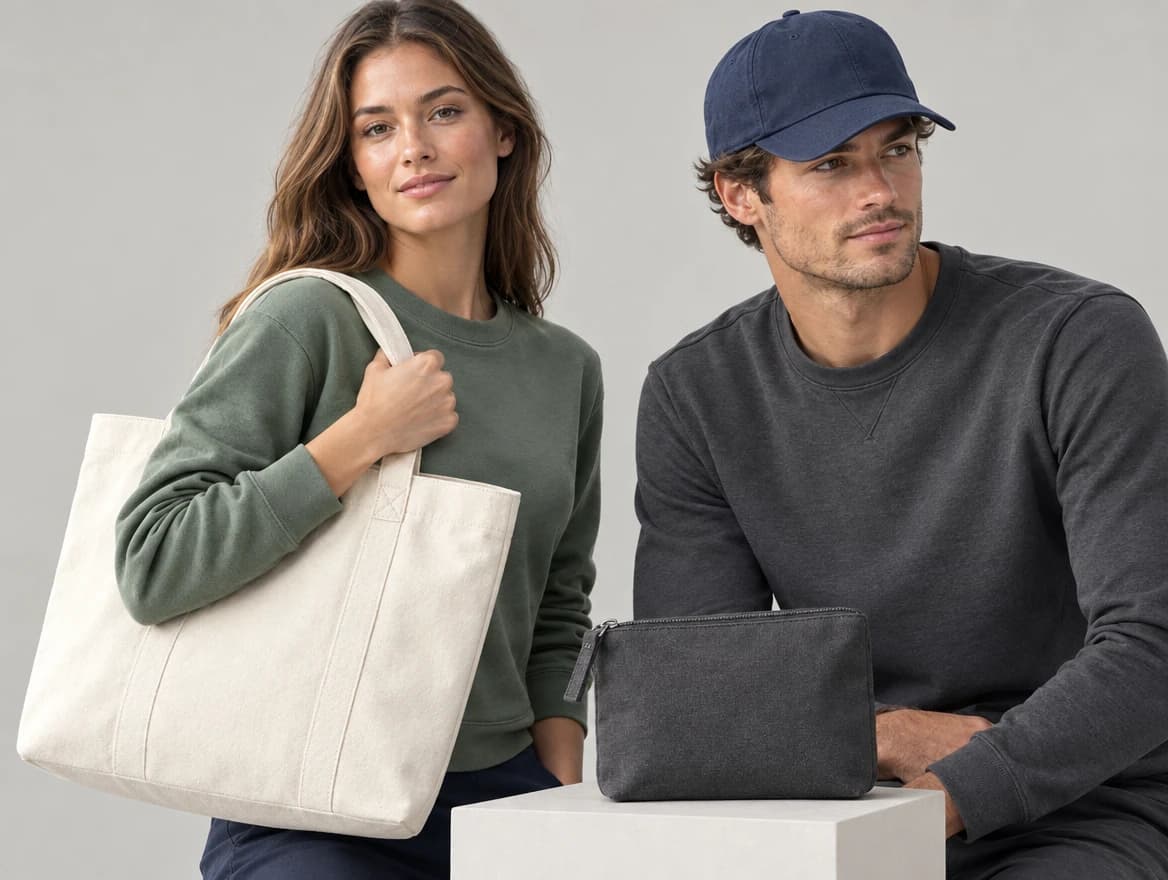
Accessories solve a specific commercial problem: they carry a brand without requiring a size range. One tote bag serves every customer, which makes accessories the lowest risk way to test a market or extend a collection.
They are also the backbone of promotional and event programmes, where quantity is high, decoration is prominent and the item has to survive being used rather than displayed.
Construction quality shows in the details that get used most: strap attachment, edge finishing and closures. Those are the points inspected most closely.
Product types
Representative products we manufacture in this category. Anything not listed can still be assessed on technical review.
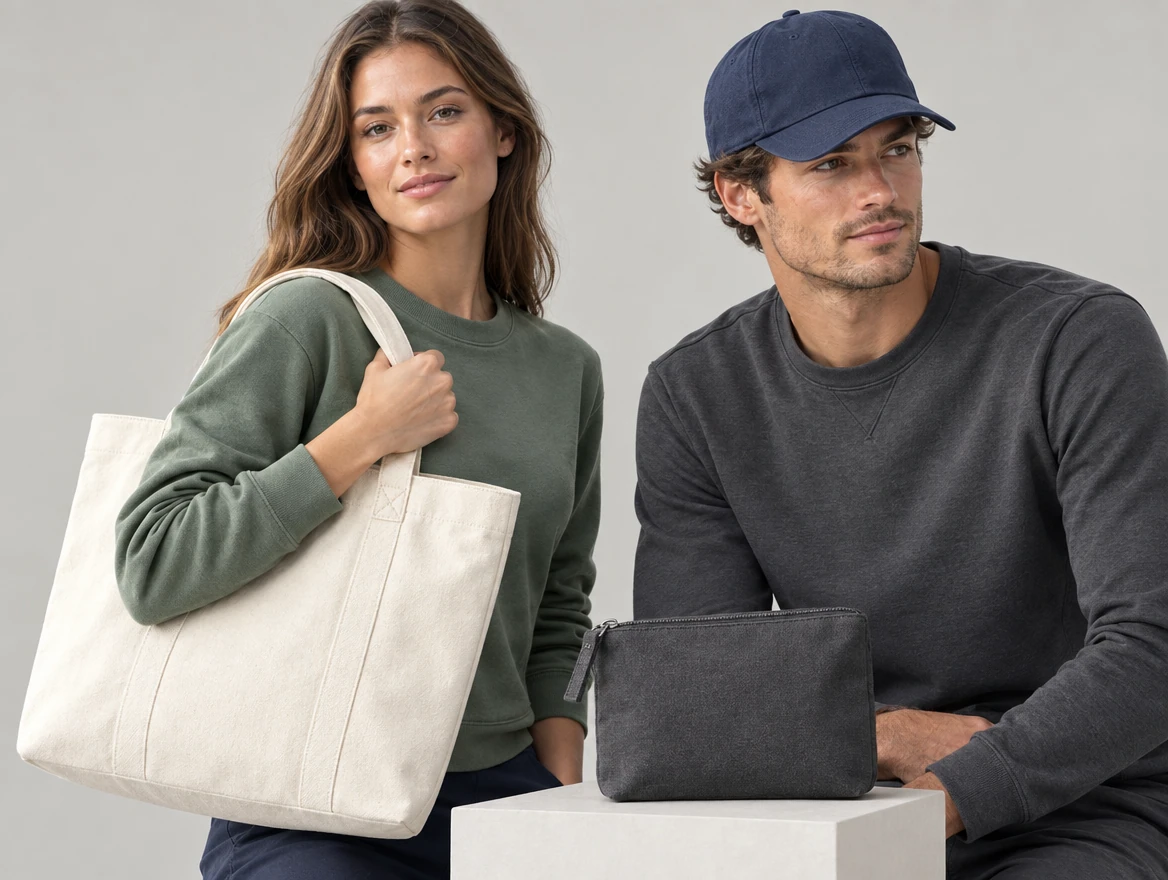
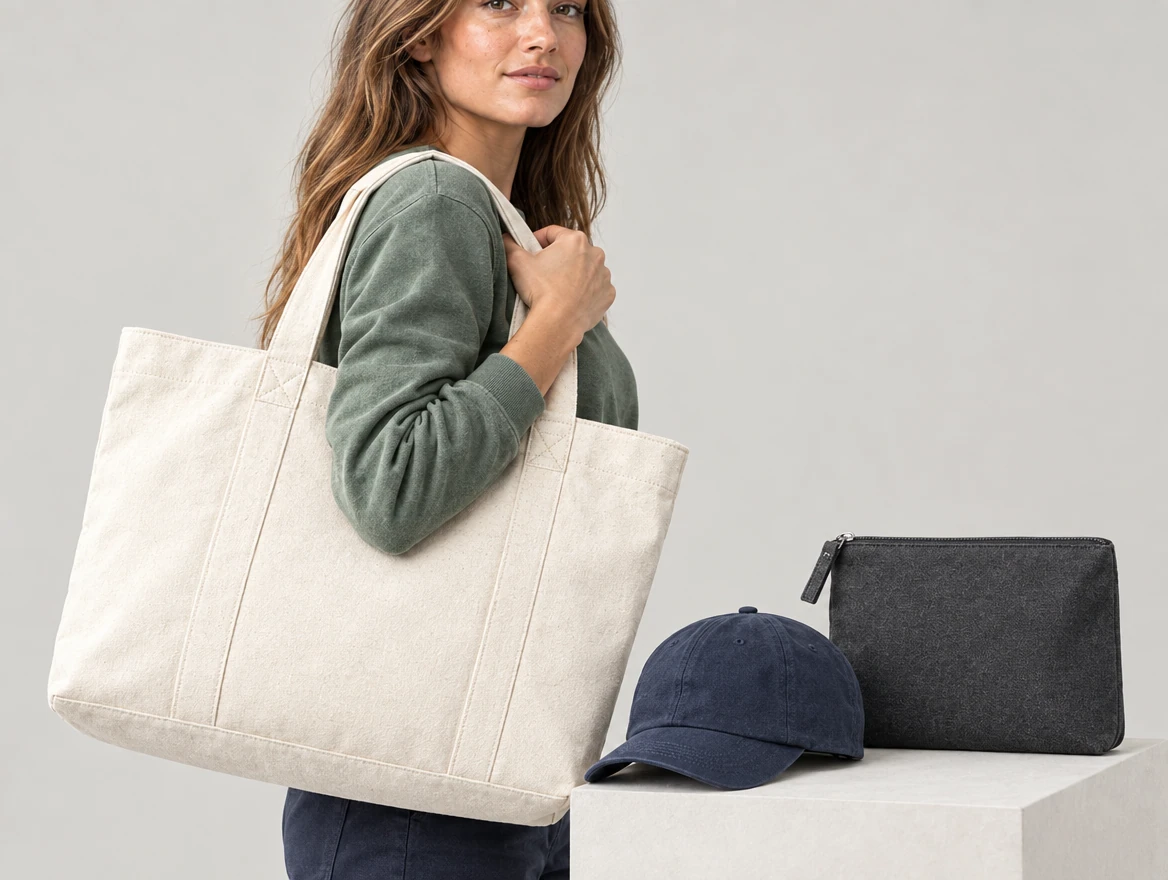
Canvas or cotton totes with short or long handles and gusset options.
Lightweight bags with corded closures and reinforced corners.
Structured and unstructured headwear with embroidery or patch branding.
Bib and waist aprons with pocket, strap and adjuster options.
Zipped pouches, wash bags and small organisers.
Printed or woven accessories with finished edges.
Specification
Weight ranges are typical for this category. The finished weight of your fabric is confirmed on the approved sample rather than guaranteed to a figure.
Ranges are typical. The exact specification is confirmed on your approved sample before production.
Component-level guidance for textile accessories. Any ranges are indicative sourcing references, not guaranteed order specifications. Different components can need different fabrics, weights and units; the selected materials, construction and finished measurements are confirmed on the approved sample.
| Component | Weight, unit or setting | Construction choices | Check on the sample |
|---|---|---|---|
| Tote canvasIndustry guidance | 280 to 400 gsm typical range; a lighter canvas usually struggles to hold its shape when loaded, depending on weave and handle design. | Bartacked handles. | Loaded strength. |
| Cap fabricIndustry guidance | 260 to 340 gsm is a typical range on the site; the weight of the actual cap fabric is confirmed on the sample. | Structured or unstructured crowns. | Crown shape. |
Decoration
Decoration is matched to the fabric and the artwork rather than applied by default. Each method links to its own page with limits stated.
Which method suits each placement on textile accessories, its trade-offs and what to approve before bulk. Compatibility is checked against the actual fabric, stretch, coating and heat tolerance; approval on one component does not establish suitability on another.
Materials
Composition, weight guidance and decoration compatibility for each fabric are on its own page.
What each part of textile accessories is usually made from, why, where it falls short and what to check. This is industry guidance, not a TextileWays specification: the fabric and components for your order are confirmed on technical review.
Ordering
Neither figure is published as a universal number, because neither one is true across every specification.
MOQ depends on material availability, colour count, construction, decoration and packaging. Accessories often support lower minimums than apparel because there is no size range to cover, though custom hardware and custom dyed fabric raise the practical floor.
Bags are sampled and then tested loaded rather than assessed empty, since strap and base construction only reveal their weaknesses under weight.
Detailed product guidance
Materials, manufacturing routes and buying considerationsTote bags, caps and accessories are often the first product a brand sells and the one customers carry or wear most. They are simple products that reward careful stitching and consistent colour.
We make totes and drawstring bags in cotton canvas and other fabrics, with handle construction and stitching chosen for the load.
Caps and beanies carry embroidery or woven patches, while aprons and pouches use printed or embroidered branding.
Fabric weight decides how a bag hangs and how long it lasts.
Heavier canvas holds shape and carries more, while lighter cotton suits promotional bags and drawstring sacks.
Cotton twill is the classic cap fabric, with buckram or other structure in the front panel to hold shape.
Your logo, labels and packaging go on the finished product, with decoration chosen for the fabric.
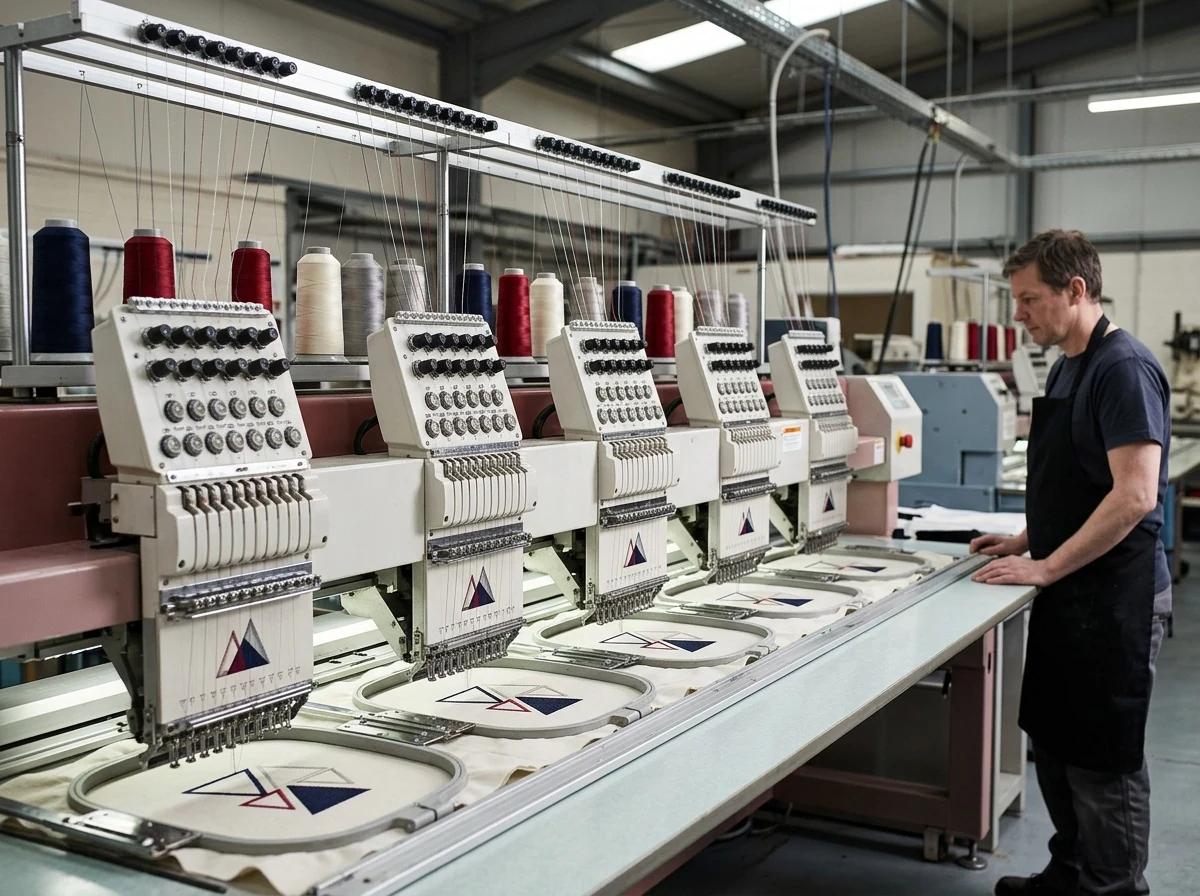
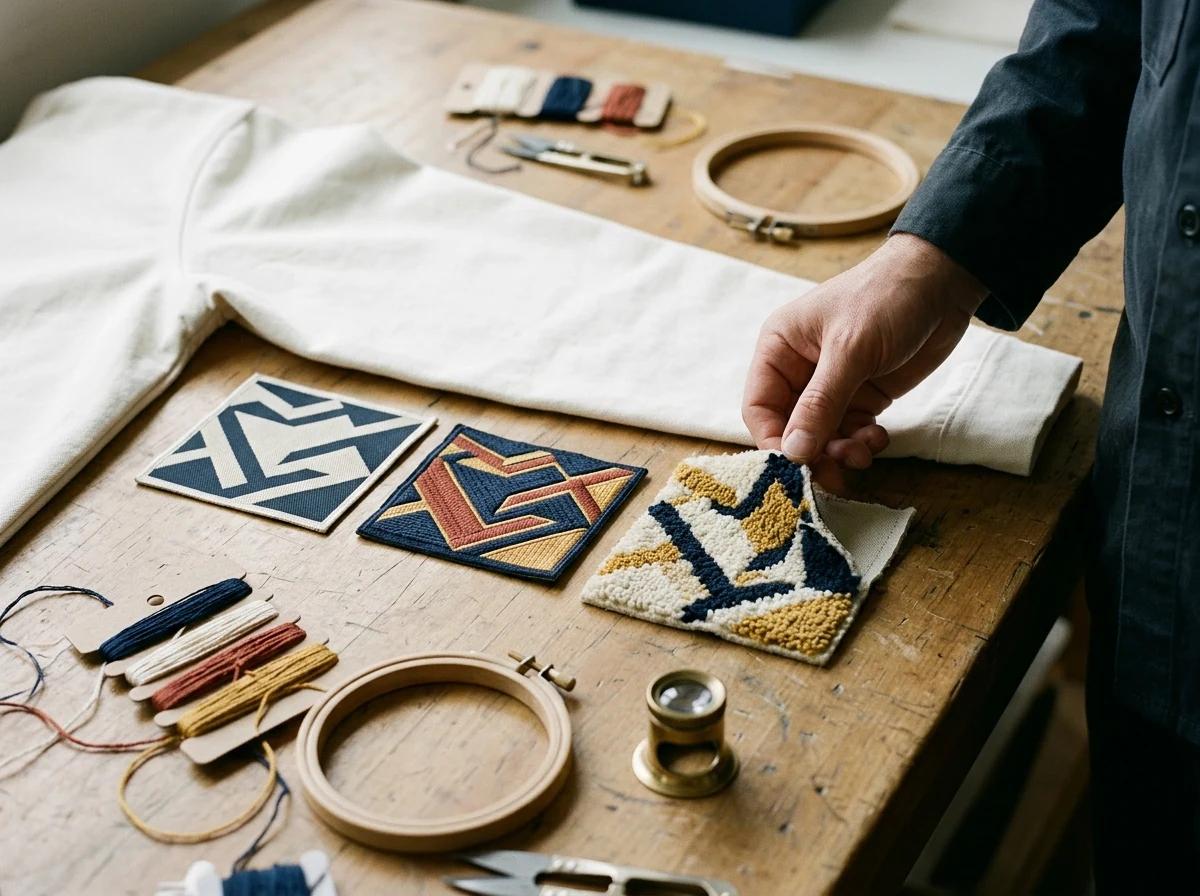
Embroidery suits caps and heavier fabrics, screen print suits flat canvas, and woven or chenille patches suit headwear.
A developed tote or cap block can be branded as your own (ODM, often called white label), which suits merchandise and promotional programmes.
Small runs suit events, merchandise and brand launches. Quantities from approximately 50 pieces per style are possible after technical review.
Stitching, size and decoration are approved on a sample before bulk production.
Approved colours and decoration are recorded so reorders match the first run.
Simple products show every detail, so construction decides whether a tote or a cap feels well made or cheap.
A tote lives or dies by its handles. Handle length, width and stitching, usually with a box or cross stitch at the joins, decide how much it can carry and how long it lasts. Gussets and bases add capacity and shape.
A cap has panels, a brim, a crown and a closure. Structured and unstructured caps are built differently, and embroidery is placed on the front panel before the cap is assembled.
Inner pockets, linings and finished seams are added where the product needs them.
Totes and caps are the most common merchandise items, because they are useful, visible and easy to brand.
Events, brands and companies order totes and caps in small runs, often with a single logo. Quantities from approximately 50 pieces per style are possible after technical review.
Fabric and thread colours are matched to your brand reference, approved on a sample and kept for later orders.
Questions
Answers relevant to this product family. The full list covers ordering, sampling, materials, decoration, compliance and logistics.
Minimum order quantity depends on material availability, colour count, construction, decoration and packaging. Projects can begin from approximately 50 pieces per style following technical review. Where a fabric has to be knitted or dyed specifically for a project, the practical minimum is set by the mill rather than by us, and we tell you that before you commit.
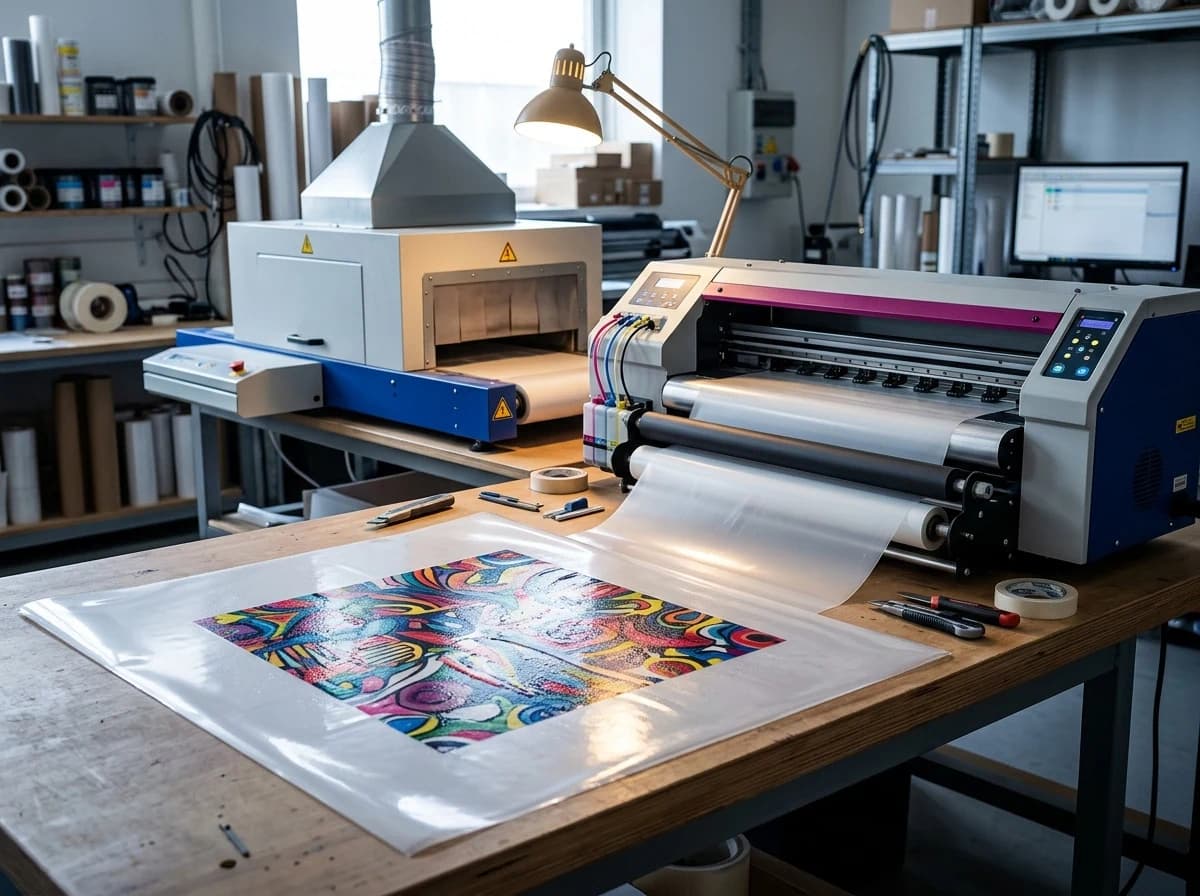
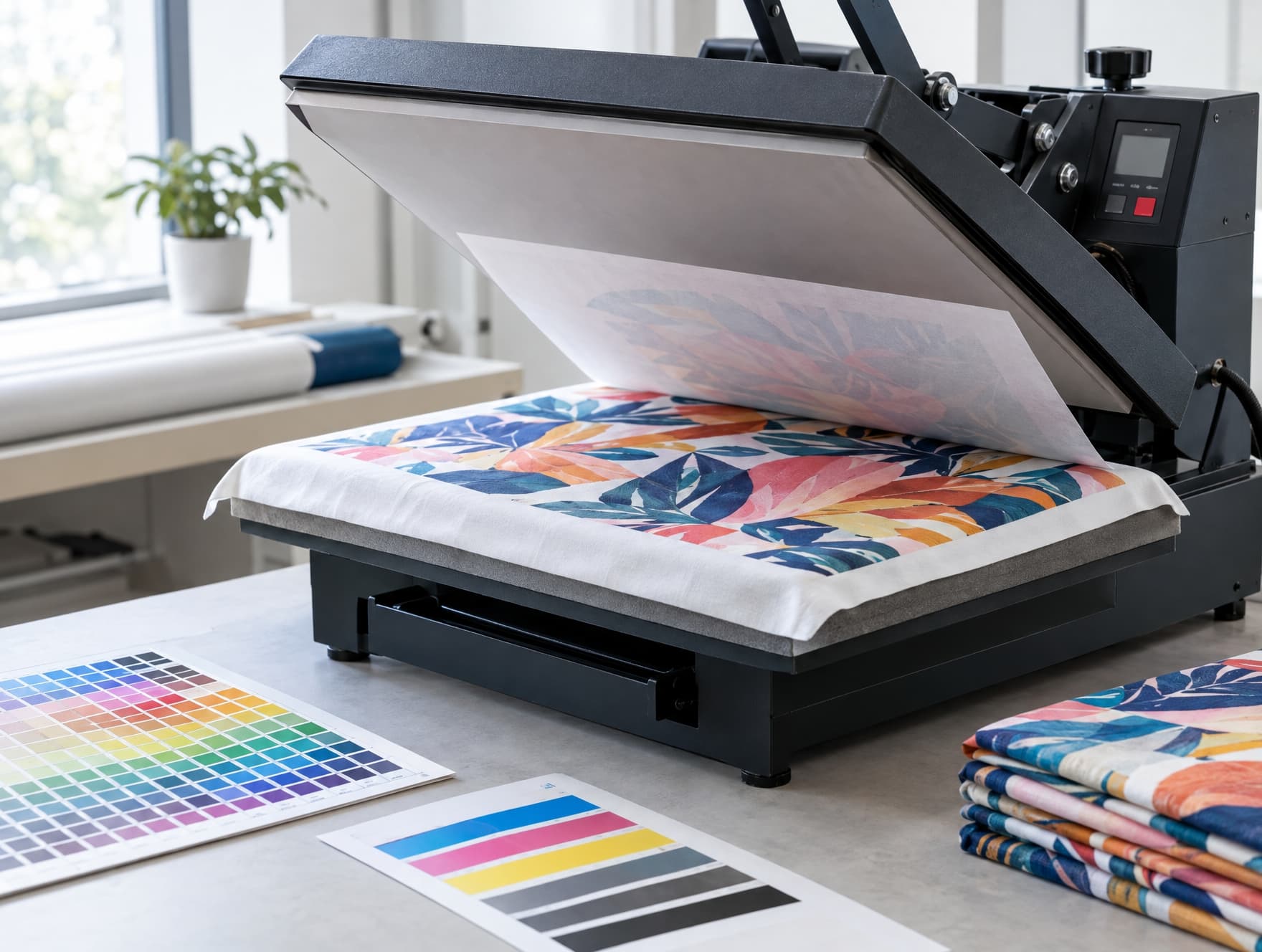
It depends on the fabric, the artwork and the quantity. Screen printing suits solid colour artwork at volume. DTG and DTF suit detailed or low volume artwork. Sublimation works on polyester rich fabrics. Embroidery suits logos and durable branding. We confirm the method against your artwork and fabric during technical review rather than applying one method to everything.
Lead time is quoted per project rather than published as a single figure. It is driven by fabric availability, dyeing, decoration method, quantity, the number of sample rounds and the destination. We give you an indicative schedule with the quotation and confirm dates once the pre production sample is approved.
Share your product details, target quantity and delivery requirements. We will confirm feasibility, materials and construction before quoting.
Contact our team