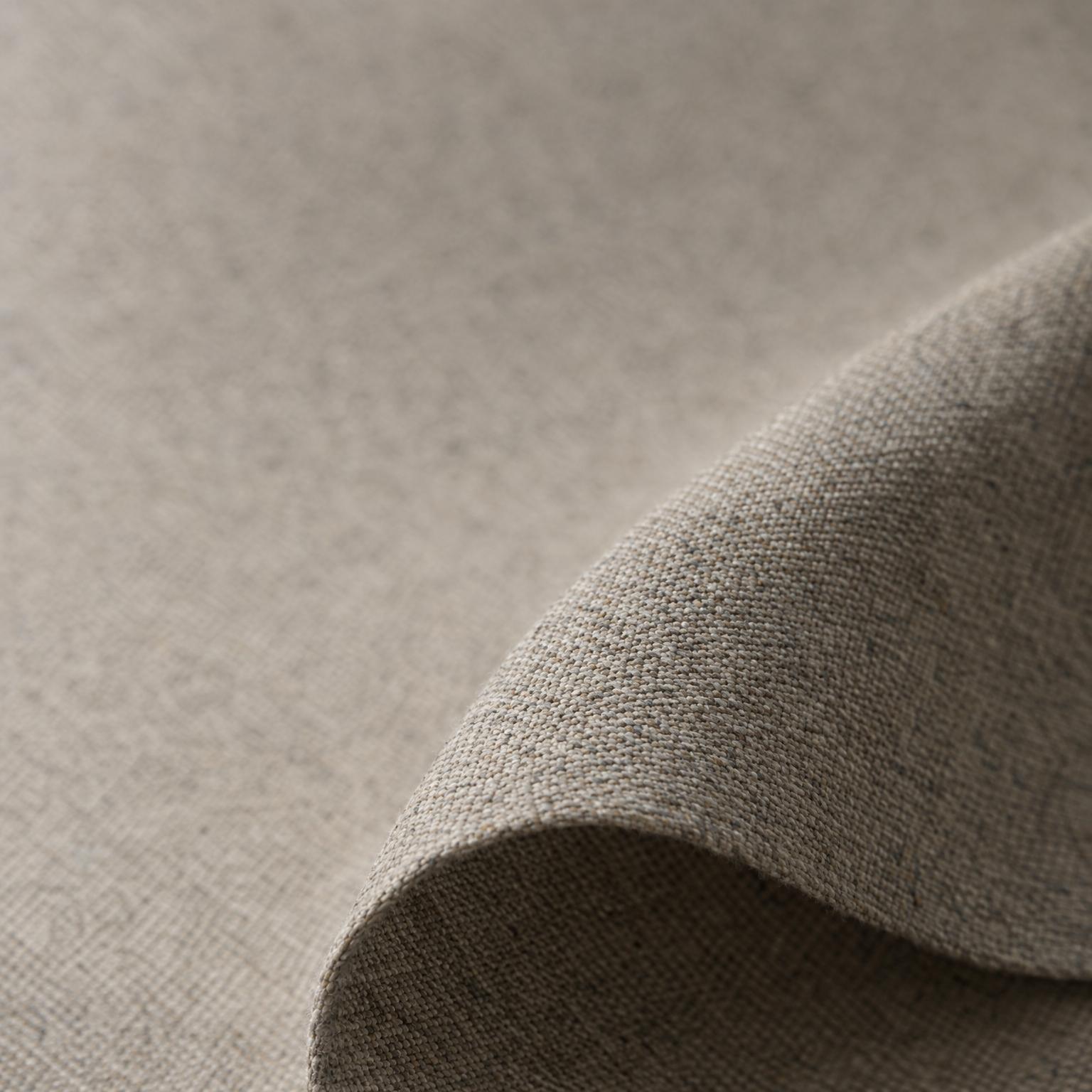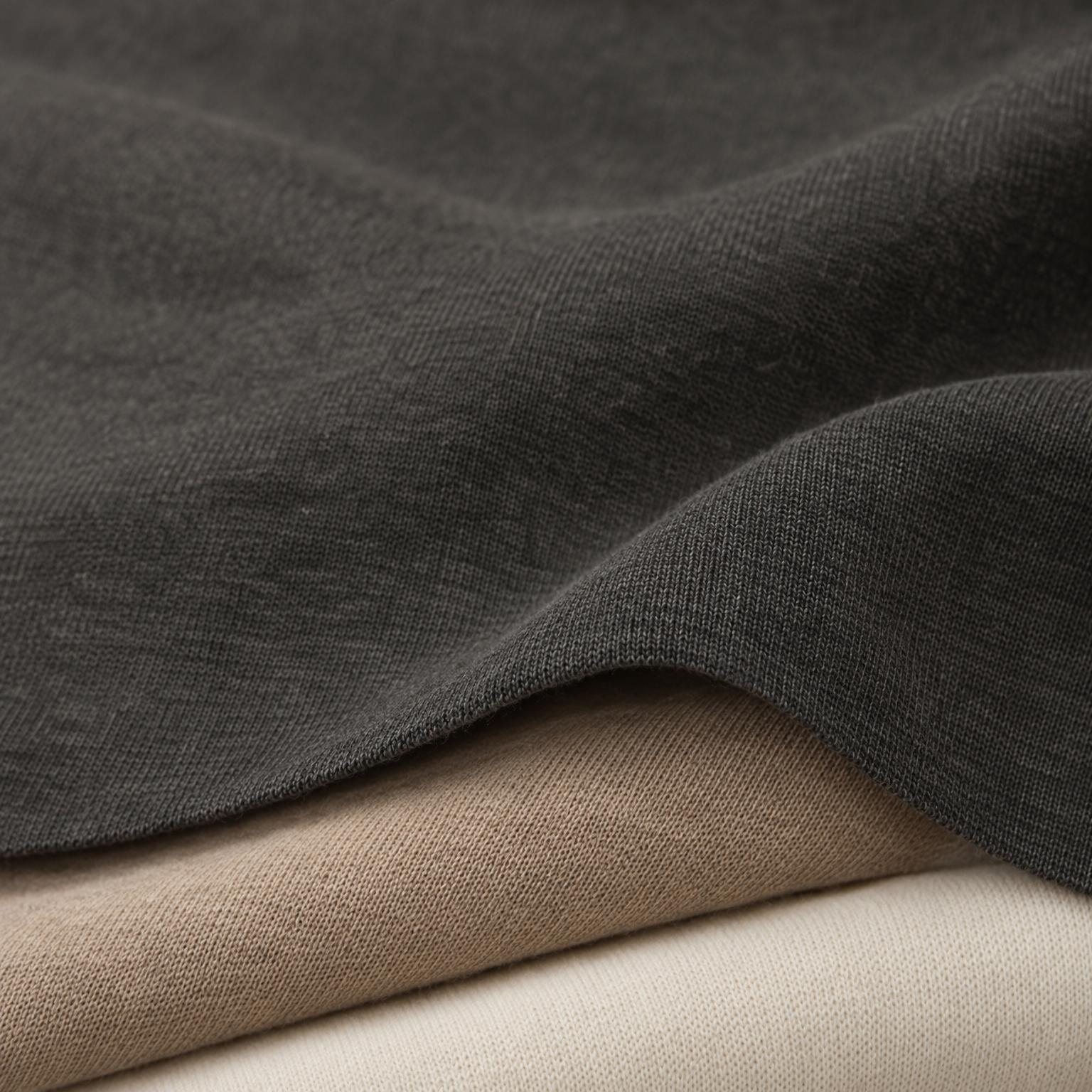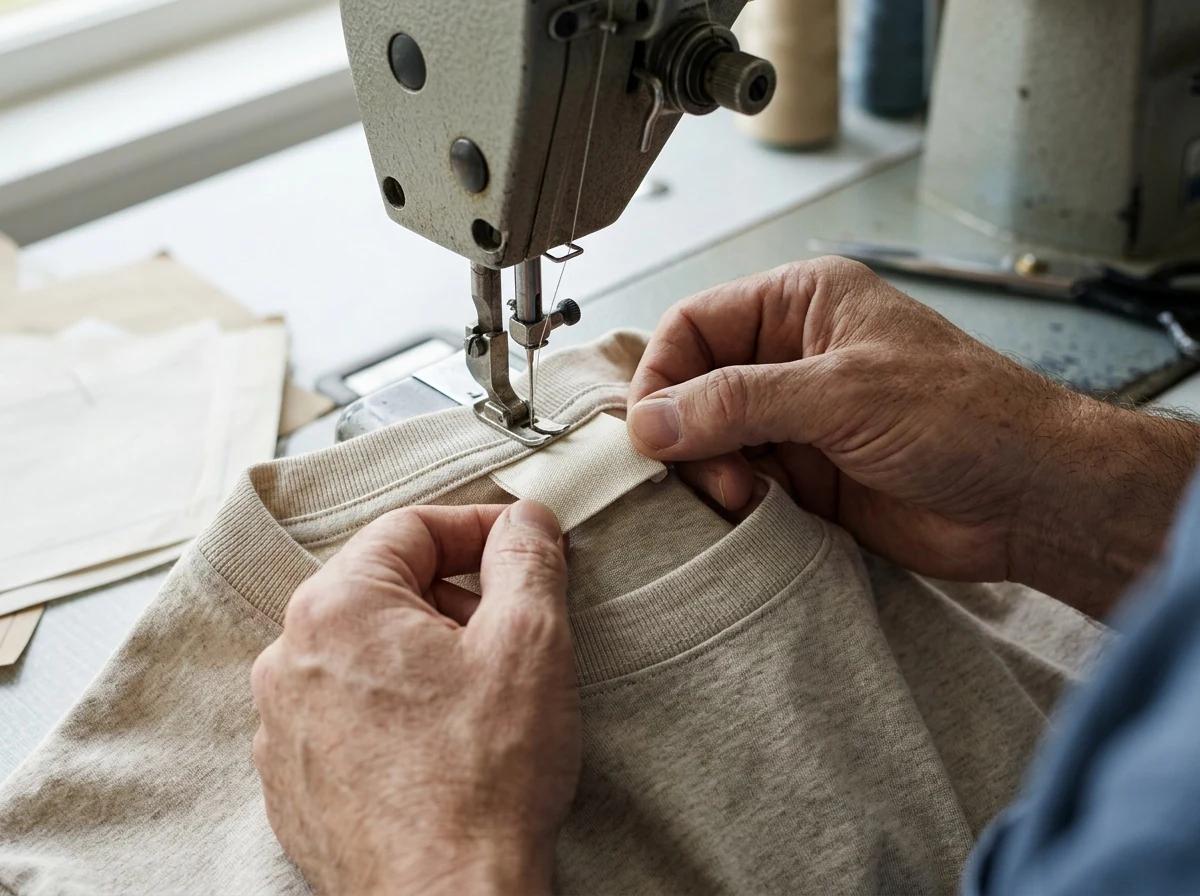
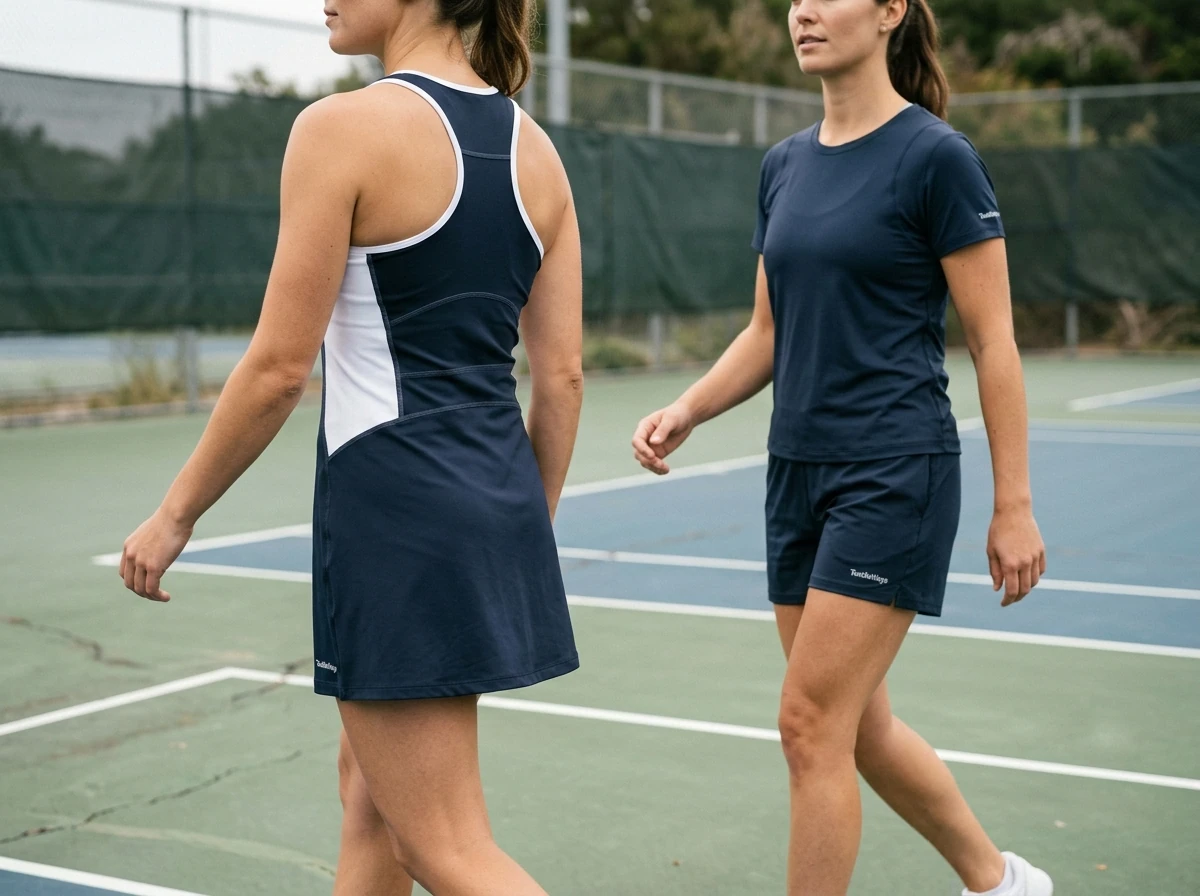


Dress and polo body
Supplier example- Method
- Sublimation
- Trade-off
- Sublimation only dyes polyester, and needs a white or very light base colour. Nylon or nylon-spandex fabric needs a different decoration route.
- Approve before bulk
- Press a sample.
Loading page content
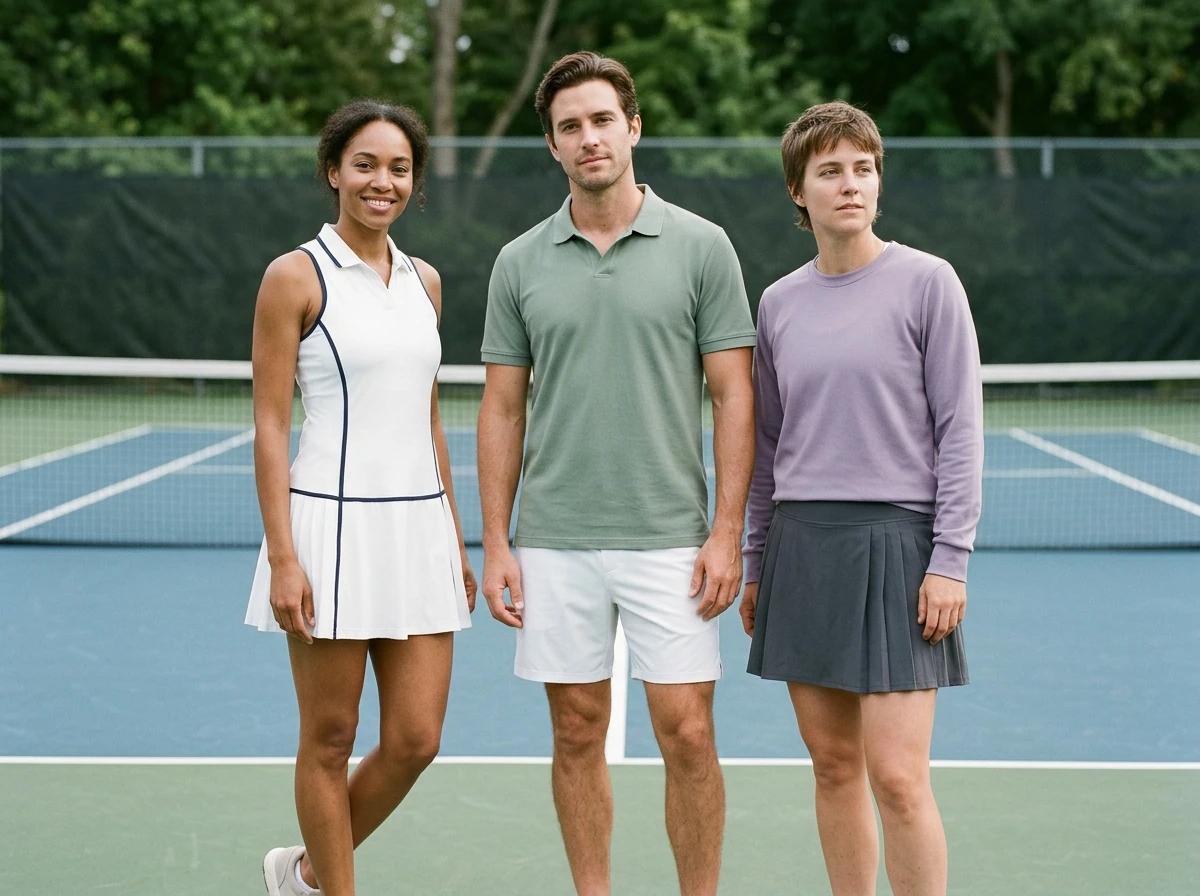
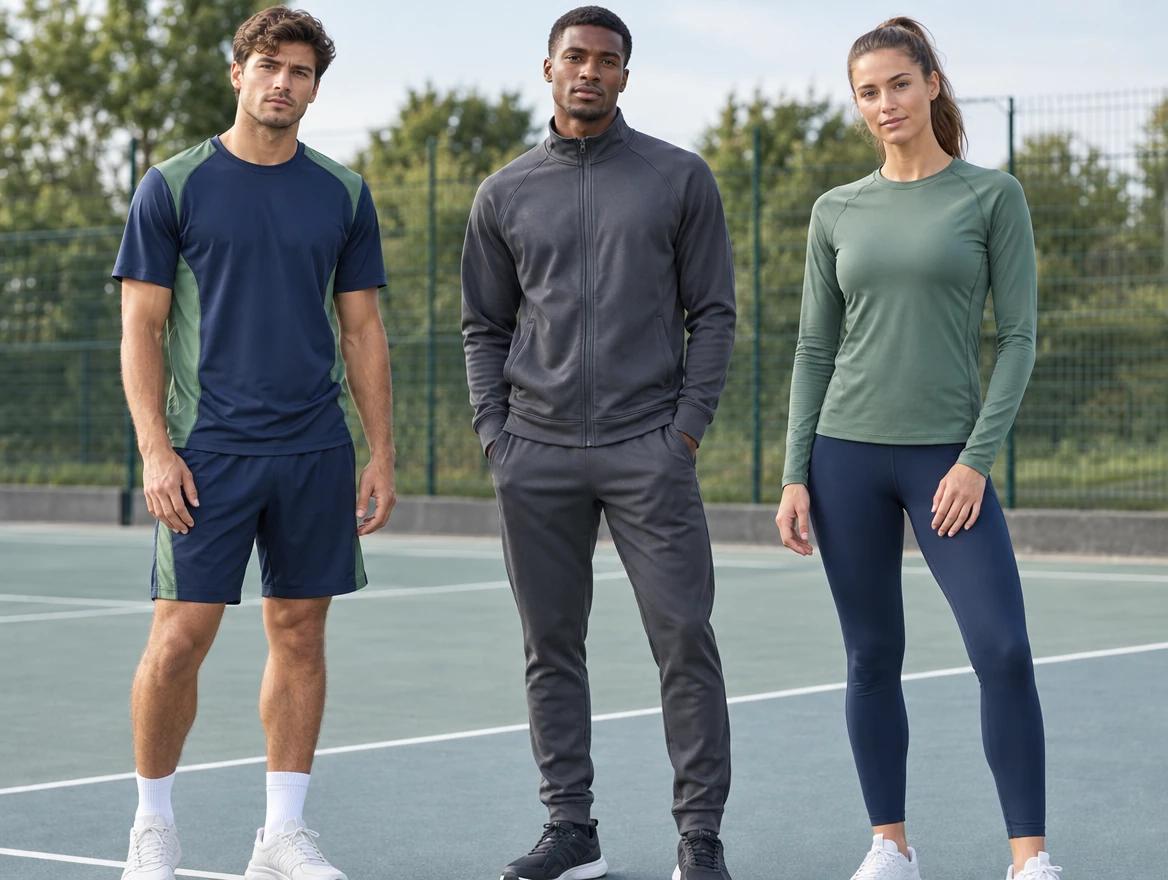
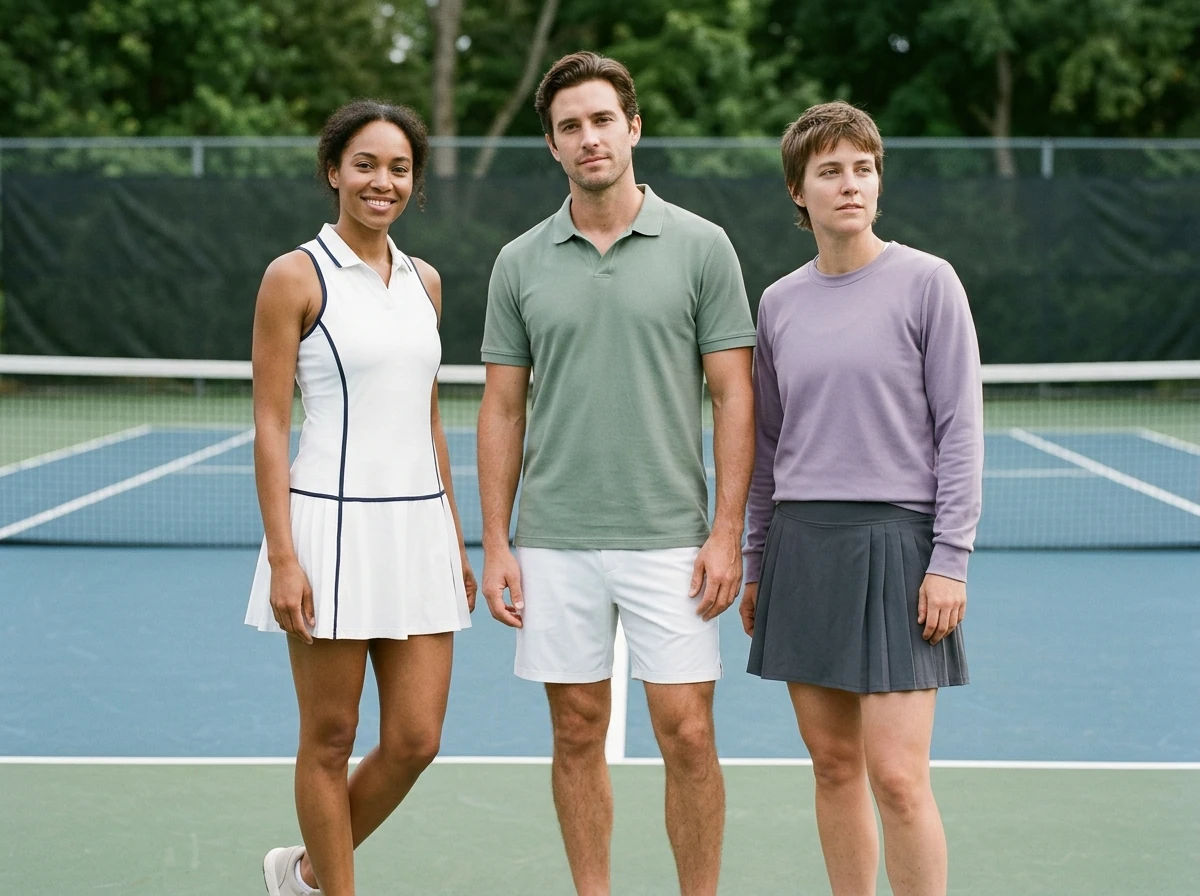
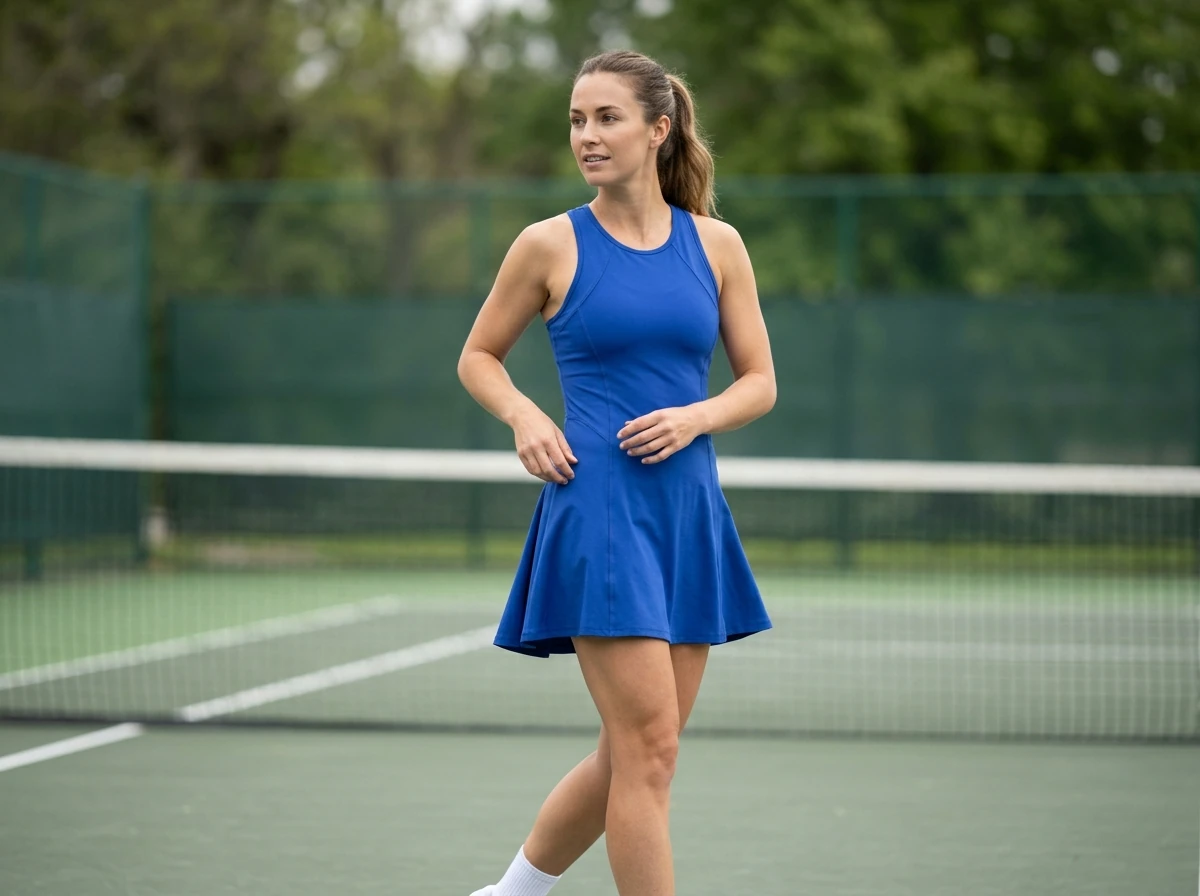
TextileWays manufactures tennis clothing for clubs, academies and sports brands: tennis dresses, pleated skirts, skorts, polo shirts, shorts and light jackets, in breathable performance fabrics with sublimated or embroidered branding.
Tennis clothing has to allow a full range of movement without riding up or restricting a swing, and it has to keep its shape and pleats through repeated washing. Skort liners, waistbands, pleat setting and the stretch of the fabric are the details that decide how a piece performs, and each is confirmed on a sample in the real fabric.
A collection can be developed from your own design (OEM) or from developed styles that you brand as your own (ODM, often called white label or private label), with approved fabrics, patterns and colours retained for reorders.
Product types
Anything not listed can still be assessed on technical review.
Specification
Weight ranges are typical for this product. The finished weight of your fabric is confirmed on the approved sample rather than guaranteed to a figure.
Ranges are typical. The exact specification is confirmed on your approved sample before production.
Component-level guidance for tennis clothing. Any ranges are indicative sourcing references, not guaranteed order specifications. Different components can need different fabrics, weights and units; the selected materials, construction and finished measurements are confirmed on the approved sample.
| Component | Weight, unit or setting | Construction choices | Check on the sample |
|---|---|---|---|
| Dress and top fabricIndustry guidance | 130 to 180 gsm typical range; mesh 100 to 150 gsm. | Racerback, V neck and crew necklines. | Neck and armhole finishing. |
| Liner and shorts fabricIndustry guidance | 200 to 280 gsm on the typical range for fitted shorts; not a guarantee of opacity. | Elastic or bonded waistbands. | Recovery and opacity stretched. |
| PleatsIndustry guidance | Set in the fabric and retained through washing, confirmed on the sample. | Pleated skirts and skorts. | Pleats after washing. |
Decoration
Decoration is matched to the fabric and the artwork rather than applied by default.
Which method suits each placement on tennis clothing, its trade-offs and what to approve before bulk. Compatibility is checked against the actual fabric, stretch, coating and heat tolerance; approval on one component does not establish suitability on another.
Materials
Composition, weight guidance and decoration compatibility for each fabric are on its own page.
What each part of tennis clothing is usually made from, why, where it falls short and what to check. This is industry guidance, not a TextileWays specification: the fabric and components for your order are confirmed on technical review.
Ordering
None of these figures are published as a universal number, because none is true across every specification.
MOQ depends on material availability, colour count, construction, decoration and packaging. Sublimated club kit can support lower quantities because artwork is applied per piece. Projects can begin from approximately 50 pieces per style following technical review, and custom dyed fabric follows dye house minimums.
Fit is confirmed in the actual stretch fabric rather than a substitute, because recovery changes the fit materially. Skort and dress liners are assessed on the sample in motion, not on a hanger.
Lead time depends on the factors above rather than a single published figure. An indicative schedule is confirmed with your quotation.
Detailed product guidance
Materials, manufacturing routes and buying considerationsTennis clothing is bought by clubs, academies and brands, and by organisers of tournaments and leagues. The common requirement is clothing that moves freely, keeps its shape and looks clean on court.
Clubs and academies order dresses, skirts, polos and shorts in club colours across a wide size range, with a confirmed size schedule so no size is missing.
Organisers order matching polos or tops with a logo in many sizes, usually against a fixed date, so lead times are planned backwards from the event.
Brands building a tennis range want developed fits they can brand as their own, using a private label or white label route.
Women's tennis clothing in particular has to move through a full swing and stay in place. Liners, pleats and waistbands are the details that decide whether a piece works.
Dresses and skorts can include liner shorts with pocket options, specified on the sample and assessed in motion so nothing rides up.
Pleats are set and checked for retention after washing, and elastic or bonded waistbands are chosen for recovery and comfort.
Tops, polos and dresses typically use performance jersey at around 130 to 180 gsm, with lighter mesh at about 100 to 150 gsm where ventilation matters.
Club names, crests and sponsor marks need to stay sharp through repeated washing, and the method depends on the design and fabric.
Sublimation gives full coverage graphics that do not crack or peel, with colour approved on a pressed sample.
Embroidery suits polos and jackets, while heat transfer suits smooth technical fabrics, with placement set on the sample.
Dresses, skirts and tops sold together are checked for shade so they match under the same light.
Tennis ranges are usually ordered ahead of a season, so the process is planned around a start date.
Orders can begin from approximately 50 pieces per style following technical review, with capacity beyond 100,000 pieces for larger programmes.
Fit is confirmed in the real stretch fabric, and dresses and skorts are assessed in movement before bulk is cut.
Approved fabrics, patterns and colours are retained so a club or brand can reorder next season with consistent results.
Questions
It depends on the fabric, the artwork and the quantity. Screen printing suits solid colour artwork at volume. DTG and DTF suit detailed or low volume artwork. Sublimation works on polyester rich fabrics. Embroidery suits logos and durable branding. We confirm the method against your artwork and fabric during technical review rather than applying one method to everything.
Minimum order quantity depends on material availability, colour count, construction, decoration and packaging. Projects can begin from approximately 50 pieces per style following technical review. Where a fabric has to be knitted or dyed specifically for a project, the practical minimum is set by the mill rather than by us, and we tell you that before you commit.
Sampling normally runs in stages: a proto sample to confirm construction, a fit sample against your measurement chart, and a pre production sample that fixes fabric, colour, decoration, labelling and packaging. Each stage needs written approval before the next one starts. Sample charges and courier costs are quoted before work begins.
Yes. Private label production covers your main label, care and content labels, size labels, hangtags, barcodes and packaging. You supply the brand assets and the legally required care and fibre content information for your market, and we apply them to the approved specification.
Pick a design as your starting point. Colours, fabric and branding are set in the quote.
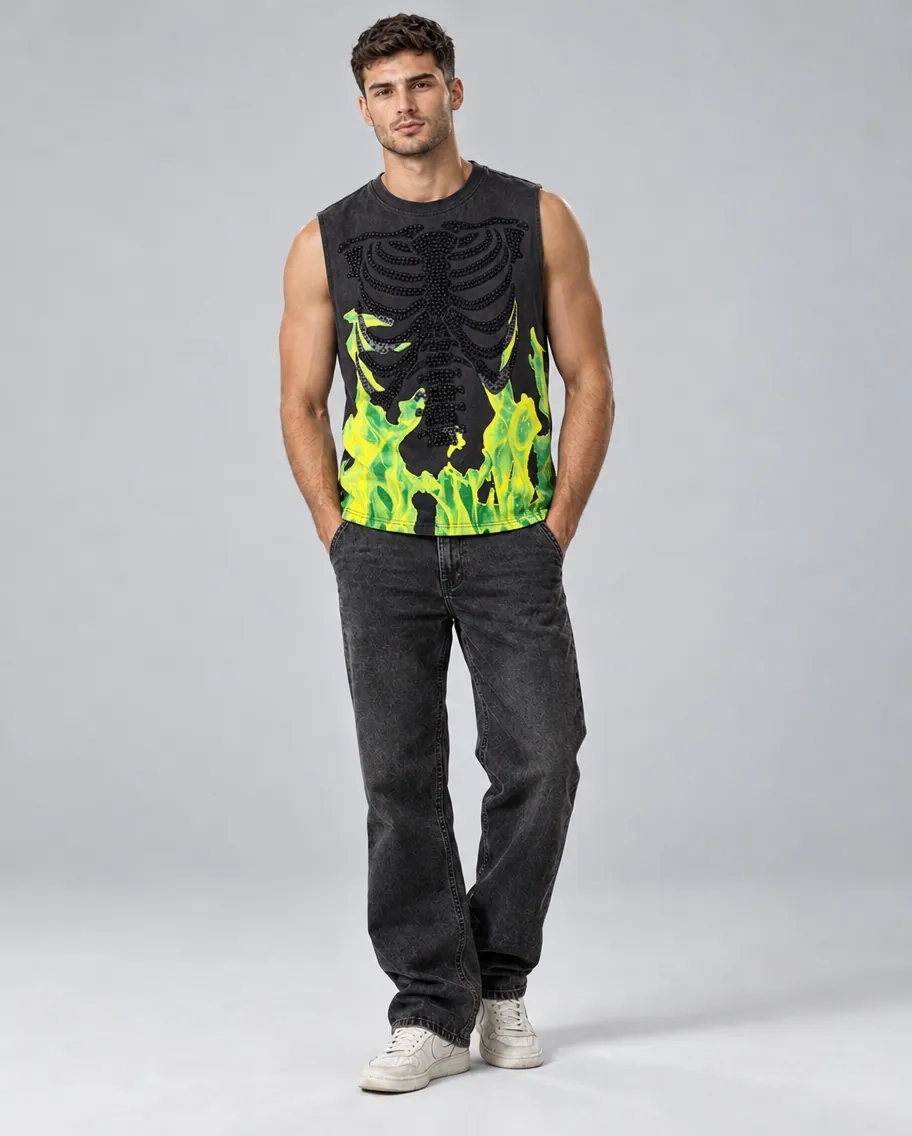 Black sleeveless top with rib-cage and flame printAsk for this design
 Green tank with cross print and frayed hemAsk for this design
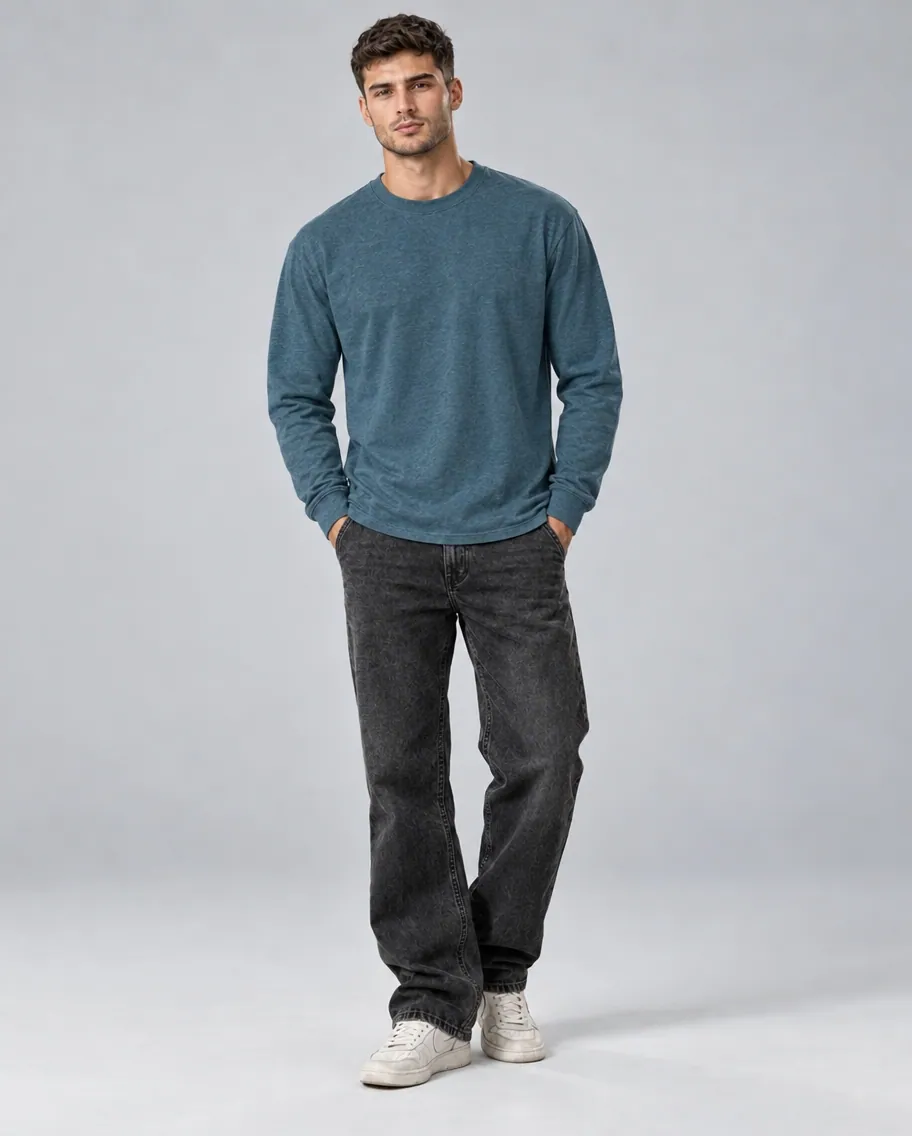 Teal marl long-sleeve teeAsk for this design
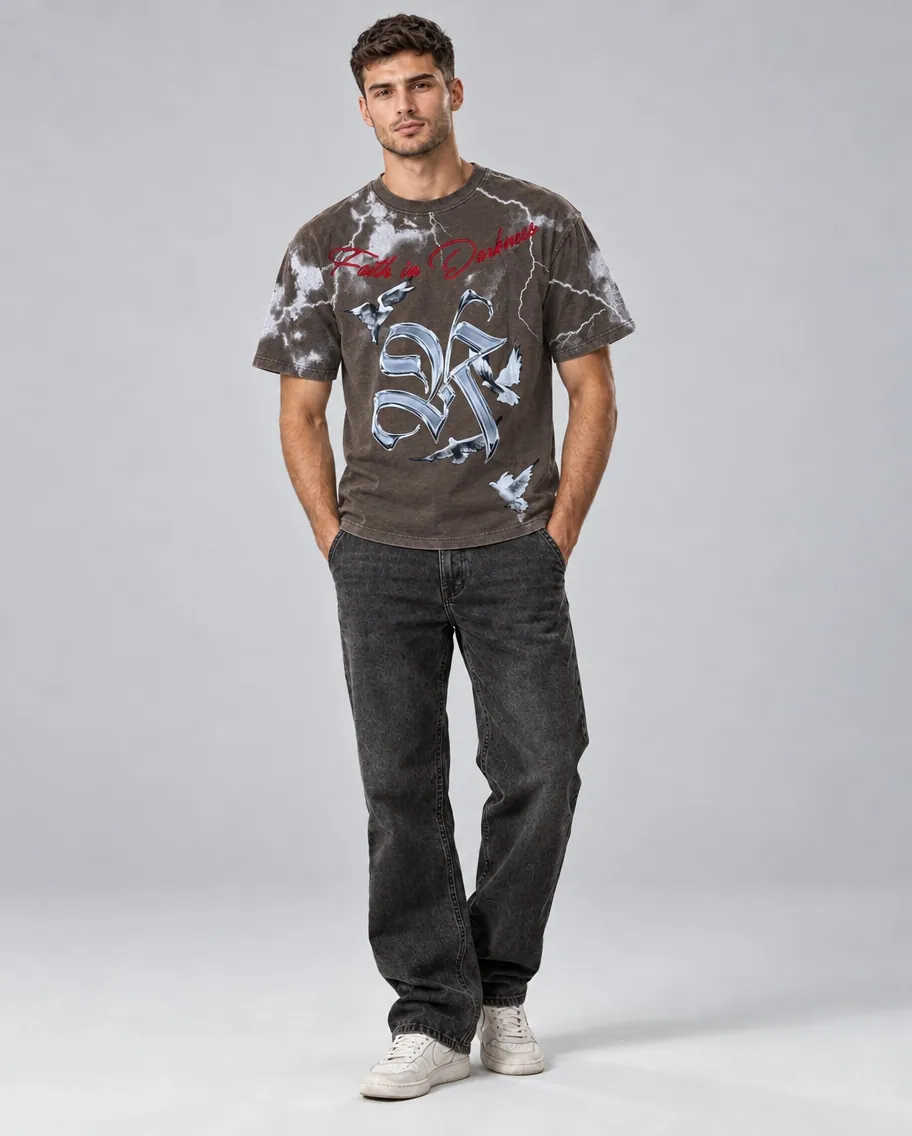 Brown washed tee with lightning graphicAsk for this design
Sampling comes before bulk. From approximately 50 pieces per style, subject to technical review.
Tell us your designShare your product details, target quantity and delivery requirements. We will confirm feasibility, materials and construction before quoting.
Contact our team