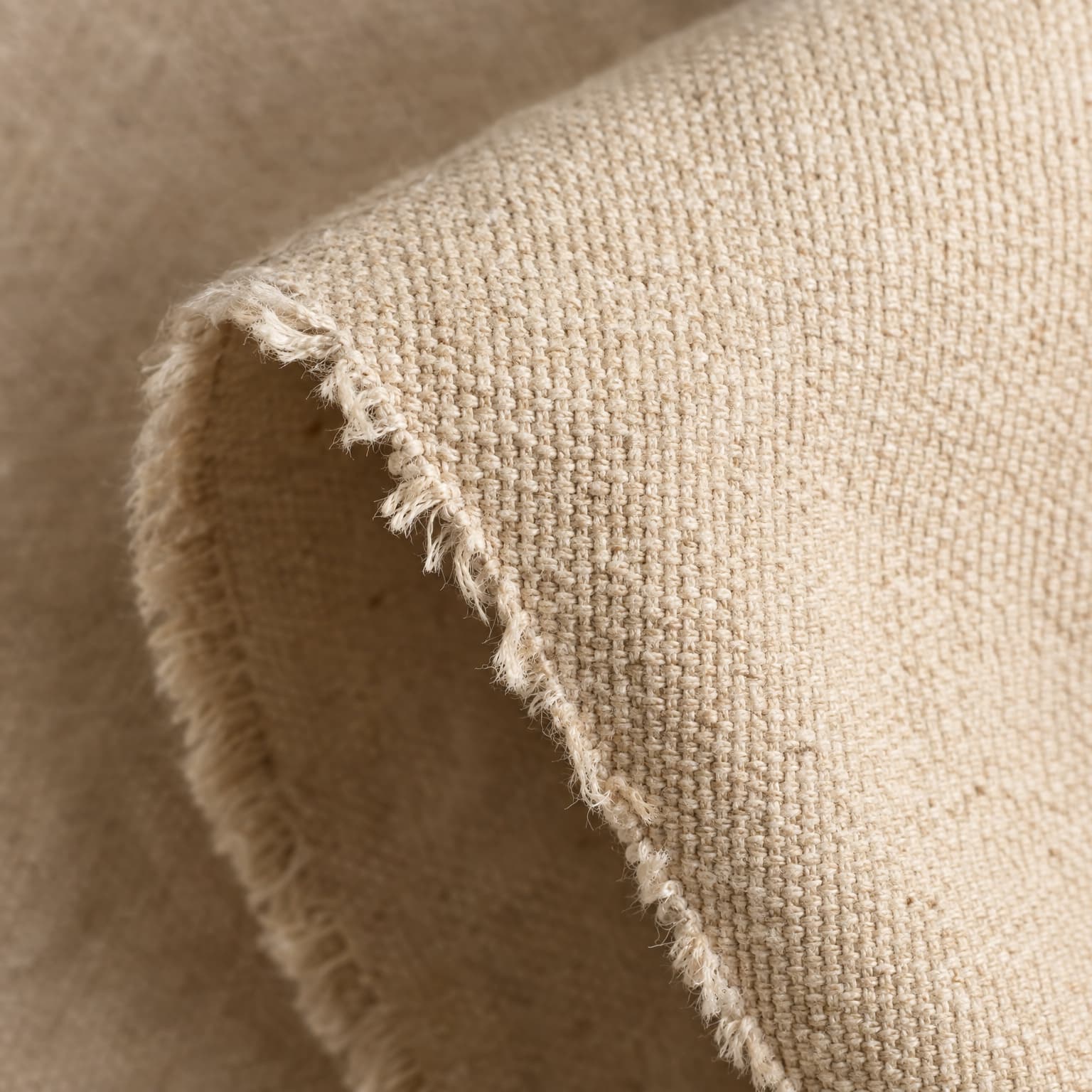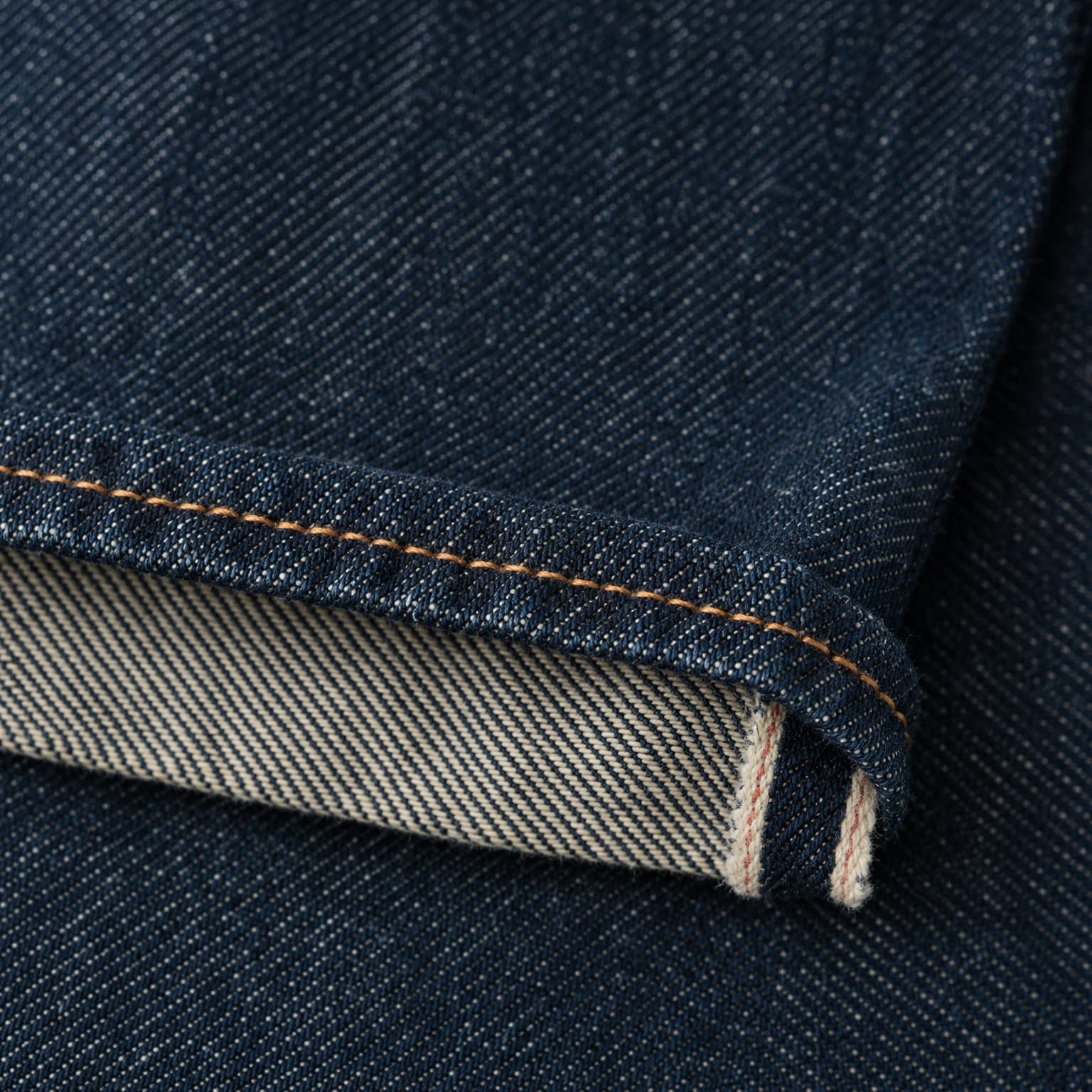
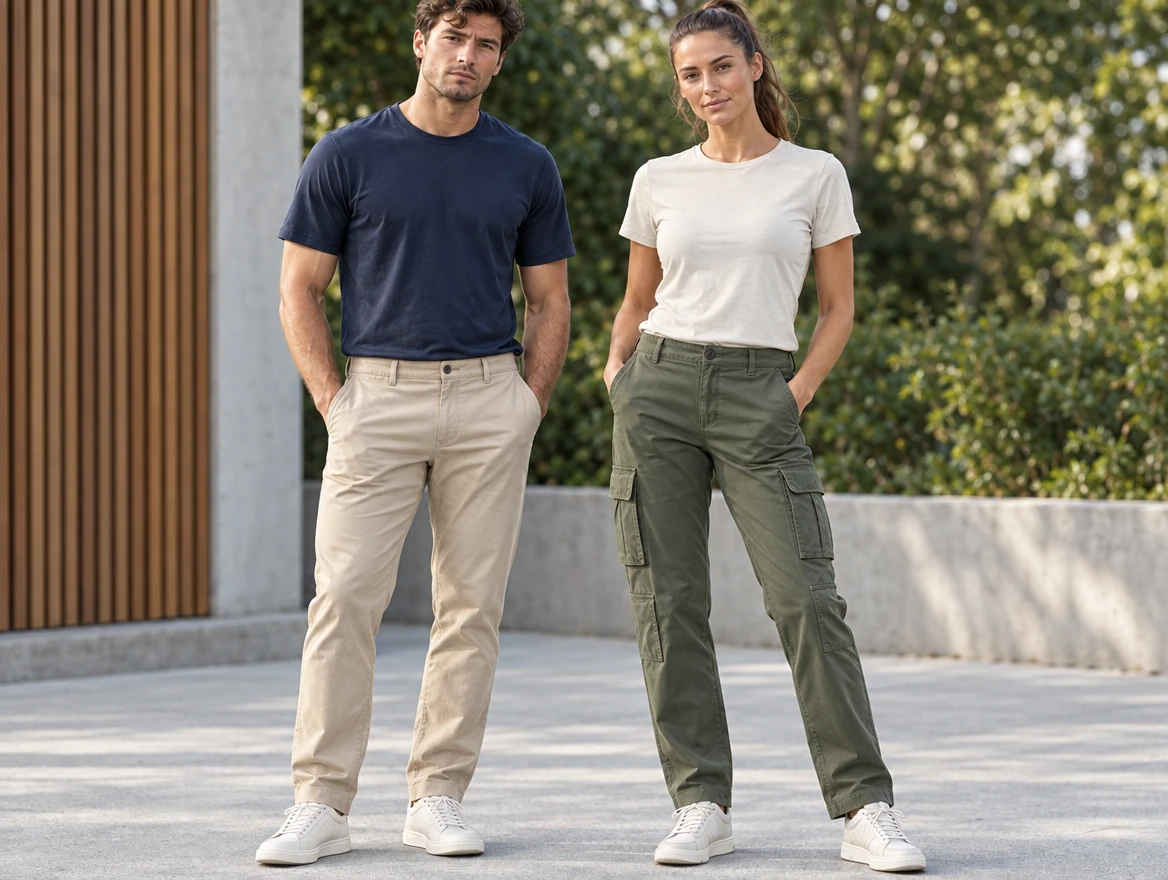
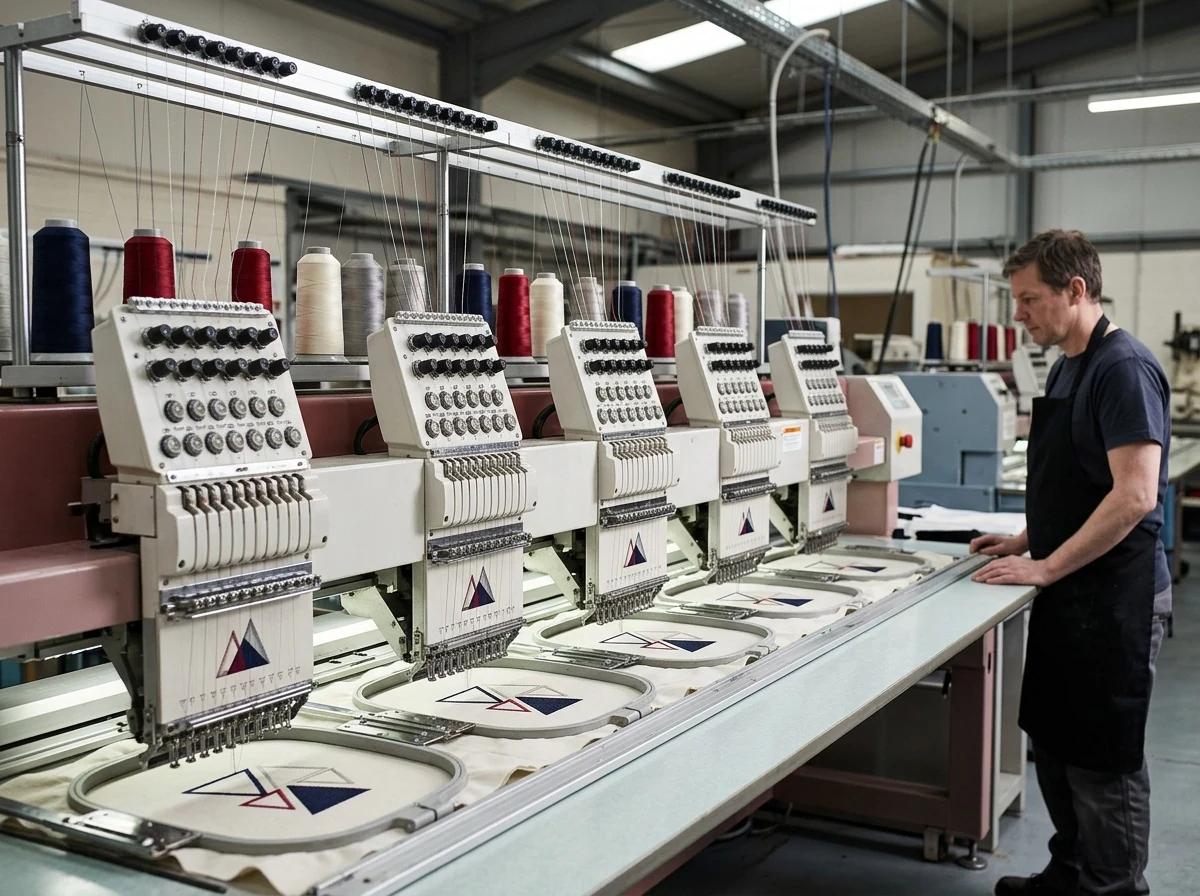
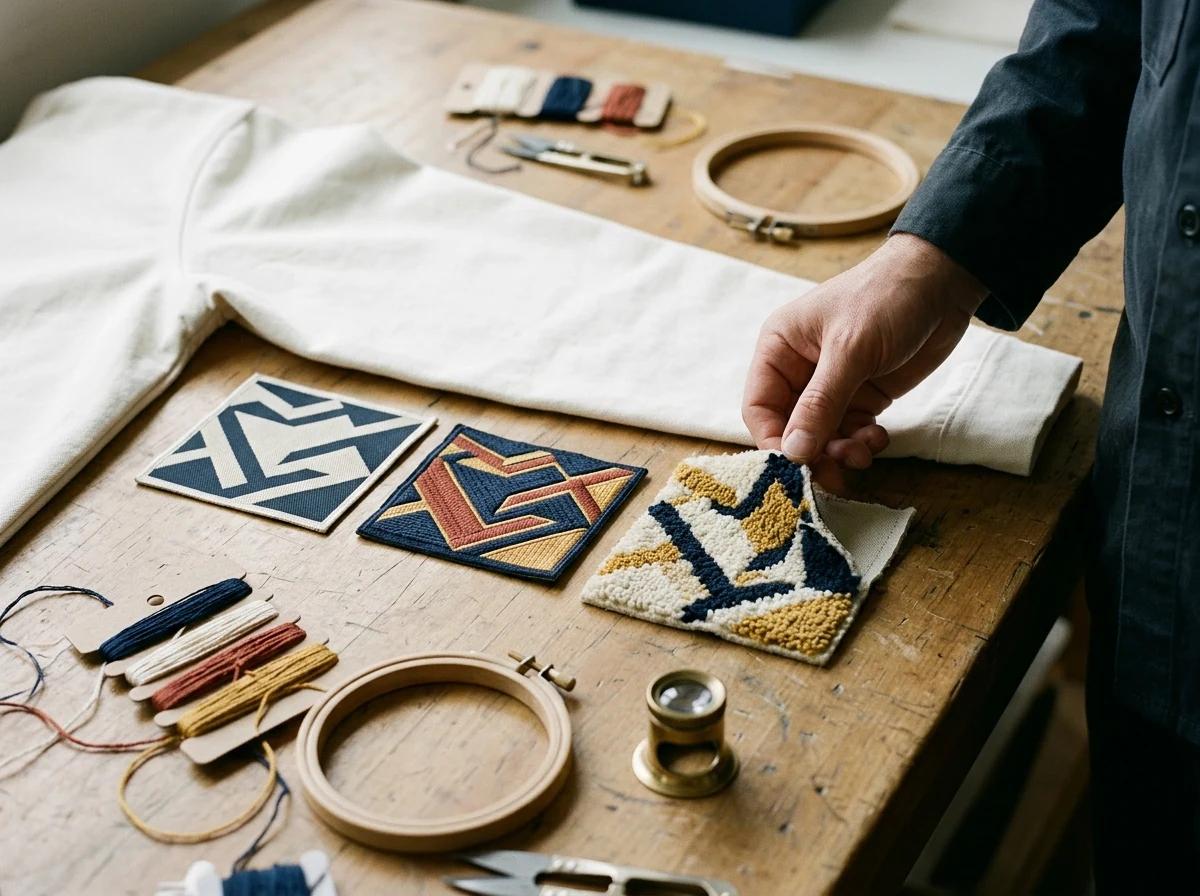
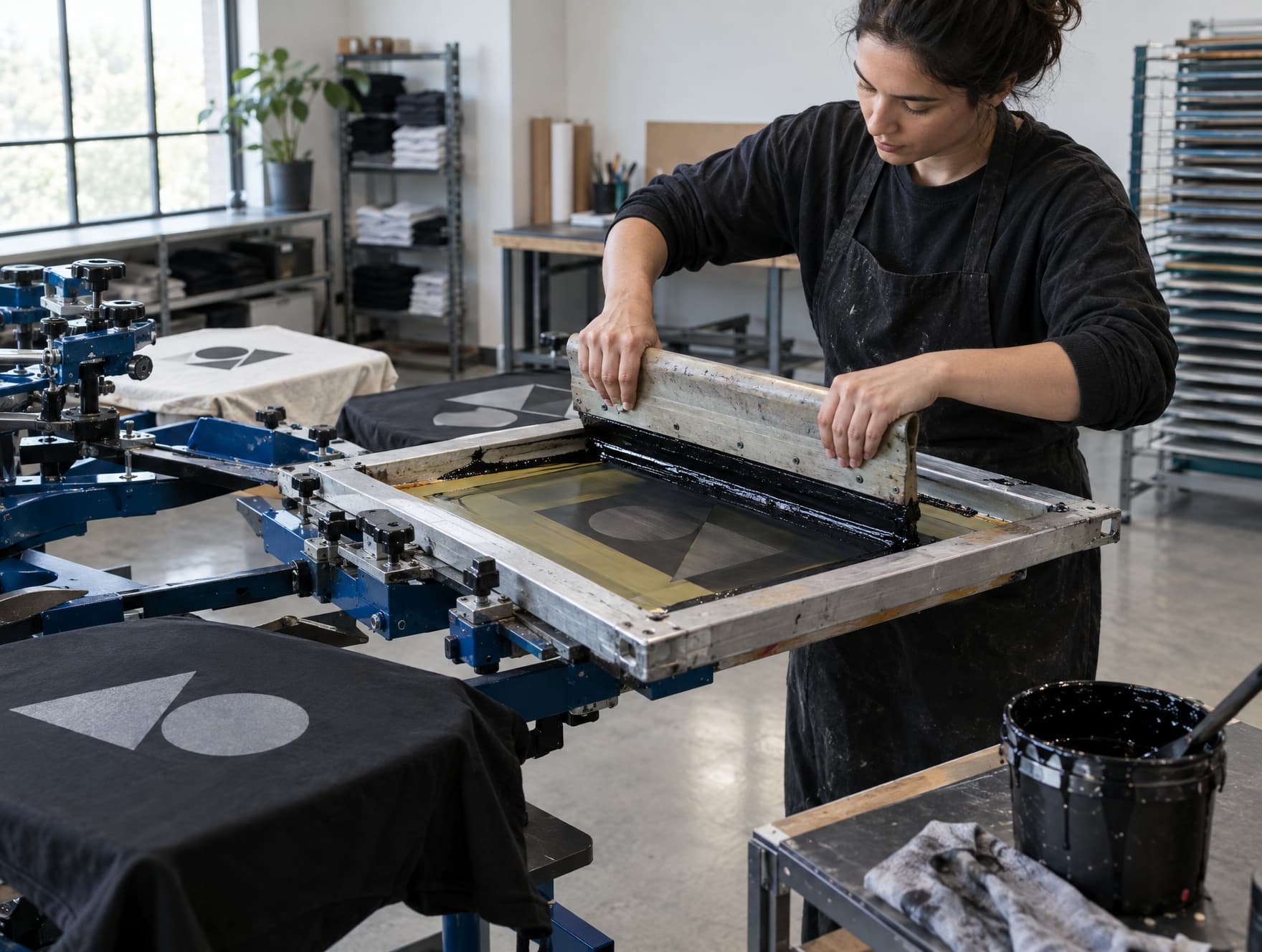
Pocket or leg embroidery
Supplier example- Method
- Embroidery
- Trade-off
- Heavy twill takes embroidery well.
- Approve before bulk
- Check density.
Loading page content
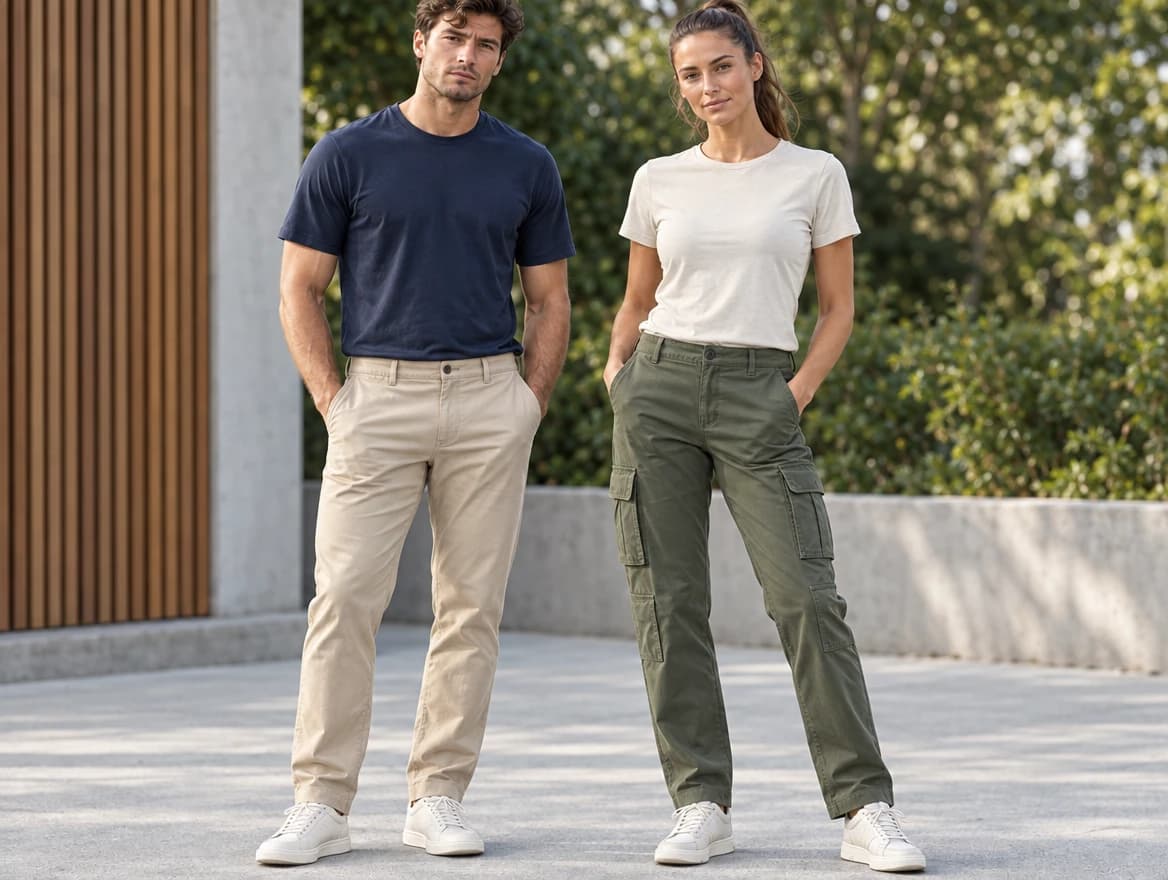
TextileWays manufactures casual chinos and durable work trousers in twill, with pocket, waistband and reinforcement options specified for the intended use.
Woven trousers are less forgiving than knitwear: there is no stretch to absorb a pattern inaccuracy, so a fit problem is visible immediately and cannot be corrected at the sewing line. Work trousers add a second requirement on top of fit — reinforced stress points and utility pockets that survive the working conditions they're actually worn in.
Product types
Anything not listed can still be assessed on technical review.
Specification
Weight ranges are typical for this product. The finished weight of your fabric is confirmed on the approved sample rather than guaranteed to a figure.
Ranges are typical. The exact specification is confirmed on your approved sample before production.
Component-level guidance for trousers. Any ranges are indicative sourcing references, not guaranteed order specifications. Different components can need different fabrics, weights and units; the selected materials, construction and finished measurements are confirmed on the approved sample.
| Component | Weight, unit or setting | Construction choices | Check on the sample |
|---|---|---|---|
| Chino twillIndustry guidance | 200 to 300 gsm typical range. | Waistband and closure options. | Shrinkage after wet processing. |
| Work twillIndustry guidance | 240 to 320 gsm typical range. | Triple stitched main seams, bartacks. | Seam strength. |
Decoration
Decoration is matched to the fabric and the artwork rather than applied by default.
Which method suits each placement on trousers, its trade-offs and what to approve before bulk. Compatibility is checked against the actual fabric, stretch, coating and heat tolerance; approval on one component does not establish suitability on another.
Materials
Composition, weight guidance and decoration compatibility for each fabric are on its own page.
What each part of trousers is usually made from, why, where it falls short and what to check. This is industry guidance, not a TextileWays specification: the fabric and components for your order are confirmed on technical review.
Ordering
None of these figures are published as a universal number, because none is true across every specification.
MOQ depends on material availability, colour count, construction and packaging. Twill is widely stocked in standard colours, which usually supports lower quantities than custom dyed fabric, which follows dye house batch minimums.
Fit is confirmed on a proto sample before fabric is committed, since a pattern inaccuracy in woven trousers cannot be corrected during sewing.
Lead time depends on the factors above rather than a single published figure. An indicative schedule is confirmed with your quotation.
Detailed product guidance
Materials, manufacturing routes and buying considerationsTrousers are pattern accuracy products. Rise, thigh and leg opening decide the fit, so we confirm the pattern on a sample before bulk is cut.
Chinos and casual trousers are developed in cotton twill and blended fabrics, with waistband, pocket and fly construction agreed on the sample.
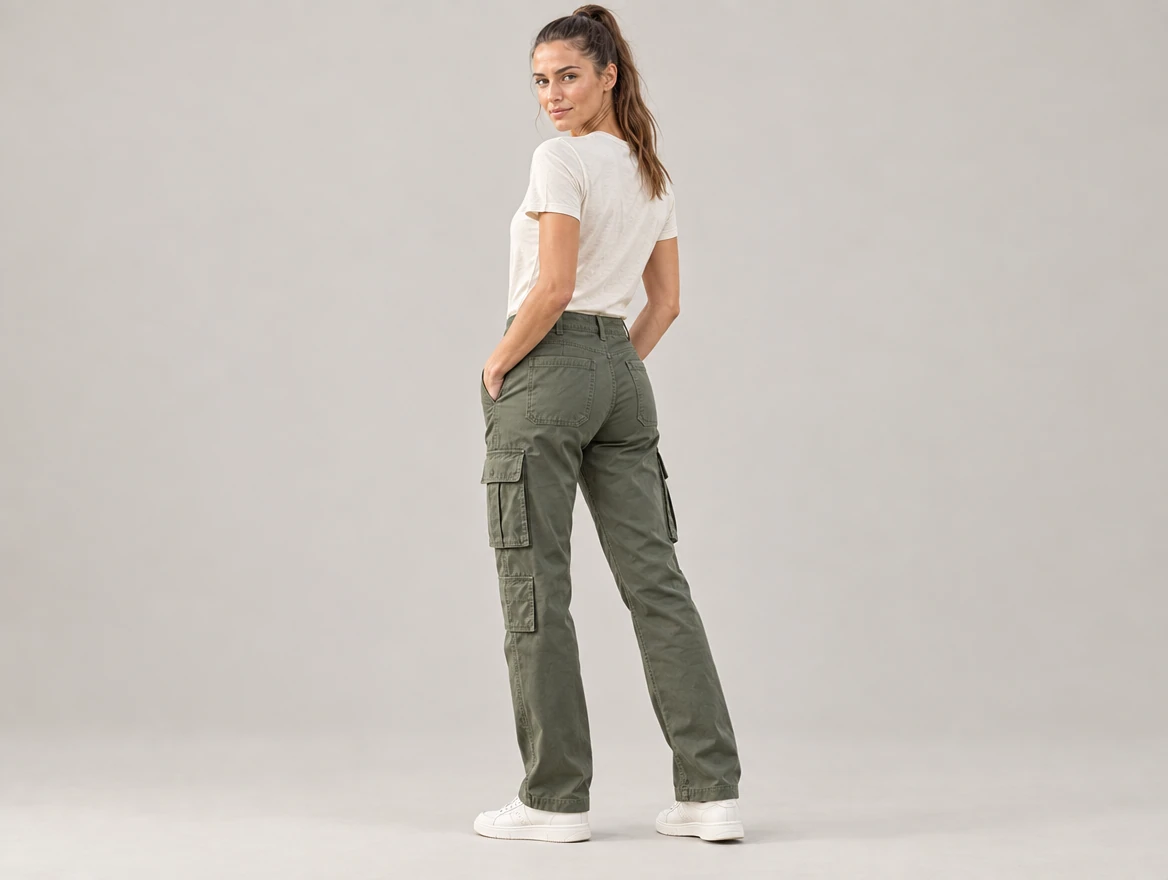
Cargo and work trousers add pockets, reinforced stress points and durable closures, built for repeated wear and washing.
Fabric decides how a trouser wears, creases and ages.
Twill is the standard for chinos and workwear, with canvas for heavier use.
A little elastane adds comfort and recovery without losing the shape.
Trouser fabric can shrink and change shade in washing, so wash standards are approved on a sample and retained for reorders.
Your labels, trims, hardware and packaging go on the finished garment.
A developed trouser block can be branded as your own (ODM, often called white label).
Pockets, zips, buttons and belt loops are where trousers fail, so they are specified carefully.
Stress points are reinforced where the garment will be pulled.
Zips, buttons and rivets are chosen for the use and approved on the sample.
Fit samples are measured against your chart before and after washing.
Measurements, waistband and pocket construction are approved on the sample.
Smaller runs are possible after technical review.
Fit is the main reason trousers get returned, and fit comes from the pattern. A small change to rise, thigh or leg opening changes how a trouser sits.
Rise is the distance from crotch to waist, and it decides whether a trouser sits high or low. Thigh and leg opening control the silhouette from slim to wide. We agree these on a sample against your chart.
A fit sample is measured against your size chart and checked on a body where possible. We revise the pattern until the fit is right.
Chinos have clean lines and fewer pockets, cargo trousers add utility pockets, and work trousers add reinforcement and sturdier fabrics.
Trousers fail at the seams, the zip and the waistband, so those are the areas to check.
Seams that take strain, such as the crotch and pocket corners, are reinforced, and stitching is checked for consistency.
Fabric can shrink and change shade in washing, so wash standards are approved on a sample and measurements are checked after washing.
Questions
Minimum order quantity depends on material availability, colour count, construction, decoration and packaging. Projects can begin from approximately 50 pieces per style following technical review. Where a fabric has to be knitted or dyed specifically for a project, the practical minimum is set by the mill rather than by us, and we tell you that before you commit.
Sampling normally runs in stages: a proto sample to confirm construction, a fit sample against your measurement chart, and a pre production sample that fixes fabric, colour, decoration, labelling and packaging. Each stage needs written approval before the next one starts. Sample charges and courier costs are quoted before work begins.
We build labelling into the specification and apply exactly what you approve, including fibre content, care symbols, country of origin and identification details. Responsibility for confirming what your market and your product category legally require stays with you as the brand owner. We flag anything that looks inconsistent before production.
Pick a design as your starting point. Colours, fabric and branding are set in the quote.
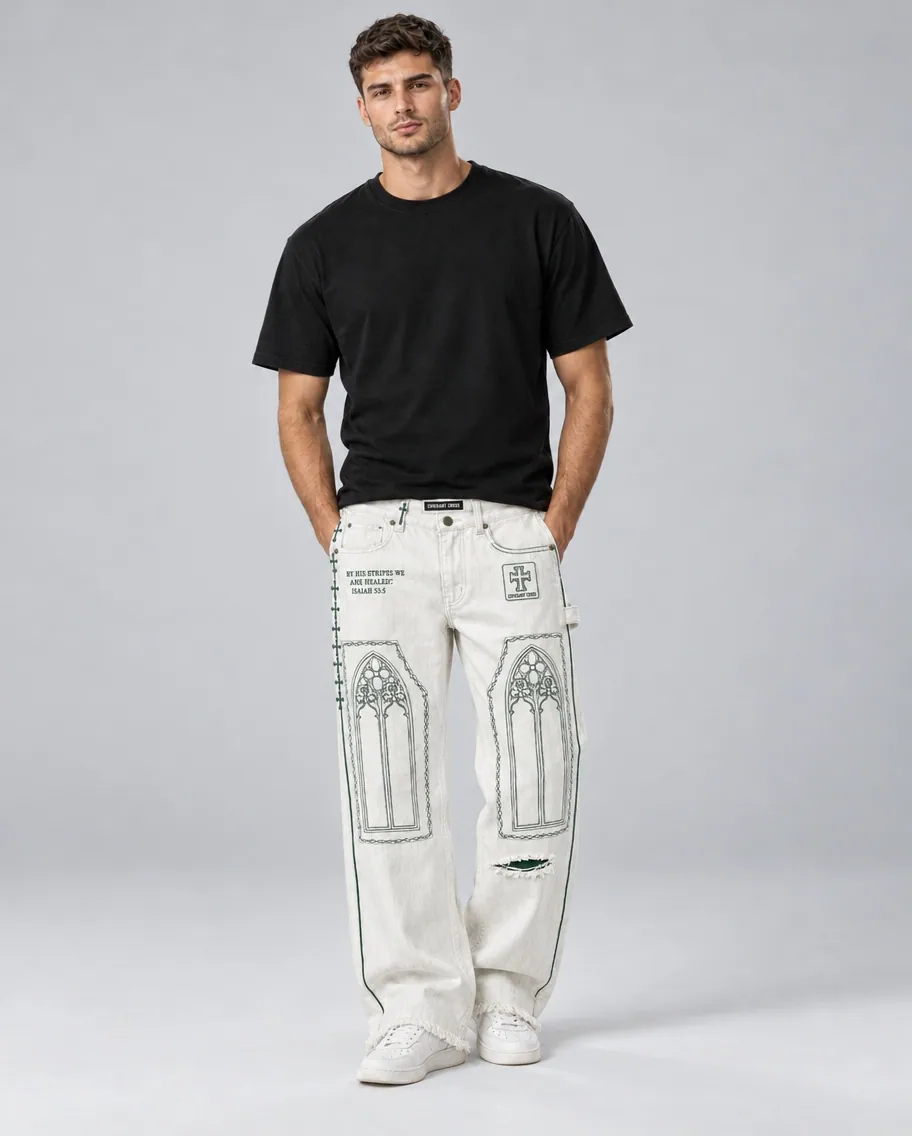 Off-white jeans with arch embroideryAsk for this design
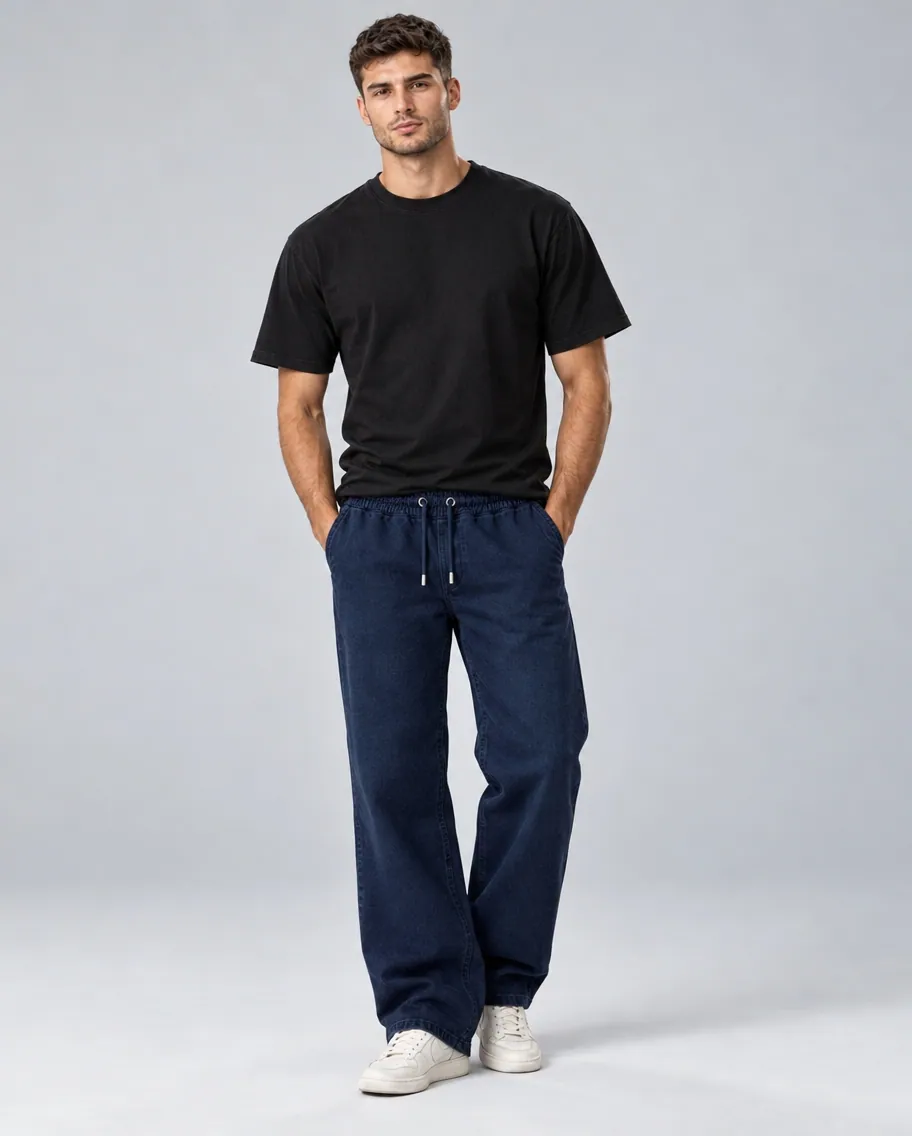 Navy wide-leg drawstring trousersAsk for this design
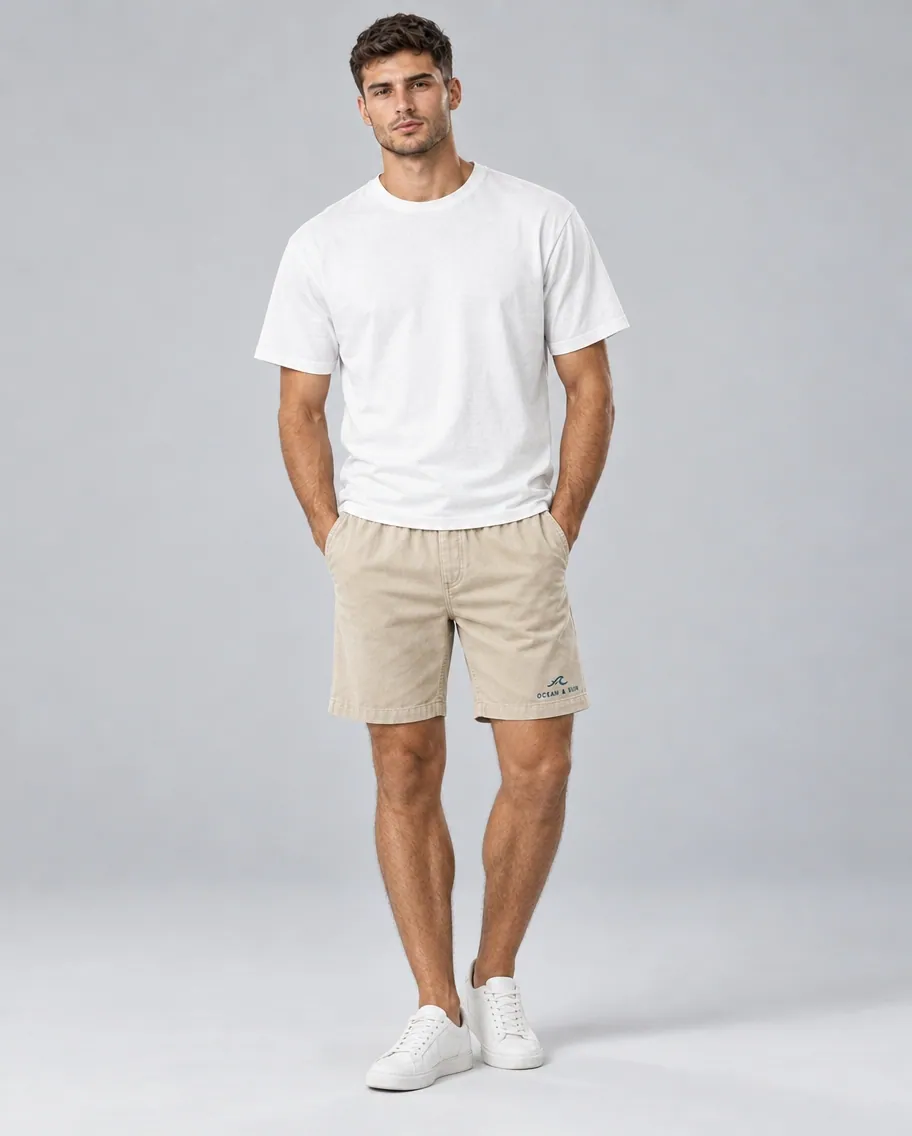 Sand casual shorts with small logoAsk for this design
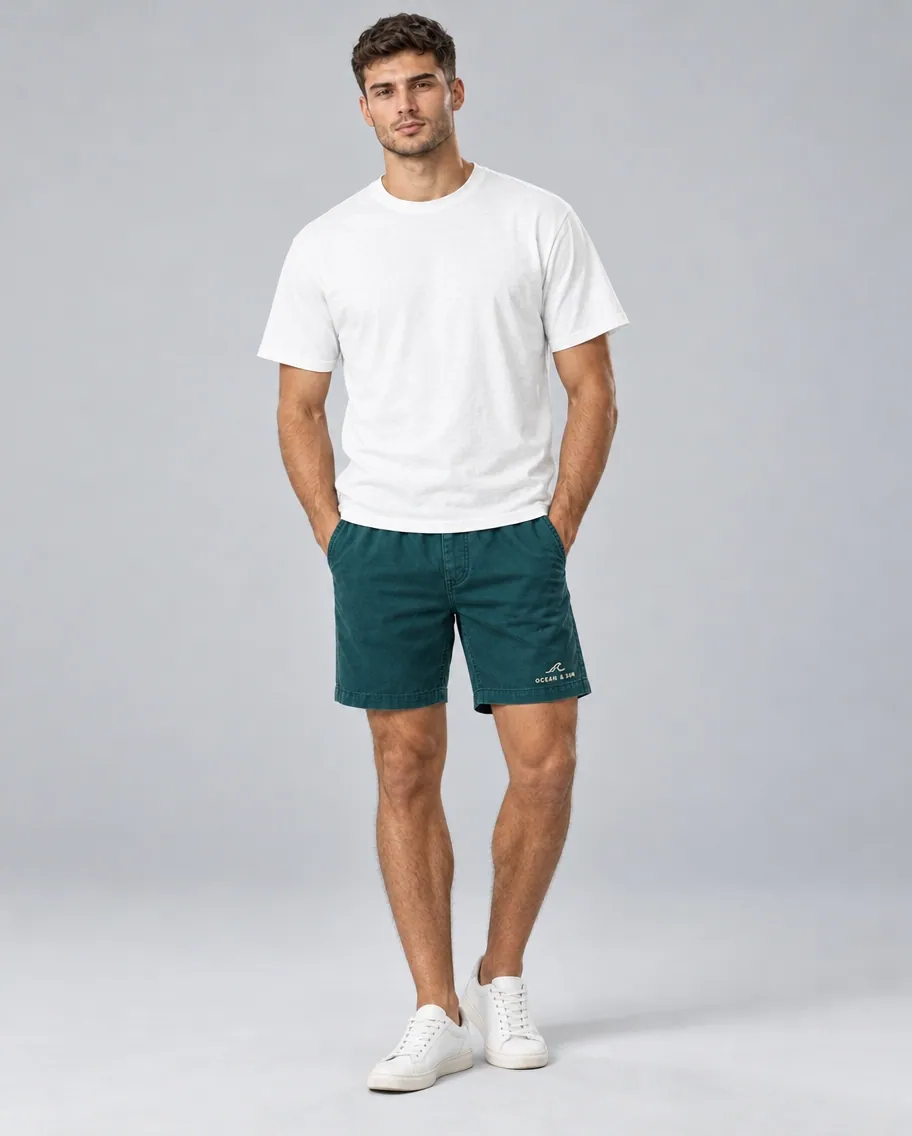 Deep teal casual shorts with small logoAsk for this design
Sampling comes before bulk. From approximately 50 pieces per style, subject to technical review.
Tell us your designShare your product details, target quantity and delivery requirements. We will confirm feasibility, materials and construction before quoting.
Contact our team