Logos
Supplier example- Method
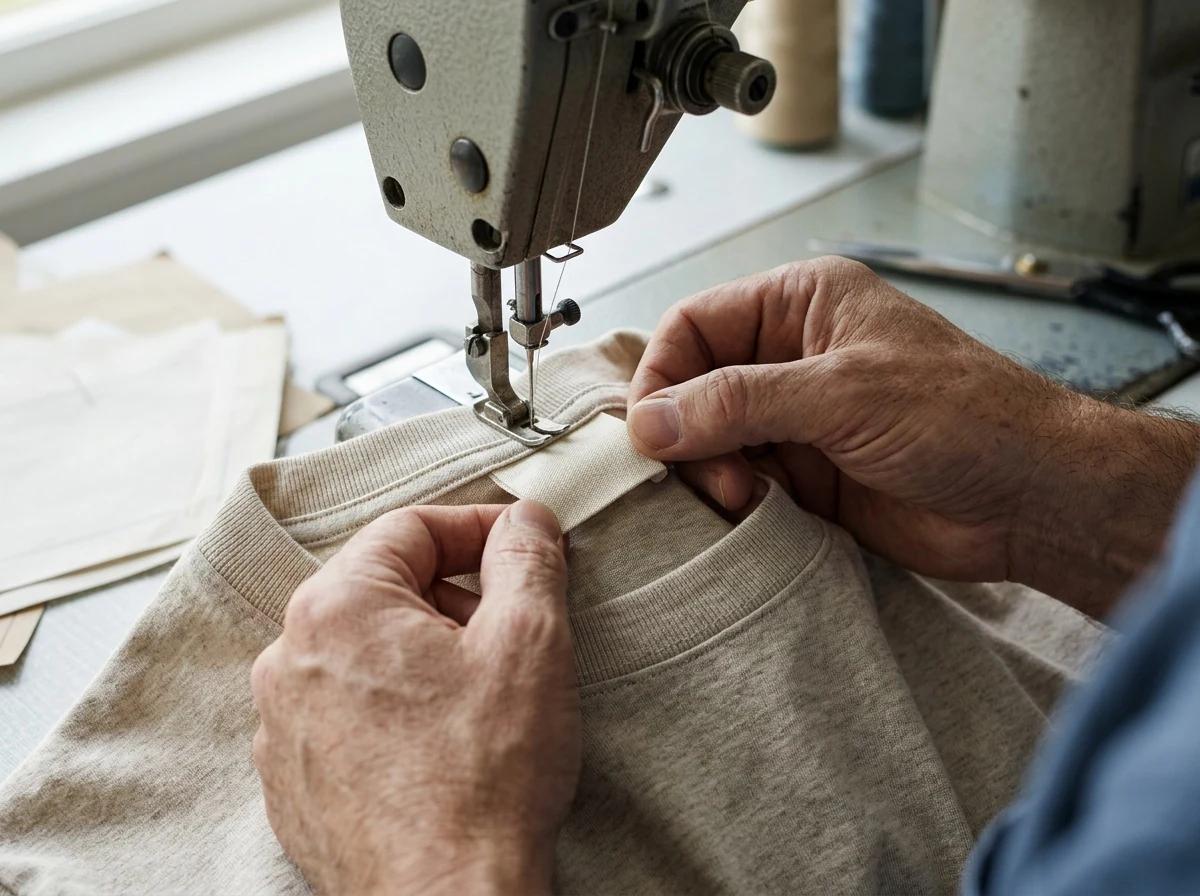
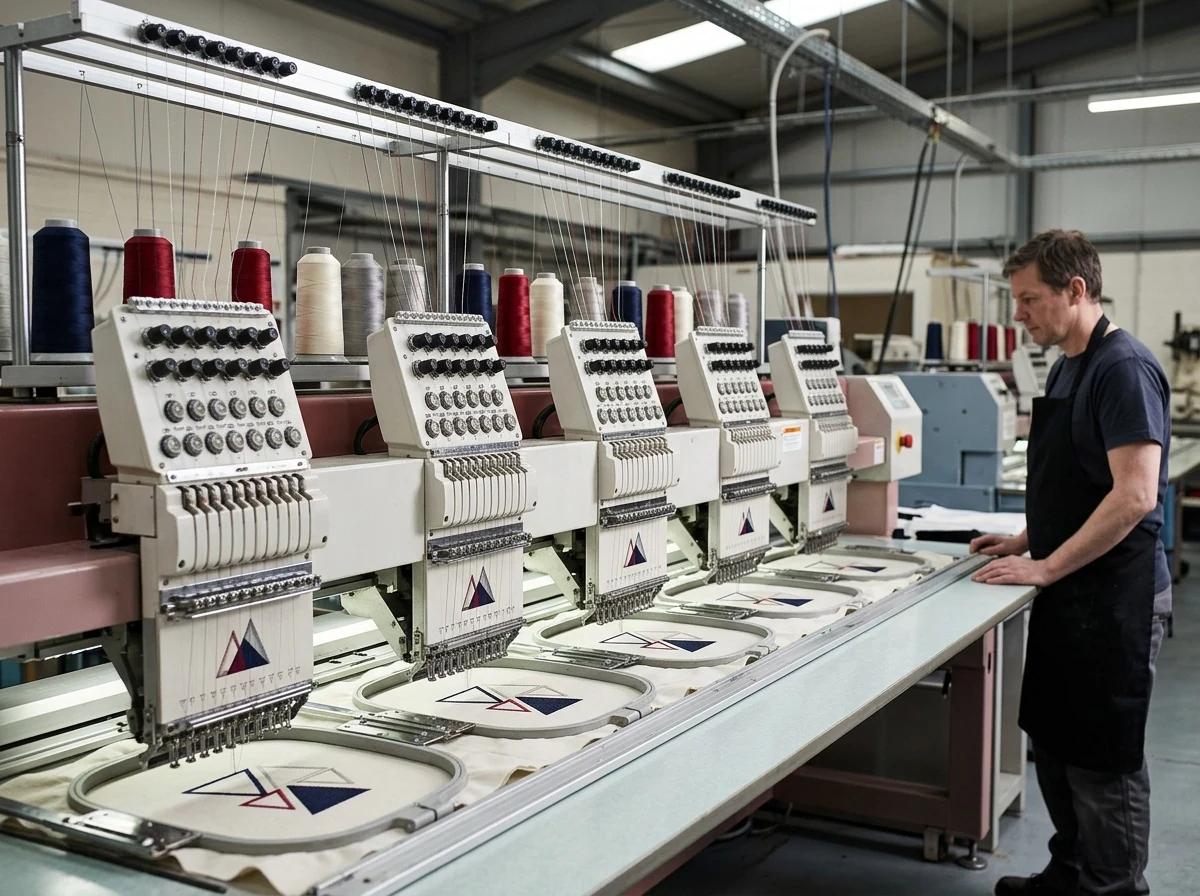
- Embroidery
- Trade-off
- Consistency across a programme.
- Approve before bulk
- Check placement against the programme standard.
Loading page content
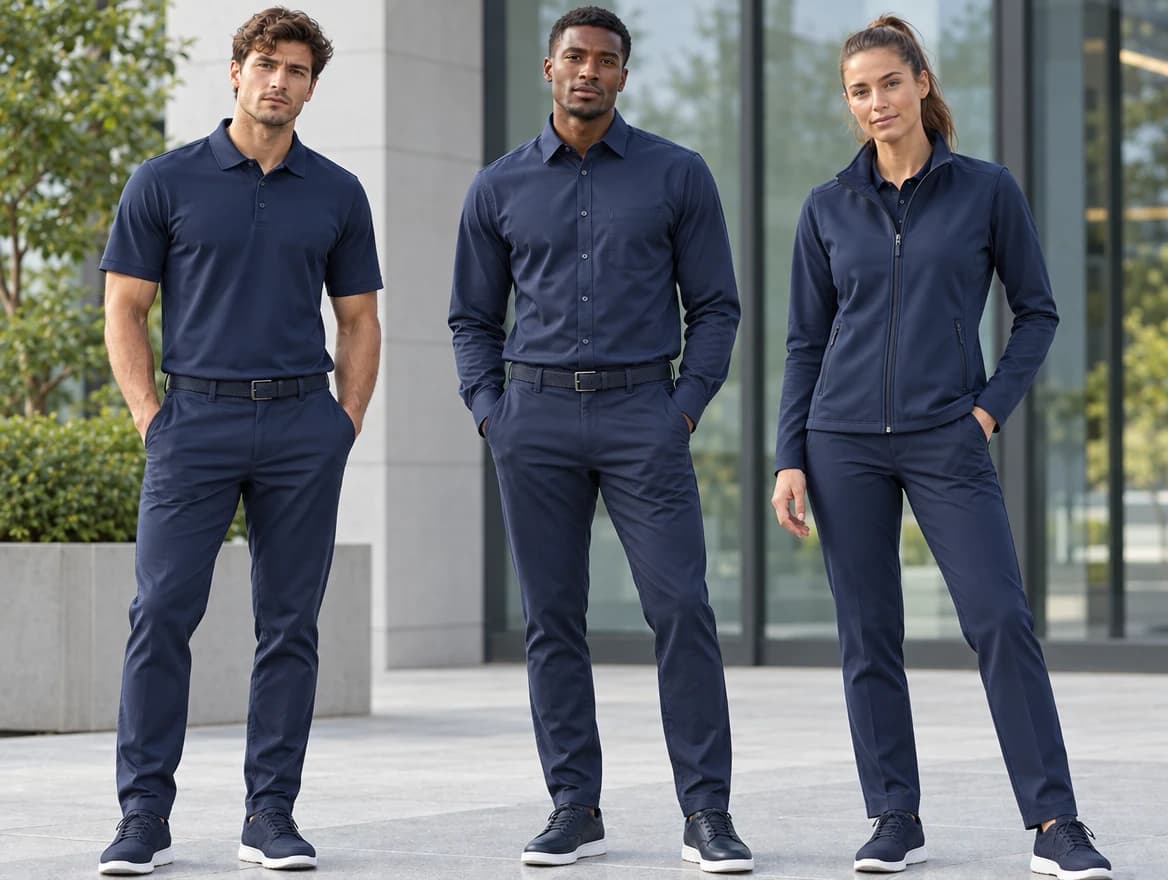
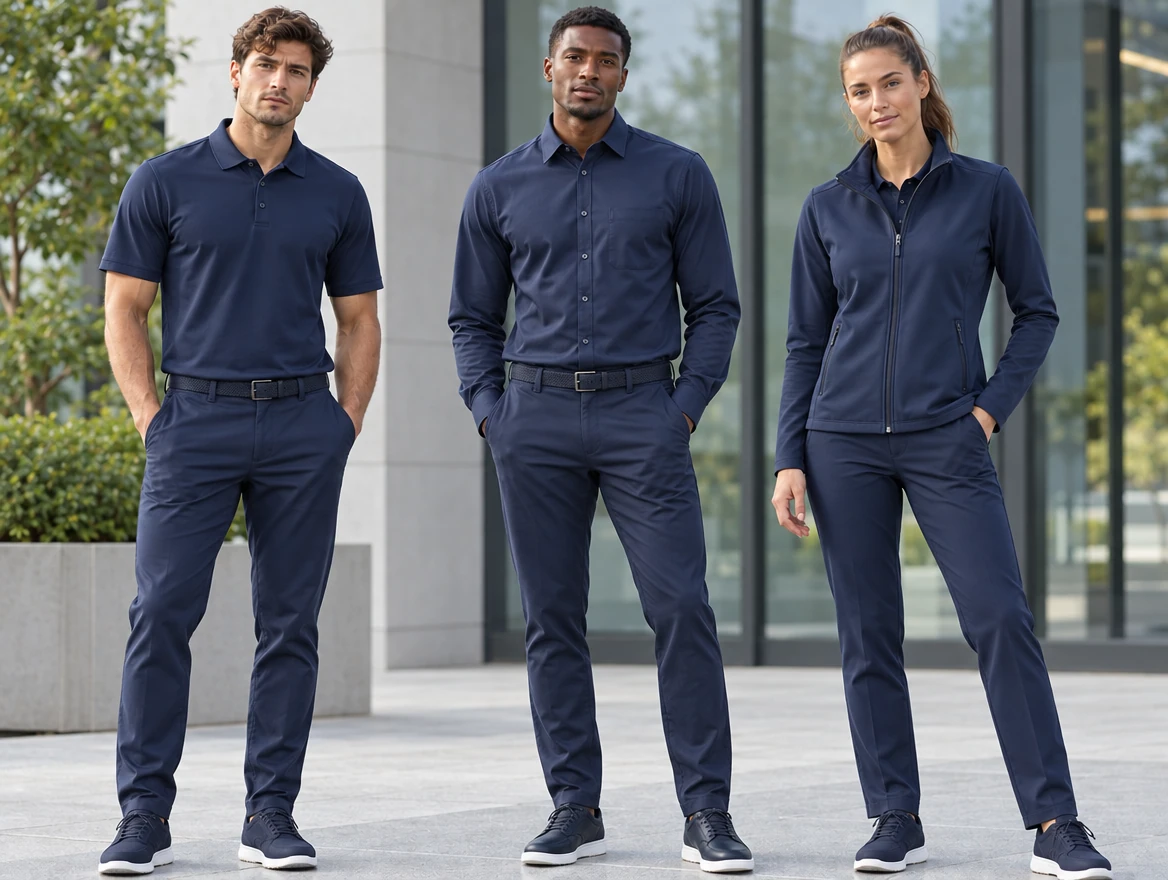
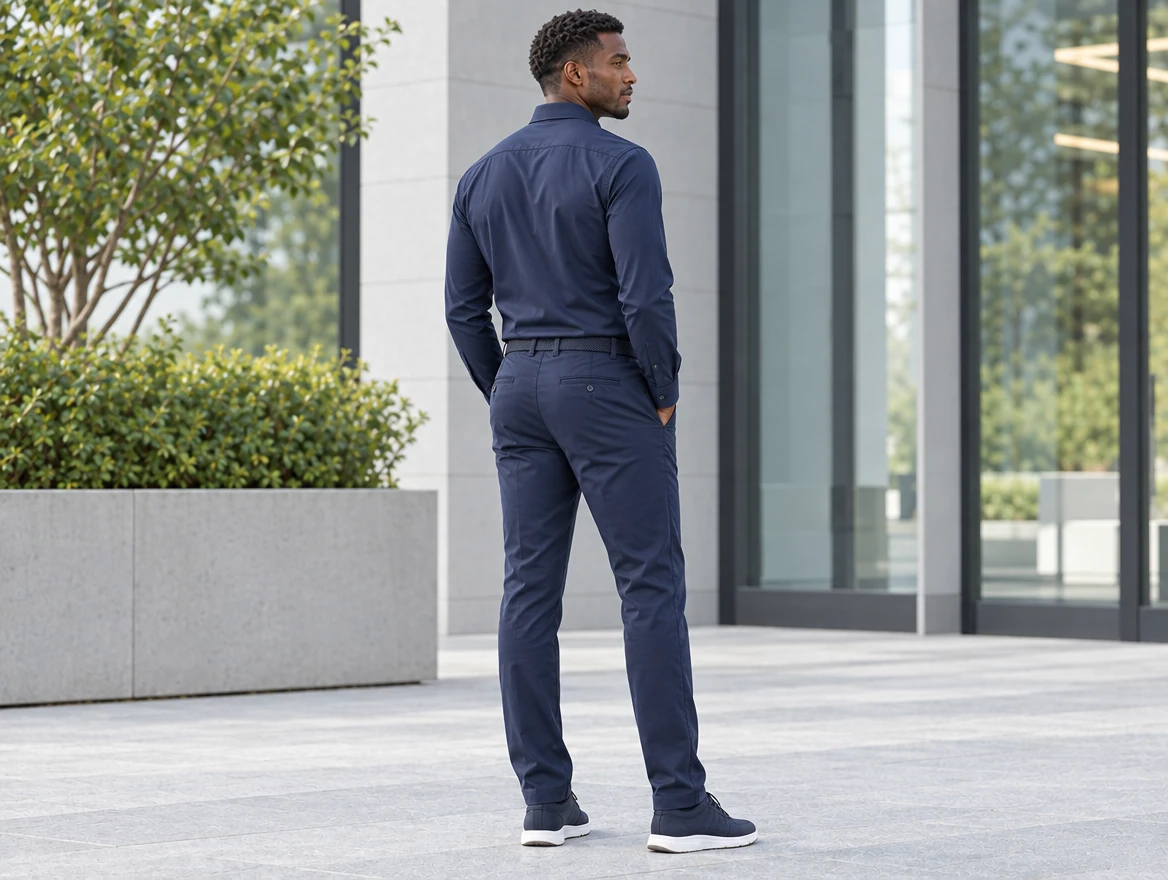
TextileWays supplies corporate and institutional uniform programmes: branded polos, shirts, trousers and outerwear manufactured and reordered to a locked specification.
Consistency is the primary product attribute for a uniform, not styling. A programme that looks identical whether issued in year one or year three depends on records kept from the first order: the approved sample, the exact fabric specification, and the colour standard, all retained and referenced on every reorder rather than re-approximated each time.
Product types
Anything not listed can still be assessed on technical review.
Specification
Weight ranges are typical for this product. The finished weight of your fabric is confirmed on the approved sample rather than guaranteed to a figure.
Ranges are typical. The exact specification is confirmed on your approved sample before production.
Component-level guidance for uniforms. Any ranges are indicative sourcing references, not guaranteed order specifications. Different components can need different fabrics, weights and units; the selected materials, construction and finished measurements are confirmed on the approved sample.
| Component | Weight, unit or setting | Construction choices | Check on the sample |
|---|---|---|---|
| Polo piquéIndustry guidance | 200 to 220 gsm typical range. | Knitted collar. | Collar curl. |
| High visibility classRegulation or standard | ISO 20471 minimum visible areas per class are 0.14, 0.50 and 0.80 square metres of fluorescent background and 0.10, 0.13 and 0.20 for reflective material. | Background and reflective placement. | Visible area on the smallest size. |
Decoration
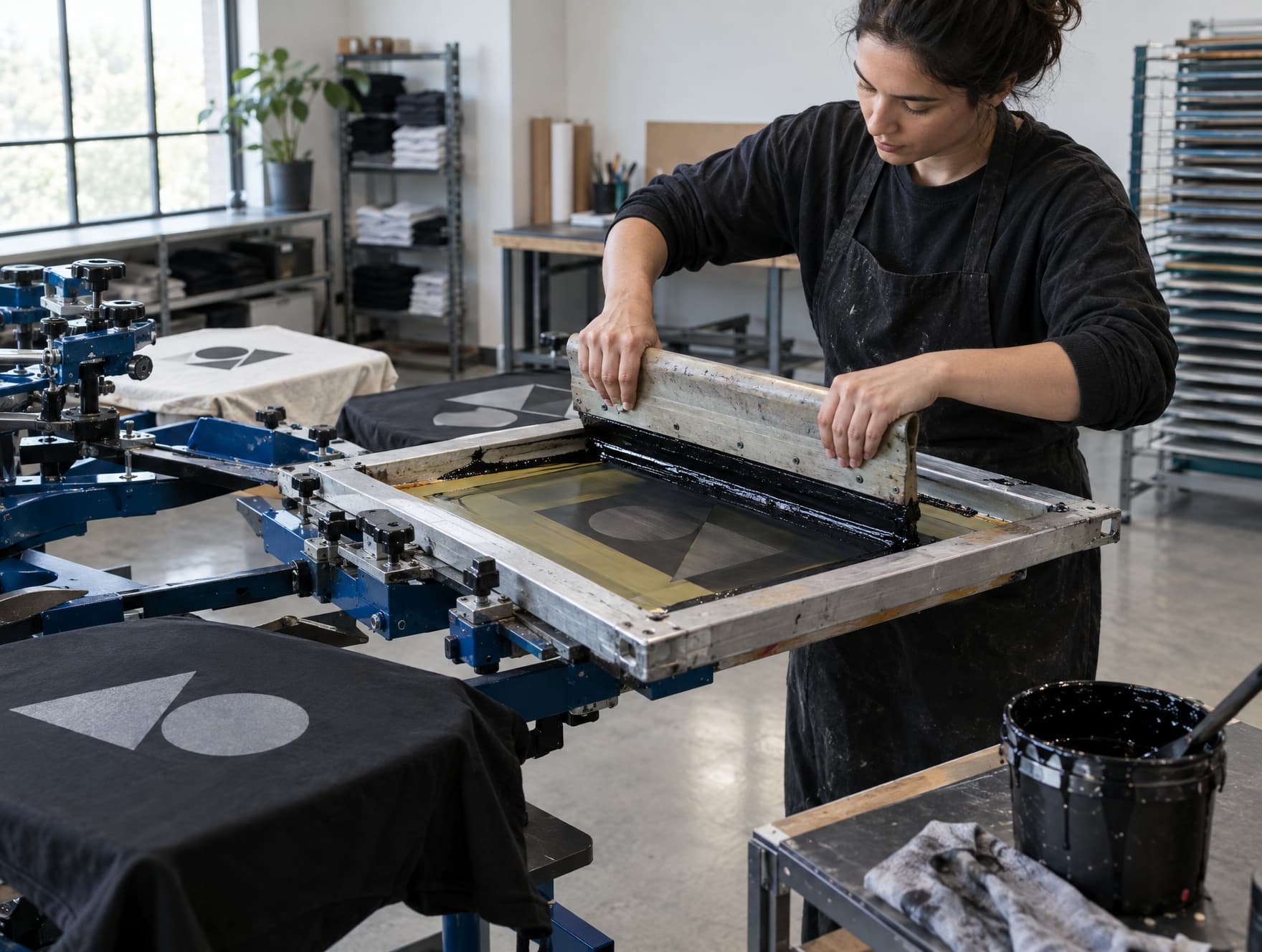
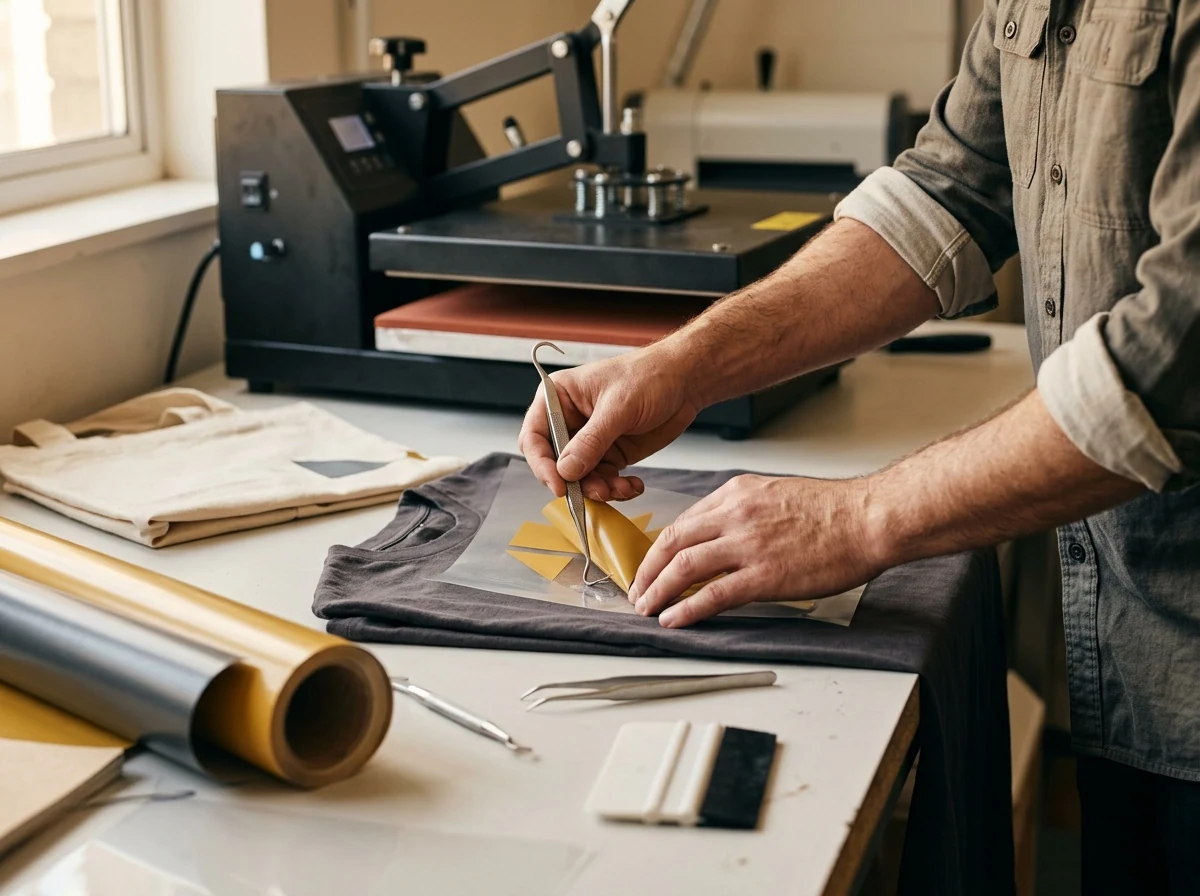
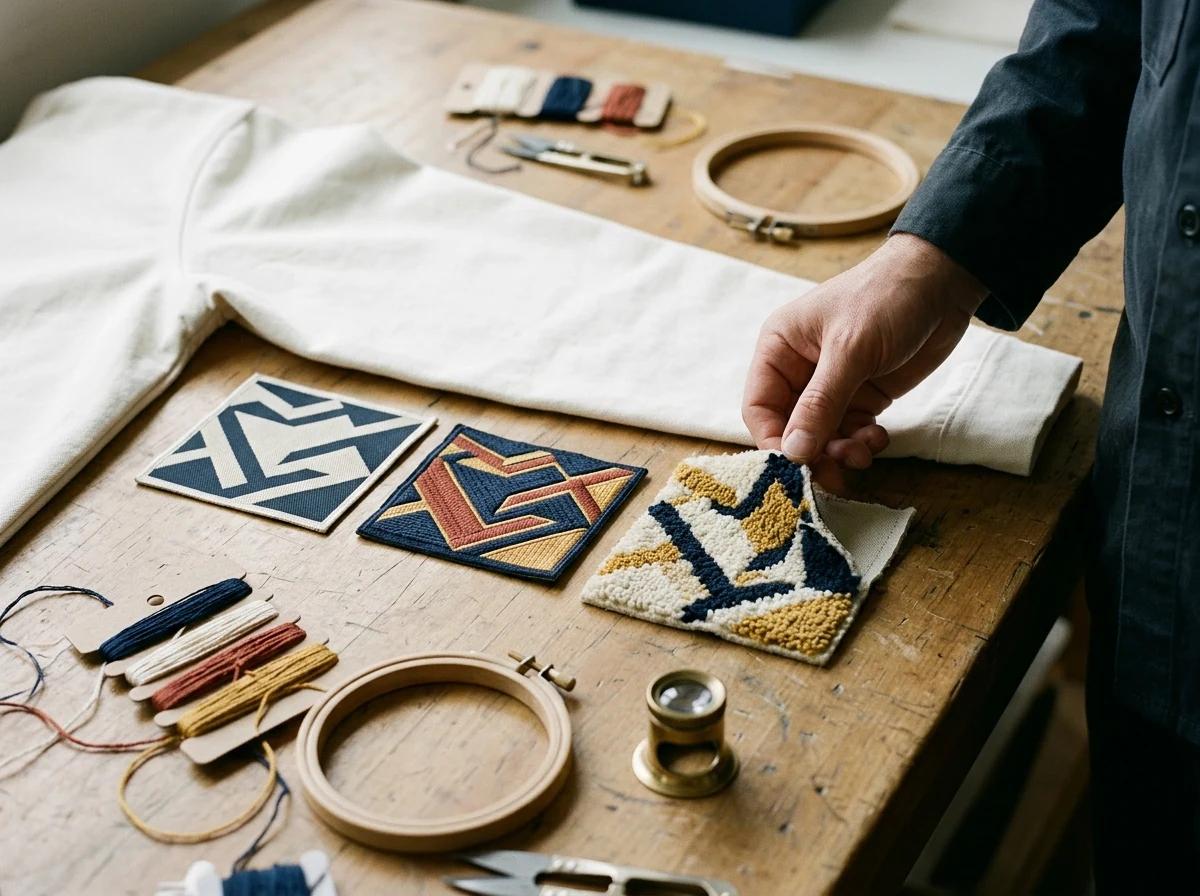
Decoration is matched to the fabric and the artwork rather than applied by default.
Which method suits each placement on uniforms, its trade-offs and what to approve before bulk. Compatibility is checked against the actual fabric, stretch, coating and heat tolerance; approval on one component does not establish suitability on another.
Materials
Composition, weight guidance and decoration compatibility for each fabric are on its own page.
What each part of uniforms is usually made from, why, where it falls short and what to check. This is industry guidance, not a TextileWays specification: the fabric and components for your order are confirmed on technical review.
Ordering
None of these figures are published as a universal number, because none is true across every specification.
MOQ depends on material availability, colour count, construction and packaging. Uniform fabrics are widely stocked in standard colours, which usually supports lower quantities than fashion categories.
Approved samples are retained by both parties as the reference for every reorder, since a uniform programme's value is in matching, not novelty.
Lead time depends on the factors above rather than a single published figure. An indicative schedule is confirmed with your quotation.
Detailed product guidance
Materials, manufacturing routes and buying considerationsA uniform programme has to look identical when a new employee is issued a garment years after the first. Consistency is the main product attribute, ahead of style or novelty.
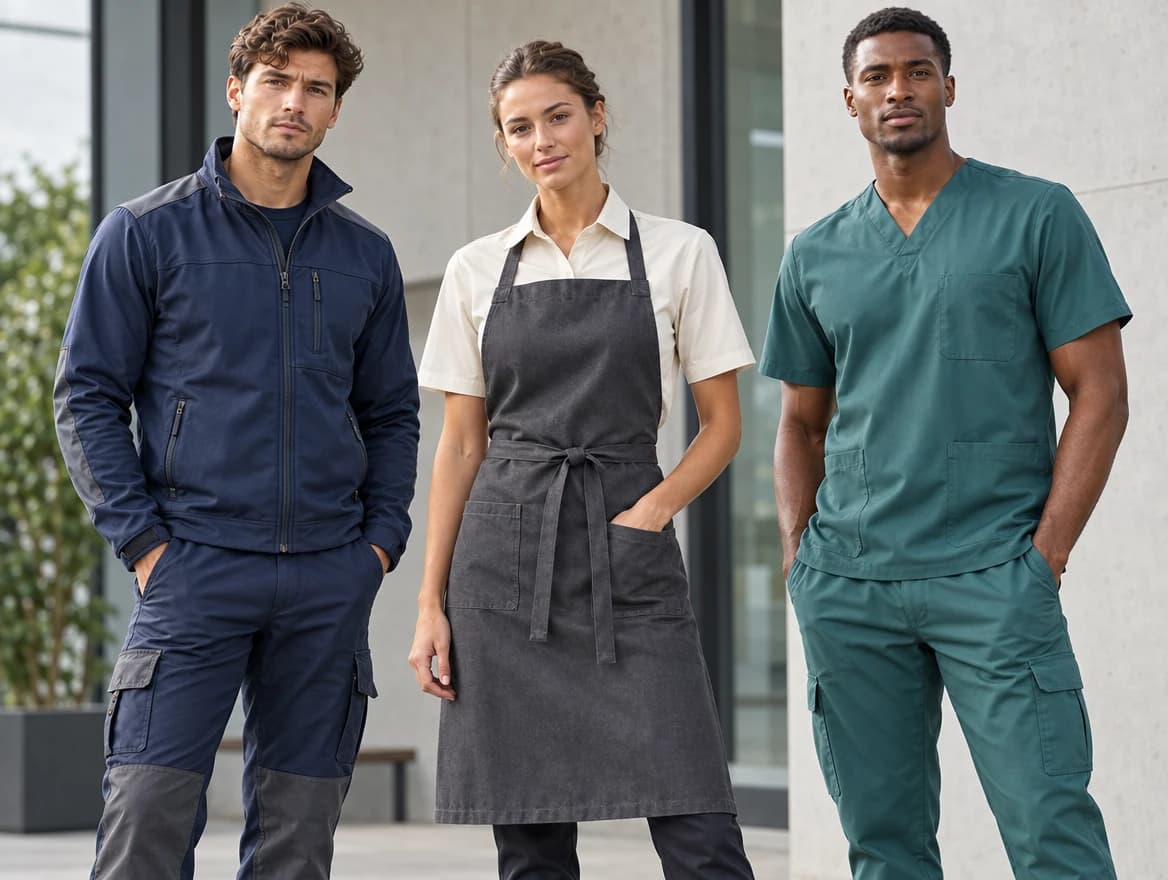
Polos, shirts, trousers, aprons, jackets and fleeces, with your logo applied by embroidery or print and your colours recorded against an approved sample.
Specialist garments are made after technical review, with the applicable requirements confirmed before quoting.
A uniform is worn for long hours and washed often, so fabric and colour have to cope.
Poly cotton and blended fabrics keep shape and colour through repeated laundering, and are easier to care for than pure cotton.
Approved colours are recorded so reorders match the first issue.
Uniform suppliers and brands can sell under their own label. Developed uniform styles can be branded with your colours, logo and labels (ODM, often called white label).
Your pattern, fabric and labels, built into a repeatable specification.
Larger programmes can run beyond 100,000 pieces with the same approved standard.
Branding is what makes a uniform recognisable, and it has to survive washing.
Position, size and stitch density are approved on the sample.
Woven or printed labels carry size and care information to your approved wording.
Retained approved samples, locked fabric specifications and recorded colour standards allow reorders to match.
Fit, fabric and logo placement are approved before bulk production.
Small teams can begin from approximately 50 pieces per style after technical review.
A good uniform suits the job, the people who wear it and the brand it represents. The choices below shape most uniform briefs.
Front of house staff need a smart, comfortable look, while back of house and field staff need durability and ease of movement. The same programme can include several garment types.
A uniform is worn all day, so comfort and a full size range matter. Sizes are graded to the chart you supply.
Colours, logos and labels are approved together and recorded so that every garment in the programme looks consistent.
Uniform suppliers and brands often buy on behalf of other businesses, which makes consistency and reorders even more important.
A distributor can stock a branded range of polos, shirts, trousers and jackets, made to a repeatable specification.
Programmes can scale beyond 100,000 pieces, and approved samples are kept so later orders match.
Questions
An approved pre production sample and the signed specification become the reference for repeat orders. Reorders are checked against that reference rather than reinterpreted, which is what keeps a second run consistent with the first. Where a fabric or trim has changed availability, we tell you before production instead of substituting quietly.
We build labelling into the specification and apply exactly what you approve, including fibre content, care symbols, country of origin and identification details. Responsibility for confirming what your market and your product category legally require stays with you as the brand owner. We flag anything that looks inconsistent before production.
Yes. Third party inspection and buyer appointed quality agents are welcome. Tell us the inspection standard and the sampling plan you intend to apply so that the schedule allows time for inspection and, if needed, for rework before shipping.
Pick a design as your starting point. Colours, fabric and branding are set in the quote.
 Light blue stretch shirt with navy trousersAsk for this design
 Navy reception jacket with gold pipingAsk for this design
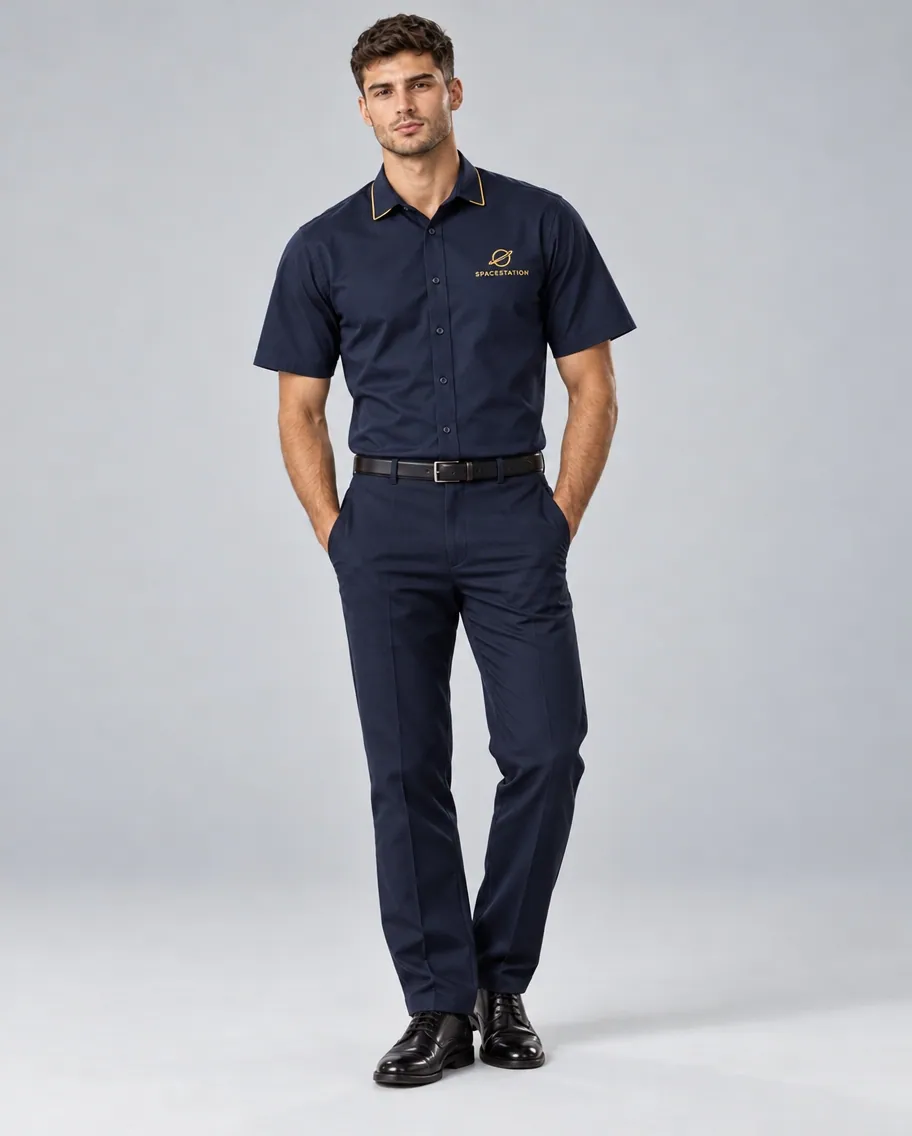 Navy restaurant and bar shirt with gold trimAsk for this design
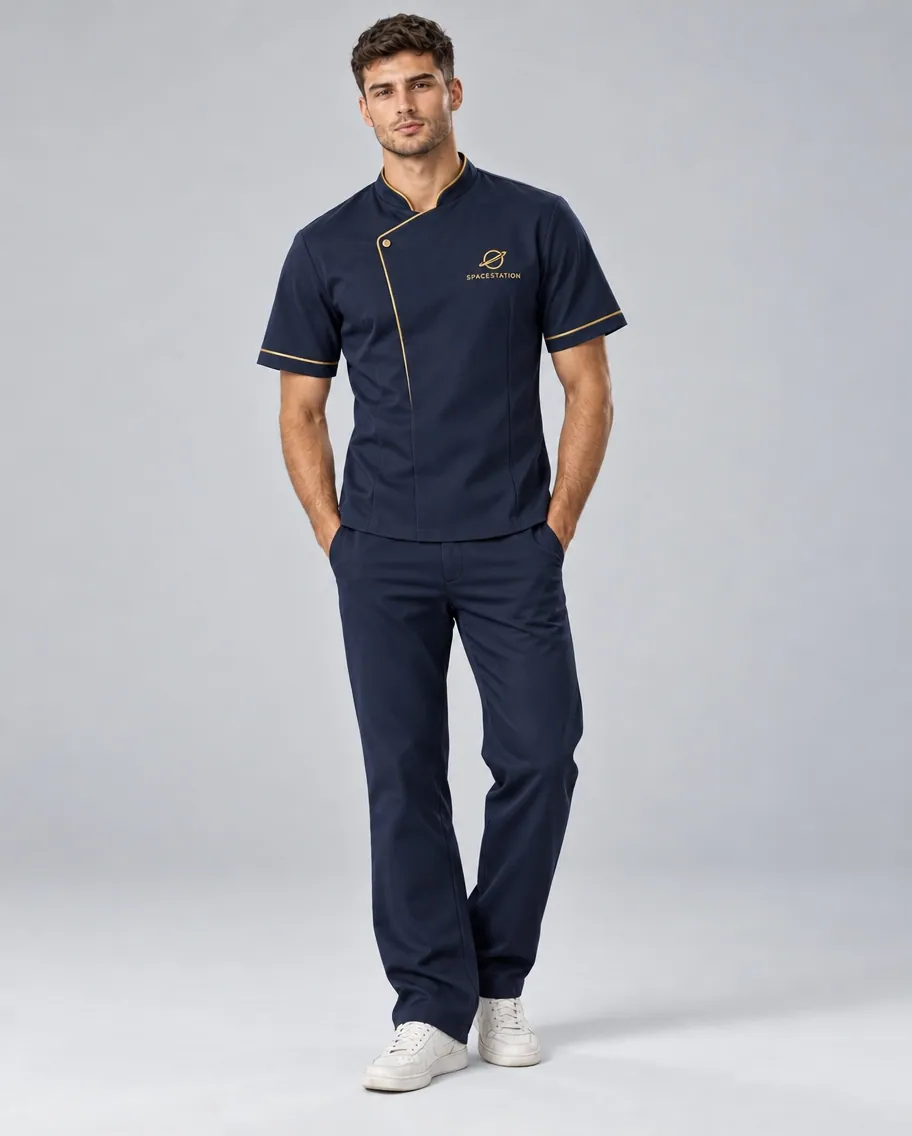 Navy housekeeping tunic with gold trimAsk for this design
Sampling comes before bulk. From approximately 50 pieces per style, subject to technical review.
Tell us your designShare your product details, target quantity and delivery requirements. We will confirm feasibility, materials and construction before quoting.
Contact our team