What GSM means
GSM stands for grams per square metre. It is the weight of one square metre of fabric, and it is the standard way to compare how heavy fabrics are. A light summer t-shirt fabric has a low gsm and a heavy hoodie fleece has a high one.
How GSM is measured
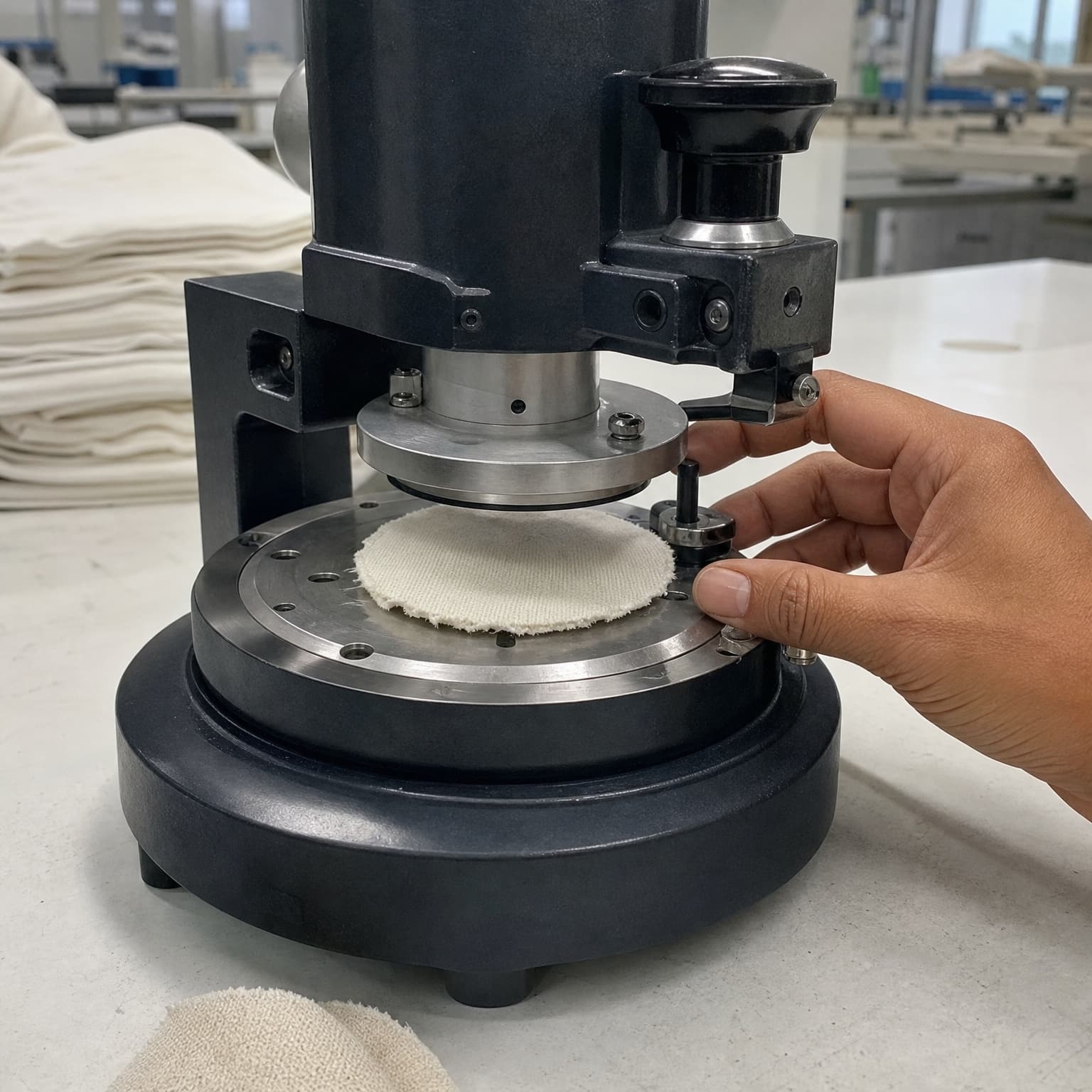
A sample of fabric is cut to a fixed area, commonly with a round cutter, and weighed on a precision scale. Because the cutter has a known area, the weight converts directly to gsm. Fabric weight varies slightly across a roll, so a tolerance is normally agreed rather than an exact figure.
Converting between gsm and ounces
Some fabrics, especially denim and canvas, are quoted in ounces per square yard. To convert ounces per square yard to gsm, multiply by about 33.9. A fabric of 10 ounces per square yard is therefore about 340 gsm.
Typical weights by garment
The ranges below are typical starting points, not rules, and they vary by fabric, mill and design.
- T-shirt jersey: commonly around 140 to 200 gsm, with premium heavier tees around 200 to 240 gsm.
- Hoodie fleece: mid weight terry around 300 to 360 gsm, and premium heavyweight fleece around 380 to 450 gsm.
- Polo pique and uniform fabrics: usually in the mid range, chosen for durability after repeated washing.
- Technical and performance knits: often lighter, chosen for breathability and stretch.
Why weight is not the whole story
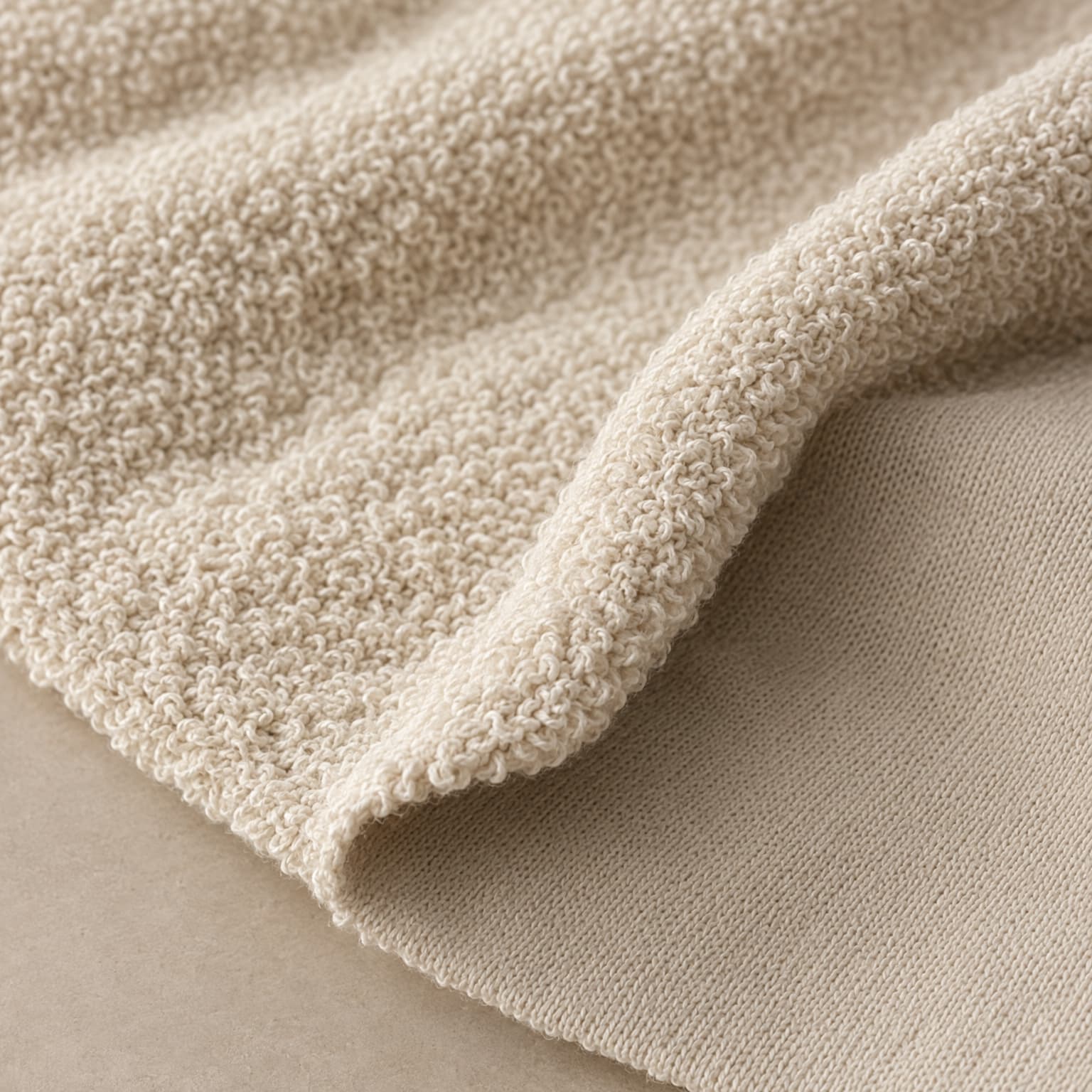
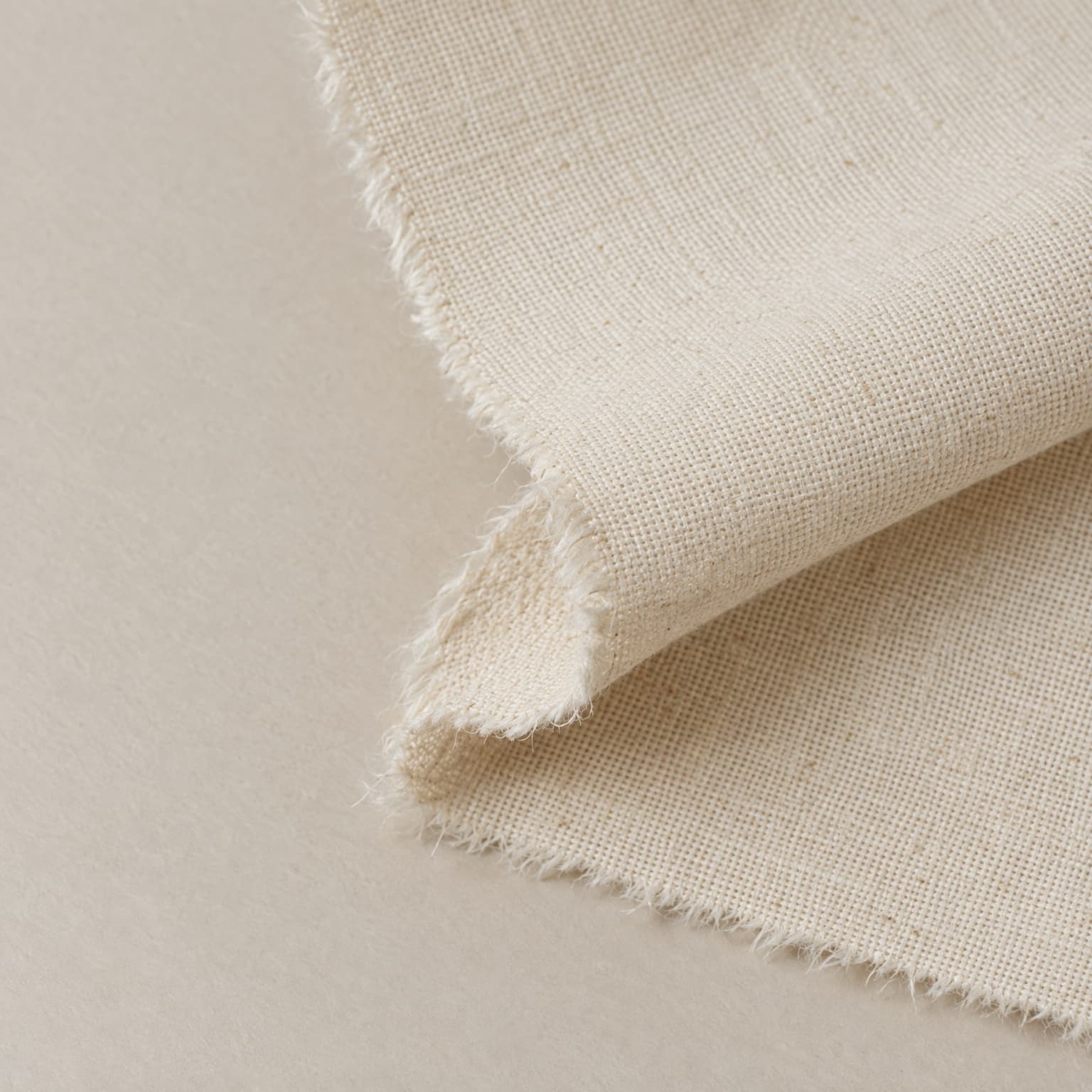
Two fabrics at the same gsm can feel very different. Yarn quality, the density of the knit or weave, the fibre and the finishing all change how a fabric hangs, wears and feels. A well made lighter fabric can outlast a loosely made heavier one, so judge fabric by hand and by sample, not by the number alone.
How to specify weight
State the target gsm with an acceptable range, such as plus or minus five percent, together with the fabric construction and composition. Confirm the finished weight on the approved sample and record it, because that figure becomes the standard your reorders are checked against.