SpecificationGuidanceNotes
- Tee shirt jersey
- 140 to 200 gsm
- 180 gsm is the common mid market reference point.
- Premium tee shirt jersey
- 200 to 240 gsm
- Heavier jersey reads as premium and tends to hold shape better, though yarn, knit and finishing matter as much as weight.
Construction options
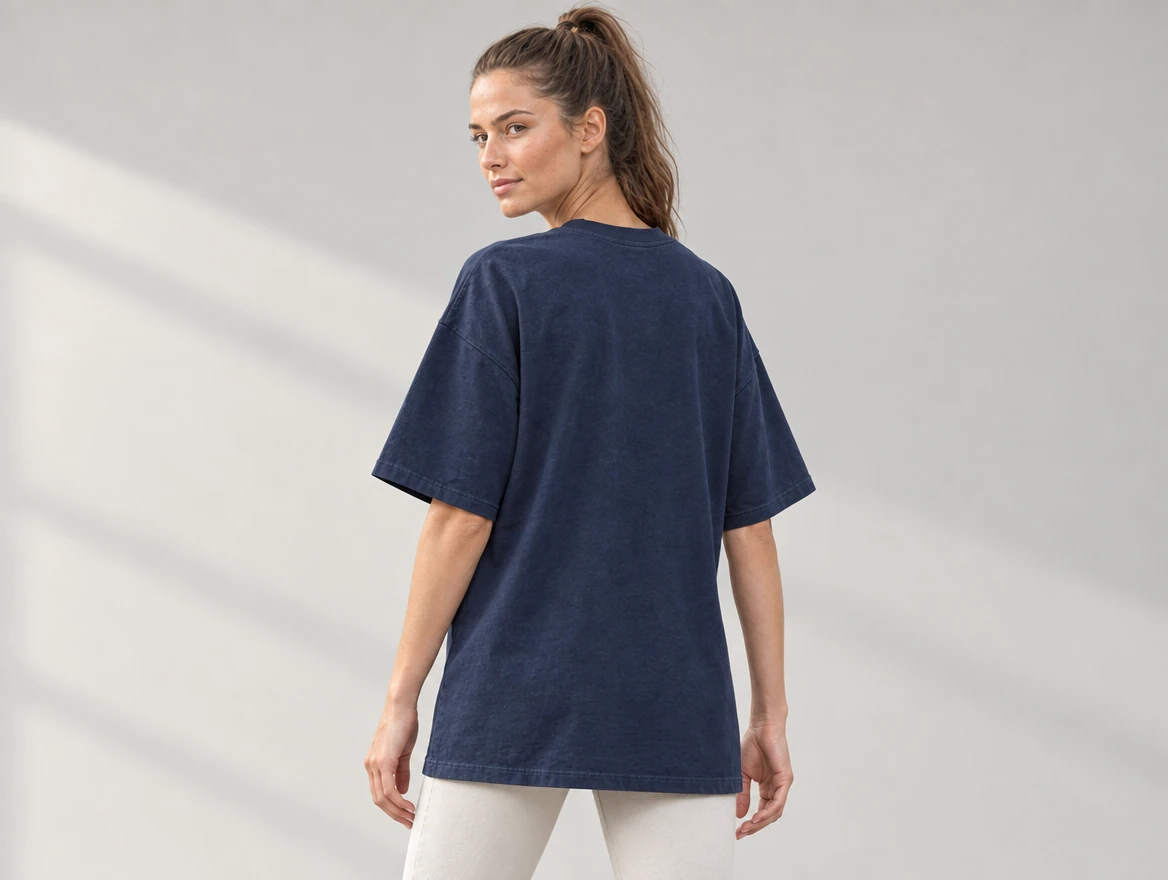
- 01Set in or drop shoulder
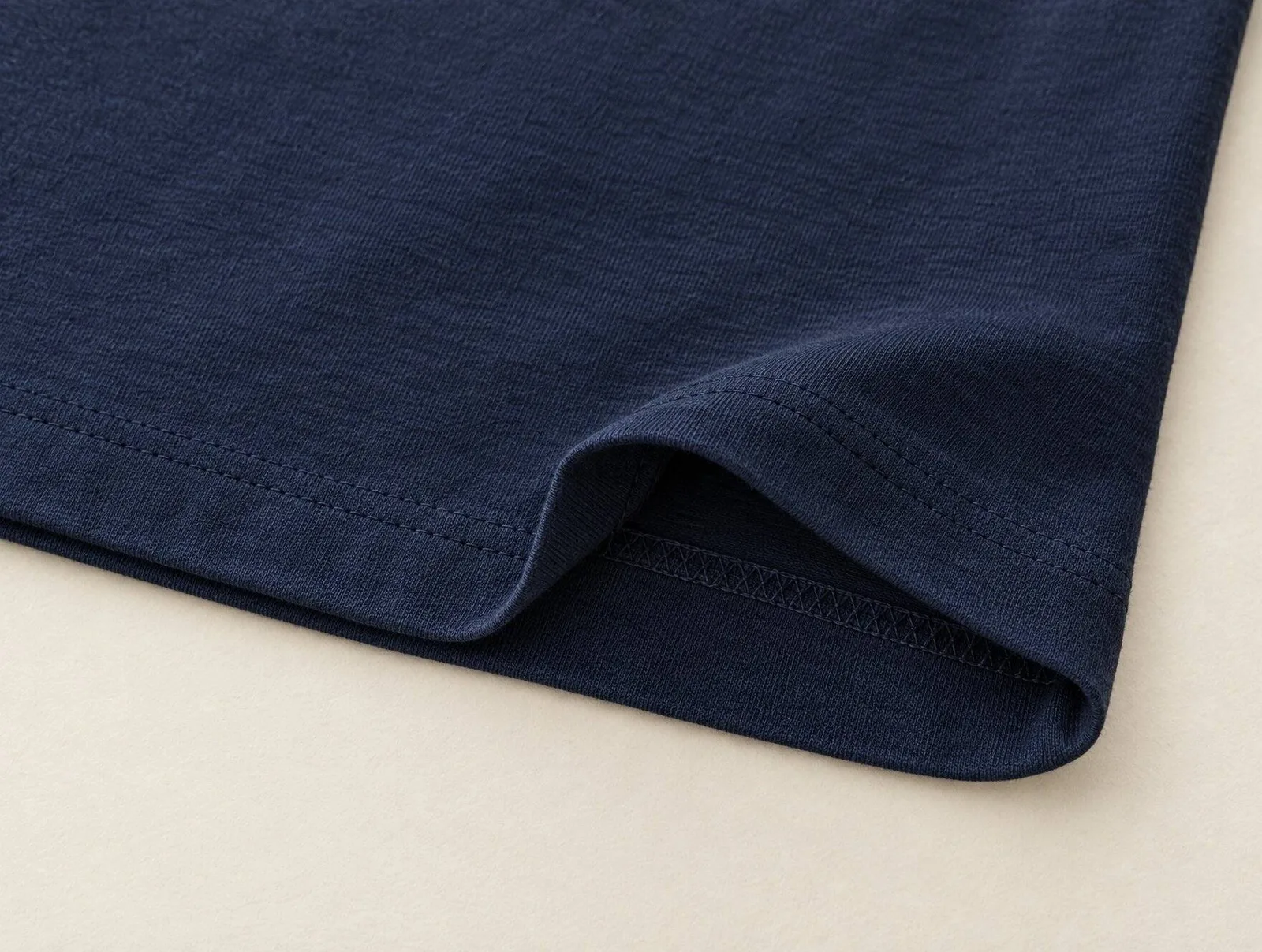
- 02Single or twin needle hem and sleeve finishing
- 03Taped shoulder and neck for stability
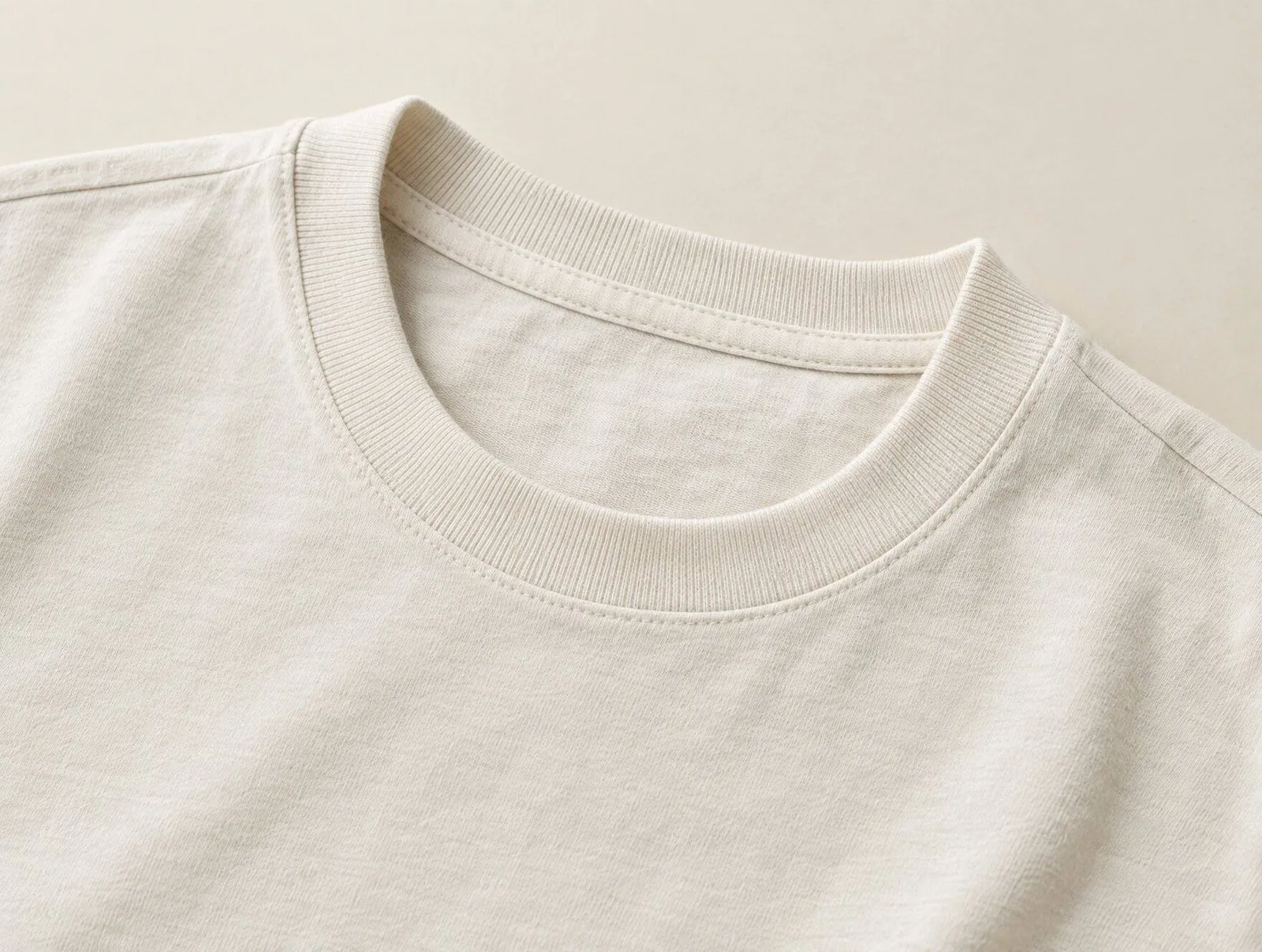
- 04Ribbed or self fabric collar
- 05Side seamed or tubular body
Labelling and packaging
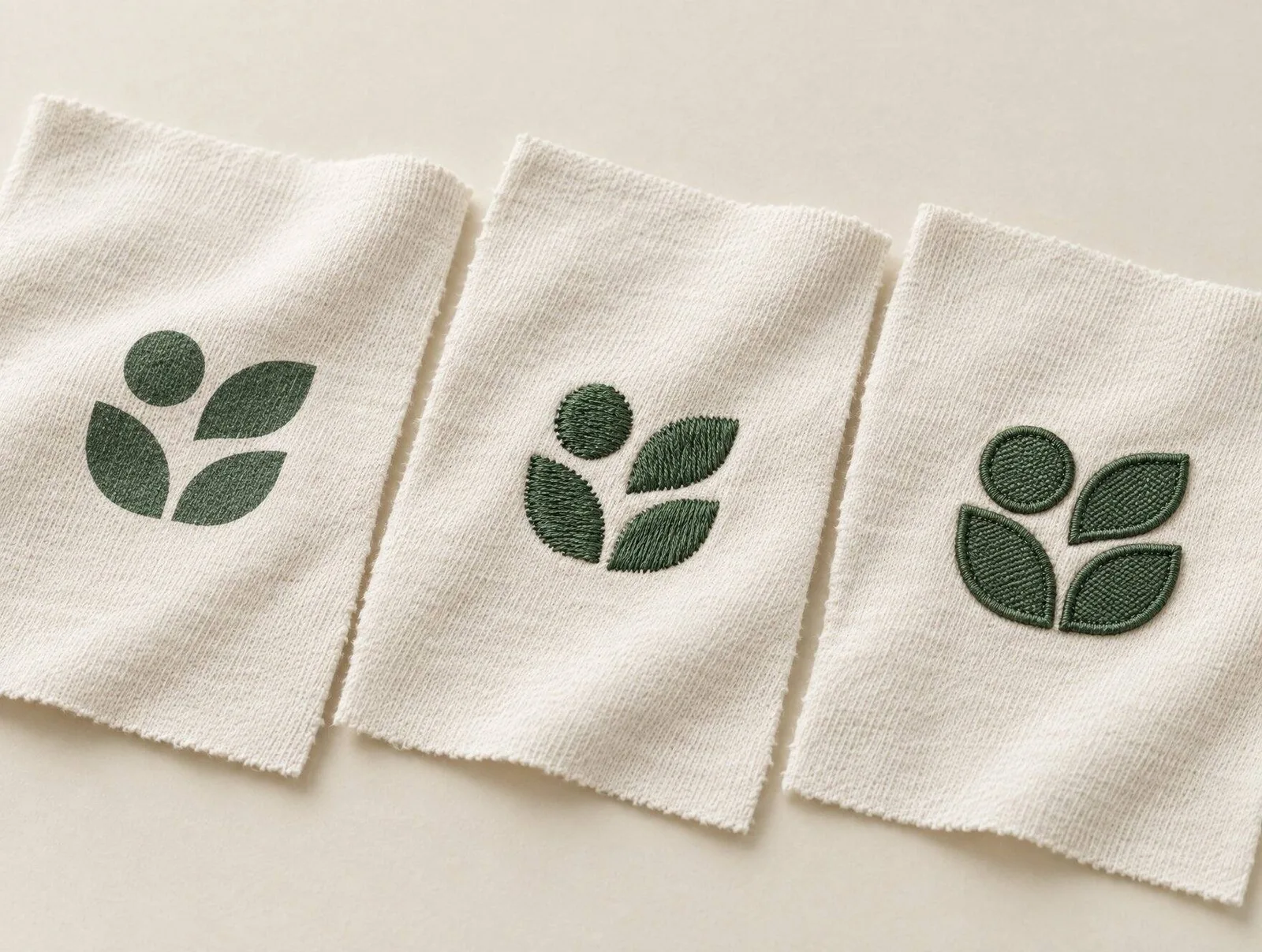
- 01Woven or printed main labels
- 02Tagless heat transfer labels where the fabric allows
- 03Care and fibre content labels to your approved wording
- 04Individual polybagging or reduced packaging alternatives
Weights and construction by component
Component-level guidance for t-shirts. Any ranges are indicative sourcing references, not guaranteed order specifications. Different components can need different fabrics, weights and units; the selected materials, construction and finished measurements are confirmed on the approved sample.
Component by component weights, construction and sample checks for t-shirts| Component | Weight, unit or setting | Construction choices | Check on the sample |
|---|
| JerseyIndustry guidance | 140 to 200 gsm typical range; 200 to 240 gsm for premium. Weight is not quality: recovery and shrinkage are checked on the sample. | Set in or drop shoulder, single or twin needle hems. | Shrinkage, torque and neck recovery. |
|---|
| NeckIndustry guidance | Specified by rib width and recovery, not gsm. | Ribbed or self fabric collar, taped shoulder and neck. | Neck recovery after washing. |
|---|
| BodyIndustry guidance | Side seamed or tubular. | Boxy, oversized or regular patterns drafted separately. | Twist on the side seams after washing. |
|---|