What organic means
Organic cotton is cotton grown under an organic farming standard. In general this means no synthetic pesticides, no synthetic fertilisers and no genetically modified seed, with crop rotation and other soil practices instead. It describes how the cotton was grown, not how it was processed or what the finished fabric feels like.
Does it feel different
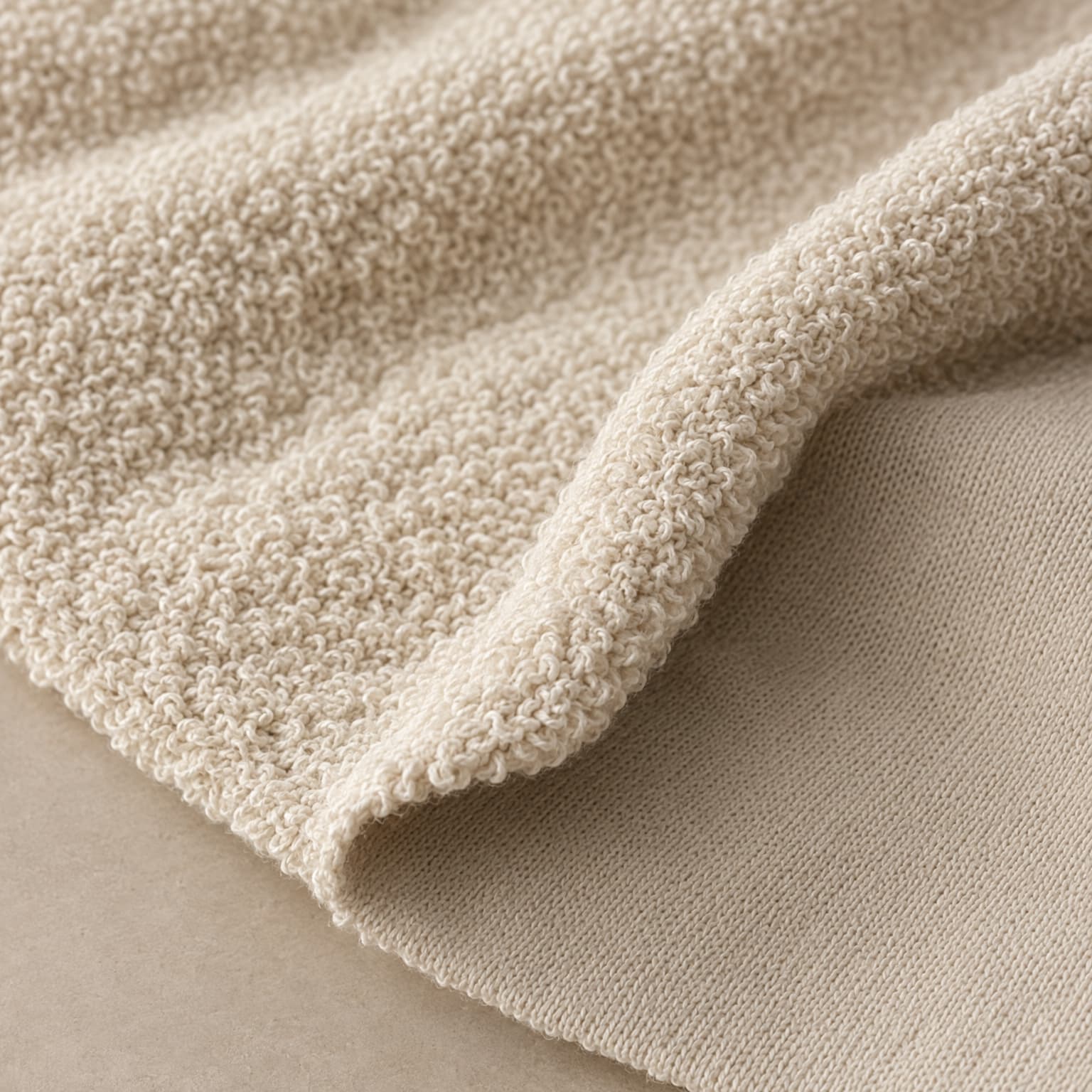
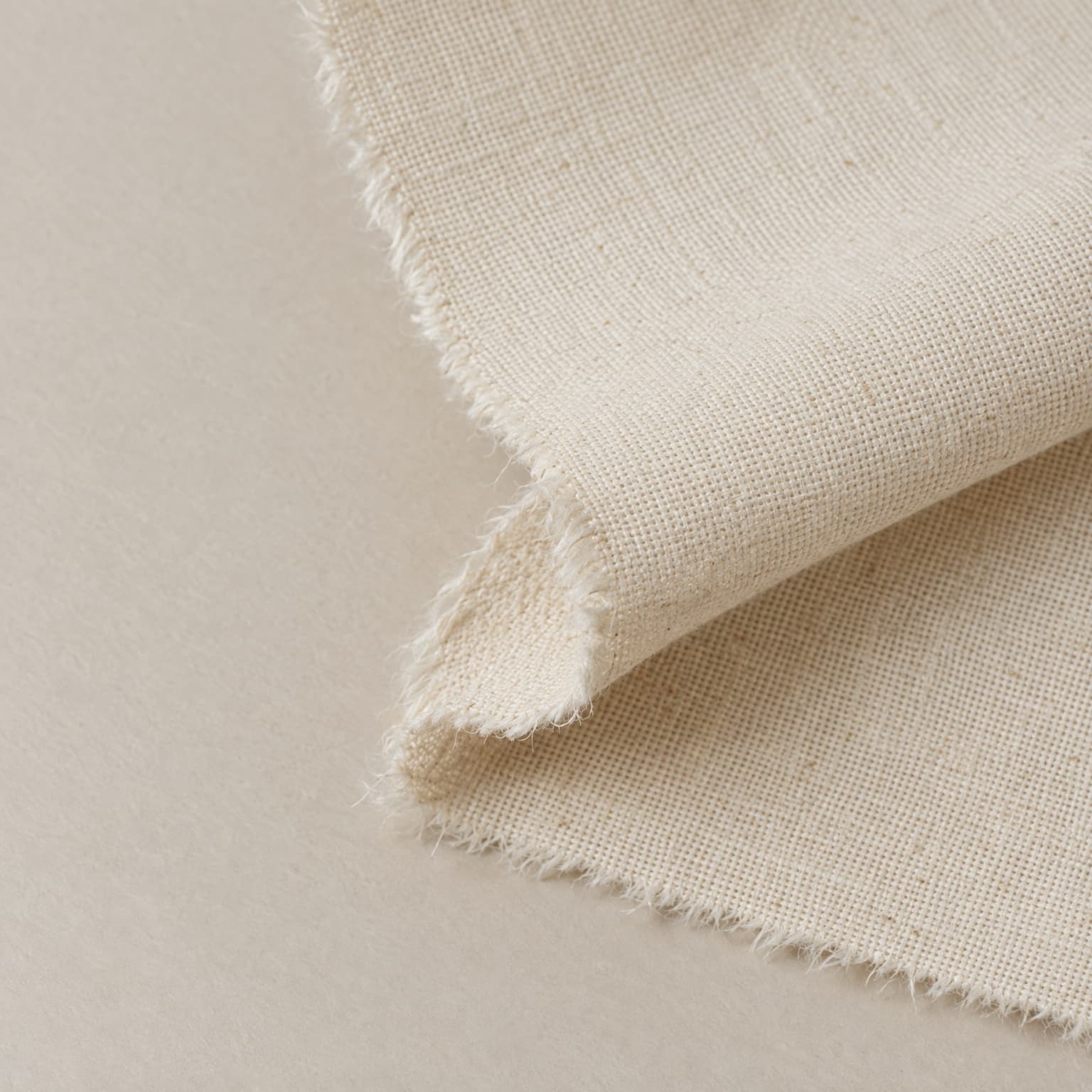
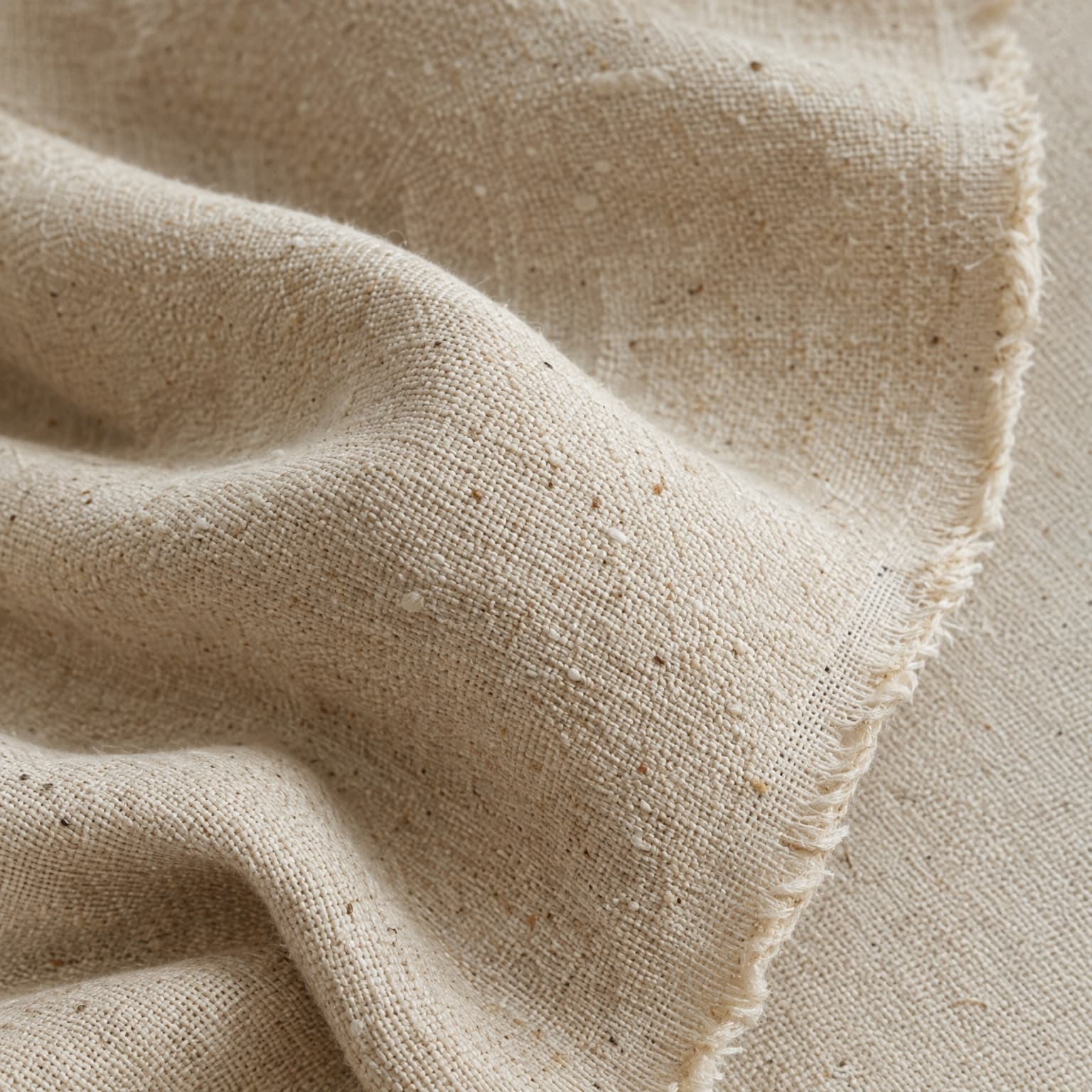
Not by itself. The hand feel of a cotton fabric depends on fibre length, yarn, knit or weave, weight and finishing. A well made regular cotton jersey can feel softer than a coarse organic one, and the reverse is also true. If softness matters, specify the yarn and construction rather than relying on the word organic.
Certification is what makes the claim
An organic claim needs evidence. Several schemes exist and they cover different things, so it is worth knowing which one you are asking for.
- GOTS, the Global Organic Textile Standard: covers organic fibre content and the processing, chemicals and social criteria across the production chain.
- OCS, the Organic Content Standard: verifies the amount of organic fibre in a product, without covering processing.
- Fibre certification at farm level: confirms the cotton was grown organically.
What changes for cost and minimums
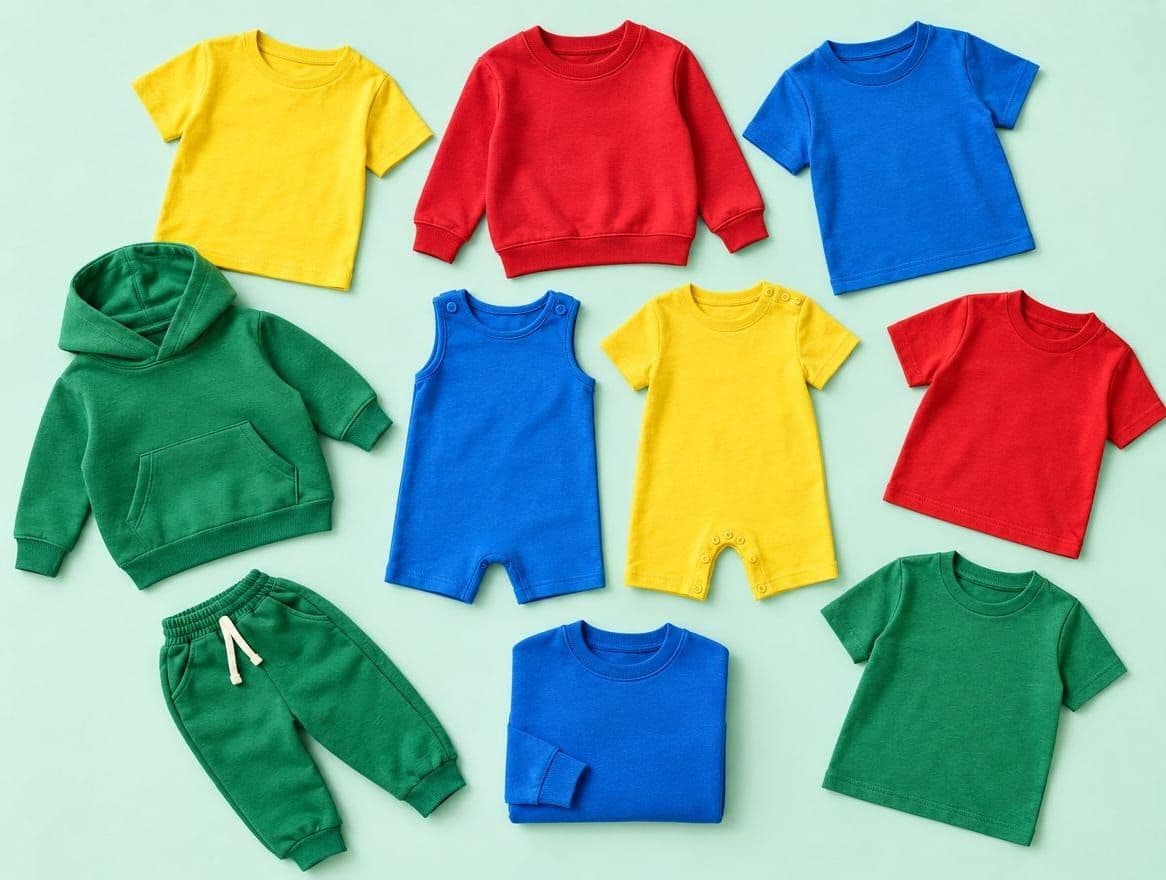
Certified organic supply chains are smaller than conventional ones. Fabric usually costs more, and the mill and dye house minimums can be larger, which pushes up the practical minimum order for custom colours. Stock organic fabric in standard colours is the easiest way to keep quantities low.
Availability depends on certified supply for the quality you want, so confirm it during technical review, before design decisions depend on it.
Labelling and claims
Do not print an organic claim, a certification logo or a percentage on a label unless you hold the evidence for that specific product. Each certification has its own rules for who may use the label, and a logo without a certificate number behind it is a compliance risk. Verify the certificate with the issuing body and keep a record of it.
When organic cotton makes sense
It is a good fit when:
- Your brand positioning or your retail customers require certified organic content.
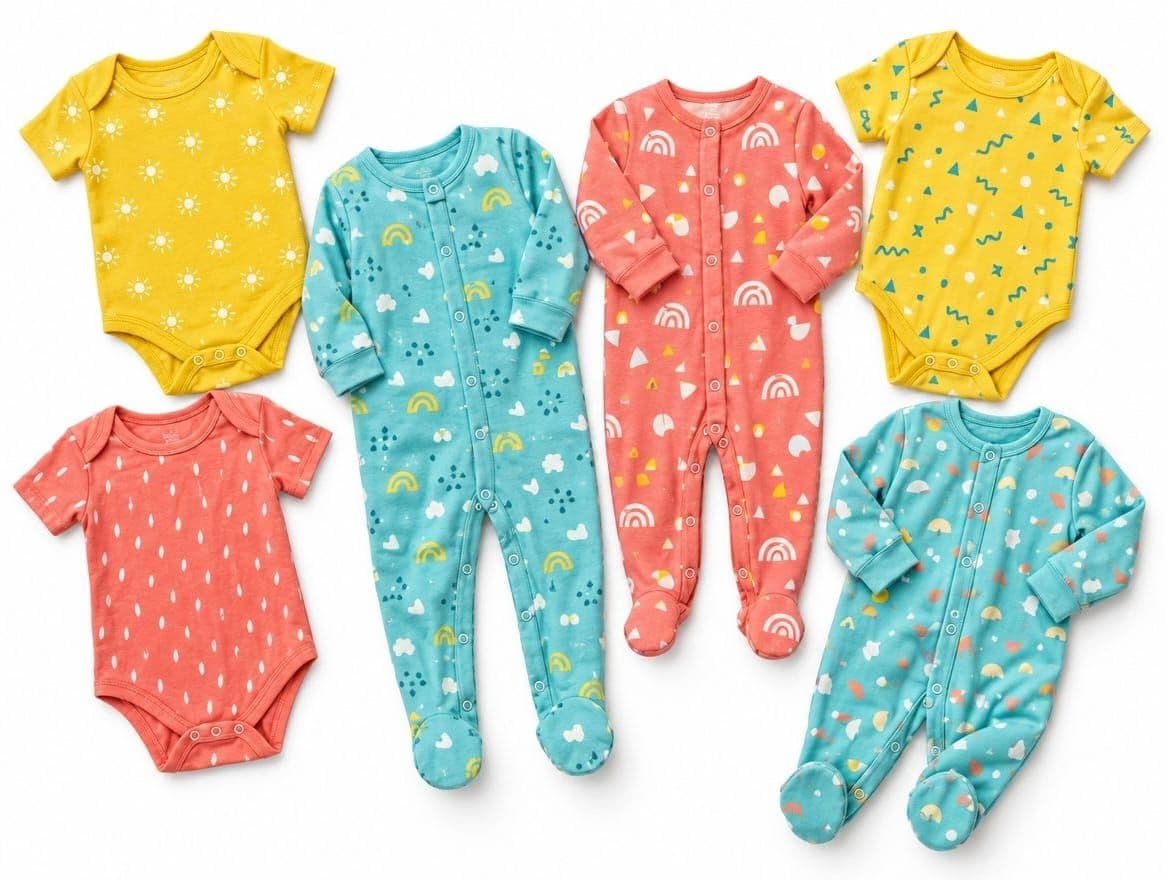
- You sell baby and children's clothing, where buyers often look for certified organic fibre.
- You are willing to plan for longer lead times and higher fabric minimums.