Prints
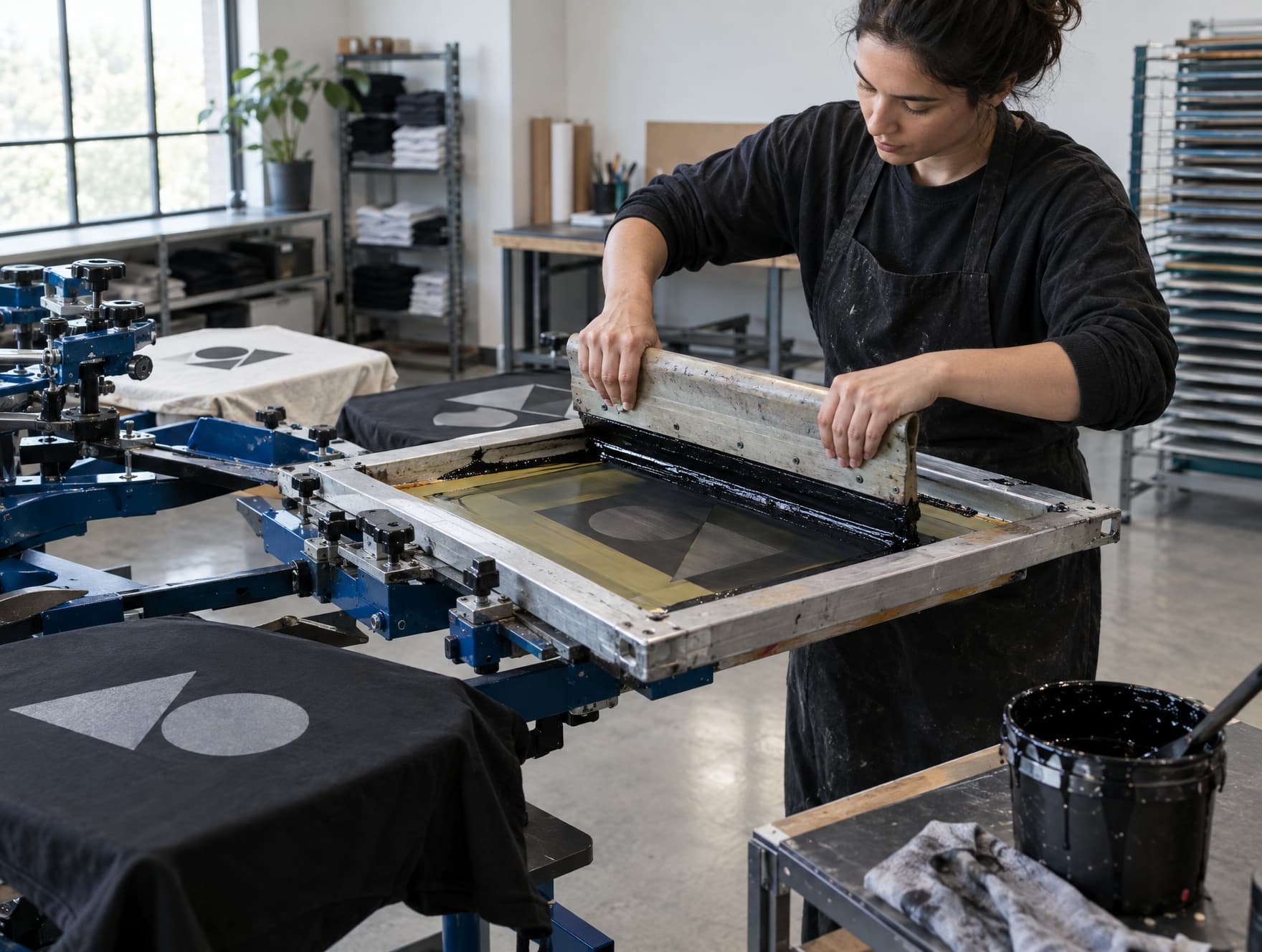
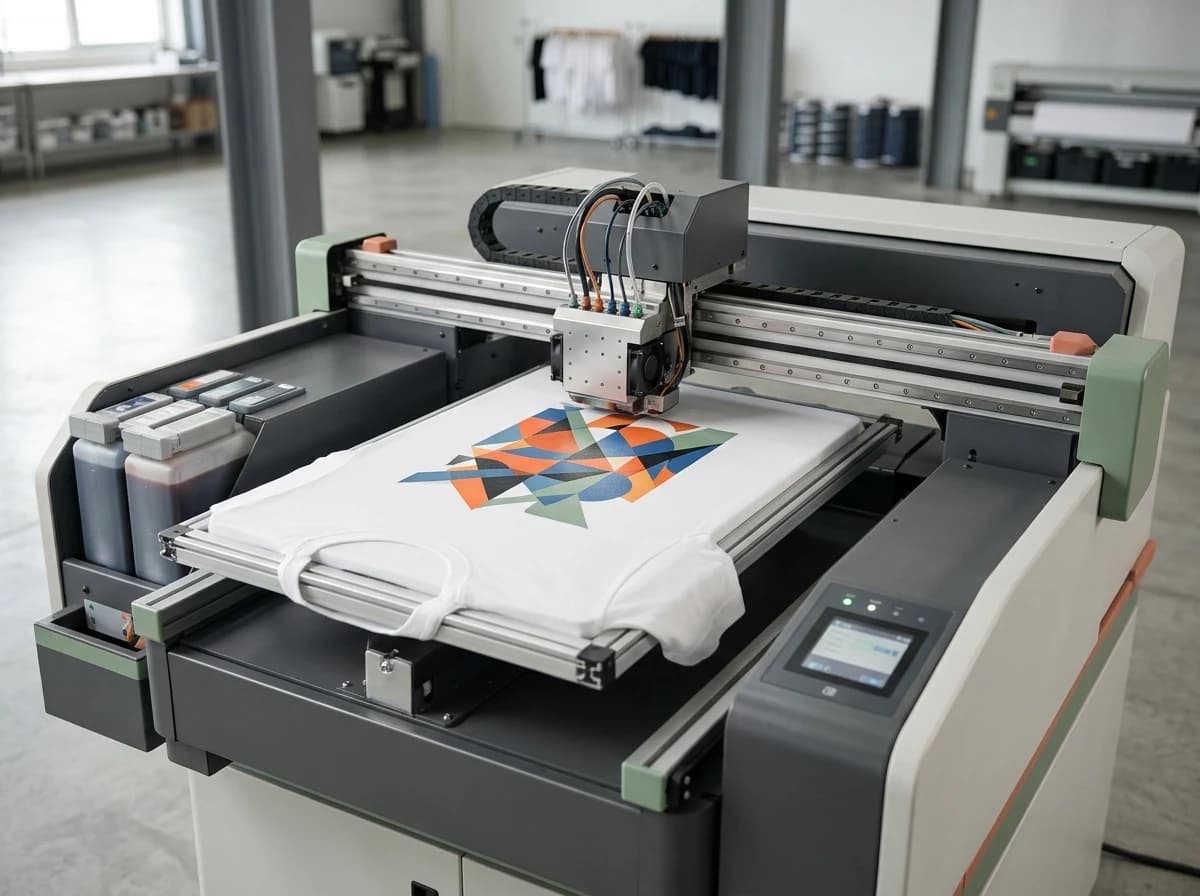
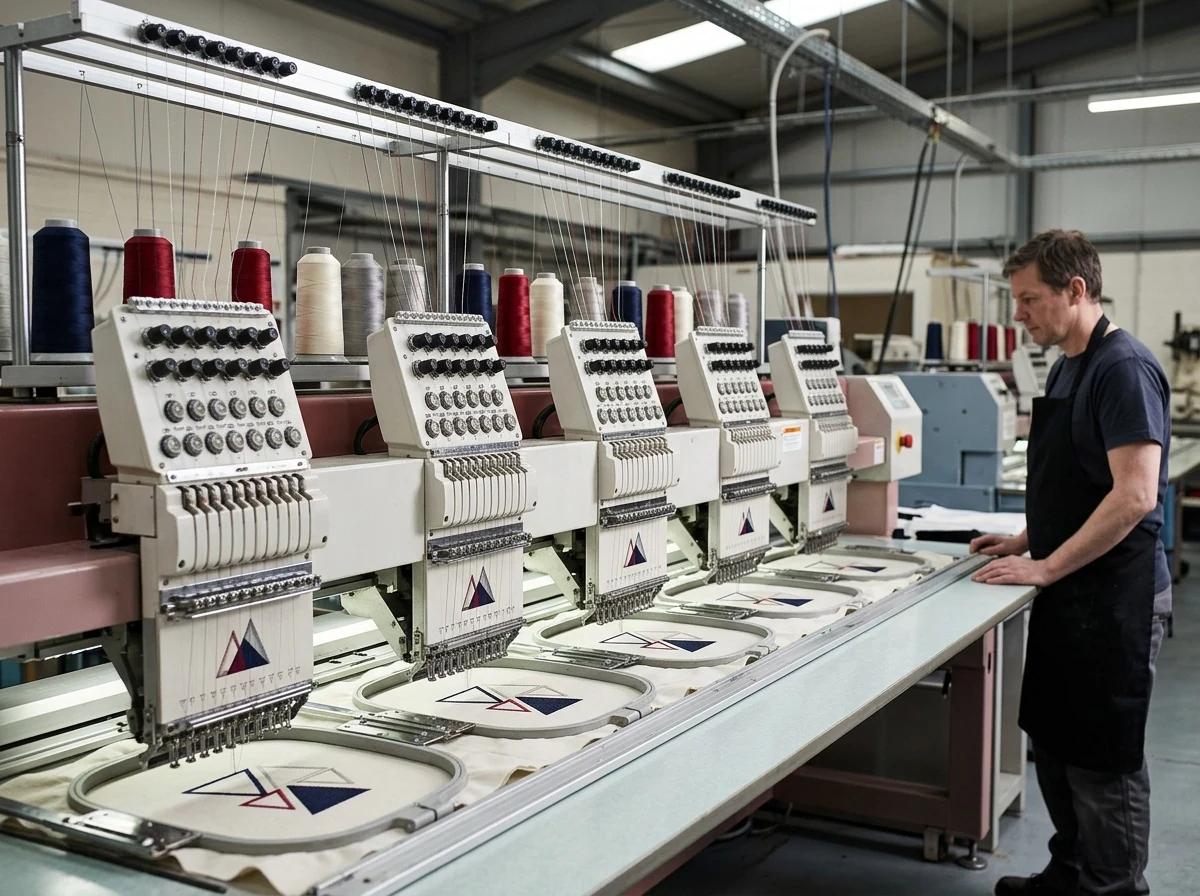
Supplier example- Method
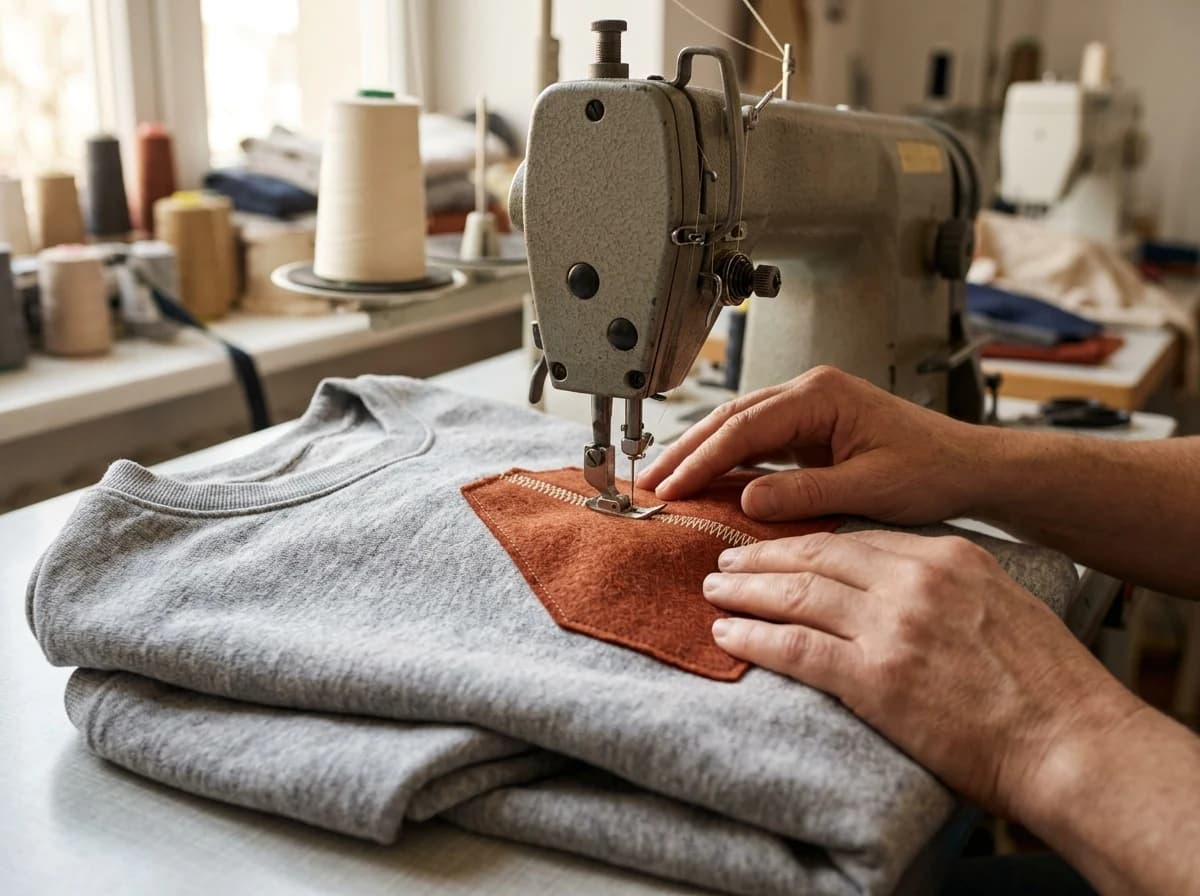
- Screen print or DTG
- Trade-off
- A soft hand matters against skin, and ink chemistry and restricted substance requirements for the destination are confirmed before bulk.
- Approve before bulk
- Wash test.
Loading page content
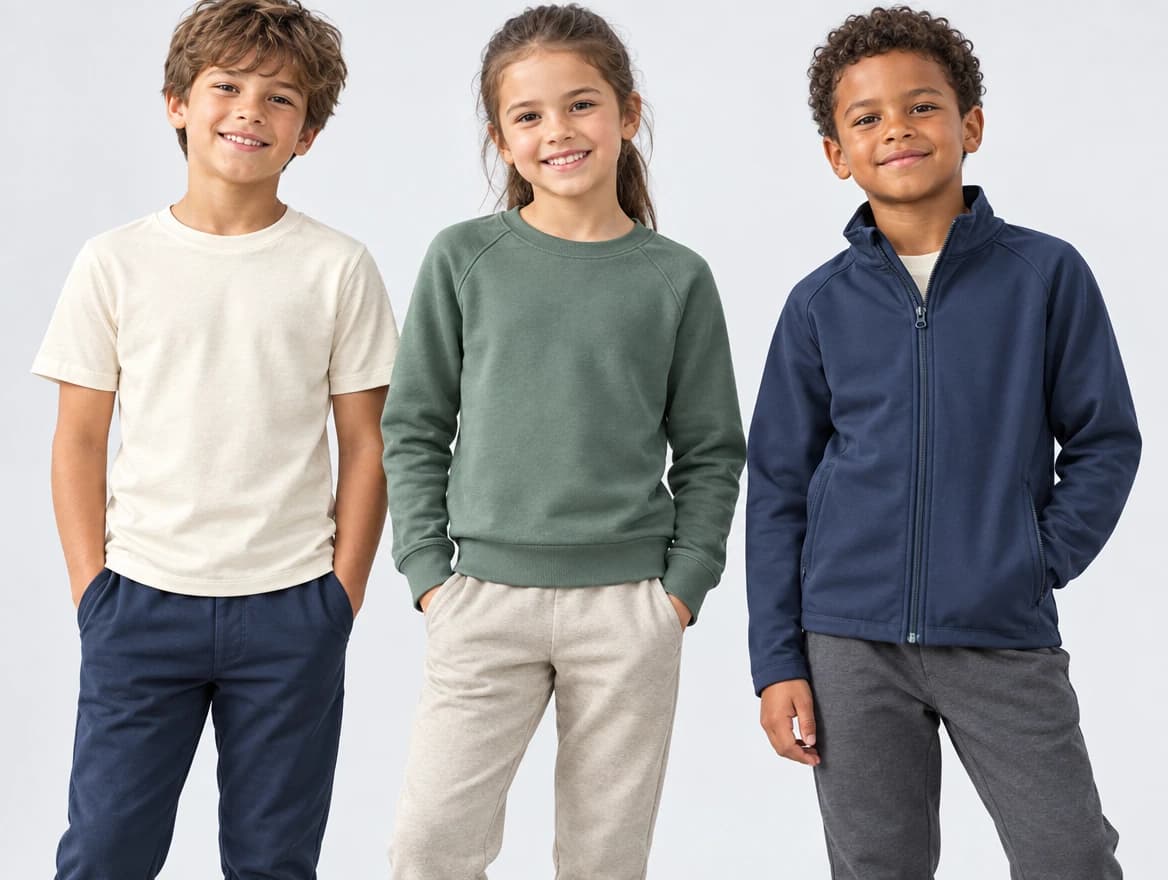
TextileWays manufactures children's and baby apparel: bodysuits, sleepsuits, tops, outerwear and trousers, with compliance-driven component selection built into the specification from the start rather than checked at the end.
Children's apparel is the category where compliance drives construction. Drawcords, small components, fastening strength and fabric chemistry are all regulated in the markets we serve, and the rules differ between them. Responsibility for confirming which standards apply to your product and market remains with you as the brand owner; what we do is make sure nothing in the construction quietly contradicts what you have specified.
Product types
Anything not listed can still be assessed on technical review.
Specification
Weight ranges are typical for this product. The finished weight of your fabric is confirmed on the approved sample rather than guaranteed to a figure.
Ranges are typical. The exact specification is confirmed on your approved sample before production.
Component-level guidance for children's clothing. Any ranges are indicative sourcing references, not guaranteed order specifications. Different components can need different fabrics, weights and units; the selected materials, construction and finished measurements are confirmed on the approved sample.
| Component | Weight, unit or setting | Construction choices | Check on the sample |
|---|---|---|---|
| Children's jerseyIndustry guidance | 150 to 190 gsm typical range. | Flatlock seams. | Pilling. |
| Children's fleeceIndustry guidance | 260 to 320 gsm typical range. | Drawcord free hoods. | Shrinkage. |
| Baby jerseyIndustry guidance | 160 to 200 gsm typical range. | Envelope necklines. | Softness. |
Decoration
Decoration is matched to the fabric and the artwork rather than applied by default.
Which method suits each placement on children's clothing, its trade-offs and what to approve before bulk. Compatibility is checked against the actual fabric, stretch, coating and heat tolerance; approval on one component does not establish suitability on another.
Materials
Composition, weight guidance and decoration compatibility for each fabric are on its own page.
What each part of children's clothing is usually made from, why, where it falls short and what to check. This is industry guidance, not a TextileWays specification: the fabric and components for your order are confirmed on technical review.
Ordering
None of these figures are published as a universal number, because none is true across every specification.
MOQ depends on material availability, colour count, construction and packaging. Children's ranges span many sizes, so the effective minimum is the per style minimum multiplied across the size range you intend to offer.
Component safety testing is planned into the sampling schedule rather than treated as a final step, because a failed fastener test after production is expensive to correct.
Lead time depends on the factors above rather than a single published figure. An indicative schedule is confirmed with your quotation.
Detailed product guidance
Materials, manufacturing routes and buying considerationsChildren's clothing is a compliance product. Components, fastenings and cords are regulated in the markets we serve, and the rules differ between them.
Made to your size chart, with soft fabrics and finishing chosen for repeated washing.
Polos, sweatshirts and trousers developed for children's sizing and daily wear.
Soft, stable fabrics suit children, who wear clothes hard and wash them often.
Typical fabrics are chosen for handfeel, durability and washing behaviour.
Buttons, snaps, zips and cords are chosen with children's safety rules in mind.
We build safety requirements into the specification and coordinate testing where evidence is required.
Examples include CPSIA in the USA and EN 14682 for cords in Europe. You confirm which standards apply to your product.
A developed basic can be branded with your labels and packaging (ODM, often called white label).
Children's sizing covers a wide range, so grading and fit matter.
Age ranges are graded and checked on samples.
Size labelling follows the convention of your destination market.
Sizing, fit and finishing are approved on a sample before bulk production.
Fit and construction are approved before production.
Small first runs are possible after technical review.
Children's clothing carries more rules than adult clothing, because small parts, cords and chemicals matter more for young wearers. The rules also differ between the USA, UK, EU and Australia, so a garment designed for one market may need changes for another.
Buttons, snaps, toggles and drawcords are the usual points of concern, since they can detach or snag. We choose components with the relevant rules in mind, and we flag any element of your design that is likely to conflict with them before sampling.
Responsibility for confirming which standards apply to your product and market stays with you as the brand owner. What we do is coordinate testing where evidence is required and make sure nothing in the construction contradicts what you specified.
Size, fibre content and care labelling follow the conventions of your destination market, printed to the wording you approve.
Children's ranges tend to sell in sets and in repeated sizes, so a manufacturer has to keep fit and colour consistent across the range.
Tees, sweatshirts, hoodies, trousers and leggings in soft knits are the backbone of a children's range. Fabric is chosen for softness and washing behaviour, and fit is graded across the age range.
Polos, sweatshirts and trousers for schools follow the uniform logic of colour matching and durability. Children's schoolwear is often reordered, so approved samples are kept.
Questions
We build labelling into the specification and apply exactly what you approve, including fibre content, care symbols, country of origin and identification details. Responsibility for confirming what your market and your product category legally require stays with you as the brand owner. We flag anything that looks inconsistent before production.
Sampling normally runs in stages: a proto sample to confirm construction, a fit sample against your measurement chart, and a pre production sample that fixes fabric, colour, decoration, labelling and packaging. Each stage needs written approval before the next one starts. Sample charges and courier costs are quoted before work begins.
Minimum order quantity depends on material availability, colour count, construction, decoration and packaging. Projects can begin from approximately 50 pieces per style following technical review. Where a fabric has to be knitted or dyed specifically for a project, the practical minimum is set by the mill rather than by us, and we tell you that before you commit.
Share your product details, target quantity and delivery requirements. We will confirm feasibility, materials and construction before quoting.
Contact our team