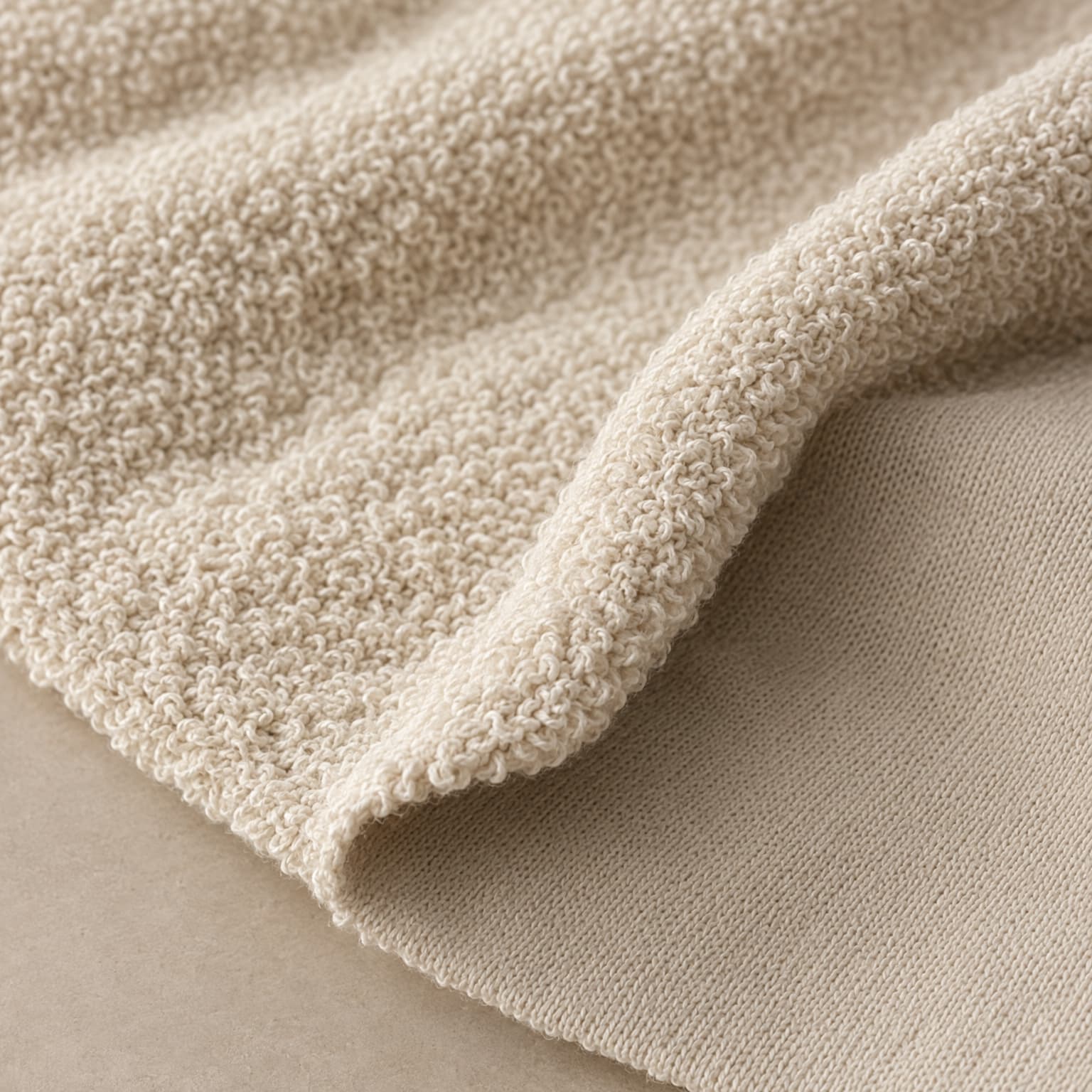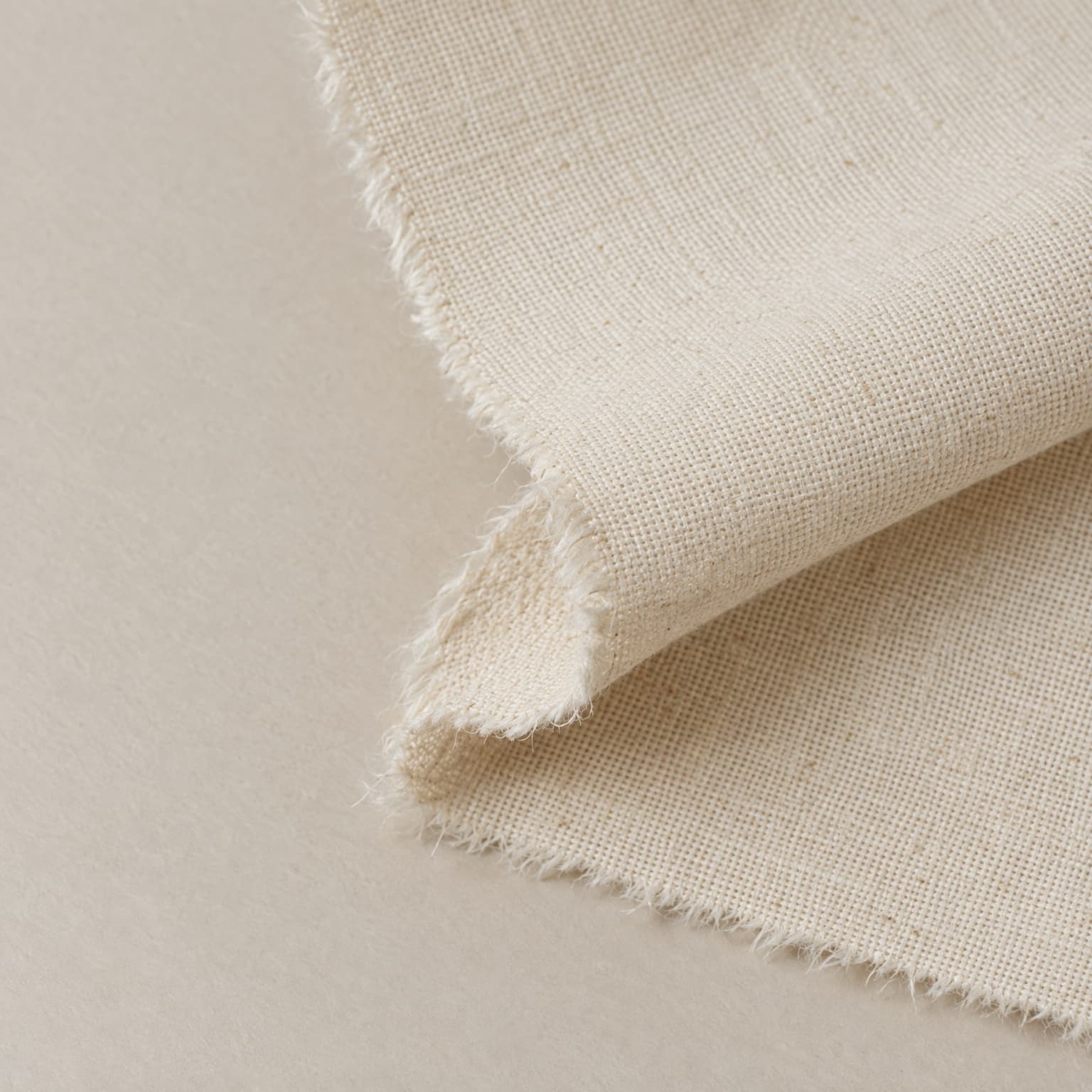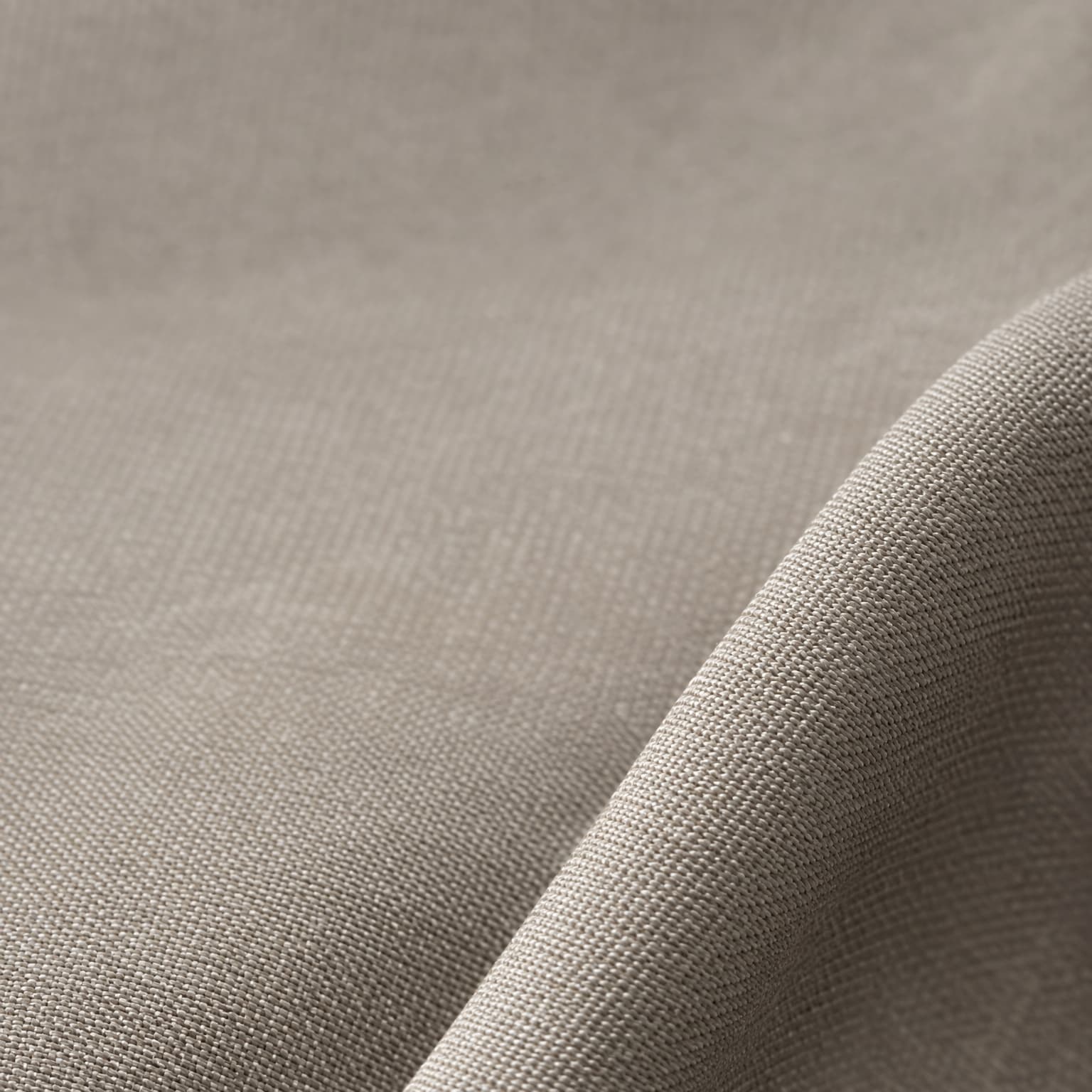
Two different kinds of fibre
Cotton is a natural fibre from the cotton plant. Polyester is a synthetic fibre made from petroleum based polymers, or from recycled plastic in the case of recycled polyester. That difference in origin explains most of how the two fabrics behave.
Comfort and breathability
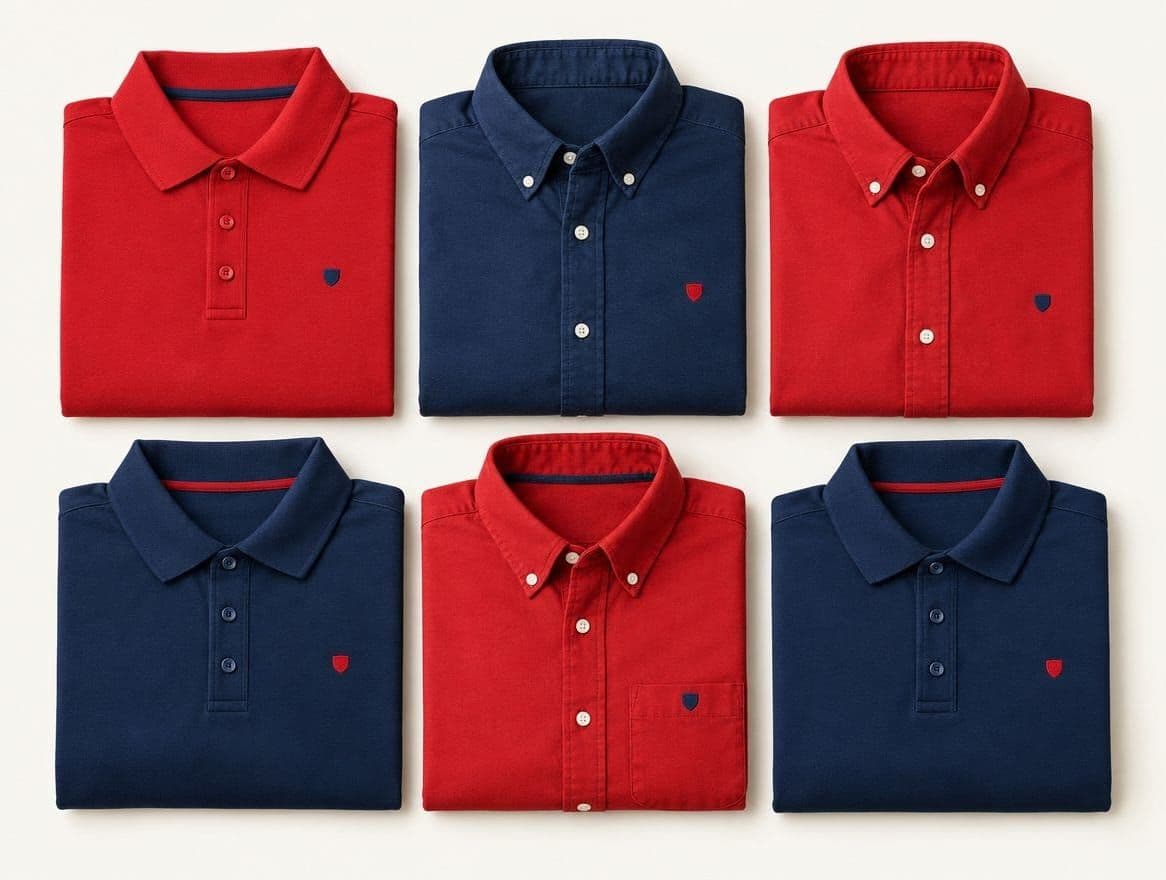
Cotton absorbs moisture and feels soft against the skin, which suits everyday wear and sleepwear. When it becomes wet it stays wet and can feel heavy.
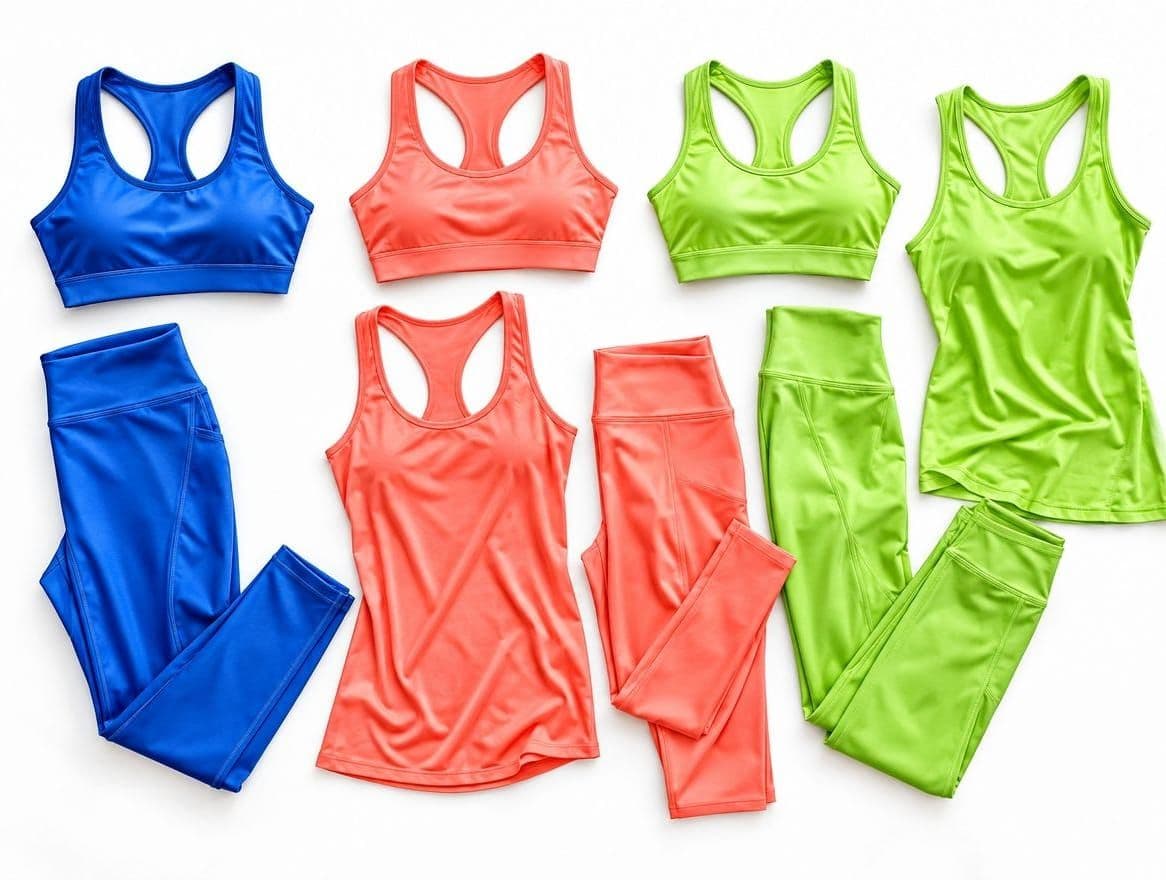
Polyester does not absorb much water. Moisture moves along the surface and evaporates, which is why it is used for sport. The tradeoff is that some polyester fabrics feel less breathable and can hold odour more than cotton unless they are treated.
Durability and care
Polyester is strong, resists shrinking and stretching, and holds its shape through repeated washing. It dries quickly and wrinkles little.
Cotton is durable when well made but can shrink, fade and wrinkle. Pre shrinking and garment washing reduce these effects.
- Shrinkage: cotton relaxes and shrinks, polyester barely moves.
- Wrinkling: cotton wrinkles easily, polyester resists.
- Drying time: polyester dries much faster.
- Static: polyester can build static, cotton does not.
Printing and decoration
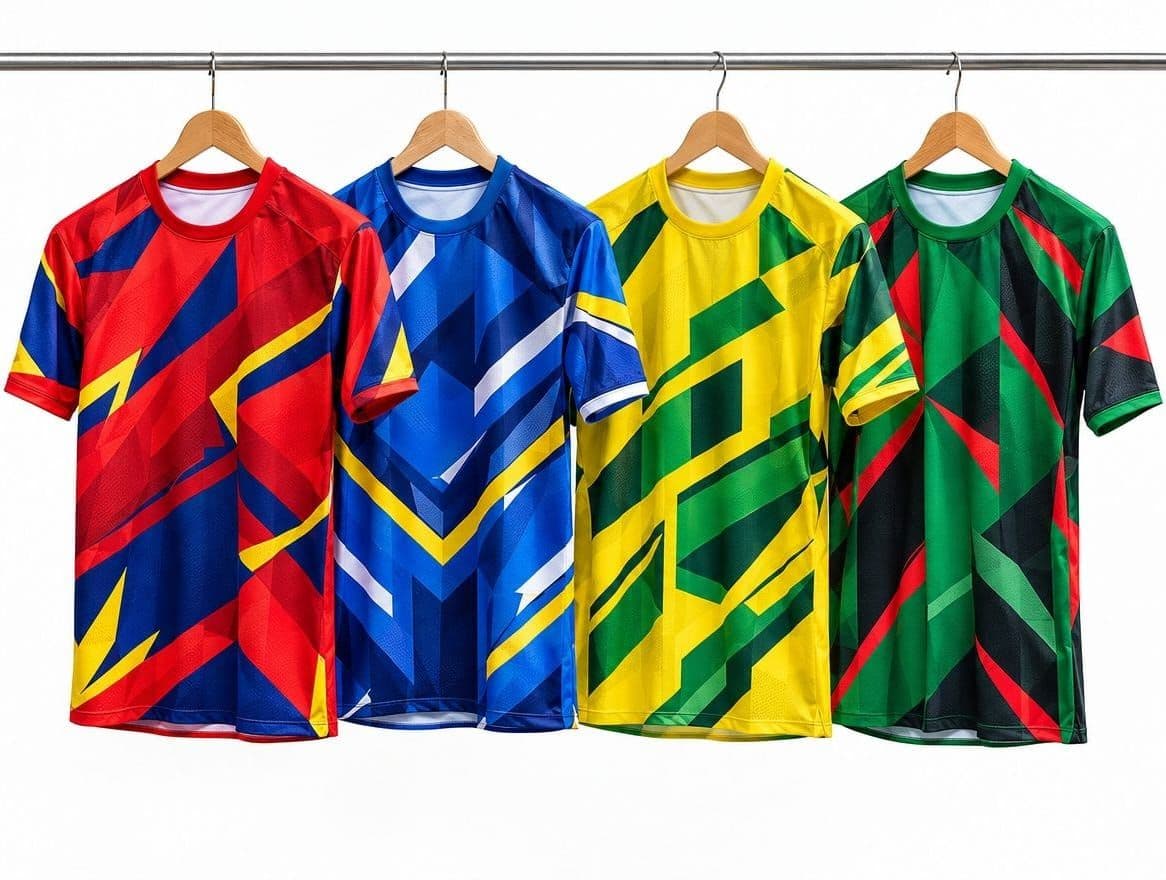
The fibre decides which decoration methods work. Sublimation printing transfers dye into polyester fibres, so it works on polyester and high polyester blends, and works best on light colours. Screen printing, DTF and embroidery work on both cotton and polyester, although some inks and settings need adjusting for synthetic fabrics.
Cotton polyester blends
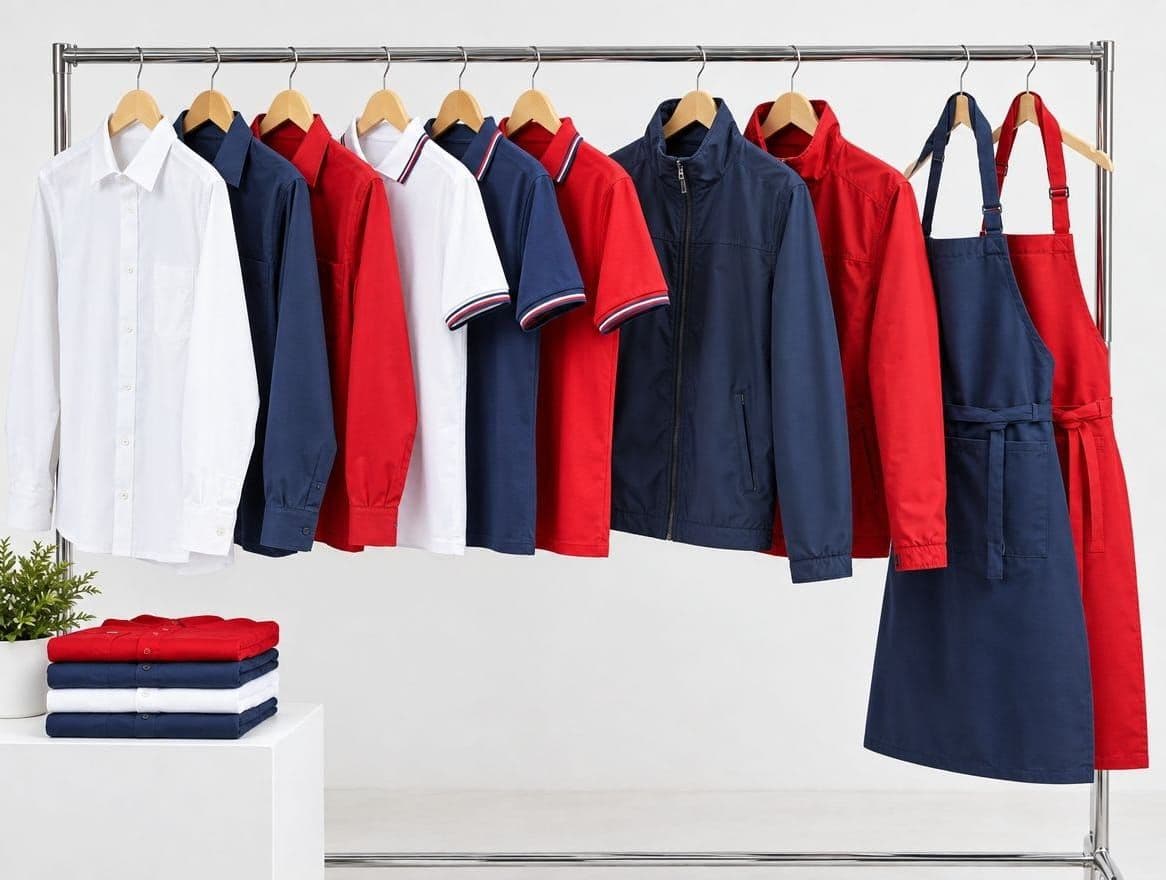
Blends sit between the two. Adding polyester to cotton improves durability, reduces shrinkage and wrinkling and speeds drying, while the cotton keeps some softness and breathability. That is why blends are common in uniforms, workwear and promotional garments that are washed often.
Which should you choose
Start with the use of the garment.
- Activewear, teamwear and jerseys: polyester or a polyester elastane blend.
- Everyday t-shirts, sweatshirts and sleepwear: cotton or a cotton rich blend.
- Uniforms and workwear that are laundered often: a cotton polyester blend.
- Garments with full colour sublimated graphics: polyester.
A note on sustainability
Neither fibre is simply better for the environment. Cotton uses land and water, while polyester sheds microfibres and depends on petroleum unless it is recycled. Recycled polyester and organic cotton are common alternatives, and any environmental claim should be supported by a certificate or a test, not a label alone.