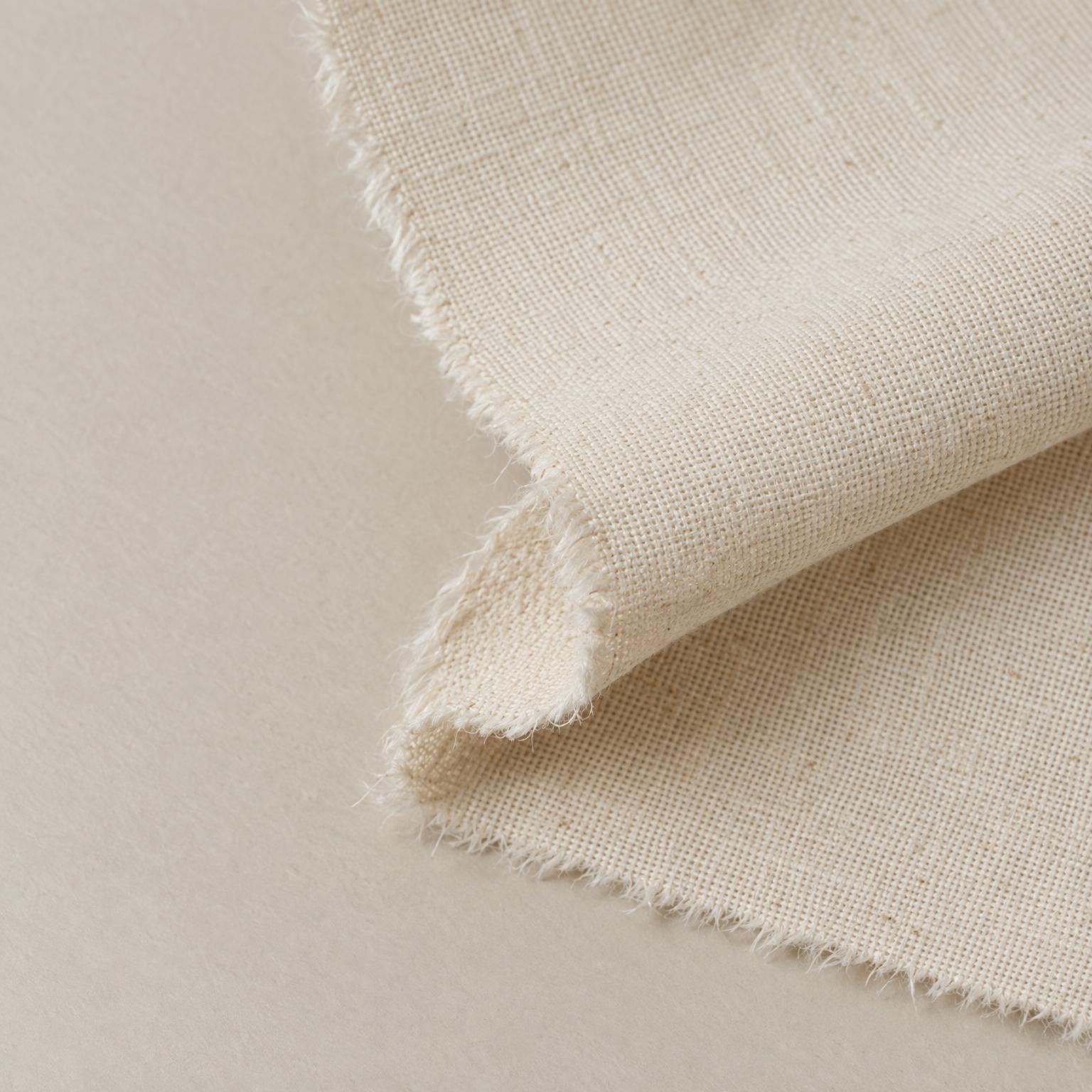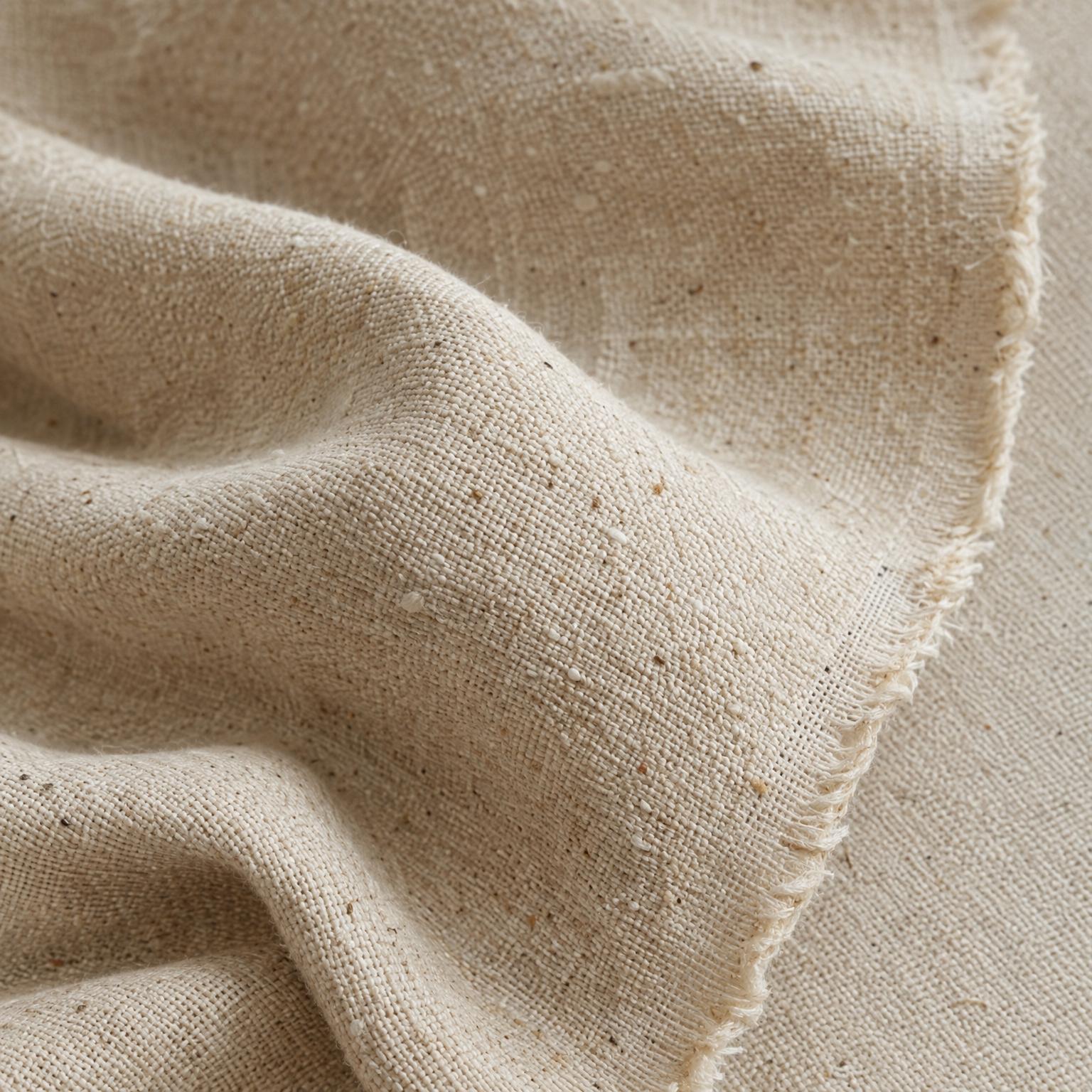
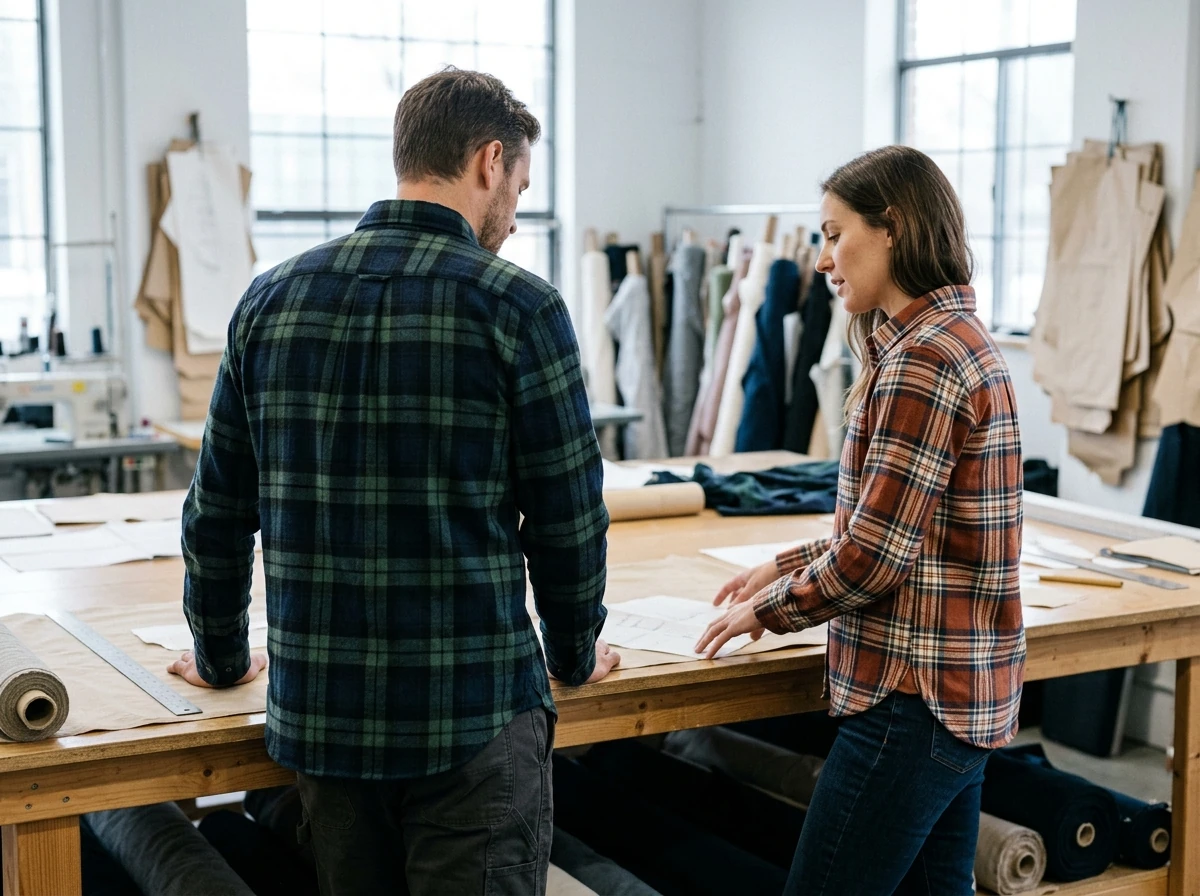


Chest or sleeve patches
Supplier example- Method
- Woven patch
- Trade-off
- The napped surface softens fine detail from printing.
- Approve before bulk
- Test on the flannel.
Loading page content
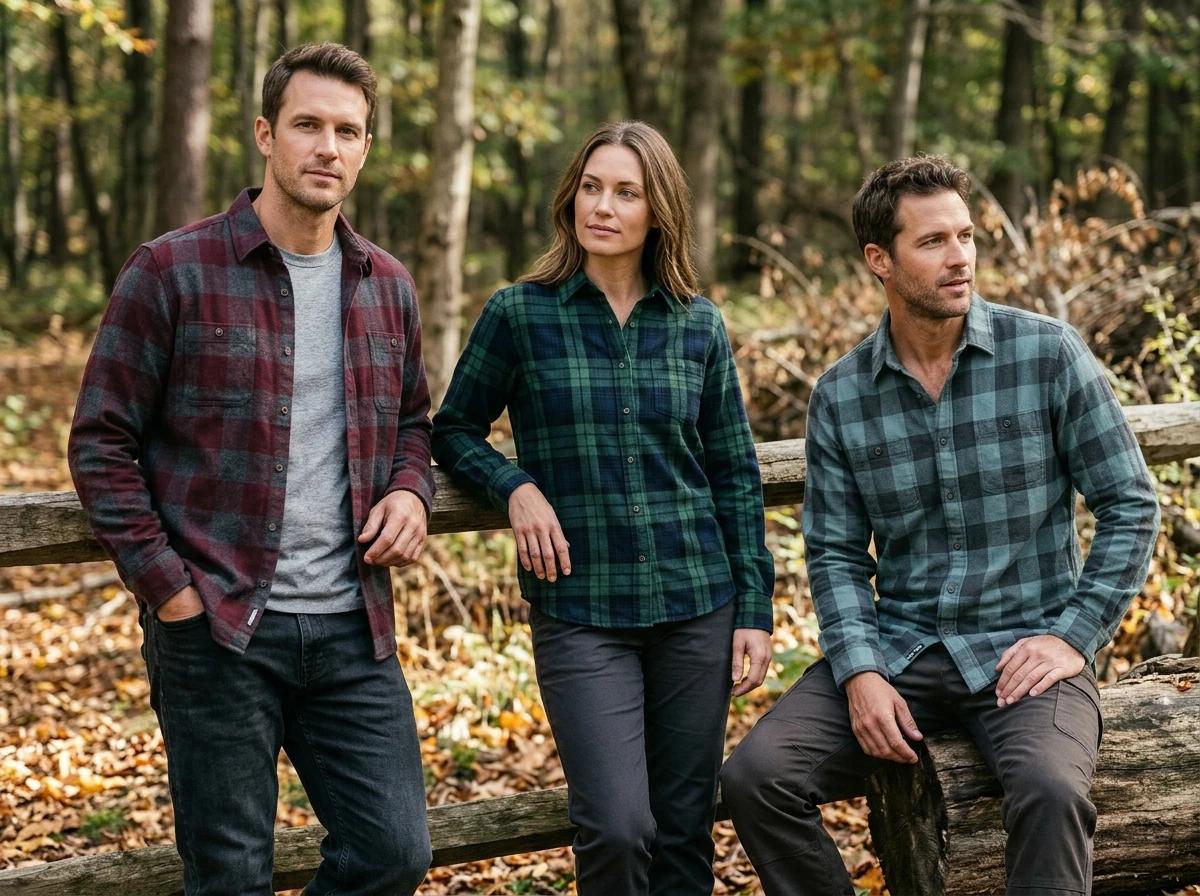
TextileWays manufactures flannel shirts for fashion and outdoor brands and retailers: brushed cotton check shirts, overshirts and shackets in yarn dyed checks and solids, made to your pattern or a developed block.
Flannel is judged by handfeel, the clarity of its checks and how it behaves in the wash. The brushed surface can shrink and pill, checks must line up across the placket, pocket and yoke, and the shirt has to keep its shape after repeated laundering. All of that is approved on a sample, and measurements are recorded before and after washing.
A shirt can be developed from your own design (OEM) or from a developed block that you brand as your own (ODM, often called white label or private label), with approved checks, patterns and fabrics retained for reorders.
Product types
Anything not listed can still be assessed on technical review.
Specification
Weight ranges are typical for this product. The finished weight of your fabric is confirmed on the approved sample rather than guaranteed to a figure.
Ranges are typical. The exact specification is confirmed on your approved sample before production.
Component-level guidance for flannel shirts. Any ranges are indicative sourcing references, not guaranteed order specifications. Different components can need different fabrics, weights and units; the selected materials, construction and finished measurements are confirmed on the approved sample.
| Component | Weight, unit or setting | Construction choices | Check on the sample |
|---|---|---|---|
| Brushed flannelIndustry guidance | 140 to 200 gsm typical range, with heavier flannels such as 6.4 oz (about 217 gsm) and 8 oz (about 271 gsm) listed by suppliers; confirm the actual weight. | Matched checks, interlined collar and cuffs. | Shrinkage and nap wear. |
| Overshirt flannelIndustry guidance | 200 to 300 gsm typical range. | Flat felled seams. | Pilling and surface wear. |
Decoration
Decoration is matched to the fabric and the artwork rather than applied by default.
Which method suits each placement on flannel shirts, its trade-offs and what to approve before bulk. Compatibility is checked against the actual fabric, stretch, coating and heat tolerance; approval on one component does not establish suitability on another.
Materials
Composition, weight guidance and decoration compatibility for each fabric are on its own page.
What each part of flannel shirts is usually made from, why, where it falls short and what to check. This is industry guidance, not a TextileWays specification: the fabric and components for your order are confirmed on technical review.
Ordering
None of these figures are published as a universal number, because none is true across every specification.
MOQ depends on material availability, colour count, construction, decoration and packaging. Yarn dyed check patterns are set at the loom rather than in finishing, which affects practical minimums. Flannel shirts in stock check fabric can begin from approximately 50 pieces per style following technical review.
A sample is made in the real flannel so you can judge handfeel, check alignment and collar construction together. Shrinkage is recorded on the sample, and measurements are checked after washing before bulk is cut.
Lead time depends on the factors above rather than a single published figure. An indicative schedule is confirmed with your quotation.
Detailed product guidance
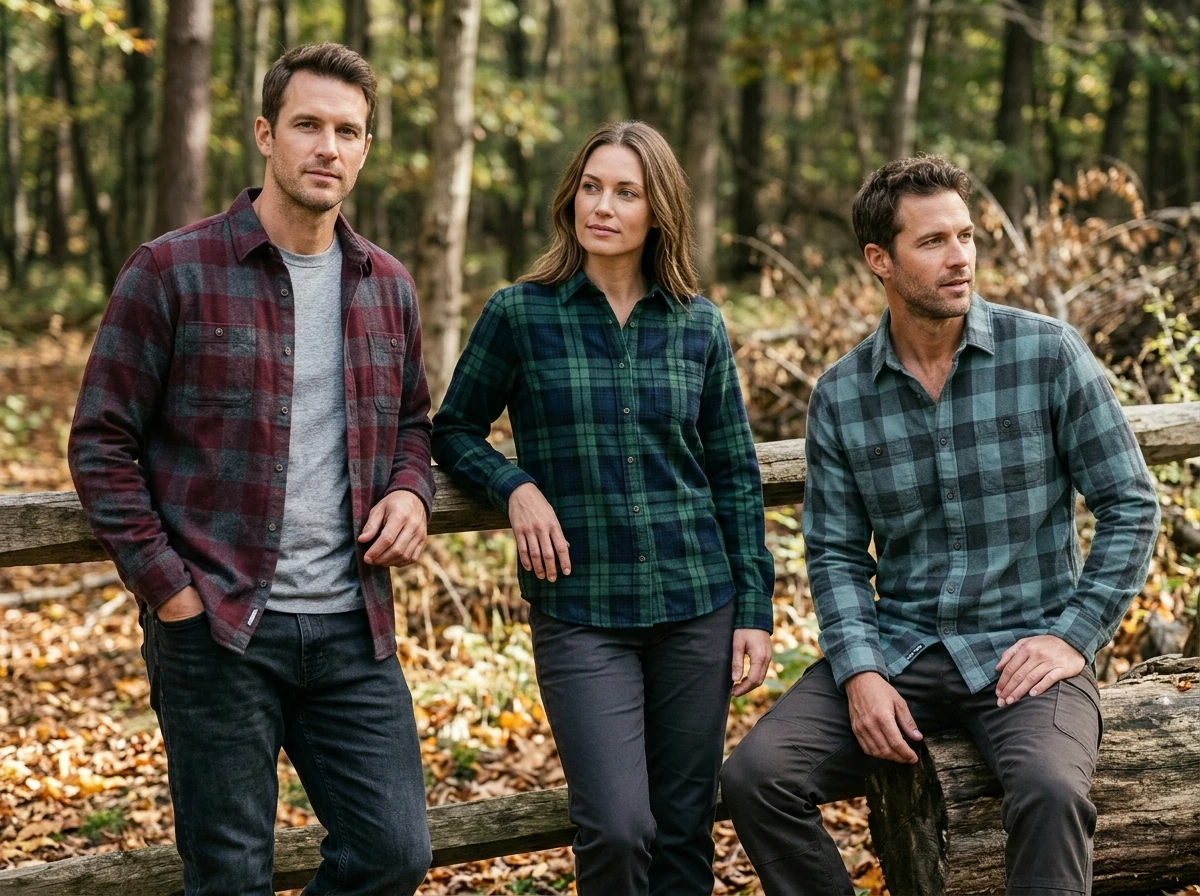
Materials, manufacturing routes and buying considerationsFlannel shirts are bought for autumn and winter and judged by handfeel and the clarity of their checks. They are a seasonal product that also reorders well when it sells.
Brands want a developed block and a distinctive check, using a private label or white label route to shorten development.
Outdoor labels want durable flannel and overshirts with clean construction and a consistent shade across a large order.
Retailers want consistent sizing and check alignment across seasons, which depends on retained patterns and fabric standards.
The brushed surface gives flannel its softness, but it also shrinks and pills, so fabric is chosen with care and tested before bulk.
Brushed cotton flannel typically runs at about 140 to 200 gsm, with heavier fabric at roughly 200 to 300 gsm for overshirts and shackets.
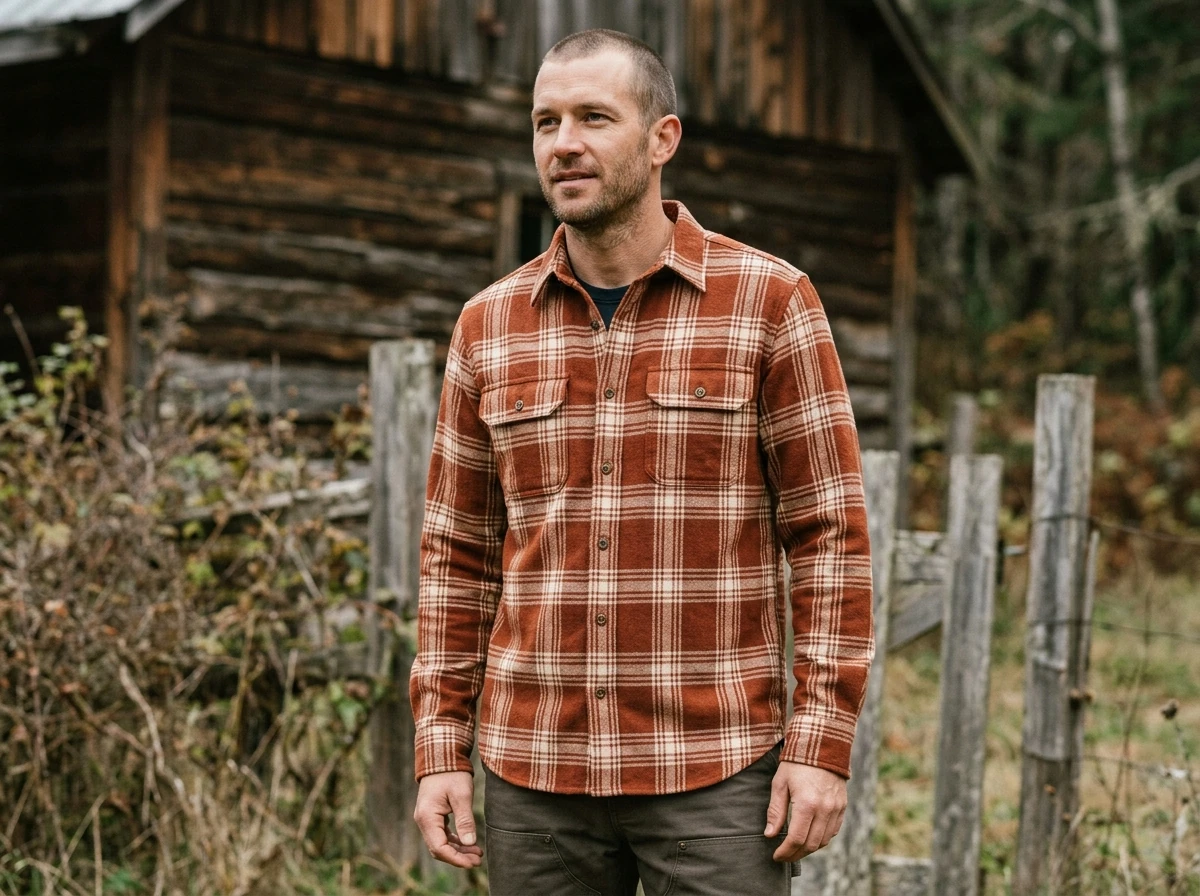
Checks are yarn dyed and set at the loom rather than in finishing, so check design and colour are approved early and affect practical minimums.
Shrinkage and pilling are assessed on the sample, and measurements are checked after washing before bulk is cut.
A check shirt makes any pattern error obvious, so matching and symmetry are inspected on every style.
Checks are matched across the placket, pocket and yoke, and misalignment is inspected on the sample and in bulk.
Collar and cuff interlining, chest pockets with matched or contrast checks and flat felled seams are specified on the sample.
Pre washed or garment washed finishing can be specified, and its effect on handfeel and shrinkage is approved before bulk.
Flannel is ordered ahead of the cold season, so fabric and check development are scheduled early.
Flannel shirts in stock check fabric can begin from approximately 50 pieces per style following technical review, with capacity beyond 100,000 pieces.
A sample in the real flannel lets you judge handfeel, check alignment and collar construction together.
Approved checks, patterns and fabric standards are retained so a popular shirt can be reordered next season.
Questions
Minimum order quantity depends on material availability, colour count, construction, decoration and packaging. Projects can begin from approximately 50 pieces per style following technical review. Where a fabric has to be knitted or dyed specifically for a project, the practical minimum is set by the mill rather than by us, and we tell you that before you commit.
Sampling normally runs in stages: a proto sample to confirm construction, a fit sample against your measurement chart, and a pre production sample that fixes fabric, colour, decoration, labelling and packaging. Each stage needs written approval before the next one starts. Sample charges and courier costs are quoted before work begins.
An approved pre production sample and the signed specification become the reference for repeat orders. Reorders are checked against that reference rather than reinterpreted, which is what keeps a second run consistent with the first. Where a fabric or trim has changed availability, we tell you before production instead of substituting quietly.
Yes. Private label production covers your main label, care and content labels, size labels, hangtags, barcodes and packaging. You supply the brand assets and the legally required care and fibre content information for your market, and we apply them to the approved specification.
Pick a design as your starting point. Colours, fabric and branding are set in the quote.
 Navy housekeeping tunic with gold trimAsk for this design
 Navy management jacket with gold pipingAsk for this design
 Light blue stretch shirt with navy trousersAsk for this design
 Navy reception jacket with gold pipingAsk for this design
Sampling comes before bulk. From approximately 50 pieces per style, subject to technical review.
Tell us your designShare your product details, target quantity and delivery requirements. We will confirm feasibility, materials and construction before quoting.
Contact our team