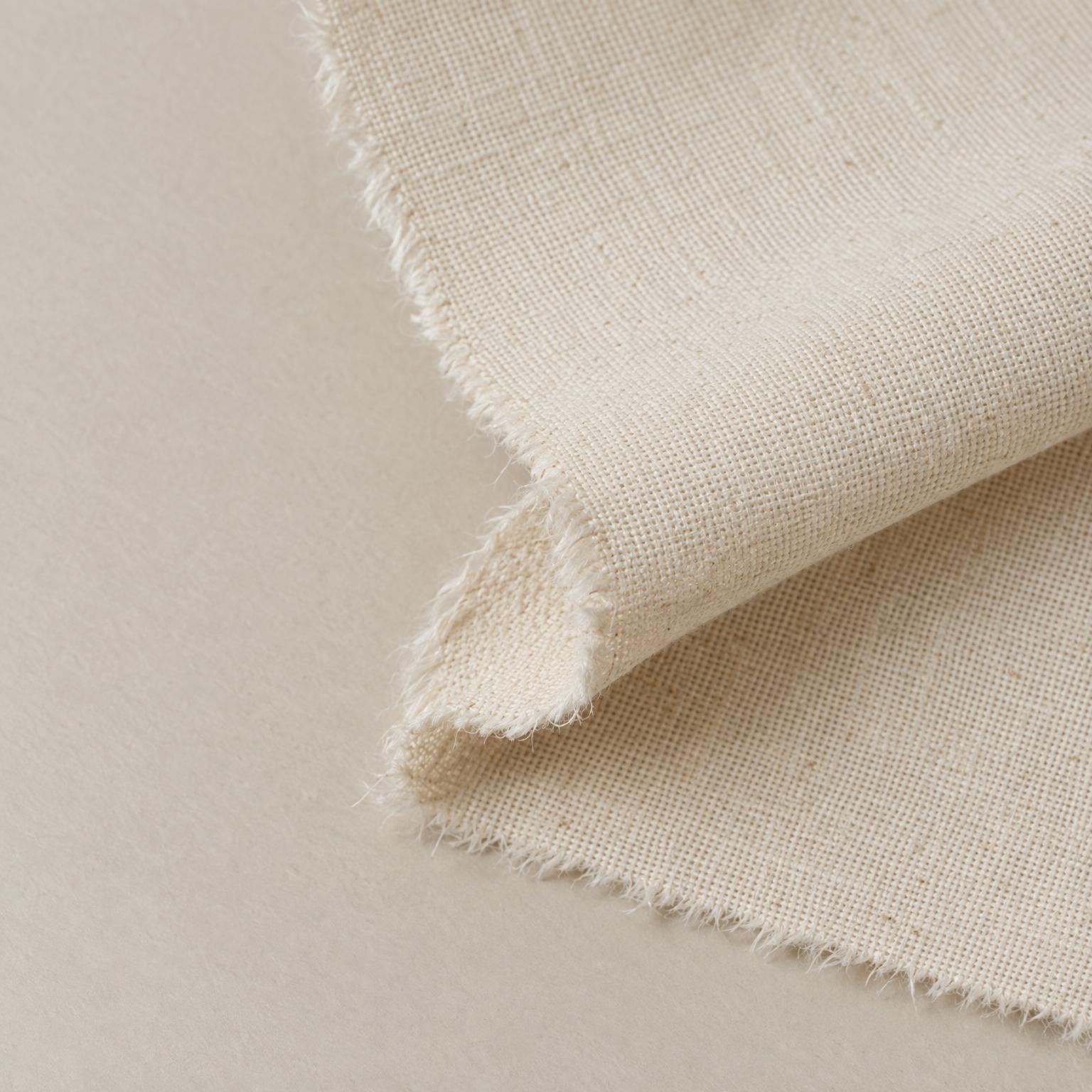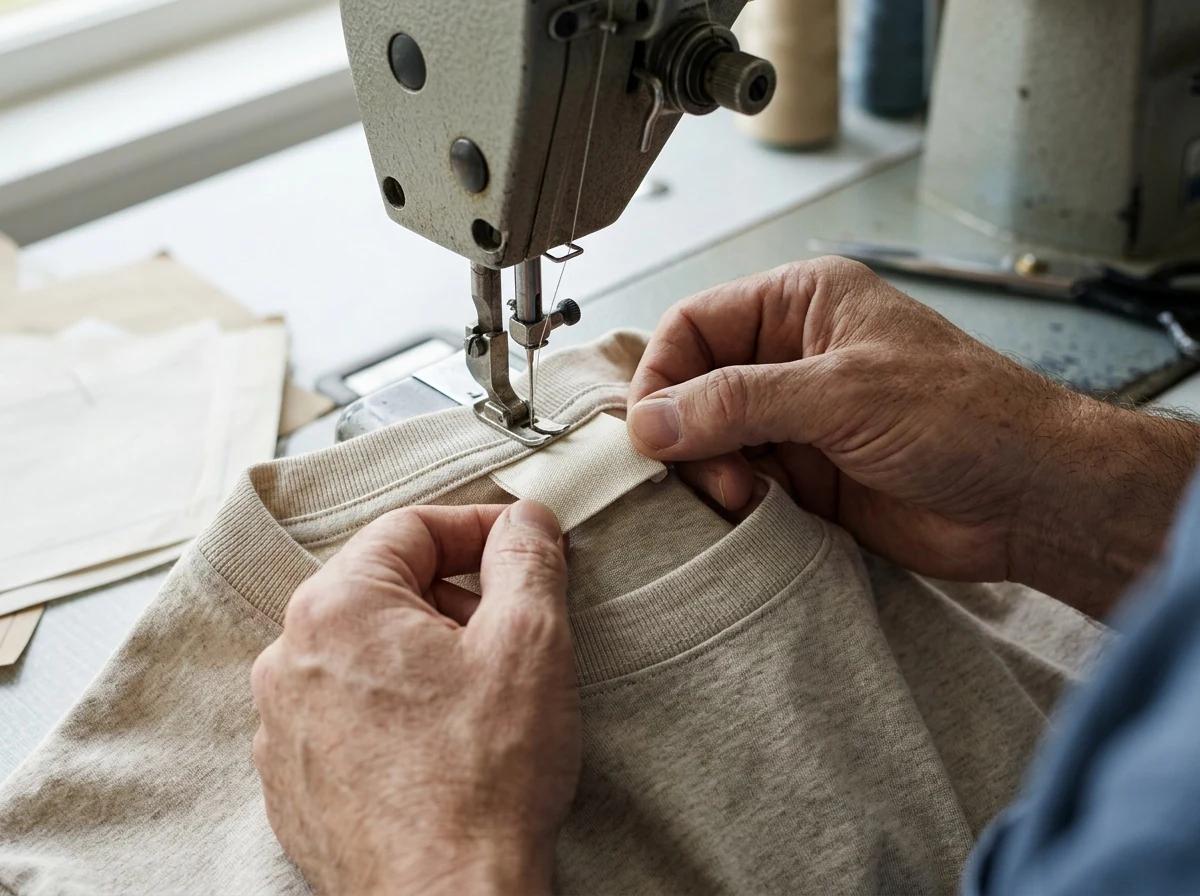


Chest and leg marks
Supplier example- Method
- Embroidery, screen print, DTF or DTG
- Trade-off
- Soft knits show bulk from embroidery and stiff prints.
- Approve before bulk
- Test on the real knit.
Loading page content
Product
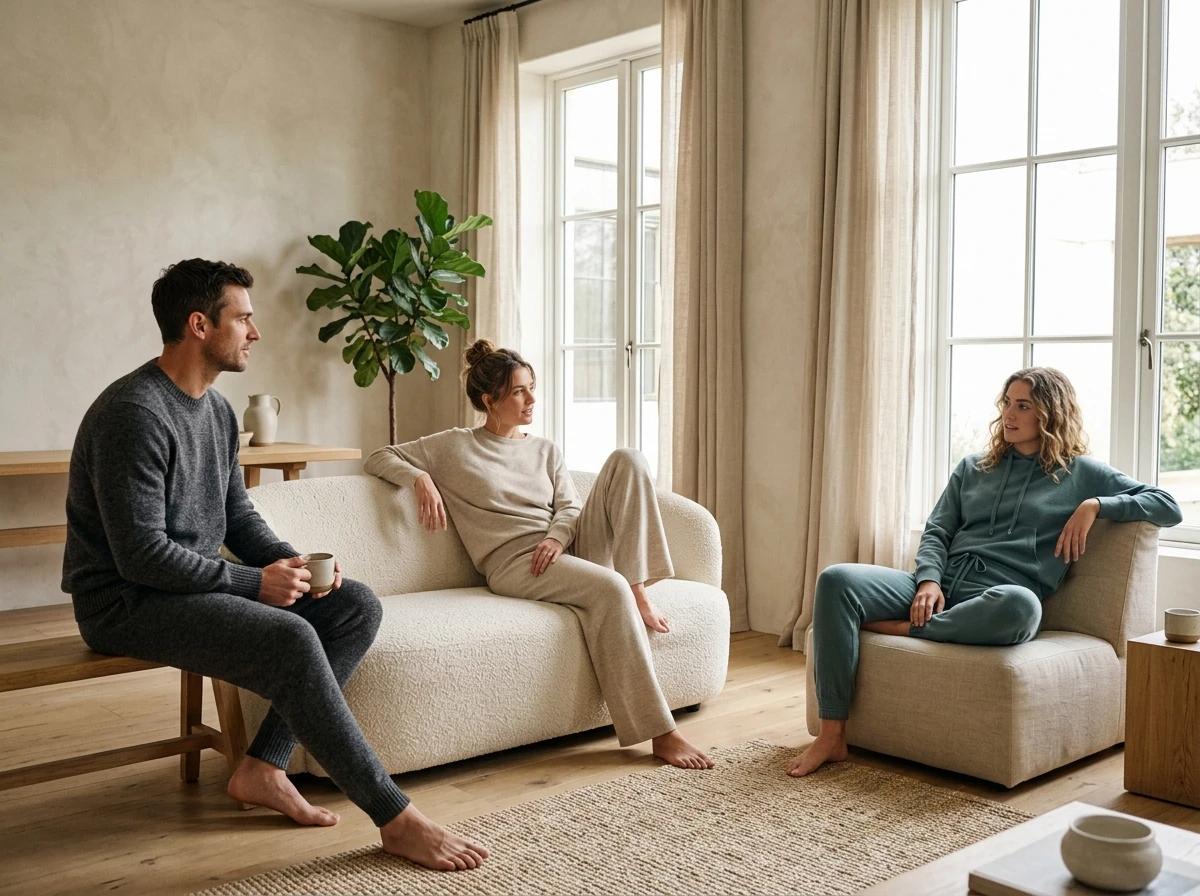
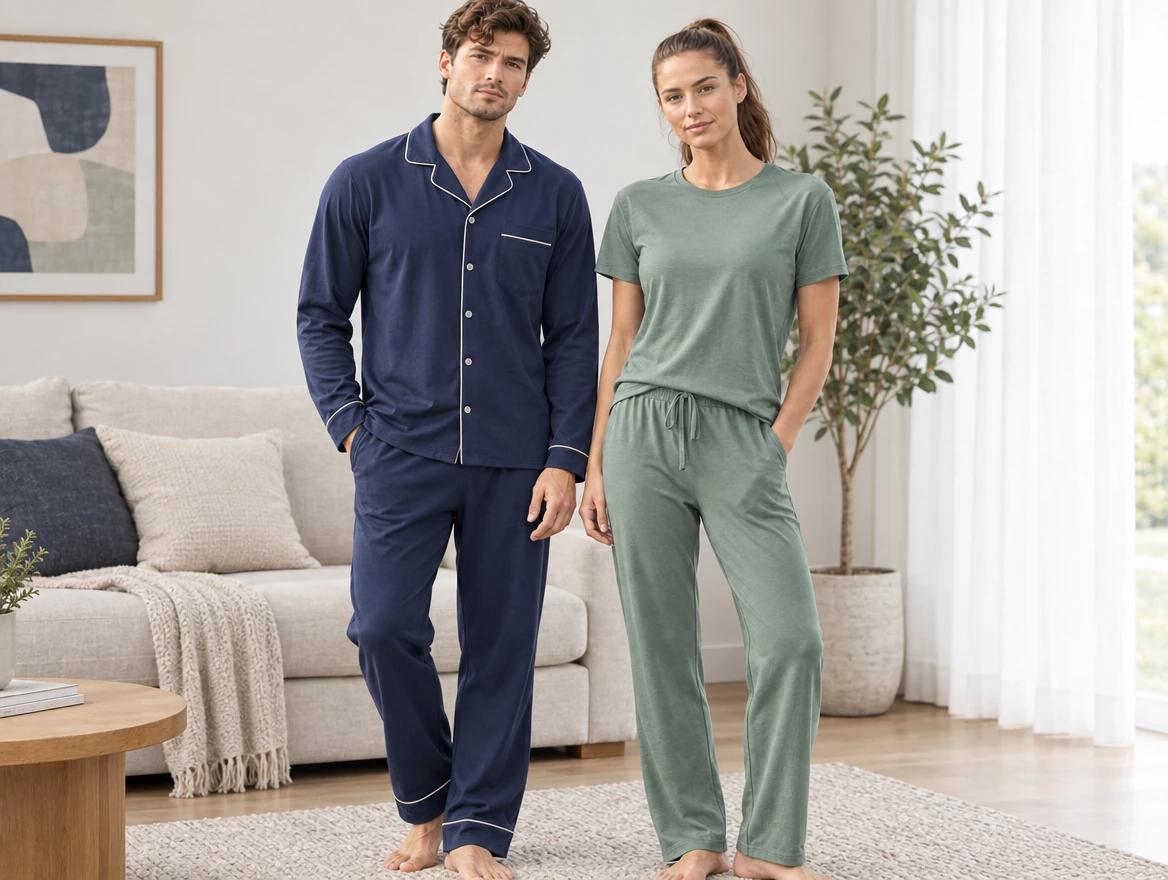
TextileWays manufactures loungewear for fashion and wellness brands and retailers: knitted sets, joggers, crew tops, wide-leg trousers and hoodies in soft jersey and terry, made as coordinated sets or as separates.
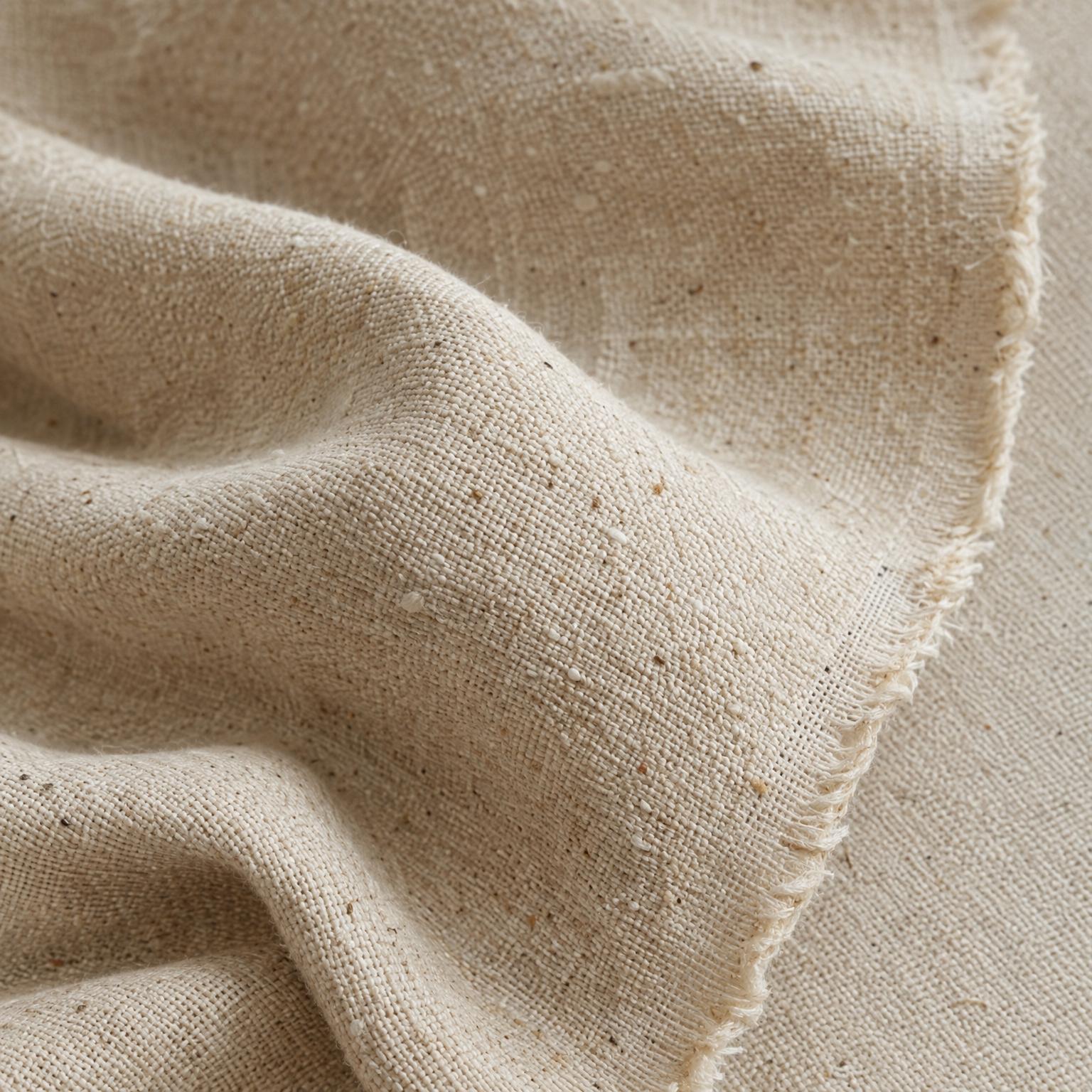
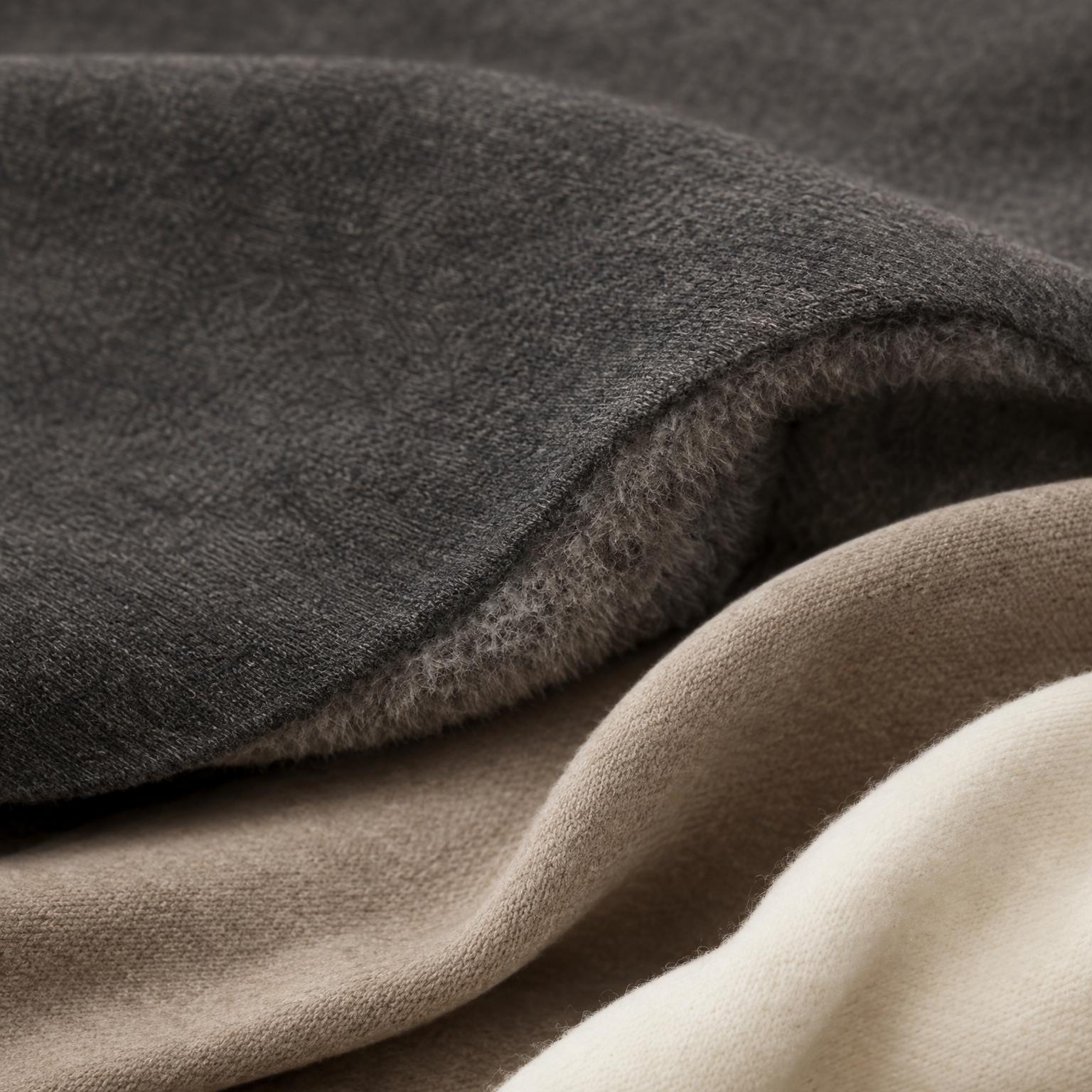
Loungewear is bought on touch and kept on how it washes. Fabric handfeel, a waistband that does not twist or sag, and a top and bottom that stay the same shade after laundering decide whether a set is worn for years or returned. Handfeel is approved on a physical swatch before sampling, and set components are sampled together.
A range can be developed from your own design (OEM) or from developed styles that you brand as your own (ODM, often called white label or private label), with approved fabrics, patterns and colours retained for reorders.
Product types
Anything not listed can still be assessed on technical review.
Specification
Weight ranges are typical for this product. The finished weight of your fabric is confirmed on the approved sample rather than guaranteed to a figure.
Ranges are typical. The exact specification is confirmed on your approved sample before production.
Component-level guidance for loungewear. Any ranges are indicative sourcing references, not guaranteed order specifications. Different components can need different fabrics, weights and units; the selected materials, construction and finished measurements are confirmed on the approved sample.
| Component | Weight, unit or setting | Construction choices | Check on the sample |
|---|---|---|---|
| Lightweight jerseyIndustry guidance | 120 to 160 gsm typical range. | Crew neck and long sleeve. | Shrinkage. |
| TerryIndustry guidance | 240 to 320 gsm and 280 to 340 gsm typical ranges. | Joggers and wide leg trousers. | Pilling. |
Decoration
Decoration is matched to the fabric and the artwork rather than applied by default.
Which method suits each placement on loungewear, its trade-offs and what to approve before bulk. Compatibility is checked against the actual fabric, stretch, coating and heat tolerance; approval on one component does not establish suitability on another.
Materials
Composition, weight guidance and decoration compatibility for each fabric are on its own page.
What each part of loungewear is usually made from, why, where it falls short and what to check. This is industry guidance, not a TextileWays specification: the fabric and components for your order are confirmed on technical review.
Ordering
None of these figures are published as a universal number, because none is true across every specification.
MOQ depends on material availability, colour count, construction, decoration and packaging. Sets carry an effective minimum per component, so a two piece set at 50 sets requires 50 of each piece in each size. Projects can begin from approximately 50 pieces per style following technical review.
Fabric handfeel is approved on a physical swatch before sampling, because it is the deciding attribute in this category and cannot be assessed from a specification sheet. Top and bottom are sampled together to confirm the colour match.
Lead time depends on the factors above rather than a single published figure. An indicative schedule is confirmed with your quotation.
Detailed product guidance
Materials, manufacturing routes and buying considerationsLoungewear has grown into a category of its own, sitting between sleepwear and everyday clothing. It is bought for comfort, so softness and washing behaviour decide repeat purchases.
Brands differentiate on fabric, colour and fit, and want developed styles they can brand as their own using a private label or white label route.
Retailers want consistent sets, sizes and colours across seasons, so patterns and approved fabrics are retained.
Hotels, spas and gift brands order matched sets with branding and set packaging.
Loungewear fabric decides how soft a set feels and how it behaves in the wash, so it is approved on a physical swatch before sampling.
Lightweight jersey at around 120 to 160 gsm gives a soft, breathable set for warm weather and everyday wear.
Heavier terry at about 240 to 320 gsm suits warmer loungewear sets, with sweatshirt terry at roughly 280 to 340 gsm for relaxed hoodies and joggers.
Cotton and organic cotton are chosen for handfeel and how they wash, with shrinkage recorded on the sample.
Because loungewear is worn for hours, comfort details are specified on purpose, not left to default.
Covered elastic or drawcord waistbands are specified with recovery checked so the waist does not twist or sag, and cuffs are chosen for the look you want.
Flatlock and bound seams are used where a conventional overlock would be felt against the skin.
Top and bottom are sampled together so shade and fabric match across the set.
A loungewear set is two garments sold as one, so quantity, colour and sizing apply to both pieces.
Sets carry an effective minimum per component, and projects can begin from approximately 50 pieces per style following technical review.
Handfeel is approved on a swatch before sampling, and the set is sampled together to confirm the colour match.
Approved fabrics, patterns and colours are retained for reorders, with capacity beyond 100,000 pieces for larger programmes.
Questions
Minimum order quantity depends on material availability, colour count, construction, decoration and packaging. Projects can begin from approximately 50 pieces per style following technical review. Where a fabric has to be knitted or dyed specifically for a project, the practical minimum is set by the mill rather than by us, and we tell you that before you commit.
Sampling normally runs in stages: a proto sample to confirm construction, a fit sample against your measurement chart, and a pre production sample that fixes fabric, colour, decoration, labelling and packaging. Each stage needs written approval before the next one starts. Sample charges and courier costs are quoted before work begins.
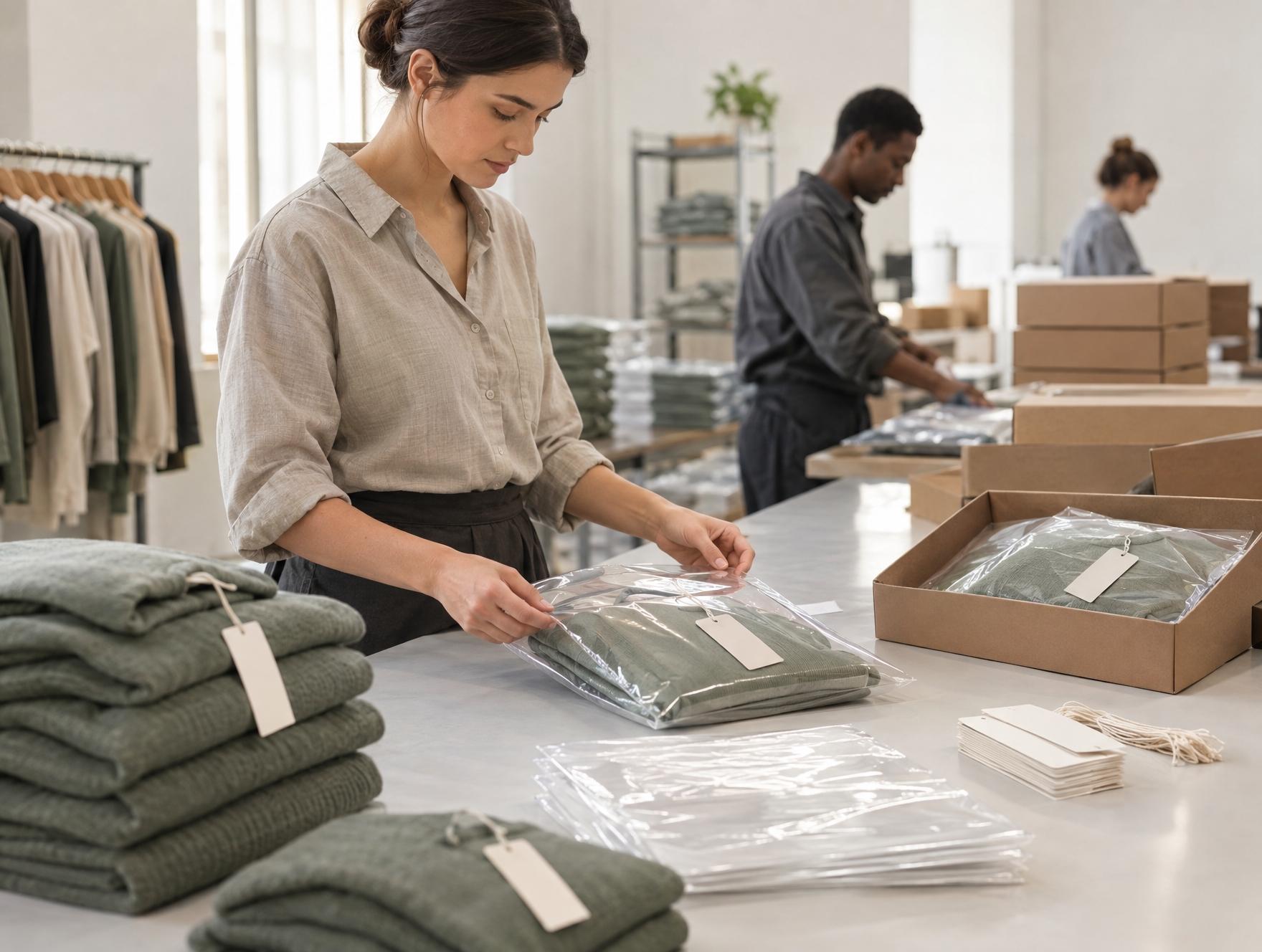
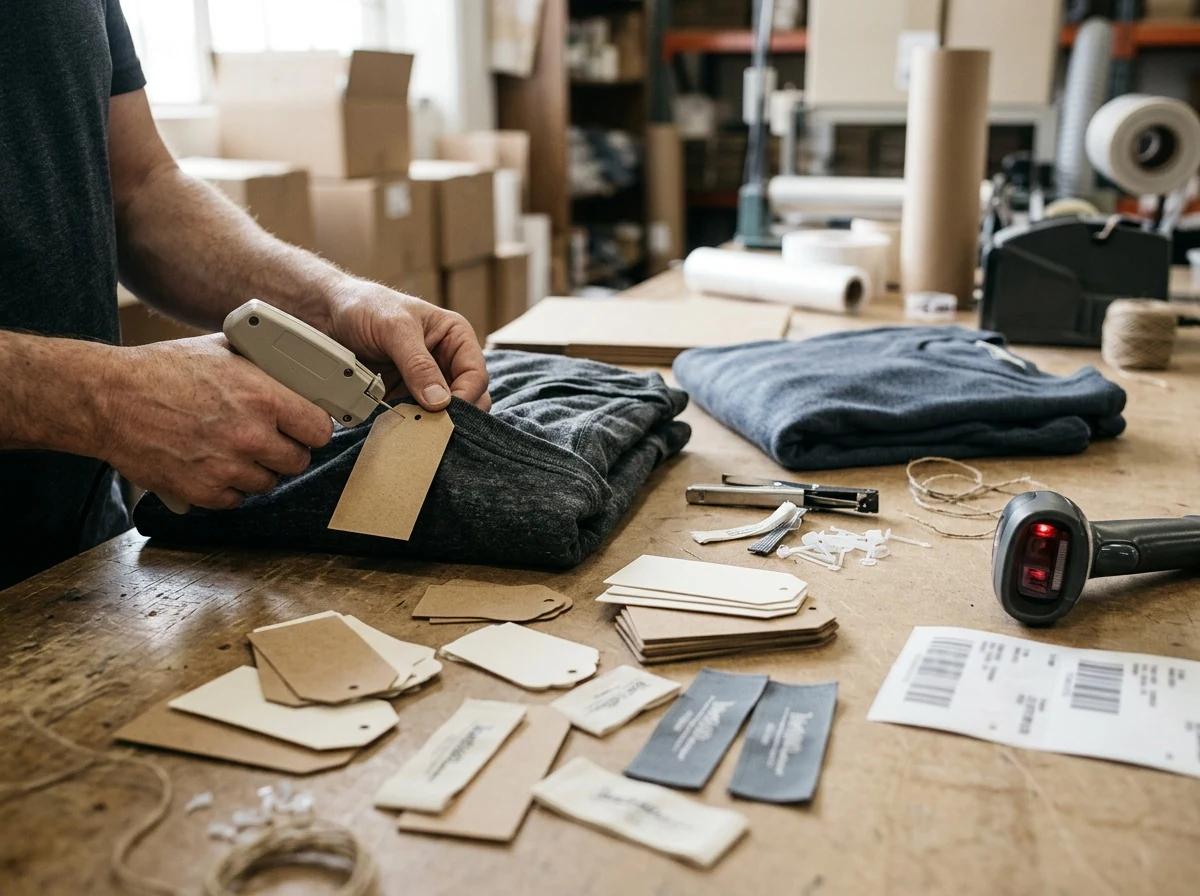
Yes. Private label production covers your main label, care and content labels, size labels, hangtags, barcodes and packaging. You supply the brand assets and the legally required care and fibre content information for your market, and we apply them to the approved specification.
An approved pre production sample and the signed specification become the reference for repeat orders. Reorders are checked against that reference rather than reinterpreted, which is what keeps a second run consistent with the first. Where a fabric or trim has changed availability, we tell you before production instead of substituting quietly.
Pick a design as your starting point. Colours, fabric and branding are set in the quote.
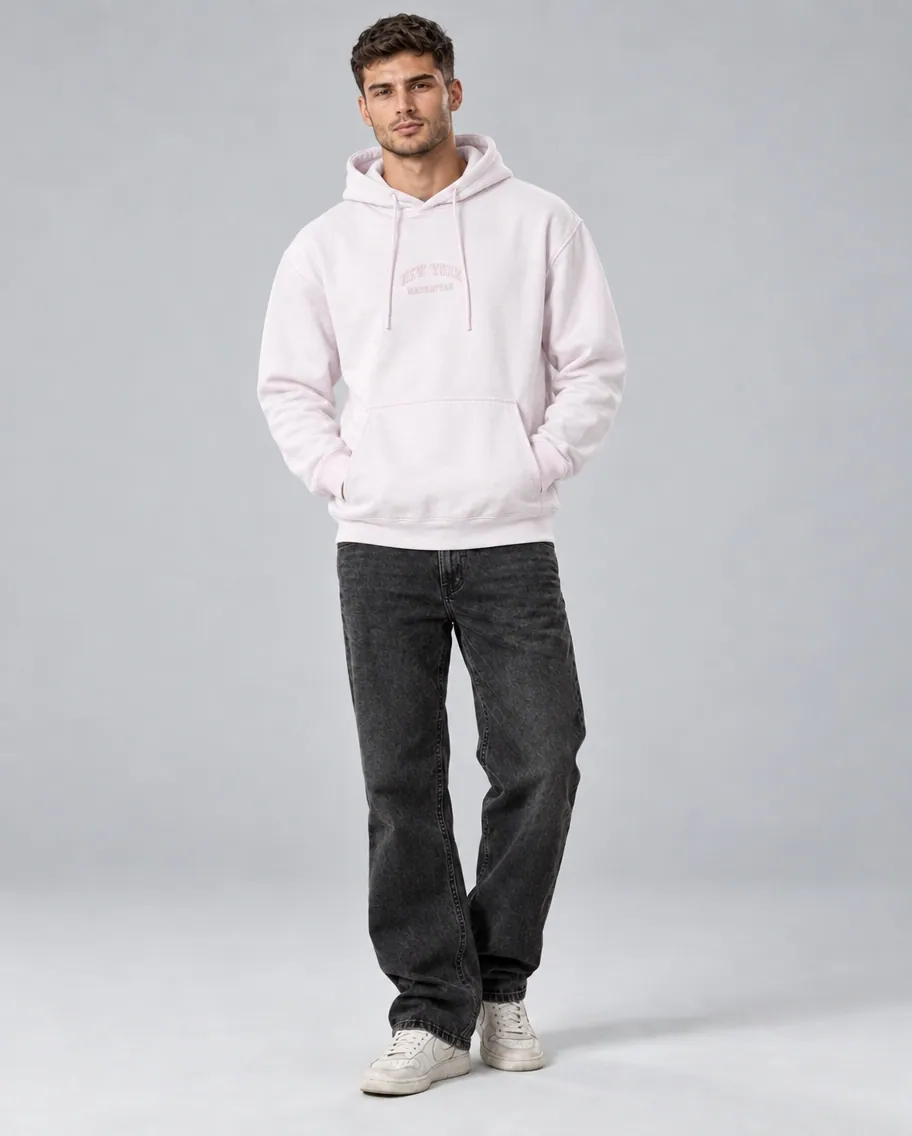 Pale pink hoodie with tonal chest detailAsk for this design
 Light blue jeans with rope-stitch embroideryAsk for this design
 Red pullover hoodieAsk for this design
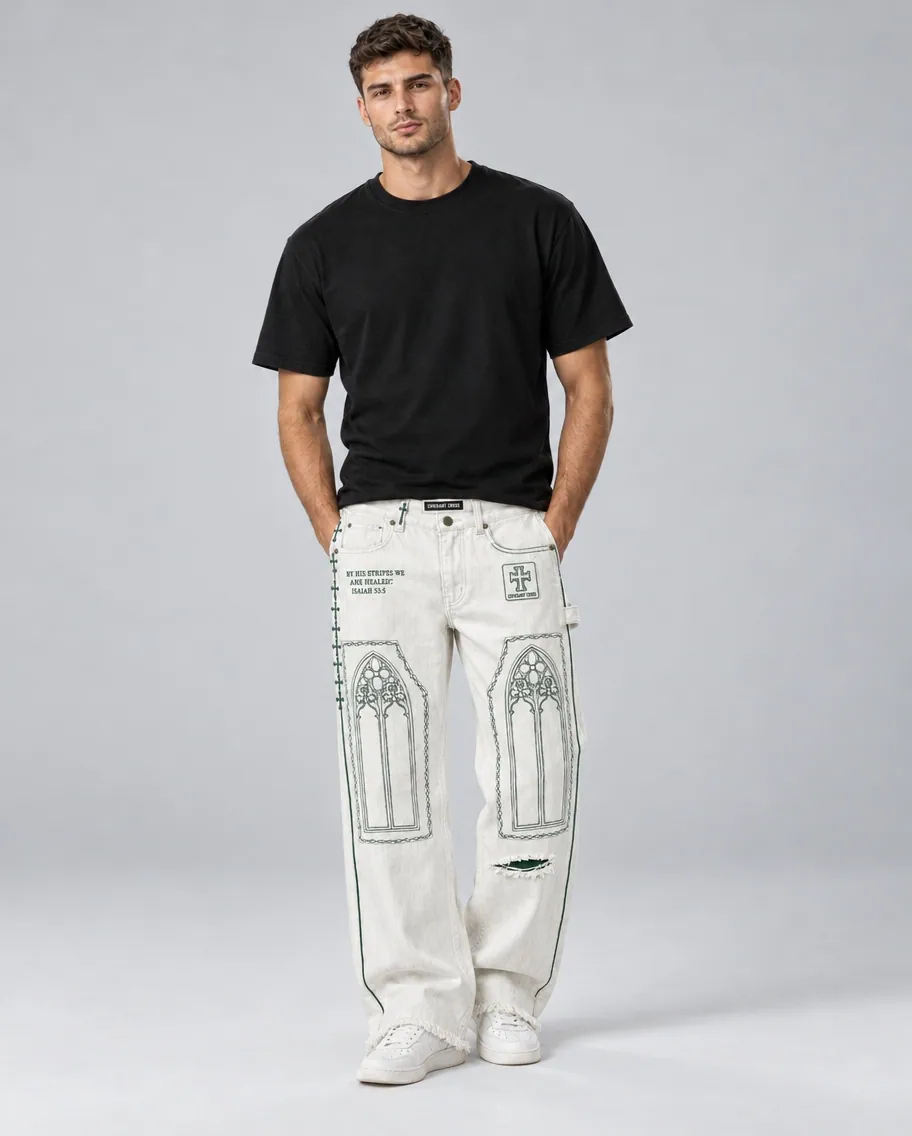 Off-white jeans with arch embroideryAsk for this design
Sampling comes before bulk. From approximately 50 pieces per style, subject to technical review.
Tell us your designShare your product details, target quantity and delivery requirements. We will confirm feasibility, materials and construction before quoting.
Contact our team