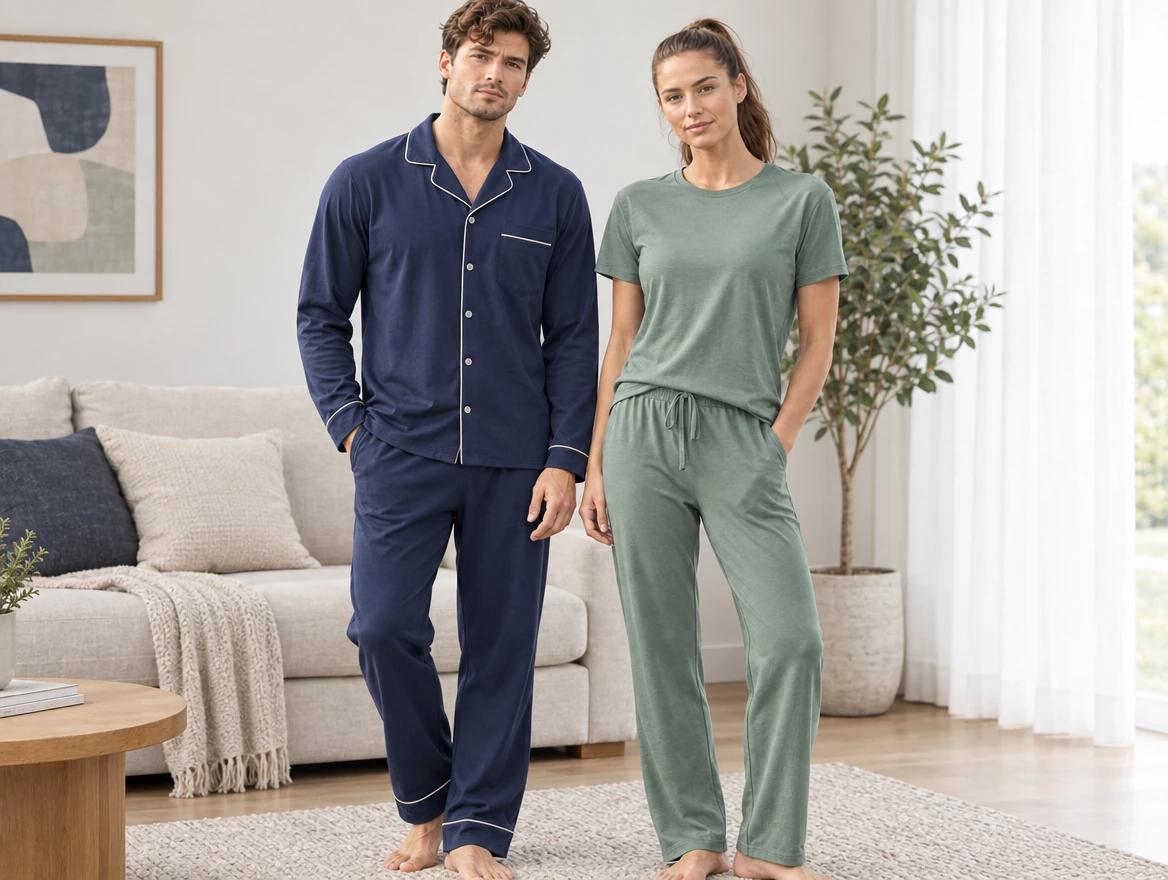
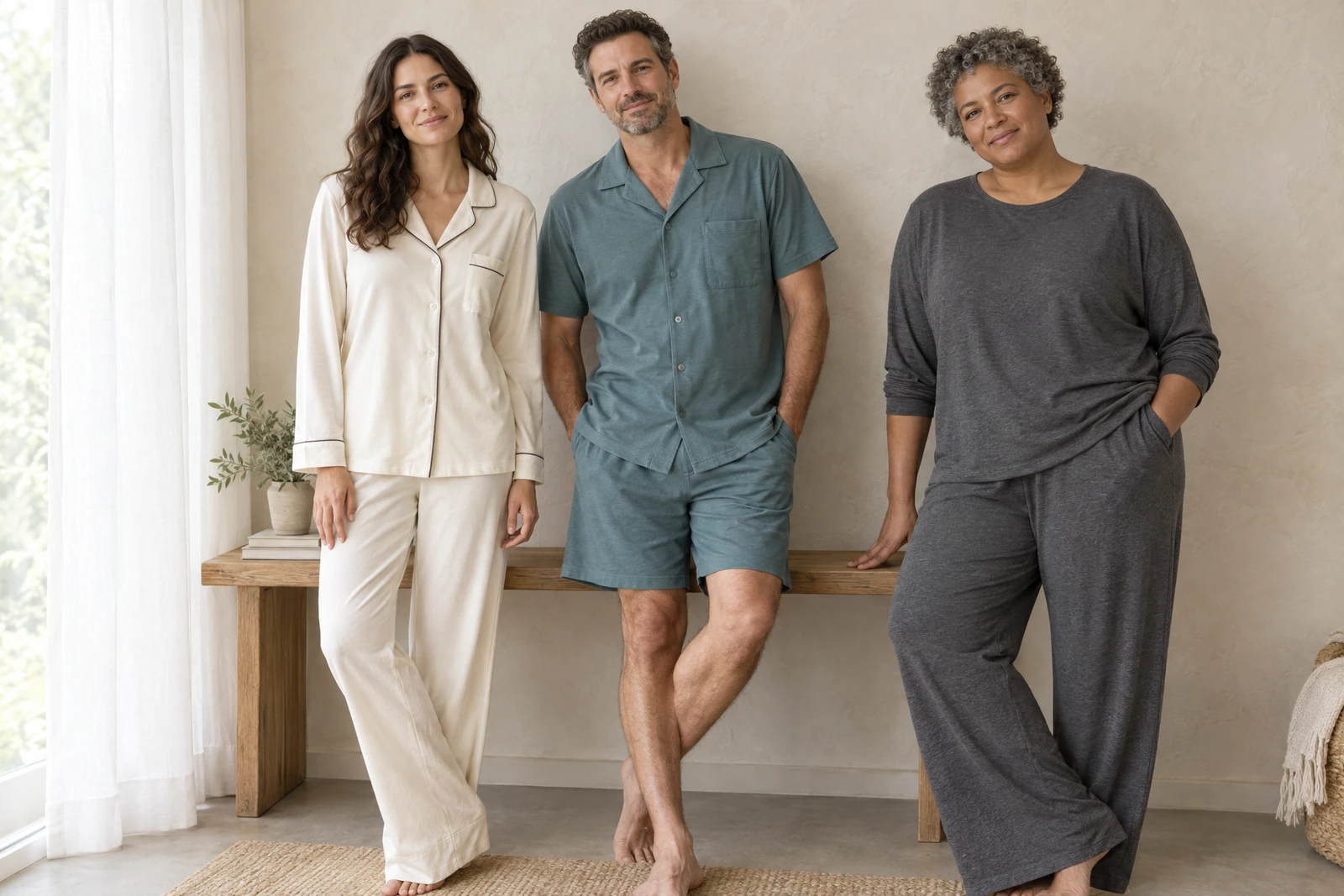
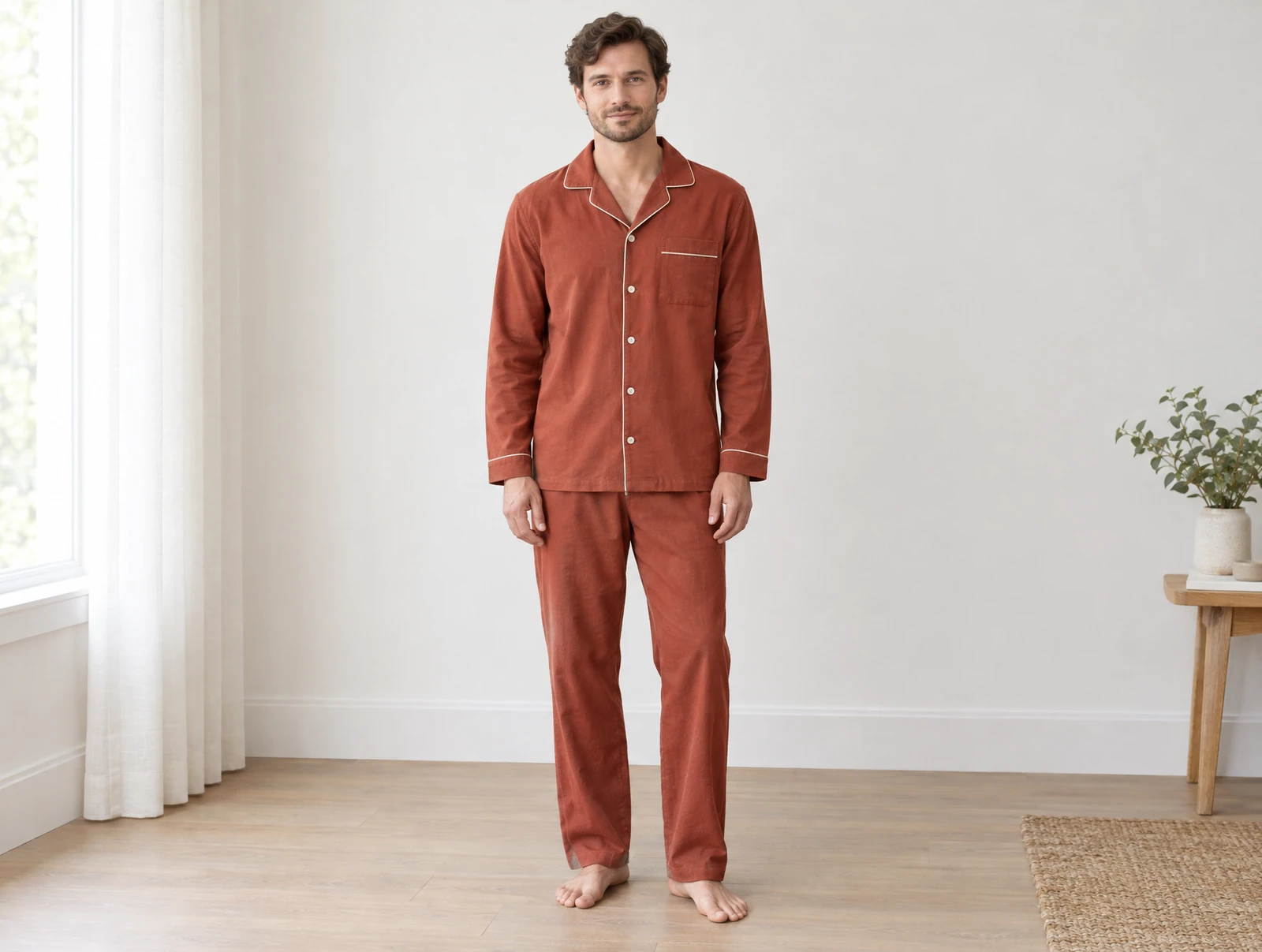
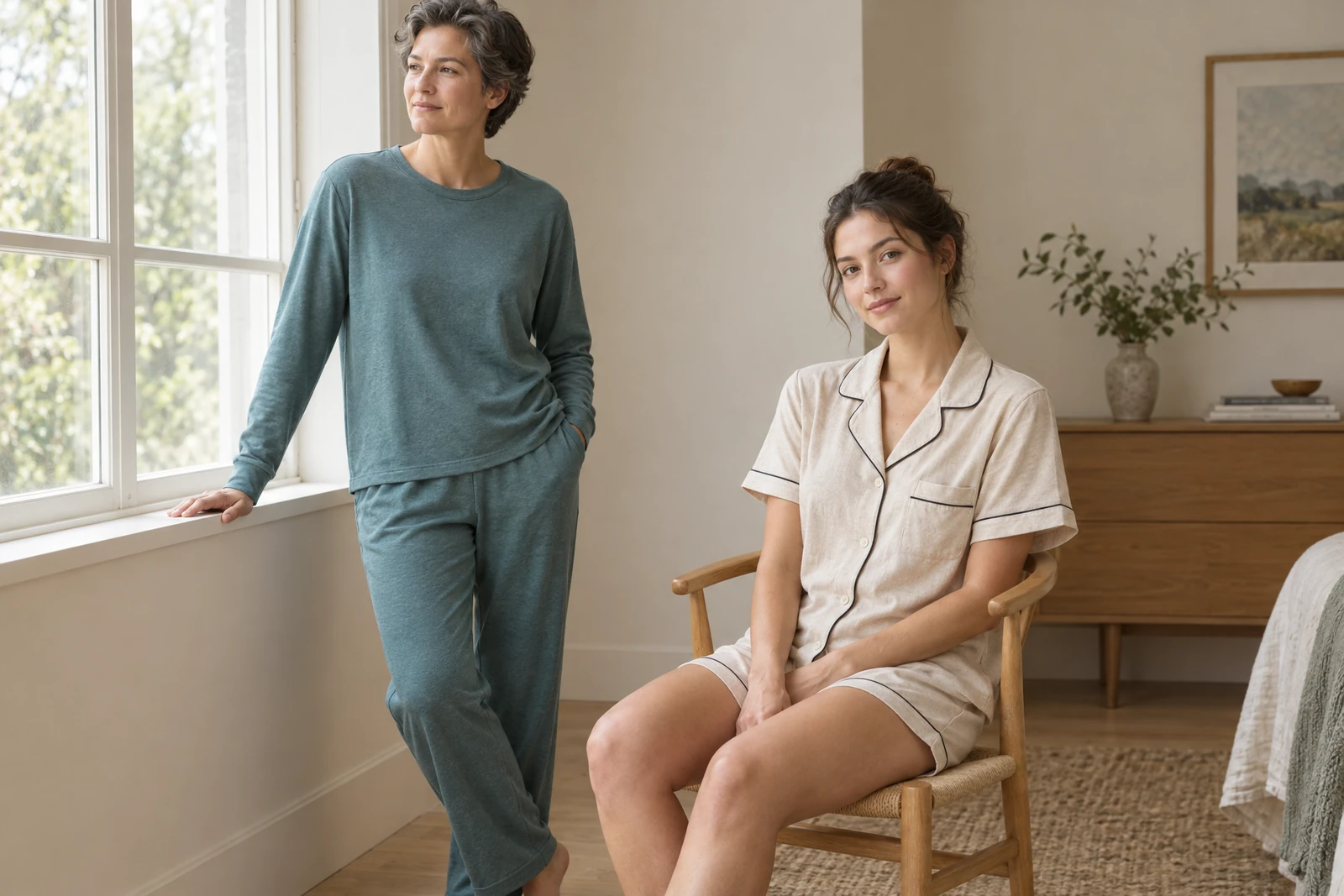


Chest and pocket prints
Supplier example- Method
- Screen print, DTG or DTF
- Trade-off
- Prints on sleepwear sit against the skin, so a soft hand matters and DTG suits cotton.
- Approve before bulk
- Wash test and check for stiffness.
Loading page content
Product
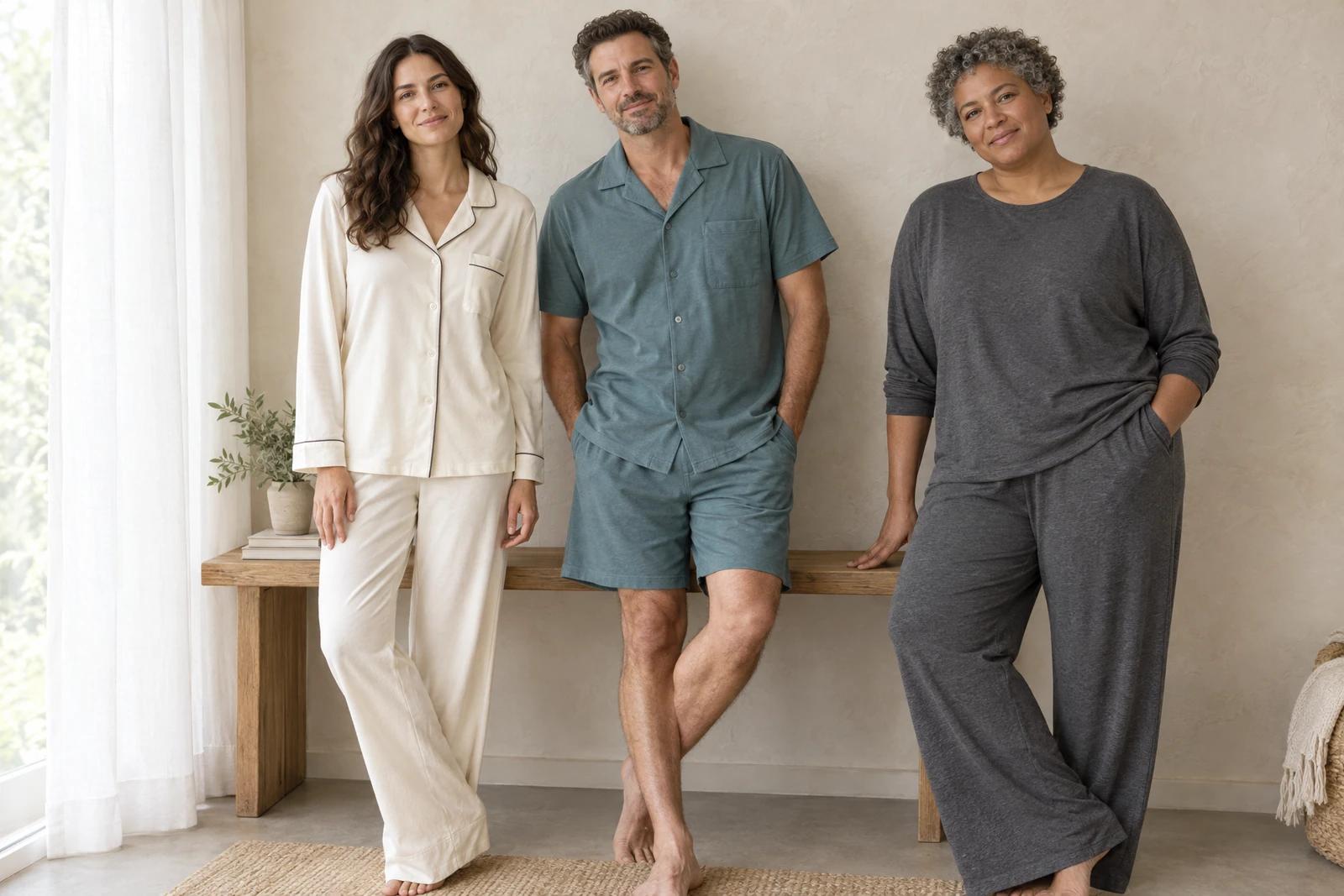
TextileWays manufactures pajamas and pyjama sets for sleepwear brands, retailers and hospitality programmes: knitted and woven sets with piping, contrast trims and pocket options, made as coordinated pairs in soft, washable fabrics.
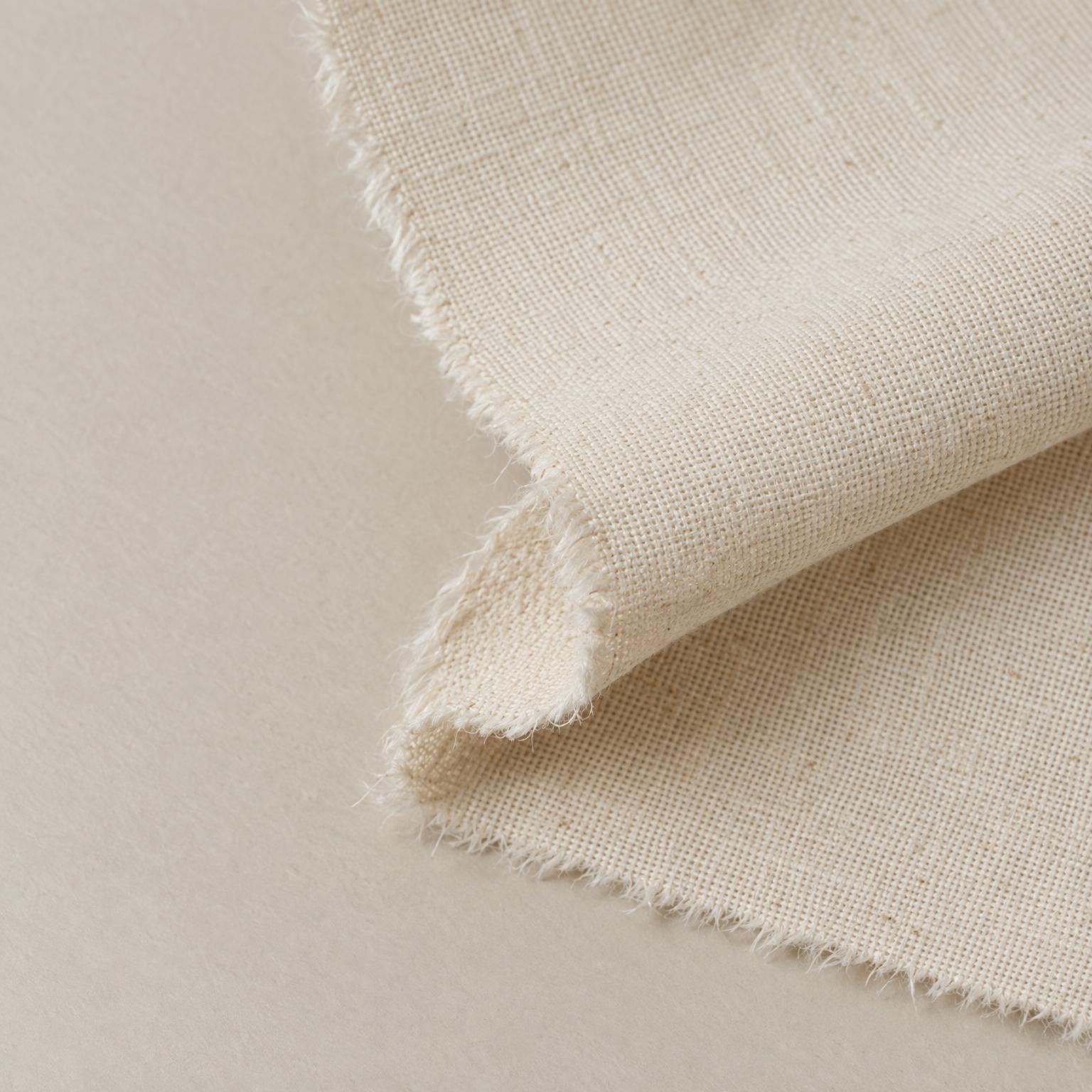
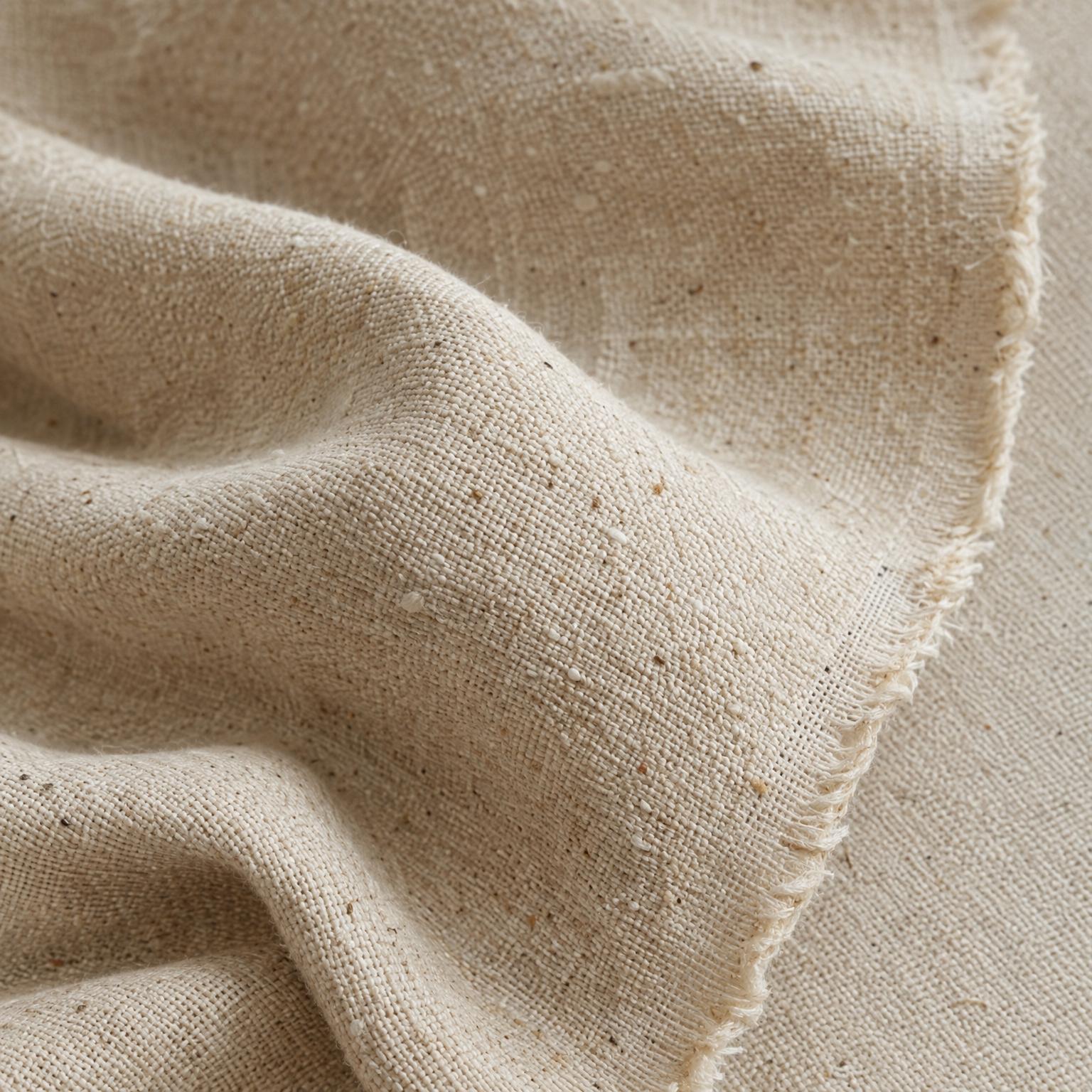
Sleepwear is bought on touch. Fabric handfeel, seam comfort and whether a label itches decide whether a customer keeps wearing a set, so handfeel is approved on a physical swatch before sampling and tagless labelling is treated as standard, not an extra.
A set can be developed from your own design (OEM) or from a developed style that you brand as your own (ODM, often called white label or private label), and because a pajama set sells as a pair, the top and bottom are sampled, cut and packed together.
Product types
Anything not listed can still be assessed on technical review.
Specification
Weight ranges are typical for this product. The finished weight of your fabric is confirmed on the approved sample rather than guaranteed to a figure.
Ranges are typical. The exact specification is confirmed on your approved sample before production.
Component-level guidance for pajamas. Any ranges are indicative sourcing references, not guaranteed order specifications. Different components can need different fabrics, weights and units; the selected materials, construction and finished measurements are confirmed on the approved sample.
| Component | Weight, unit or setting | Construction choices | Check on the sample |
|---|---|---|---|
| Lightweight jerseyIndustry guidance | 120 to 160 gsm typical range. | Flatlock and bound seams, covered elastic waistbands. | Shrinkage and handfeel. |
| Woven pajama fabricIndustry guidance | 100 to 150 gsm typical range. | Piping, contrast binding, button plackets. | Placket and button strength. |
| Loungewear terryIndustry guidance | 240 to 320 gsm typical range. | Tagless labels. | Pilling. |
Decoration
Decoration is matched to the fabric and the artwork rather than applied by default.
Which method suits each placement on pajamas, its trade-offs and what to approve before bulk. Compatibility is checked against the actual fabric, stretch, coating and heat tolerance; approval on one component does not establish suitability on another.
Materials
Composition, weight guidance and decoration compatibility for each fabric are on its own page.
What each part of pajamas is usually made from, why, where it falls short and what to check. This is industry guidance, not a TextileWays specification: the fabric and components for your order are confirmed on technical review.
Ordering
None of these figures are published as a universal number, because none is true across every specification.
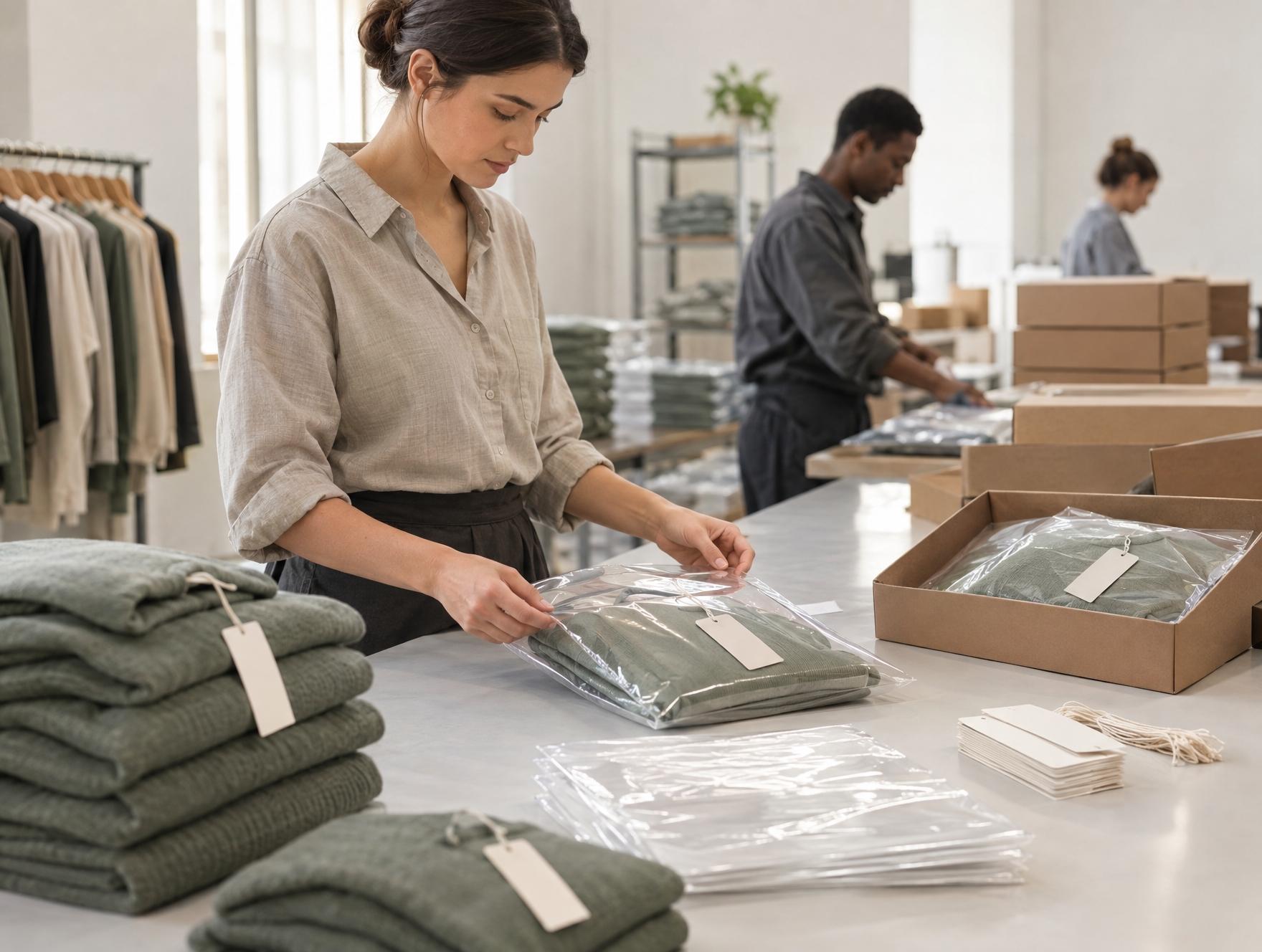
MOQ depends on material availability, colour count, construction, decoration and packaging. Sets carry an effective minimum per component, so a two piece set at 50 sets requires 50 of each piece in each size. Projects can begin from approximately 50 pieces per style following technical review.
Fabric handfeel is approved on a physical swatch before sampling, because it is the deciding attribute in this category and cannot be assessed from a specification sheet. Top and bottom are sampled together to confirm the colour match.
Lead time depends on the factors above rather than a single published figure. An indicative schedule is confirmed with your quotation.
Detailed product guidance
Materials, manufacturing routes and buying considerationsPajamas are bought on touch and on how they wash. A set that feels soft and keeps its shape through repeated laundering earns repeat customers, so fabric and finishing are the focus.
Sleepwear labels often differentiate on fabric and print. Small runs and developed styles let a brand test before committing to volume.
Retailers want consistent sets, sizes and colours across seasons, so patterns and approved fabrics are retained.
Hotels and gift brands order matched sets with embroidered or printed branding and set packaging.
Sleepwear fabric decides how soft a set feels and how it behaves in the wash. Knits and wovens give very different results.
Lightweight jersey at about 120 to 160 gsm gives a soft, stretchy set suitable for warm weather and everyday wear.
Woven pajama fabric at roughly 100 to 150 gsm suits button front sets with piping and a crisper look.
Heavier terry at about 240 to 320 gsm suits warm loungewear sets that cross over into daywear.
Because pajamas are worn against the skin for hours, comfort details matter more than in most garments. They are specified on purpose, not left to default.
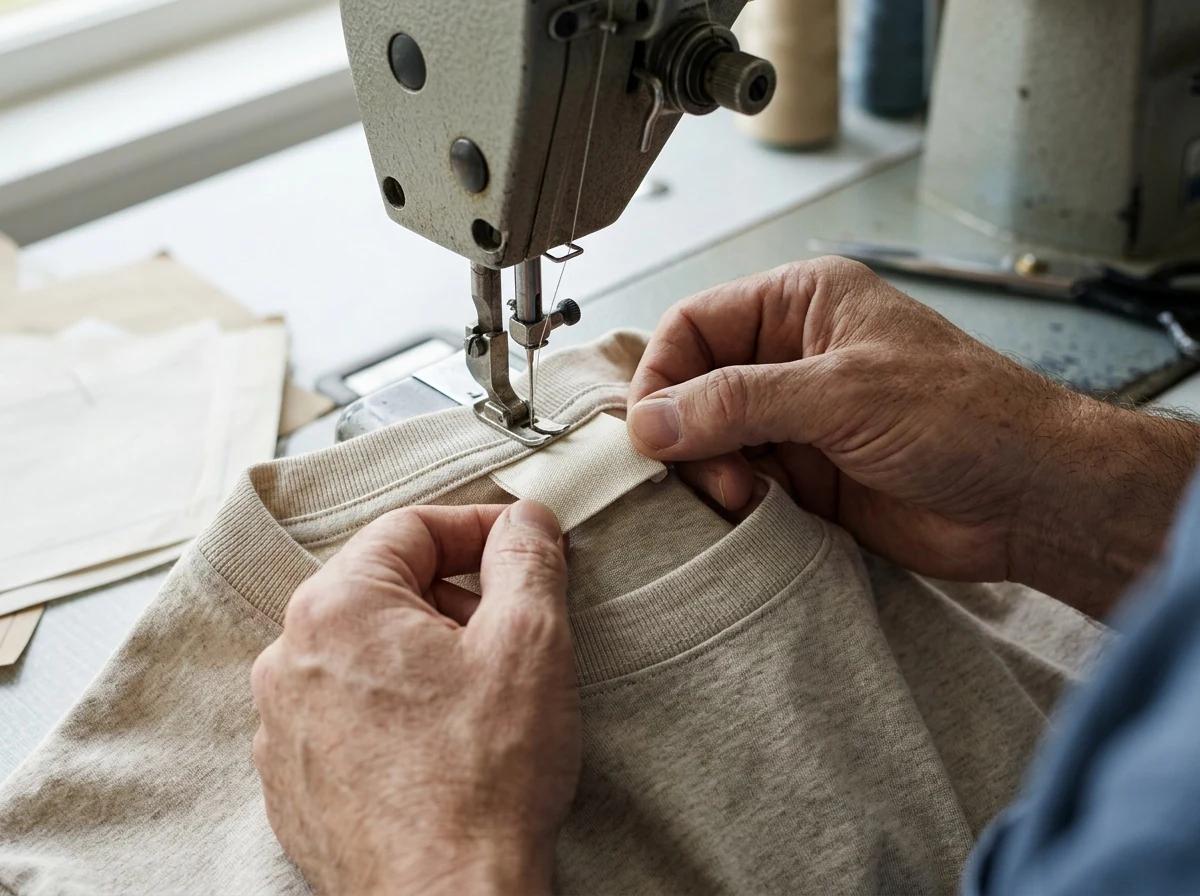
Flatlock and bound seams are used where a conventional overlock would be felt against the skin.
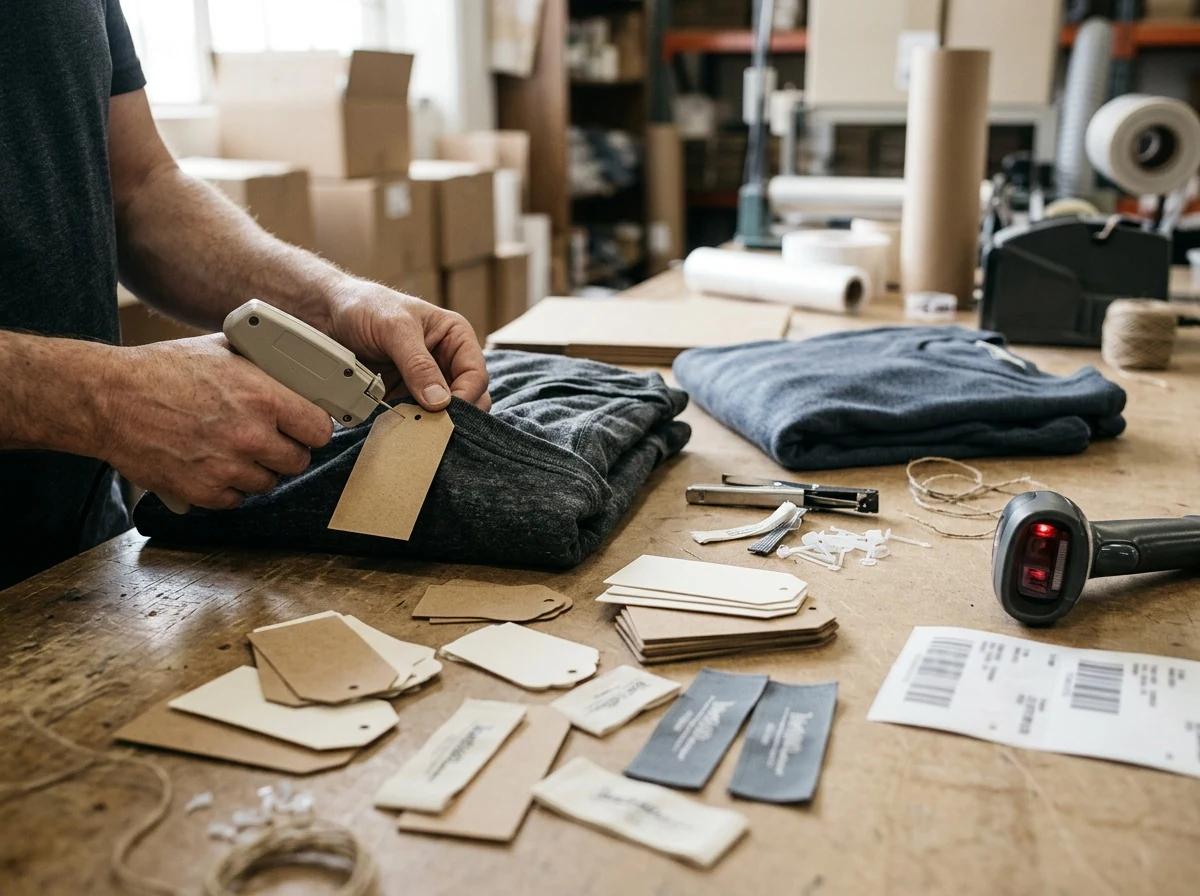
Tagless printed or heat transfer labels are standard in this category, and covered elastic waistbands protect comfort and recovery.
Piping, contrast binding and pocket options give a set its identity and are confirmed on the sample.
A pajama set is two garments sold as one, so quantity, colour and sizing apply to both pieces. Setting that up properly avoids mismatches.
Sets carry an effective minimum per component, so a two piece set at 50 sets requires 50 of each piece in each size, and projects begin from approximately 50 pieces per style following technical review.
Fabric handfeel is approved on a physical swatch before sampling, and the top and bottom are sampled together to confirm the colour match.
A private label or white label set starts from a developed style, and children's sleepwear is subject to specific safety requirements in several markets, which are confirmed before production.
Questions
Minimum order quantity depends on material availability, colour count, construction, decoration and packaging. Projects can begin from approximately 50 pieces per style following technical review. Where a fabric has to be knitted or dyed specifically for a project, the practical minimum is set by the mill rather than by us, and we tell you that before you commit.
Sampling normally runs in stages: a proto sample to confirm construction, a fit sample against your measurement chart, and a pre production sample that fixes fabric, colour, decoration, labelling and packaging. Each stage needs written approval before the next one starts. Sample charges and courier costs are quoted before work begins.
Yes. Private label production covers your main label, care and content labels, size labels, hangtags, barcodes and packaging. You supply the brand assets and the legally required care and fibre content information for your market, and we apply them to the approved specification.
Yes, children's apparel is part of the range. Safety and labelling rules for children's clothing are strict and differ by market, and responsibility for confirming what applies to your product stays with you as the brand owner. We build the labelling you specify into the garment and flag anything that looks inconsistent before production.
Pick a design as your starting point. Colours, fabric and branding are set in the quote.
 Green tank with cross print and frayed hemAsk for this design
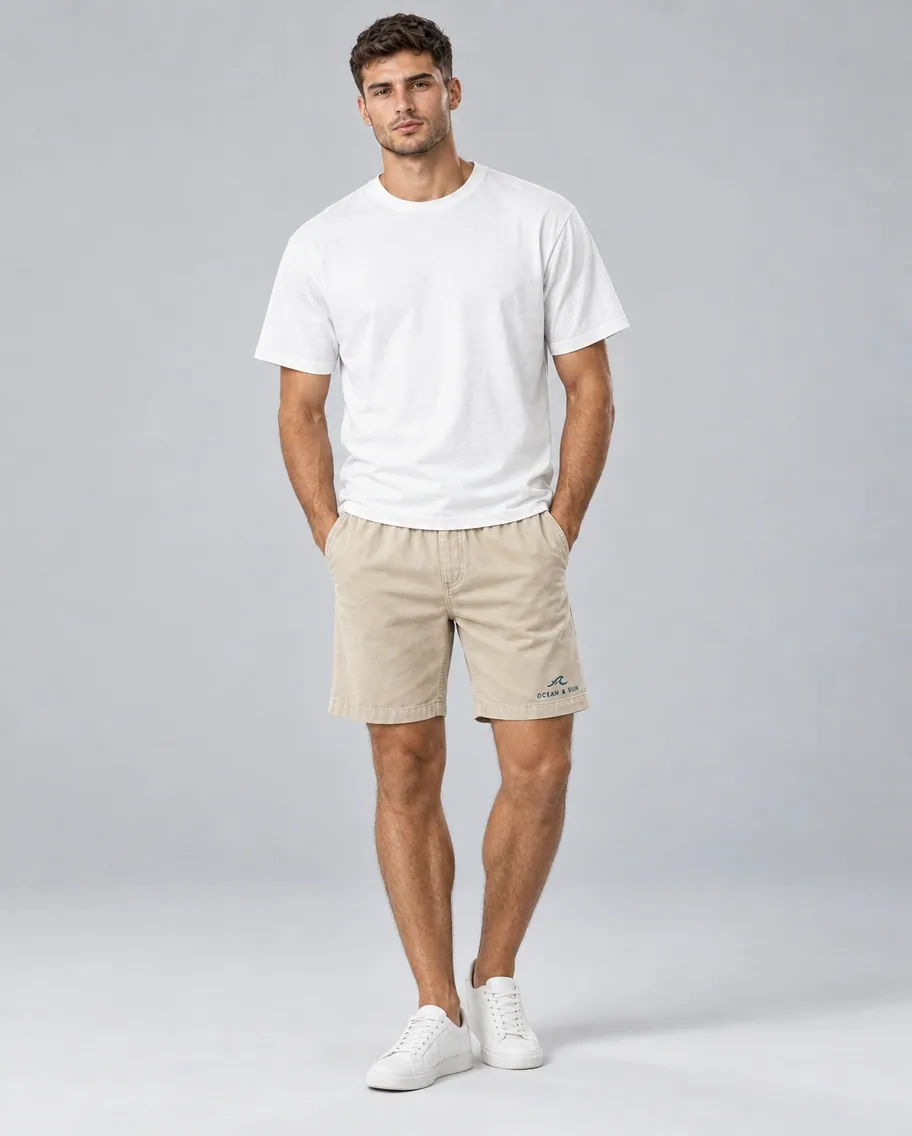 Sand casual shorts with small logoAsk for this design
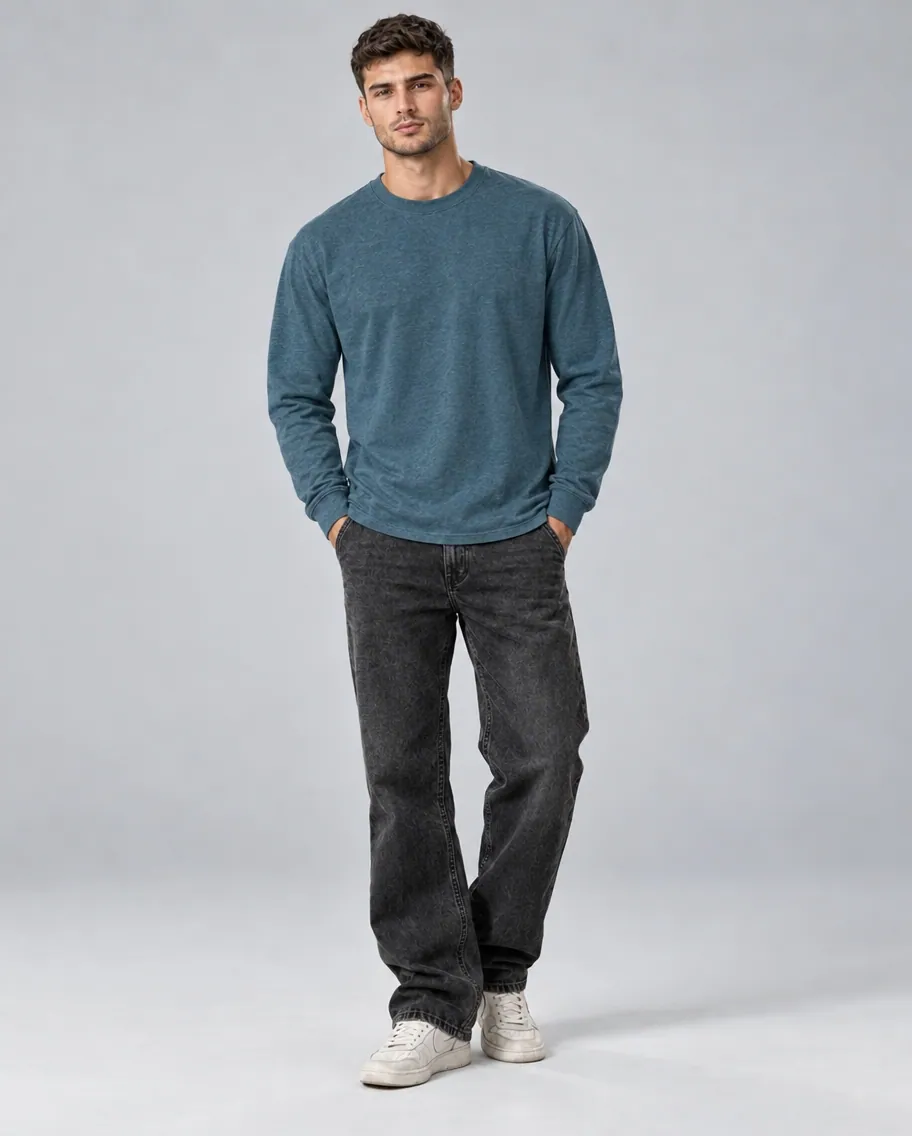 Teal marl long-sleeve teeAsk for this design
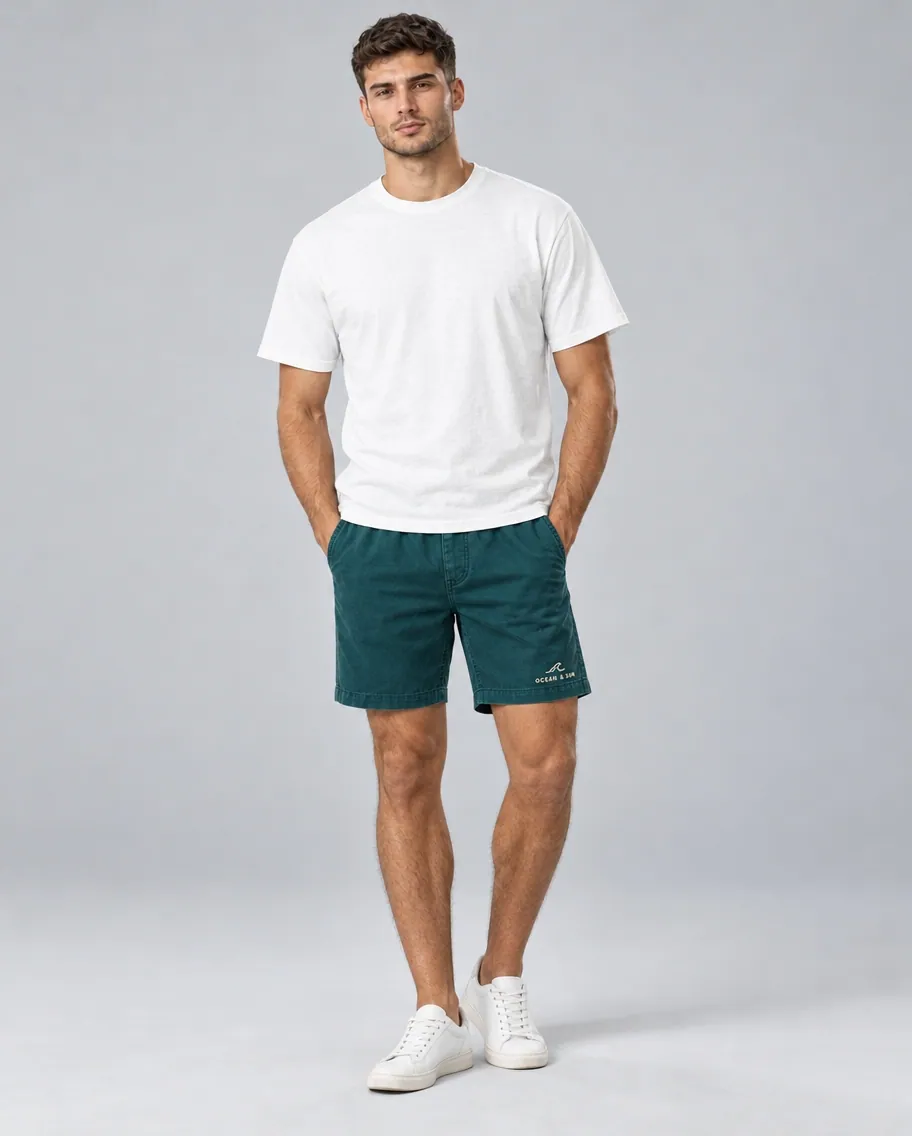 Deep teal casual shorts with small logoAsk for this design
Sampling comes before bulk. From approximately 50 pieces per style, subject to technical review.
Tell us your designShare your product details, target quantity and delivery requirements. We will confirm feasibility, materials and construction before quoting.
Contact our team