SpecificationGuidanceNotes
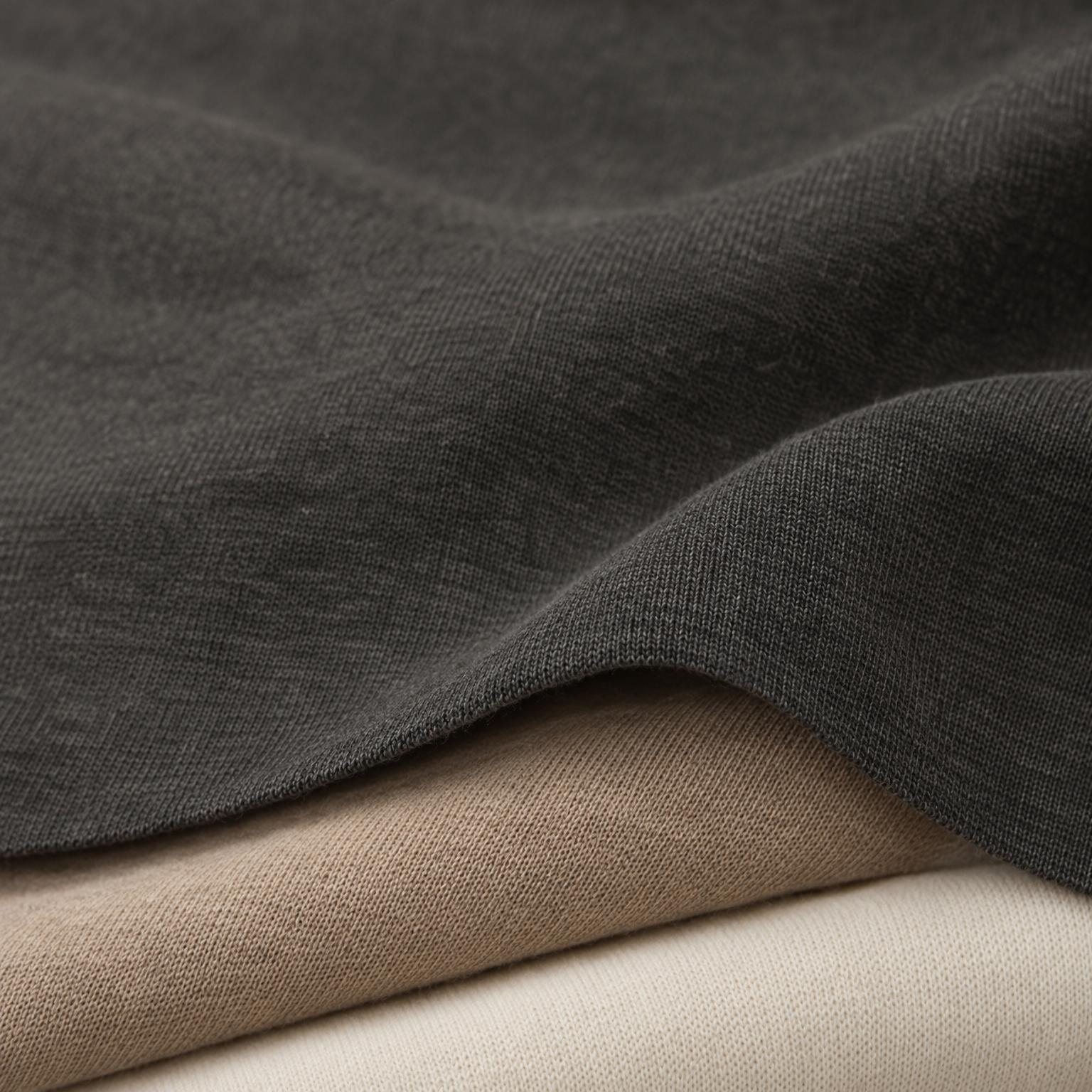
- Lightweight jersey
- 120 to 160 gsm
- Soft, light knit for fitted and summer tanks.
- Tee shirt jersey
- 140 to 200 gsm
- 180 gsm is the common mid market reference point.
- Premium tee shirt jersey
- 200 to 240 gsm
- Heavier jersey tends to hold shape better, though yarn, knit and finishing matter as much as weight.
Construction options
- 01Self fabric binding or ribbed finishing at neck and armholes
- 02Racerback, crew and scoop necklines
- 03Single or twin needle hem finishing
- 04Side seamed or tubular body
- 05Taped shoulder seams for stability
- 06Cropped and relaxed length options graded across sizes
Labelling and packaging
- 01Woven or printed main labels
- 02Tagless heat transfer labels where the fabric allows
- 03Care and fibre content labels to your approved wording
- 04Individual polybagging or reduced packaging alternatives
Weights and construction by component
Component-level guidance for tank tops. Any ranges are indicative sourcing references, not guaranteed order specifications. Different components can need different fabrics, weights and units; the selected materials, construction and finished measurements are confirmed on the approved sample.
Component by component weights, construction and sample checks for tank tops| Component | Weight, unit or setting | Construction choices | Check on the sample |
|---|
| Lightweight jerseyIndustry guidance | 120 to 160 gsm typical range. | Binding at neck and armhole. | Gaping. |
|---|
| Tee jerseyIndustry guidance | 140 to 200 gsm typical range. | Single or twin needle hem. | Hem straightness. |
|---|
| Premium jerseyIndustry guidance | 200 to 240 gsm typical range. | Taped shoulder seams. | Drape. |
|---|