
Loading page content
Loading page content
Decoration
Fabric shapes stitched onto a garment. Adds texture and covers large areas without heavy stitch counts.
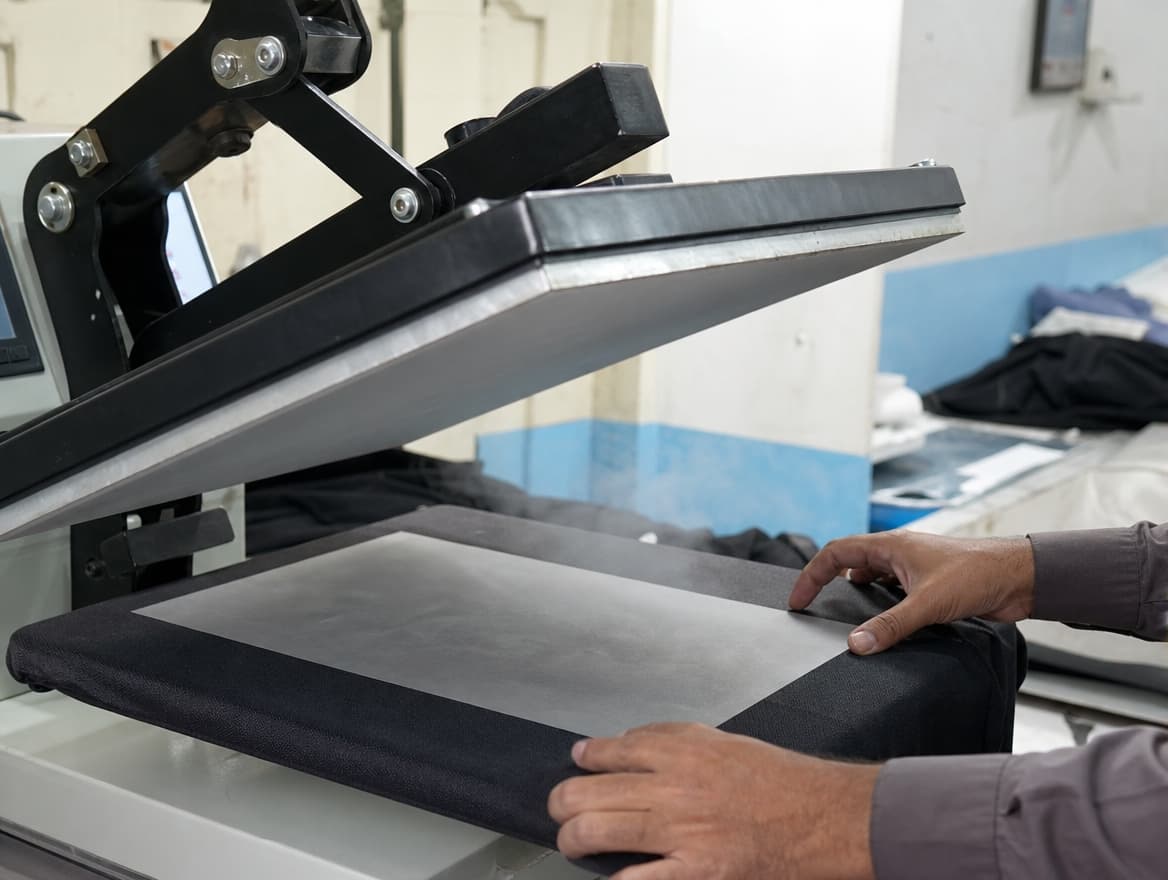
Applique attaches cut fabric shapes to a garment and secures the edges with stitching. It covers large areas far more economically than embroidery, because fabric does the filling instead of thread.
It carries a distinct look associated with collegiate and heritage sportswear, and it works particularly well on heavier knitwear where the added texture reads as deliberate.
Process
Each stage exists to resolve one question. Skipping a stage moves risk further down the line rather than removing it.
Applique fabric is selected and shapes are cut.
Shapes are positioned and fixed against the approved placement.
Edges are secured with satin stitch or a specified alternative.
A physical sample is approved before bulk.
Suitability
Where this capability is the right choice, and the materials it is compatible with.
Limits
Stated plainly, because a capability described without its constraints will be misapplied to a product it does not suit.
Materials
Composition, weight guidance and decoration behaviour for each fabric are on its own page.
Questions
It depends on the fabric, the artwork and the quantity. Screen printing suits solid colour artwork at volume. DTG and DTF suit detailed or low volume artwork. Sublimation works on polyester rich fabrics. Embroidery suits logos and durable branding. We confirm the method against your artwork and fabric during technical review rather than applying one method to everything.
Tell us the product, the fabric and the quantity. We will confirm whether this is the right process and what it means for your minimum quantity and schedule.