Cotton is a fibre, not a fabric
When a brief says only cotton, it leaves most decisions open. Two cotton garments can feel and wear completely differently depending on the fibre, the yarn and the way the fabric is made.
It helps to think in two layers: what the cotton is, and what it has been made into.
Types of cotton by fibre
Fibre length, called staple length, is the main driver of quality. Longer fibres spin into smoother, stronger yarn with less loose fibre end on the surface.
- Upland cotton: the most widely grown type, with a medium fibre length, used for most everyday fabrics.
- Long staple cotton, such as Egyptian and Pima: longer fibres that give a smoother, finer and often more expensive fabric.
- Organic cotton: cotton grown under an organic standard. This describes how it was grown, not the fibre length.
- Recycled cotton: fibre reclaimed from cotton waste, often blended with other fibres for strength.
How the yarn is spun
Spinning changes the surface and strength of the fabric as much as the fibre does.
- Carded yarn: a standard process that leaves some short fibres, giving a slightly more textured surface.
- Combed yarn: short fibres are combed out, giving a smoother, stronger, more even yarn.
- Ring spun yarn: twisted in a way that produces a softer, finer yarn, common in premium t-shirts.
- Open end yarn: a faster process that gives a coarser, more economical yarn, common in heavier and lower cost fabrics.
Types of cotton fabric by construction: knits
Knitted cotton fabrics are made from interlocking loops, which makes them stretchy and comfortable.
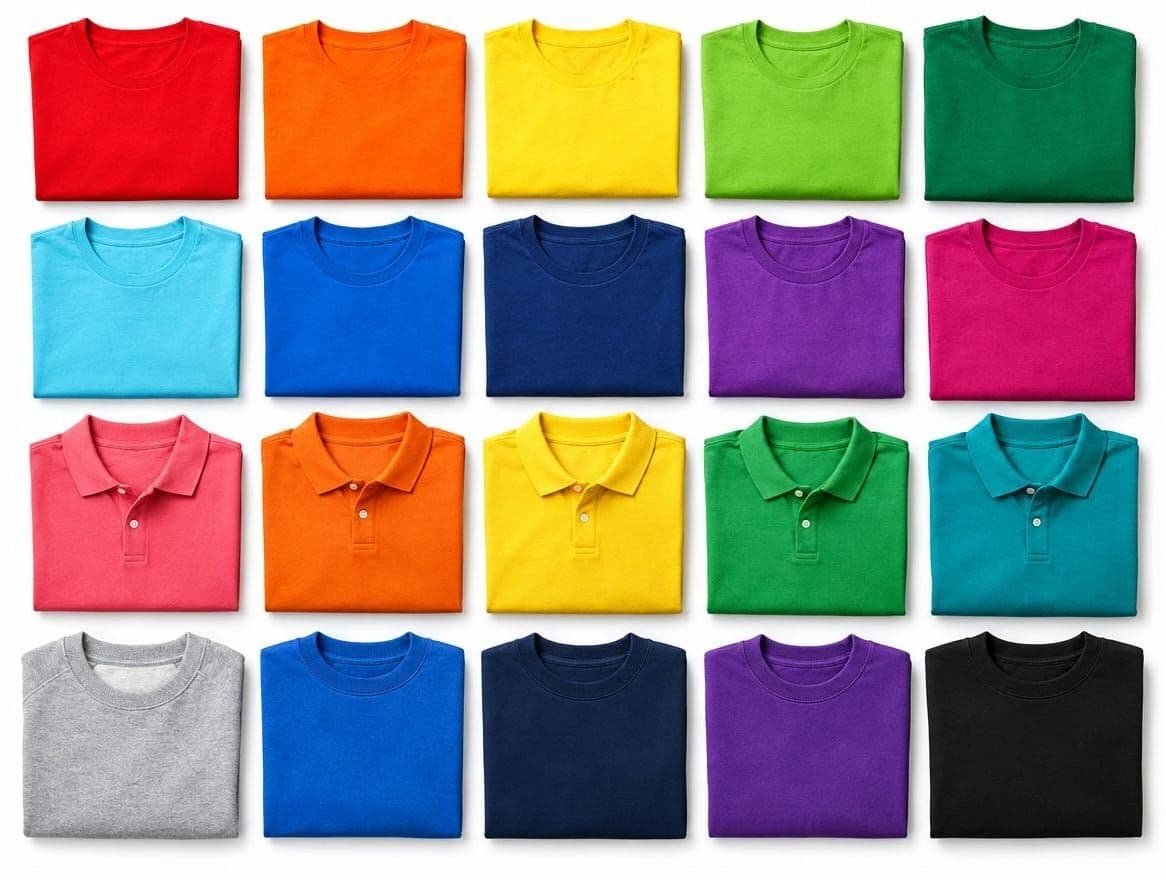
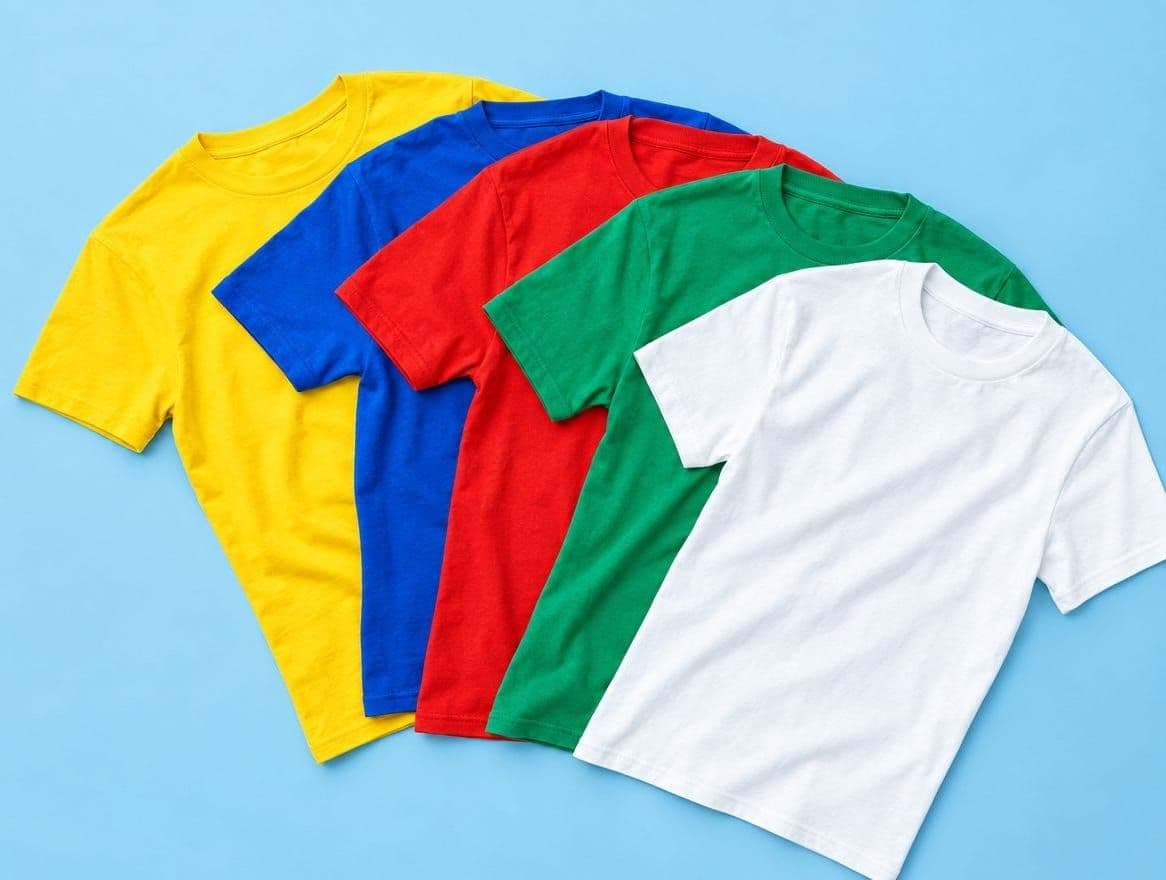
- Single jersey: the standard t-shirt fabric, light with a smooth face and a looped back.
- Interlock: a thicker, smoother double knit with the same face on both sides.
- Rib: a stretchy knit with vertical ribs, used for cuffs, collars and fitted tops.
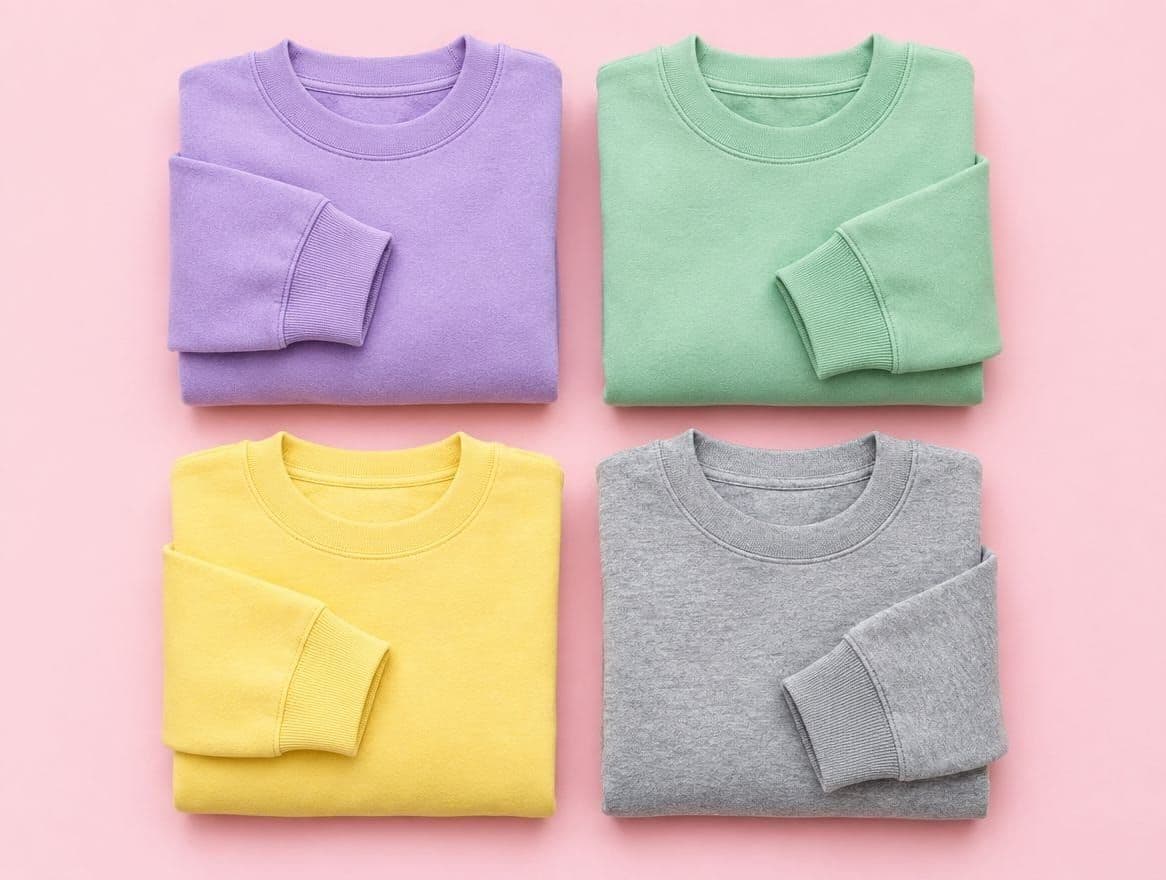
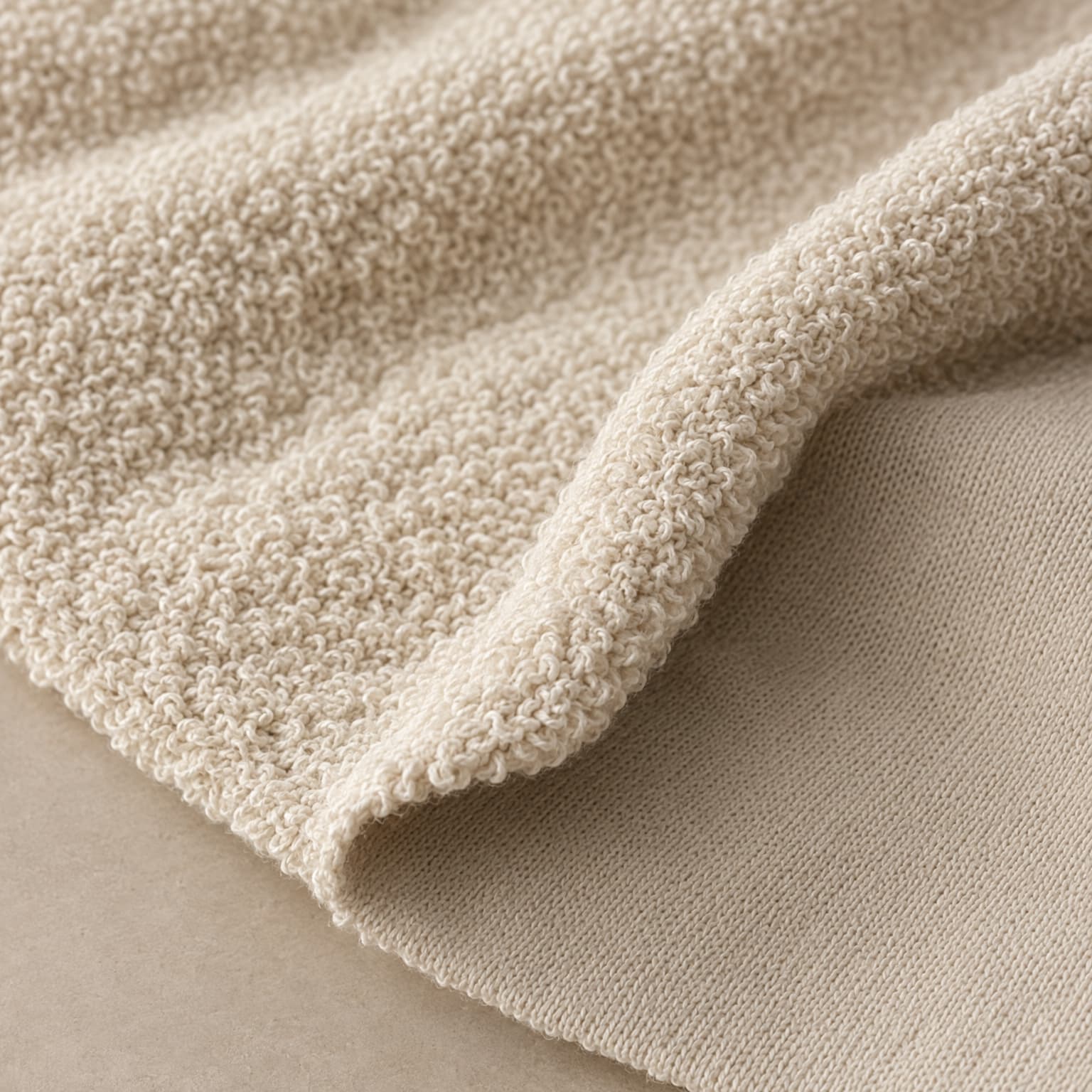
- French terry and fleece: loopback knits used for sweatshirts, hoodies and joggers.
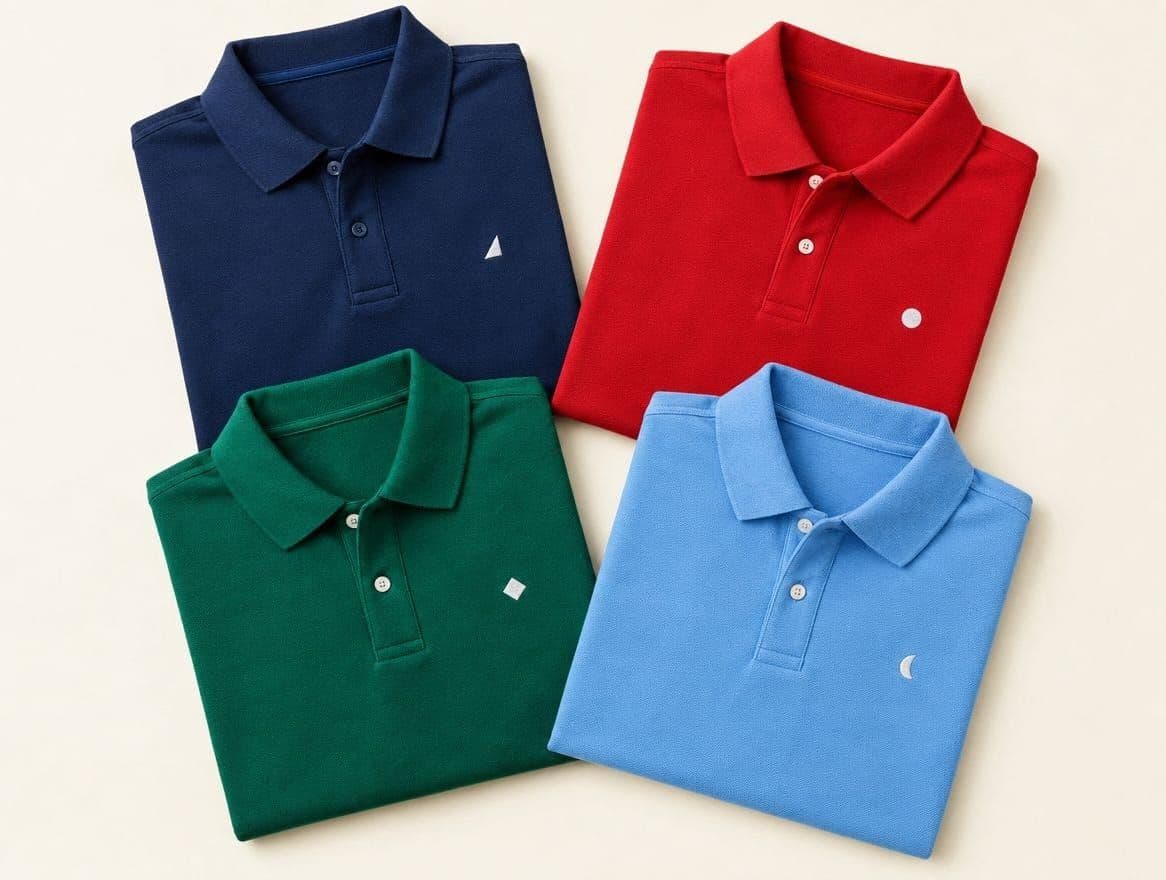
- Pique: a textured knit with a small raised pattern, used for polo shirts.
Types of cotton fabric by construction: wovens
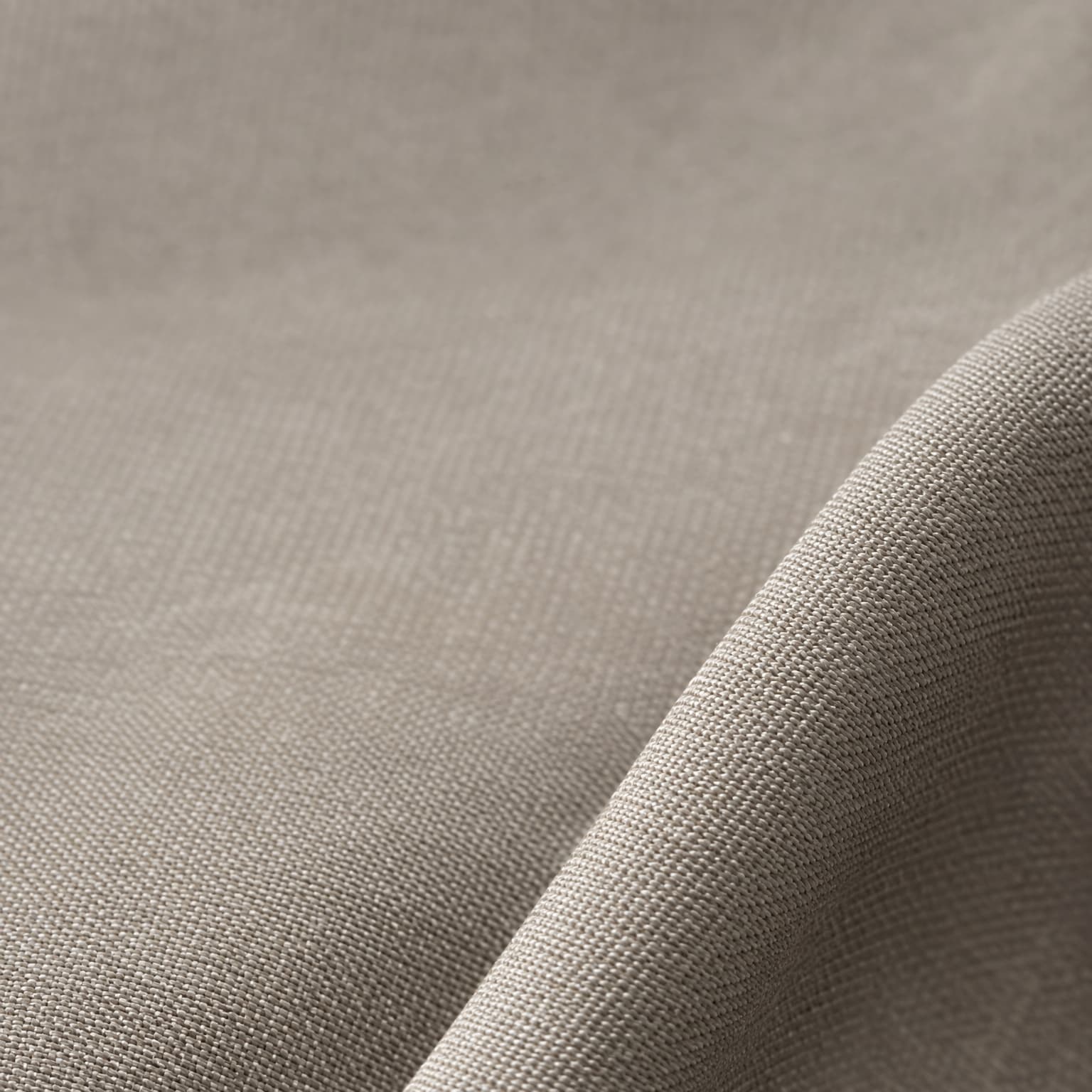
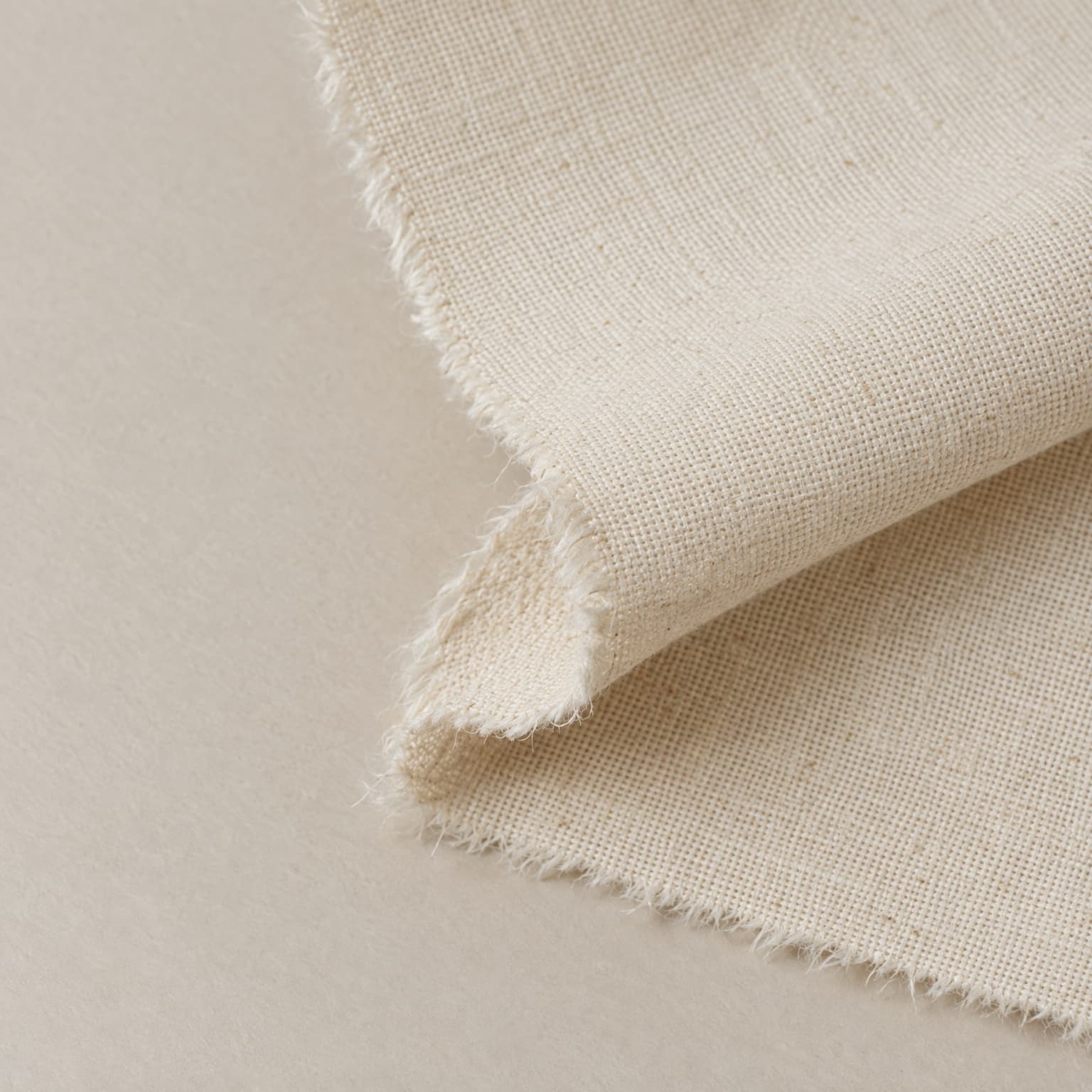
Woven cotton fabrics are made by crossing warp and weft threads, which gives them more structure and less stretch.
- Poplin: a smooth, lightweight plain weave for shirts and blouses.
- Twill: a diagonal weave that is durable and drapes well, used for chinos and workwear.
- Canvas and duck: heavy, tightly woven fabrics for bags, aprons and workwear.
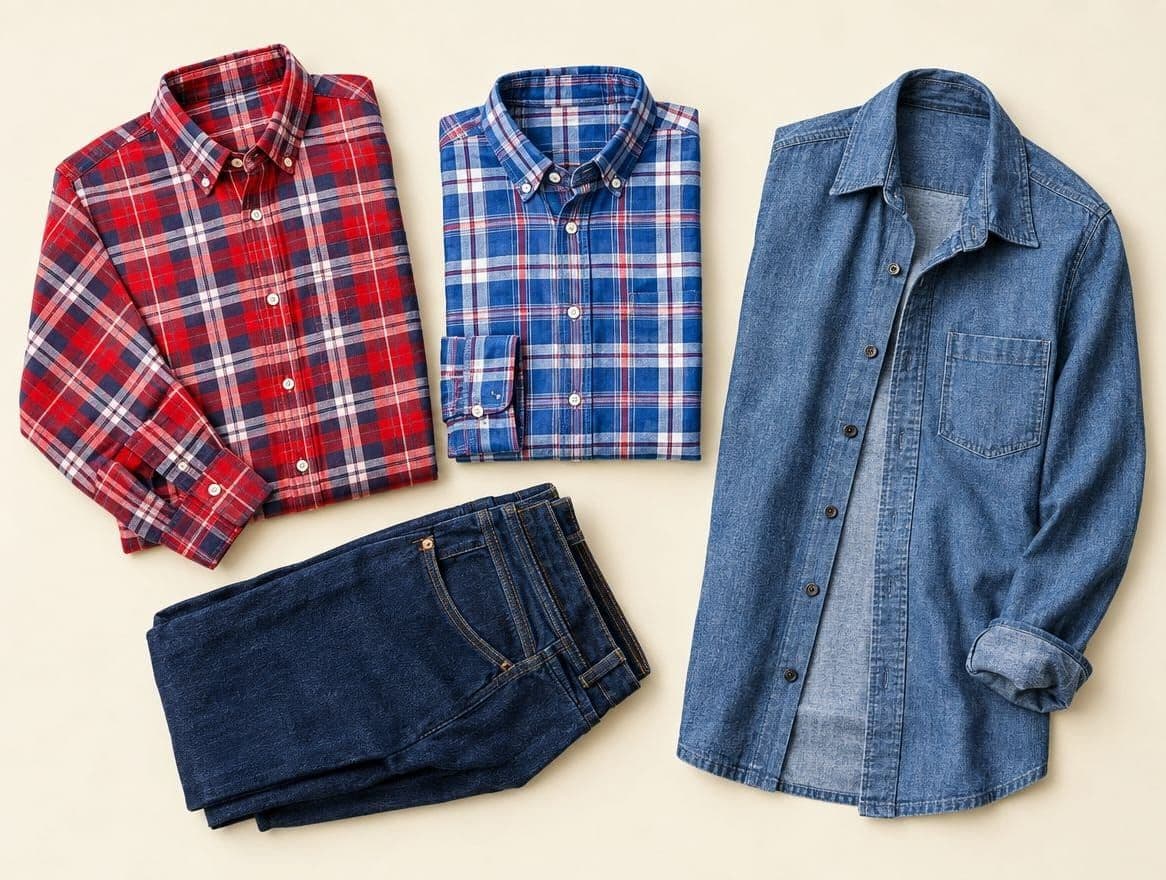
- Denim: a warp faced twill, traditionally dyed indigo, for jeans and jackets.
- Oxford: a basket weave with a slightly textured surface, used for button down shirts.
How to specify cotton in a brief
A complete fabric brief states the fibre composition, the construction, the weight in gsm, the colour and the finish. For example, naming a combed cotton single jersey at a stated weight in a stated colour leaves very little to interpretation.
If you are unsure, send a reference garment or swatch. A factory can usually identify the construction and weight from a physical sample and propose a close match.