SpecificationGuidanceNotes
- Game and practice jersey body
- Specified per selected hockey knit
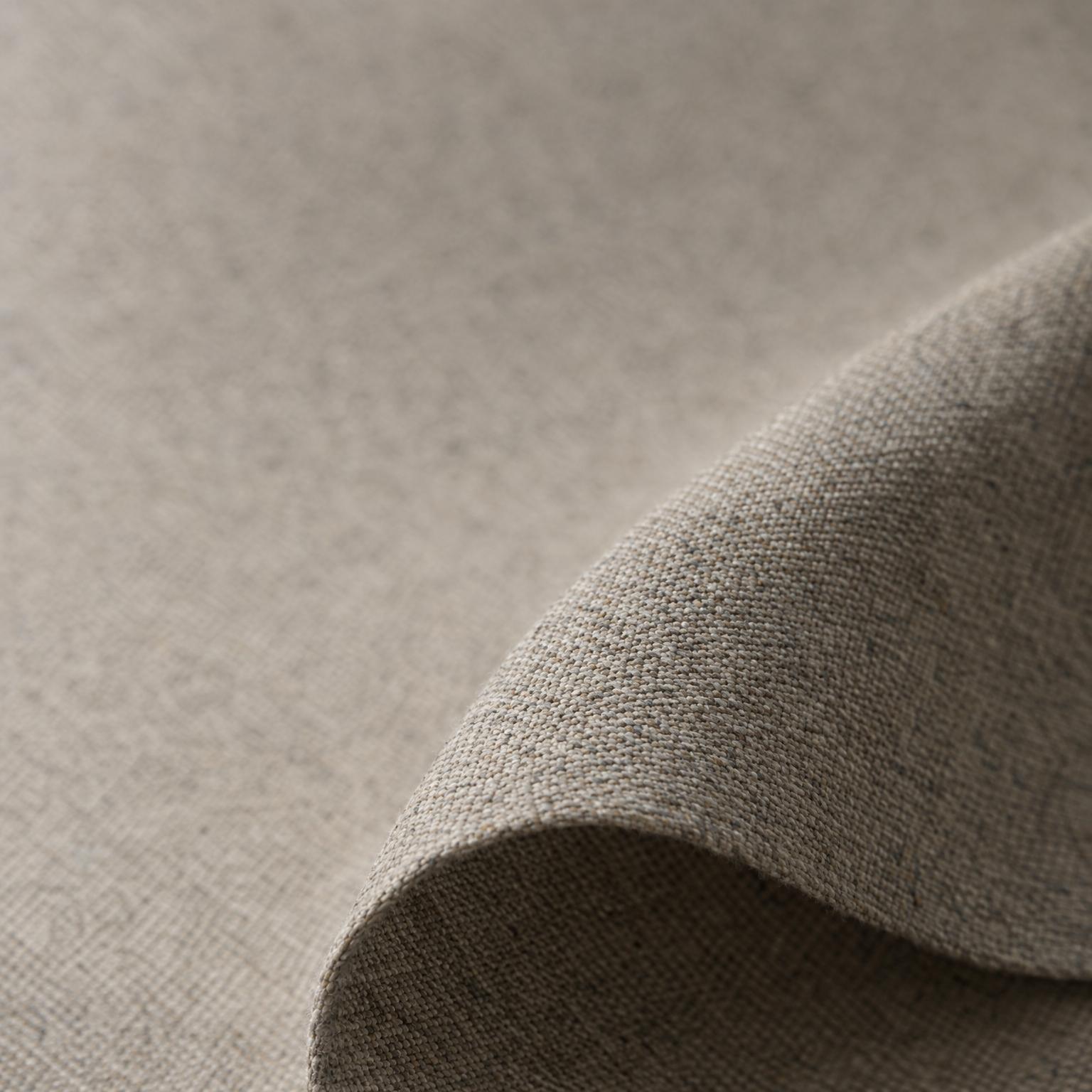
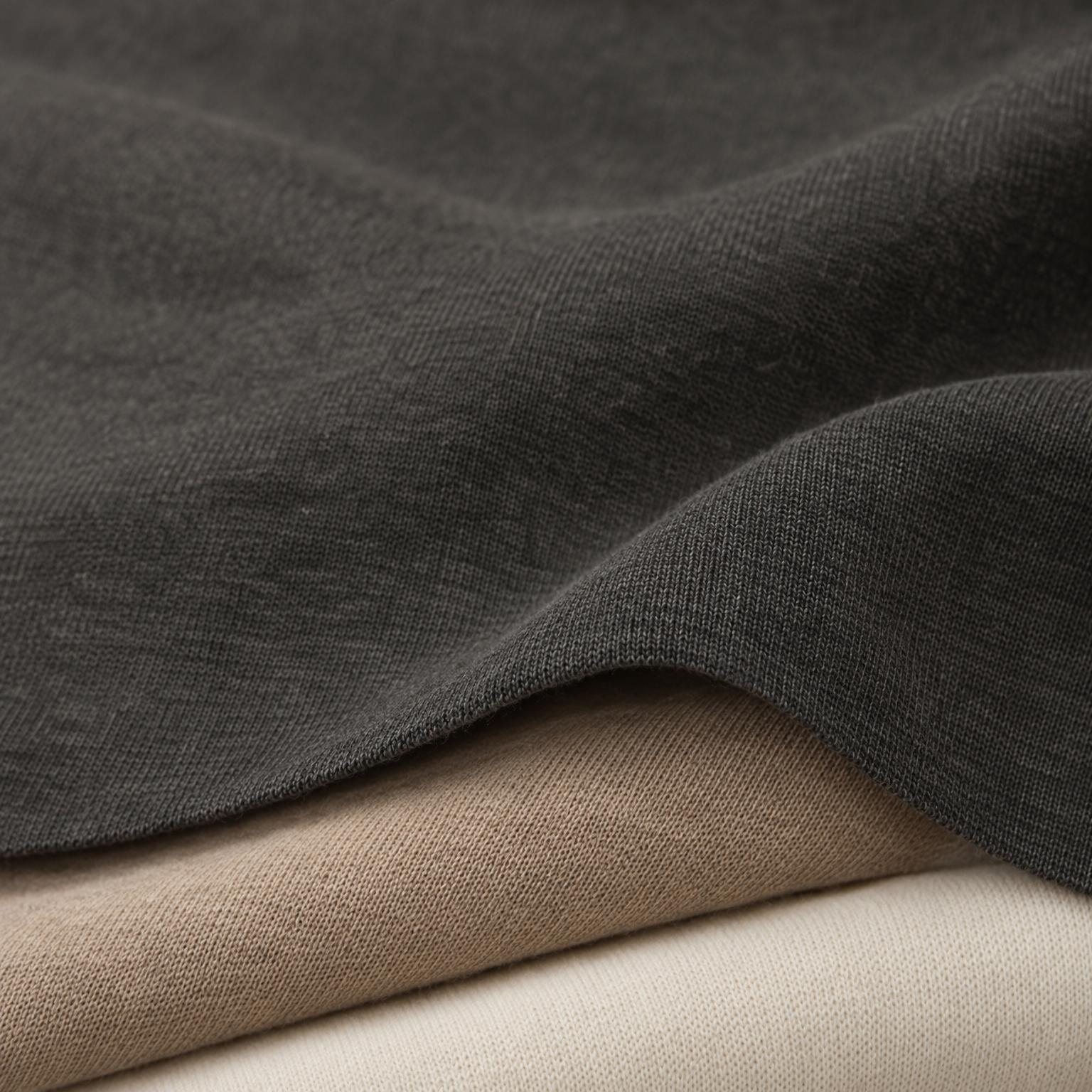
- Confirm the actual airknit, mesh, interlock or other selected construction and its finished gsm. Do not treat 130 to 180 gsm as a universal hockey jersey specification.
- Yoke, sleeves and ventilation panels
- Separate where different fabrics are used
- Confirm stretch compatibility, seam strength, opacity and stripe alignment. A fabric's denier describes yarn size, not its gsm.
- Lightweight off-ice training tops
- 130 to 180 gsm where selected
- A possible lightweight training specification, not the default for an on-ice jersey worn over protective equipment.
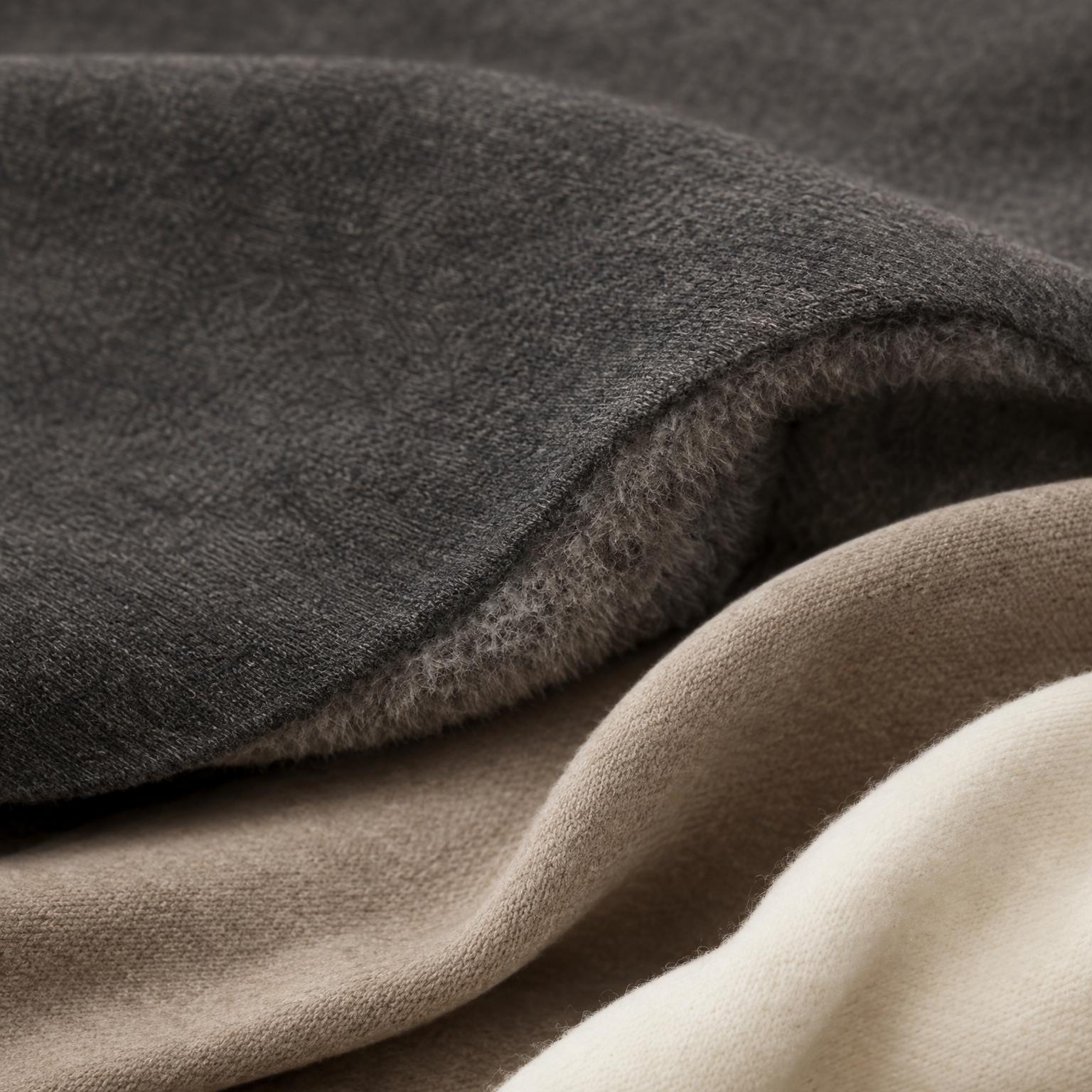
- Training fleece
- 260 to 320 gsm
- An indicative range for selected off-ice warm-up tops. Specify fleece construction and test decoration on that fabric separately.
- Equipment allowance
- Finished garment measurements specified
- Confirm chest, armhole, sleeve and body dimensions over the equipment actually worn. Assess goalkeeper requirements separately where requested.
Construction options
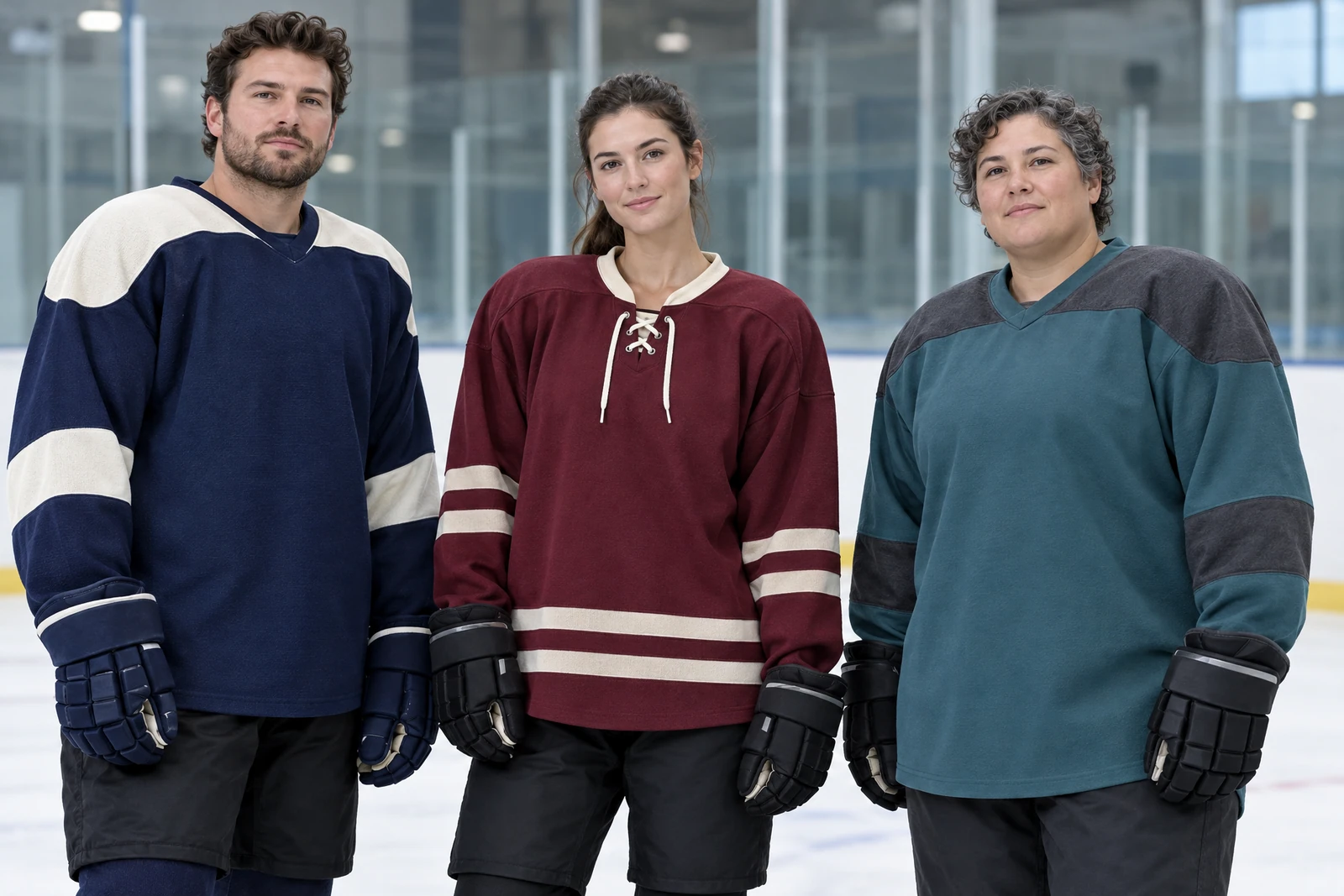
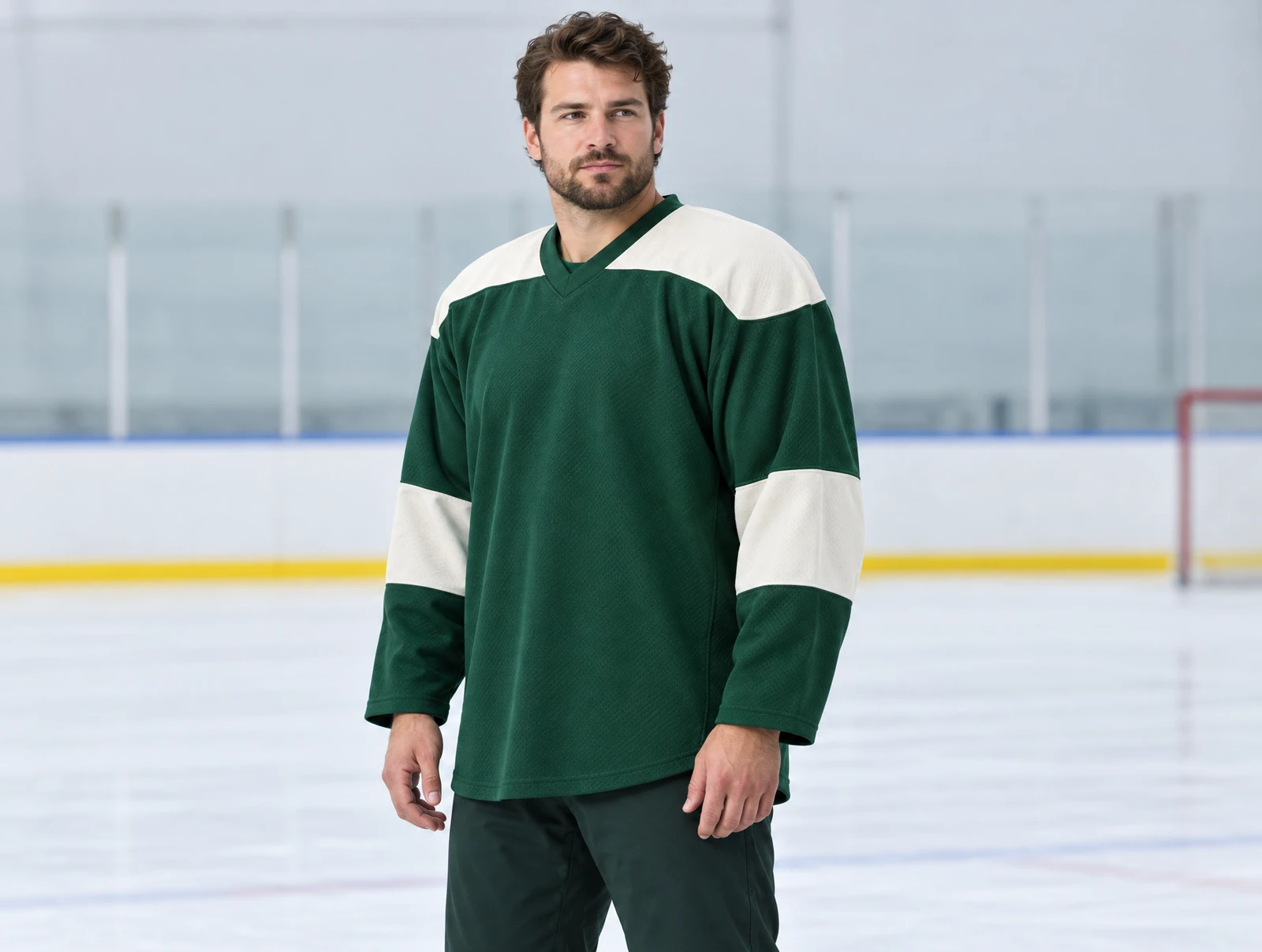
- 01Longer, fuller cut and fit allowance for wear over protective equipment, on the sample
- 02Set in or raglan sleeve construction
- 03Large crest, number and lettering placement set on the sample
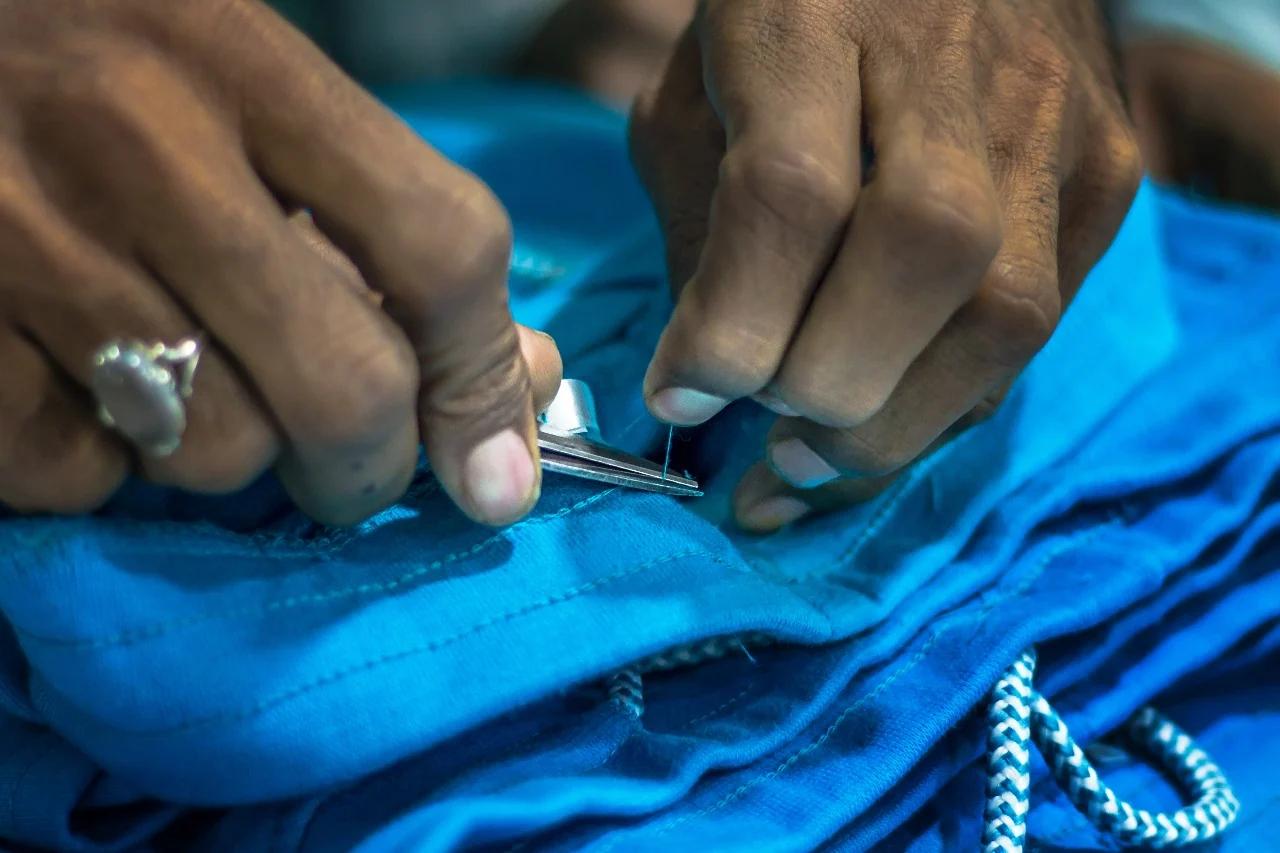
- 04Flatlock seams to reduce chafing
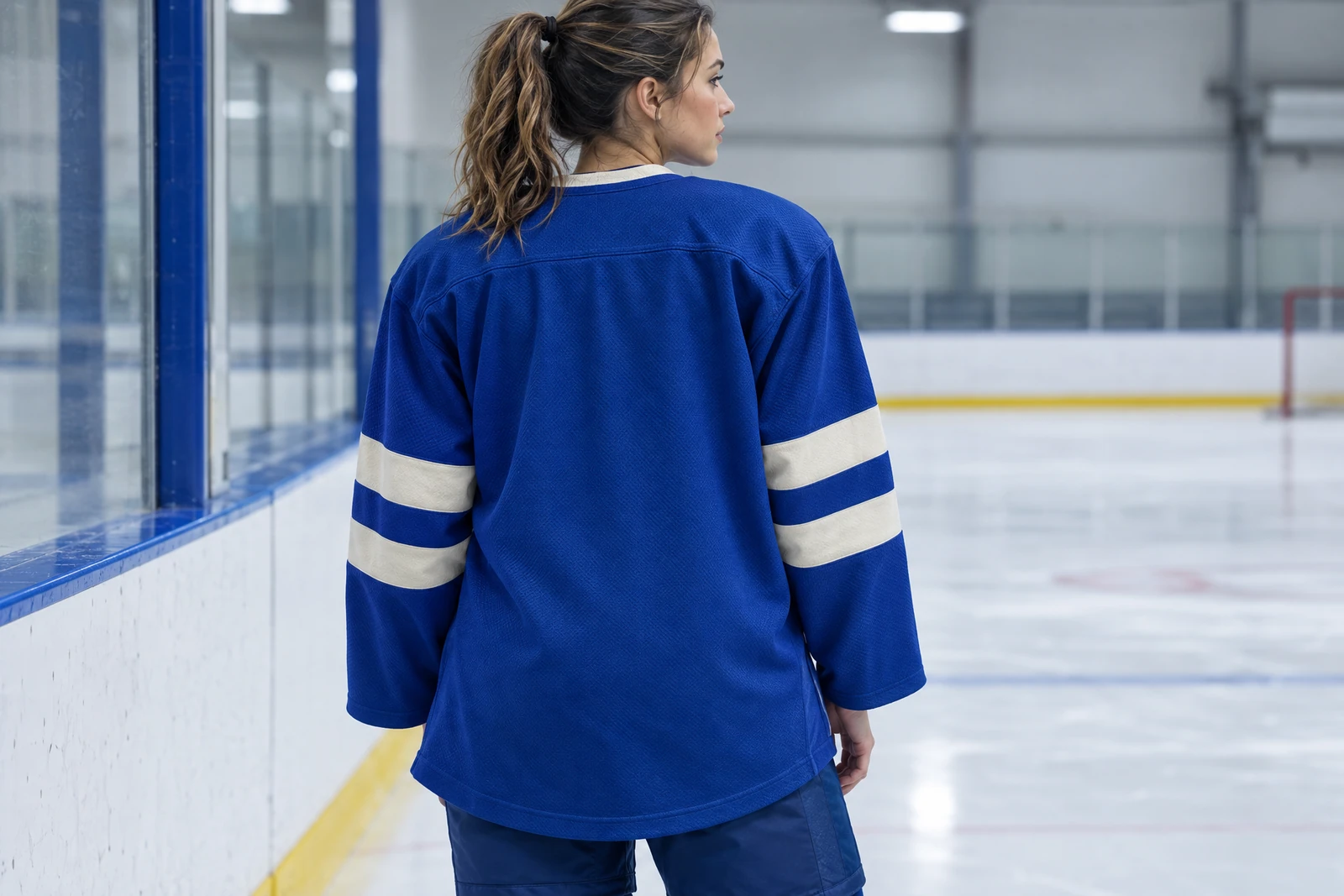
- 05Contrast panels, piping and striped sleeve detail in team colours
- 06Mesh ventilation panels at defined zones
Labelling and packaging
- 01Tagless heat transfer labels to avoid skin irritation
- 02Per piece polybagging with name and size marking for team orders
- 03Team kit packed by player or by size assortment
Weights and construction by component
Component-level guidance for ice hockey jerseys. Any ranges are indicative sourcing references, not guaranteed order specifications. Different components can need different fabrics, weights and units; the selected materials, construction and finished measurements are confirmed on the approved sample.
Component by component weights, construction and sample checks for ice hockey jerseys| Component | Weight, unit or setting | Construction choices | Check on the sample |
|---|
| Jersey bodyIndustry guidance | Specify the selected hockey knit and its finished gsm. A generic 130 to 180 gsm lightweight sportswear range is not a universal on-ice jersey specification. | Longer, fuller cut with sleeve and armhole allowance for the equipment actually worn; seams and reinforcement agreed per style. | Assess fabric recovery, seam performance and fit over the intended equipment, including goalkeeper requirements where requested. |
|---|
| Sleeves and stripesIndustry guidance | Specify sleeve, yoke and ventilation fabrics separately where their constructions differ. | Striped and contrast panels aligned across seams, with compatible stretch and shrinkage. | Check stripe alignment, sleeve reach, panel joins and recovery after laundering. |
|---|
| Warm up topIndustry guidance | 260 to 320 gsm is an indicative range for selected training fleece, not an on-ice jersey specification. | Zip or pullover, with fleece construction and trim agreed separately. | Test decoration on the fleece itself and assess warmth, fit and recovery after laundering. |
|---|
| Crests and numbersIndustry guidance | Size, placement and attachment specified across the ordered garment sizes. | Sublimation, transfer, embroidery or sewn twill selected for the actual fabric and intended use. | Check alignment, stiffness, attachment durability and any competition requirements provided by the buyer. |
|---|