SpecificationGuidanceNotes
- Jersey body
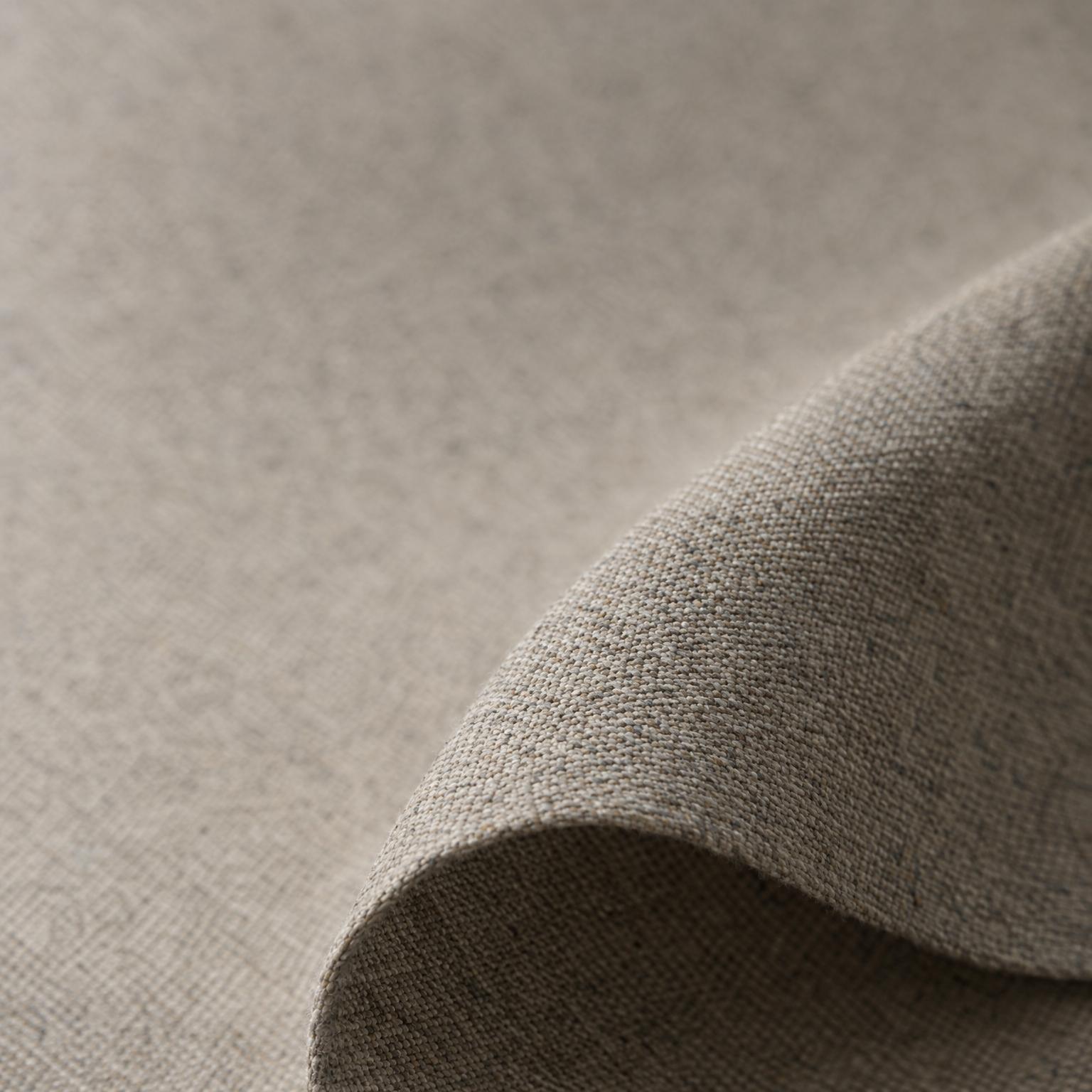
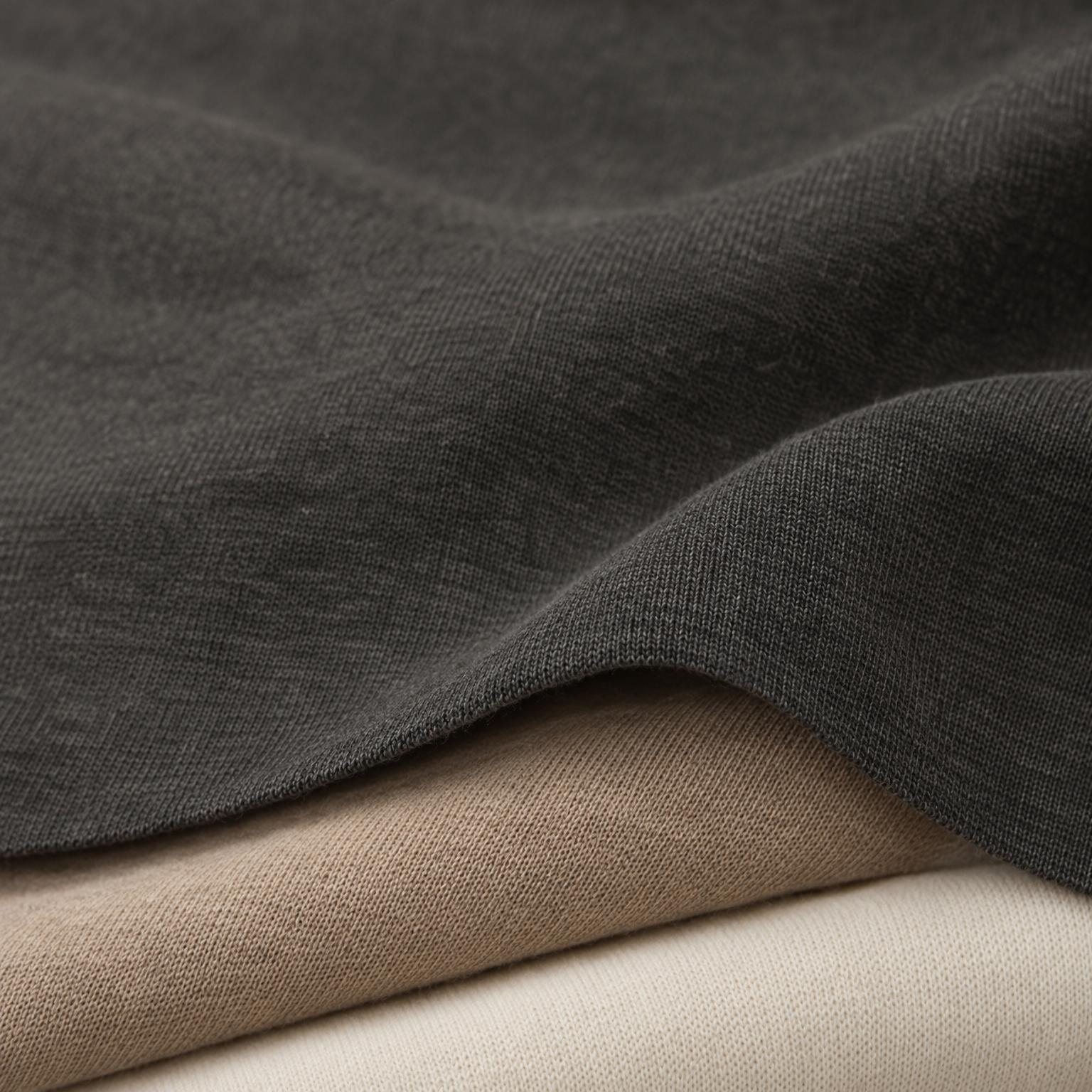
- 130 to 180 gsm
- An indicative range for selected lightweight match and training knits, not a universal specification. Confirm composition, knit structure, opacity and finished weight on the approved fabric.
- Mesh panels
- 100 to 150 gsm
- An indicative ventilation range. Confirm opening size, snag resistance, opacity and stretch compatibility with the adjoining body fabric.
- Matching shorts
- Specified separately from the jersey
- Choose woven or knitted fabric for the intended fit. Confirm finished gsm, movement allowance, waistband recovery and any liner separately.
- Neckline and sleeve trim
- Width, composition and recovery specified
- Rib or self-fabric trim must recover after stretching and washing. Its specification is not established by the jersey body weight.
- Goalkeeper variants
- Separate style specification
- Confirm sleeve length, fit and any requested additional construction on its own sample rather than assuming the outfield jersey specification applies.
Construction options
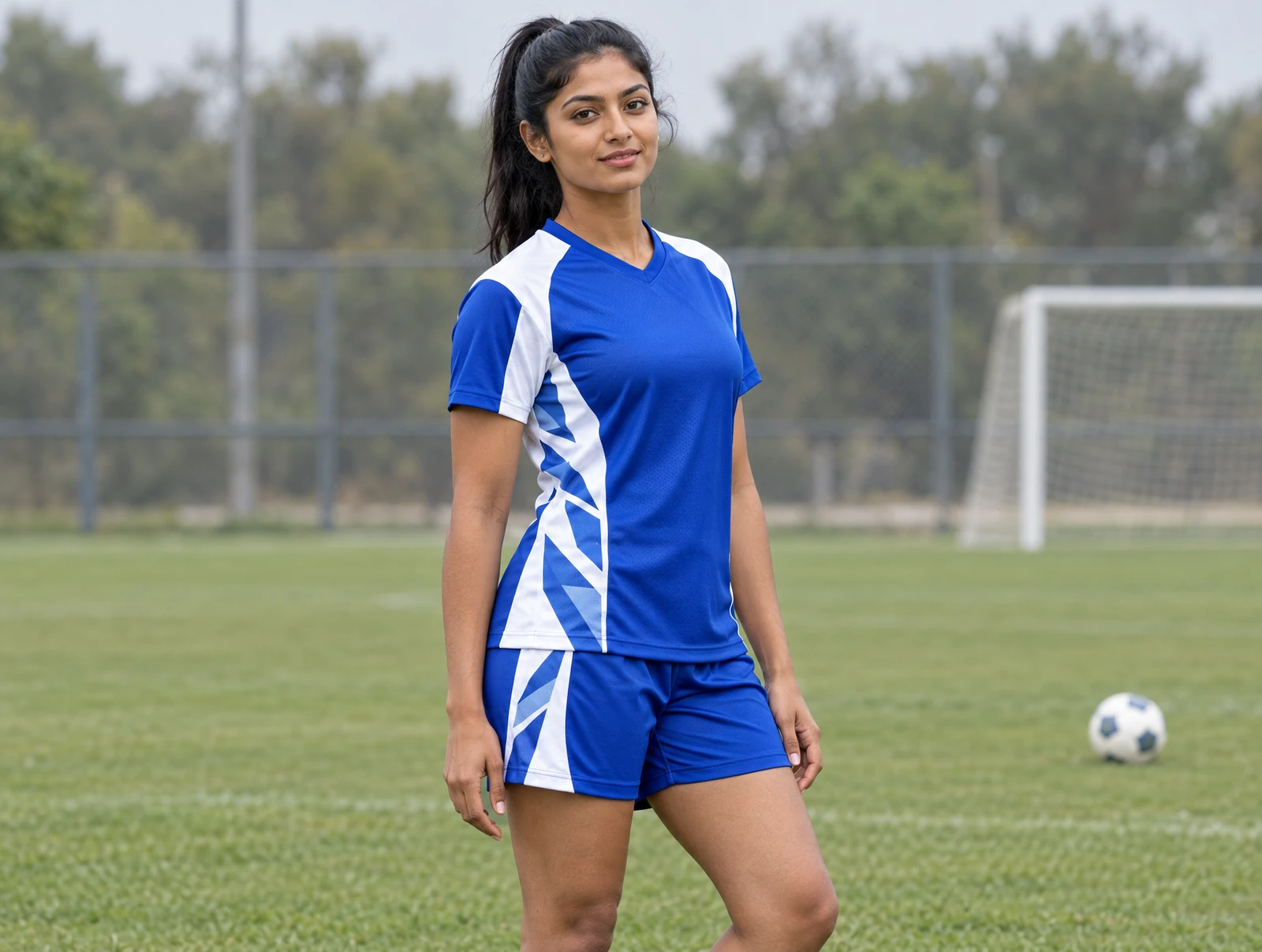
- 01Raglan or set in sleeve construction
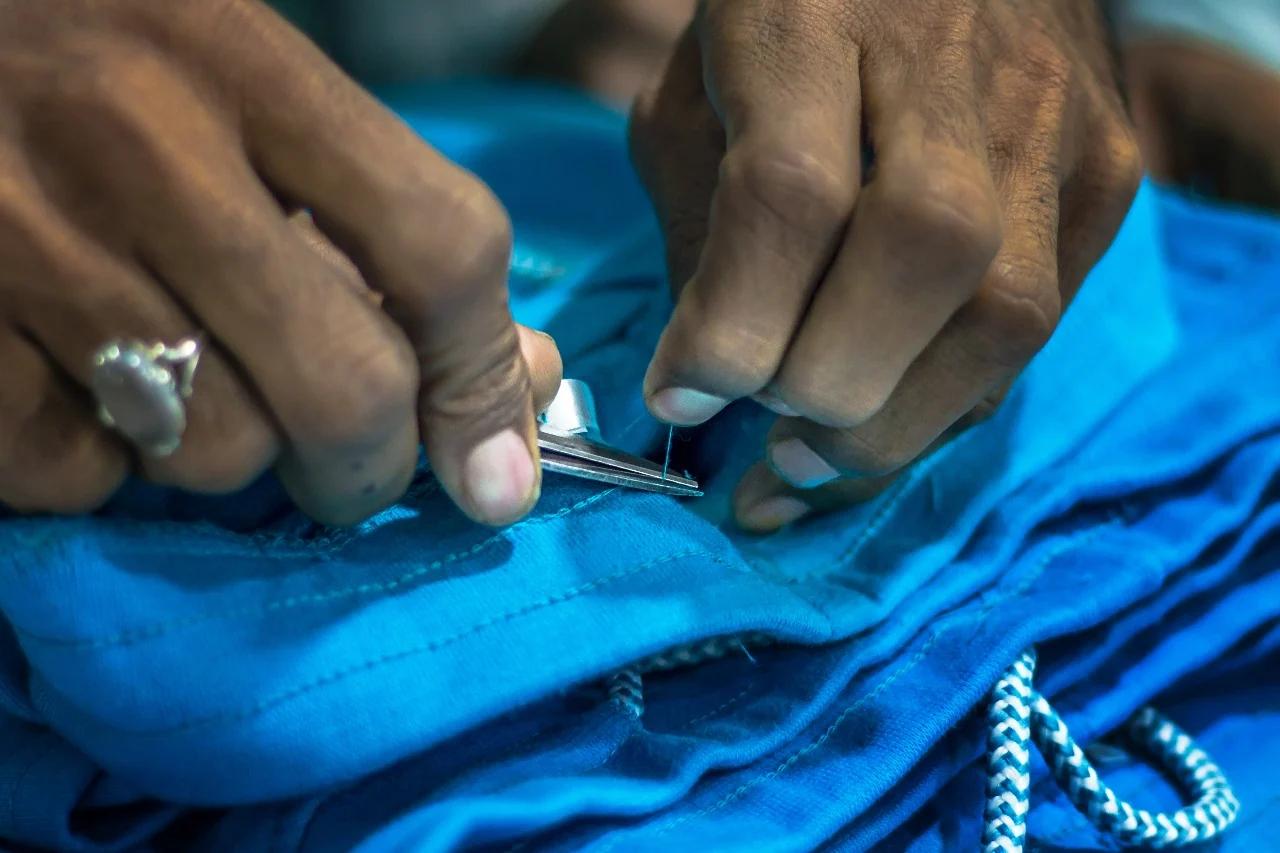
- 02Flatlock seams to reduce chafing
- 03Mesh ventilation panels at defined zones
- 04Crew, V neck or collared necklines in matching or contrast trim
- 05Coverstitch hemming for stretch retention
- 06Crest, sponsor and name and number placement set on the sample
Labelling and packaging
- 01Tagless heat transfer labels to avoid skin irritation
- 02Per piece polybagging with name and size marking for team orders
- 03Team kit packed by player or by size assortment
Weights and construction by component
Component-level guidance for soccer jerseys. Any ranges are indicative sourcing references, not guaranteed order specifications. Different components can need different fabrics, weights and units; the selected materials, construction and finished measurements are confirmed on the approved sample.
Component by component weights, construction and sample checks for soccer jerseys| Component | Weight, unit or setting | Construction choices | Check on the sample |
|---|
| Jersey bodySupplier example | Performance jersey 130 to 180 gsm is the typical range. Confirm the weight of the actual fabric on the sample. | Raglan or set in sleeve, flatlock seams, coverstitched hems. | Weigh the fabric and compare against the approved swatch. |
|---|
| Mesh panelsIndustry guidance | 100 to 150 gsm is the typical range, specified separately from the body. | Placed at defined zones; seam allowance and stretch matched to the body knit. | Check the join lies flat after washing. |
|---|
| Neck and trimIndustry guidance | Rib or self fabric, specified by width and recovery rather than gsm. | Matching or contrast trim, taped neck where the style needs stability. | Measure neck opening before and after washing. |
|---|
| ShortsIndustry guidance | Woven or knit polyester, specified separately; liner optional. | Elastic, drawcord or both; side seam pockets only if the style needs them. | Check waist recovery and that the liner does not ride. |
|---|
| Goalkeeper variantsIndustry guidance | Separate style and fabric specification rather than an automatic extension of the outfield jersey. | Sleeve length, fit and any requested additional construction agreed on technical review. | Assess the goalkeeper sample independently for movement, comfort and post-wash dimensions. |
|---|