
Loading page content
Loading page content
Decoration
Separately produced badges applied to the garment. Consistent branding across mixed fabrics.
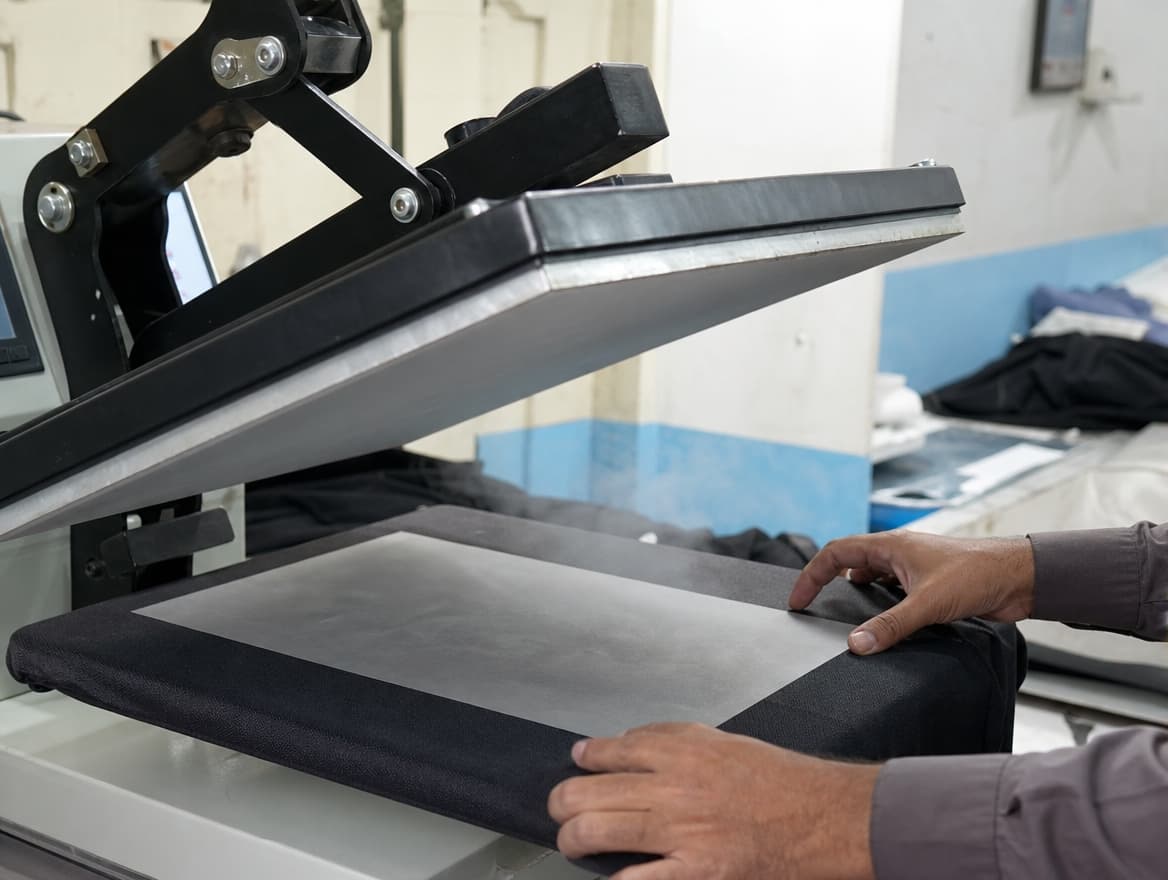
A patch is decorated away from the garment and then attached, which means the same badge can go onto a fleece, a shell jacket and a cap and look identical on all three.
That consistency, and the ability to decorate fabrics that resist direct decoration, is the main reason uniform and outdoor programmes use patches rather than direct embroidery.
Process
Each stage exists to resolve one question. Skipping a stage moves risk further down the line rather than removing it.
Type, size, border finish and attachment method are defined.
A physical patch sample is produced and approved.
Patches are produced against the approved sample.
Patches are attached to garments by the approved method.
Suitability
Where this capability is the right choice, and the materials it is compatible with.
Limits
Stated plainly, because a capability described without its constraints will be misapplied to a product it does not suit.
Materials
Composition, weight guidance and decoration behaviour for each fabric are on its own page.
Questions
It depends on the fabric, the artwork and the quantity. Screen printing suits solid colour artwork at volume. DTG and DTF suit detailed or low volume artwork. Sublimation works on polyester rich fabrics. Embroidery suits logos and durable branding. We confirm the method against your artwork and fabric during technical review rather than applying one method to everything.
Yes. Private label production covers your main label, care and content labels, size labels, hangtags, barcodes and packaging. You supply the brand assets and the legally required care and fibre content information for your market, and we apply them to the approved specification.
Tell us the product, the fabric and the quantity. We will confirm whether this is the right process and what it means for your minimum quantity and schedule.