
Loading page content
Loading page content
Manufacturing
The core assembly capability. Panels become garments against an approved sample and a written specification.
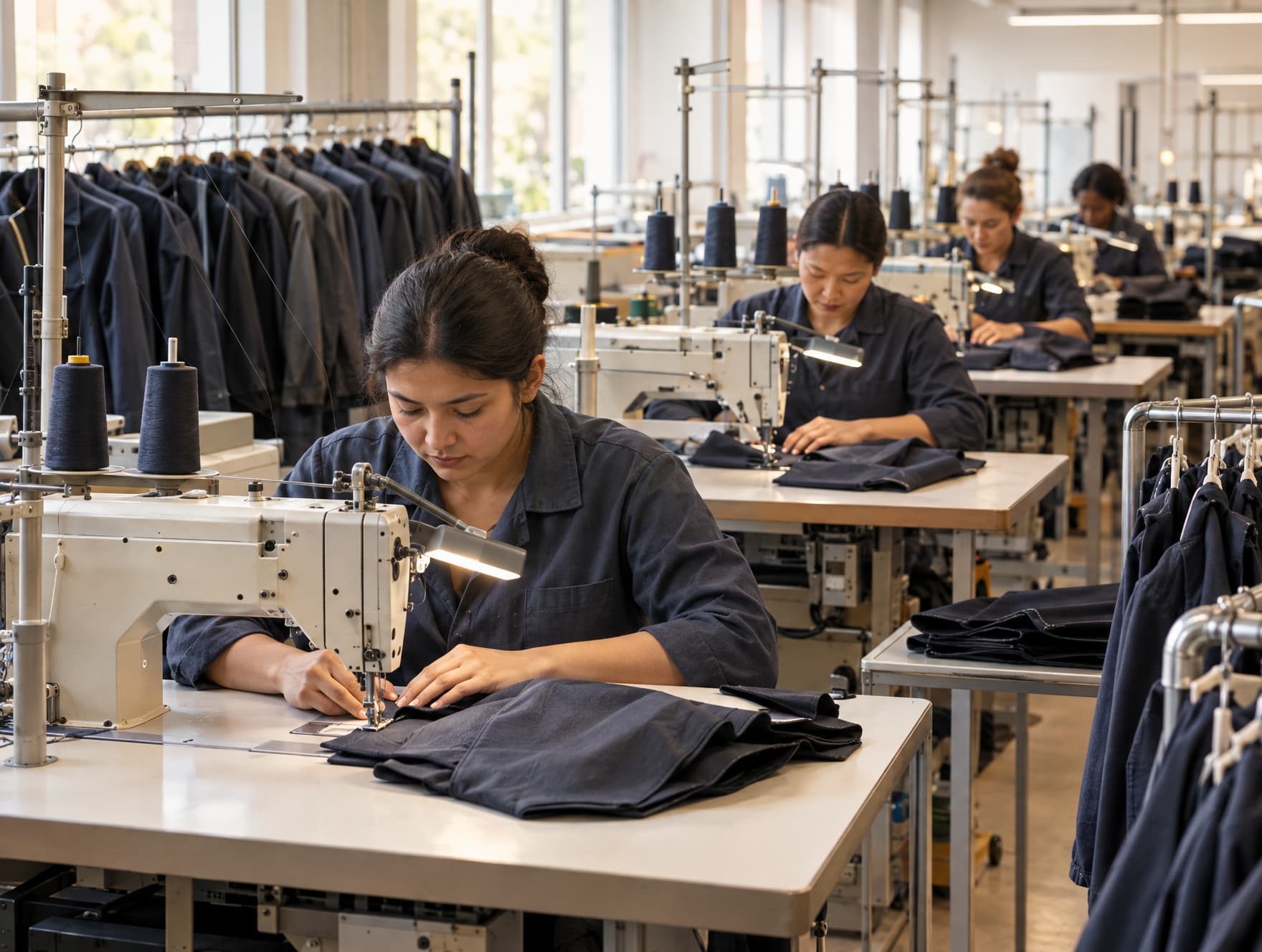
Cut and sew is how the large majority of apparel is made, and it is where specification discipline earns its value. The line works against the approved pre production sample and the tech pack, not against a photograph.
Consistency comes from inline checking rather than from final inspection alone. Problems caught at the operation that caused them are corrected in minutes; the same problems found at final inspection are corrected by reworking a whole lot.
Process
Each stage exists to resolve one question. Skipping a stage moves risk further down the line rather than removing it.
Operations are sequenced and machines set against the approved sample.
A small run confirms the line produces to specification before full output.
Production runs with inline checks at defined operations.
Garments are measured against the chart during production.
Completed garments pass to trimming, pressing and final inspection.
Suitability
Where this capability is the right choice, and the materials it is compatible with.
Limits
Stated plainly, because a capability described without its constraints will be misapplied to a product it does not suit.
Materials
Composition, weight guidance and decoration behaviour for each fabric are on its own page.
Questions
Minimum order quantity depends on material availability, colour count, construction, decoration and packaging. Projects can begin from approximately 50 pieces per style following technical review. Where a fabric has to be knitted or dyed specifically for a project, the practical minimum is set by the mill rather than by us, and we tell you that before you commit.
Yes. That is the reason TextileWays exists in its current form. A validation run and a full scale production programme use the same specification discipline, the same approved sample and the same inspection points. The difference is material procurement, line planning and shipping method, not the standard applied to the product.
Lead time is quoted per project rather than published as a single figure. It is driven by fabric availability, dyeing, decoration method, quantity, the number of sample rounds and the destination. We give you an indicative schedule with the quotation and confirm dates once the pre production sample is approved.
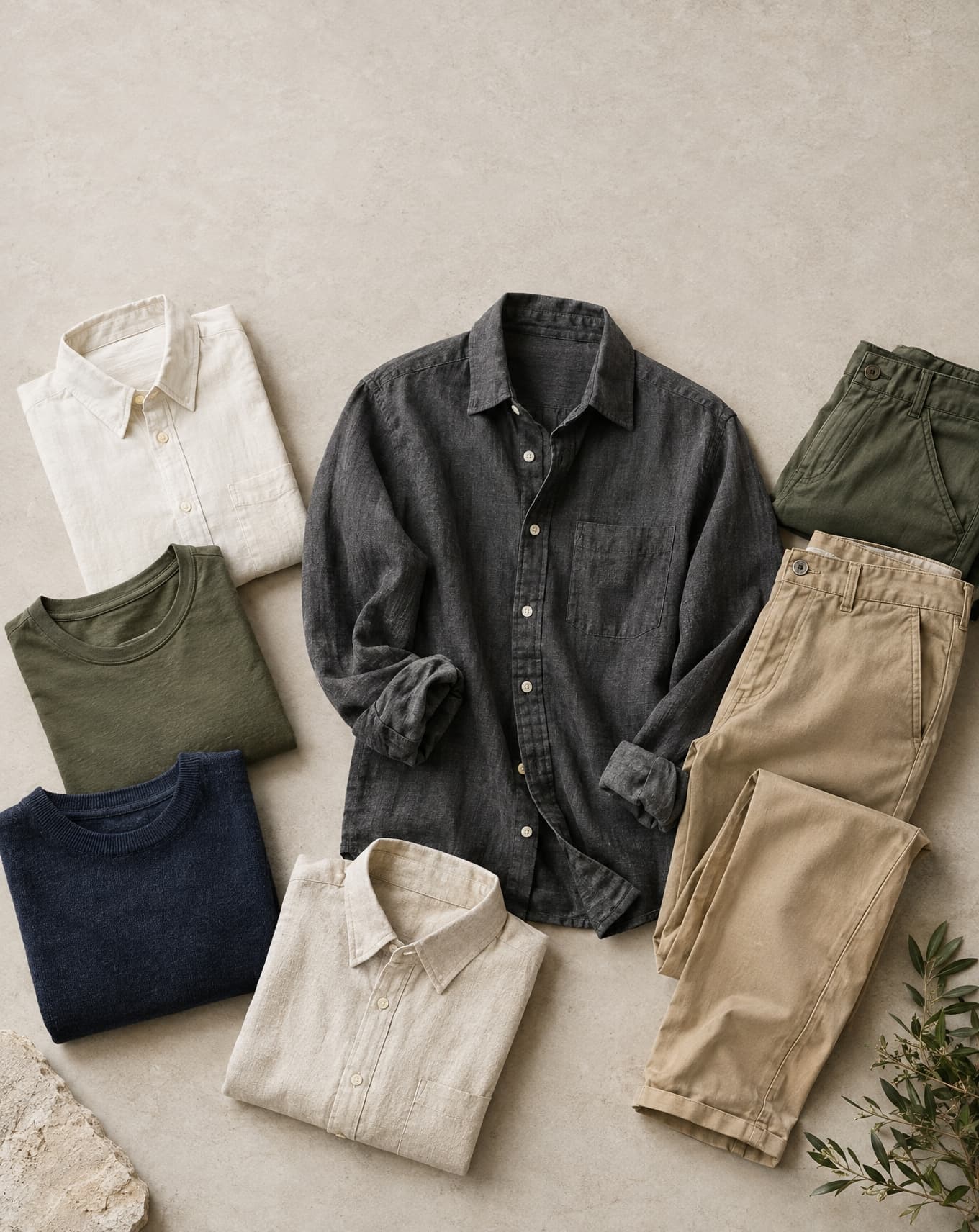
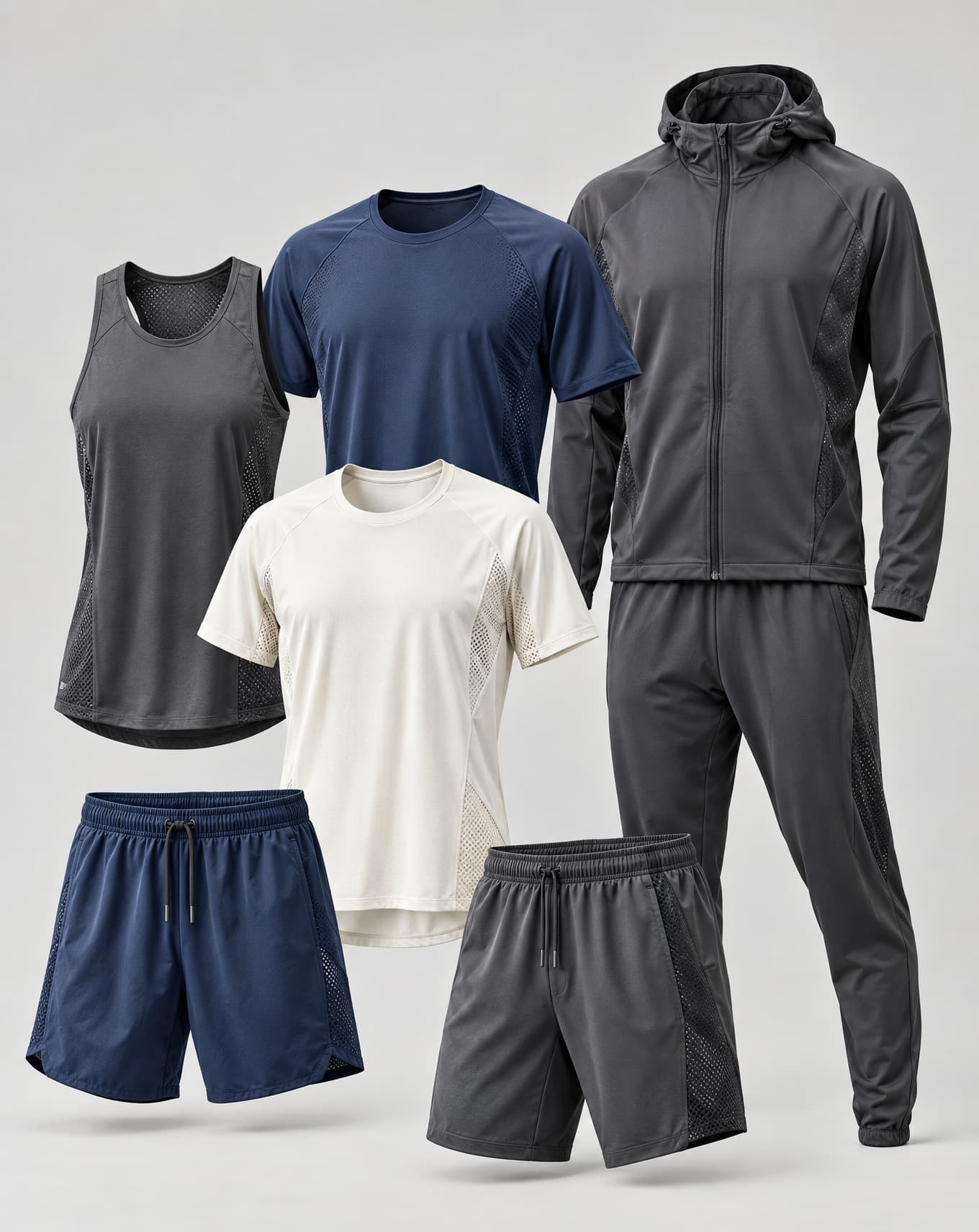
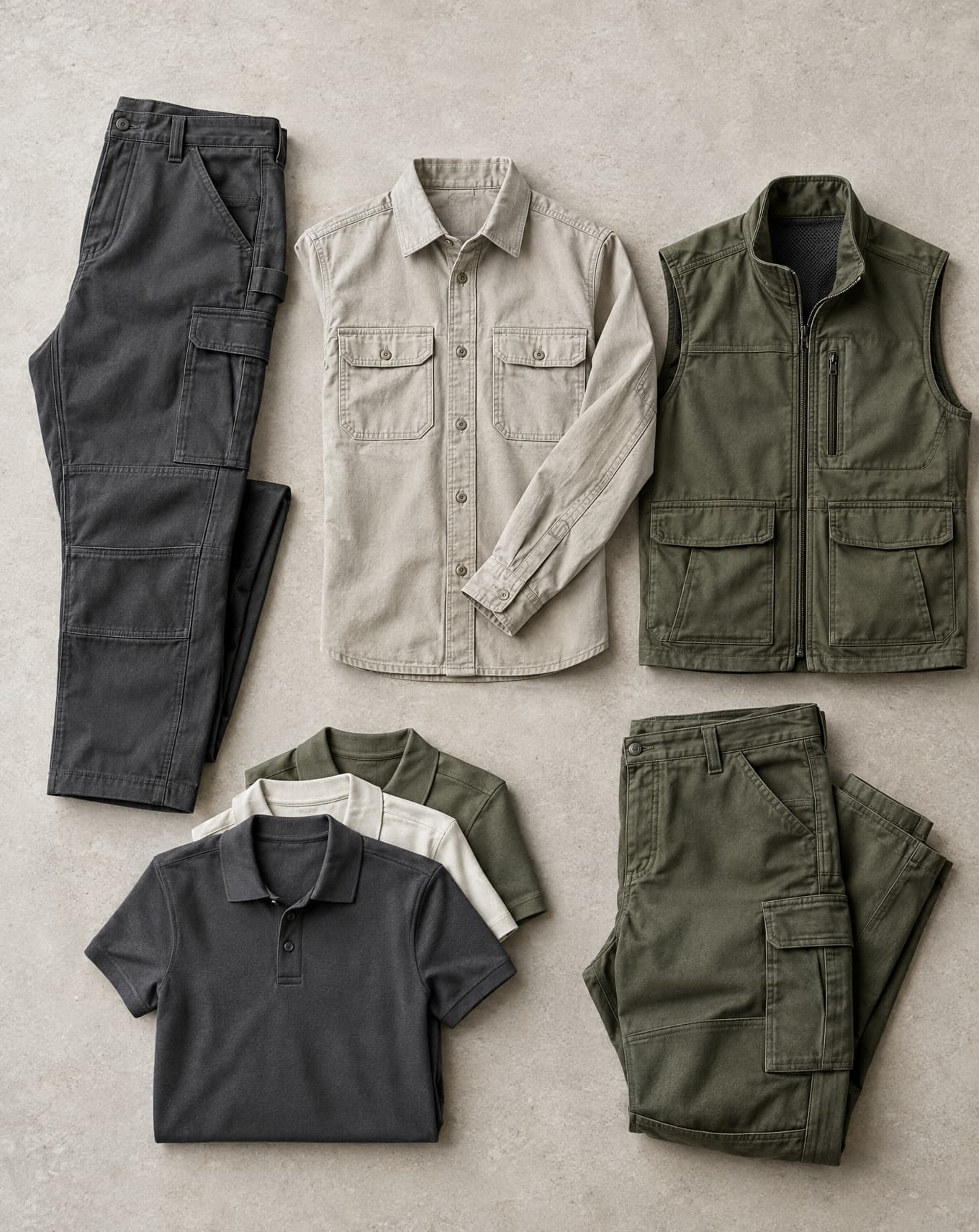
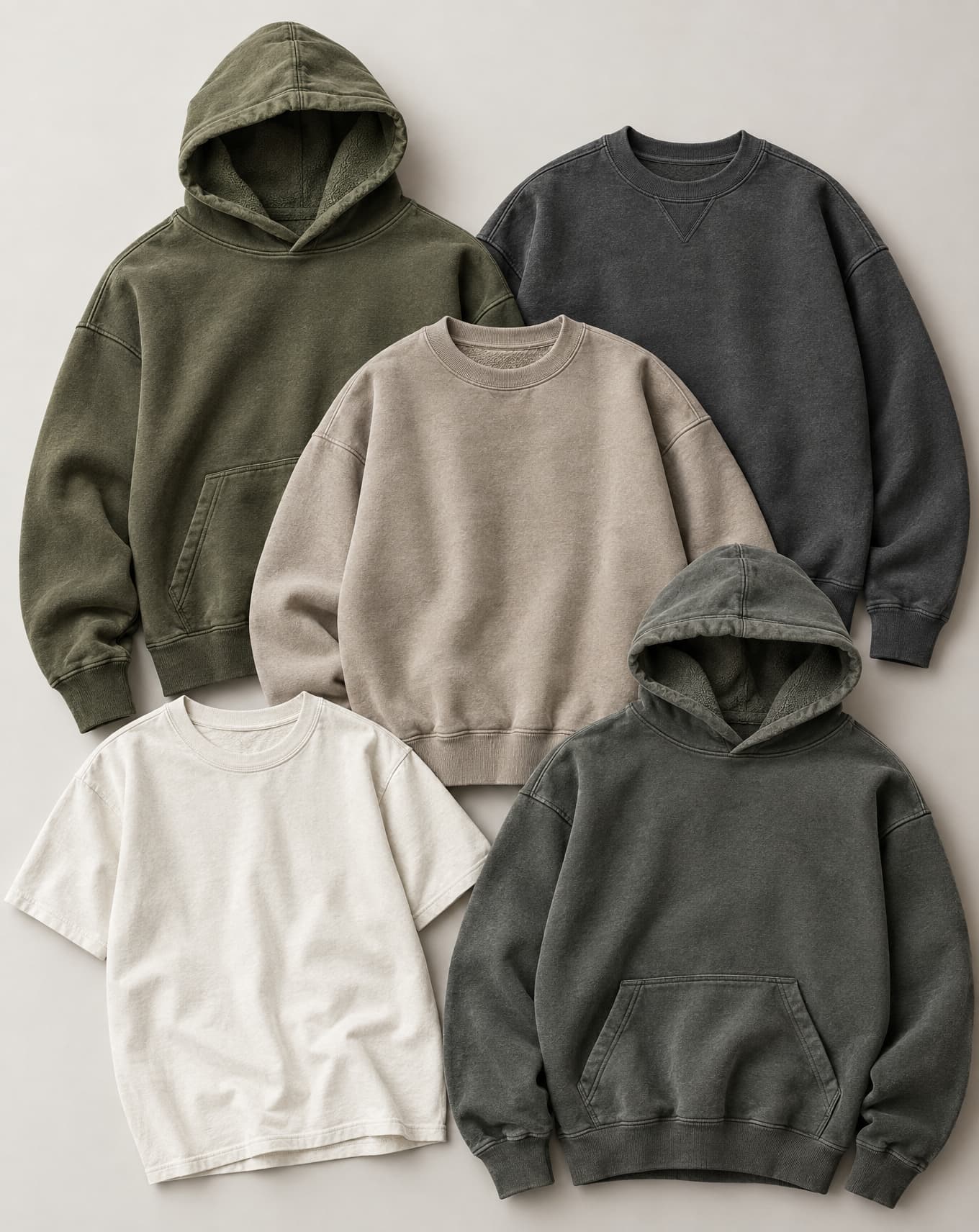
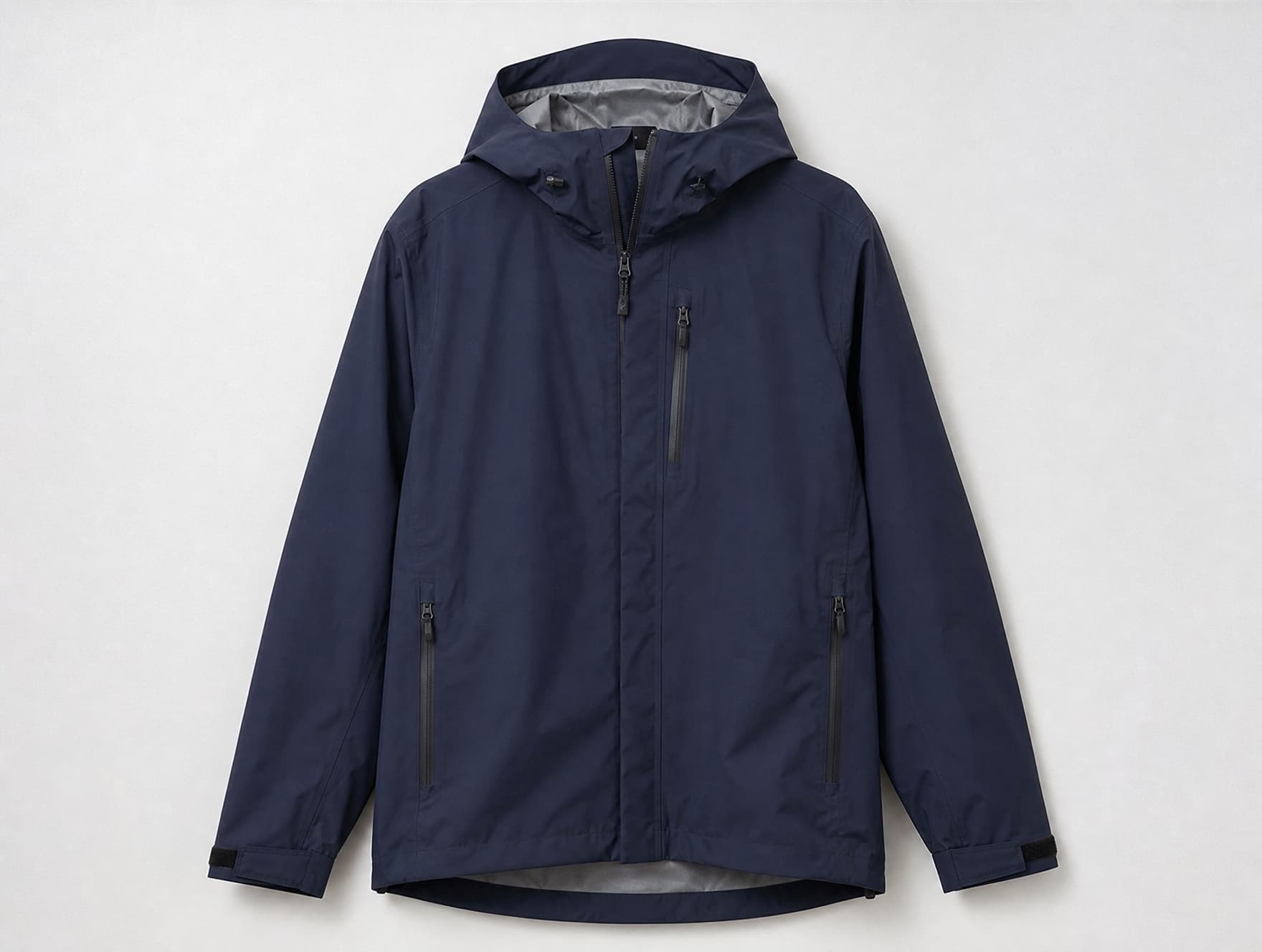
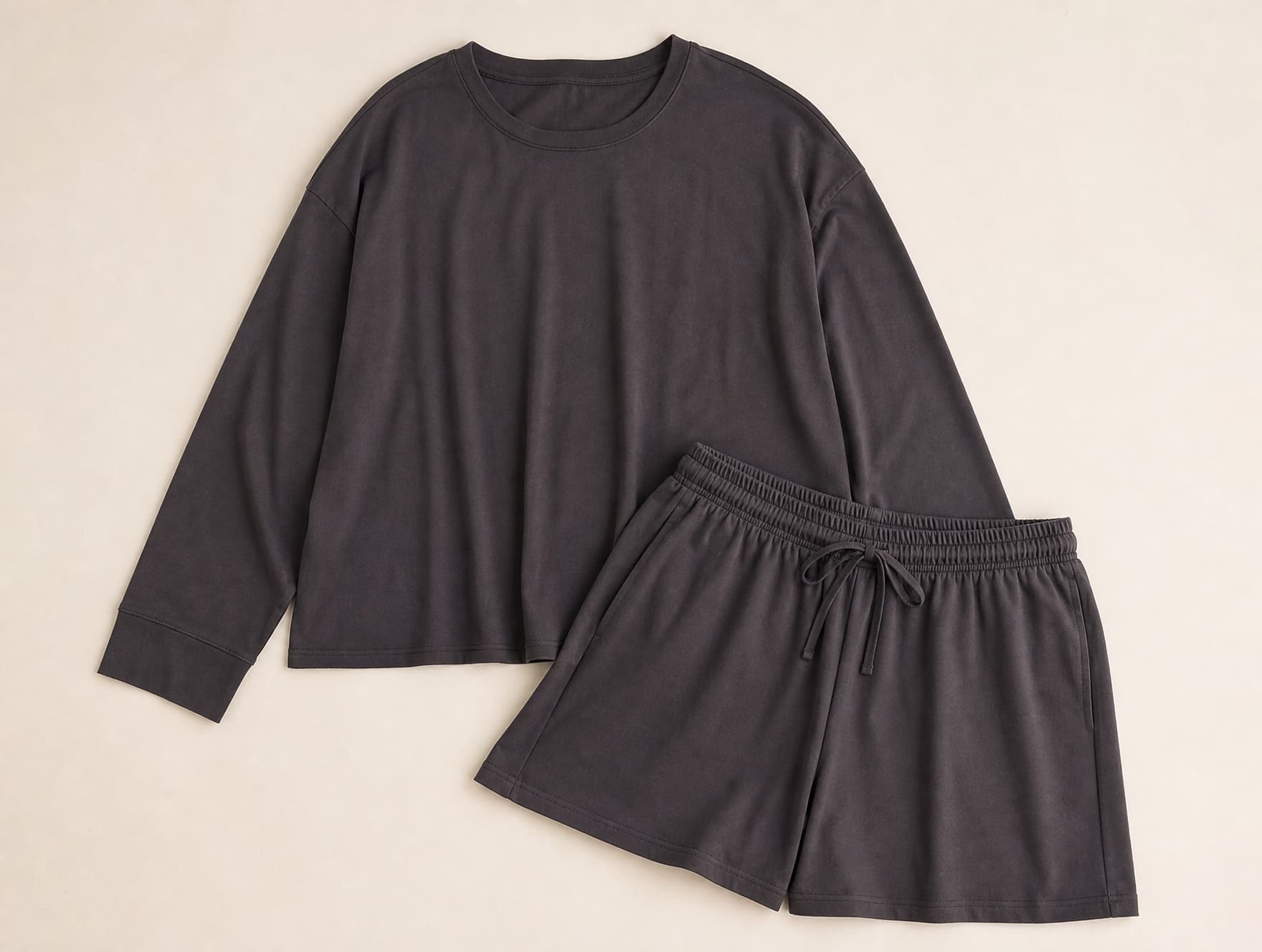
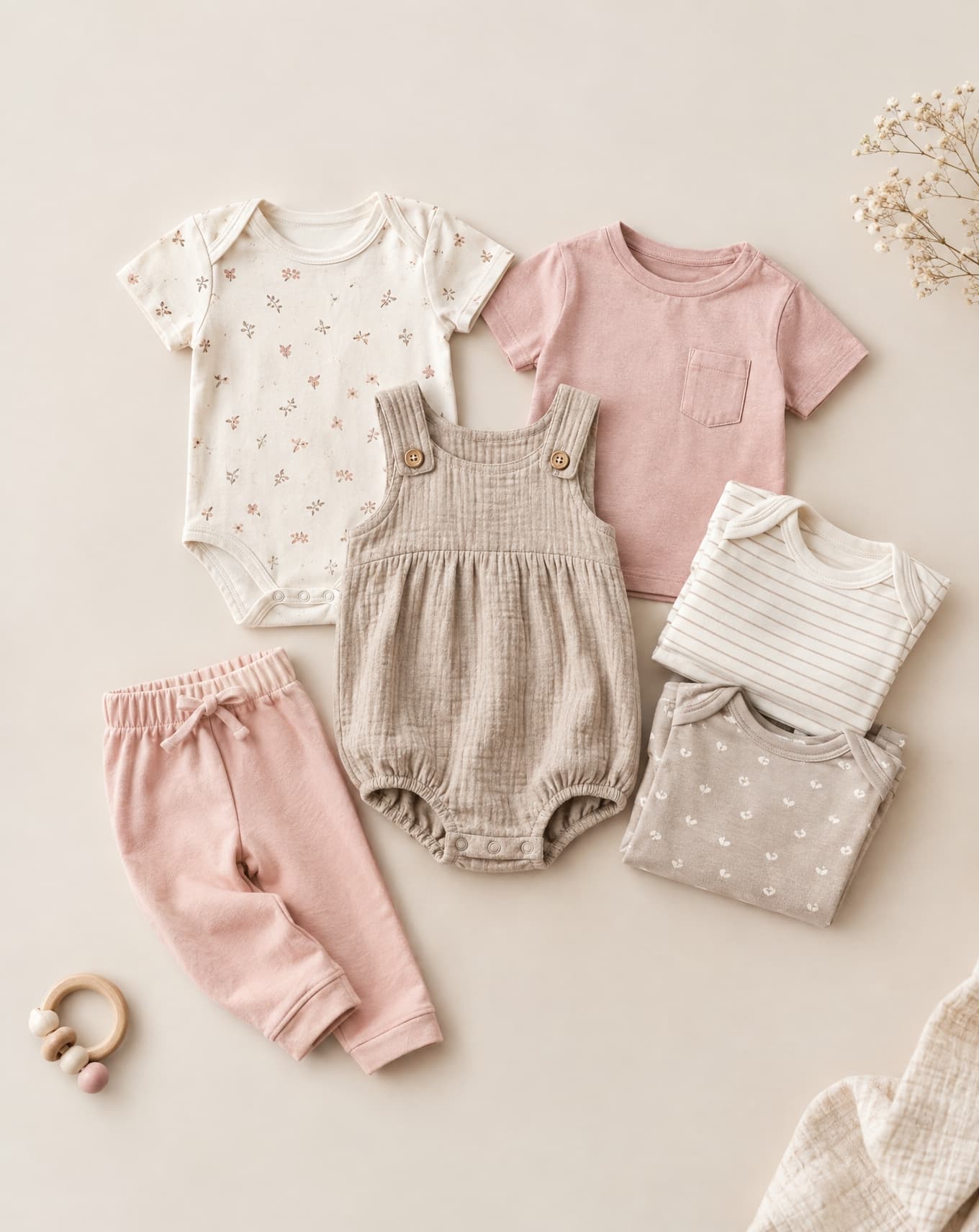
Tell us the product, the fabric and the quantity. We will confirm whether this is the right process and what it means for your minimum quantity and schedule.