
Loading page content
Loading page content
Industry
Organisations issuing branded apparel to staff, where consistency across years matters more than seasonal change.
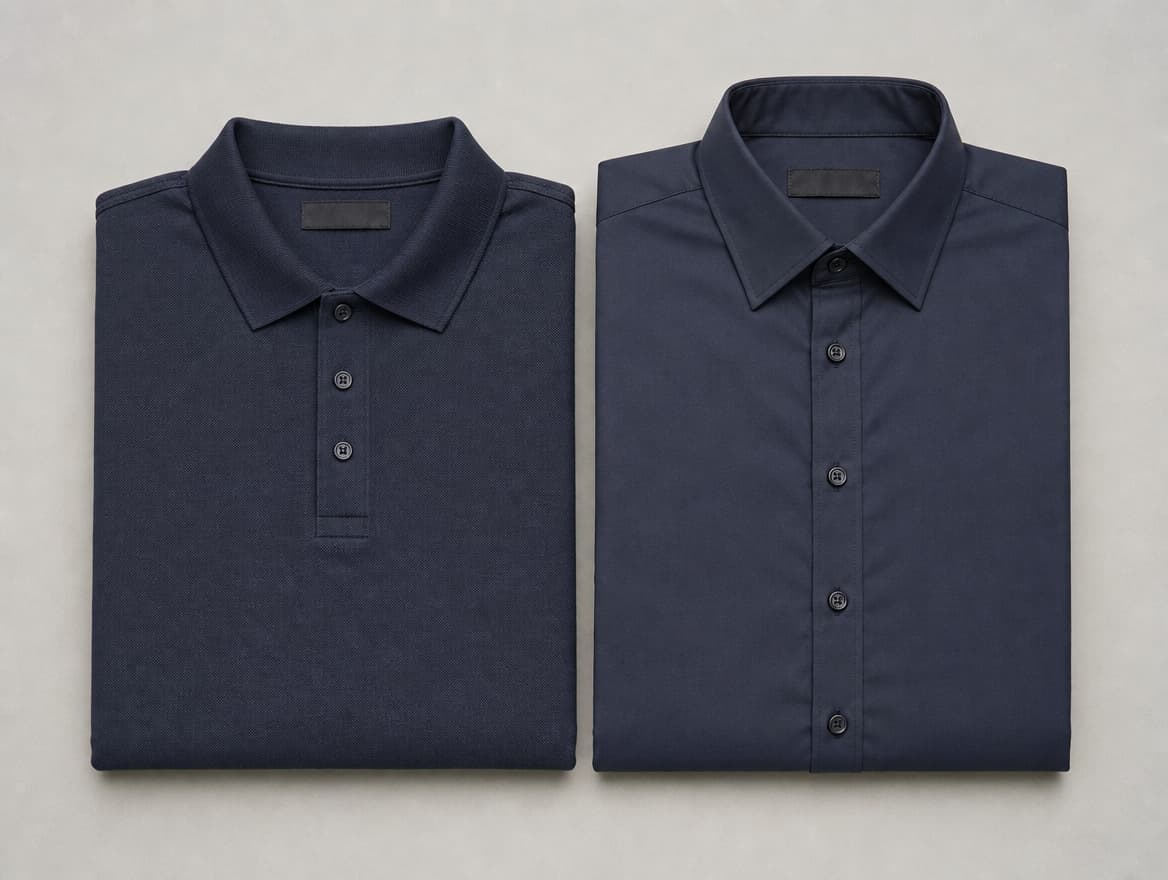
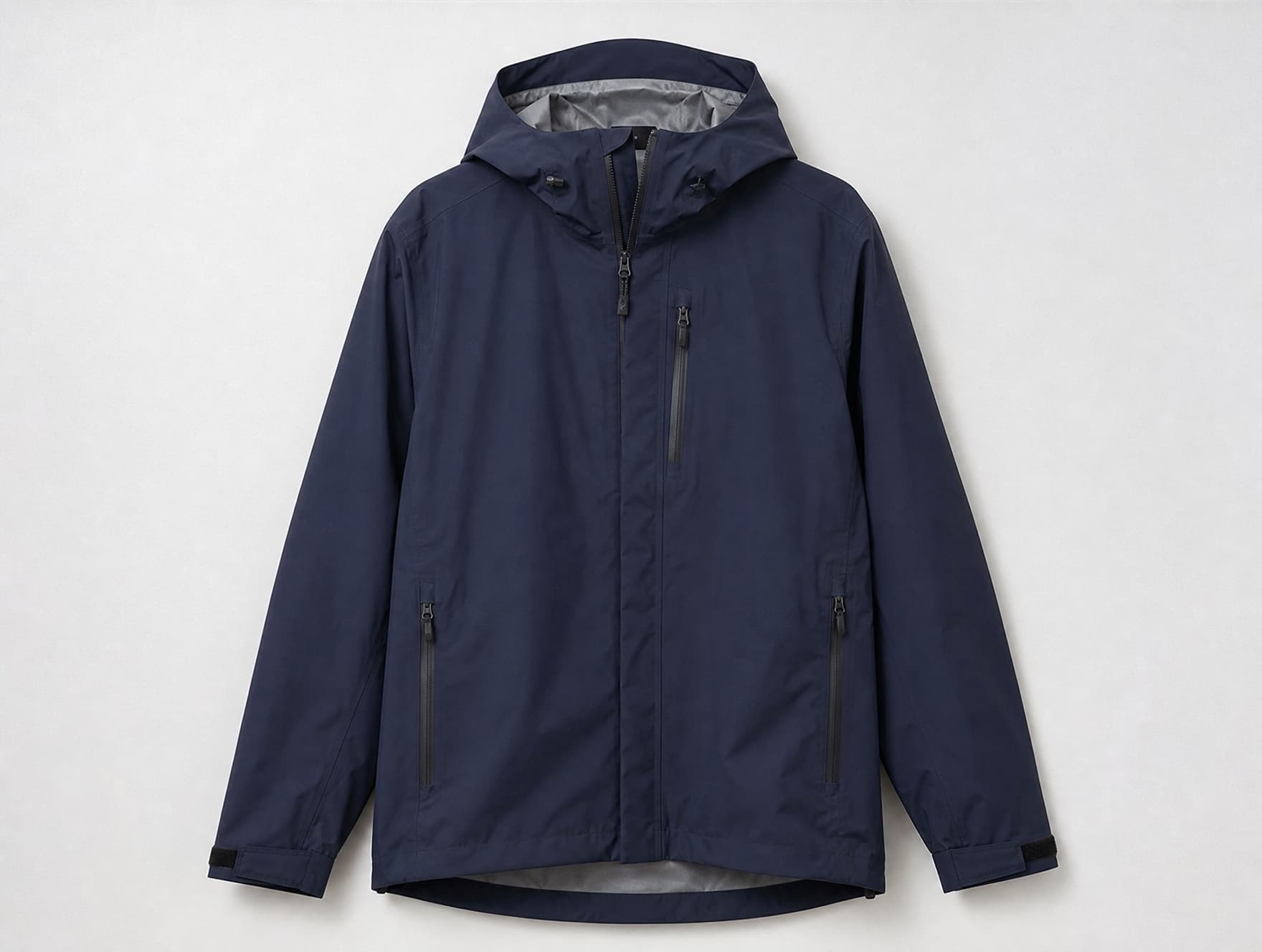
A corporate uniform programme is a long term commitment. A garment issued to a new employee three years after launch has to match the one issued on day one, in colour, fit and branding.
That is achieved with retained approved samples, a locked fabric specification and a recorded colour standard. Without those, each reorder becomes a fresh negotiation about whether the shade is close enough.
Priorities
Drawn from what buyers in this sector actually ask about, rather than from what is easiest to promise.
Compliance
Regulatory responsibility for a product sits with the organisation placing it on the market. These are the points we raise before production.
Questions
An approved pre production sample and the signed specification become the reference for repeat orders. Reorders are checked against that reference rather than reinterpreted, which is what keeps a second run consistent with the first. Where a fabric or trim has changed availability, we tell you before production instead of substituting quietly.
Minimum order quantity depends on material availability, colour count, construction, decoration and packaging. Projects can begin from approximately 50 pieces per style following technical review. Where a fabric has to be knitted or dyed specifically for a project, the practical minimum is set by the mill rather than by us, and we tell you that before you commit.
We build labelling into the specification and apply exactly what you approve, including fibre content, care symbols, country of origin and identification details. Responsibility for confirming what your market and your product category legally require stays with you as the brand owner. We flag anything that looks inconsistent before production.
Describe your requirement, the quantity and the timeline. We will confirm feasibility and tell you which requirements need to be settled before quoting.