
Loading page content
Loading page content
Product family
Apparel for children, where safety requirements and component selection carry more weight than styling.
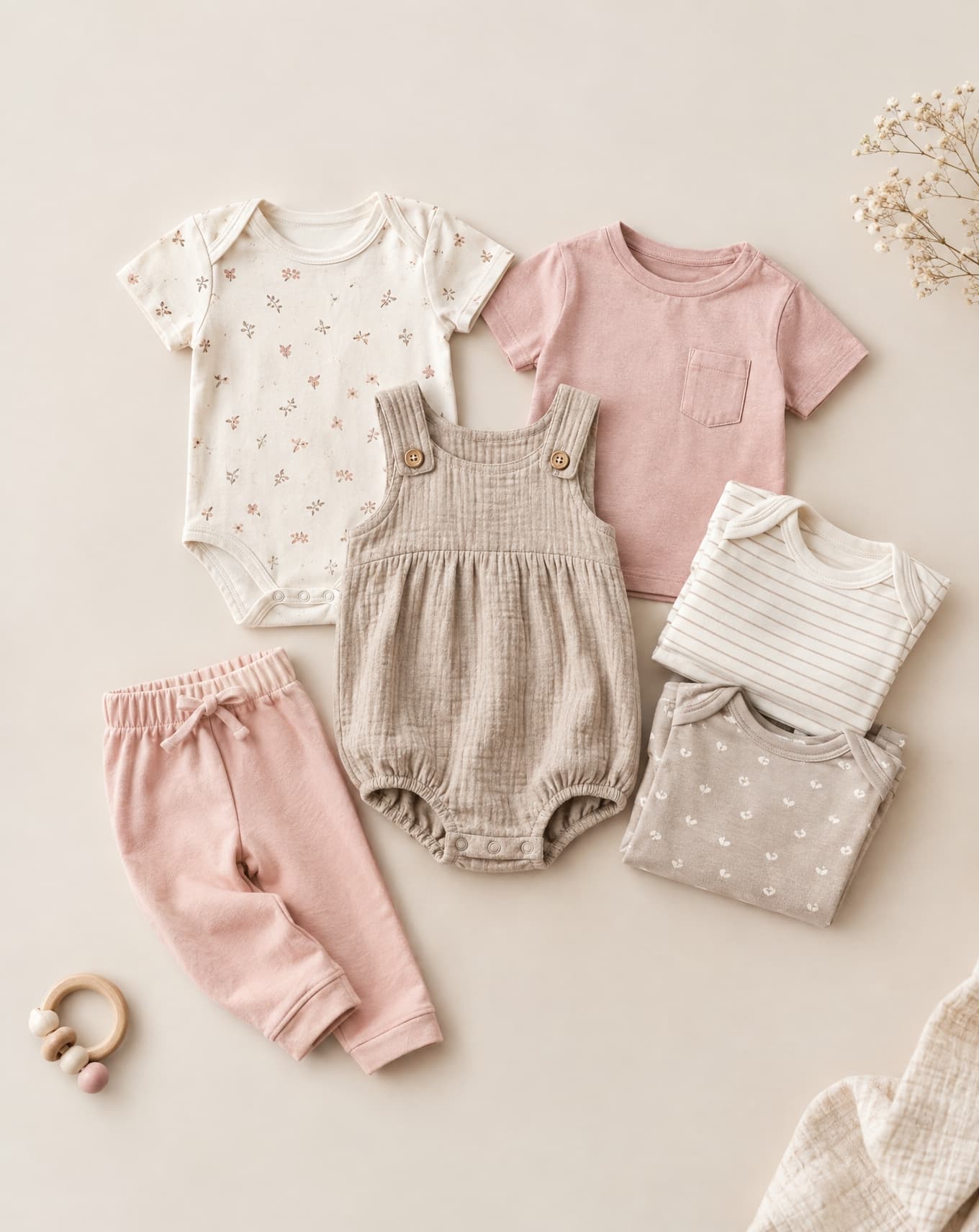
Children's apparel is the category where compliance drives construction. Drawcords, small components, fastening strength and fabric chemistry are all regulated in the markets we serve, and the rules differ between them.
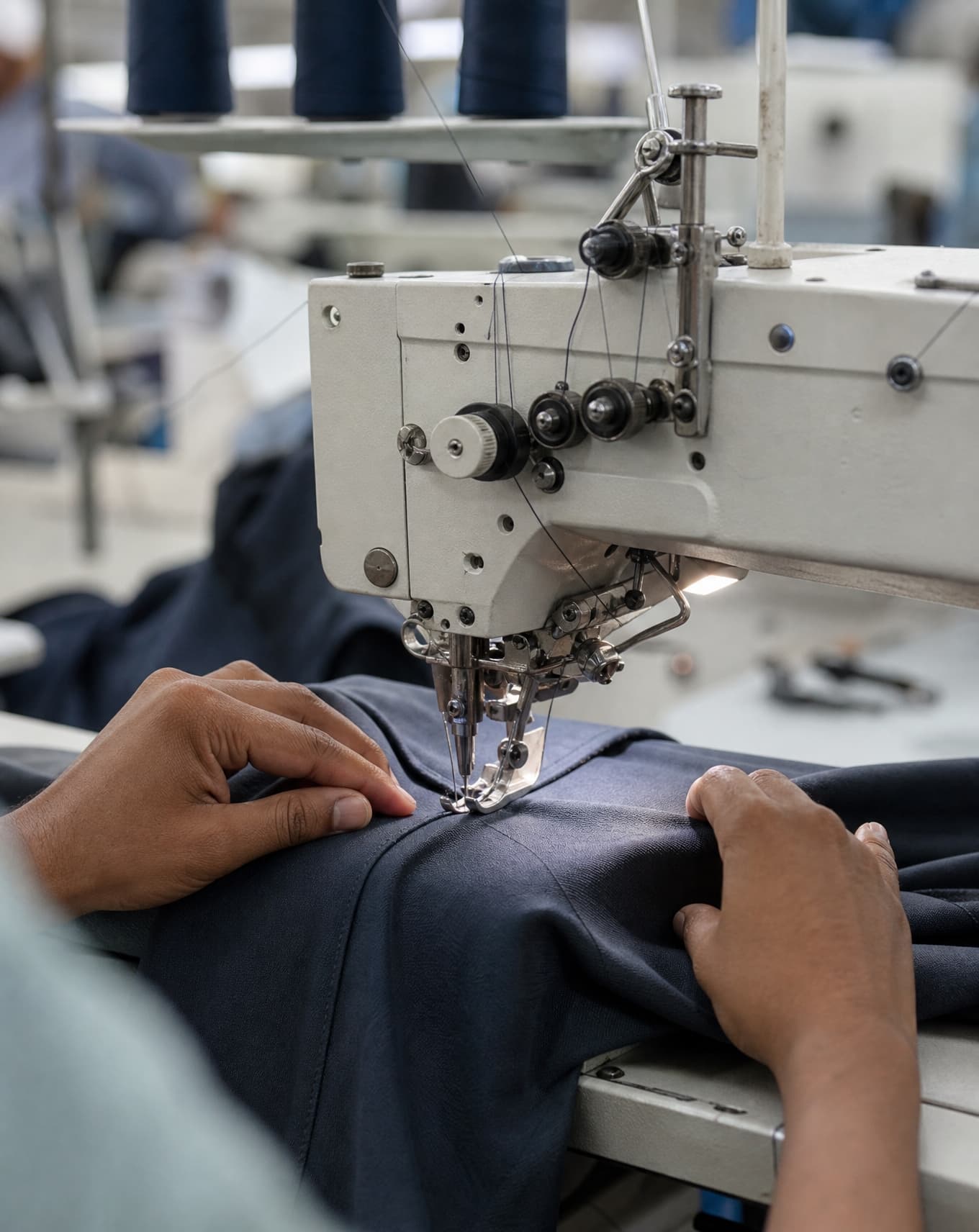
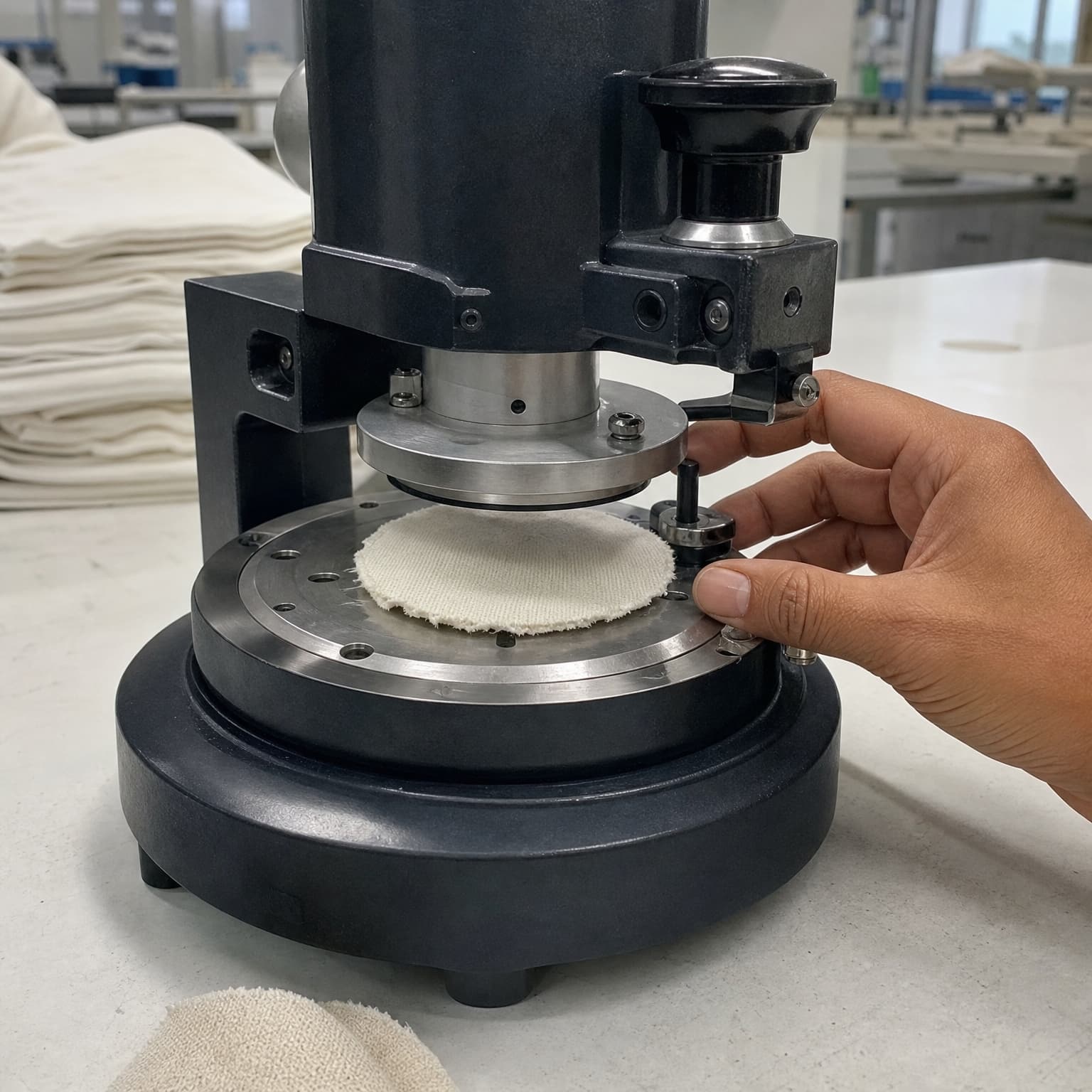
We build those requirements into the specification rather than treating them as a final check. Component choices are made with the applicable standard in mind, and testing is coordinated where evidence is required.
Responsibility for confirming which standards apply to your product and your market remains with you as the brand owner. What we do is make sure nothing in the construction quietly contradicts what you have specified.
Product types
Representative products we manufacture in this category. Anything not listed can still be assessed on technical review.
Snap fastened bodysuits with envelope necklines for easy dressing.
All in one garments with fastening layouts designed for changing.
Jersey tops with neck openings sized for a child's head.
Fleece and terry outerwear with drawcord free hood constructions.
Comfort waistbands with reinforced knees where appropriate.
Durable polos, sweatshirts and trousers for institutional programmes.
Specification
Weight ranges are typical for this category. The finished weight of your fabric is confirmed on the approved sample rather than guaranteed to a figure.
Decoration
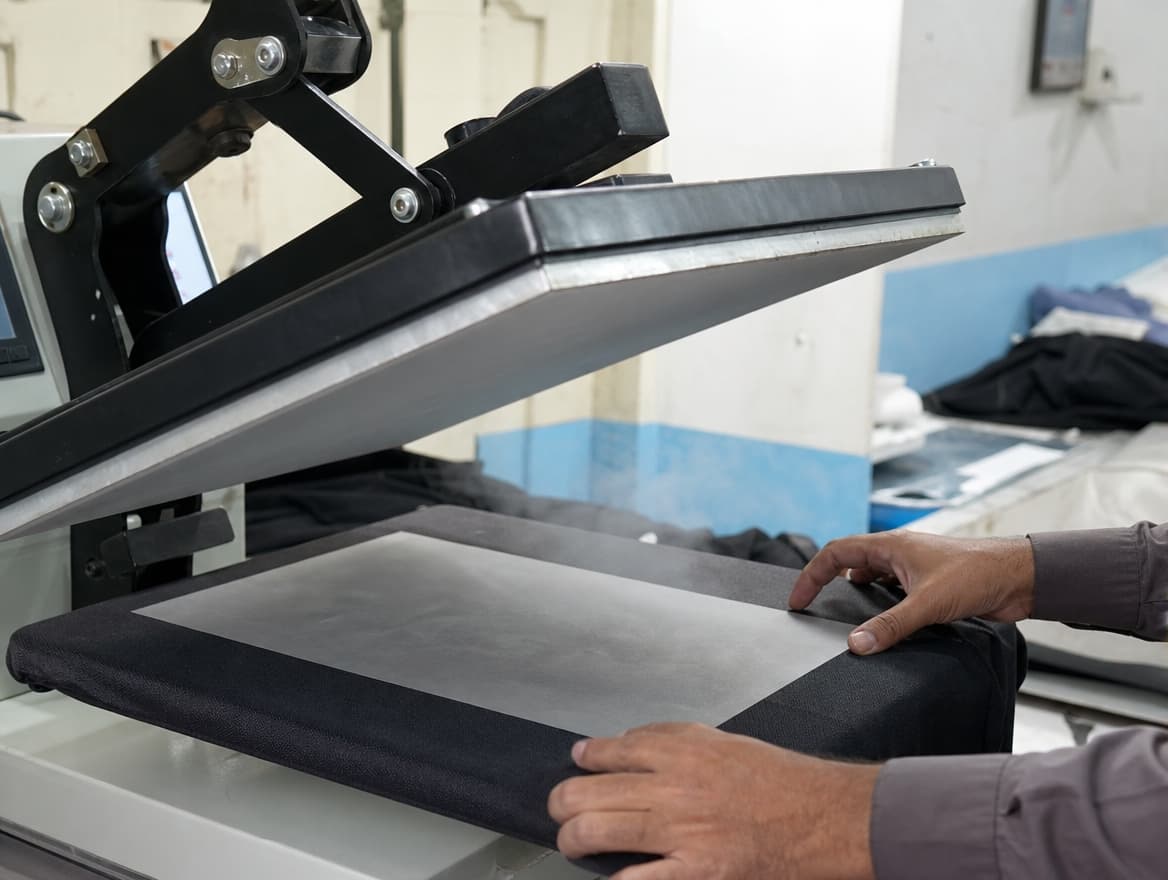
Decoration is matched to the fabric and the artwork rather than applied by default. Each method links to its own page with limits stated.
Materials
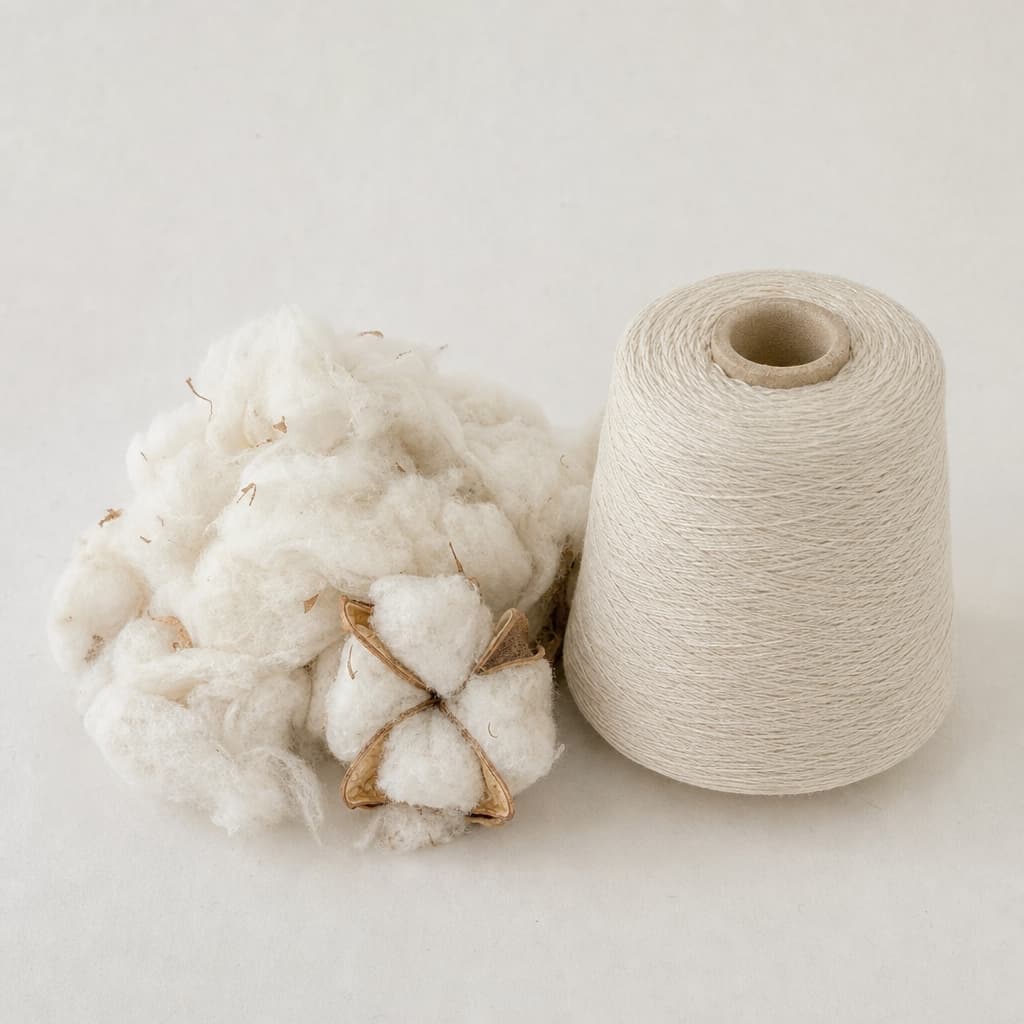
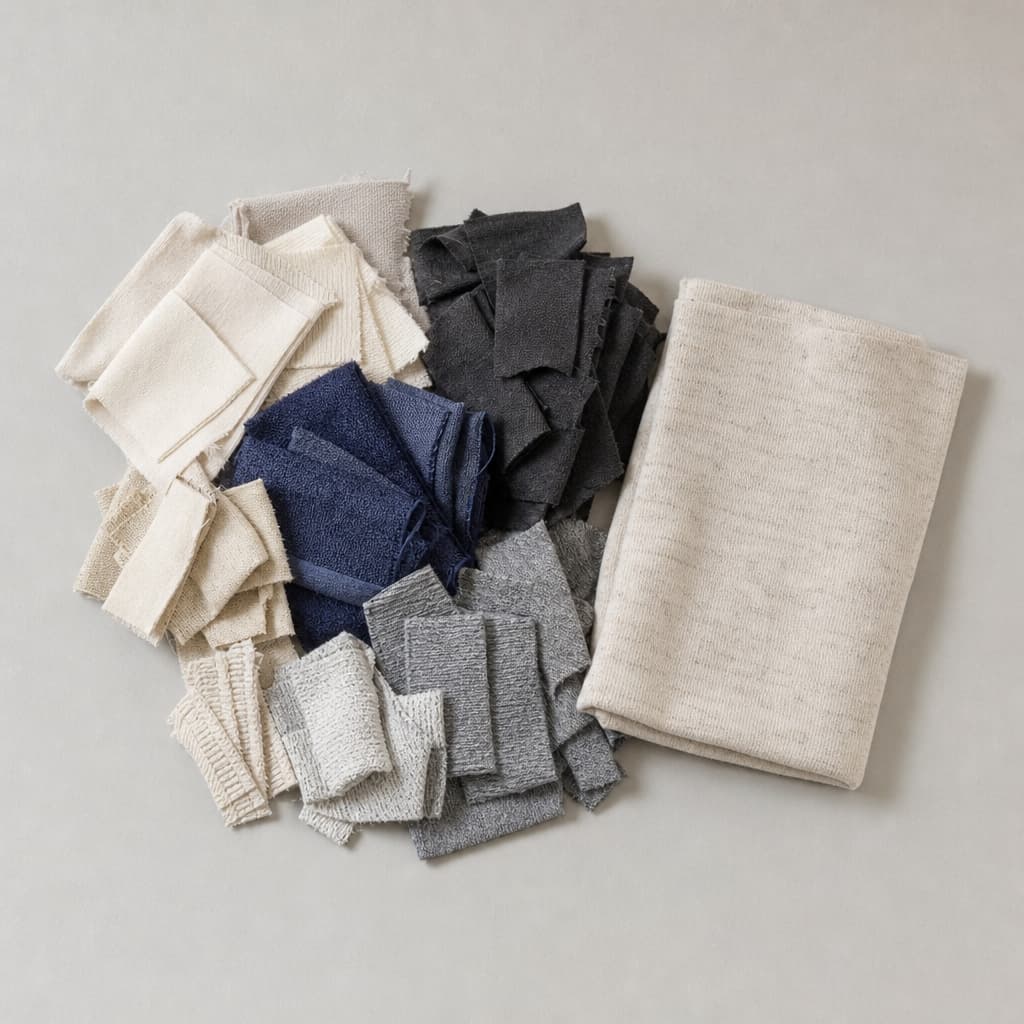
Composition, weight guidance and decoration compatibility for each fabric are on its own page.
Ordering
Neither figure is published as a universal number, because neither one is true across every specification.
MOQ depends on material availability, colour count, construction, decoration and packaging. Children's ranges span many sizes, so the effective minimum is the per style minimum multiplied across the size range you intend to offer.
Component safety testing is planned into the sampling schedule rather than treated as a final step, because a failed fastener test after production is expensive to correct.
Questions
Answers relevant to this product family. The full list covers ordering, sampling, materials, decoration, compliance and logistics.
We build labelling into the specification and apply exactly what you approve, including fibre content, care symbols, country of origin and identification details. Responsibility for confirming what your market and your product category legally require stays with you as the brand owner. We flag anything that looks inconsistent before production.
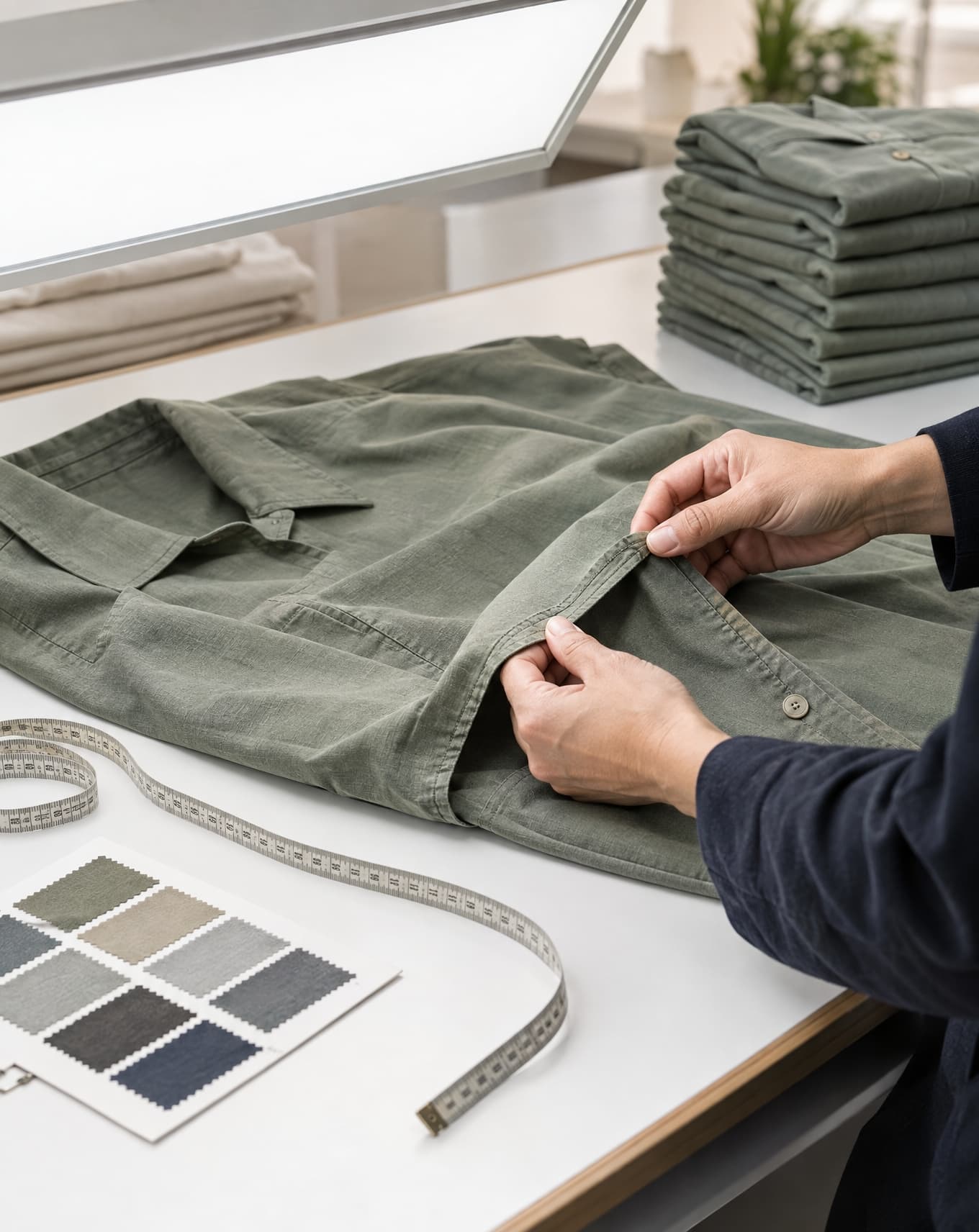
Sampling normally runs in stages: a proto sample to confirm construction, a fit sample against your measurement chart, and a pre production sample that fixes fabric, colour, decoration, labelling and packaging. Each stage needs written approval before the next one starts. Sample charges and courier costs are quoted before work begins.
Minimum order quantity depends on material availability, colour count, construction, decoration and packaging. Projects can begin from approximately 50 pieces per style following technical review. Where a fabric has to be knitted or dyed specifically for a project, the practical minimum is set by the mill rather than by us, and we tell you that before you commit.
Share your product details, target quantity and delivery requirements. We will confirm feasibility, materials and construction before quoting.