
Loading page content
Loading page content
Product family
Next to skin product where fabric handfeel, seam comfort and labelling decisions define the experience.
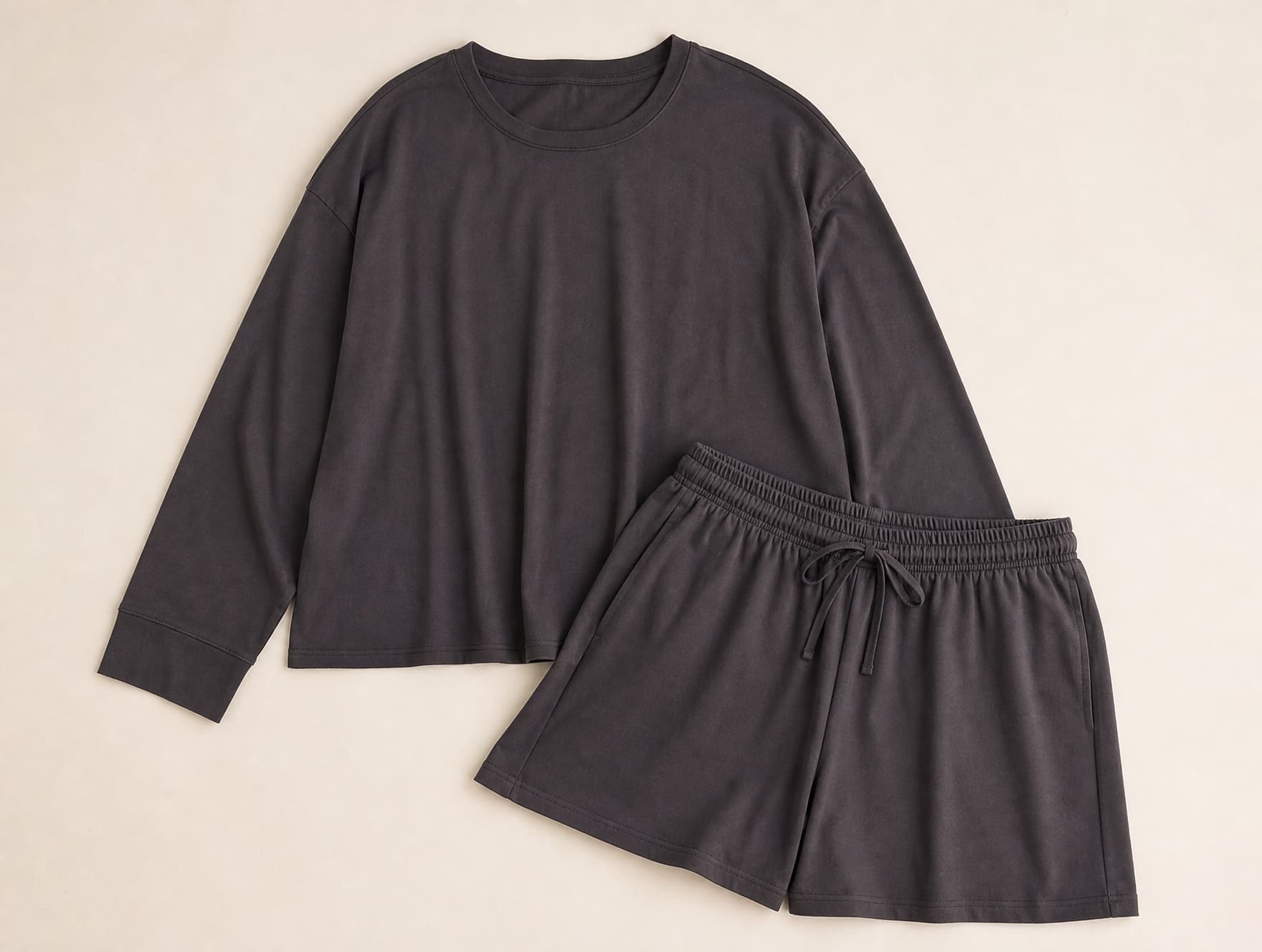
Next to skin garments are judged by touch. Fabric handfeel, seam construction and even the choice between a stitched label and a printed one determine whether a customer keeps wearing the product or quietly stops.
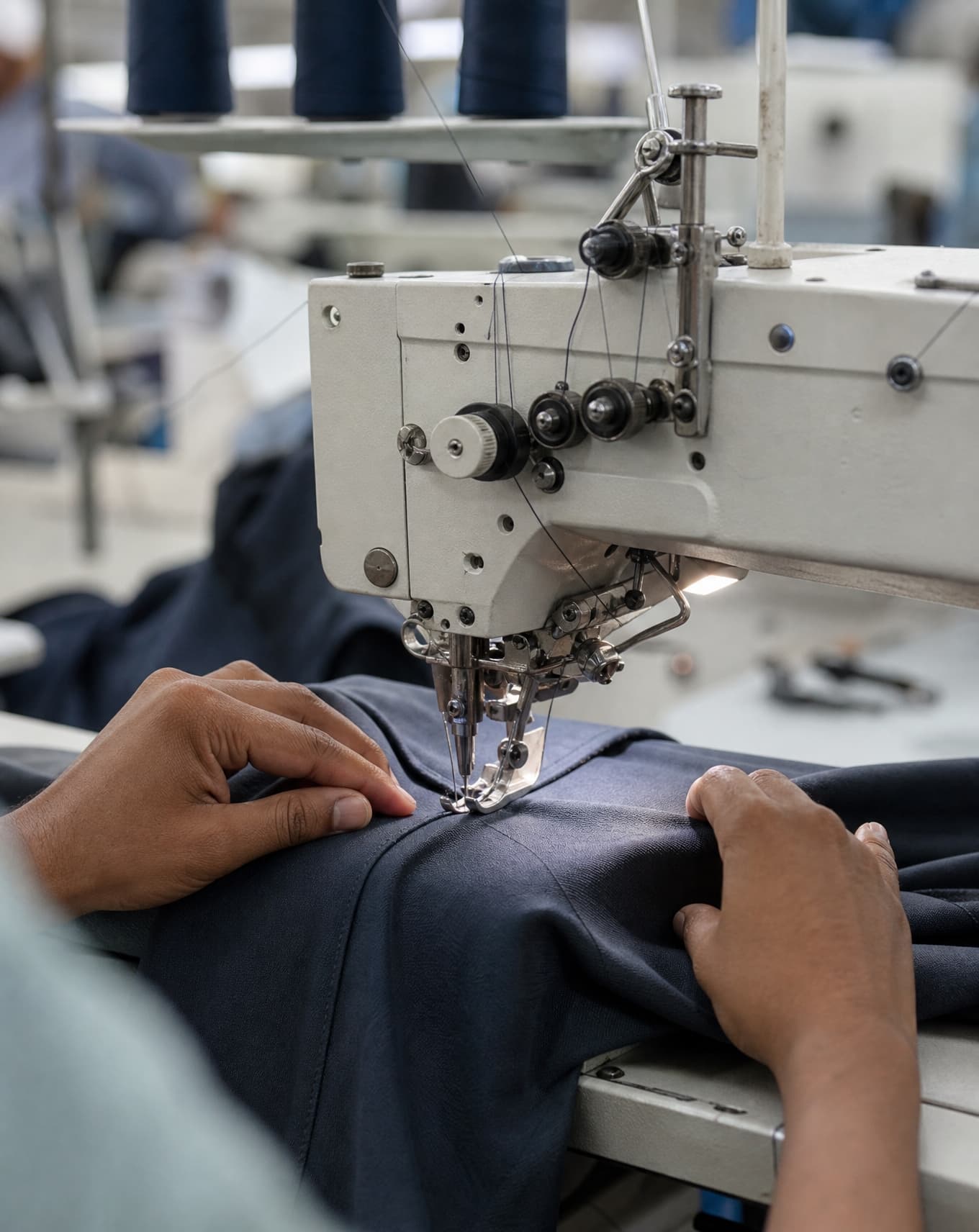
That is why tagless labelling is standard in this category rather than optional, and why flatlock and bound seams are specified in places where a conventional overlock would be felt against the skin.
Loungewear has grown into a category of its own, sitting between sleepwear and casual apparel. It uses similar fabrics with a more considered fit, and it frequently sells as a coordinated set rather than as separates.
Product types
Representative products we manufacture in this category. Anything not listed can still be assessed on technical review.
Coordinated loungewear sets in jersey or terry.
Woven or knitted sets with piping, contrast trims and pocket options.
Terry or woven robes with belt, loops and pocket construction.
Knitted underwear with elastic or covered waistbands.
Lightweight next to skin layers with bound or bias finishing.
Relaxed bottoms in terry, jersey or brushed woven fabric.
Specification
Weight ranges are typical for this category. The finished weight of your fabric is confirmed on the approved sample rather than guaranteed to a figure.
Decoration
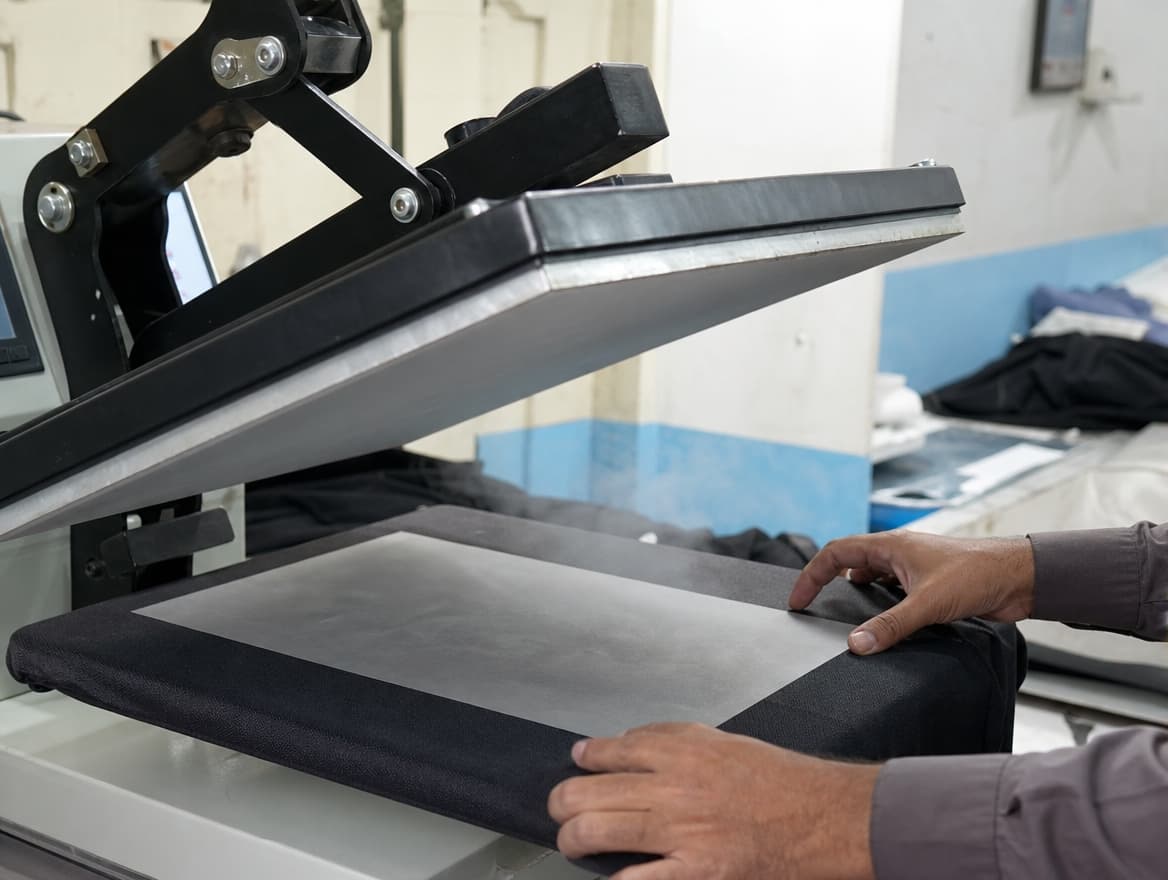
Decoration is matched to the fabric and the artwork rather than applied by default. Each method links to its own page with limits stated.
Materials
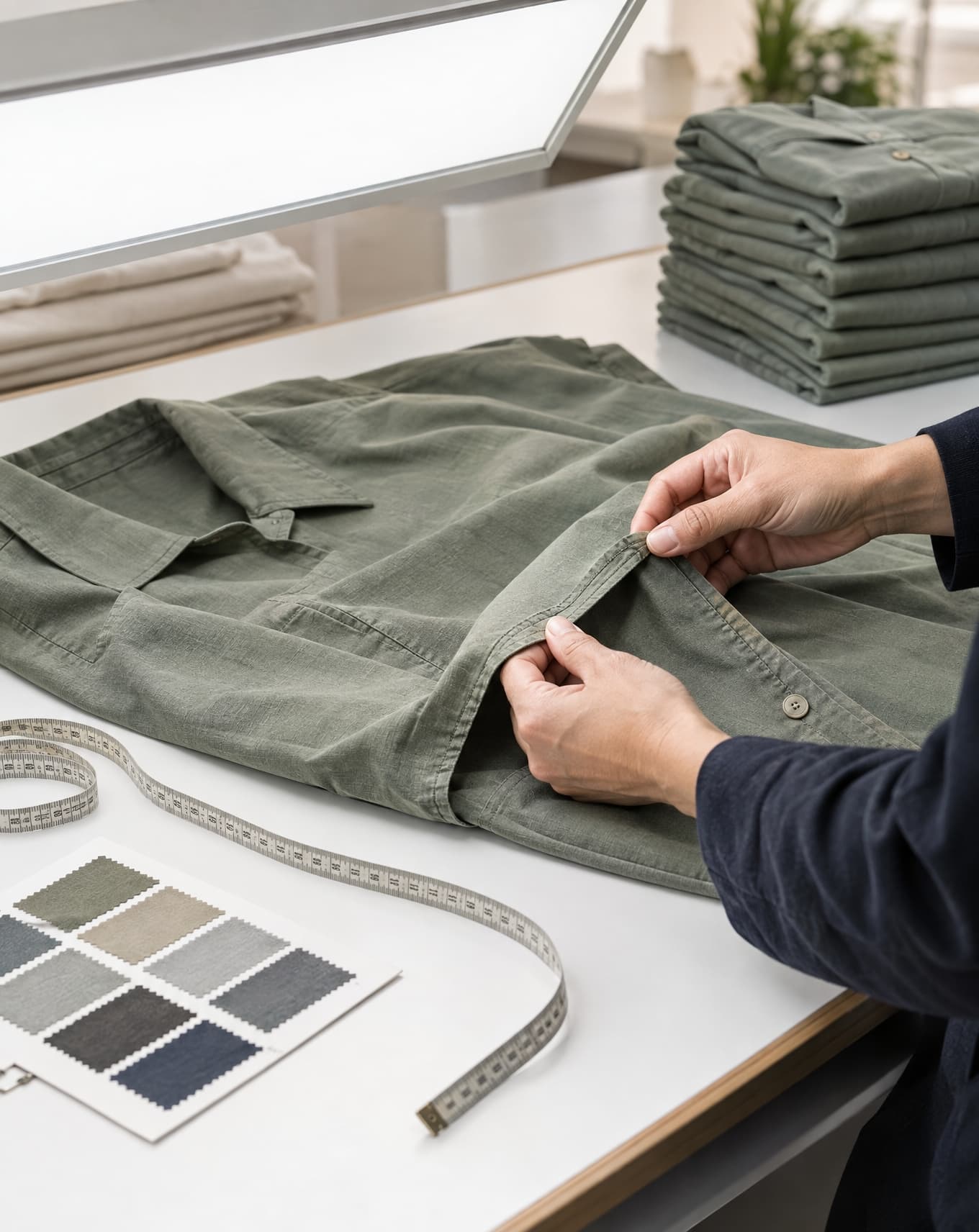
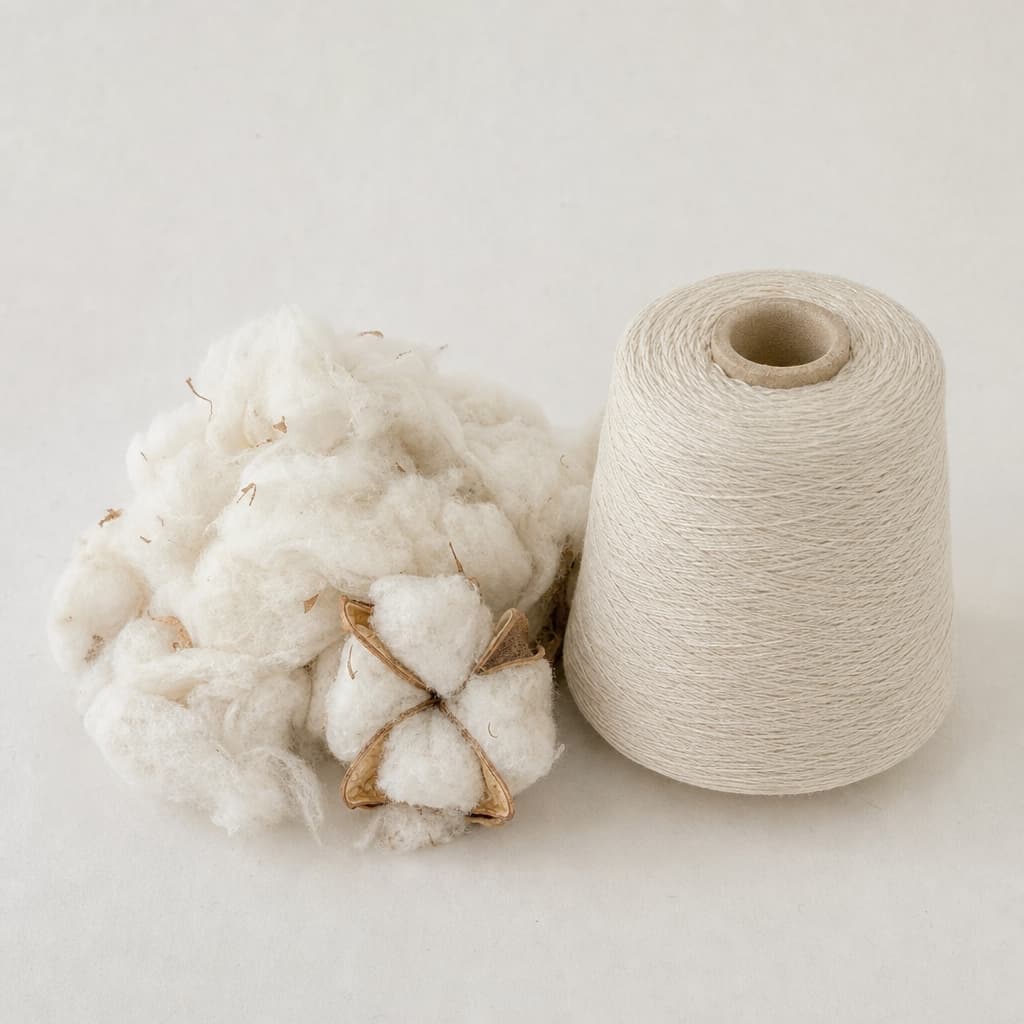
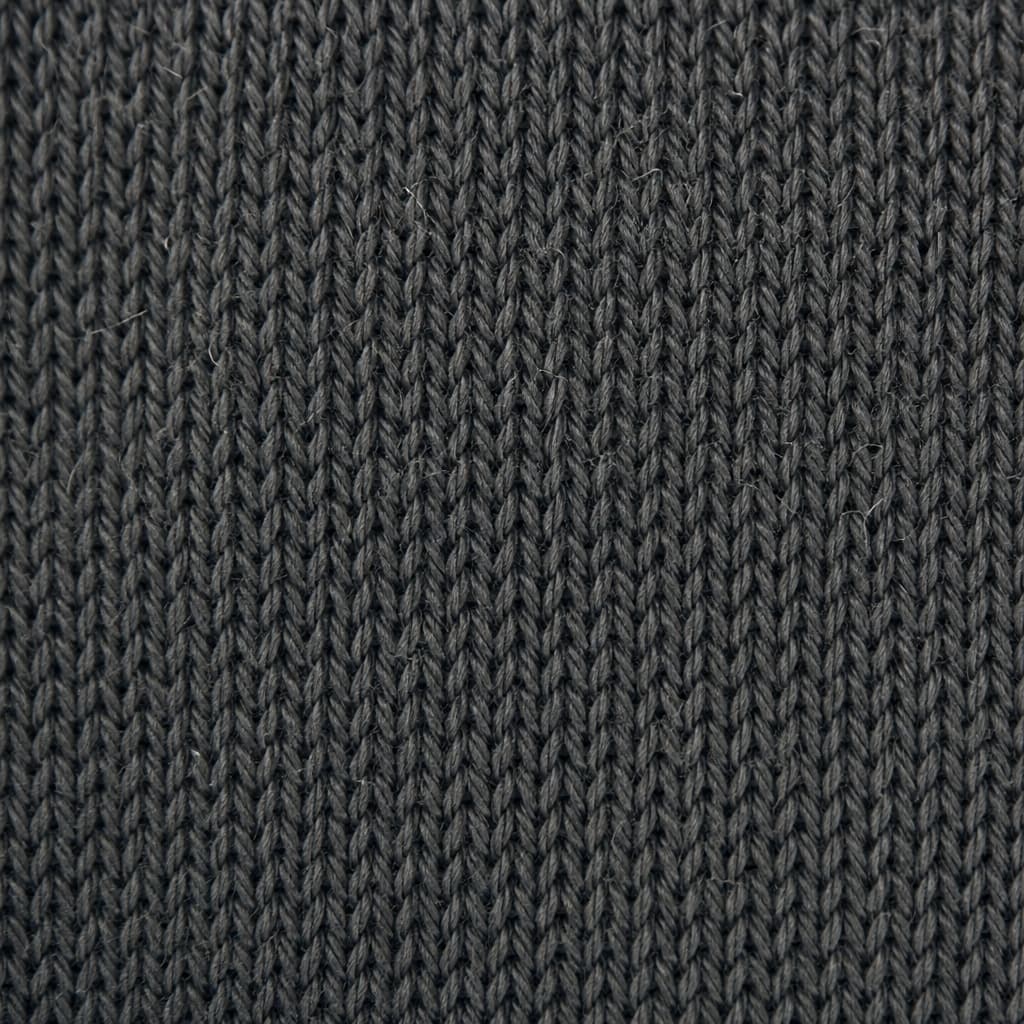
Composition, weight guidance and decoration compatibility for each fabric are on its own page.
Ordering
Neither figure is published as a universal number, because neither one is true across every specification.
MOQ depends on material availability, colour count, construction, decoration and packaging. Sets carry an effective minimum per component, so a two piece set at 50 sets requires 50 of each piece in each size.
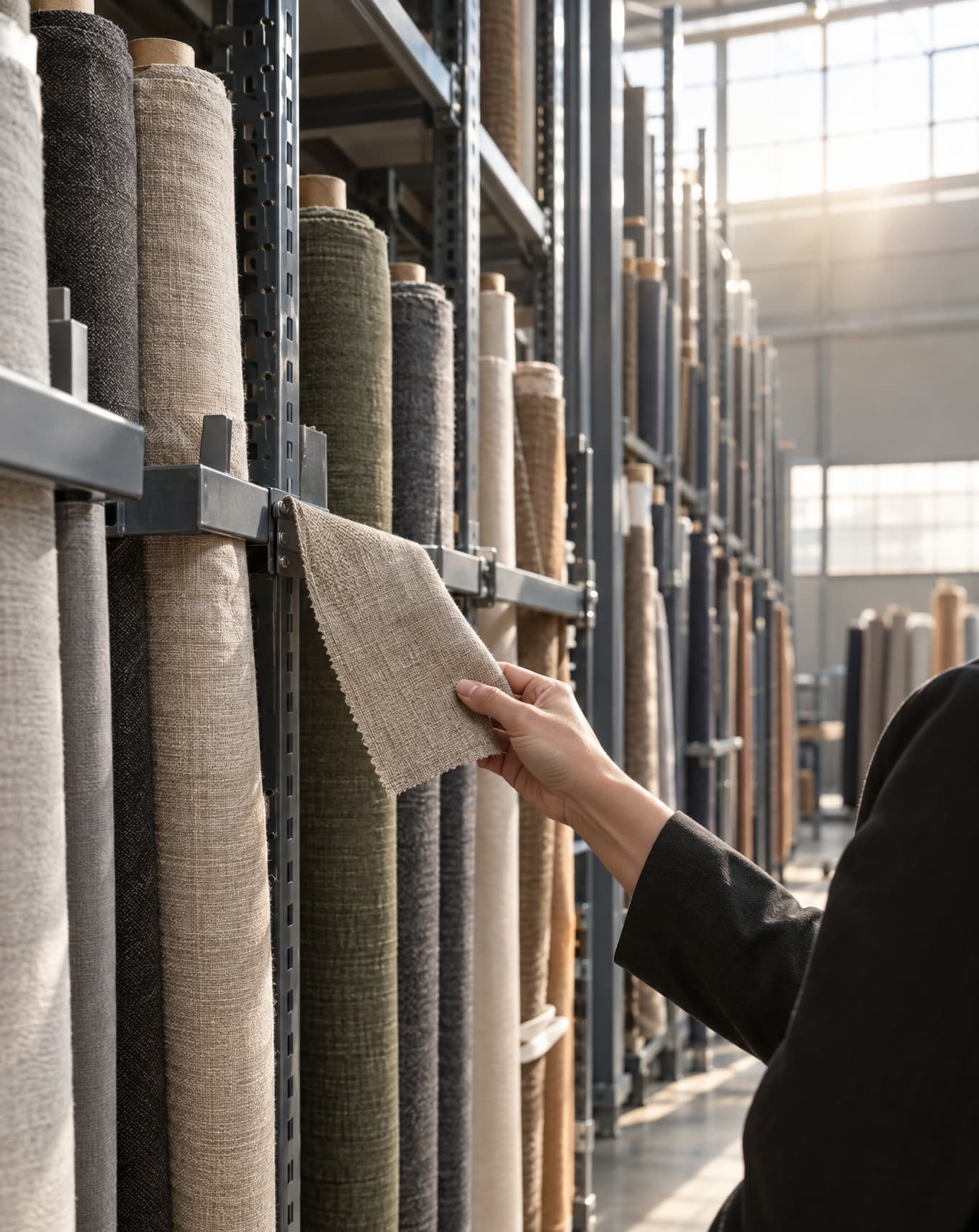
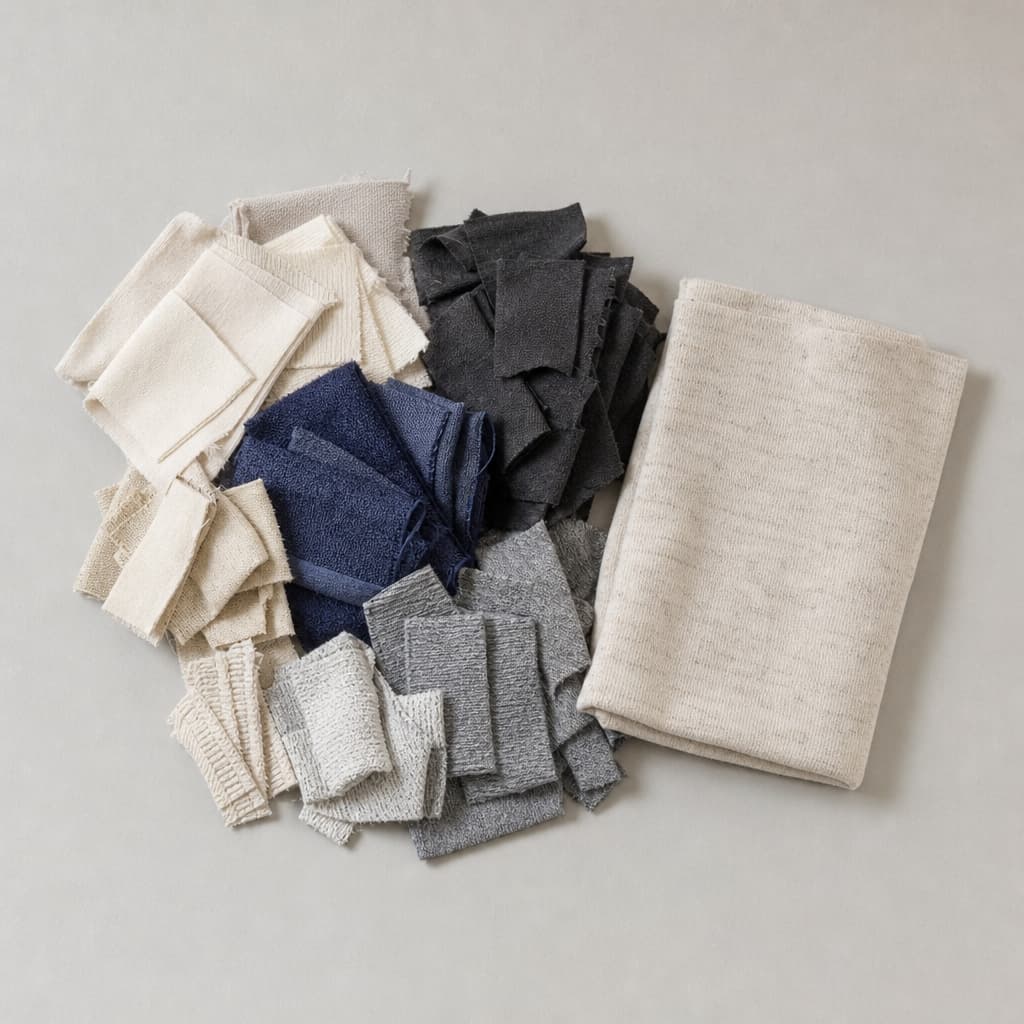
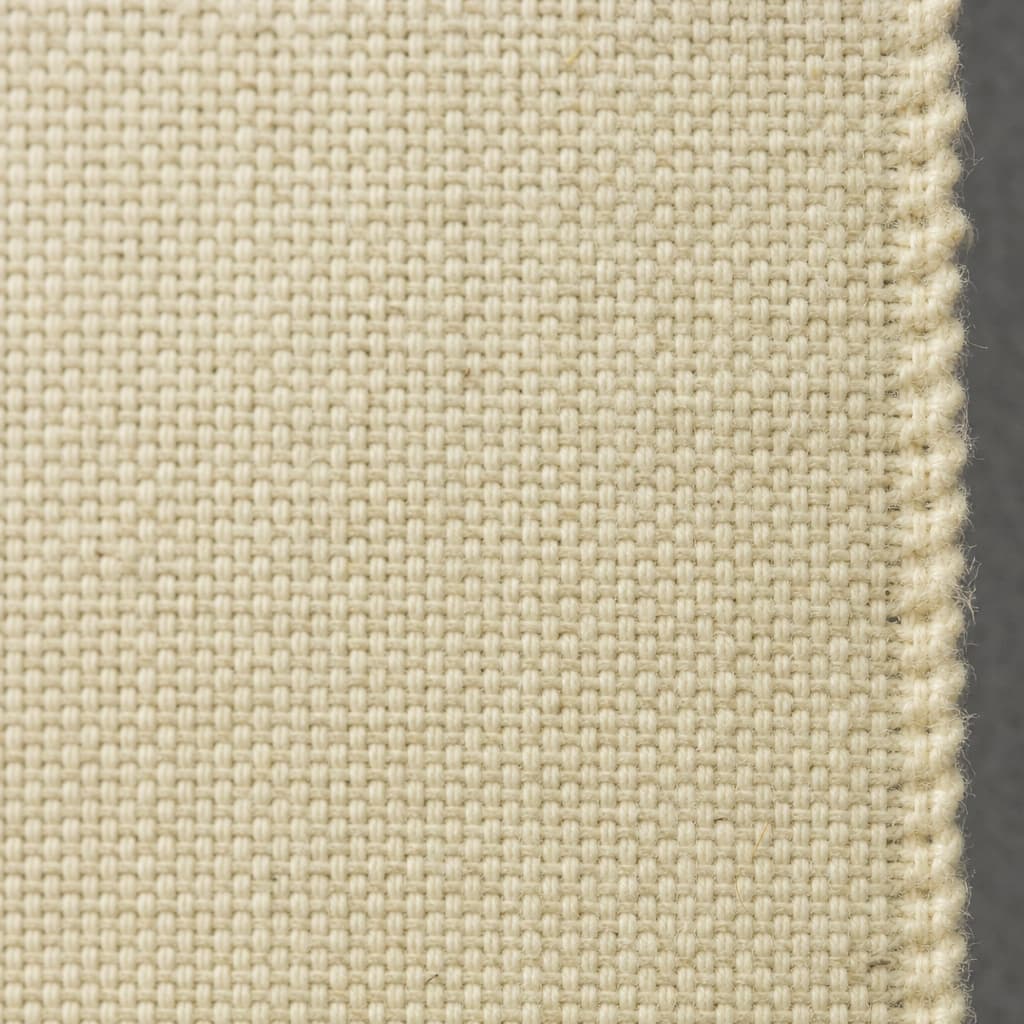
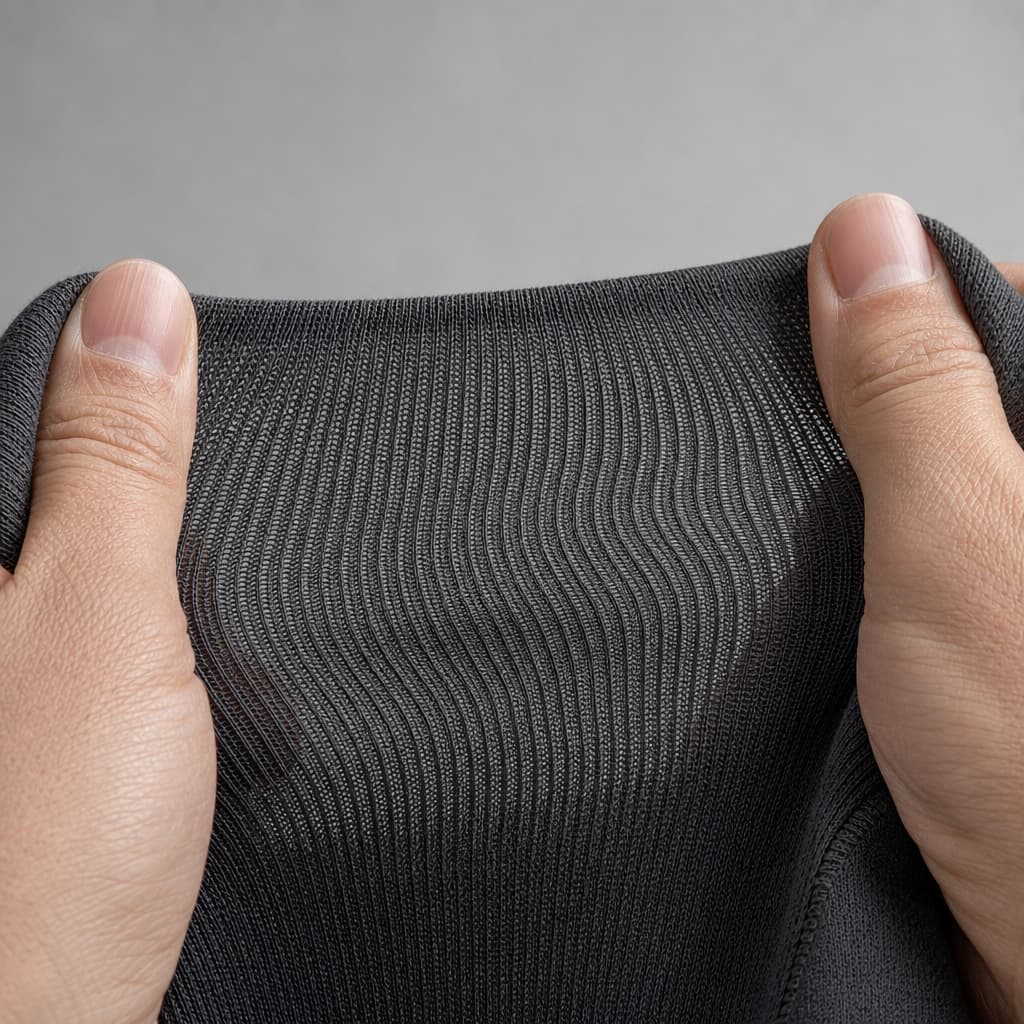
Fabric handfeel is approved on a physical swatch before sampling, because it is the deciding attribute in this category and cannot be assessed from a specification sheet.
Questions
Answers relevant to this product family. The full list covers ordering, sampling, materials, decoration, compliance and logistics.
Minimum order quantity depends on material availability, colour count, construction, decoration and packaging. Projects can begin from approximately 50 pieces per style following technical review. Where a fabric has to be knitted or dyed specifically for a project, the practical minimum is set by the mill rather than by us, and we tell you that before you commit.
Sampling normally runs in stages: a proto sample to confirm construction, a fit sample against your measurement chart, and a pre production sample that fixes fabric, colour, decoration, labelling and packaging. Each stage needs written approval before the next one starts. Sample charges and courier costs are quoted before work begins.
Yes. Private label production covers your main label, care and content labels, size labels, hangtags, barcodes and packaging. You supply the brand assets and the legally required care and fibre content information for your market, and we apply them to the approved specification.
Share your product details, target quantity and delivery requirements. We will confirm feasibility, materials and construction before quoting.