What a tech pack is for
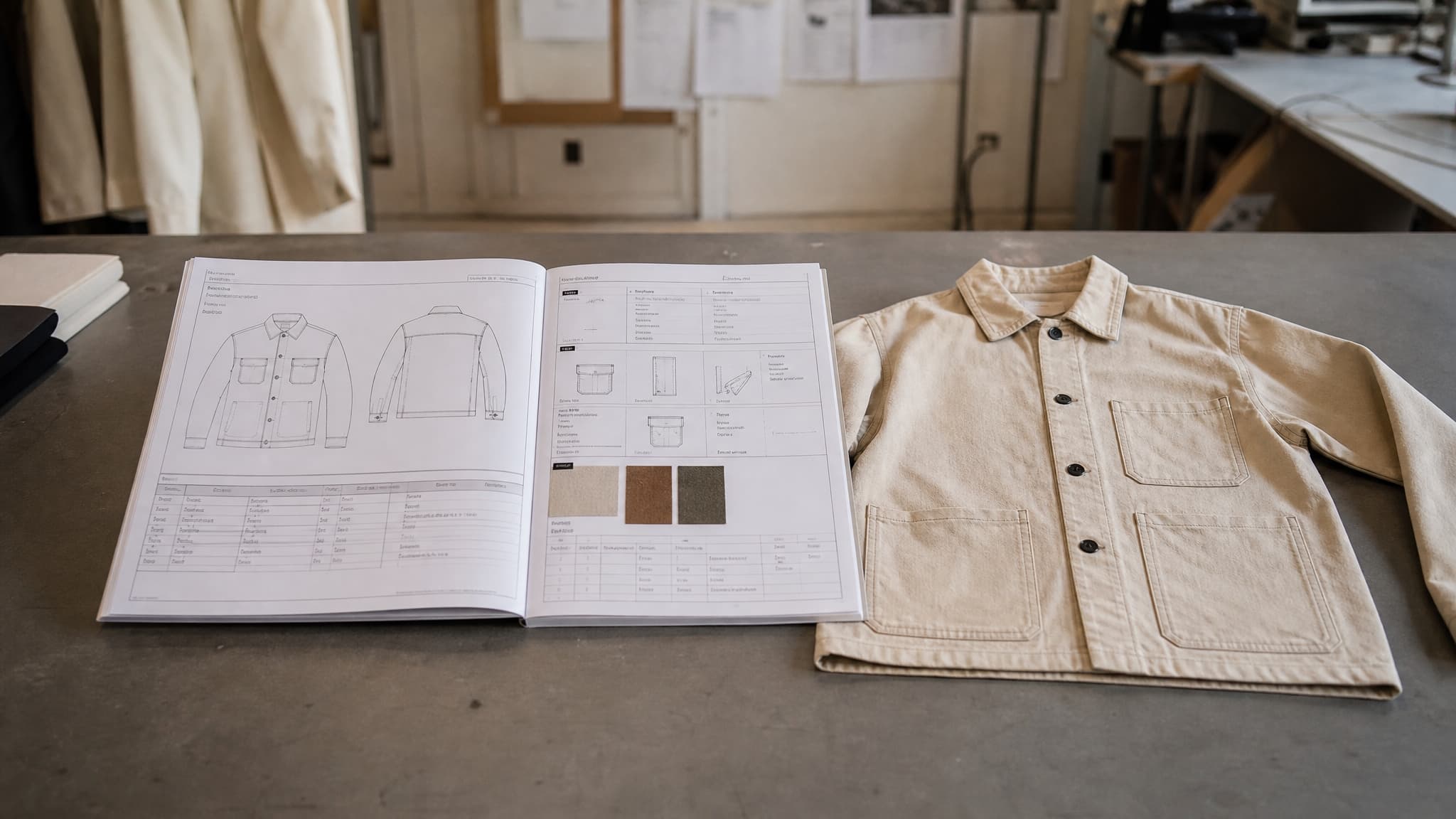
A tech pack exists to let a different person, on a different line, in a different month, make the same garment. Everything in it serves that purpose, and anything that does not is decoration.
The test is simple: if the specification were handed to a factory that had never spoken to you, could they produce the garment you intended. Where the answer is no, the gap is the part that will be interpreted differently in production.
The measurement chart and its tolerances
A measurement chart lists points of measure and the target value for each size. A chart without tolerances is incomplete, because no garment is produced to an exact figure and the tolerance is what defines acceptance.
Tolerances vary by point of measure. A chest measurement typically carries a wider tolerance than a collar, because a small collar variance is visible and a small chest variance is not. Setting one blanket tolerance across every point produces disputes later.
The bill of materials
The bill of materials lists everything the garment is made from: fabric, thread, elastic, zips, buttons, labels, hangtags and packaging. Each line needs enough specification to be sourced without a follow up question.
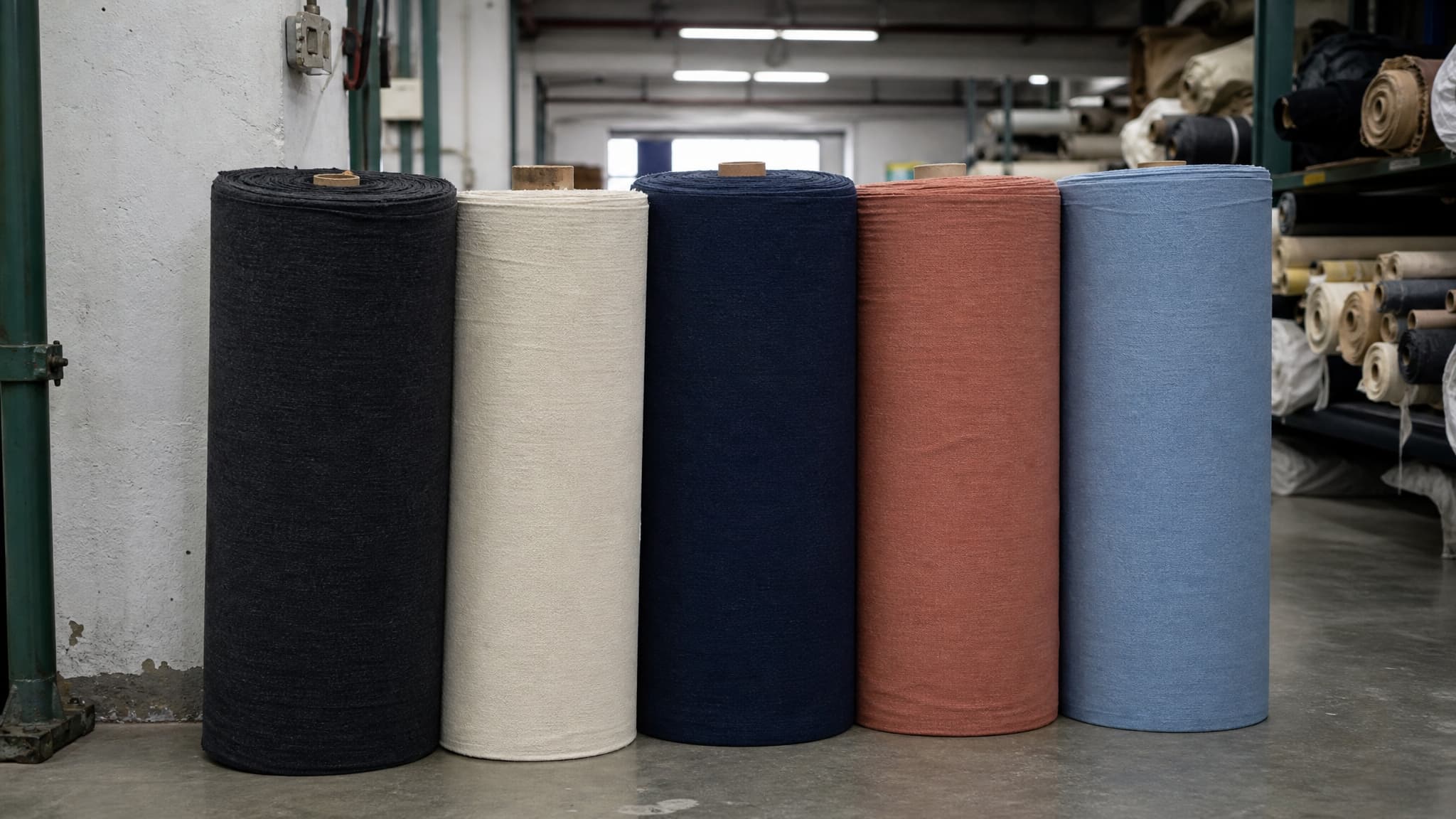
Fabric is the line that most often gets under specified. Cotton jersey 180 gsm is not a specification. Combed ring spun cotton, single jersey, 180 gsm finished weight, with a named colour reference, is.
Construction detail
Construction detail records how the garment is assembled: seam types, stitch density, hem finishing, topstitching and reinforcement. These decisions change both appearance and cost.
This is also where durability is decided. Whether a hem is single or twin needle stitched, whether stress points are bartacked, and whether the shoulder is taped are choices that determine how long the garment lasts.
Artwork and label placement
Placement has to be dimensioned from a fixed reference point rather than described. Fifty millimetres below the collar seam is a specification; centred on the chest is an interpretation.
Placement also needs to be defined per size. A print positioned identically on a small and an extra large will look wrong on one of them, so placement usually scales across the range.
Version control
Every revision should carry a number and a date, and every approval should reference the version it approves. Without that, a factory can be working from a superseded file while the buyer believes a change was made.
This becomes critical at reorder. A repeat order placed against version three when production ran on version five produces a garment that differs from the one in the shop, and nobody can establish why.
What happens without one
A first order can be produced without a tech pack. The approved sample carries the information instead, and for a single run that often works.
The cost arrives at the second order. Without a written specification, a reorder is a fresh development project: the sample is measured again, fabric is identified again, and construction is inferred rather than read. That is slower, more expensive and less accurate than the first run, which is the opposite of what a reorder should be.