The number is not one number
When a manufacturer quotes a minimum order quantity, buyers usually hear it as a commercial preference. In practice it is an aggregate: several independent minimums stacked on top of each other, most of which are set by suppliers further up the chain rather than by the factory itself.
Separating them is useful, because some are firm and some are negotiable, and knowing which is which tells you where a quantity can realistically move.
The four minimums that make up an MOQ
Almost every quoted minimum breaks down into the following components. Each one is set by a different party.
- Fabric minimum. A mill will not knit or weave below a certain length, and a dye house will not dye below a certain batch size. This is usually the largest single constraint and it is not set by the factory.
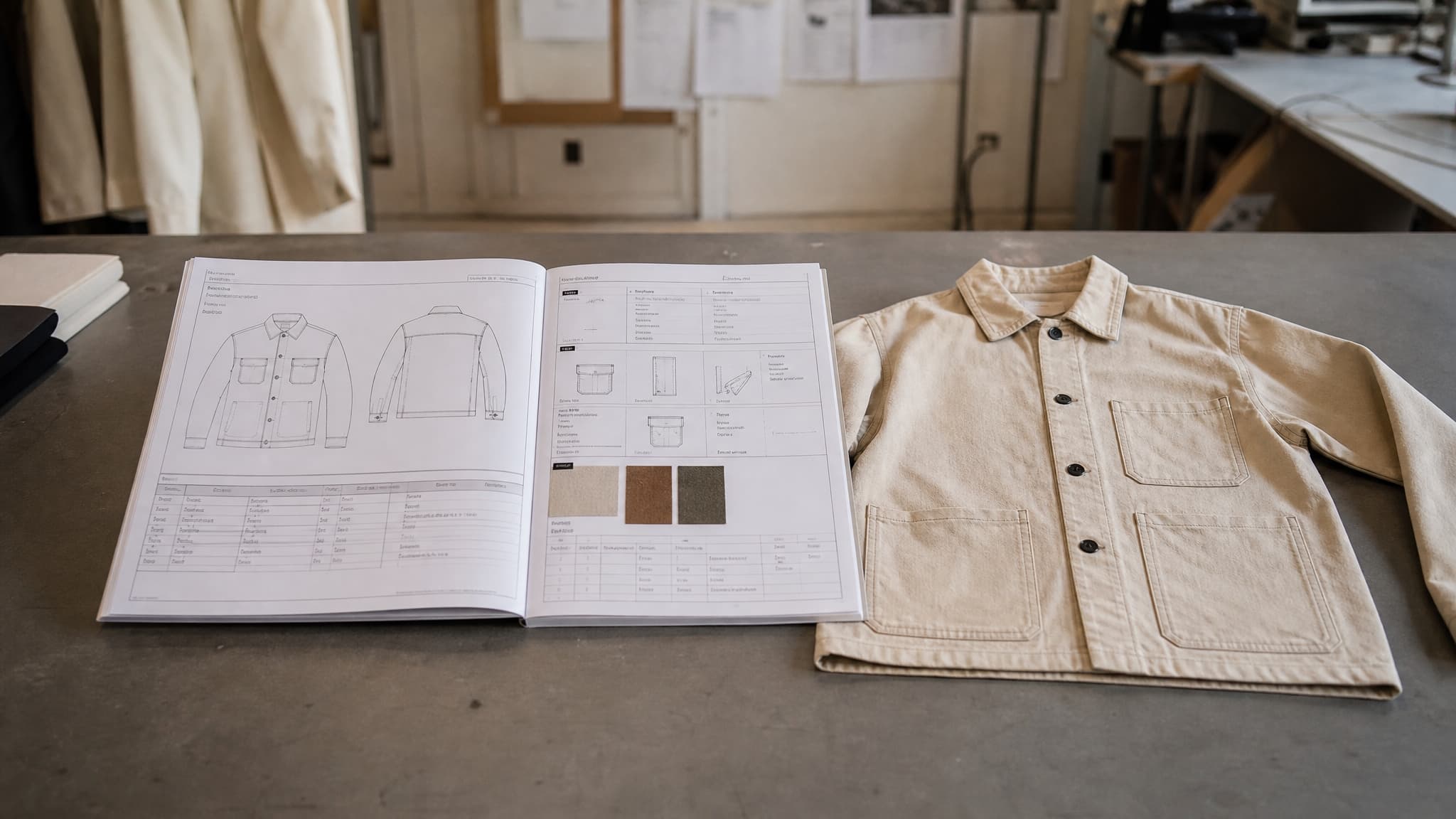
- Trim and component minimum. Woven labels, hangtags, zips and hardware all carry their own batch minimums from their own suppliers. It is common for a label supplier's minimum to exceed the garment quantity.
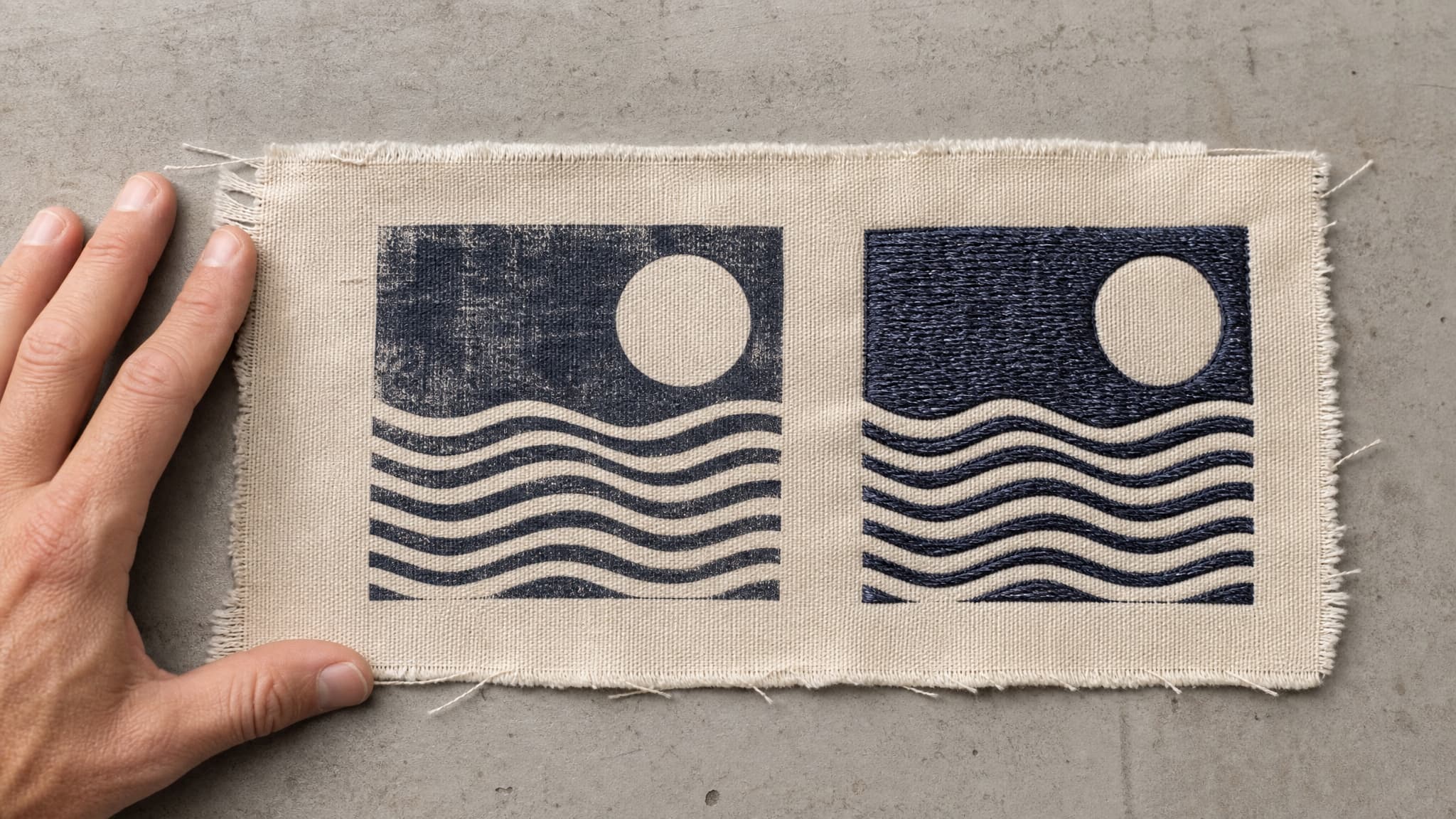
- Decoration setup. Screen printing requires a screen per colour. Embroidery requires a digitised file and an approved sew out. Those costs are fixed regardless of quantity, so they fall per piece as volume rises.
- Production line efficiency. A sewing line has a setup cost in time. Below a certain quantity, the setup dominates the run, which is why very small orders carry a higher unit cost rather than being refused.
Why stock fabric changes the answer
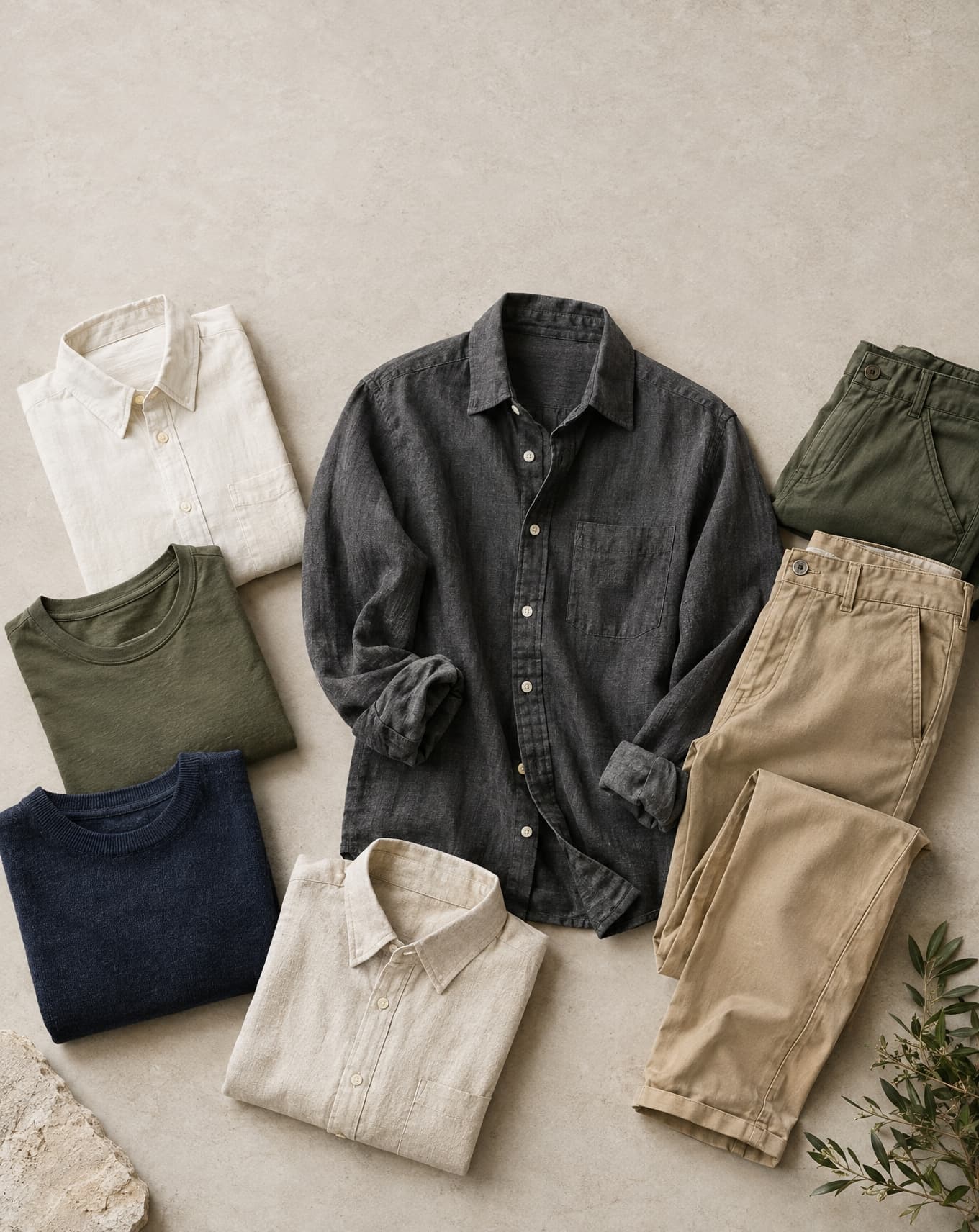
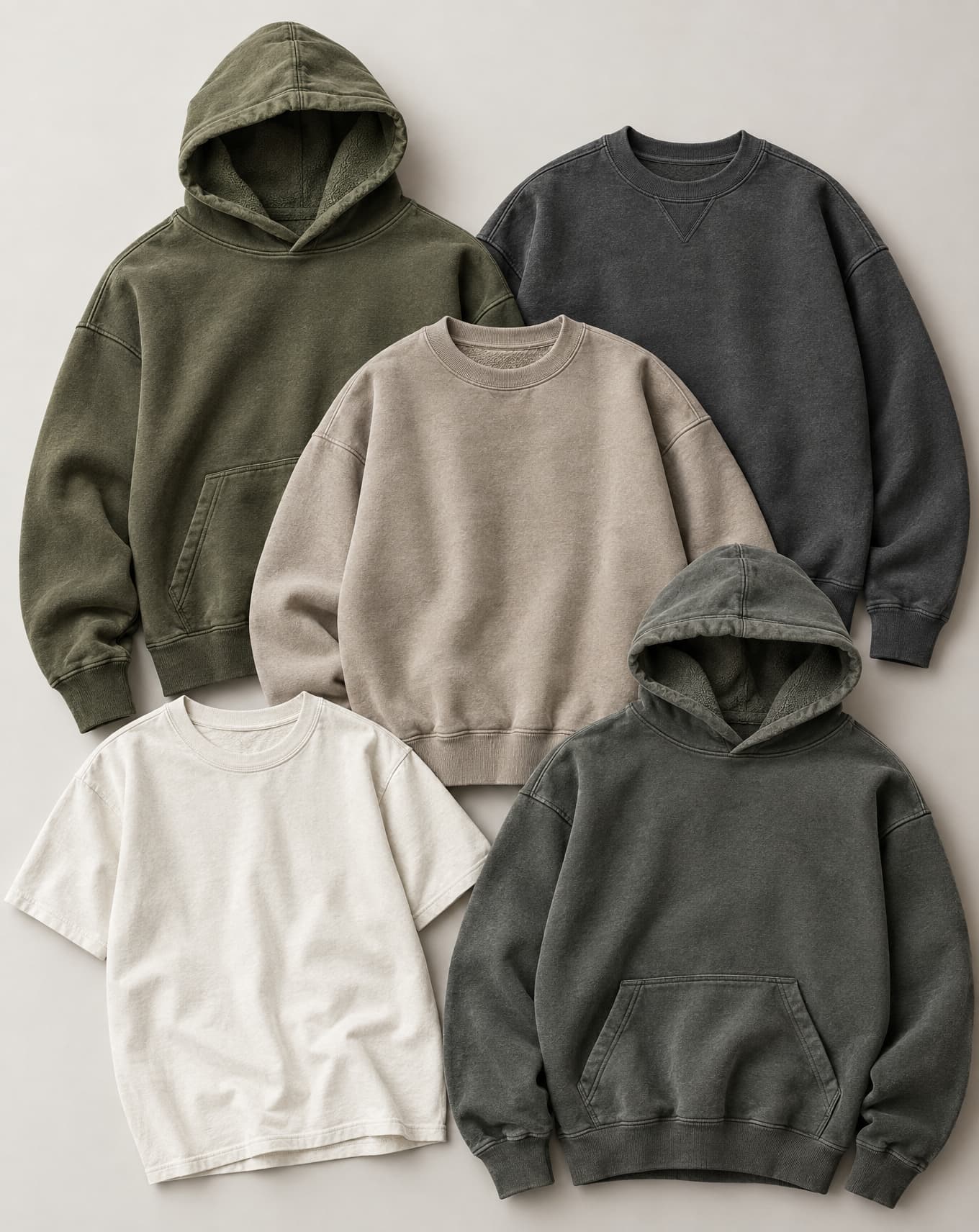
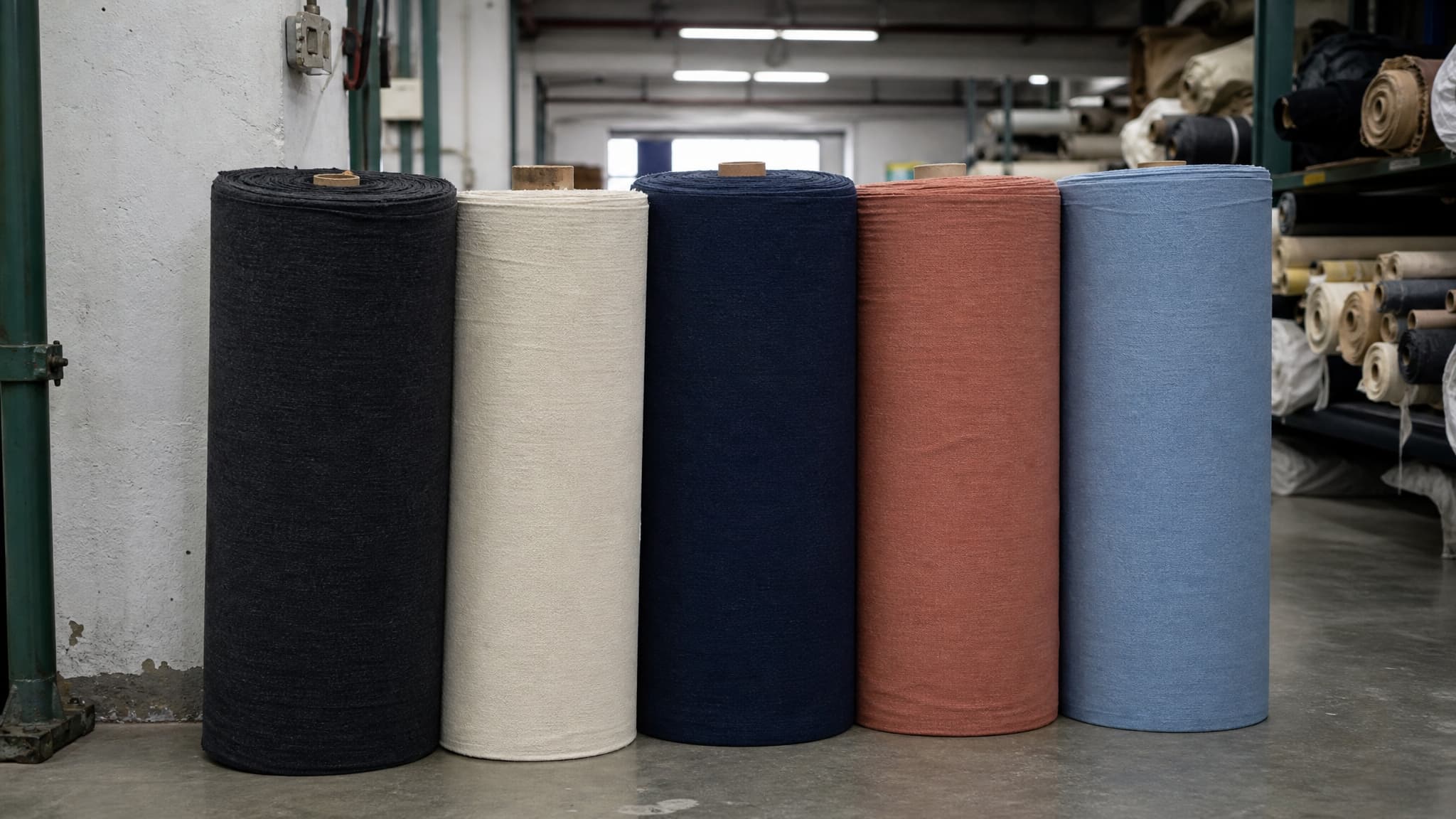
The single largest lever on a minimum quantity is whether the fabric already exists. Stock fabric in a standard colour removes the mill and dye house minimums entirely, which is why a 50 piece order in a stock quality is realistic while the same order in a custom colour is not.
This is also why the same factory can honestly quote very different minimums for two garments that look almost identical. One uses fabric that is on the shelf, the other requires a dye batch.
How to ask for a lower quantity
If a quoted minimum is higher than you want, the productive question is not whether it can be reduced but which component is driving it. Once you know that, the options become concrete.
- Accept a stock fabric colour instead of a custom shade, which removes the dye batch minimum.
- Reduce the number of colourways rather than the total quantity, since each colourway carries its own fabric minimum.
- Use a decoration method with no setup cost, such as DTF or DTG, for a first run.
- Use stock labels for a validation order and move to custom woven labels at volume.
- Split the size range, offering fewer sizes on a first drop.
What a validation order is actually for
A small first order is not a smaller version of a production order. Its purpose is to answer questions that cannot be answered on paper: whether the fit is right, whether the fabric feels the way you expected, whether the print survives washing and whether customers buy it.
Accepting a higher unit cost for that information is usually rational. The alternative is finding the same answers after committing to a full production run.