
Loading page content
Loading page content
Design and development
Produce to your own design and tech pack (OEM), or start from a TextileWays developed product and brand it as your own (ODM), with one specification and sampling discipline for both.
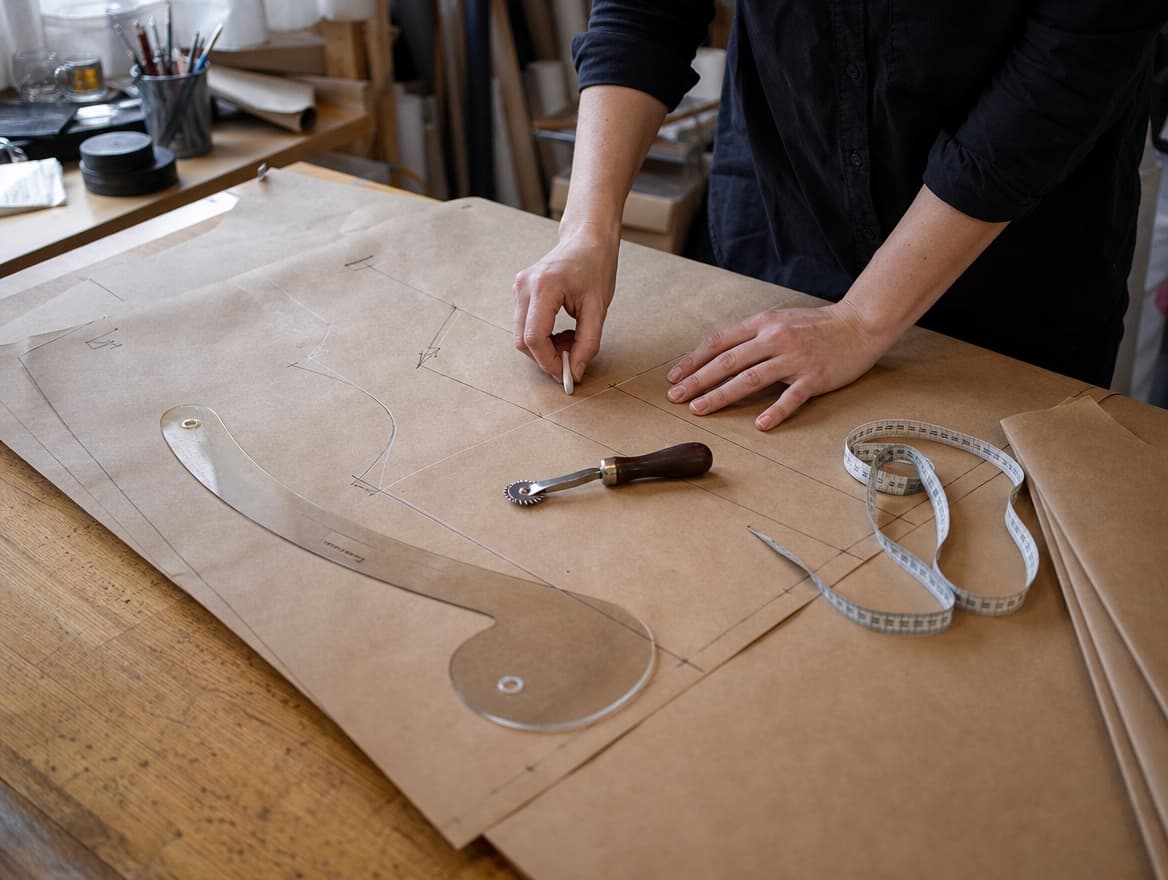
OEM and ODM describe who owns the design. In OEM manufacturing you bring the design, the tech pack or a reference garment, and TextileWays makes it to that specification. In ODM manufacturing TextileWays develops the base product, and you choose it, adapt it and put your brand on it.
The two routes are often mixed inside one programme. A brand may supply its own hoodie pattern (OEM) and take an existing t-shirt block for the rest of the range (ODM). Either way the work runs through the same tech pack, sampling and approval stages, so a reorder matches the first order. Who owns a design, and whether a developed product is exclusive to you, is agreed in writing before development starts, and a non disclosure agreement can be signed first.
Process
Each stage exists to resolve one question. Skipping a stage moves risk further down the line rather than removing it.
You confirm whether the product is your own design (OEM), a TextileWays developed base you will adapt (ODM), or a mix, and share references, quantities and target market.
For OEM, your tech pack or reference garment is reviewed and completed. For ODM, the chosen base product is written up with your changes to fabric, fit, colour and trims.
A proto sample confirms construction and fit, then a pre production sample fixes fabric, colour, decoration, labels and packaging.
Bulk production starts only after the pre production sample and the specification are approved by both sides.
The approved sample and signed specification are kept as the reference, so repeat orders are checked against them rather than reinterpreted.
Suitability
Where this capability is the right choice, and the materials it is compatible with.
Limits
Stated plainly, because a capability described without its constraints will be misapplied to a product it does not suit.
Materials
Composition, weight guidance and decoration behaviour for each fabric are on its own page.
Questions
Yes. Private label production covers your main label, care and content labels, size labels, hangtags, barcodes and packaging. You supply the brand assets and the legally required care and fibre content information for your market, and we apply them to the approved specification.
Sampling normally runs in stages: a proto sample to confirm construction, a fit sample against your measurement chart, and a pre production sample that fixes fabric, colour, decoration, labelling and packaging. Each stage needs written approval before the next one starts. Sample charges and courier costs are quoted before work begins.
No. A tech pack makes quoting faster and more accurate, but a clear description, reference garments, target quantity and target market are enough to start. Where you do not have a specification, we can develop one with you and confirm it in writing before sampling.
Files you submit are used to quote, sample and produce your order. They are shared internally and with the partners working on your project only to the extent needed to do that. A non disclosure agreement can be signed before you share a specification, and we recommend it for original product development.
Minimum order quantity depends on material availability, colour count, construction, decoration and packaging. Projects can begin from approximately 50 pieces per style following technical review. Where a fabric has to be knitted or dyed specifically for a project, the practical minimum is set by the mill rather than by us, and we tell you that before you commit.
Tell us the product, the fabric and the quantity. We will confirm whether this is the right process and what it means for your minimum quantity and schedule.